A slow-moving drain in your Florida home might seem like a small annoyance, but it could be warning you about a much bigger issue hiding below the surface. While many homeowners assume they’re dealing with a simple clogged drain, it’s important to understand when the problem runs deeper and signals the start of a serious sewer backup. Knowing the difference between these two plumbing problems gives you time to act fast and avoid a messy, expensive disaster. Here’s what Florida homeowners need to watch for, and why early action makes all the difference.
What is a clogged drain and what causes it?
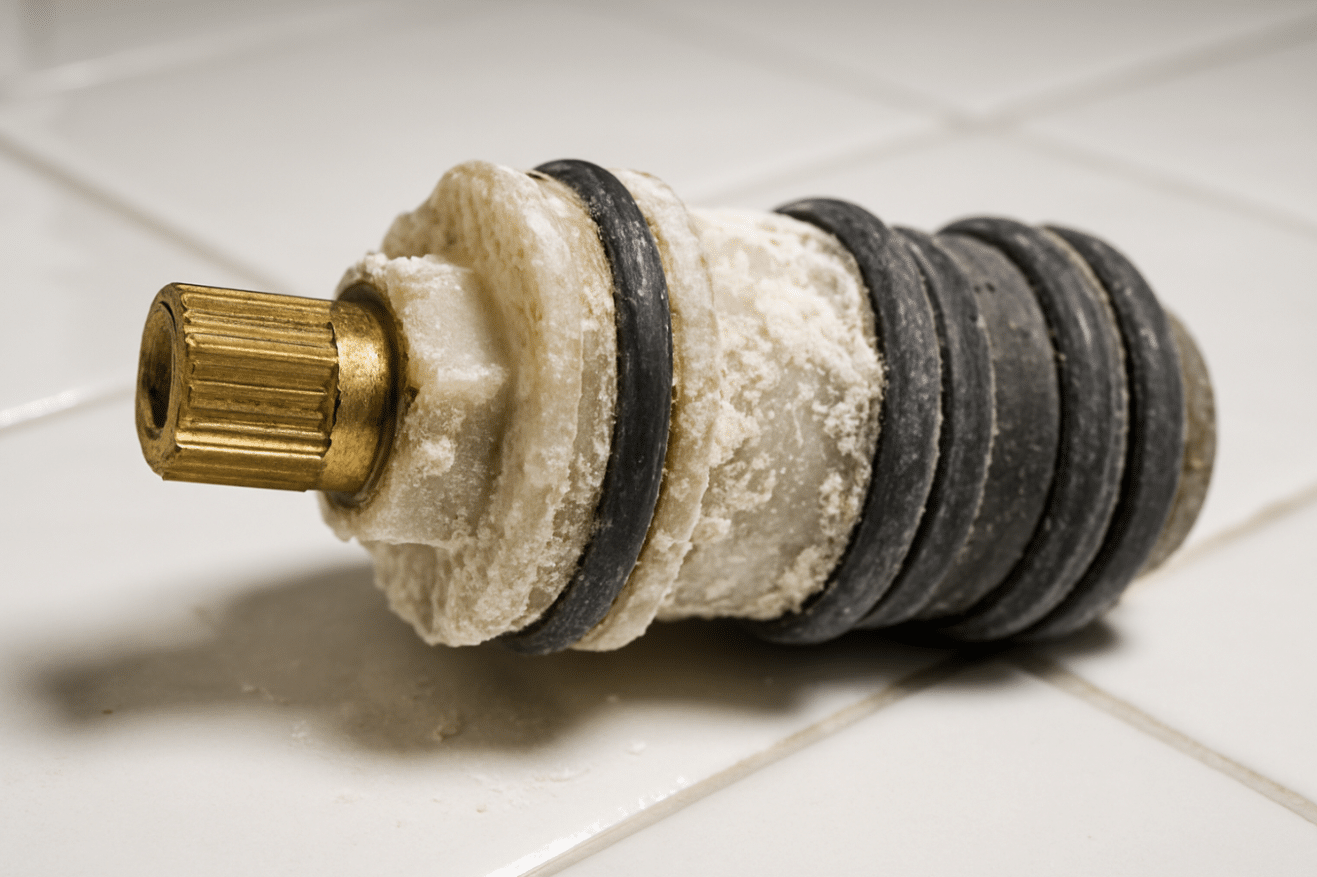
A clogged drain usually happens when something blocks a pipe directly underneath a sink, tub, or shower. Over time, soap scum, grease, hair, toothpaste, and bits of food stick together and build up on the walls of the pipe. As that buildup grows, it eventually narrows the drain opening and slows the flow of water. At first, you might only notice water taking longer to go down. If the blockage isn’t removed, though, the water eventually stops flowing altogether and backs up into the fixture. Clogged drains usually affect one area at a time, like a bathroom sink or kitchen drain, without causing issues anywhere else in the house.
What is a sewer backup and how is it different?
A sewer backup is a much bigger problem because it involves the main sewer line connected to your entire house. All drains in your home eventually connect to this pipe, which carries wastewater away from your property to a city sewer system or septic tank. When this main line becomes blocked, that wastewater can’t escape—so it starts backing up into your lowest drains instead. A sewer backup doesn’t just affect one fixture. You may see dirty water rising into showers, tubs, or floor drains, often with a foul odor. Sewer water contains bacteria and waste, making it a serious health hazard that needs immediate professional help.
Which warning signs point to a simple clog and which hint at a sewer backup?

A basic clog usually shows up as slow drainage in a single fixture, without any strange noises or odd behavior from other drains. You can run water in one sink without seeing a reaction in another. On the other hand, signs of a sewer backup often involve multiple fixtures acting up at once. For example, if you flush the toilet and water bubbles up in the shower drain or kitchen sink, the main sewer line is likely partially blocked. Gurgling sounds coming from drains when you run water somewhere else are also classic signs of a sewer backup starting to build.
What causes main sewer lines to back up in Florida homes?
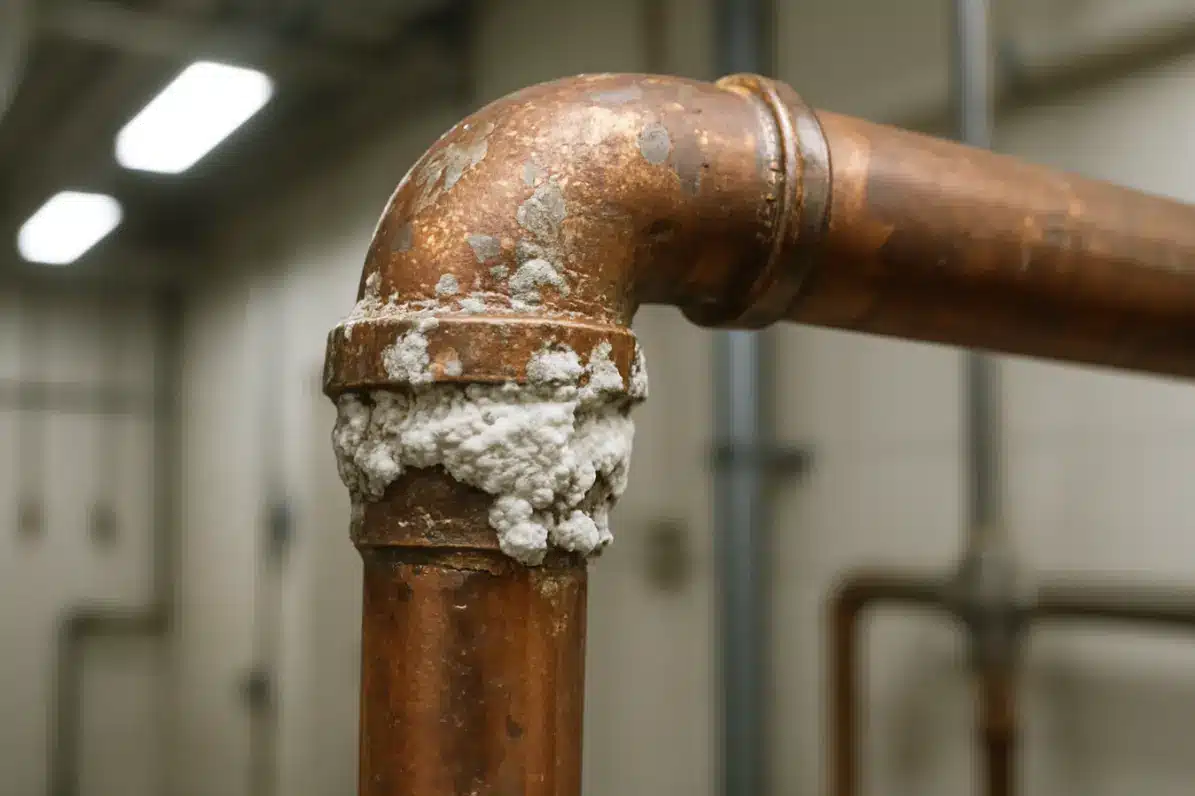
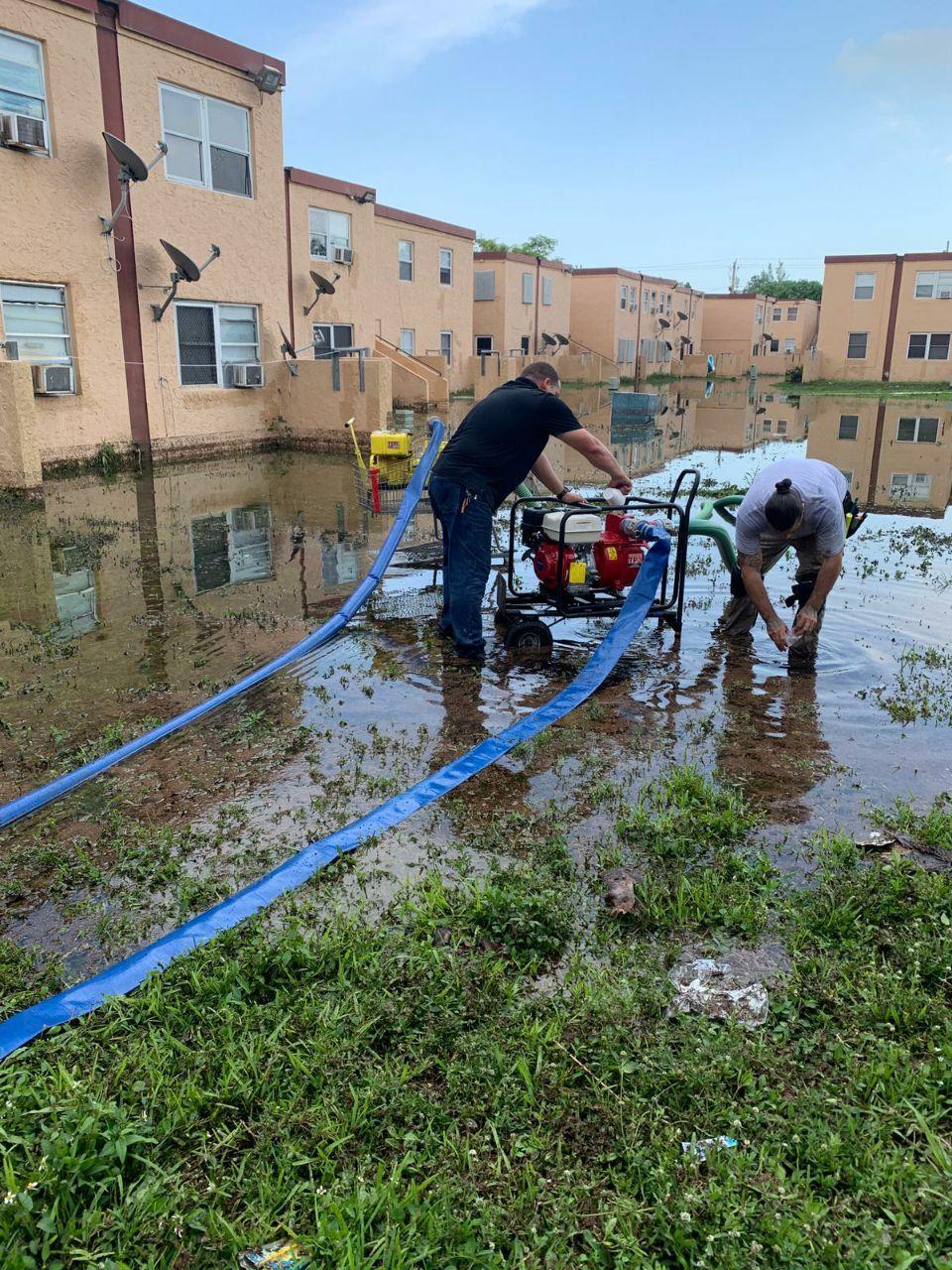
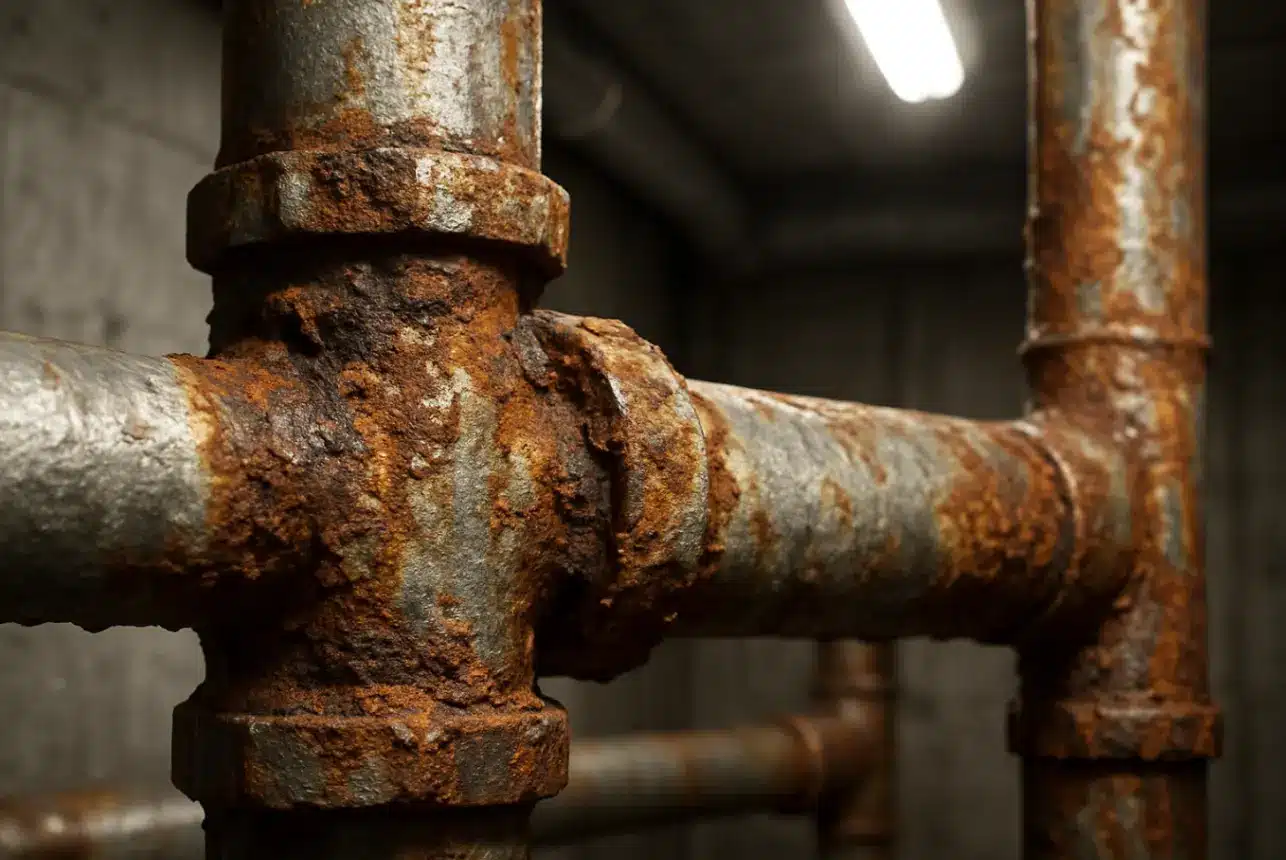
There are several reasons sewer backups happen, especially in older Florida houses. One of the most common culprits is tree roots pushing into underground sewer pipes looking for water. Over time, those roots grow inside the pipe and trap debris until nothing can pass through. Another cause is grease and fat poured down kitchen drains, which travel down into the sewer line, cool, and solidify. Old cast-iron pipes used in historic Florida homes also rust from the inside and eventually collapse, crushing the sewer line. Heavy rainfall and flooding — a regular part of Florida’s storm season — can overwhelm local sewer systems and push sewage back toward your home even if your own pipes are clear.
Can a clogged drain turn into a sewer backup over time?
Yes, in some cases a clog that seems harmless can eventually affect the main system, especially if your drains are all connected to old or fragile pipes. Grease moving farther down your drains may stick to the inside of the sewer line, narrowing it over time until it causes a major blockage. Ignoring persistent slow drains throughout your house can allow a developing sewer problem to go unnoticed until wastewater starts coming up instead of draining out. Treating clogs early protects your home and prevents major disruptions later on.
What should homeowners do first when they suspect a sewer backup?

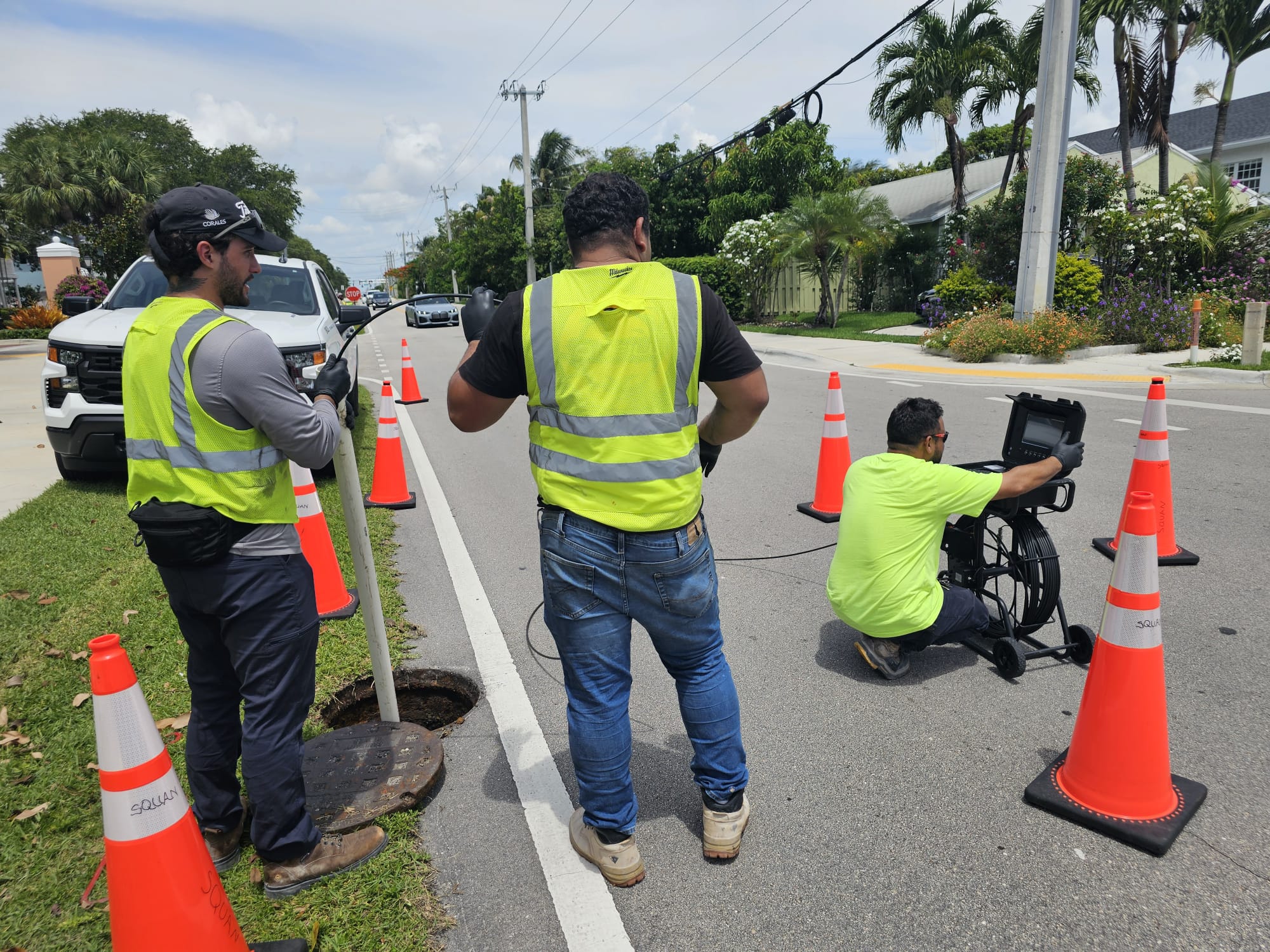
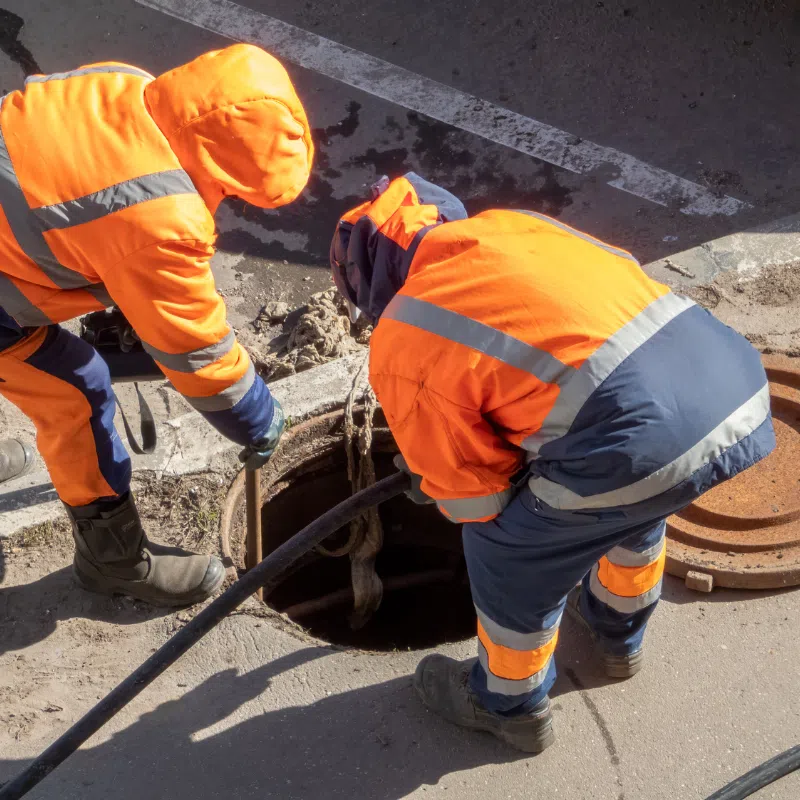
If you think you might be dealing with a sewer backup rather than a standard clog, stop running water immediately. Using toilets, sinks, dishwashers, or washing machines can push more wastewater toward the blockage and flood your home. Call a licensed plumber right away. Professionals will inspect the line using a drain and pipe camera so they can see real-time video inside the pipe. This helps identify if the problem comes from grease buildup, root intrusion, a collapsed pipe, or a foreign object. Once they know the cause, they can use powerful equipment like augers, hydro jets, or even trenchless repair tools to clear or replace the damaged section safely.