A well-designed commercial bathroom does much more than provide a functional space for employees, customers, tenants, or visitors. Behind every efficient restroom is a plumbing system that has been carefully planned to support daily use, meet building code requirements, reduce maintenance needs, and accommodate future demands.
Whether you’re constructing a new commercial building, renovating an existing facility, or planning a tenant improvement project, bathroom plumbing design should be a priority from the start. Decisions made during the design phase can have a significant impact on long-term performance, operating costs, and user satisfaction.
Why Commercial Bathroom Plumbing Design Matters
Unlike residential bathrooms, commercial restrooms must accommodate a much larger number of users throughout the day. This increased demand places greater stress on plumbing systems and requires careful consideration of fixture placement, pipe sizing, drainage, water supply, and maintenance accessibility.
Poor design can result in:
- Frequent plumbing issues
- Drainage problems
- Water waste
- Increased maintenance costs
- Failed inspections
- User complaints
A properly designed system, on the other hand, supports efficient operation while helping to reduce long-term repair and maintenance expenses.
1. Plan for Expected Usage Levels
One of the most important considerations in commercial bathroom design is understanding how many people will use the facility on a regular basis.
A restroom in a small office building has very different requirements than one in a restaurant, retail center, healthcare facility, or educational institution. Underestimating usage demands can lead to overloaded systems, inadequate fixture counts, and performance issues.
Designing with anticipated occupancy levels in mind helps ensure the plumbing system can comfortably support daily operations while remaining compliant with local building codes.
2. Choose the Right Fixture Layout
Fixture placement affects both functionality and maintenance accessibility.
An efficient bathroom layout should provide:
- Comfortable user flow
- Easy access to fixtures
- Adequate spacing
- Efficient plumbing routing
- Simplified maintenance access
Poorly positioned fixtures can increase installation costs, complicate repairs, and create usability concerns.
Early coordination between plumbing professionals, architects, and contractors can help optimize the overall layout while minimizing unnecessary complexity.

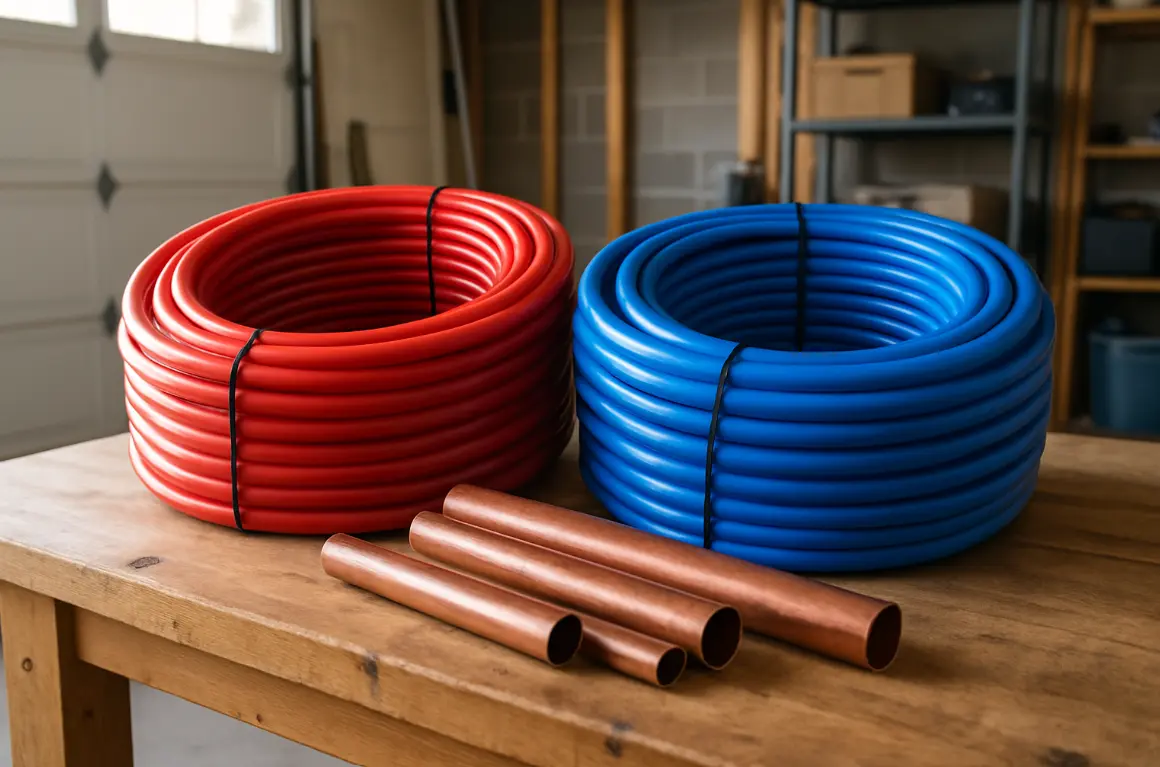
3. Ensure Proper Pipe Sizing
Pipe sizing is one of the most critical elements of commercial plumbing design.
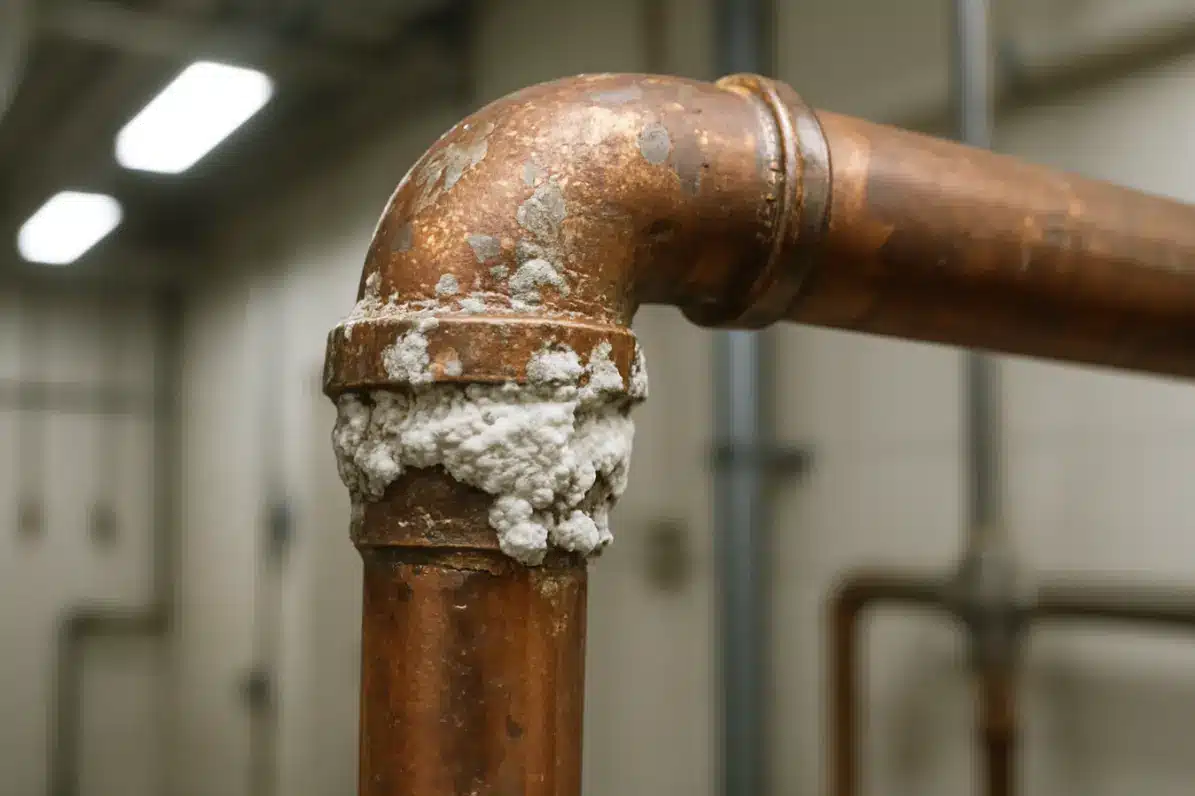
Undersized pipes can result in:
- Low water pressure
- Poor fixture performance
- Inadequate drainage
Oversized systems can also create operational inefficiencies and unnecessary installation costs.
Proper sizing calculations should account for fixture counts, peak usage periods, and overall water demand to ensure reliable system performance.
4. Prioritize Drainage and Venting
A commercial bathroom’s drainage system must efficiently remove wastewater while maintaining proper airflow throughout the plumbing network.
Inadequate drainage design can lead to:
- Slow-draining fixtures
- Frequent clogs
- Sewer odors
- Increased maintenance requirements
Similarly, improper venting can disrupt drainage performance and create pressure imbalances within the system.
Ensuring both drainage and venting systems are correctly designed helps support long-term reliability and code compliance.
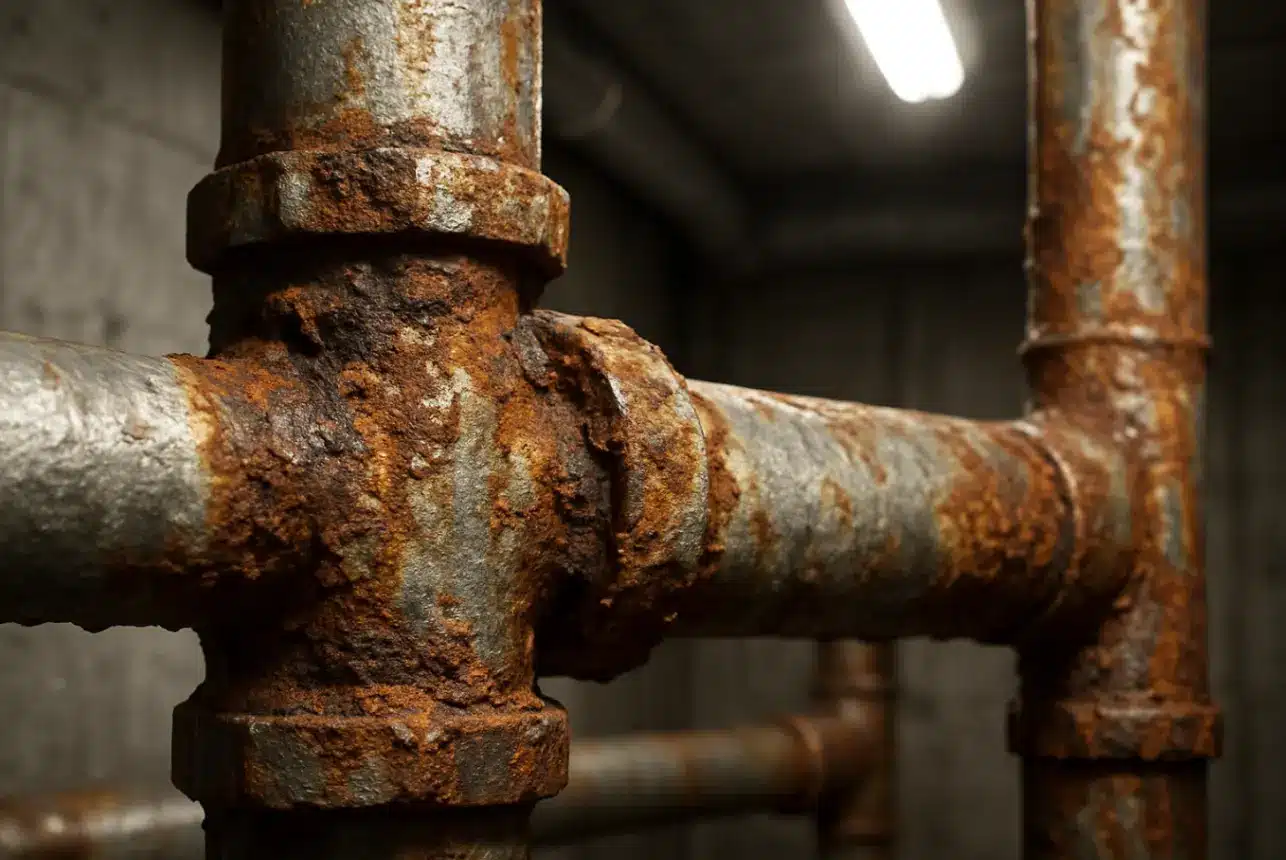
5. Design for Easy Maintenance
Even the best plumbing systems require occasional maintenance. Including maintenance access points during the design phase can make future servicing much easier and less disruptive.
Planning for maintenance from the beginning can reduce repair time and help minimize operational disruptions.
6. Consider Future Growth and Renovations
Many commercial buildings evolve over time.
Businesses may expand, occupancy levels may increase, and future renovations may introduce additional plumbing demands.
Designing with future flexibility in mind can help avoid expensive system upgrades later.
Where possible, plumbing infrastructure should be planned to accommodate reasonable future growth without requiring major reconstruction.
7. Understand Local Plumbing Codes
Every commercial plumbing project must comply with applicable building and plumbing codes.
Code requirements influence virtually every aspect of bathroom design, including:
- Fixture counts
- Pipe sizing
- Drainage systems
- Accessibility requirements
- Water conservation standards
- Backflow protection
Failure to comply with local regulations can lead to failed inspections, project delays, and additional construction costs.
Working with experienced professionals who understand Florida’s plumbing requirements can help ensure a smoother project from start to finish.
How We Can Help
At AM Florida Builders, we understand the importance of designing commercial plumbing systems that balance performance, efficiency, and long-term reliability. Our team works closely with property owners, contractors, and project managers to develop plumbing solutions that meet project goals while supporting code compliance and operational efficiency.
From new construction projects to commercial renovations, we help ensure bathroom plumbing systems are designed and installed with both current needs and future demands in mind.
Frequently Asked Questions
-
What should be considered when designing a commercial bathroom?
Important considerations include fixture placement, drainage, water efficiency, accessibility requirements, plumbing code compliance, and anticipated usage levels.
-
How can commercial bathroom design reduce maintenance costs?
Choosing durable fixtures, ensuring proper pipe sizing, incorporating easy-access maintenance points, and designing for expected traffic levels can help minimize repairs and long-term maintenance expenses.
-
Why is proper plumbing design important for commercial bathrooms?
Proper plumbing design helps ensure reliable performance, compliance with building codes, efficient water usage, and a better experience for building occupants. It can also reduce maintenance costs and prevent future plumbing issues.