- Some plumbing problems can wait, but others require immediate professional attention to help reduce damage and safety risks.
- Burst pipes, sewage backups, major leaks, and multiple plumbing fixtures failing at once are common signs you need emergency plumbing repair.
- Many plumbing emergencies begin with smaller warning signs that are easy to overlook.
- Taking the right steps before your plumber arrives can help limit water damage and keep your property safer.
- AM Florida Builders provides emergency plumbing repair for residential and commercial properties throughout Broward County, Miami-Dade County, and Palm Beach County.
Emergency Plumbing Repair: 10 Signs You Need Immediate Professional Help
A dripping faucet or a slow drain isn’t always an emergency. But some plumbing problems can quickly turn into extensive property damage, business interruptions, or health hazards if they’re ignored.
One thing we’ve noticed while managing plumbing projects is that plumbing emergencies rarely come out of nowhere. More often, they begin with warning signs that seem minor on their own.
A drain backs up.
A resident reports low water pressure.
An odor keeps returning.
Individually, none of these issues may seem urgent. Together, they often point to a plumbing system that’s trying to tell you something. Recognizing those patterns early gives you the opportunity to address the root cause before it becomes a much larger and more disruptive repair. This perspective reflects our experience that recurring plumbing problems often deserve investigation rather than repeated temporary fixes.
Whether you own a home, manage a commercial building, or oversee a multifamily property, knowing when to call for emergency plumbing repair can help protect your property and reduce the likelihood of more extensive damage.
What Counts as an Emergency Plumbing Repair?
An emergency plumbing repair involves any plumbing problem that threatens your property, health, safety, or access to essential water services.
Not every plumbing issue requires an emergency response. For example, a faucet that drips occasionally or a toilet that runs intermittently can often be scheduled for a standard repair appointment.
An emergency is different because delaying repairs can allow damage to spread.
Examples include:
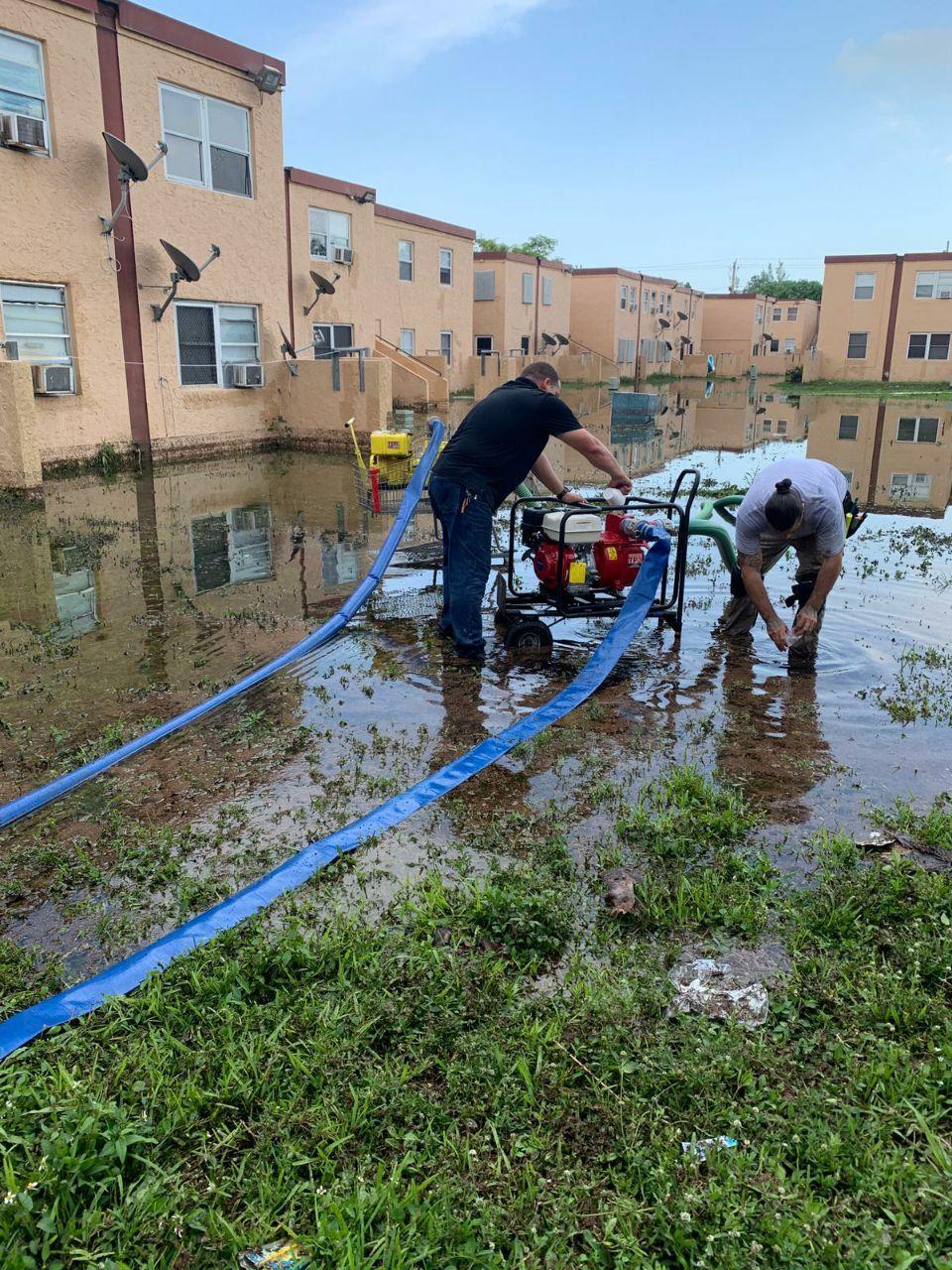
- Water actively flooding your property
- Sewage backing up into sinks, tubs, or floor drains
- A burst or severely leaking pipe
- No running water throughout the property
- A leaking water heater causing flooding
- Water reaching electrical equipment
- Strong sewer odors accompanied by backups
- Multiple plumbing fixtures failing at the same time
In these situations, acting quickly isn’t just about restoring your plumbing. It’s also about helping protect your flooring, drywall, electrical systems, furnishings, and the structural integrity of your property.
For commercial properties, delays may also interrupt business operations, affect tenants, or create safety concerns for employees and visitors.
What Are the Signs You Need Immediate Professional Help?
If your plumbing problem is actively causing damage, creating a health risk, or preventing normal use of your plumbing system, it’s time to contact a professional plumber as soon as possible.
Here are the most common warning signs.
Burst Pipe
A burst pipe is one of the clearest plumbing emergencies.
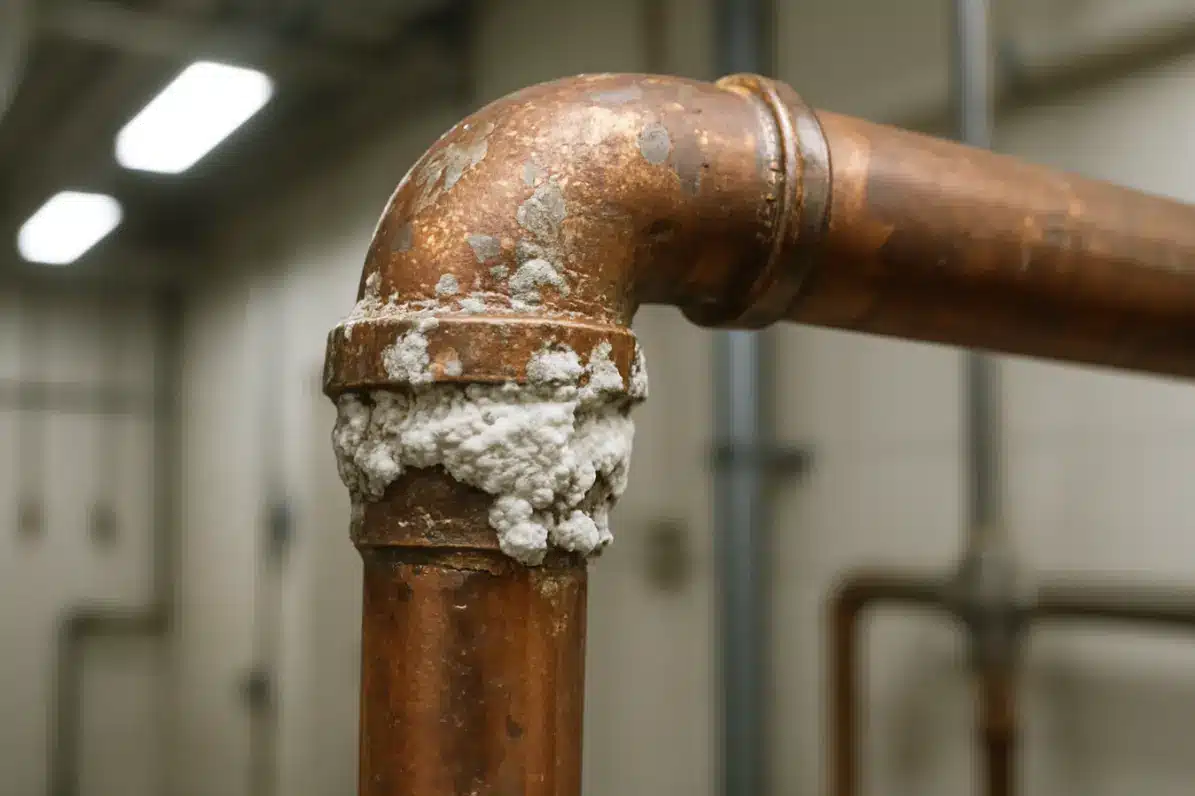
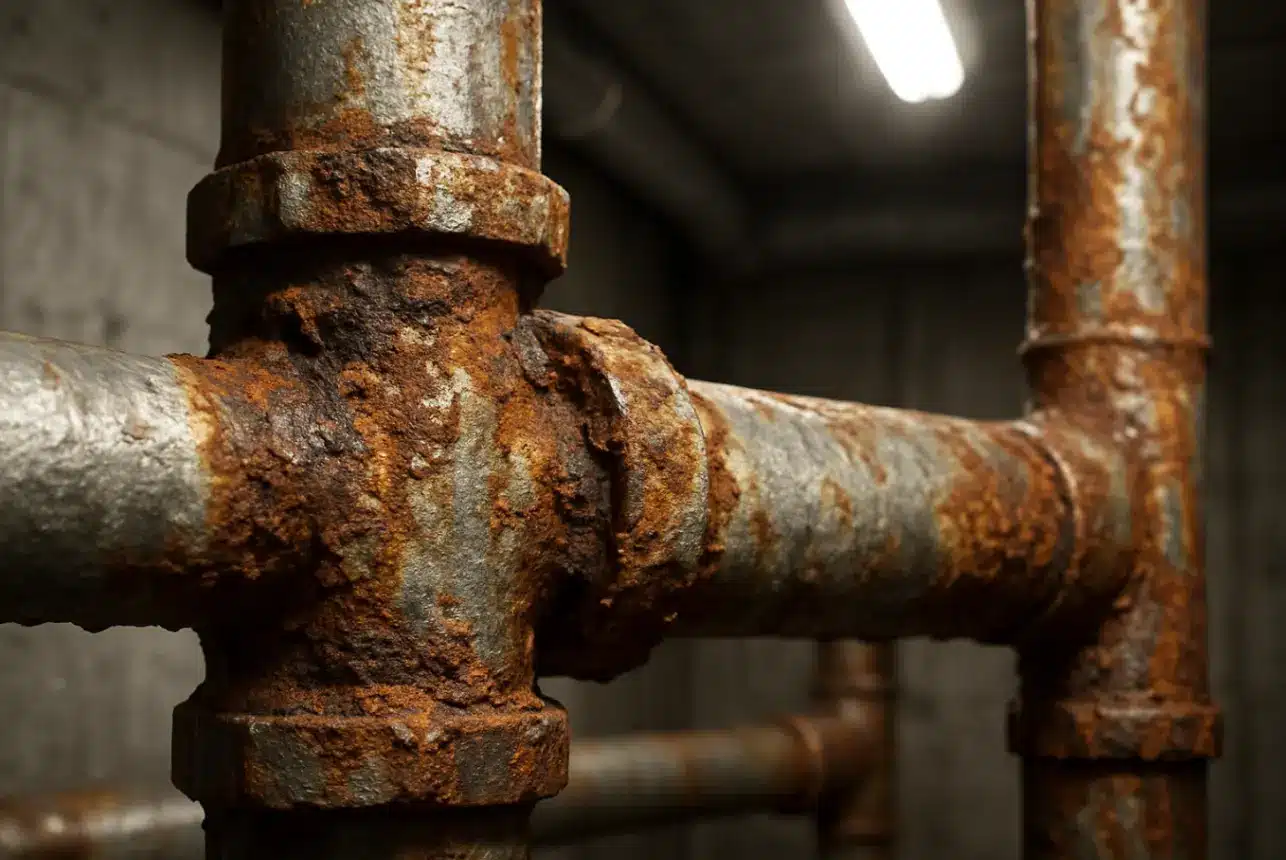
Whether it’s caused by corrosion, accidental damage, shifting ground, or excessive pressure, a burst pipe can release a significant amount of water in a short period of time.
Common warning signs include:
- Water spraying from a pipe
- Rapid flooding
- Water stains spreading quickly
- Sudden drop in water pressure
- Unusually high water meter activity
If it’s safe to do so, shut off your property’s main water supply immediately before contacting a licensed plumber. Acting quickly can significantly reduce water damage. The Insurance Information Institute also recommends shutting off the water supply when possible to help limit damage from plumbing failures.
Major Water Leak Inside Walls, Ceilings, or Floors
Not every leak is immediately visible.
Sometimes you’ll notice:
- Water stains on ceilings
- Bubbling paint
- Warped flooring
- Damp drywall
- Water dripping from light fixtures
These symptoms often indicate that water has already traveled beyond the original leak.
Hidden leaks can continue damaging insulation, framing, flooring, and finishes long before the source becomes obvious. They may also increase the risk of mold growth if moisture remains trapped for an extended period.
A professional plumber can identify the source of the leak and recommend the most appropriate repair rather than simply addressing the visible damage.
Sewage Backup
A sewage backup should always be treated as an emergency.
Wastewater can contain bacteria and other contaminants that may pose health risks. The U.S. Environmental Protection Agency advises avoiding contact with contaminated floodwater and wastewater because of the potential presence of harmful microorganisms.
Common signs include:
- Wastewater backing up into tubs or showers
- Toilets overflowing with wastewater
- Floor drains backing up
- Strong sewer odors inside the property
Avoid using additional plumbing fixtures until the system has been inspected, as continued use may worsen the backup.
Multiple Drains Backing Up at Once
A single slow drain may be isolated to one fixture.
However, when multiple drains begin backing up simultaneously, the problem often extends deeper into your plumbing system.
You might notice:
- Toilets gurgling while sinks drain
- Water backing up into showers
- Kitchen and bathroom drains clogging together
- Slow drainage throughout the property
These situations often require more than routine drain cleaning.
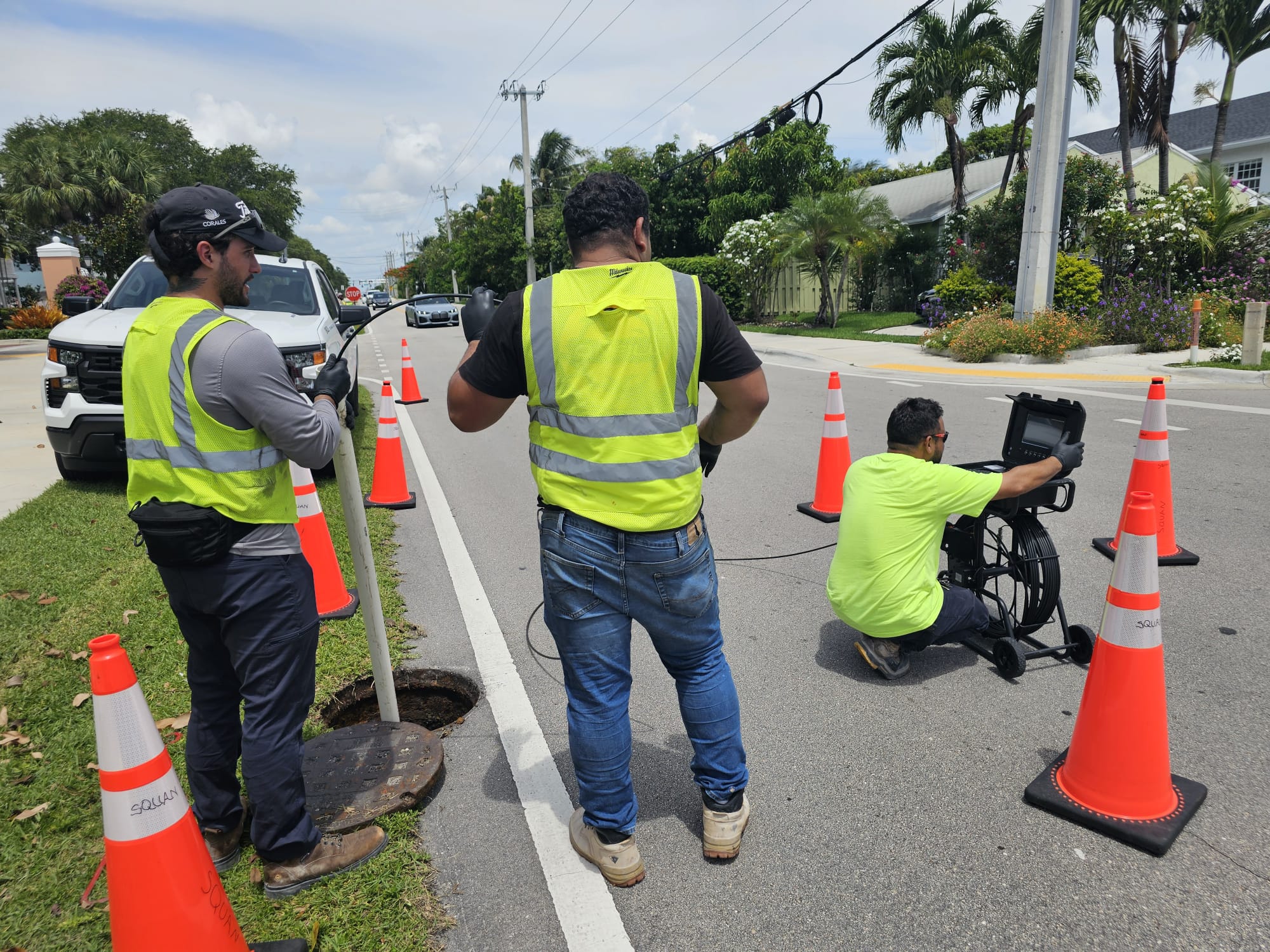
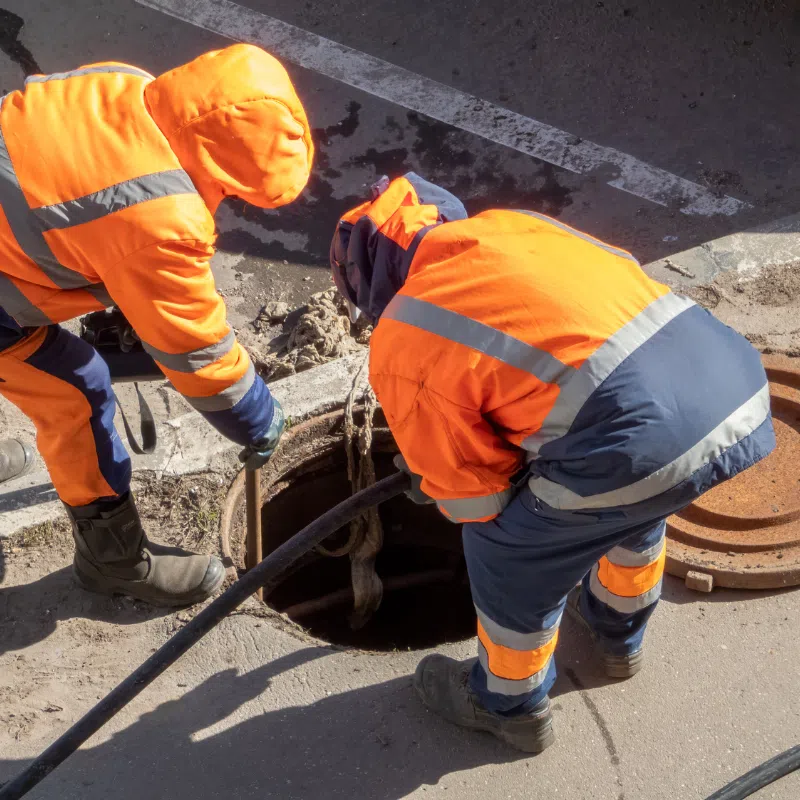
In many cases, a drain & pipe camera inspection helps identify the actual cause, such as pipe damage, root intrusion, corrosion, or a collapsed section of pipe. AM Florida Builders uses camera inspections to identify blockages and pipe failures before recommending repairs, helping address the underlying problem rather than repeatedly treating the symptoms.
Overflowing Toilet That Won’t Stop
An overflowing toilet becomes an emergency when the water won’t stop rising, continues overflowing after one flush, or is accompanied by backups in other plumbing fixtures.
While a plunger may resolve a simple clog, repeated overflows can indicate a blockage deeper within the drain line.
If the overflow contains wastewater or continues after you’ve shut off the toilet’s water supply, avoid using nearby plumbing fixtures until a professional plumber has inspected the system.
For commercial buildings and multifamily properties, one overflowing toilet can quickly affect multiple occupants, making prompt repairs even more important.
Water Heater Leaking or Failing
A leaking water heater isn’t something to ignore.
Even a slow leak can damage flooring, walls, and nearby belongings if left unattended. Larger leaks can flood utility rooms or surrounding areas in a relatively short time.
Watch for signs such as:
- Water pooling around the base of the tank
- Rust-colored water
- Rumbling or popping noises
- Sudden loss of hot water
- Water dripping from valves or fittings
Not every water heater issue requires replacement, but a professional inspection can determine whether a repair is appropriate or whether the unit has reached the end of its service life.
Sudden Loss of Water Pressure Throughout the Property
If one faucet has low pressure, the issue may be limited to that fixture.
However, if every sink, shower, and hose bib suddenly loses pressure, there may be a larger problem affecting your plumbing system.
Possible causes include:
- A damaged water line
- A major plumbing leak
- A failed pressure regulator
- A municipal water supply issue
Because several different problems can produce the same symptom, it’s important not to assume the cause without a proper inspection.
If the pressure drops suddenly and remains low, contacting a professional plumber is the safest next step.
Water Near Electrical Equipment
Water and electricity are a dangerous combination.
If you notice water leaking near:
- Electrical panels
- Breaker boxes
- Outlets
- Electrical appliances
- Extension cords
your priority should be safety.
Do not step into standing water if electrical equipment may be energized. If you believe there’s an electrical hazard, contact your utility provider or emergency services before entering the affected area.
Once the area is safe, a licensed plumber can locate and repair the source of the leak.
Strong Sewer or Gas Odors
Persistent sewer odors inside your home or business are never normal.
They may indicate:
- A sewer line backup
- A broken drain pipe
- A failed plumbing vent
- A damaged sewer connection
If you suspect the odor is natural gas rather than sewer gas, leave the building immediately and contact your gas utility. Do not use electrical switches, lighters, or open flames.
Once the area has been declared safe, a professional plumber can inspect the plumbing system to determine whether the issue originated within your property’s plumbing.
Should You Wait Until Morning?
If the plumbing problem is actively causing damage, creating a health hazard, or affecting your ability to safely use the property, waiting until morning usually isn’t the best option.
It’s understandable to hope that a plumbing problem can wait until regular business hours. Unfortunately, water doesn’t stop causing damage simply because it’s nighttime or the weekend.
Every hour that water continues leaking can increase the likelihood of:
- Damaged drywall and insulation
- Warped flooring
- Mold growth
- Structural deterioration
- Damage to furniture and personal belongings
For businesses and multifamily properties, delays may also result in tenant complaints, interrupted operations, and additional restoration costs.
According to the Insurance Information Institute, shutting off the water supply as soon as possible can help reduce damage while waiting for professional assistance. Likewise, the National Association of Insurance Commissioners notes that homeowners insurance generally distinguishes between sudden plumbing failures and damage that results from long-term neglect, making prompt action important after an unexpected plumbing emergency.
If you’re unsure whether your situation qualifies as an emergency, it’s usually better to seek professional guidance than to wait until the damage becomes more extensive.
Why Small Plumbing Problems Often Become Emergencies
One conversation tends to repeat itself.
“It’s just a small leak.”
“We’ll patch it for now.”
“It’s only affecting one unit.”
At first, those decisions can seem reasonable. After all, if the leak appears minor and everything is still working, it’s easy to assume the problem isn’t urgent.
In our experience, that’s often how larger plumbing emergencies begin.
Many of the emergency calls we receive started days, weeks, or even months earlier with symptoms that seemed insignificant:
- A recurring leak under a sink
- A drain that clogged every few weeks
- Water pressure that gradually declined
- Sewer odors that came and went
- Moisture stains that slowly grew larger
Individually, these problems may not seem like emergencies. Together, they often point to an underlying issue that won’t resolve on its own.
One of our guiding principles is simple: if the same plumbing problem requires multiple visits, it may not have been truly solved. Rather than repeatedly addressing the symptoms, we believe it’s important to identify the root cause whenever possible. That approach aligns with our experience that plumbing systems typically fail gradually, and recurring issues deserve investigation before they become costly emergencies.
Taking action when the warning signs first appear can often be less disruptive than responding after significant water damage has already occurred.
What Should You Do Before the Plumber Arrives?
If it’s safe to do so, taking a few simple steps before your plumber arrives can help reduce damage and make the repair process more efficient.
Shut Off the Main Water Supply
If water is actively leaking or flooding the property, locate your main shutoff valve and turn off the water supply.
This simple step can significantly reduce additional water damage while you wait for professional assistance.
Stay Away From Contaminated Water
If sewage or wastewater is present, avoid direct contact whenever possible.
The U.S. Environmental Protection Agency advises treating sewage-contaminated water as a health hazard because it may contain harmful bacteria and other contaminants.
Turn Off Electricity If It’s Safe
If water is approaching electrical equipment and you can safely access your electrical panel without entering standing water, shut off power to the affected area.
If you cannot do so safely, leave the area and contact the appropriate utility or emergency services.
Document Visible Damage
Taking photographs of visible leaks and damaged areas can help document the condition of your property before repairs begin.
Avoid Temporary DIY Repairs
It may be tempting to wrap a leaking pipe with tape or use chemical drain cleaners to keep the problem under control.
While these temporary measures may appear to help, they rarely address the underlying cause and can sometimes make future repairs more difficult.
When a plumbing problem is actively causing damage, a professional inspection is usually the safest course of action.
Emergency Plumbing Repair Services in South Florida
When a plumbing emergency happens, having access to a licensed professional can make all the difference. Whether you’re dealing with an active water leak, a sewer backup, or a plumbing issue affecting your business operations, timely action can help limit additional damage and restore your plumbing system safely.
AM Florida Builders provides emergency plumbing repair for both residential and commercial properties throughout:
- Broward County
- Miami-Dade County
- Palm Beach County
We also offer same-day plumbing services for the following cities: Weston, Parkland, Cooper City, Southwest Ranches, Coral Springs, Davie, Pembroke Pines, Miramar, Plantation, Tamarac.
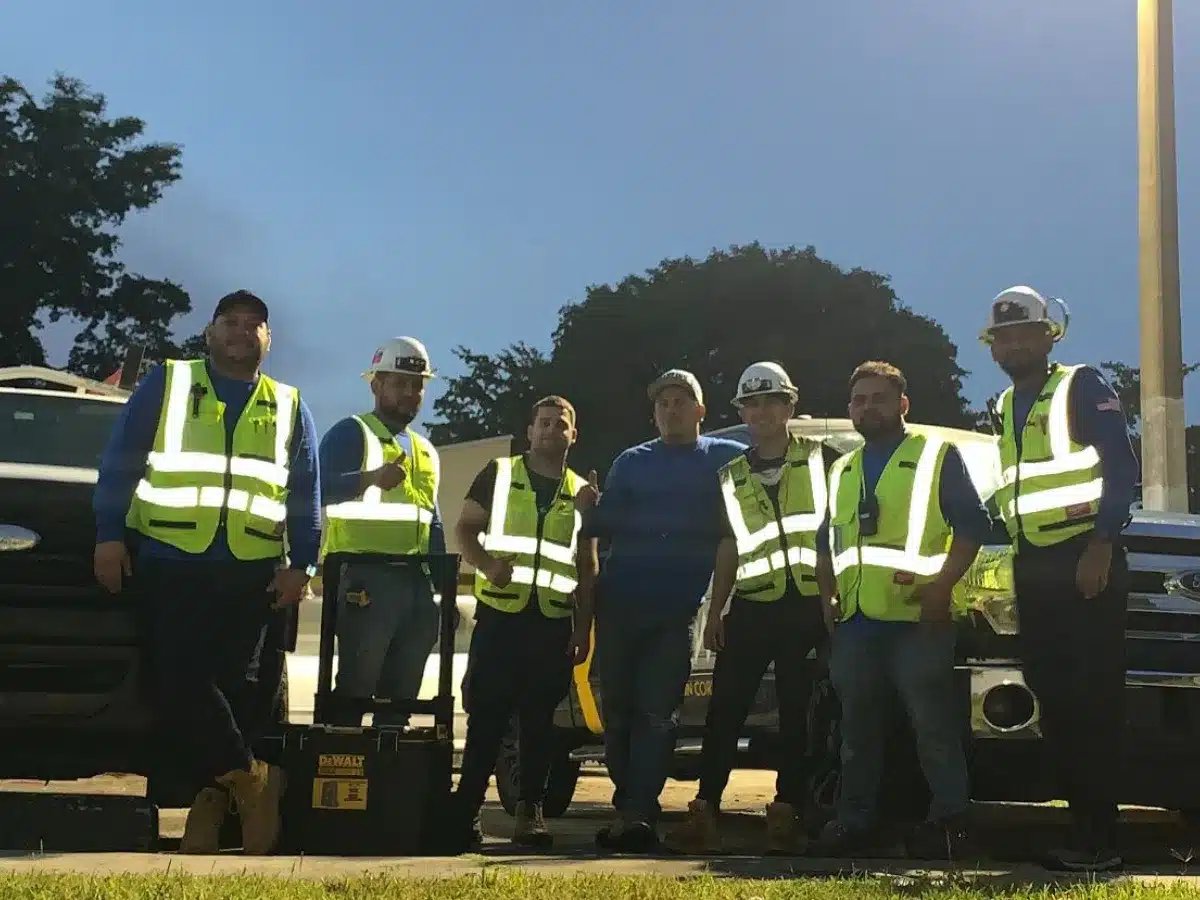
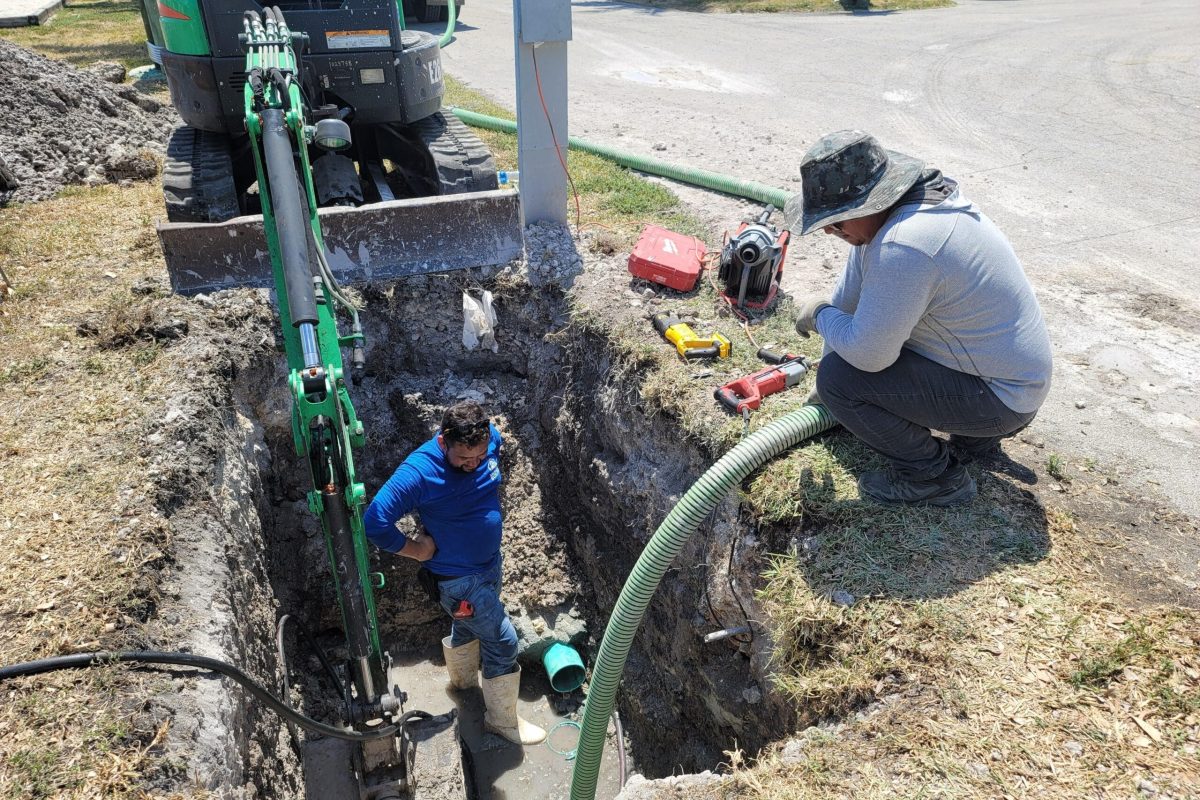
Our team is experienced in handling everything from emergency service calls and water line repairs to complex commercial plumbing systems and underground utility work. With more than 30 years of combined industry experience, we focus on identifying the root cause of plumbing problems so you can make informed decisions about the next steps.
If you’re experiencing a plumbing emergency, the process is straightforward:
- Contact AM Florida Builders.
- Discuss your plumbing issue and receive a quote or estimate.
- A licensed plumber is dispatched based on scheduling availability.
- The plumbing system is repaired, tested, and returned to service.
Whether the issue affects your home, commercial building, restaurant, retail space, office, or multifamily property, addressing the problem early can often help reduce further damage and unnecessary disruption.
Don’t Ignore the Warning Signs
Most plumbing emergencies don’t begin with a dramatic burst pipe or a flooded room.
More often, they start with smaller warning signs that gradually become more serious. A recurring leak, a drain that backs up repeatedly, or an unexplained drop in water pressure may not seem urgent today, but they can point to larger plumbing problems developing behind the scenes.
Recognizing these warning signs early and contacting a professional plumber before the situation escalates can help protect your property, reduce disruption, and give you a clearer understanding of what’s happening inside your plumbing system.
If you’re looking for emergency plumbing repair in South Florida, AM Florida Builders is available to assess the problem, explain your options, and recommend the most appropriate repair for your situation.
If you’d like to discuss your plumbing issue, Request a Quote through our website or contact our team to schedule an inspection.
Frequently Asked Questions
-
What qualifies as an emergency plumbing repair?
An emergency plumbing repair is needed when a plumbing problem poses an immediate risk to your property, health, or safety. Common examples include burst pipes, sewage backups, major water leaks, overflowing toilets that won't stop, or a sudden loss of water throughout the property. If the issue is actively causing damage or creating a hazardous situation, it's best to contact a professional plumber as soon as possible.
-
Should I turn off my water before calling a professional plumber?
Yes, if it's safe to do so. Shutting off your property's main water supply can help minimize water damage while you wait for a professional plumber to arrive. If the leak is near electrical equipment or you suspect a gas leak, prioritize your safety and contact the appropriate utility or emergency services before attempting to shut off utilities.
-
Can a small plumbing leak become an emergency?
Yes. What starts as a small leak can lead to water damage, mold growth, structural issues, or higher repair costs if left unaddressed. Many plumbing emergencies begin with warning signs such as recurring leaks, slow drains, or low water pressure. Having these issues inspected early can help identify the underlying cause before they develop into a more serious emergency.
Contents
- 1. Emergency Plumbing Repair: 10 Signs You Need Immediate Professional Help
- 2. What Counts as an Emergency Plumbing Repair?
- 3. What Are the Signs You Need Immediate Professional Help?
- 4. Should You Wait Until Morning?
- 5. Why Small Plumbing Problems Often Become Emergencies
- 6. What Should You Do Before the Plumber Arrives?
- 7. Emergency Plumbing Repair Services in South Florida
- 8. Don’t Ignore the Warning Signs
- 9. Frequently Asked Questions