Your plumbing system works behind the scenes every day, making it easy to overlook small issues until they turn into costly repairs. From hidden leaks and slow drains to aging pipes and water heater problems, minor plumbing concerns can gradually develop into major disruptions if left unchecked.
That’s why annual plumbing inspections are a smart investment for homeowners and property managers alike. In Florida, factors such as heavy rainfall, high humidity, aging infrastructure, and tree root intrusion can place additional stress on plumbing systems. This checklist highlights the key areas to inspect each year to help keep your plumbing running efficiently and reduce the risk of unexpected repairs.
Why Annual Plumbing Inspections Matter
Many plumbing problems start small. A minor leak, slightly elevated water pressure, or early pipe corrosion may not seem significant at first, but these issues can worsen over time.
Annual inspections help property owners:
- Detect leaks before they cause major damage
- Improve water efficiency
- Extend the lifespan of plumbing systems
- Reduce the likelihood of emergency repairs
- Maintain property value
- Identify potential code or safety concerns
Rather than waiting for a plumbing emergency, a proactive inspection allows you to address concerns on your schedule and budget.
1. Check for Visible Leaks
Inspect under sinks, around toilets, near water heaters, and around exposed pipes for signs of moisture or water damage. Even a small leak can waste water, increase utility bills, and lead to mold growth or structural damage if left unresolved.
2. Inspect Water Pressure
Changes in water pressure can indicate hidden leaks, pipe deterioration, mineral buildup, or valve issues. If you notice pressure that is unusually high or low throughout the property, it may be worth having the system professionally evaluated.
3. Test Drains for Proper Flow
Check sinks, showers, tubs, and floor drains to ensure water flows freely without pooling or backing up. Slow drainage may be an early warning sign of buildup, developing clogs, or sewer line problems.
4. Evaluate Toilets and Fixtures
Look for running toilets, dripping faucets, loose connections, or leaks around fixture bases. Addressing these issues promptly can improve water efficiency and help prevent unnecessary water waste.
5. Examine Your Water Heater
Inspect the unit for corrosion, leaks, unusual noises, or inconsistent water temperatures. Routine inspections can help identify maintenance needs before they lead to unexpected breakdowns.
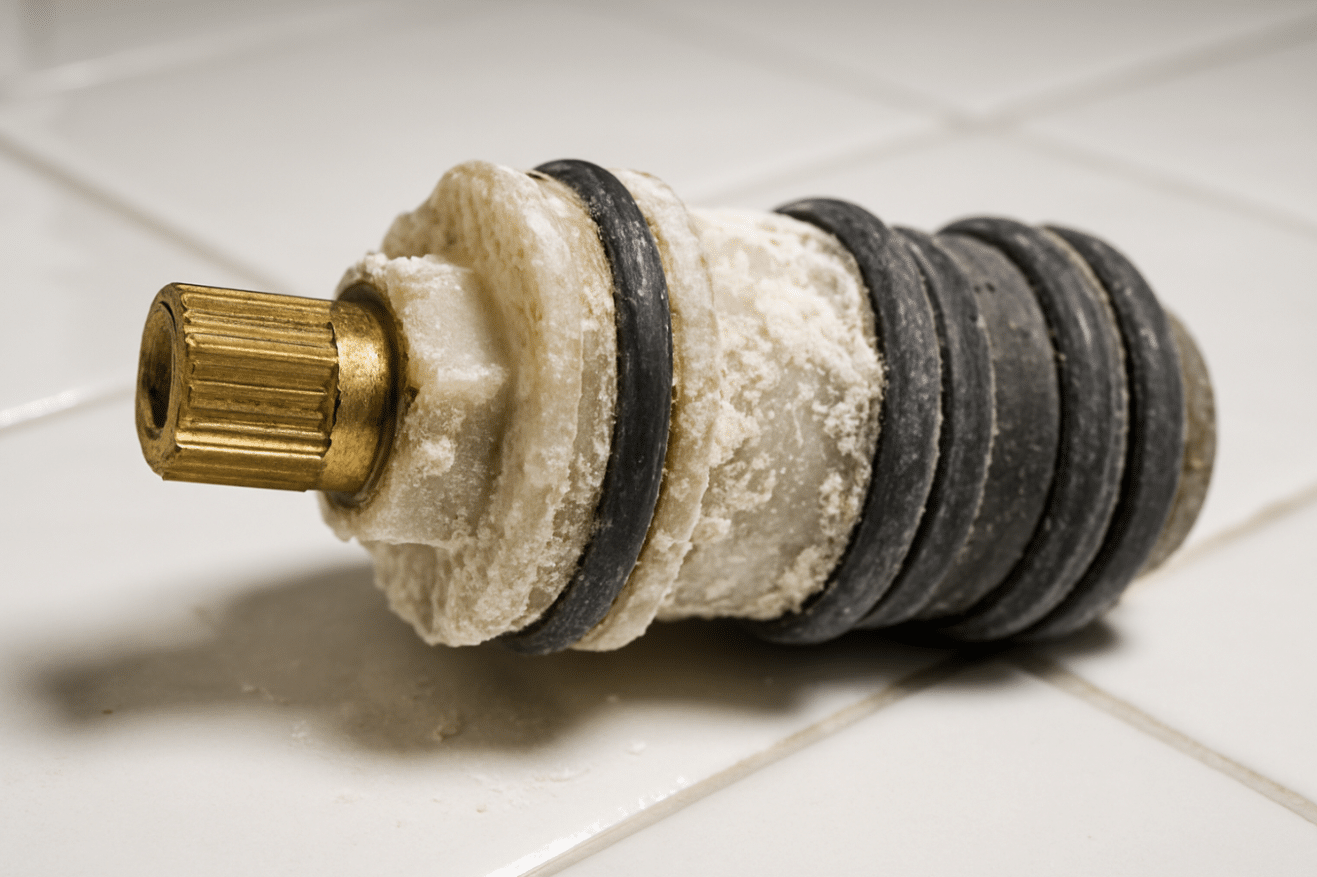
6. Test Shut-Off Valves
Make sure your main water shut-off valve and fixture-specific valves operate properly. A functioning shut-off valve can significantly reduce damage during a plumbing emergency.
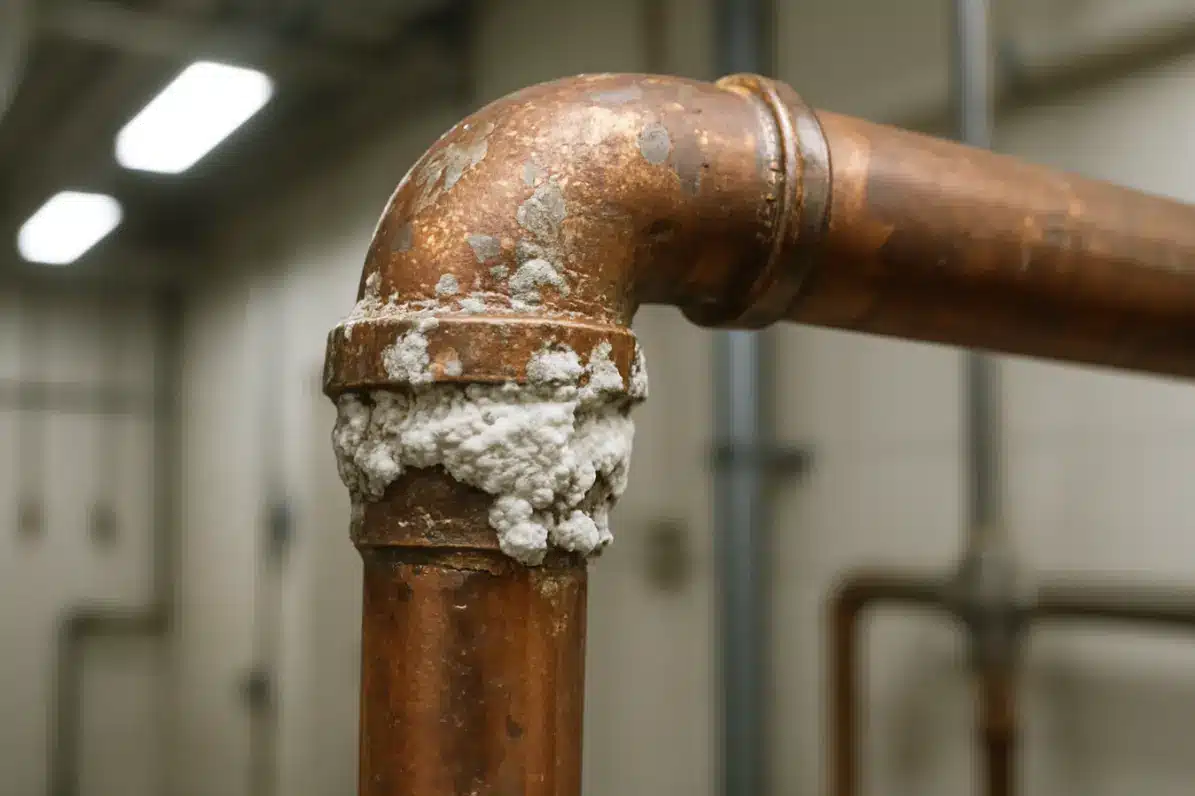
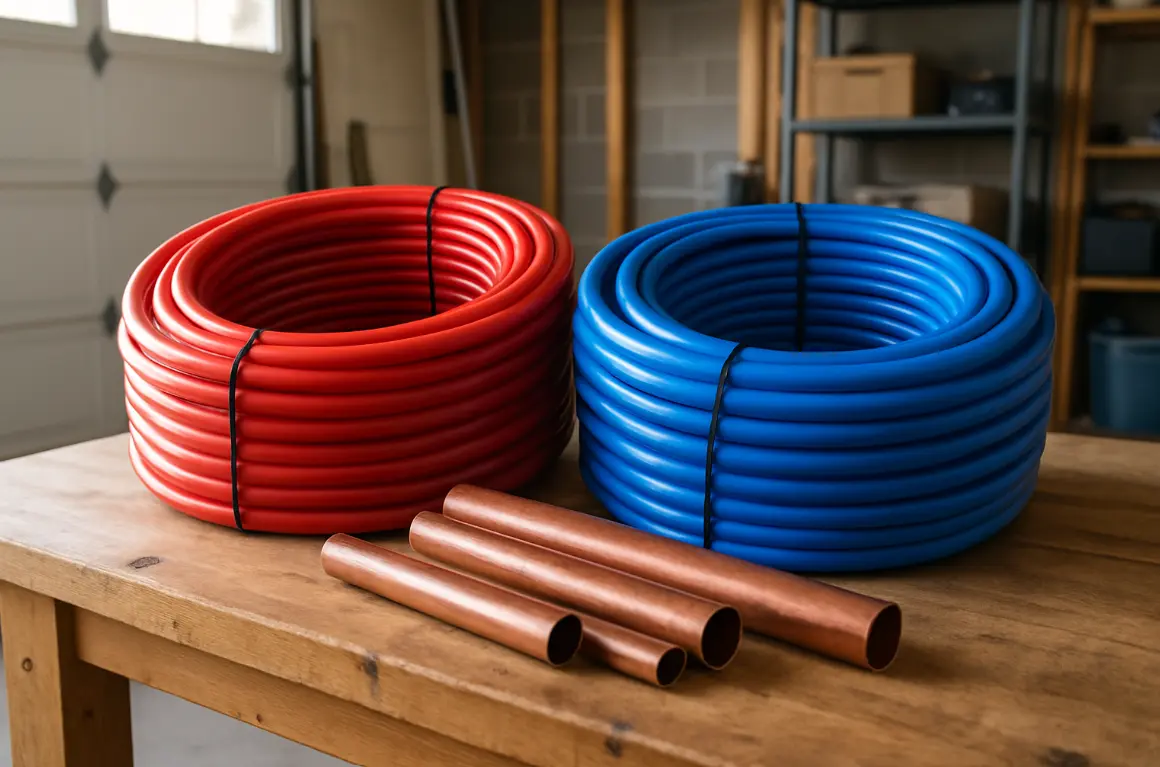
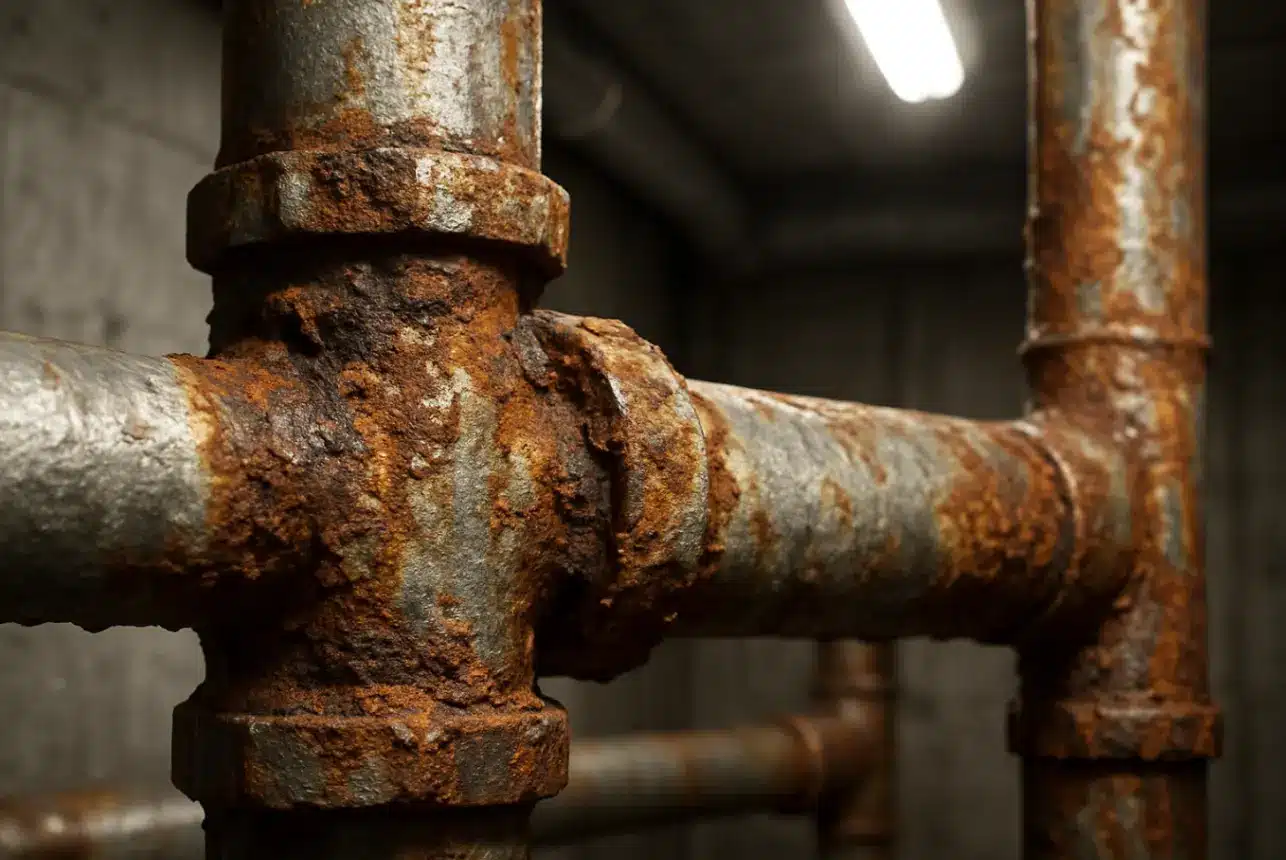
7. Look for Pipe Corrosion
Watch for signs such as rust, mineral deposits, discoloration, or recurring leaks. These issues may indicate aging pipes that require repair or replacement before more serious problems develop.
8. Inspect Outdoor Plumbing
Check outdoor faucets, irrigation connections, and exposed water lines for leaks or visible damage. Florida’s climate can put added stress on exterior plumbing components throughout the year.
9. Monitor Your Water Bill
Review your water usage regularly and investigate any unexplained increases. A higher-than-normal bill may indicate a hidden leak somewhere within the plumbing system.
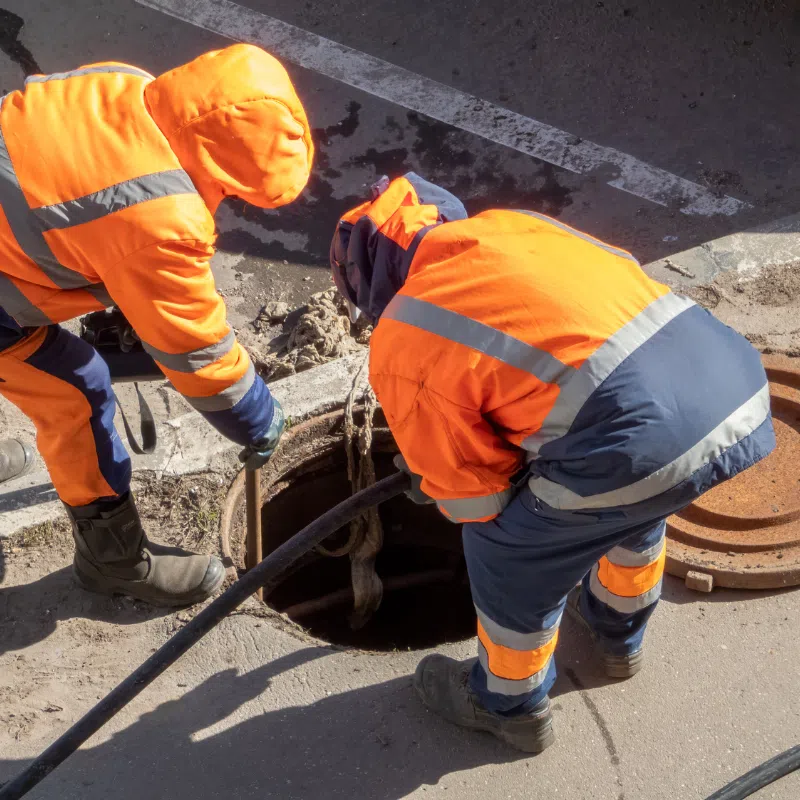
10. Consider a Sewer Line Inspection
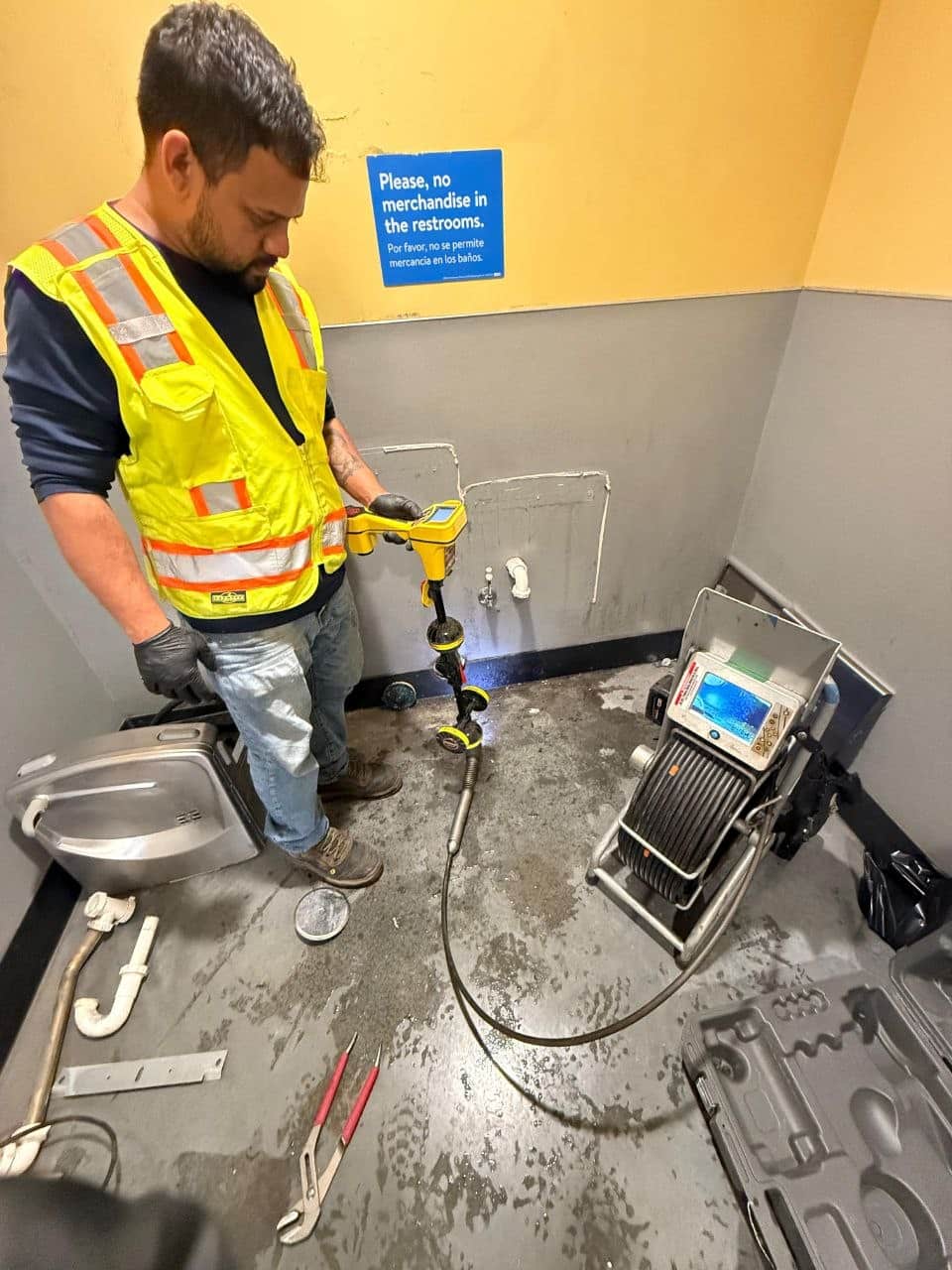
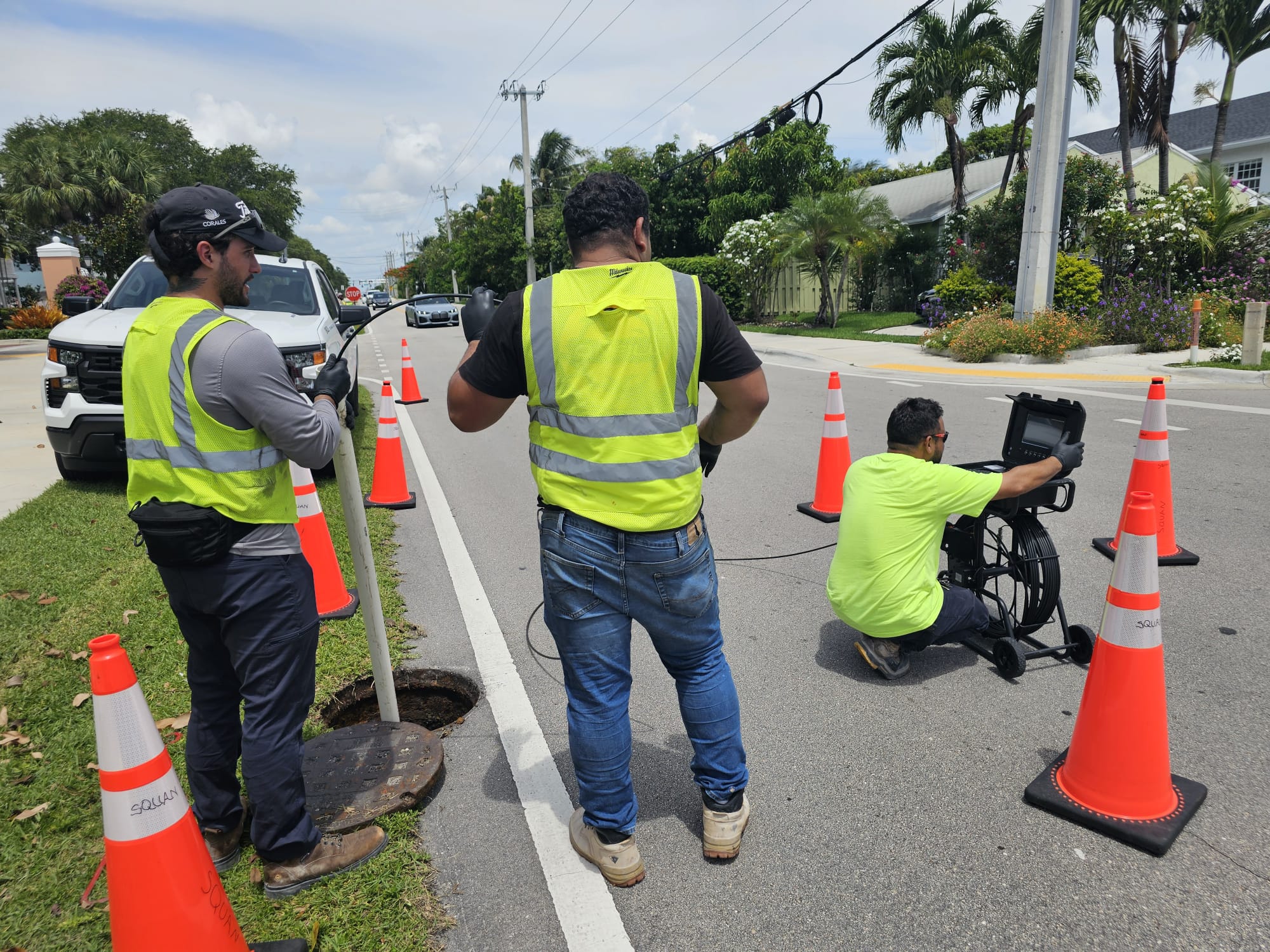
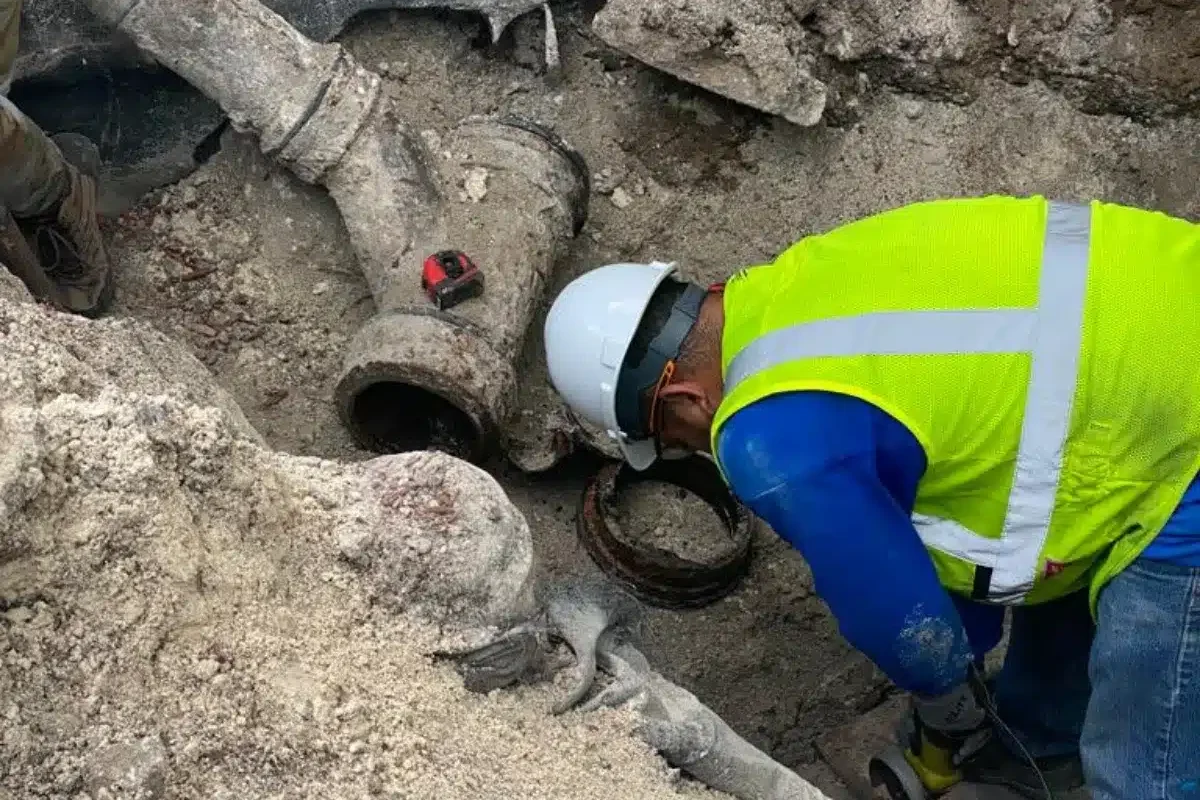
For older properties or those with recurring drainage issues, a drain or pipe camera inspection can help identify root intrusion, blockages, or pipe deterioration. Detecting these problems early can help avoid costly repairs in the future.
Florida-Specific Plumbing Concerns
Did you know that Florida’s environment presents several unique challenges for plumbing systems?
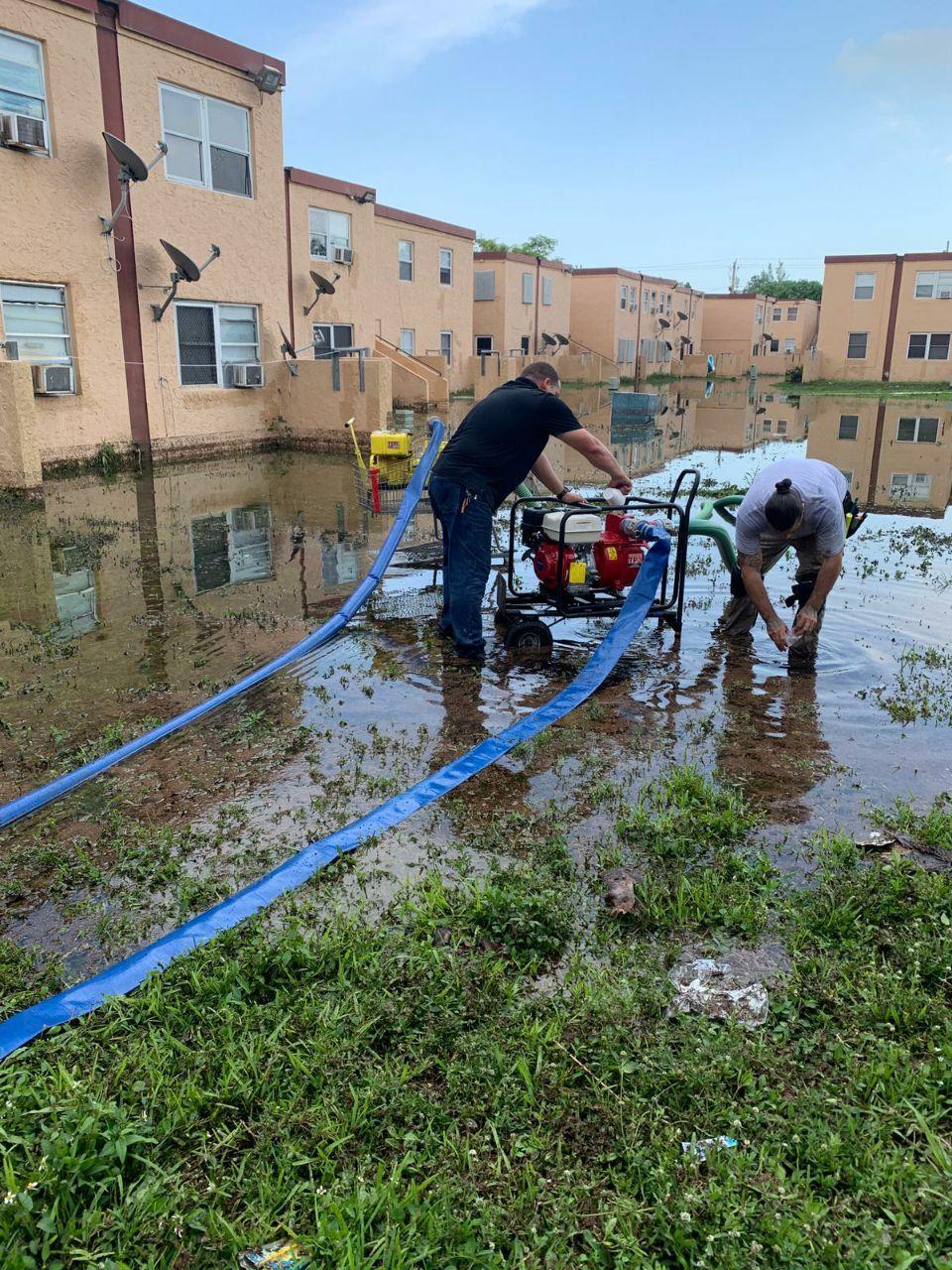
- Heavy Rainfall
- Heavy Rainfall
- Tree Root Intrusion
- Aging Infrastructure
Because of these factors, annual inspections are particularly valuable for Florida property owners.
Benefits of Scheduling Professional Plumbing Inspections
While property owners can perform many visual checks themselves, professional inspections provide a more comprehensive assessment.
Professional plumbers can:
- Detect hidden leaks
- Evaluate underground systems
- Identify code concerns
- Assess pipe condition
- Recommend preventive maintenance
Modern diagnostic tools allow plumbing professionals to identify issues that may not be visible during a routine walkthrough.
This added level of insight can help prevent unexpected repairs and extend the life of your plumbing system.
What You Should Do Next
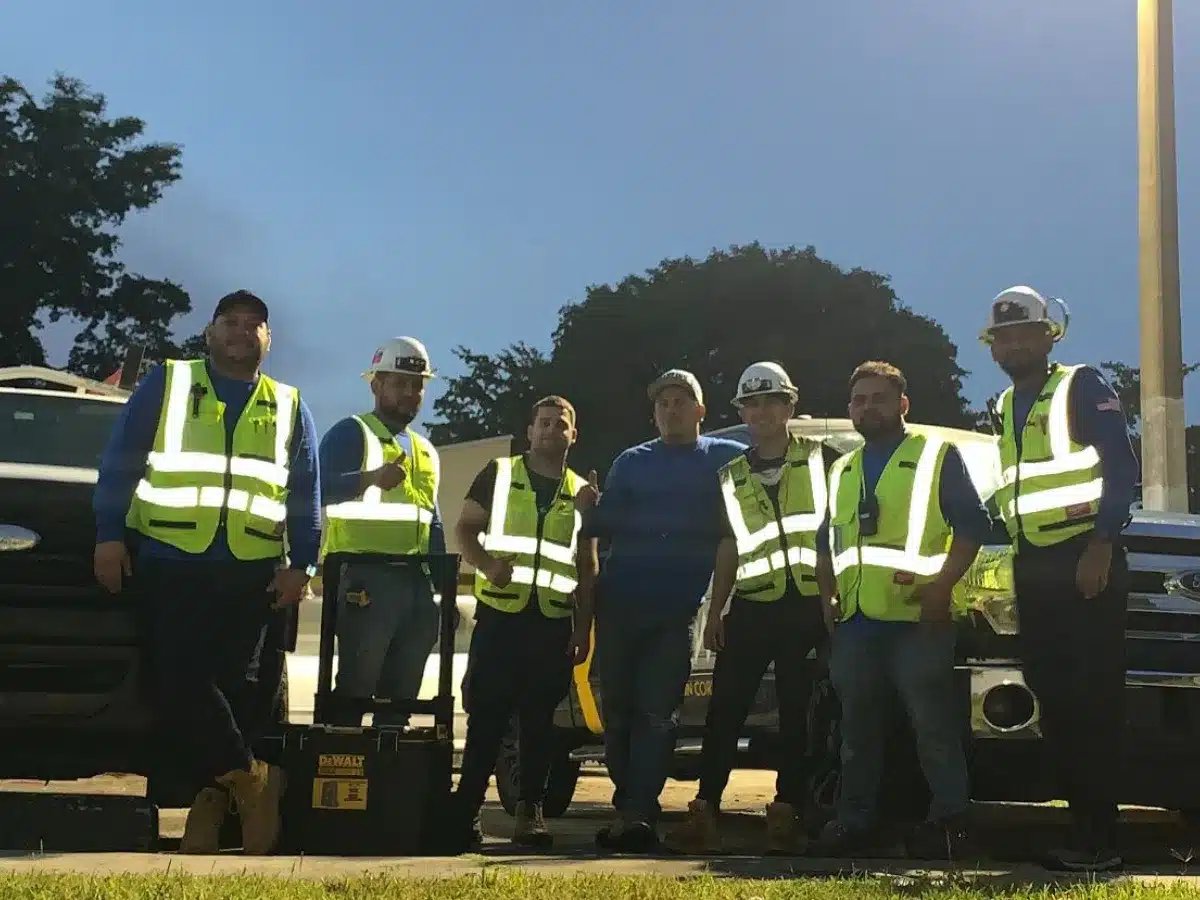
At AM Florida Builders, we understand that preventive maintenance is one of the most effective ways to avoid costly plumbing issues. Our team works with homeowners, property managers, and commercial property owners throughout Florida to identify potential problems early, improve system performance, and help extend the lifespan of plumbing infrastructure. Whether you’re due for an annual inspection or addressing a specific concern, we can help ensure your plumbing system remains reliable, efficient, and ready to support your property’s needs.
If it has been more than a year since your last plumbing inspection, now is the perfect time to schedule one. Taking a proactive approach can help uncover small issues before they become major repairs, saving you time, money, and unnecessary disruption. A simple annual inspection can go a long way toward protecting your property and providing peace of mind throughout the year.
Frequently Asked Questions
-
How often should a plumbing inspection be performed?
Most properties benefit from a professional plumbing inspection once a year. Annual inspections help identify minor issues early, reducing the risk of unexpected leaks, water damage, and costly repairs.
-
What does a plumbing inspection typically include?
A plumbing inspection generally covers water lines, drains, fixtures, toilets, water heaters, shut-off valves, and visible pipes. Depending on the property, it may also include checking for leaks, corrosion, drainage issues, and signs of sewer line problems.
-
Is a plumbing inspection worth it if I haven't noticed any problems?
Yes! Many plumbing issues develop gradually and show few visible signs in the early stages. Routine inspections can uncover hidden leaks, pipe deterioration, or efficiency concerns before they turn into major plumbing emergencies.