Have you ever noticed a mysterious damp spot on your wall or a warm patch on your floor that just would not go away? Hidden water leaks behind walls or under slabs are some of the most frustrating plumbing problems homeowners face. They can stay unnoticed for weeks or even months while quietly damaging your home’s foundation, drywall, and flooring.
If you live in a humid state like Florida, the risks are even higher. Moisture spreads quickly in warm conditions, which means a small hidden leak can soon become a major repair nightmare. In this guide, let’s talk about how to detect hidden leaks, what warning signs to watch for, and how to deal with them before they get out of control.
Why Hidden Water Leaks Are So Dangerous
Hidden water leaks might start small, but they can cause big problems over time. When water seeps behind walls or under slabs, it does not just stay there. It weakens the structure, promotes mold growth, and can even cause electrical hazards if it reaches wiring. Unlike visible leaks from faucets or toilets, hidden leaks occur inside your home’s structure, making them harder to spot. By the time you notice a problem, significant damage might already be done. That is why knowing the early warning signs and acting fast is crucial.
What Causes Hidden Water Leaks Behind Walls or Under Slabs?
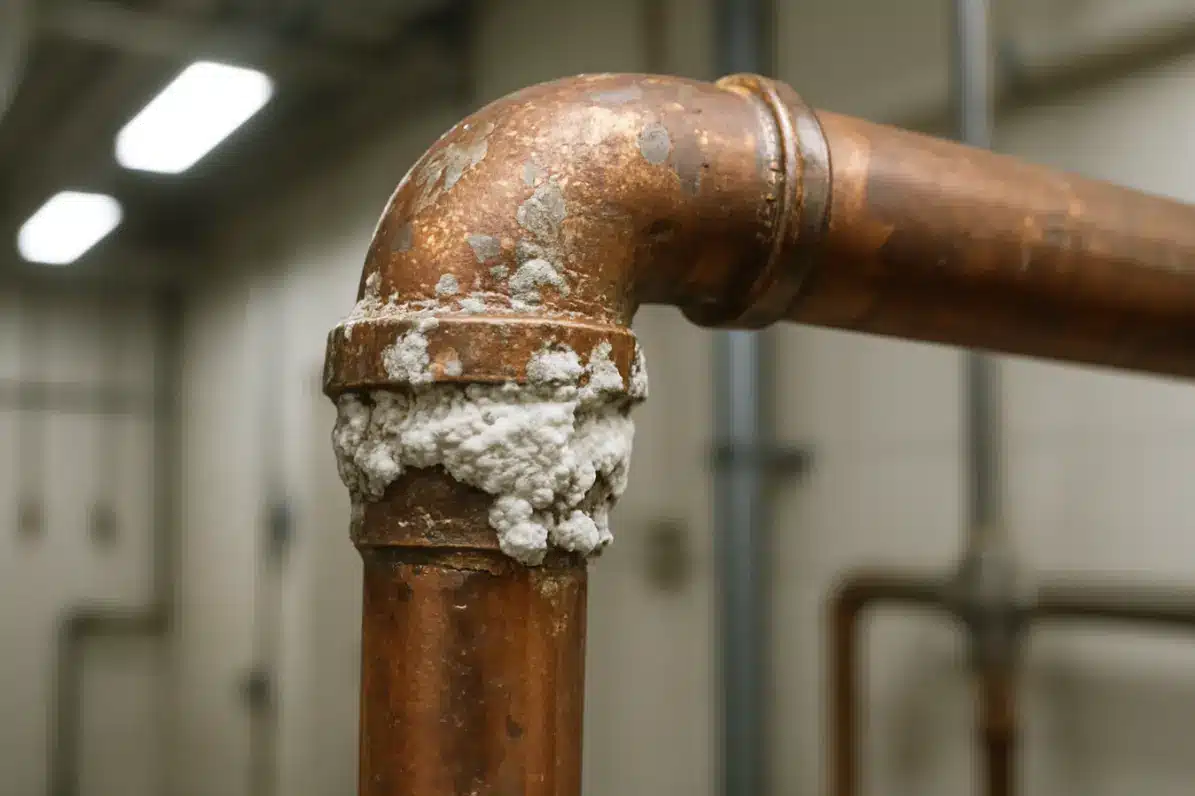
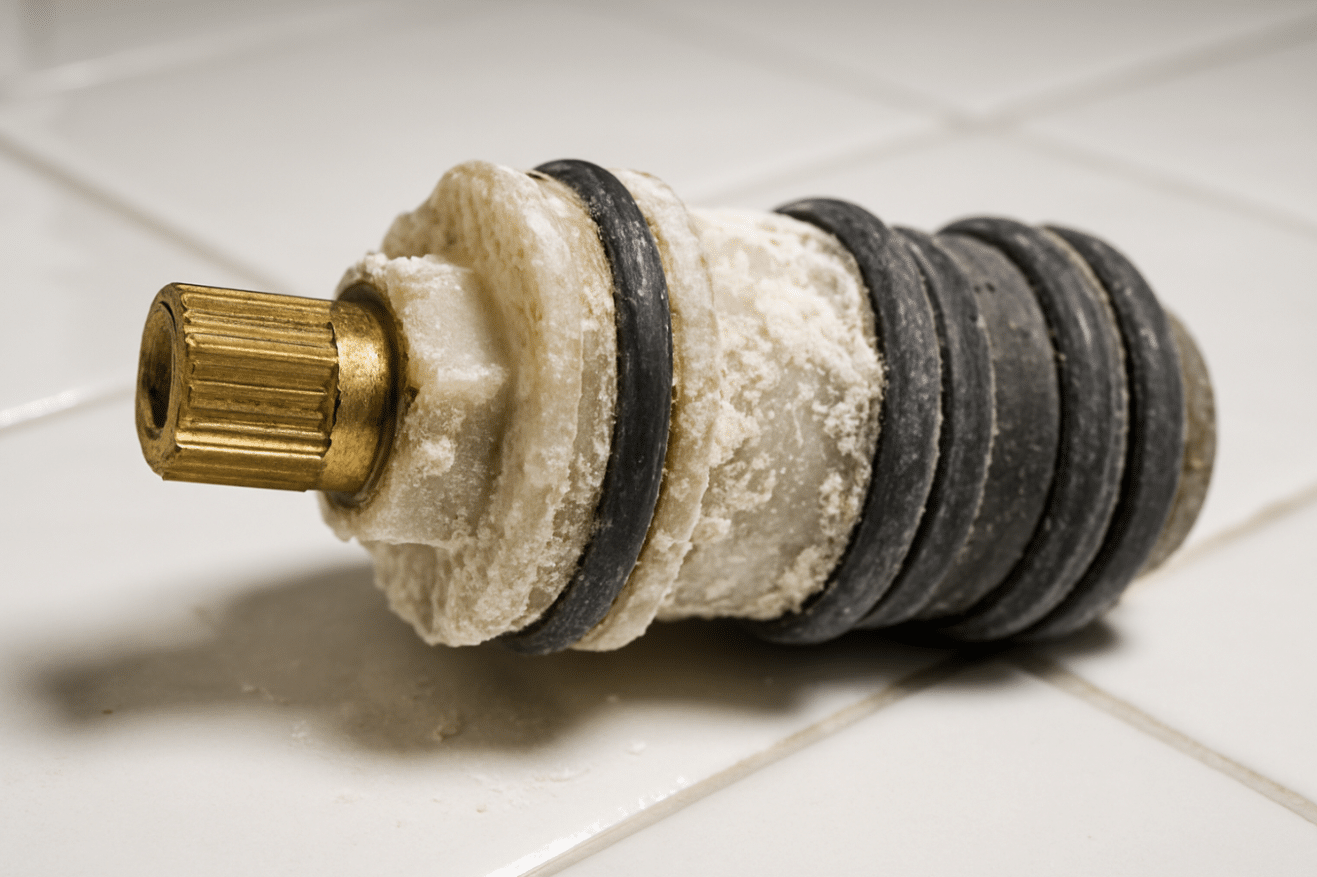
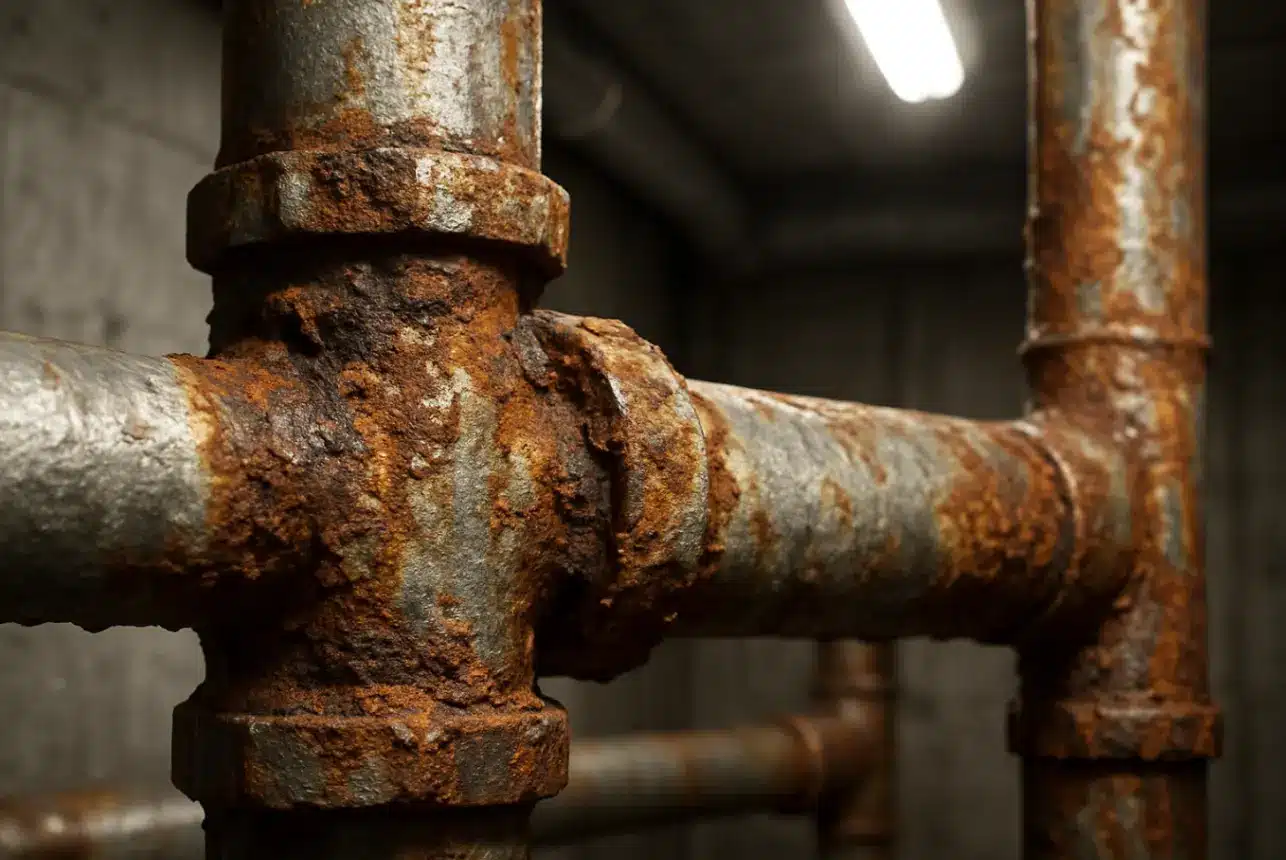
Several factors can lead to leaks that hide behind your home’s surfaces. Corroded or old pipes are a leading cause. Over time, metal pipes, especially copper, can wear thin due to constant exposure to minerals and moisture. Poor installation is another reason, especially in homes built quickly or with substandard materials. High water pressure also plays a role. When water pressure is too strong, it puts unnecessary stress on pipes, eventually causing cracks or small openings that lead to slow leaks. Under-slab leaks often occur because of shifting soil, ground movement, or tiny cracks in the concrete foundation that go unnoticed for years.
How To Detect Hidden Water Leaks Behind Walls

Detecting leaks behind walls is not always easy, but there are a few clear warning signs you can look for. If you notice peeling paint or bubbling wallpaper, that is often a red flag. It means moisture is building up behind the wall, pushing outward. You might also see stains or discoloration, usually in yellow or brown shades, which indicate water damage spreading through the drywall.
Another clue is a musty or damp smell that lingers even after cleaning. Mold and mildew thrive in hidden moist areas, so any persistent odor should not be ignored. If one wall feels cooler or wetter to the touch compared to others, that is also a strong indicator that water is leaking behind it. Some homeowners also report hearing faint dripping or running water inside walls when all taps are turned off. That sound might not seem important at first, but it is one of the clearest signs that a pipe is leaking inside your wall cavity.
How To Detect Water Leaks Under Slabs
Detecting leaks under a concrete slab foundation can be trickier because the pipes are buried beneath several inches of concrete. Still, there are several signs that can alert you. If you feel warm or damp spots on your floor, especially in areas where hot water lines run, there is a good chance you have a slab leak. Another common symptom is a sudden drop in water pressure or an unexplained increase in your water bill.
You may also notice cracks in your flooring or walls, which can happen when the soil beneath your foundation gets saturated and starts shifting. If one area of your floor feels slightly raised or hollow, it could mean that water has eroded the soil under the slab. Sometimes, you might hear the sound of running water even when no fixtures are on. Turning off the main water supply and watching the water meter is a reliable test. If the meter continues to move while the water is off, there is definitely a hidden leak somewhere in your system.
How Plumbers Detect Hidden Leaks

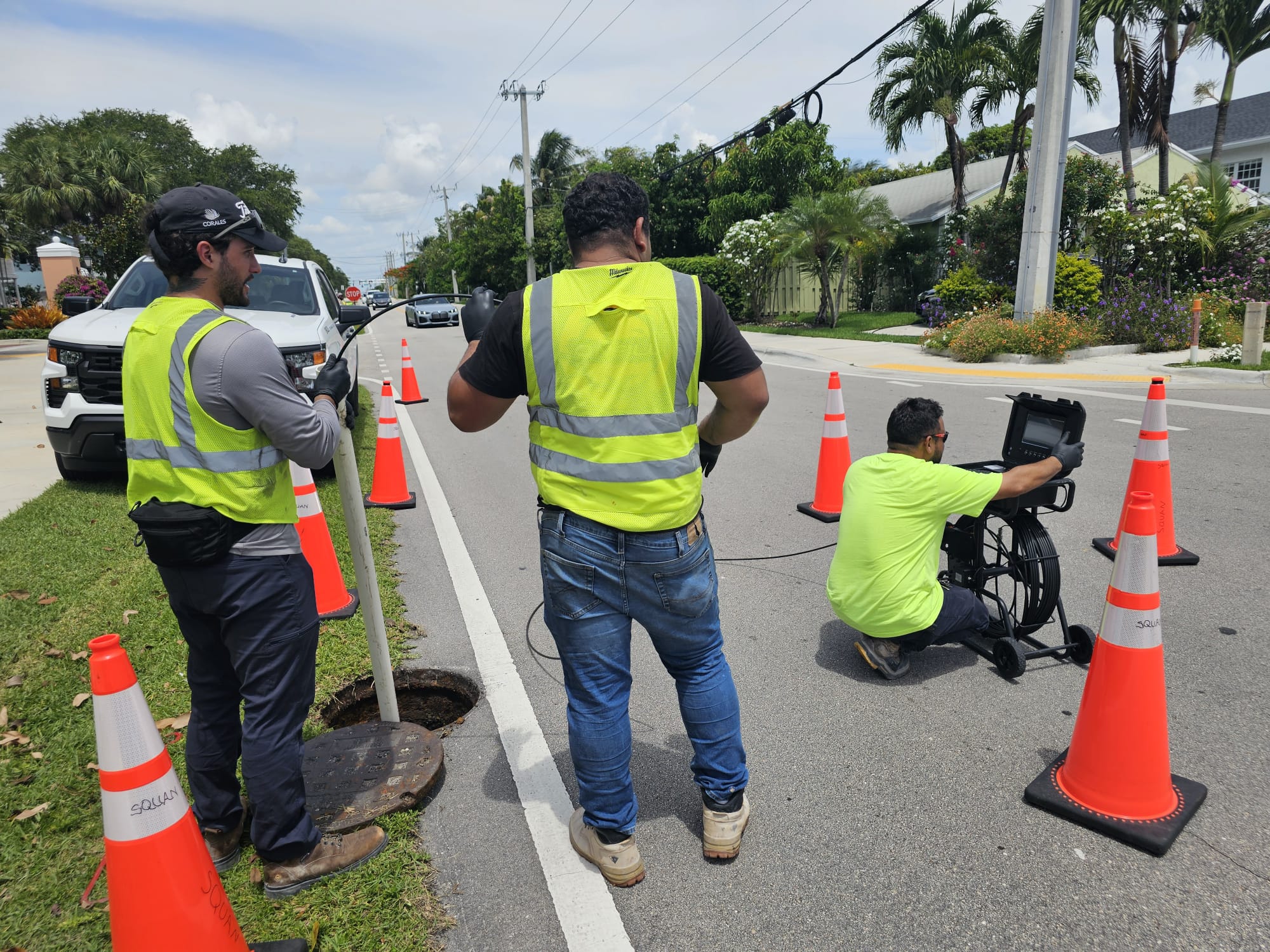
Professional plumbers have specialized tools that make leak detection much more accurate and non-invasive. Thermal imaging cameras are one of the most effective methods. They detect temperature changes in walls and floors, allowing plumbers to pinpoint the source of the leak without breaking through surfaces. Acoustic listening devices are another advanced tool. These use sound to detect vibrations caused by leaking water. Electronic leak detectors and pressure tests can also help locate leaks inside walls or under slabs. For slab leaks specifically, plumbers may use helium or hydrogen gas detection. A harmless gas is pumped into the pipes, and sensors detect where it escapes, revealing the exact location of the leak. These modern methods help identify leaks with minimal damage to your property. If you want guidance on knowing when to bring in a professional, check out When Should I Call a Plumber?.