If your water bill has suddenly gone up, or you hear water running even when every tap is off, you might be dealing with a slab leak. It is one of the most common plumbing issues in Florida homes, yet many people are unsure what it actually means or why it happens. Let’s explore the causes of slab leaks, how they develop, and what you can do to prevent them.
What Is a Slab Leak?
A slab leak happens when the water pipes located beneath a home’s concrete foundation begin to leak. Since most homes in Florida are built on concrete slabs instead of crawl spaces or basements, the plumbing lines are buried directly underneath. When one of these pipes starts leaking, the water seeps into the concrete foundation and the soil below it. Over time, this can cause major damage such as cracks in the foundation, wet flooring, mold growth, and even structural instability. What makes slab leaks tricky is that they often go unnoticed for weeks or even months, allowing the problem to grow quietly until the signs become obvious.
Why Are Slab Leaks Common in Florida?
Slab leaks can occur anywhere, but they are particularly common in Florida for a few reasons. The first is the state’s soil composition. Florida soil is mostly sandy and porous, which allows water to move easily. When water levels rise or fall due to rainfall or groundwater shifts, the soil expands and contracts. This movement can put pressure on the pipes under the slab, eventually causing them to crack or break. The second reason is the climate. Florida’s constant humidity, salt air, and high temperatures can corrode pipes faster than in other states. Over time, even high-quality materials can wear down, especially if the home has older plumbing.
What Causes Slab Leaks in Florida Homes?
There are several specific reasons why slab leaks happen. Let’s look at the most common ones homeowners in Florida face.
1. Corrosion of Pipes
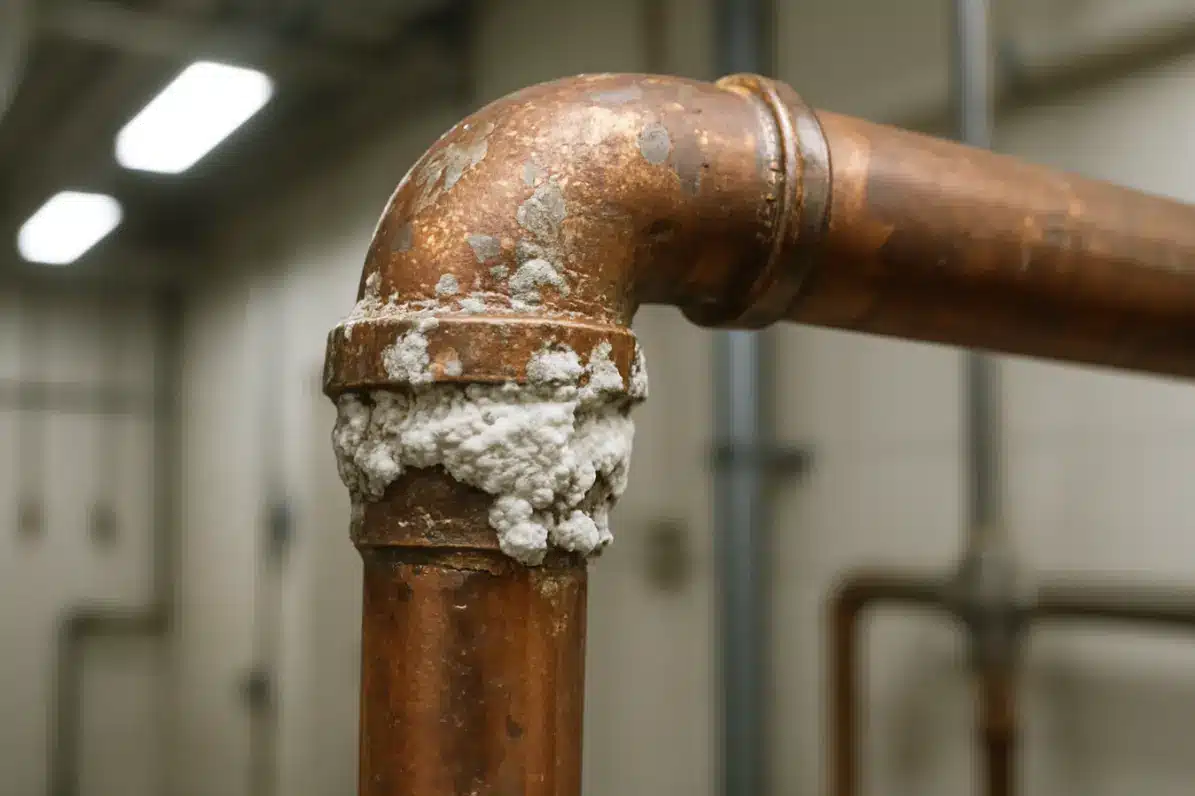
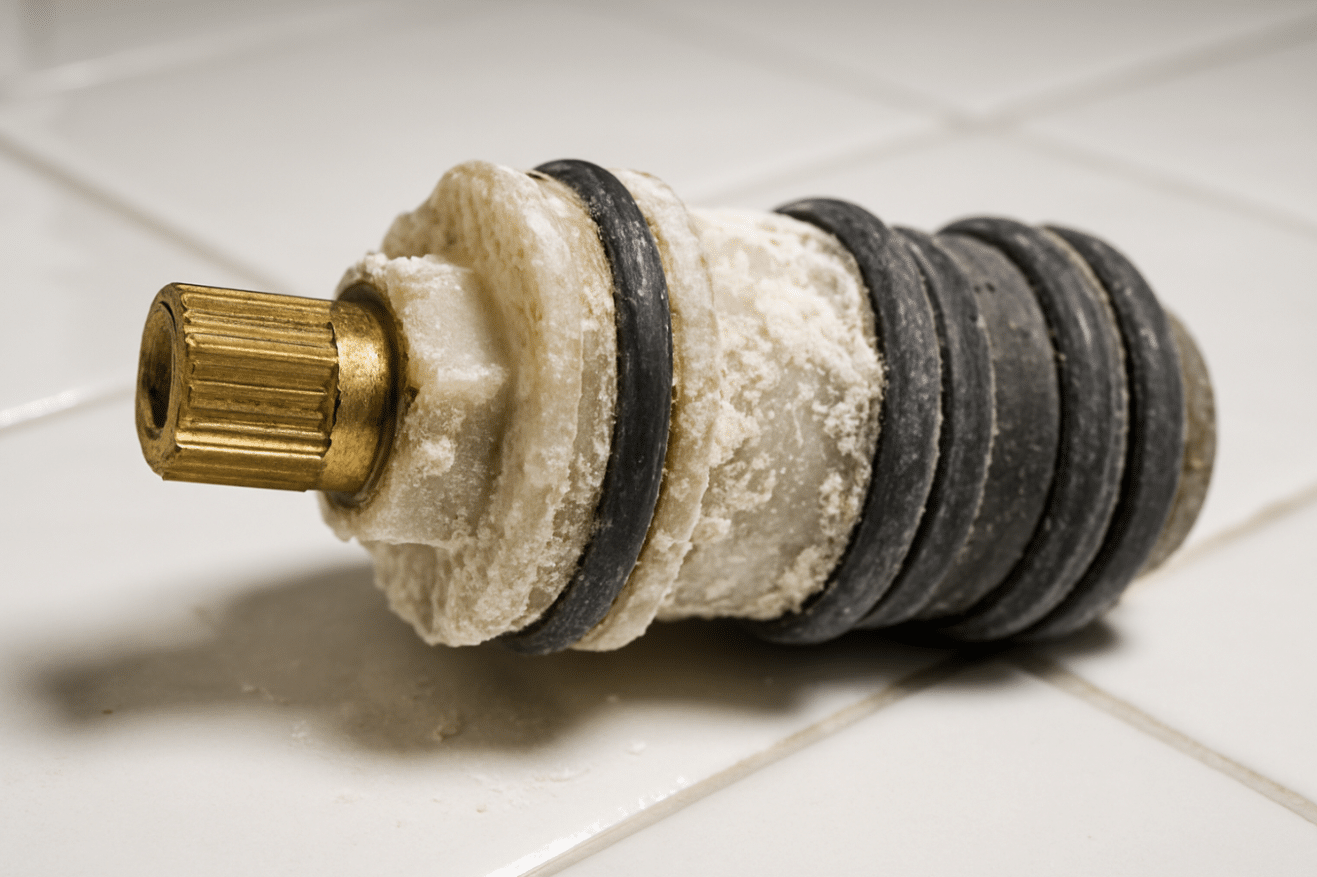
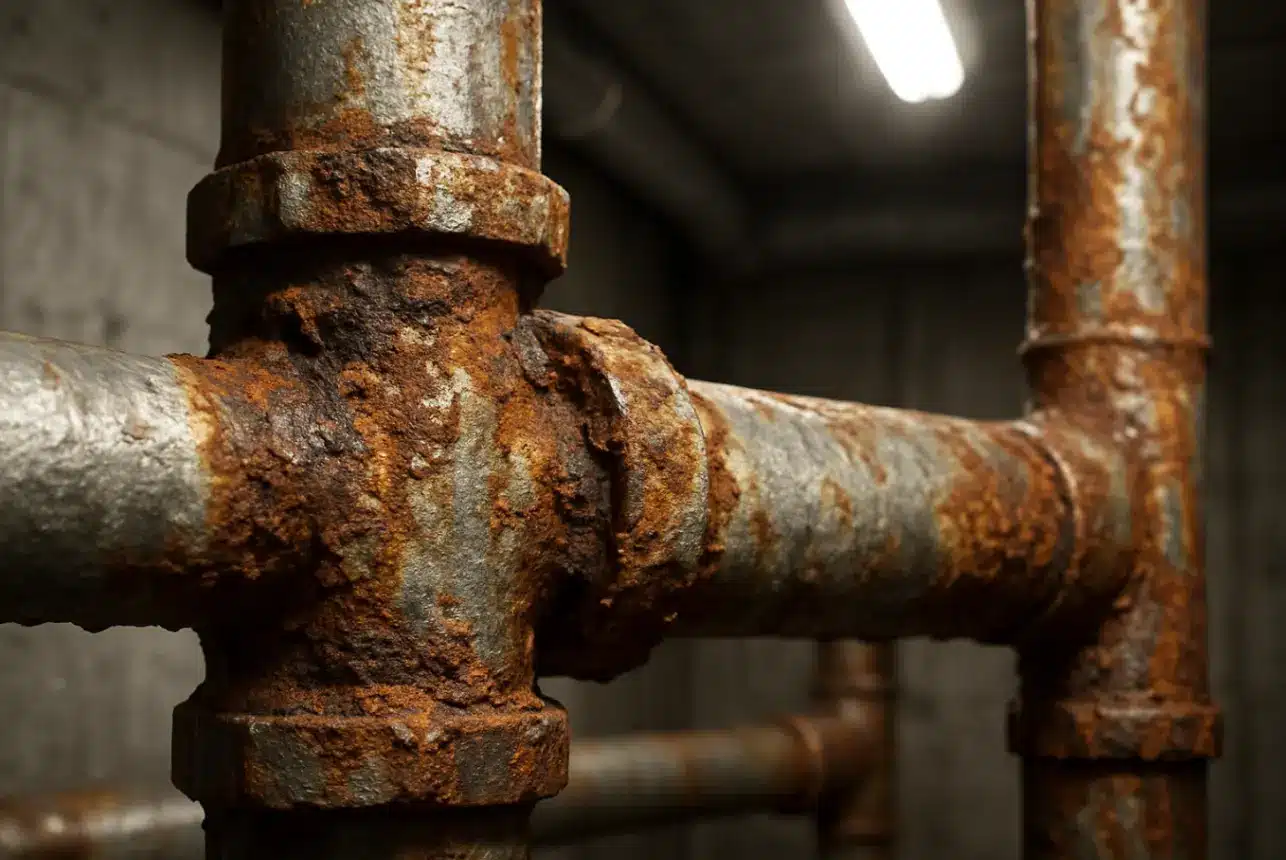
One of the leading causes of slab leaks in Florida homes is corrosion. Even though copper pipes are durable, they are not immune to corrosion, especially when exposed to minerals, salt, and moisture. The soil in coastal areas can contain chloride and other chemicals that gradually eat away at the metal, creating tiny pinholes that eventually leak. Homes built before the 1980s are particularly at risk because older pipes were not designed to withstand such high mineral or moisture exposure. Over time, this slow corrosion process leads to leaks under the slab that can cause serious foundation damage.
2. Soil Shifting and Foundation Movement
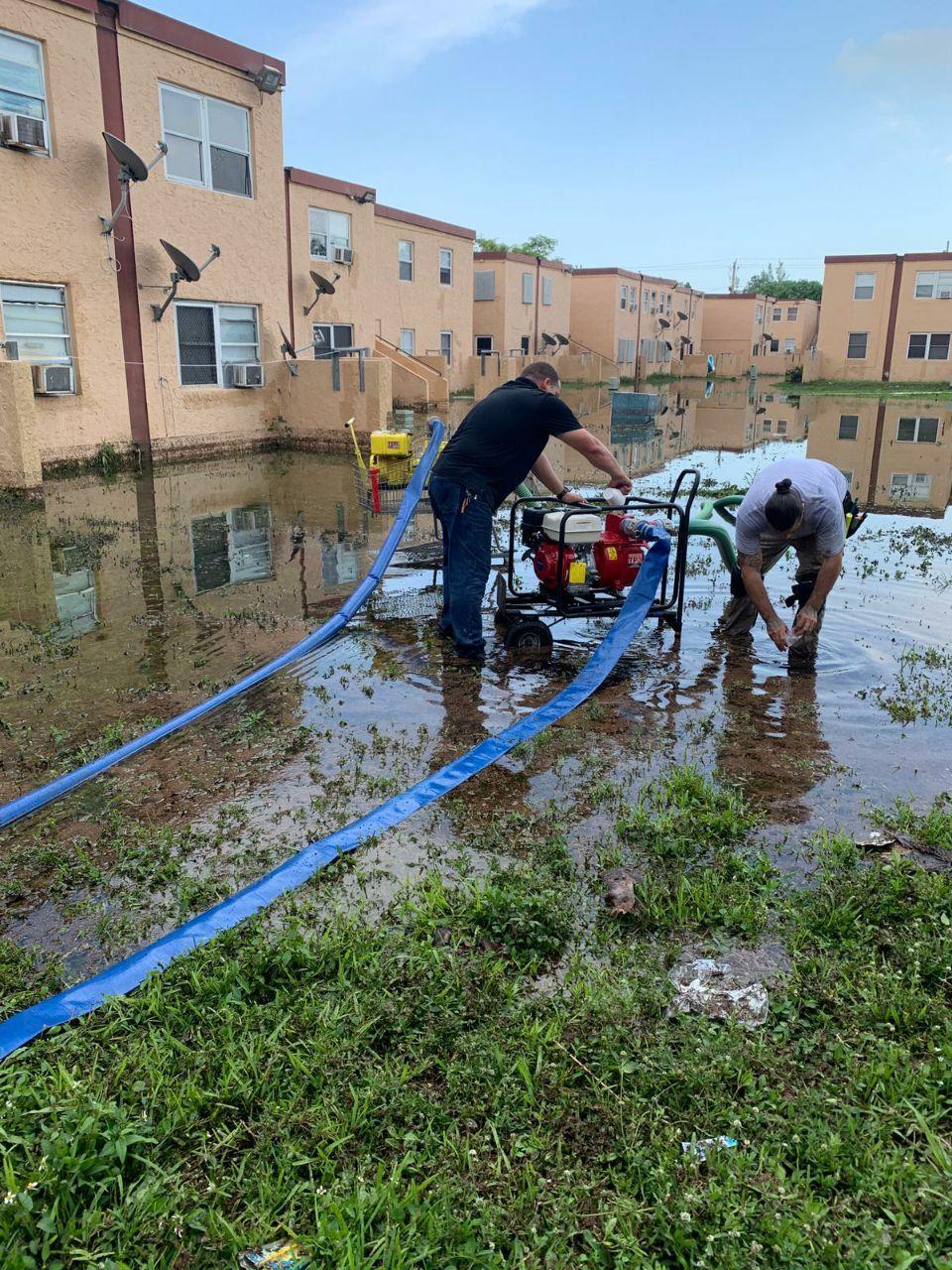
The ground under your home is not as stable as it seems. In Florida, where heavy rains and hurricanes are common, the soil can shift dramatically. This constant movement causes stress on the pipes beneath the foundation. As the soil settles, the pressure can bend, crack, or even disconnect the pipes, leading to leaks. If you live in an area that has experienced recent construction or flooding, the chances of soil movement are even higher. This is why slab leaks are often discovered after long periods of rain or nearby excavation work.
3. Poor Installation or Construction

Another common cause of slab leaks is poor workmanship during construction. If the plumbing lines were not properly installed when the home was built, they may have weak joints, kinks, or thin walls. These imperfections can take years to show up but will eventually lead to leaks. Unfortunately, this is a problem in some older Florida neighborhoods where building standards were not as strict or where homes were built quickly during housing booms. Even new homes can face slab leaks if shortcuts were taken during construction.
4. Abrasion from Concrete or Rocks
Pipes beneath your home can rub against the concrete slab or sharp rocks in the soil. Each time water flows through the pipes, they expand slightly due to pressure. Over time, this small movement can cause friction between the pipe and the surrounding materials. Eventually, this friction wears away the pipe surface, causing small leaks that worsen with time.
5. High Water Pressure
It might feel nice to have strong water pressure in the shower, but too much pressure can be harmful to your plumbing system. Excessive water pressure puts constant stress on the pipes, especially the ones under the slab that are harder to access. Over the years, this stress can lead to cracks and leaks. In Florida, where many homes share municipal water systems, pressure fluctuations are common. Installing a pressure regulator can help protect your pipes and reduce the risk of slab leaks. Learn more about how water pressure can affect your plumbing in our blog on Could High Water Pressure Be Damaging Pipes?.
How Do You Know If You Have a Slab Leak?

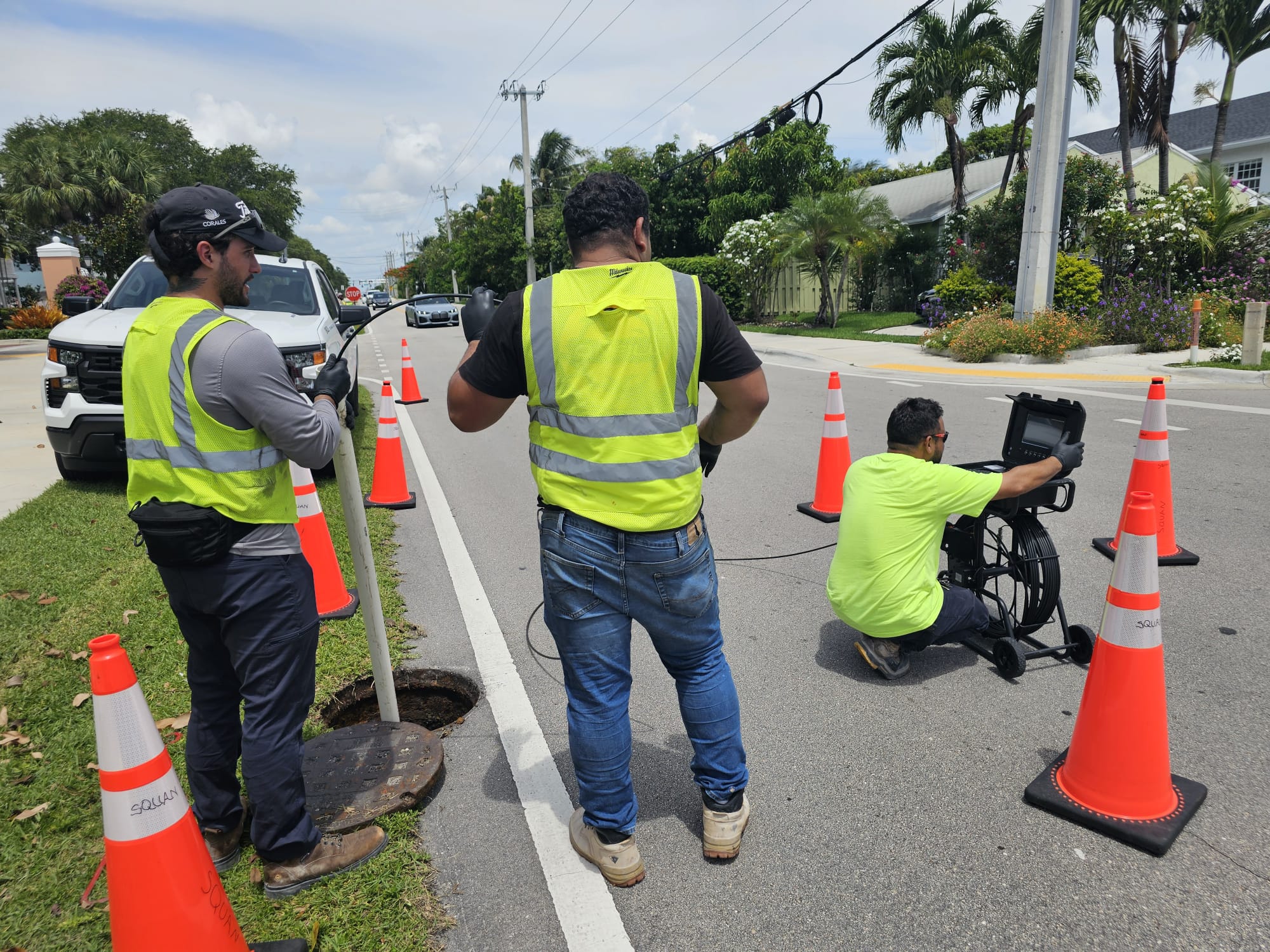
Detecting a slab leak early can save you thousands of dollars in repairs. Common signs include damp or warm spots on your floors, the sound of running water when no fixtures are on, low water pressure, or an unusually high water bill. You may also notice cracks in your flooring or walls caused by the shifting foundation. If you suspect a slab leak, do not ignore it. Contact a licensed plumber who specializes in leak detection. They can use non-invasive equipment such as thermal imaging or electronic leak detectors to locate the problem accurately. You can also read The Difference Between Plumbing Repair and Plumbing Replacement for insight into repair options once a slab leak is found.
Can Slab Leaks Be Prevented?
While not every slab leak can be avoided, there are several steps you can take to reduce the chances of it happening. Regular plumbing inspections are one of the best ways to catch issues before they escalate. Ask your plumber to check for signs of corrosion, leaks, or pressure problems at least once a year. It is also important to maintain stable water pressure in your home. If you are unsure about your pressure levels, a plumber can install a regulator to keep it within a safe range. In addition, keeping your foundation properly drained and avoiding overwatering your lawn can help minimize soil movement under your slab.
How Do Plumbers Fix Slab Leaks?
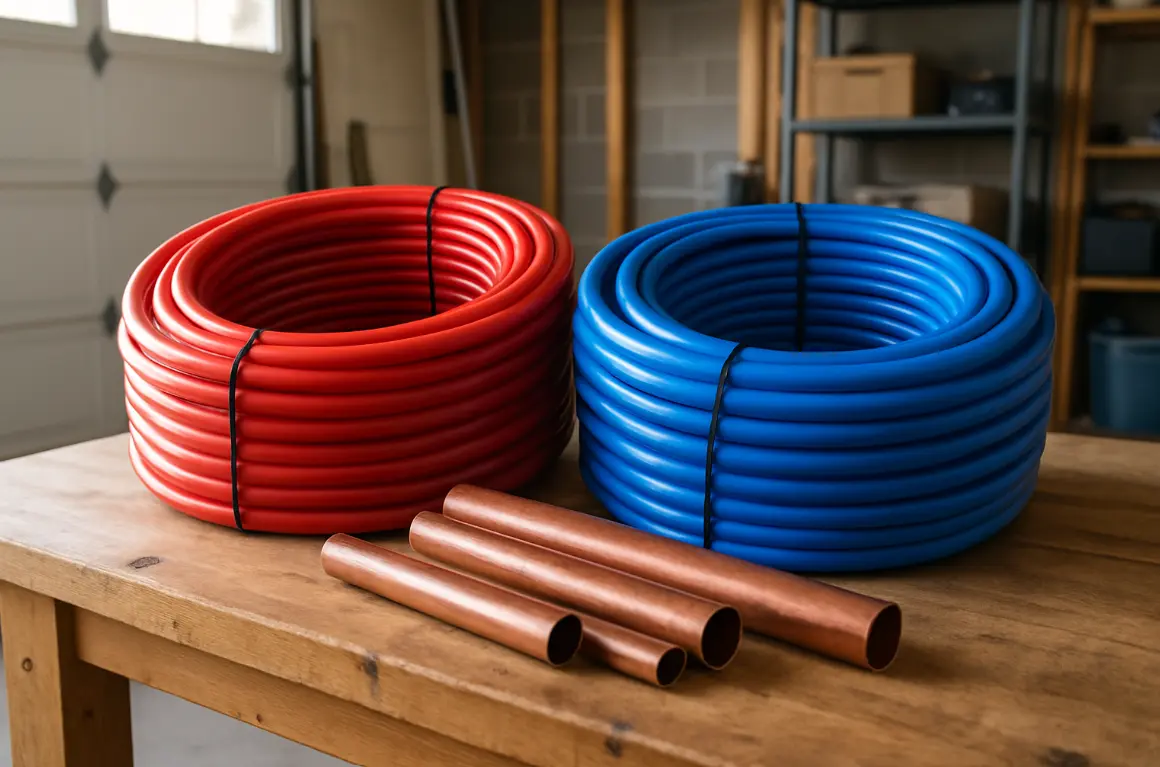
The repair process depends on the severity and location of the leak. In some cases, plumbers can perform a direct repair by accessing the leaking section through the floor. However, if the pipes are old or severely corroded, a full re-piping might be recommended. Modern technology allows plumbers to reroute pipes above the slab or through walls, which eliminates the need for extensive digging. Epoxy pipe coating is another solution that seals small leaks internally without breaking through the concrete. You can also contact experts who provide plumbing services in Florida for a professional evaluation and repair.
Why You Should Act Quickly
A slab leak is not something that can wait. The longer it goes unrepaired, the more damage it can cause to your home’s foundation, flooring, and structure. Water can weaken the concrete, promote mold growth, and even attract pests. In Florida’s humid environment, moisture problems can escalate rapidly, so early detection and repair are essential. Always work with a licensed plumber who has experience with slab leaks in Florida homes. They understand the local soil conditions and plumbing systems, which ensures a more accurate diagnosis and long-lasting repair.