What qualifies as a plumbing repair?
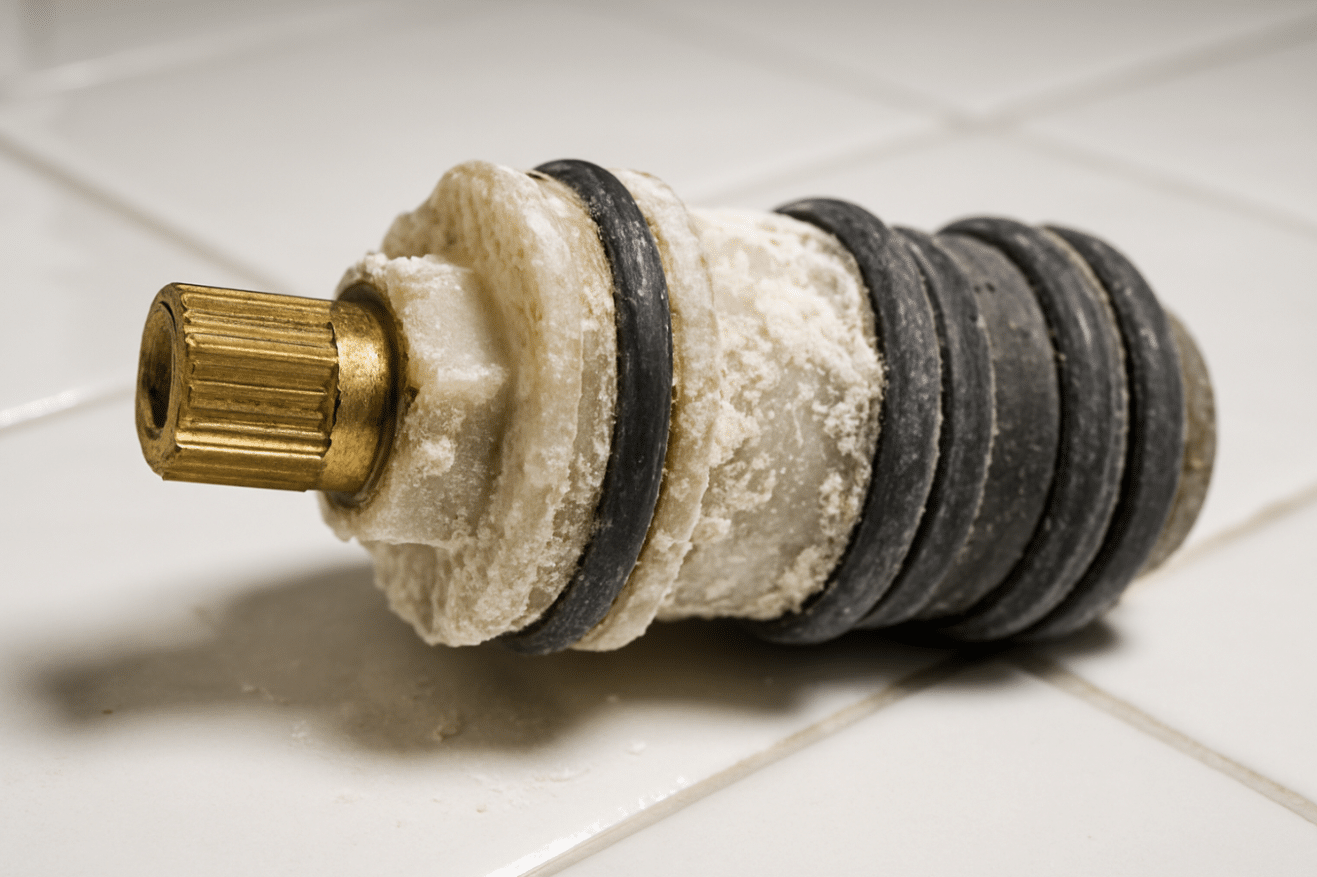
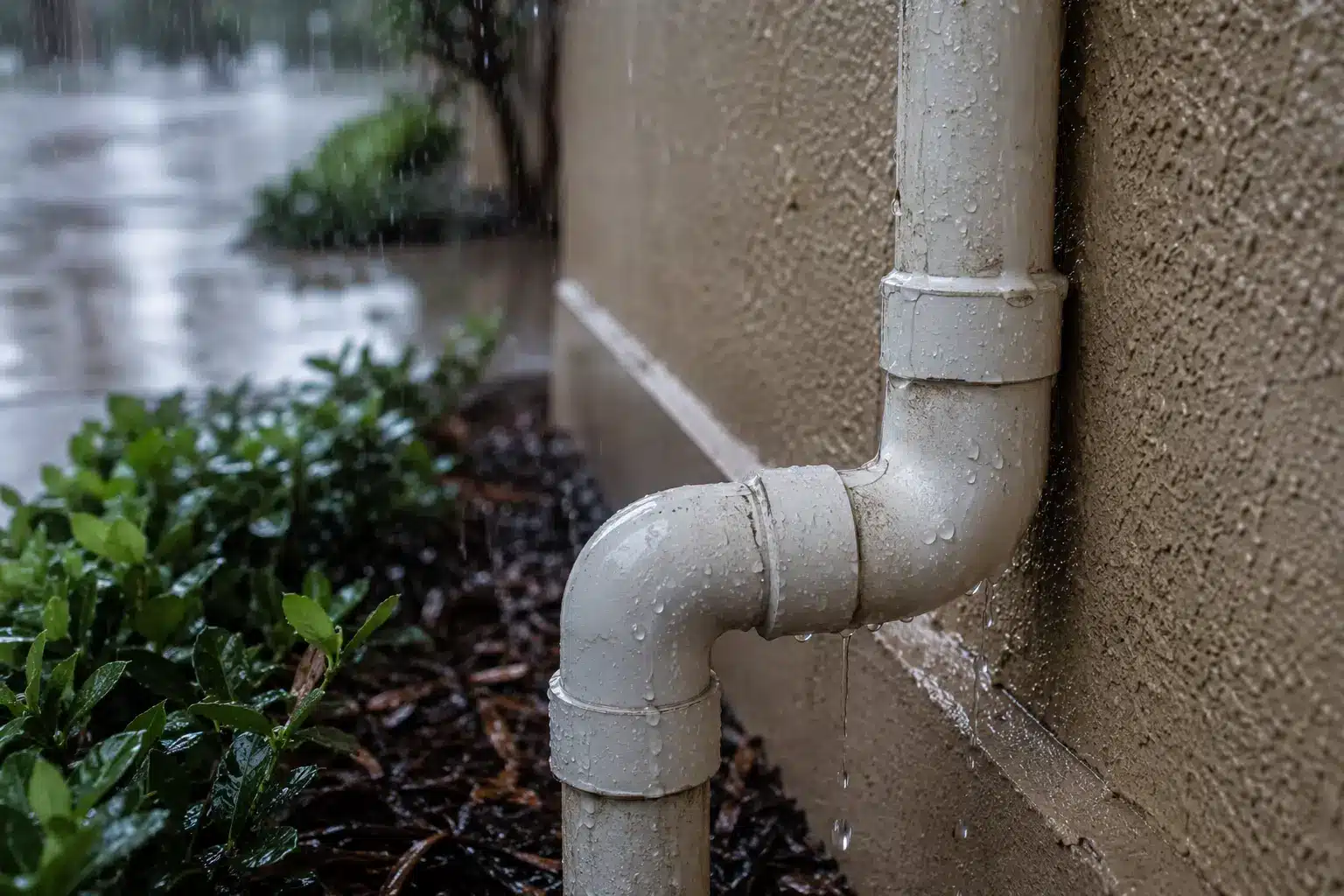
Plumbing repair focuses on fixing a specific broken part. To begin, you do not always need to replace the entire system. For example, a plumber can fix a dripping kitchen faucet by replacing a worn washer. Next, focused repairs can stop water in a leaking PVC drain line quickly. This process restores service without disturbing the rest of your home. Furthermore, repairs generally deal with single parts or small damaged sections. They are often fast, affordable, and minimally invasive. As a result, repairs are the best solution if your system is still structurally sound.
How do you know if you should repair or replace plumbing?

Several signs help you choose between repair and replacement. To begin, start with the age of your plumbing. Older Florida homes often have pipes made from galvanized steel or polybutylene. Next, these outdated materials are prone to corrosion or sudden bursting. Repairs may only offer temporary relief if your pipes are near their end. Furthermore, consider how often problems occur in your home. Frequent leaks or pressure issues suggest that replacement is a wiser investment. Ultimately, an isolated fixture malfunction usually only requires a simple repair.
When should plumbing be replaced?
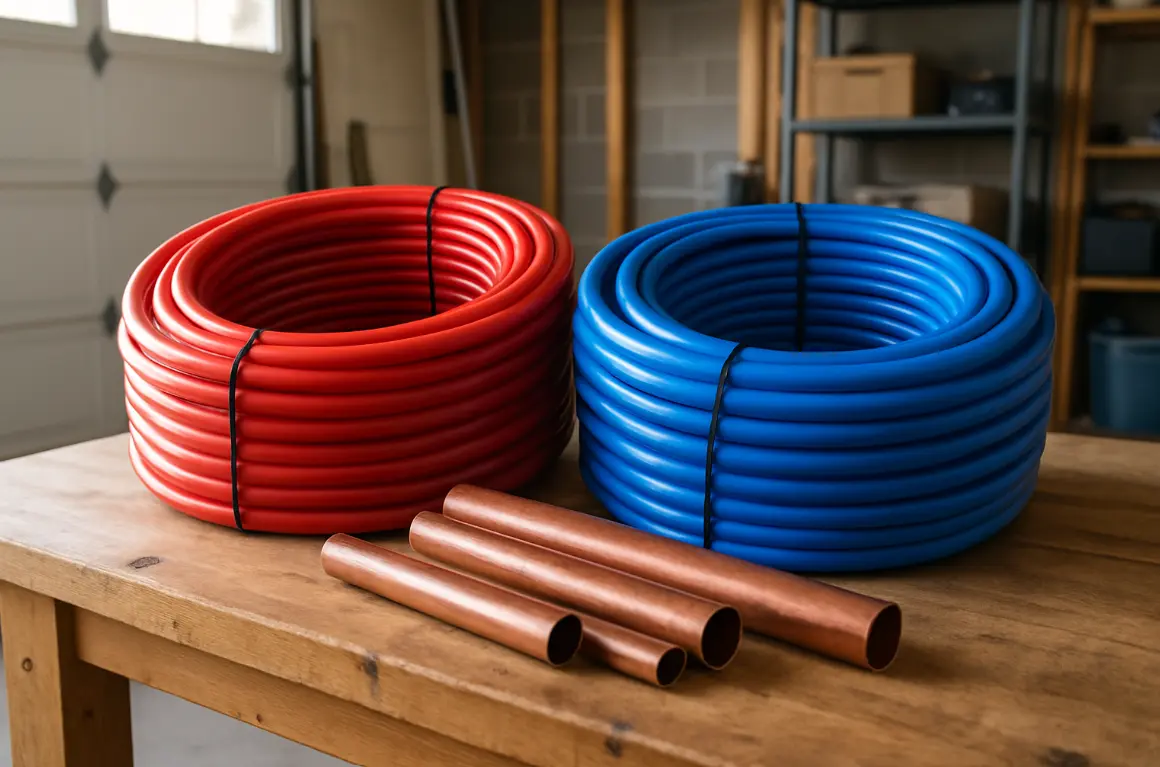
Plumbing replacement becomes the better option when your system is old, worn, deteriorating, or no longer meeting the demands of your household. Replacing isn’t just about fixing what’s broken—it’s about upgrading to stronger, safer, more efficient materials that can take on decades of future use with confidence. A whole-home repipe replaces old pipes throughout your walls, floors, or attic with modern materials like PEX or copper designed to resist corrosion and provide consistent water pressure. Even replacing major fixtures like toilets, water heaters, and faucets can save thousands of gallons of water per year. If you are constantly calling a plumber, dealing with water-stained ceilings, rusty water, foul smells, or low pressure everywhere in the house, replacement provides long-term peace of mind.
How long does plumbing last in a house?
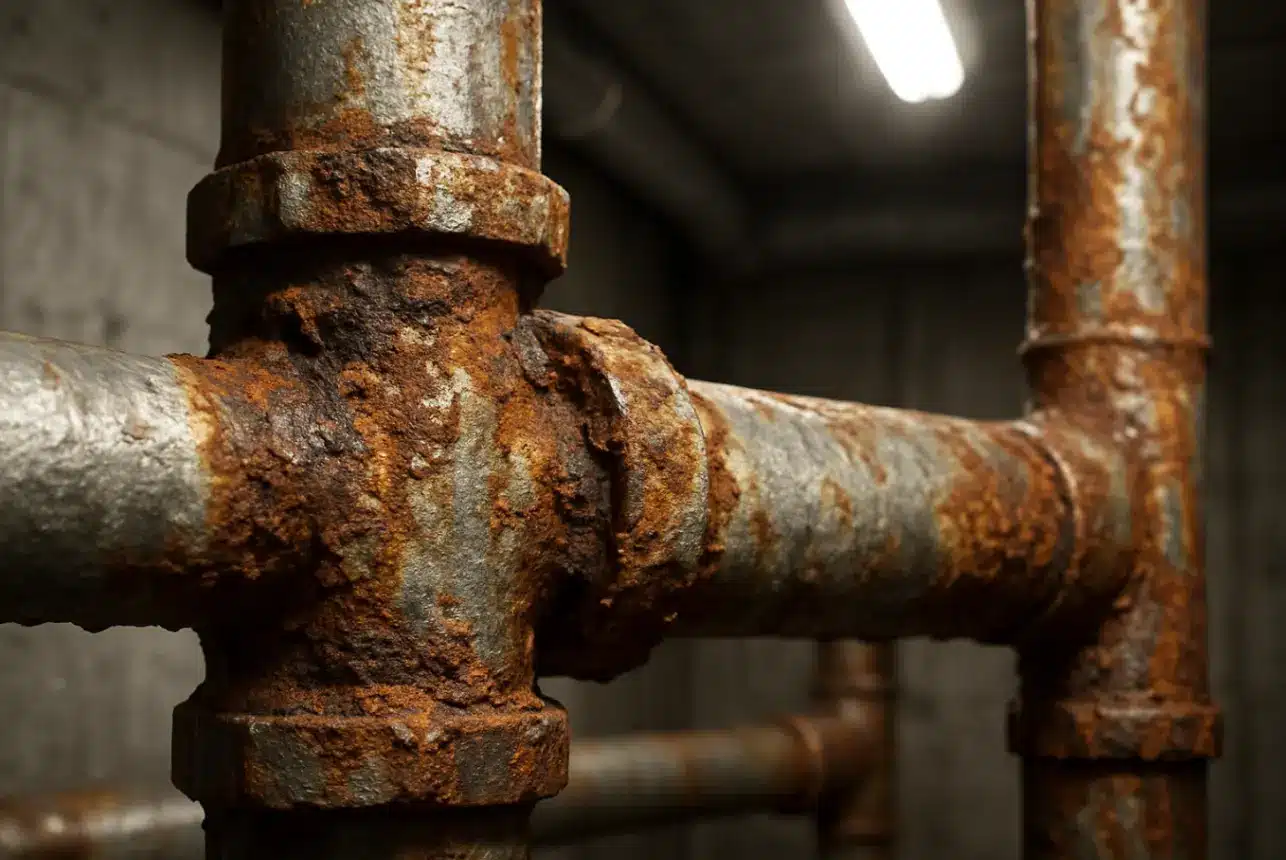
Plumbing lifespan depends heavily on material and environment. Copper pipes often last fifty years or more, but mineral-heavy Florida water can slowly erode them from the inside. PVC drain lines typically last twenty-five to forty years before becoming brittle. Galvanized steel pipes may last around fifty years but tend to clog and corrode due to rust buildup. Polybutylene—commonly used in Florida homes built in the 1980s and early ’90s—can fail without warning due to chlorine sensitivity. If your home is over thirty years old and still has its original plumbing, it’s important to start monitoring signs of deterioration now. Frequent pinhole leaks, water discoloration, and fluctuating pressure are indicators that your system is nearing the end of its functional lifespan and may soon need replacement.
Should you replace plumbing before problems occur?
Many proactive homeowners choose to replace plumbing before a catastrophic failure occurs to avoid expensive water damage and emergency repairs. Waiting until your ceiling is dripping or your concrete slab is saturated with water can add thousands of dollars of restoration costs on top of plumbing work. Replacing aging pipes before they burst gives you time to plan the project properly, budget wisely, and minimize disruption to your home. Upgrading early also improves overall home value, which is especially important if you’re considering selling in the near future. Buyers love the confidence of knowing there’s a brand-new, durable plumbing system behind the walls.
Is it cheaper to repair or replace plumbing?

In the short term, repairing is almost always cheaper than replacing. A simple fix to one section of pipe might cost a fraction of a full system upgrade. But those savings can disappear quickly if you’re scheduling multiple repairs throughout the year. When issues become more frequent or start to cause collateral damage to walls, floors, or cabinets, replacement becomes the more economical option. A single whole-home repipe involves a larger upfront investment, yet gives you decades of trouble-free performance. That means no more surprise repair bills, no calling plumbers during emergencies, and no waking up to water-soaked carpets in the middle of the night. When evaluating cost, always consider long-term maintenance, water usage, and the hidden cost of possible water damage—not just the immediate price tag.
Can old plumbing affect water quality?
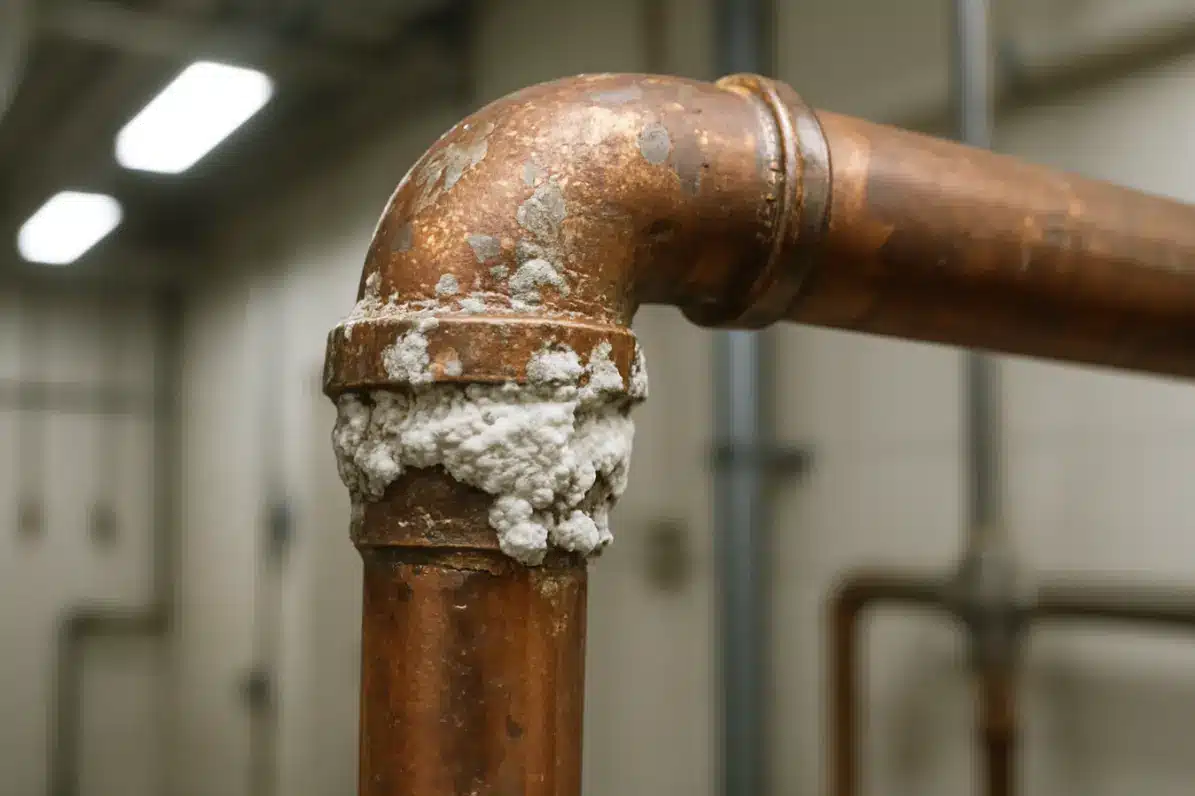
Yes. As pipes age, they corrode and build up mineral deposits from Florida’s hard water supply. Corrosion can release metal particles like rust into your drinking water, turning it brown or giving it a metallic taste. Mineral buildup narrows the diameter of pipes internally, restricting flow and reducing pressure throughout your home. Mold, bacteria, and debris can also collect in crevices of old pipes, impacting taste and potentially affecting your family’s health. Replacing your plumbing system or even just upgrading older fixtures drastically improves water quality, delivering fresher, cleaner, and safer water directly to your faucets.
Why choose AM Florida Plumbers to help you decide?
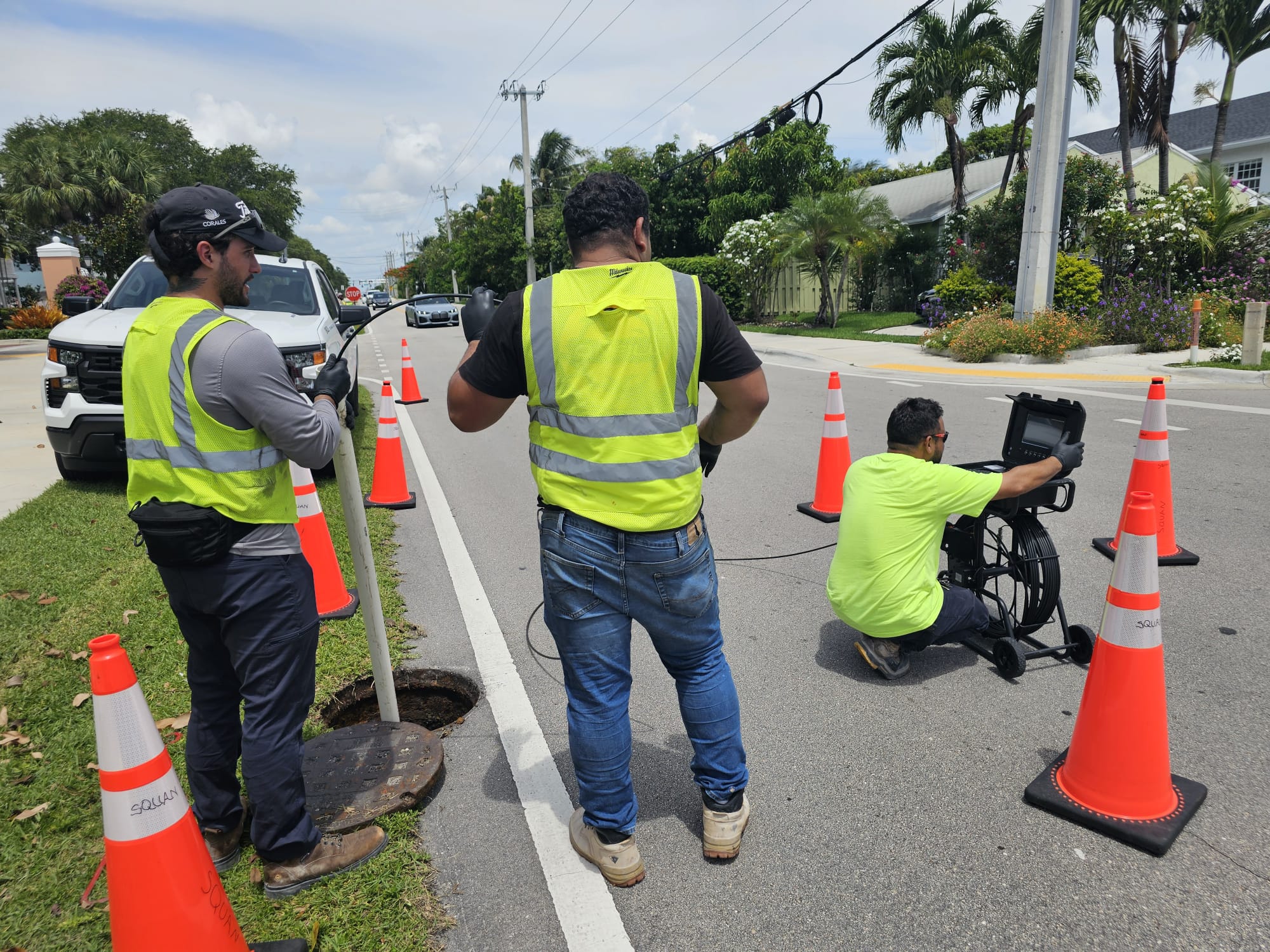
Deciding whether to repair or replace your plumbing doesn’t have to be overwhelming. At AM Florida Plumbers, we guide you through the process with total transparency. Our licensed professionals inspect your entire system, explain what’s working, what’s failing, and what can be done. We never push replacements unless they truly benefit you. In many cases, a smart repair is exactly what’s needed to restore normal flow. In others, we will walk you through why replacement is ultimately the safer and more economical path for your home. Best of all, we tailor our recommendations to your unique plumbing system—not a one-size-fits-all approach.
The difference between plumbing repair and plumbing replacement comes down to lifespan, reliability, and overall value. Repairs are best for newer systems with isolated problems, while replacements secure long-term comfort when plumbing is aging or repeatedly failing. Whether you need a quick fix or a full repipe, the experts at AM Florida Plumbers are ready to help you make a smart, future-proof decision.