Hard water is one of the most common plumbing problems in Miami-Dade homes. While it’s not harmful to drink, it can quietly damage your pipes, appliances, and fixtures over time. The minerals in hard water can cause buildup that reduces water flow, shortens appliance lifespan, and leads to expensive repairs if left untreated. Knowing how to identify, prevent, and treat hard water issues can help homeowners keep their plumbing systems running efficiently year-round.
What Is Hard Water and Why Is It a Problem
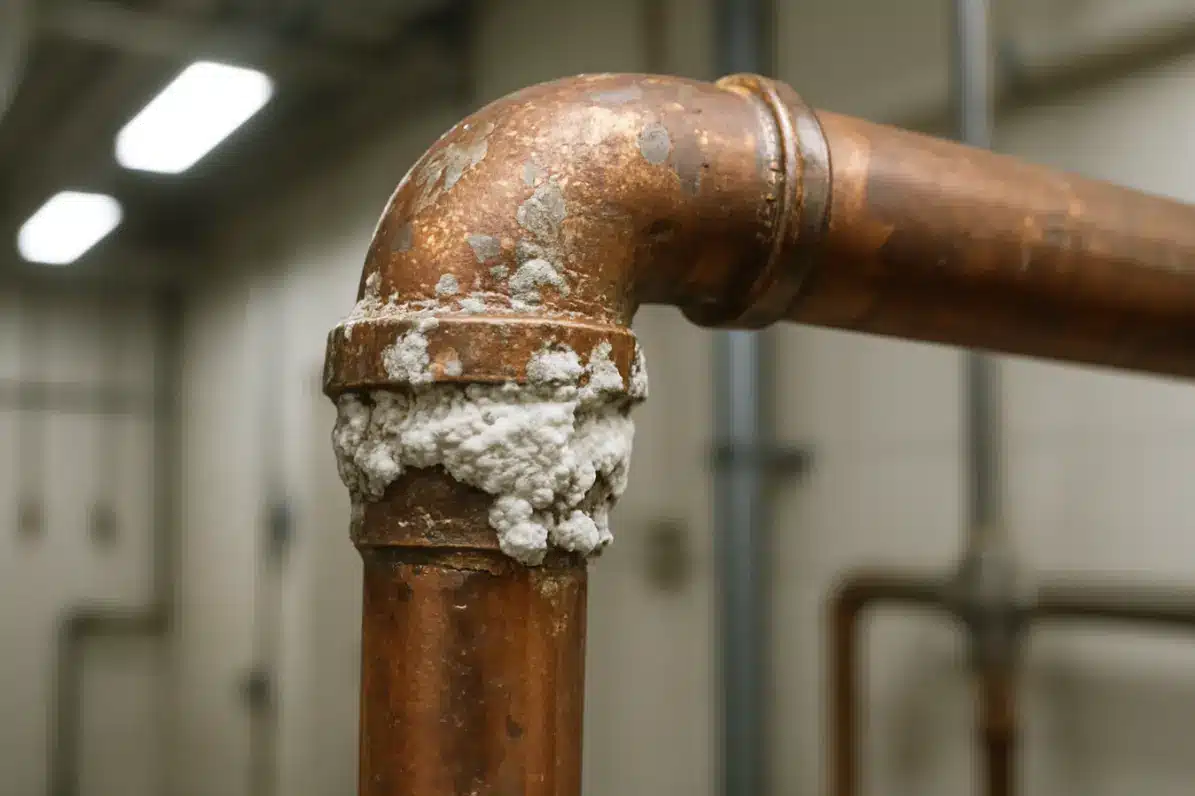
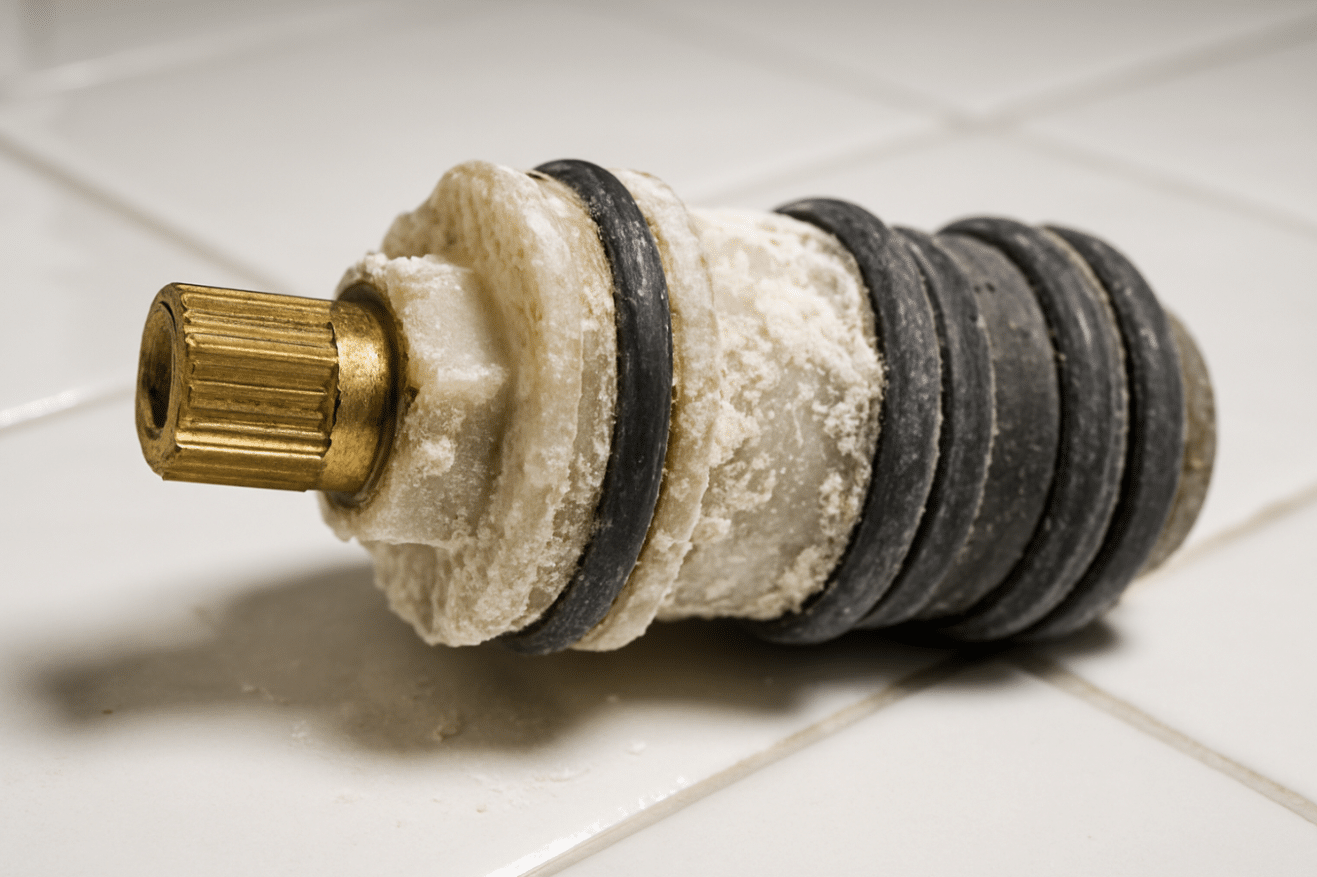
Hard water contains high levels of minerals, mainly calcium and magnesium. These minerals naturally occur in the groundwater that supplies most Miami-Dade homes. When this mineral-heavy water flows through pipes, it leaves behind residue known as scale.
This scale sticks to the inside of pipes, faucets, and water heaters. Over time, it reduces efficiency, causes clogs, and even increases energy bills because appliances have to work harder to heat or move water.
You might notice hard water if your dishes look cloudy after washing, your clothes feel stiff, or your showerheads get white crusty buildup. Left untreated, these are early signs of mineral accumulation that can lead to long-term plumbing damage.
How Hard Water Affects Miami-Dade Plumbing Systems
The effects of hard water often start small but become serious with time. Pipes can narrow as minerals build up, reducing water pressure throughout the home. Fixtures like faucets and showerheads can clog more easily, and water heaters may overheat due to sediment collecting at the bottom of the tank.
Appliances such as dishwashers and washing machines are also at risk. Scale buildup inside these units forces them to use more energy and wear out faster. The lifespan of a typical water heater, for example, can drop by several years when exposed to untreated hard water.
How to Identify Hard Water in Your Home
Detecting hard water early can save Miami-Dade homeowners a lot of trouble. Watch for signs like dull laundry, white spots on glassware, or soap that doesn’t lather easily. You may also feel a film on your skin after showering because the minerals react with soap and prevent it from rinsing away completely.
If you’re unsure, you can purchase an inexpensive water hardness test kit from a local hardware store or online. The test will measure the amount of calcium and magnesium in your water supply, helping you decide whether you need treatment.
For more insight into how water quality impacts your plumbing, visit Does Hard Water Affect Plumbing?
Effective Ways to Prevent Hard Water Damage

The most effective solution for hard water is installing a water softener. This system removes calcium and magnesium through a process called ion exchange, replacing them with harmless sodium ions. As a result, the water becomes “soft,” preventing mineral buildup inside your plumbing system.
For homeowners who prefer a low-maintenance option, salt-free water conditioners can also help reduce scale formation. These systems don’t remove minerals but instead alter them so they don’t stick to surfaces. While not as powerful as traditional softeners, they can be a good choice for smaller households or those with moderately hard water.
Another key preventive step is flushing your water heater every six months. This simple maintenance task removes sediment buildup that can reduce efficiency and cause early failure.
How Regular Maintenance Helps Avoid Costly Repairs
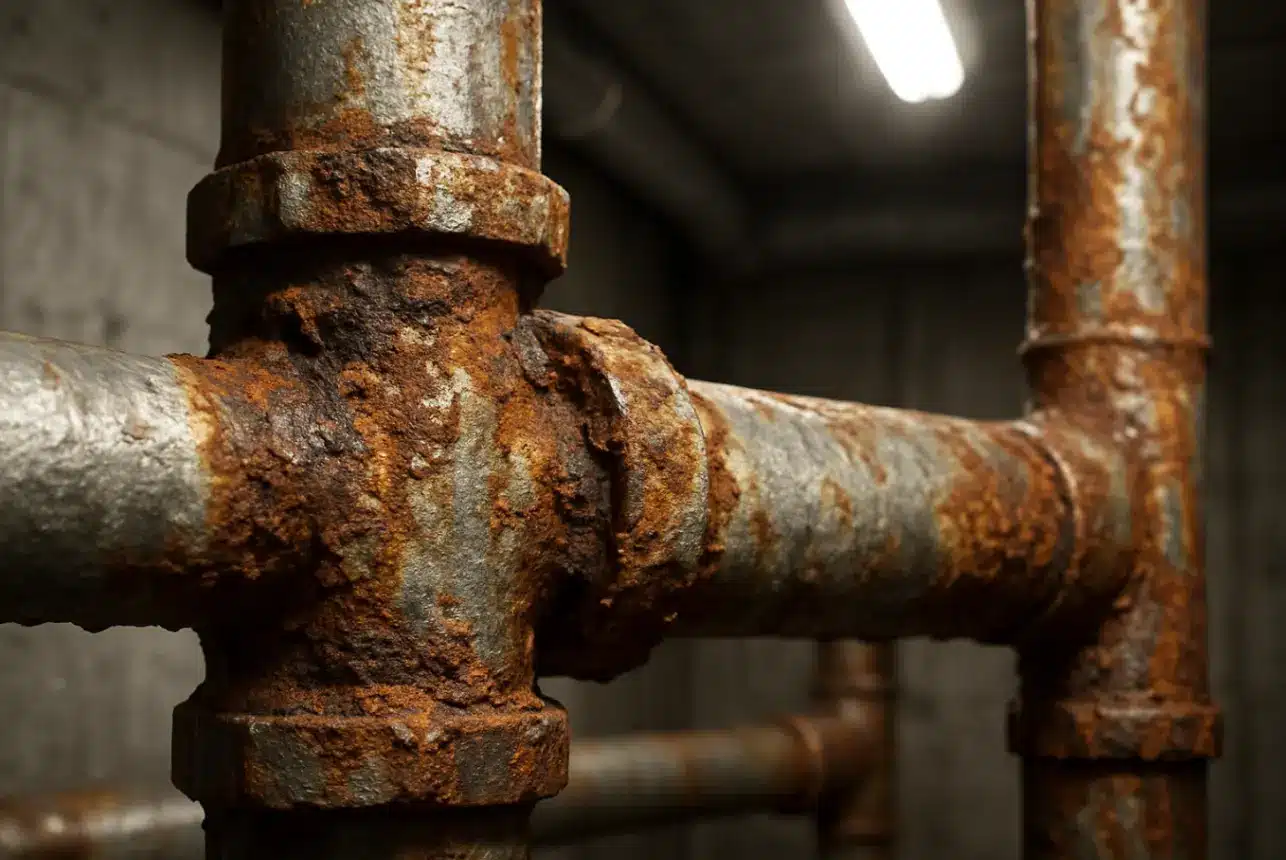
Even with a water softener, Miami-Dade homeowners should schedule regular plumbing inspections. Over time, small traces of mineral buildup can still occur, especially in older plumbing systems. Routine maintenance ensures that any early signs of scale or corrosion are caught before they lead to major repairs.
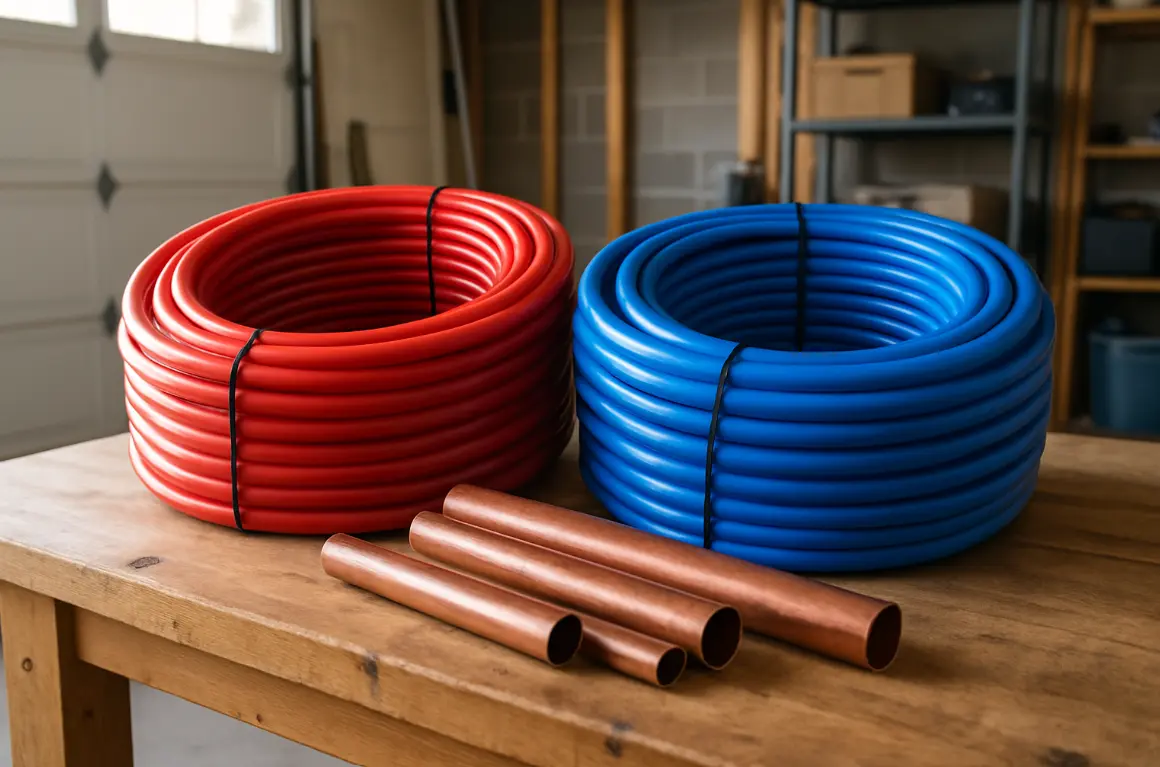
You should also clean showerheads and faucet aerators every few months to keep water flowing freely. Replacing old plumbing materials with modern alternatives such as PEX piping can further reduce scale buildup and corrosion, extending the lifespan of your system.