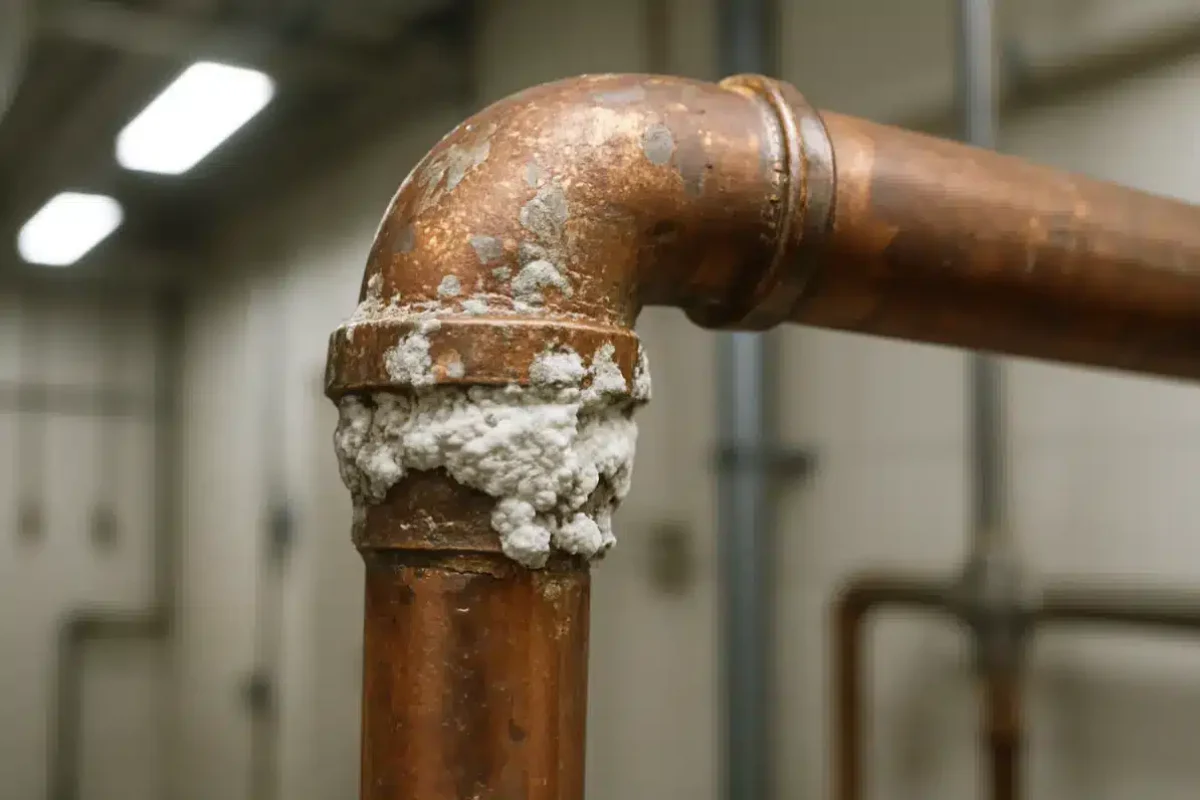
Florida water plumbing is shaped by a unique combination of hard water mineral content, high humidity, and aging infrastructure that creates challenges most homeowners in other states simply don’t face. Understanding these factors helps you protect your home, extend the life of your pipes, and avoid expensive emergency repairs.
Why Florida’s Water Supply Creates Plumbing Challenges
Florida draws most of its water supply from the Floridan Aquifer System, one of the most productive aquifer systems in the world. While this groundwater is abundant, it carries high concentrations of calcium, magnesium, and dissolved minerals — conditions that classify most of the state’s water as “hard” to “very hard.”
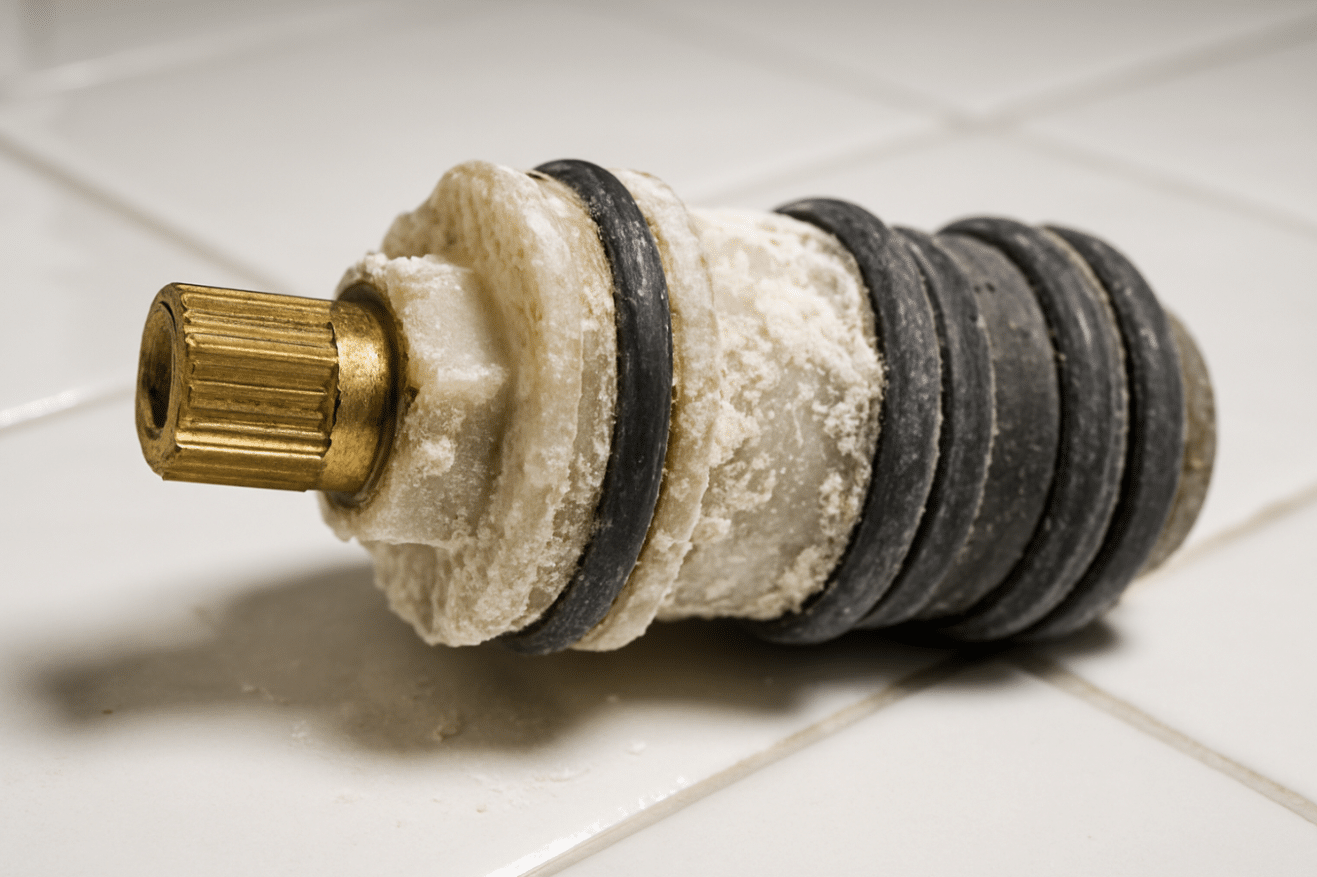
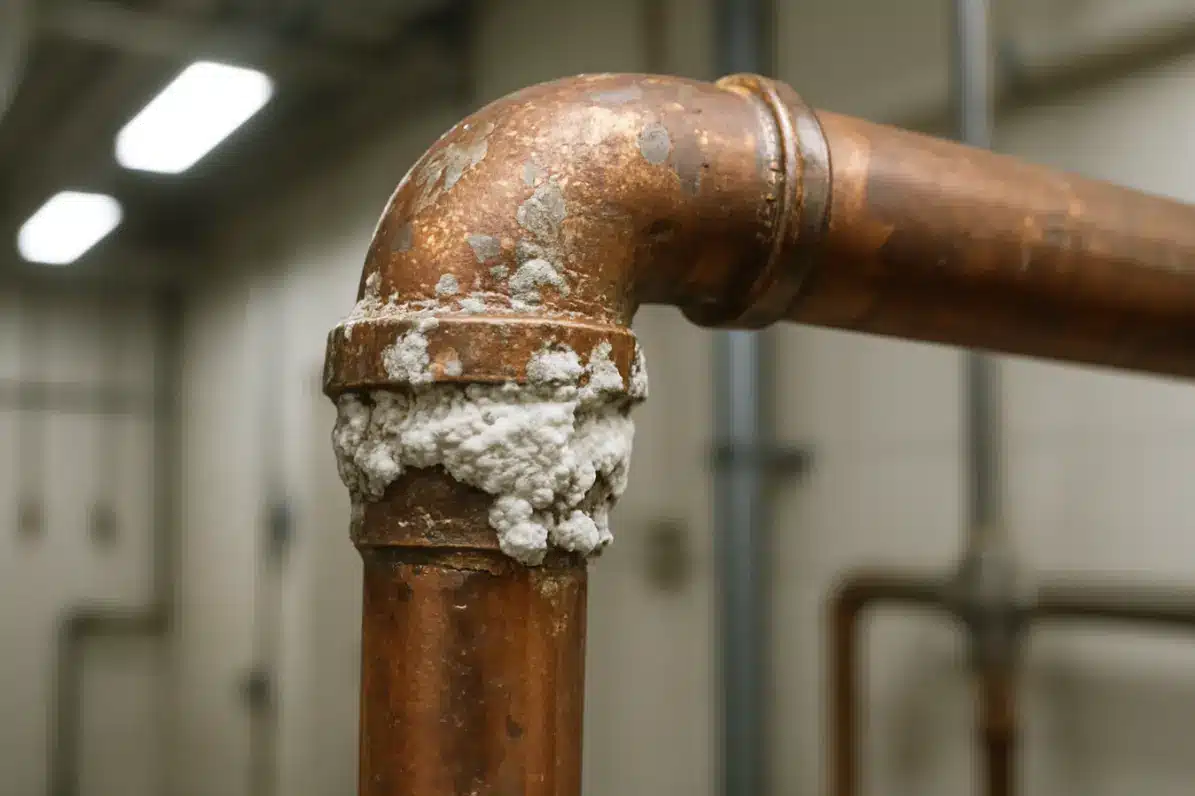
Hard water is not a health hazard, but it is a serious plumbing concern. Mineral deposits, commonly called scale, build up inside pipes, water heaters, and fixtures over time. This narrows the interior diameter of pipes, reduces water pressure, and forces appliances like dishwashers and water heaters to work harder. The result is higher energy bills, shorter appliance lifespans, and eventually, pipe failures that require professional attention.
Beyond mineral content, Florida’s subtropical climate adds another layer of complexity. High ambient temperatures accelerate corrosion in metal pipes. Outdoor plumbing components face relentless UV exposure and thermal expansion cycles. And during hurricane season, pressure fluctuations in municipal supply lines can stress your home’s plumbing system in ways that go unnoticed until a joint fails.
Common Florida Water Plumbing Problems and Their Warning Signs
Knowing what to watch for gives you an advantage. The most frequent plumbing issues Florida homeowners report include:
- Scale buildup in pipes and water heaters: Look for reduced water flow at fixtures, inconsistent water heater performance, or a popping or rumbling sound from your water heater tank.
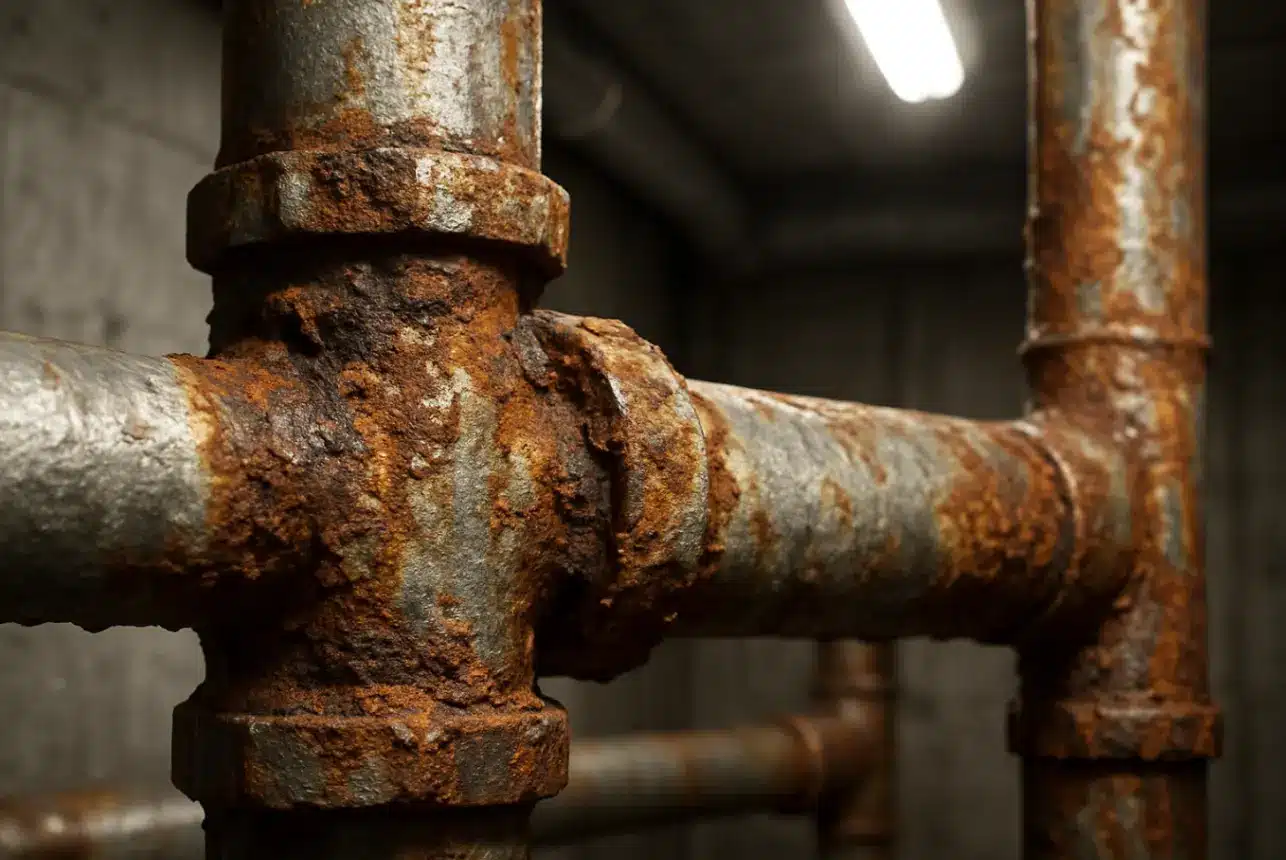
- Corroded galvanized or polybutylene pipes: Older homes built before the 1990s may still have galvanized steel or polybutylene plumbing, both of which degrade significantly faster in Florida’s mineral-rich water environment.
- Slab leaks: Florida homes are often built on concrete slabs rather than basements. Pipes routed through or under the slab are vulnerable to corrosion and movement, making slab leaks a significant concern statewide.
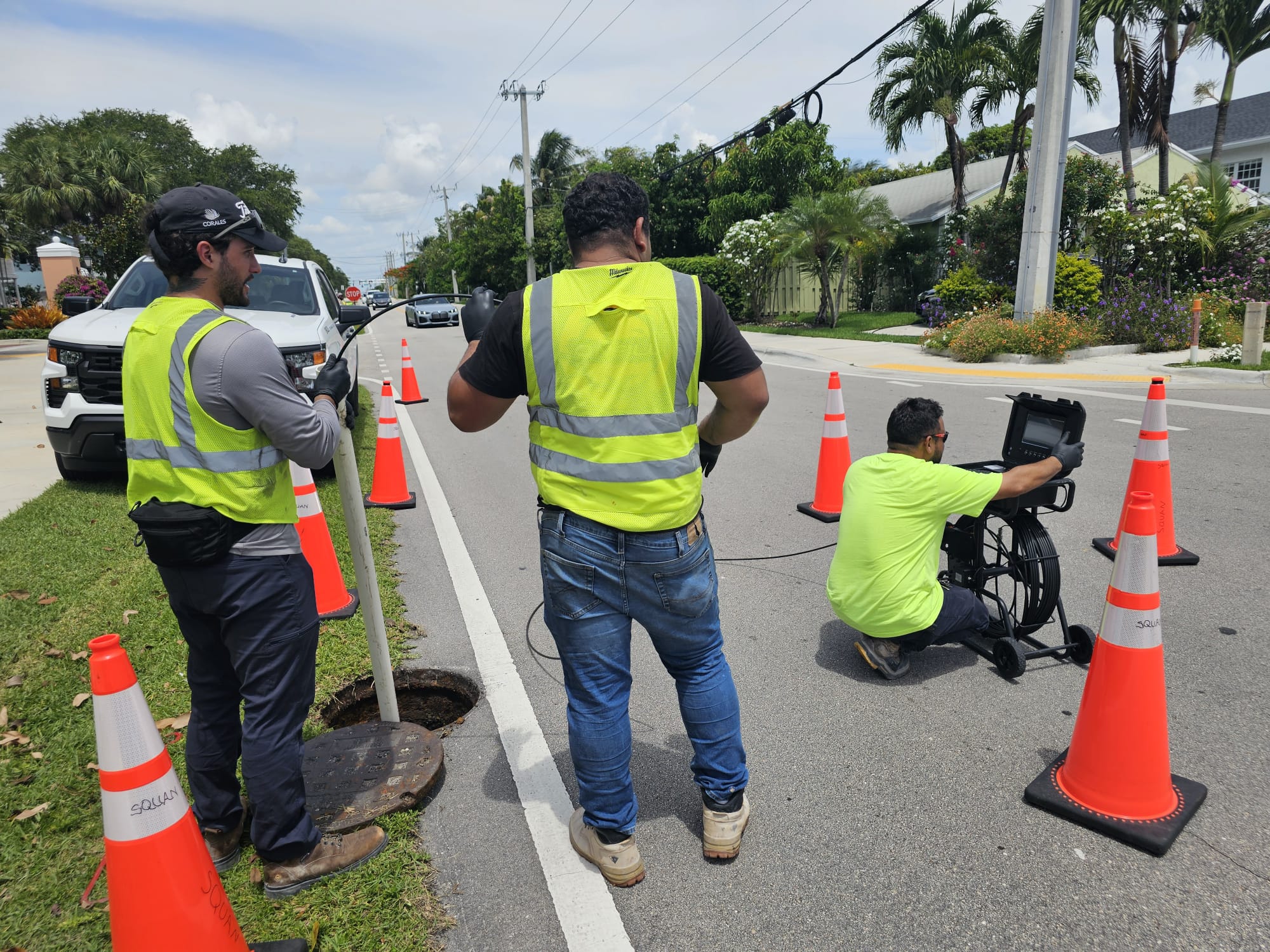
- Tree root intrusion in drain lines: Florida’s aggressive root systems from palms, oaks, and ficus trees frequently invade sewer and drain lines, causing slow drains, backups, and pipe damage.
- Water pressure irregularities: Pressure drops often indicate scale buildup or a developing leak, while pressure spikes can signal a failing pressure-reducing valve.
Â
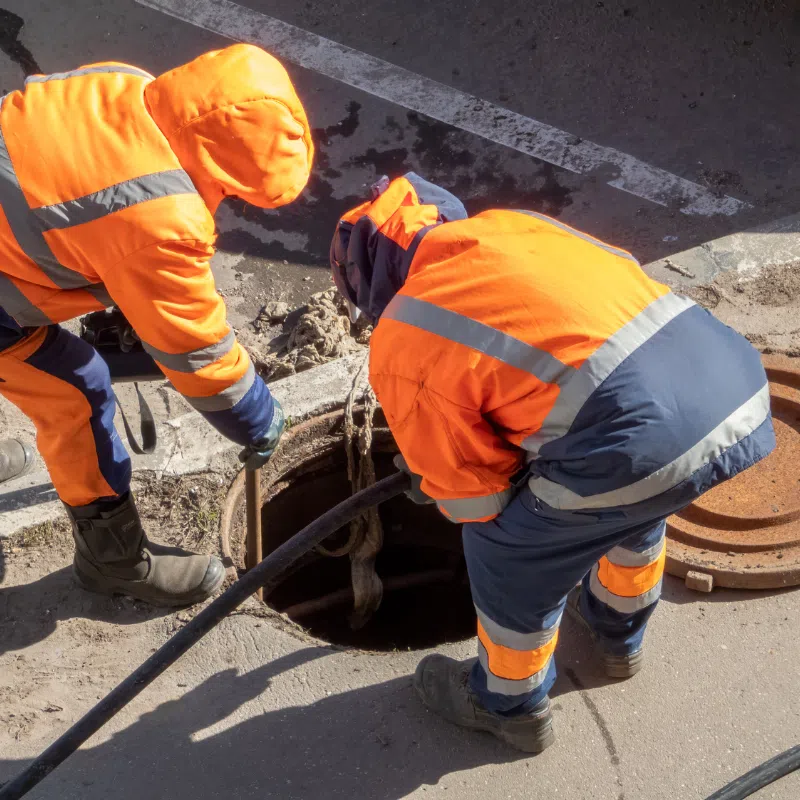
If you notice slow drains throughout your home rather than just at one fixture, the problem is likely further down your system. Professional drain cleaning unclogging services can clear obstructions without damaging aging pipes that DIY snaking might crack or displace.
Water Treatment Options That Protect Your Plumbing
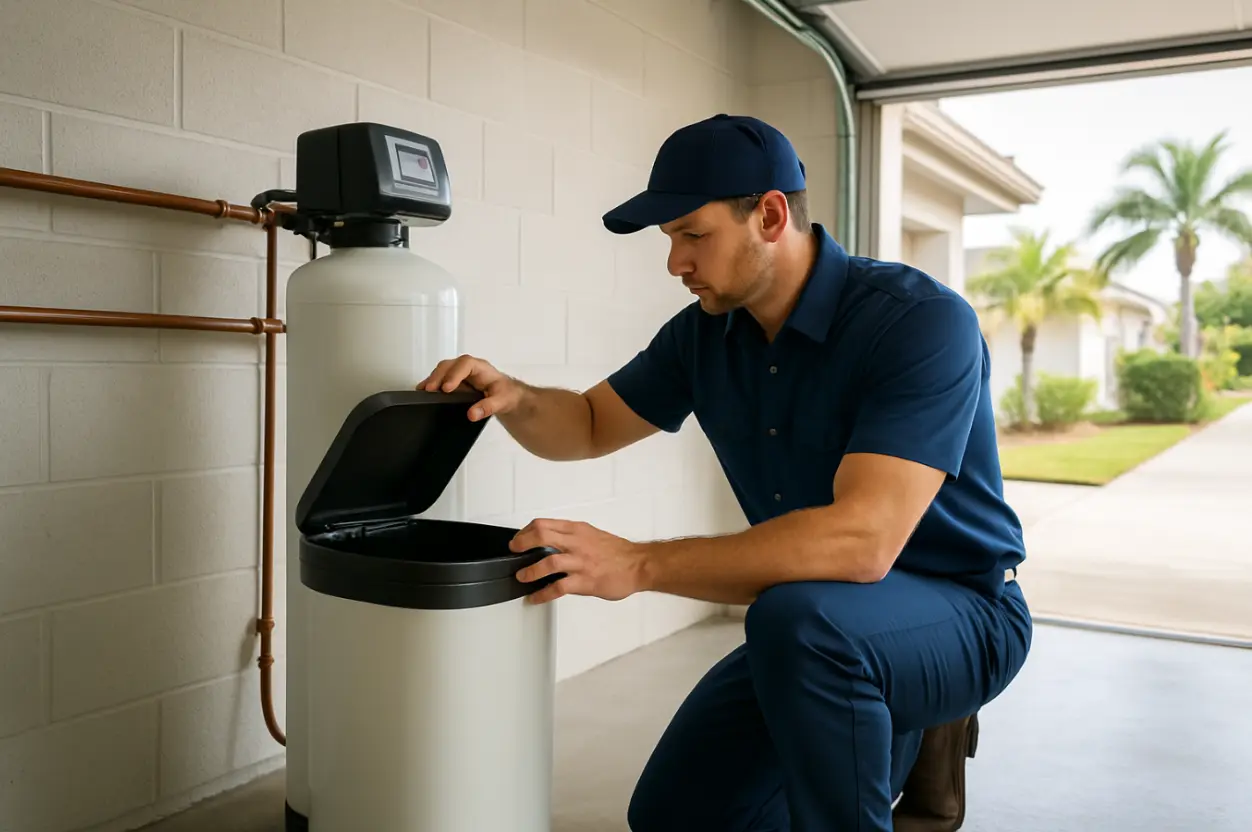
Addressing water quality at the source is the most effective long-term strategy for protecting your plumbing system. The three most commonly recommended solutions for Florida homes are:
Treatment Type | What It Targets | Best For |
Salt-based water softener | Calcium and magnesium (hardness) | Homes with severe scaling in pipes and appliances |
Template Assisted Crystallization (TAC) | Hardness minerals (prevents adherence) | Homes near saltwater intrusion zones where sodium is a concern |
Whole-house filtration | Sediment, chlorine, and chemical byproducts | Municipal water users concerned about taste and pipe longevity |
Reverse osmosis (point of use) | Most dissolved solids and contaminants | Drinking water quality at the kitchen sink |
The EPA’s water quality guidelines provide a useful starting point for understanding what your water may contain. Your local Florida water utility is required to publish an annual Consumer Confidence Report, which details the specific mineral and chemical content of your municipal supply. Reviewing that report before choosing a treatment system is a smart first step.
For homeowners who have already noticed reduced water pressure or appliance issues, starting with a licensed plumber’s assessment from is often more cost-effective than purchasing treatment equipment without first understanding the current condition of your pipes.
Pipe Replacement and Water Line Considerations in Florida
Florida’s housing stock includes a large percentage of homes built between the 1950s and 1990s, many of which have original plumbing that is well past its expected service life. Galvanized steel pipes typically last 20 to 50 years under normal conditions, but Florida’s hard water environment shortens that range considerably.
If your home was built during that era and has never had a plumbing inspection, scheduling one is a straightforward protective measure. A licensed plumber can assess pipe material, condition, and water pressure to determine whether partial or full repiping makes sense for your situation.
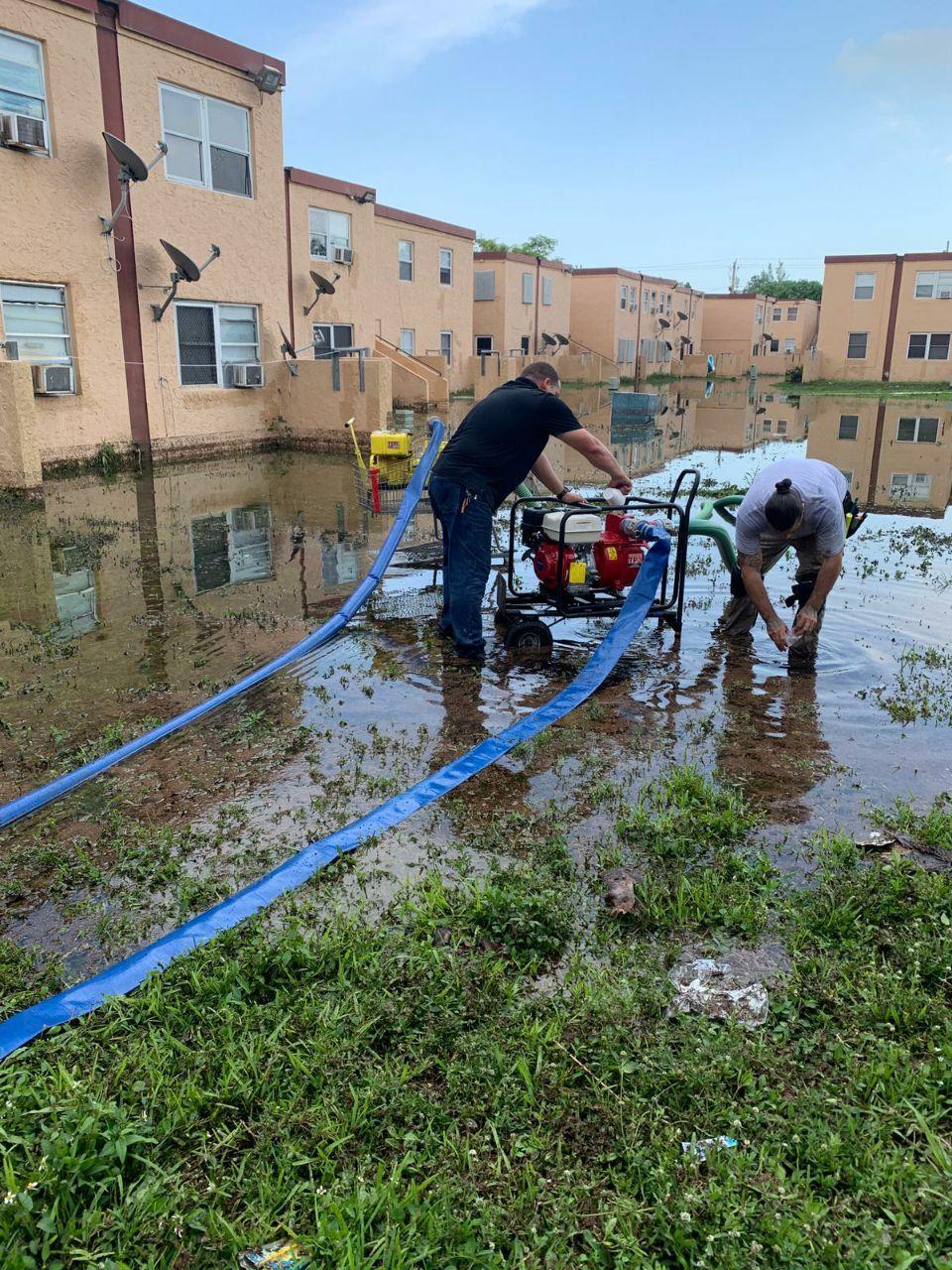
When leaks or deterioration affect your supply lines, timely intervention matters. Unaddressed water line leaks in a Florida home can quickly lead to mold growth given the state’s humidity levels, and mold remediation adds substantial cost to what might have been a simpler repair. Comprehensive water line installation repairs address both the immediate failure and the underlying conditions that caused it.
The Mayo Clinic’s guidance on mold and health underscores why Florida homeowners should treat water leaks as urgent rather than cosmetic issues, particularly for households with allergy or respiratory concerns.
Things to Know
- Florida has some of the hardest municipal water in the United States, particularly in South Florida counties including Miami-Dade, Broward, and Palm Beach.
- Polybutylene pipes, installed widely between 1978 and 1995, are prone to failure in chemically treated water and should be identified and replaced if found in your home.
- Slab leaks in Florida often go undetected for months because they may not surface visibly, showing up instead as unexplained increases in your water bill or warm spots on tile floors.
- Not all water softeners are permitted in every Florida county. Some municipalities restrict salt discharge into wastewater systems, so confirm local regulations before purchasing.
- Annual plumbing inspections are a practical investment in Florida, where the combination of hard water and heat accelerates wear on all plumbing components significantly faster than in northern climates.
Schedule Your Florida Plumbing Assessment Today
Your pipes are working harder in Florida than they would almost anywhere else in the country, and waiting until a leak becomes an emergency is the most expensive approach. A professional evaluation can identify scale buildup, pipe degradation, and pressure irregularities before they become major repair bills.
Call AM Florida Plumbers now to schedule a plumbing assessment and get a clear picture of your home’s water system. Visit us to learn more about available services and book your appointment today.
Frequently Asked Questions
-
How do I know if I have hard water problems in my Florida home?
The most visible signs are white or yellowish mineral deposits around faucets, showerheads, and in your toilet tank.
You may also notice that soap lathers poorly, that your skin feels dry after showering, or that your water heater is louder than usual. A water hardness test kit available at hardware stores can confirm the level.
-
What is the average cost of repiping a Florida home?
Repiping costs vary widely based on home size, pipe material selected, and accessibility, so a professional estimate is essential before budgeting.
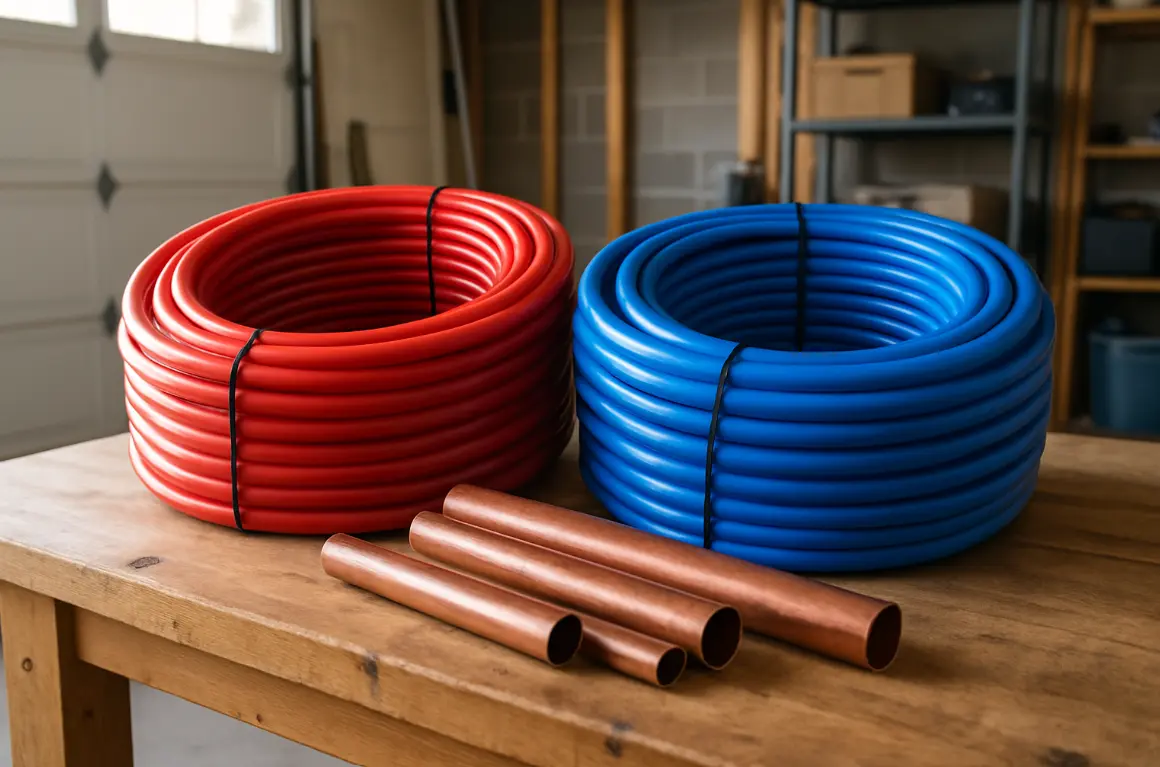
In general, whole-home repiping for a mid-sized Florida house ranges from several thousand to over $15,000 depending on complexity. CPVC and PEX are the most commonly selected materials for Florida repipes in 2026.
-
How often should I flush my water heater in Florida?
Flushing your water heater once a year is a minimum recommendation in Florida, and twice annually is reasonable in areas with very hard water.
Sediment accumulates faster in Florida's mineral-rich water, reducing efficiency and shortening tank life. A plumber can perform this as part of an annual maintenance visit.
-
Can I install a water softener in any Florida county?
Not all Florida counties permit traditional salt-based water softeners due to environmental regulations on salt discharge.
Check with your local water management district or county code office before purchasing. Salt-free alternatives like TAC systems are permitted more broadly and may be the better choice depending on your location.
-
What should I do if I suspect a slab leak?
Turn off non-essential water use and contact a licensed plumber immediately, as slab leaks worsen quickly and can compromise your foundation.
Signs include unexplained spikes in your water bill, warm or damp spots on your floor, or the sound of running water when all fixtures are off. Prompt detection limits structural and mold-related damage.
Florida Water Plumbing
Florida water plumbing demands proactive attention because the combination of hard water, heat, and aging pipes creates a deterioration timeline that moves faster than in most other states. Whether you are dealing with scale buildup, aging galvanized pipes, or a suspected slab leak, professional assessment is the most reliable path forward.
Contact AM Florida Plumbers today and take the first step toward a healthier, more reliable home plumbing system before small issues become costly repairs.
Contents
- 1. Why Florida’s Water Supply Creates Plumbing Challenges
- 2. Common Florida Water Plumbing Problems and Their Warning Signs
- 3. Water Treatment Options That Protect Your Plumbing
- 4. Pipe Replacement and Water Line Considerations in Florida
- 5. Schedule Your Florida Plumbing Assessment Today
- 6. Frequently Asked Questions
- 7. Florida Water Plumbing