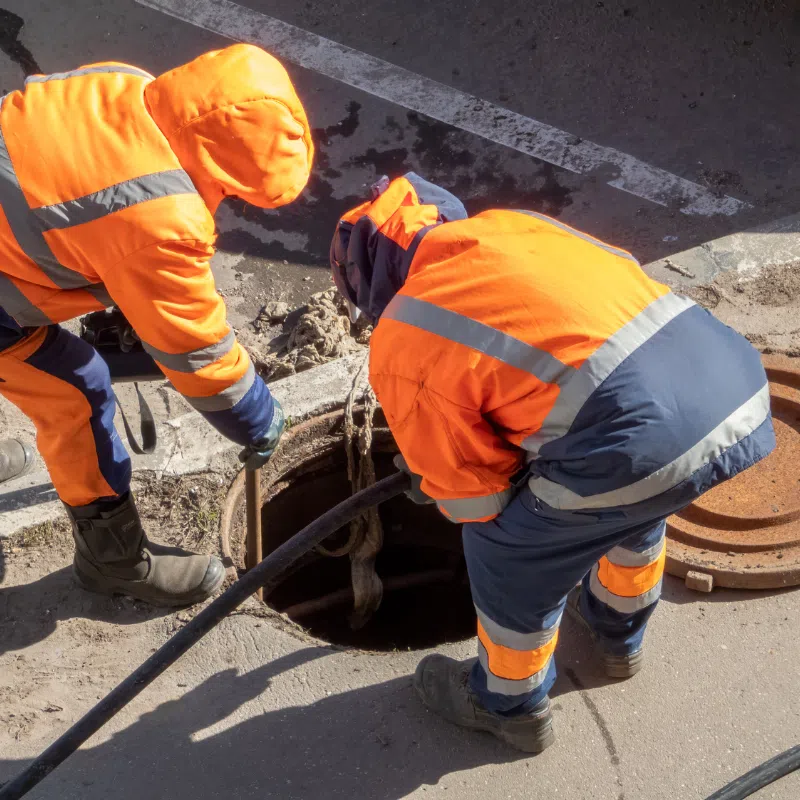
Apartment building plumbing problems in Florida are among the most common maintenance complaints filed by tenants and property managers across the state. Florida’s climate, aging infrastructure, and high-density housing conditions create a perfect environment for pipes, fixtures, and water systems to fail faster than in other parts of the country.
Whether you manage a mid-rise in Tampa or rent a unit in a Miami complex, understanding how these issues develop and what your rights and responsibilities are can save you significant time and money.
Why Florida Apartments Are Especially Vulnerable to Plumbing Failures
Florida’s environment puts unusual stress on residential plumbing services. The combination of high humidity, hard water, salt air near coastal areas, and year-round heat accelerates corrosion in both metal and plastic pipe materials. Unlike states with cold winters, Florida buildings rarely experience freeze-related pipe breaks, but they face a different set of conditions that are just as damaging over time.
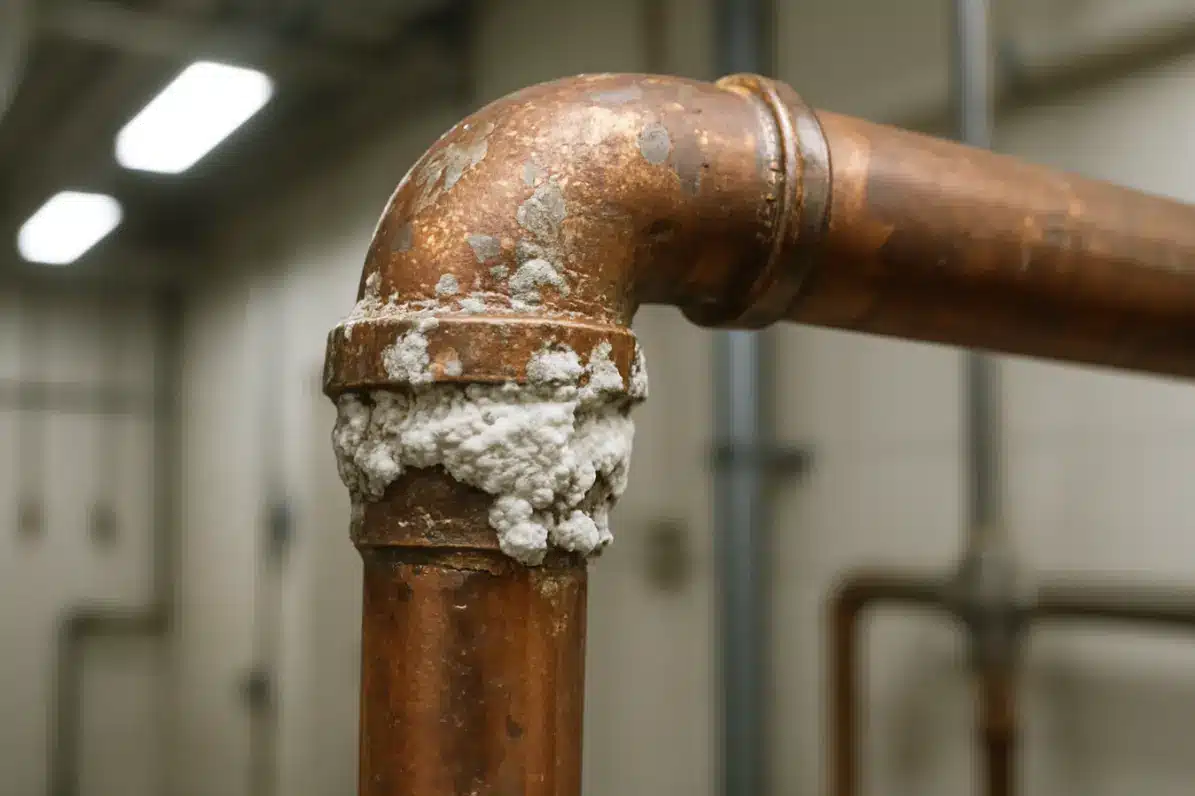
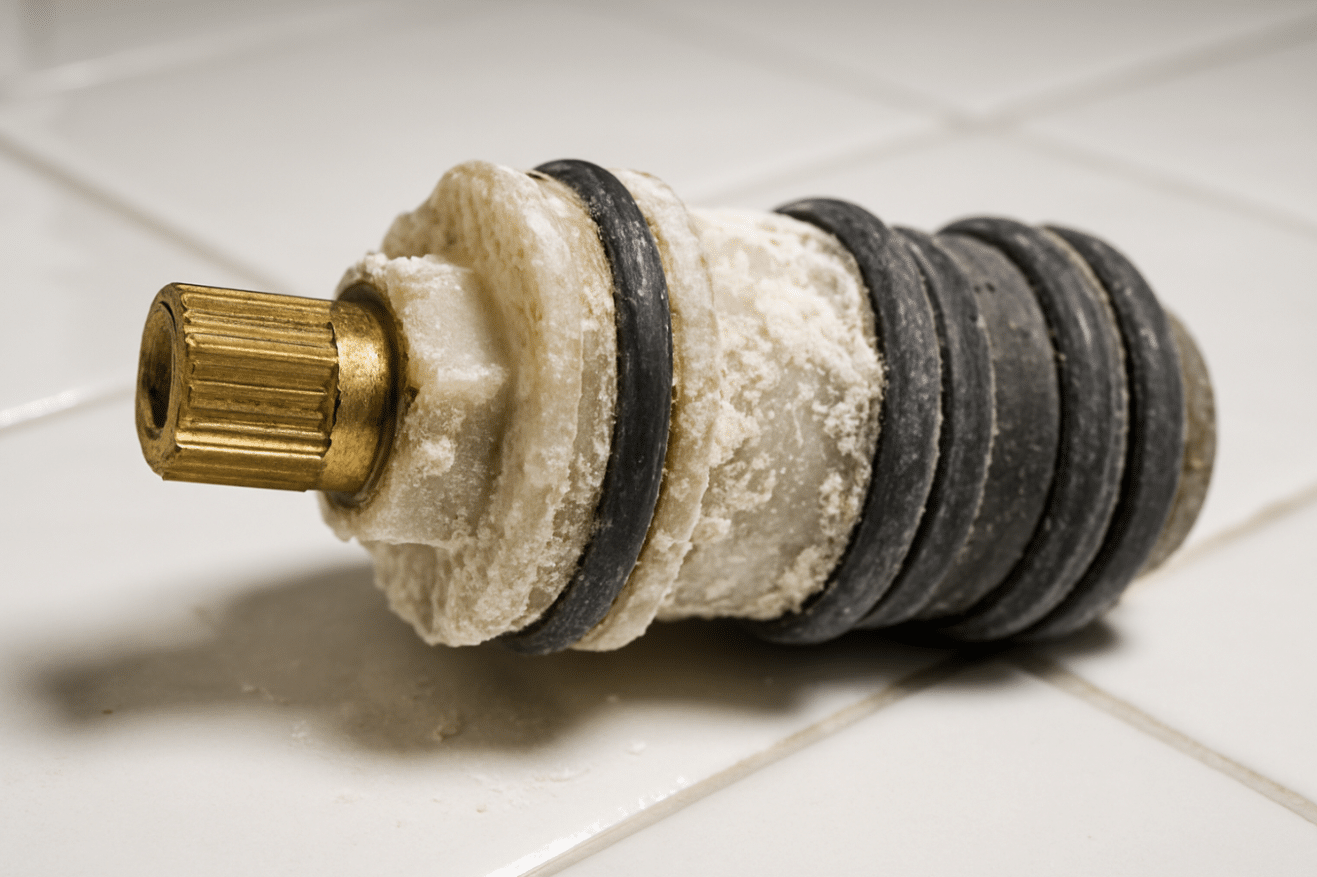
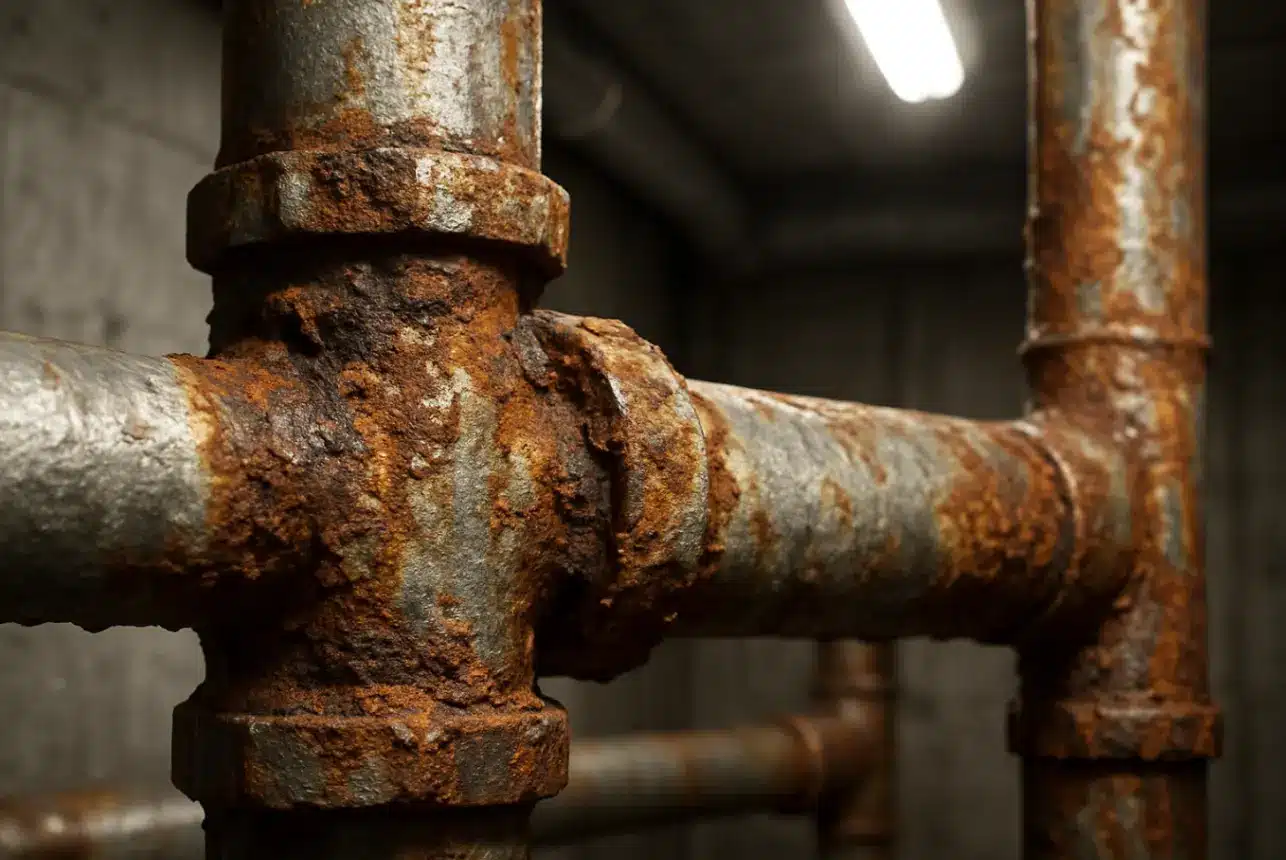
Hard water is a significant factor across much of Central and South Florida. Mineral deposits build up inside pipes gradually, restricting water flow and increasing pressure on joints and seals. In older apartment buildings, galvanized steel or cast iron pipes may still be in use, and these materials corrode from the inside out over decades of exposure to Florida’s mineral-heavy water supply.
High water demand is another issue. Multi-unit buildings push large volumes of water through shared supply lines every day. When one section of a building’s plumbing system is under stress, the effects can ripple across multiple units simultaneously.
The Most Common Plumbing Problems Found in Florida Apartment Buildings
Knowing what you are dealing with is the first step toward fixing it. These are the issues that appear most frequently in Florida multi-unit residential buildings:
Low water pressure across multiple units
This usually signals a problem with shared supply lines or the building’s main pressure regulator. When multiple tenants report weak flow simultaneously, the issue is almost never isolated to a single unit. Learn more about low water pressure here.
Persistent drain clogs
Shared drain stacks in apartment buildings collect debris from dozens of units. Grease, hair, soap buildup, and foreign objects accumulate over time, leading to slow drains or backups that affect entire floors.
Leaking or running toilets
A constantly running toilet can waste hundreds of gallons of water per day. In apartment buildings, this adds up quickly across multiple units and inflates utility costs for both tenants and property owners. Professional toilet repairs replacements are often the most cost-effective solution when flappers, fill valves, or wax rings repeatedly fail.
Water heater failures
Florida’s hard water accelerates sediment buildup inside water heater tanks, reducing efficiency and shortening equipment lifespan. Shared or in-unit water heaters in older buildings are a frequent source of complaints.
Slab leaks
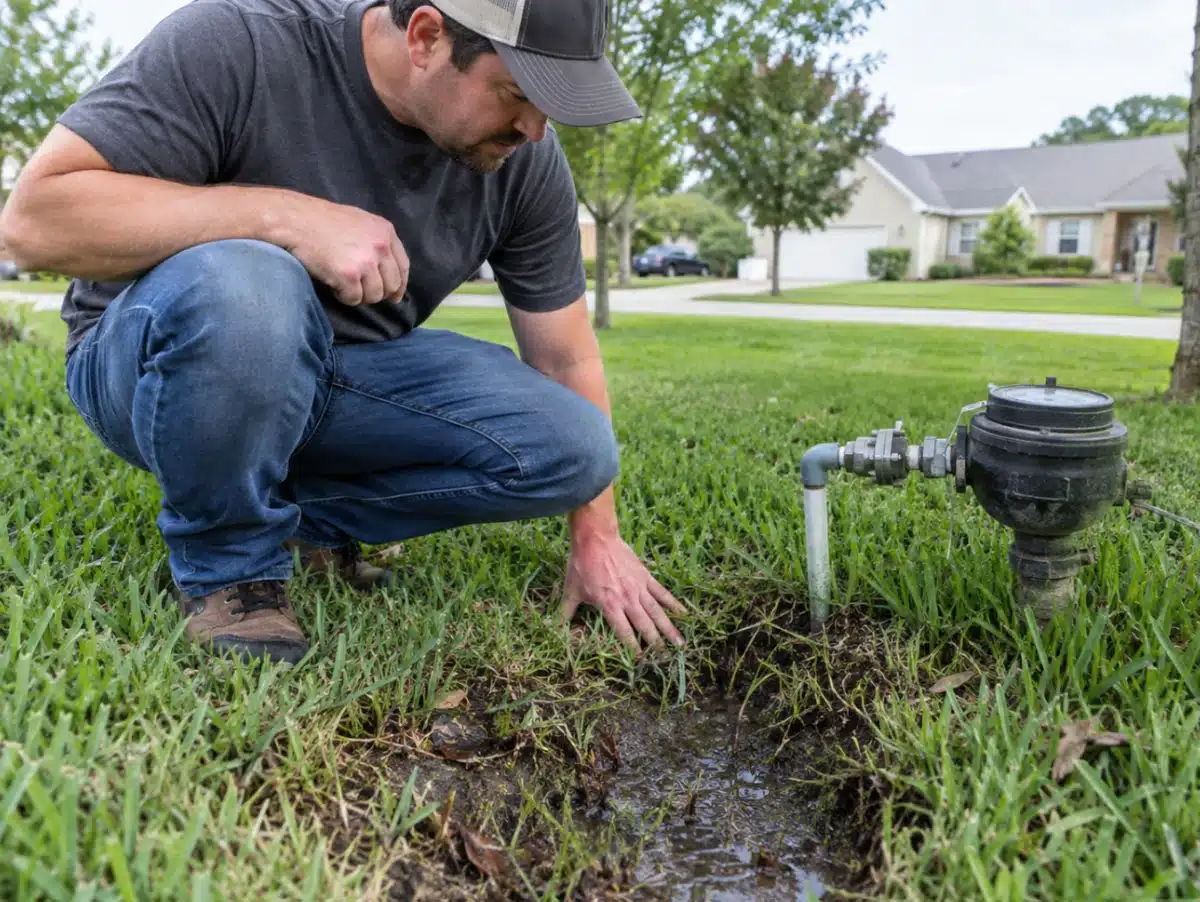
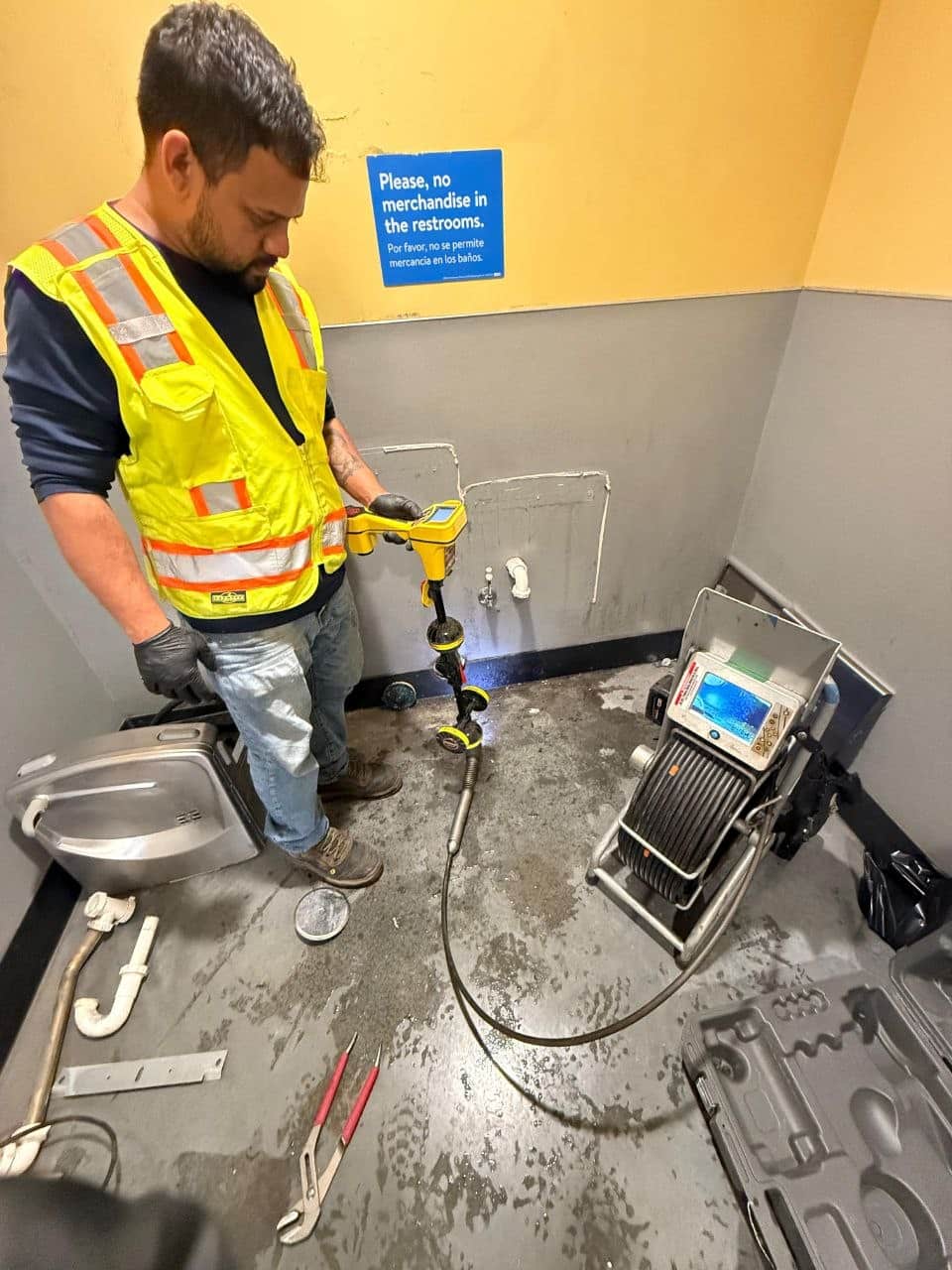
Many Florida apartment buildings are built on concrete slabs. When supply pipes running beneath or through the slab develop leaks, the damage can be extensive and expensive to locate without professional equipment. If you notice warm spots on the floor, unexplained increases in water bills, or the sound of running water with no fixture in use, a slab leak is a strong possibility.
Pipe corrosion and deterioration
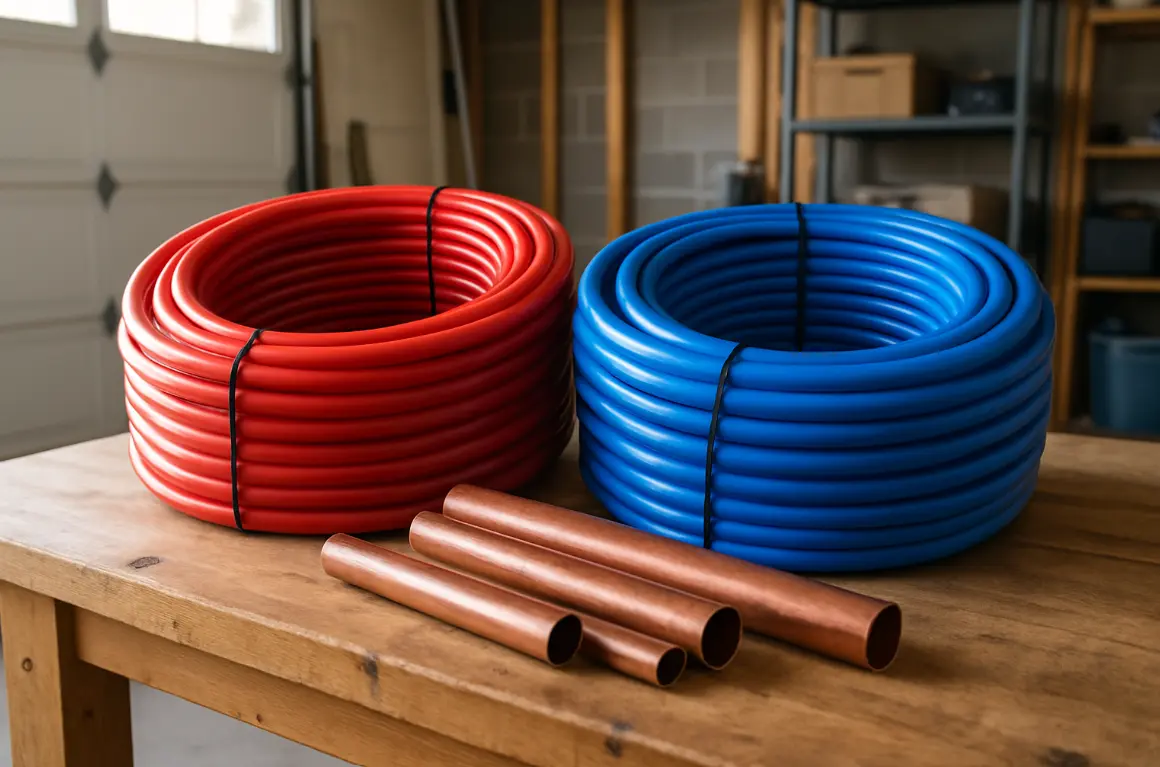
Older buildings with original plumbing from the 1970s or 1980s may be well past the functional lifespan of their pipe materials. When corrosion becomes widespread, targeted repairs stop being effective and full repiping services become the more practical and permanent solution.
Landlord Responsibilities Under Florida Law
Florida law is clear on what landlords must maintain. Under Florida Statute 83.51, landlords are required to maintain plumbing in reasonable working condition. This includes functional water supply, hot water, and sewage removal. If a plumbing failure makes a unit uninhabitable or poses a health hazard, tenants may have the right to pursue remedies including rent withholding or repair-and-deduct in certain circumstances, though specific procedures must be followed carefully.
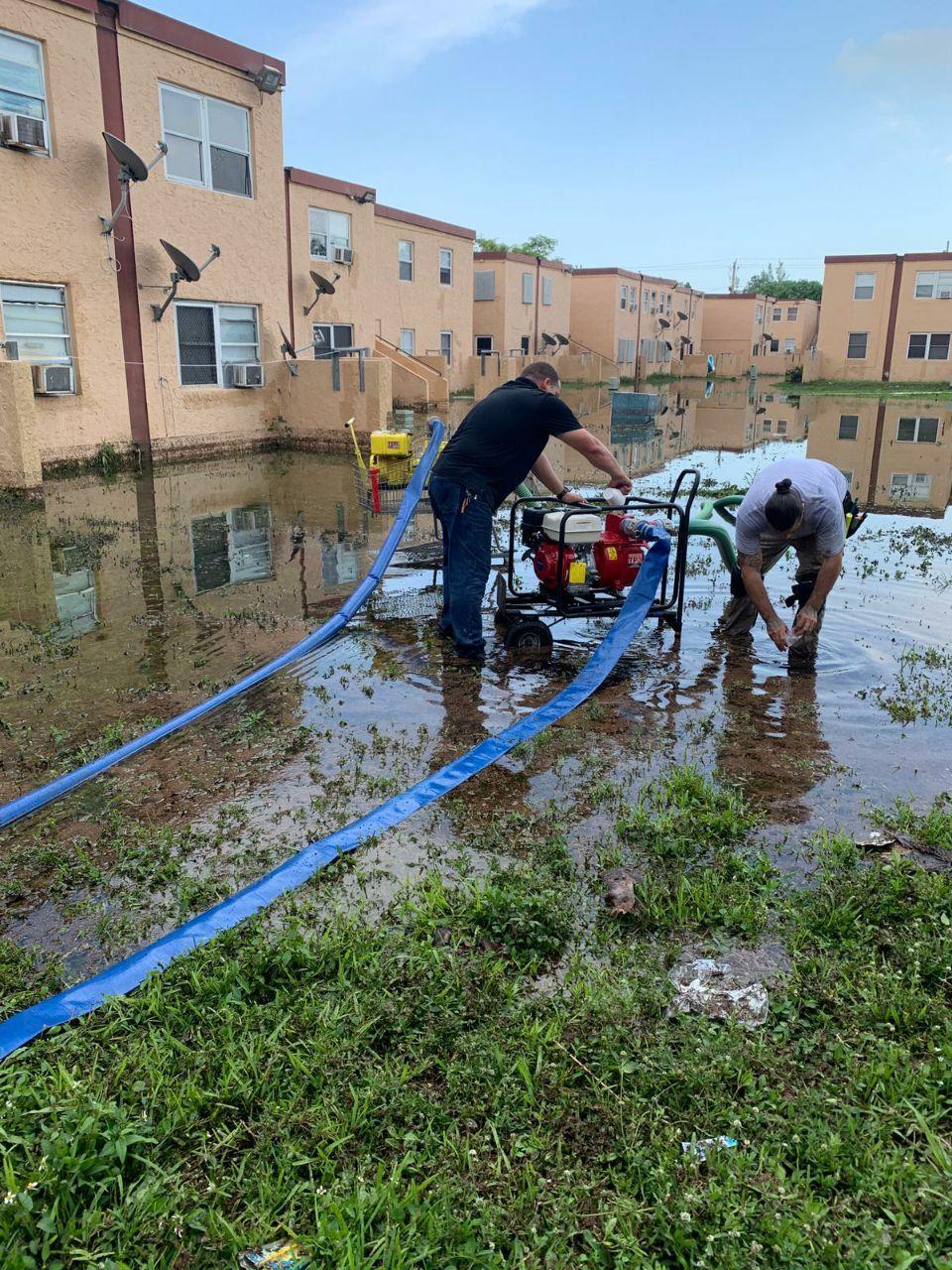
For property managers, failing to address known plumbing problems promptly creates legal exposure and accelerates further damage. A slow leak ignored for weeks can cause mold growth, structural damage, and habitability complaints that are far more expensive to resolve than the original repair.
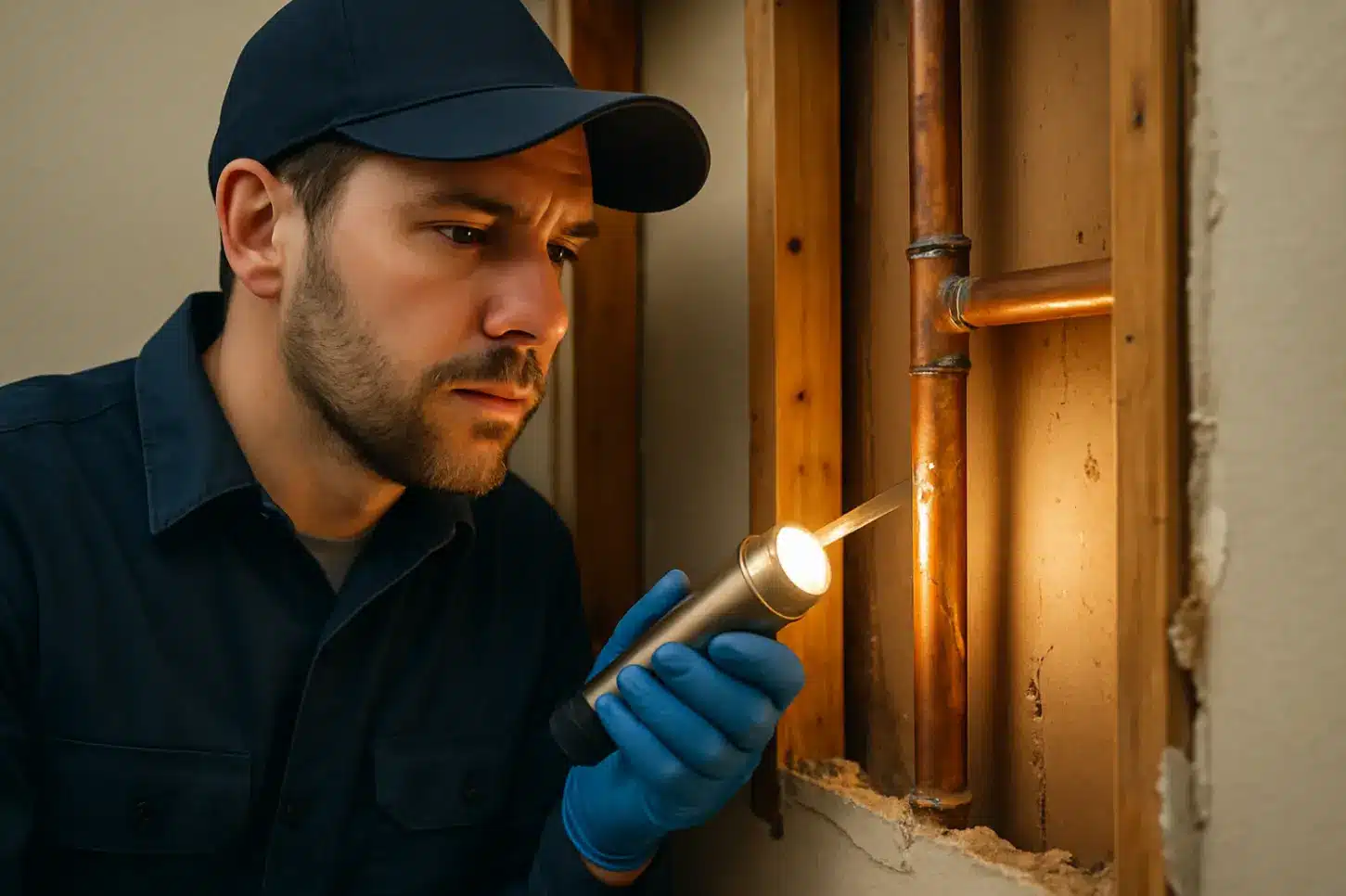
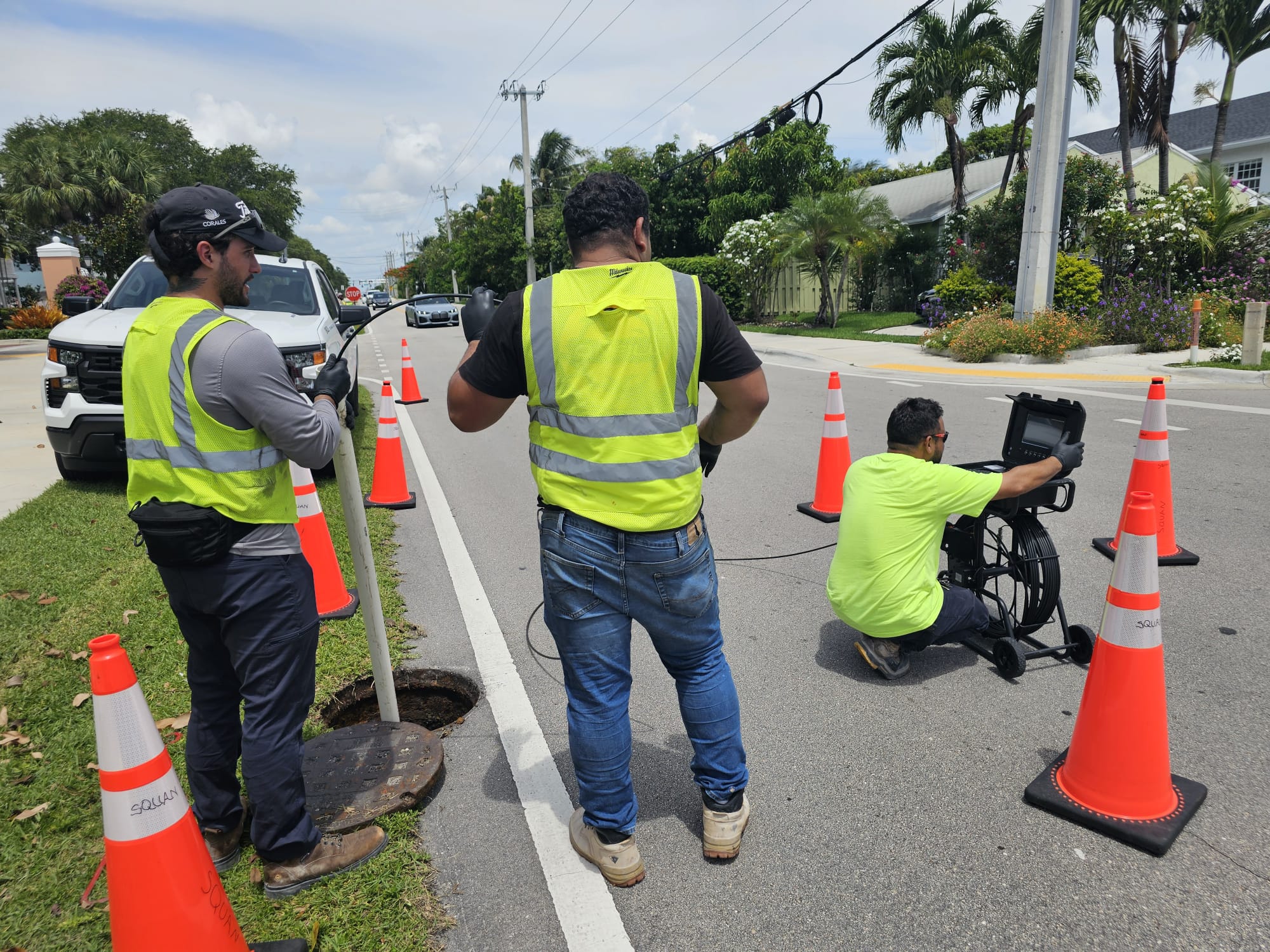
Scheduling routine inspections of building water line installation repairs and main supply connections is a practical way to catch developing problems before they become emergencies.
Things to Know
- Florida’s hard water is a slow, consistent threat to pipe interiors. Buildings without water softening systems see faster mineral buildup than those with treatment in place.
- Slab leaks are far more common in Florida than most tenants and property owners expect, largely because of the construction methods used across the state.
- A single leaking toilet in an apartment unit can waste enough water in a month to meaningfully impact a building’s overall utility bill, especially in a complex with dozens of units.
- Tenants who experience plumbing failures should document everything in writing, including dates, photos, and all communications with management. This record matters if a dispute escalates.
- Full repipes in multi-unit buildings are disruptive but often more economical over a ten-year period than repeated emergency repair calls to patch failing sections of old pipe.
What to Look for When Choosing a Plumbing Contractor for Your Building
Not every plumber is equipped to handle the complexity of multi-unit residential plumbing. When selecting a contractor, look for the following:
- Licensed and insured in the state of Florida
- Experience with apartment buildings and multi-unit systems specifically
- Ability to perform both emergency repairs and long-term infrastructure work
- Clear communication with property management teams
- Familiarity with Florida building codes and permit requirements
A contractor who offers comprehensive plumbing services across repairs, installations, and system upgrades is more valuable to a property manager than one who handles only single-family residential work.
Address Your Building’s Plumbing Issues With AM Florida Plumbers
Apartment building plumbing problems in Florida require experienced contractors who understand multi-unit systems, Florida’s climate conditions, and the timelines that property managers work within. AM Florida Plumbers serves property owners and managers across Florida with the expertise and responsiveness that high-demand residential buildings require. Contact AM Florida Plumbers today and schedule a professional assessment of your building’s plumbing system before a small issue turns into a costly emergency.
Frequently Asked Questions
-
Who is responsible for fixing plumbing problems in a Florida apartment?
Landlords are legally responsible for maintaining functional plumbing in Florida rental units under Florida Statute 83.51.
If a plumbing issue originates in shared building systems or from normal wear and tear, the landlord must address it. Tenants may be responsible for damage caused by their own misuse or negligence.
-
How do I know if my apartment building has a slab leak?
Signs of a slab leak include warm spots on the floor, sounds of running water when no fixture is in use, and unexplained spikes in the water bill.
Florida's slab construction makes this problem relatively common. A licensed plumber with leak detection equipment can confirm the issue without unnecessary demolition.
-
When should an apartment building consider full repiping?
Repiping becomes necessary when pipe corrosion is widespread, repairs are becoming frequent, or water quality is visibly affected.
Buildings with original galvanized pipes installed before 1990 are strong candidates for a full repipe assessment. The upfront cost typically saves money compared to years of repeated repairs.
-
Can tenants legally withhold rent for plumbing problems in Florida?
Florida law allows rent withholding in certain situations, but tenants must follow a specific legal process before doing so.
Tenants must notify the landlord in writing and allow a reasonable time to make repairs. Skipping this process can put tenants in violation of their lease regardless of the underlying issue.
-
How often should apartment building plumbing be inspected?
A professional plumbing inspection for apartment buildings is generally recommended at least once per year, with additional checks following major weather events.
Regular inspections help identify early-stage corrosion, pressure irregularities, and fixture wear before they escalate into emergency repairs.
Contents
- 1. Why Florida Apartments Are Especially Vulnerable to Plumbing Failures
- 2. The Most Common Plumbing Problems Found in Florida Apartment Buildings
- 3. Landlord Responsibilities Under Florida Law
- 4. What to Look for When Choosing a Plumbing Contractor for Your Building
- 5. Address Your Building’s Plumbing Issues With AM Florida Plumbers
- 6. Frequently Asked Questions
- 6.1. Who is responsible for fixing plumbing problems in a Florida apartment?
- 6.2. How do I know if my apartment building has a slab leak?
- 6.3. When should an apartment building consider full repiping?
- 6.4. Can tenants legally withhold rent for plumbing problems in Florida?
- 6.5. How often should apartment building plumbing be inspected?