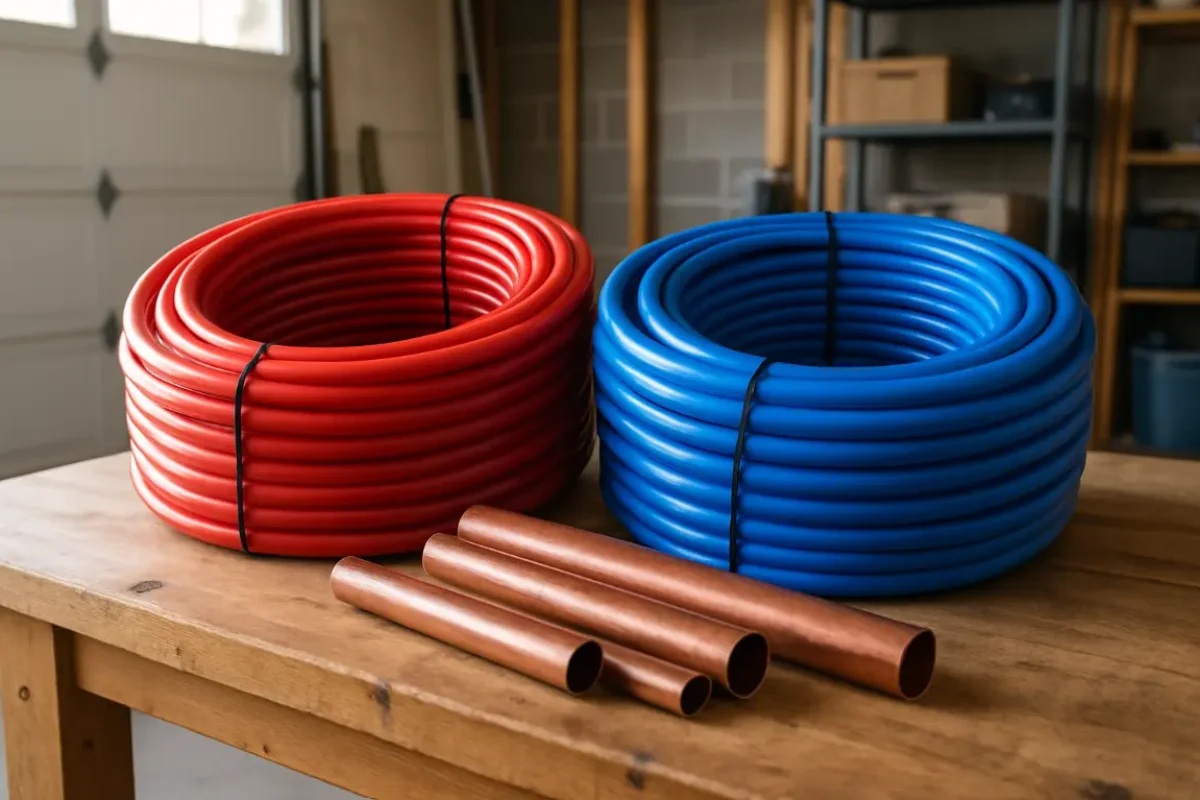
PEX tubing installation is one of the most practical and cost-effective methods for running water supply lines in modern homes. Flexible, durable, and faster to install than rigid copper or CPVC pipe, PEX has become the standard choice for new construction and repiping projects across the United States.
If you’re planning a bathroom remodel, finishing a basement, or replacing aging galvanized pipes, understanding how PEX works before you hire a plumber can help you ask better questions, avoid surprises, and make decisions that save money in the long run.
Why PEX Has Replaced Copper in Most Residential Projects
Copper pipe dominated American plumbing for decades, but its price swings unpredictably with commodities markets, and it requires soldering skills that add time and labor cost. PEX tubing (cross-linked polyethylene) eliminates most of those headaches.
Here is why contractors and homeowners increasingly prefer it:
- Flexibility: PEX bends around corners without fittings, reducing the number of connection points and potential leak sites.
- Freeze resistance: It expands slightly under freezing pressure rather than bursting outright, which matters in northern U.S. climates.
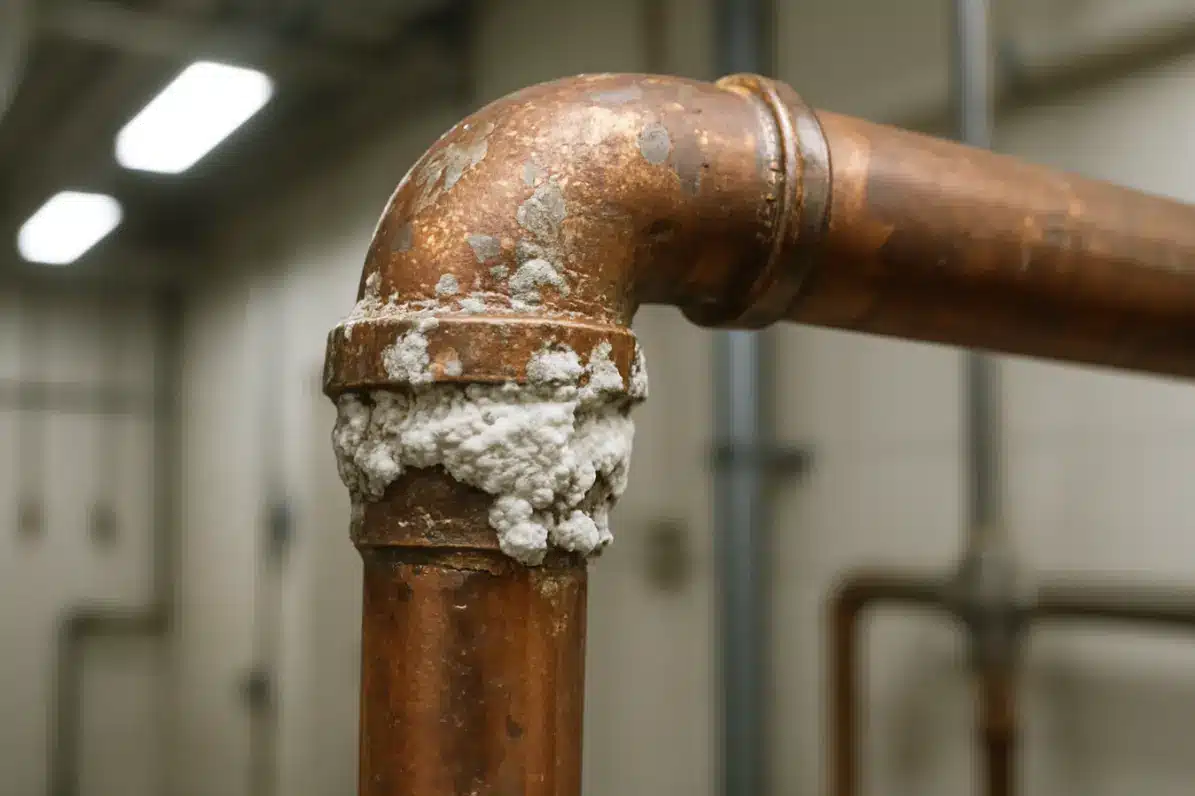
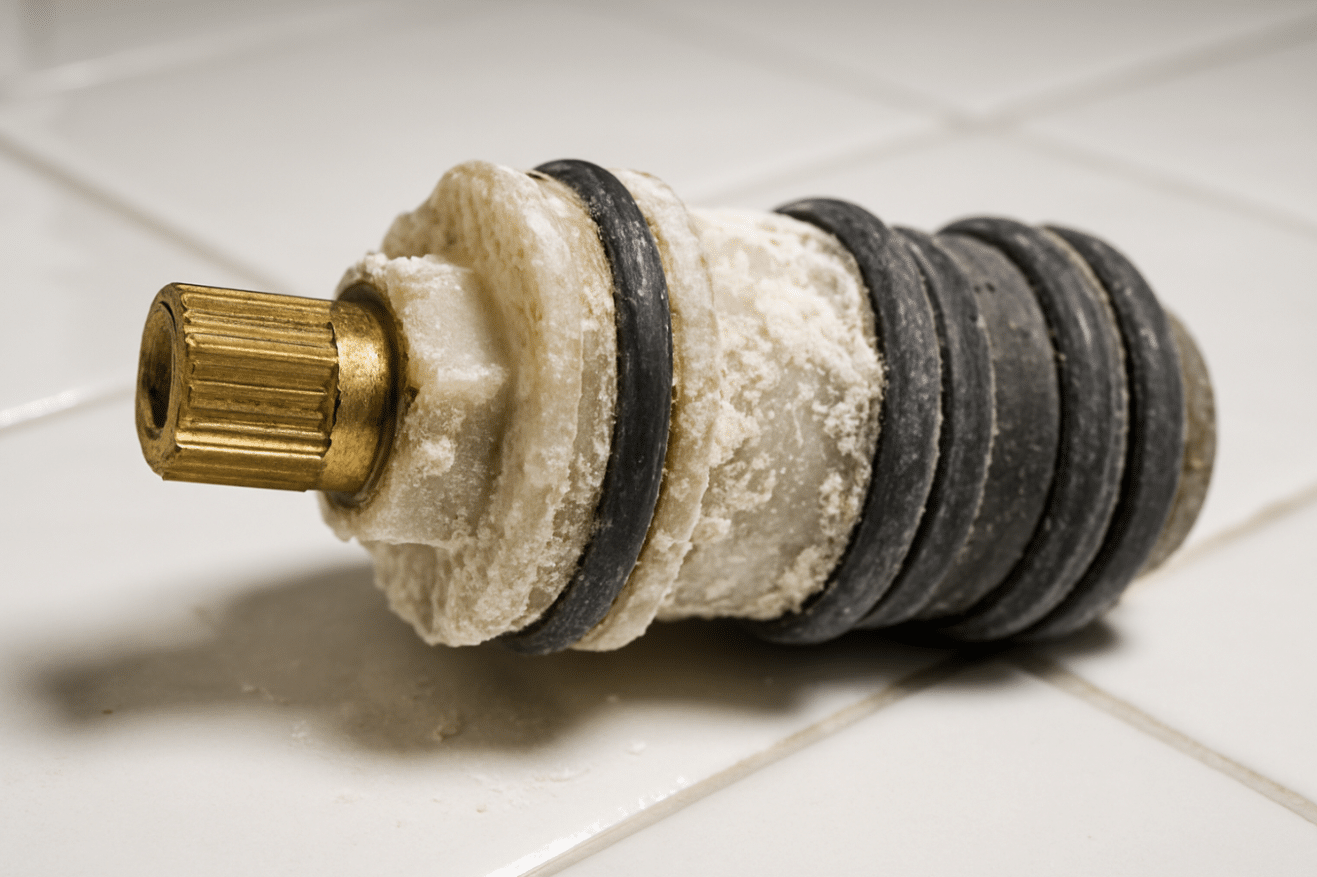
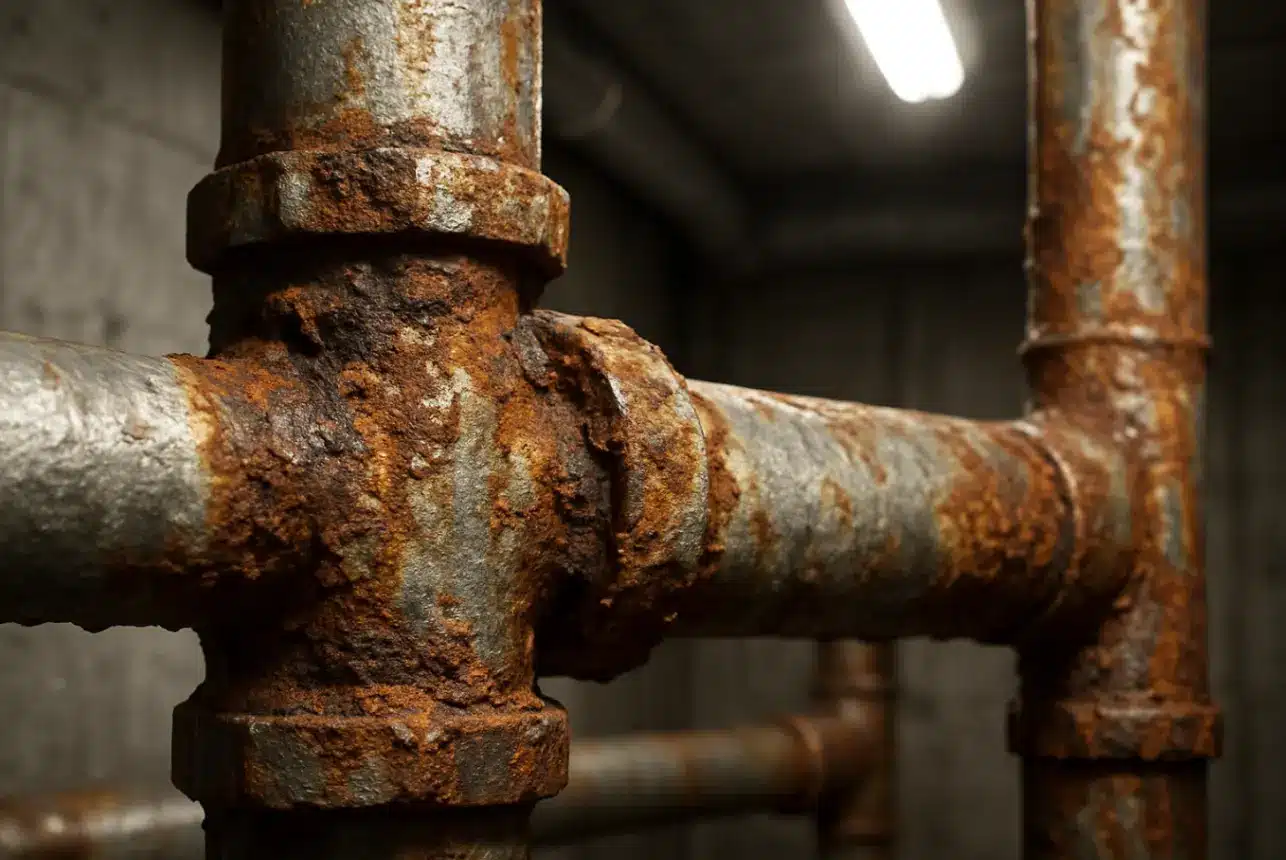
- Corrosion immunity: Unlike copper or galvanized steel, PEX does not corrode from hard water or chlorinated municipal supplies.
- Speed of installation: A plumber can often rough-in a whole house faster with PEX than with rigid pipe.
- Lower material cost: PEX tubing typically costs a fraction of copper per linear foot, though exact pricing varies by market.
The tradeoff is that PEX cannot be used outdoors in direct sunlight (UV exposure degrades the material), and it is not rated for connections directly to water heaters without a short copper or CPVC transition stub.
The Three Types of PEX and When to Use Each
Not all PEX is the same. Choosing the wrong type for your application can cause fitting failures or code violations.
PEX Type | Manufacturing Method | Best Use Case | Notes |
PEX-A | Engel (peroxide) method | General supply lines, cold climates | Most flexible, most expensive |
PEX-B | Silane method | Standard residential installs | Stiffer, widely available, lower cost |
PEX-C | Electron beam method | Budget projects | Least flexible, kinks more easily |
Most licensed plumbers in Florida and other warm-climate states default to PEX-B for standard residential work because it balances performance and price well. If you’re in a colder region, PEX-A’s superior flexibility and freeze-expansion memory make it worth the premium.
How PEX Tubing Installation Actually Works
A professional pex tubing installation follows a clear sequence that varies slightly depending on whether the project is new construction or a retrofit.
Step 1: Planning the layout. The plumber maps hot and cold supply lines from the water main to each fixture. In a manifold-based “home run” system, individual lines run directly from a central manifold to each fixture, eliminating shared branches. In a branch system, a main trunk line feeds smaller branches, similar to traditional copper layouts.
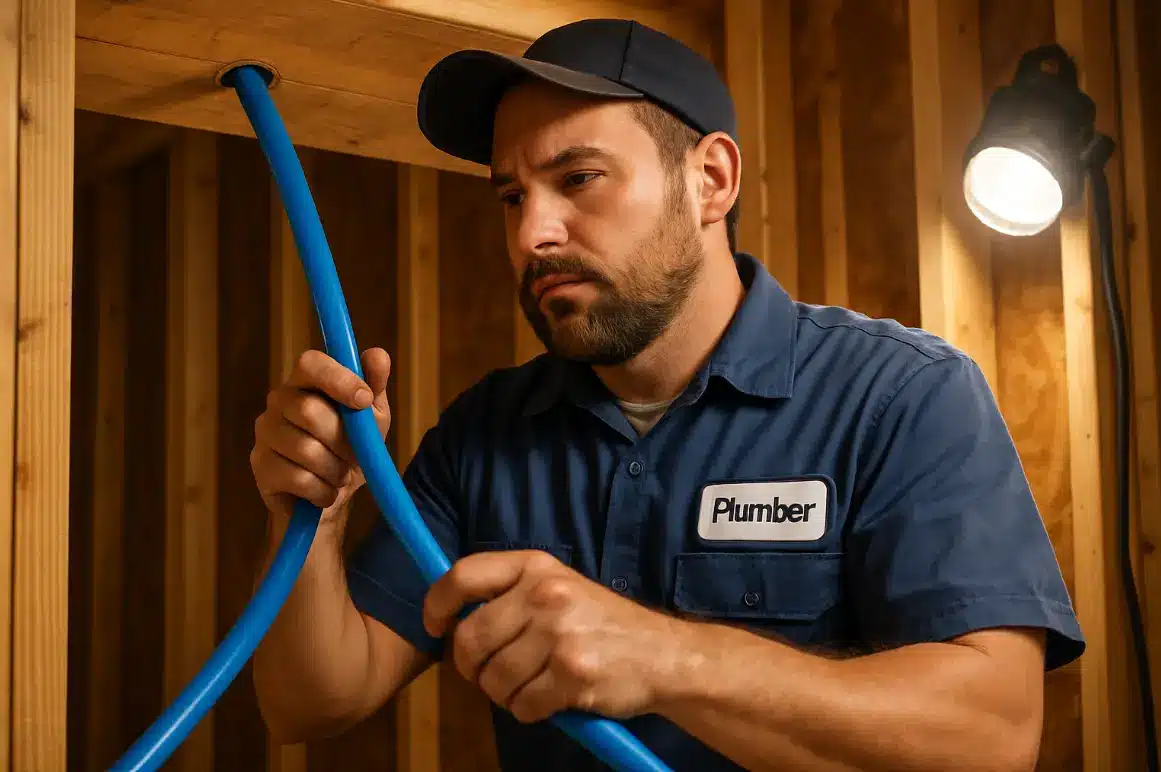
Step 2: Running the tubing. PEX is pulled through wall cavities, floor joists, and basement ceilings. Because it bends, it can snake through framing without requiring elbow fittings at every turn.
Step 3: Making connections. There are three common connection methods:
- Crimp rings: A copper ring is slid over the tubing and compressed with a crimp tool onto the fitting barb. Common and code-compliant in most states.
- Clamp (cinch) rings: A stainless steel clamp is tightened with a pinch tool. Easier in tight spaces.
- Expansion fittings (PEX-A only): The tube end is expanded, a fitting is inserted, and the tubing contracts back to grip the fitting tightly. Considered the most reliable connection type.
Step 4: Pressure testing. Before walls are closed, the system is pressurized with air or water and checked for leaks at every connection point.
Step 5: Final connections. Tubing is connected to fixtures, valves, and the water heater using appropriate transition fittings.
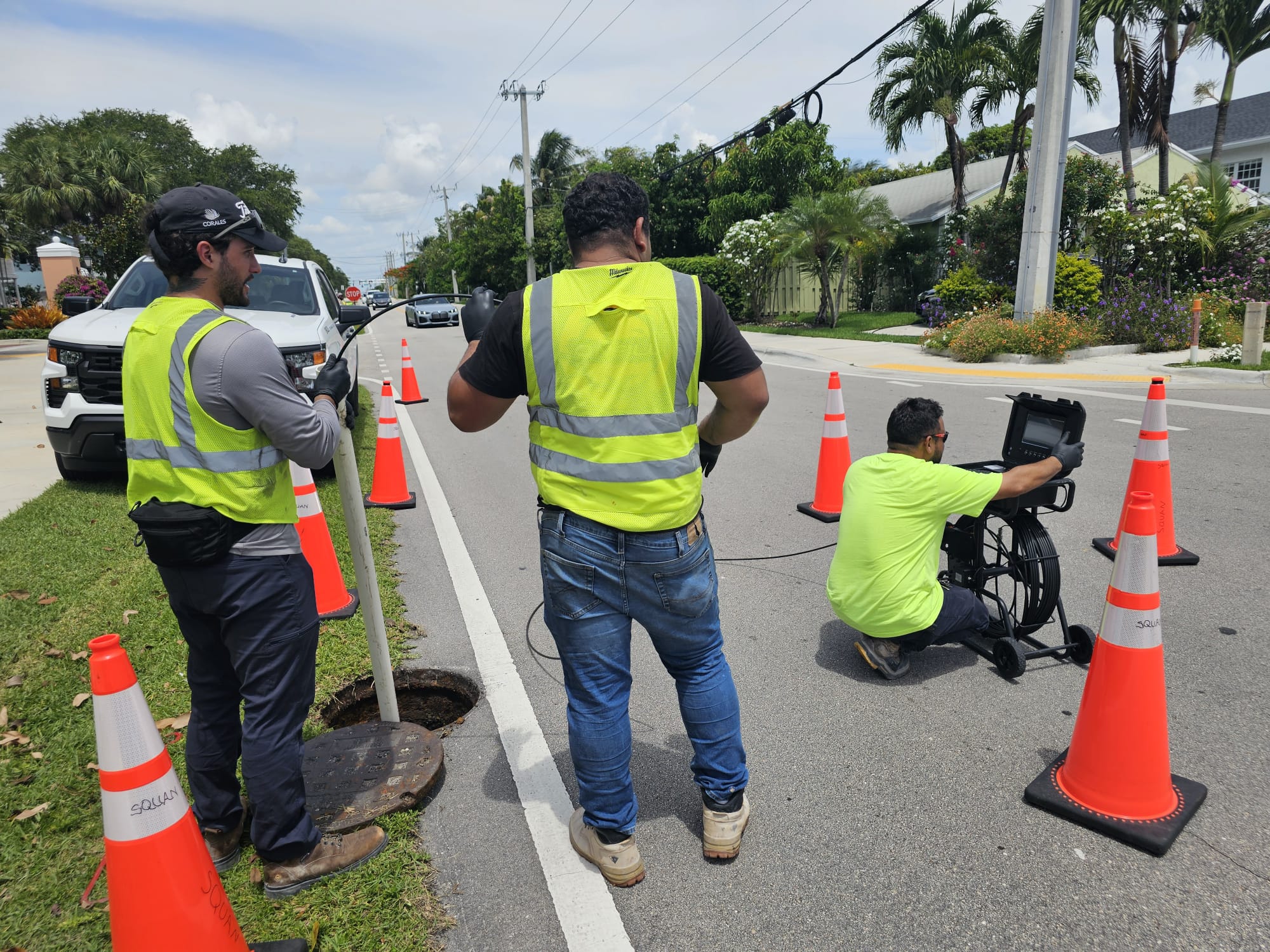
For projects that also involve updating supply infrastructure at the street, combining pex tubing installation with water line installation repairs ensures your entire system is updated at once rather than piecemeal.
Things to Know
- PEX tubing requires support brackets or straps every 32 inches horizontally and every 6 feet vertically per most U.S. plumbing codes. Check your local jurisdiction’s requirements before rough-in.
- Brass fittings are the standard for PEX connections, but in areas with acidic water, look for PPSU (polyphenylsulfone) plastic fittings, which resist corrosion without the dezincification risk brass can carry.
- PEX is not approved for use in all U.S. cities. Some municipalities, particularly those with older ordinances, still require copper. Verify local code before purchasing materials.
- The Mayo Clinic and other health authorities note that water quality and pipe material can interact, so always flush a new PEX system thoroughly before regular use to clear any residual manufacturing odors.
- If you are adding a bathroom or extending a supply line, it may also be a good time to schedule drain cleaning unclogging services to ensure your drain system keeps pace with the upgraded supply lines.
Permits, Codes, and What Inspectors Look For
In most U.S. states, any new plumbing rough-in requires a permit and inspection. This protects you as a homeowner because a passed inspection creates a record that the work meets code, which matters when you sell the home or file an insurance claim.
Inspectors typically check:
- Correct pipe support spacing
- Appropriate transition fittings where PEX meets copper or threaded connections
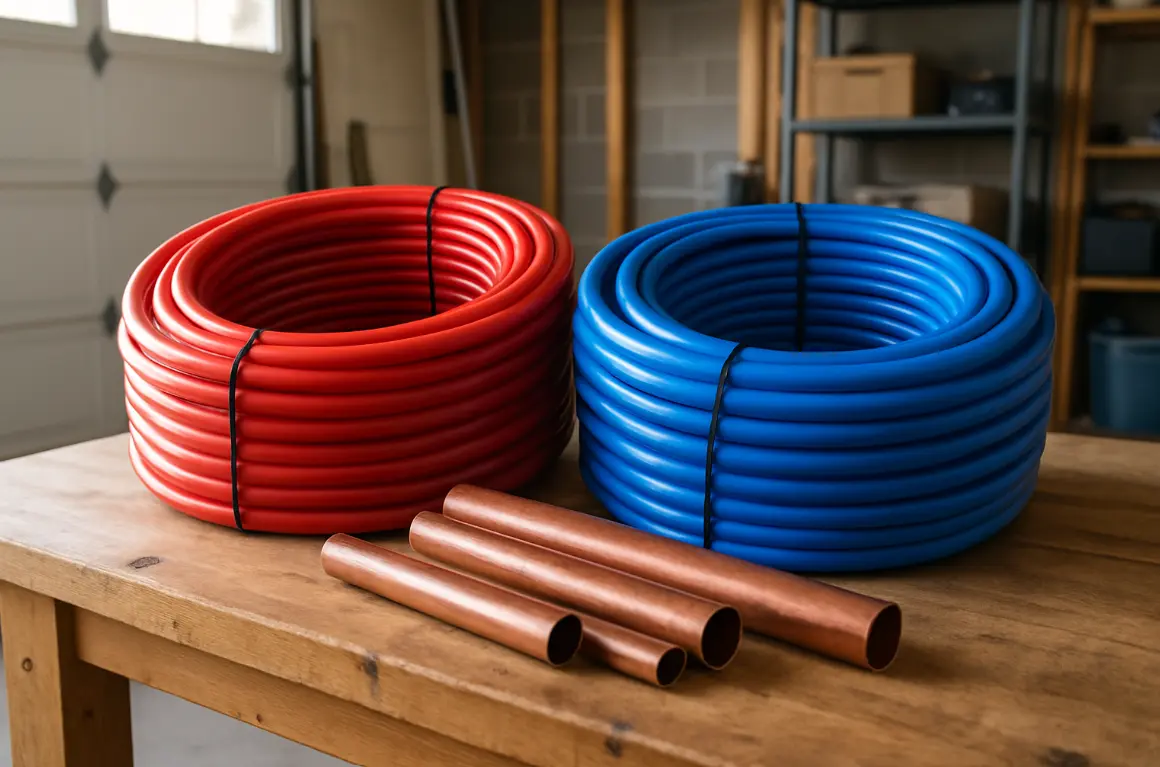
- Proper pipe identification (red for hot, blue for cold, white for either)
- No exposed PEX in areas subject to UV or mechanical damage
- Pressure test results
The International Association of Plumbing and Mechanical Officials (IAPMO) publishes the Uniform Plumbing Code, which many U.S. states adopt as their baseline standard. Your local building department may amend it, so always confirm specifics locally.
Solve Your PEX Project With AM Florida Plumbers
AM Florida Plumbers brings licensed expertise and honest pricing to every PEX project, and our team specializes in ensuring your installation passes inspection the first time and carries the warranty protection your investment deserves. Whether you need a single bathroom roughed in or a whole-home repipe, choosing a qualified contractor means your project is in reliable hands.
Call AM Florida Plumbers now to get a straight answer on scope, timeline, and cost before any work begins. Reach the team directly and schedule your assessment today.
Frequently Asked Questions
-
Can I do PEX tubing installation myself as a homeowner?
In most U.S. states, homeowners can legally pull their own plumbing permits and install PEX in their primary residence.
However, the work still requires inspection, and mistakes made inside walls can go unnoticed until a leak causes serious damage. Hiring a licensed plumber reduces that risk considerably. -
How long does PEX tubing last?
PEX tubing is rated to last 25 to 50 years under normal residential conditions.
Longevity depends on water chemistry, installation quality, and whether the tubing was ever exposed to UV light or incompatible chemicals. Systems installed correctly and inspected regularly routinely reach the upper end of that range. -
Is PEX safe for drinking water?
Yes, PEX tubing certified to NSF/ANSI Standard 61 is approved for potable water use throughout the United States.
Look for the NSF-61 mark on the tubing itself before purchasing. The NSF International organization independently tests and certifies plumbing products for health safety.
-
How much does a whole-home PEX repipe cost?
Whole-home repiping costs vary widely based on home size, local labor rates, and whether drywall repair is included in the quote.
Get at least three licensed contractor bids before committing, and confirm whether permit fees and inspection costs are included. Larger homes with multiple bathrooms will sit at the higher end of any estimate range. -
What is the difference between a manifold system and a branch system in PEX?
A manifold system runs a dedicated line from a central manifold to each fixture, while a branch system feeds multiple fixtures from a shared trunk line.
Manifold systems offer better pressure balance and easier shutoff control per fixture, but they use more tubing. Branch systems use less material but can suffer from pressure drops when multiple fixtures run simultaneously.
The Bottom Line on PEX Tubing Installation
PEX tubing installation offers a reliable, code-compliant path to modern plumbing performance whether you are building new or replacing old infrastructure. The key is pairing quality materials with a licensed plumber who understands local code requirements and follows proper pressure-testing procedures.
If you are ready to move forward, contact AM Florida Plumbers today and get a clear assessment of what your project needs from start to finish.
Contents
- 1. Why PEX Has Replaced Copper in Most Residential Projects
- 2. The Three Types of PEX and When to Use Each
- 3. How PEX Tubing Installation Actually Works
- 4. Permits, Codes, and What Inspectors Look For
- 5. Solve Your PEX Project With AM Florida Plumbers
- 6. Frequently Asked Questions
- 7. The Bottom Line on PEX Tubing Installation