How To Prevent Frozen Pipes Before Winter

The best way to avoid frozen pipes is to prepare ahead of time. Preventive care can make all the difference when temperatures dip below freezing, even for a few hours. Start by insulating your pipes, especially those in unheated areas. Pipe insulation is affordable, easy to install, and available at most hardware stores. Focus on pipes in garages, attics, and crawl spaces, as well as any that run along exterior walls.
Keeping your home’s temperature consistent also helps. Do not lower your thermostat drastically at night or when you are away. Even maintaining a steady temperature of around 55°F or higher can prevent freezing. Letting faucets drip slightly during cold nights can also keep water moving through the pipes, which makes it harder for the water to freeze. It might sound like a waste, but the small increase in your water bill is nothing compared to the cost of repairing a burst pipe.
Should You Leave Cabinet Doors Open During Cold Weather?
Yes, this simple trick really works. Opening cabinet doors under sinks, especially in kitchens and bathrooms along exterior walls, allows warm air to circulate around the pipes. This can help prevent the temperature inside those cabinets from dropping too low.
If you have small children or pets, make sure to remove any cleaning supplies or chemicals before leaving cabinets open for safety reasons.
How To Protect Outdoor Plumbing
Outdoor plumbing is one of the most common sources of frozen pipe problems. Garden hoses, outdoor spigots, and sprinkler systems can freeze quickly when temperatures fall. Before winter arrives, disconnect garden hoses and drain any remaining water from them. If possible, turn off the outdoor water supply and open the faucets slightly to let any trapped water escape. Hose bib covers or insulated faucet protectors are another great investment for keeping outdoor spigots safe.
For in-ground sprinkler systems, follow the manufacturer’s instructions to blow out any remaining water using compressed air. This step prevents freezing inside the sprinkler lines, which can be expensive to repair later.
Can You Prevent Frozen Pipes in Vacant Homes?
If you are leaving your home for an extended period during cold weather, you will need to take extra precautions. First, keep the heat on at a low but steady temperature. Shutting off the heat completely can cause your pipes to freeze within hours if the temperature drops. You can also shut off the main water supply and drain the plumbing system before leaving. To do this, open all faucets and flush toilets until no water remains in the lines. This prevents any standing water from freezing while you are away.
For long-term protection, consider installing a smart thermostat and a water leak detection system. These devices can send alerts to your phone if the temperature drops too low or if a leak occurs.
What To Do If a Pipe Freezes
If you discover a frozen pipe, stay calm and act quickly. The goal is to thaw it gently before it bursts. Start by turning off the main water valve to prevent flooding if the pipe does crack. Then open the faucet connected to the frozen pipe to relieve pressure. Next, apply heat using a hair dryer, heating pad, or warm towels. Always start from the faucet end and work your way toward the frozen section. Never use an open flame, torch, or space heater near flammable materials, as this can cause serious accidents.
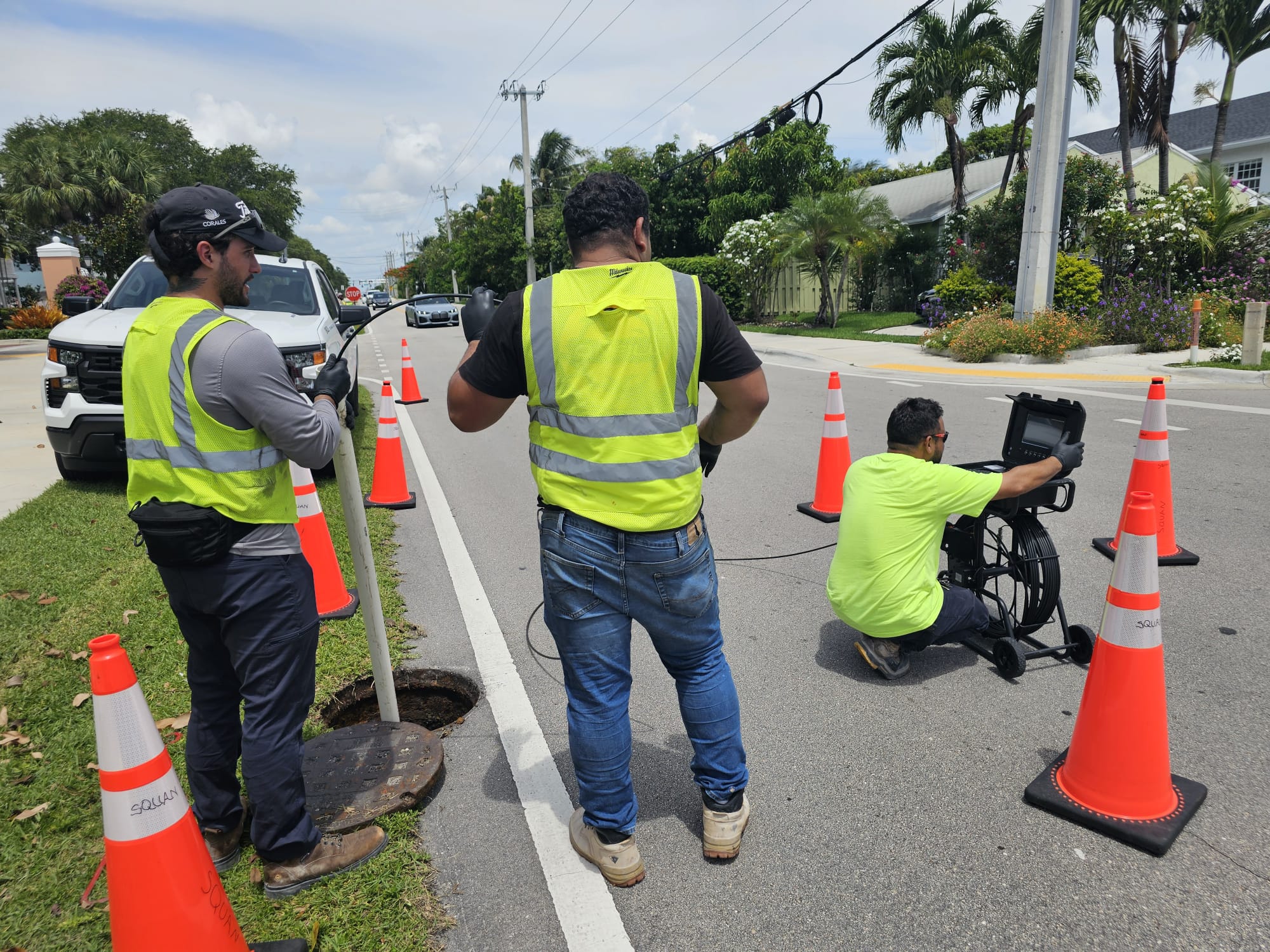
If you cannot locate the frozen section or if the pipe is behind a wall or under a floor, call a licensed plumber immediately. Professional plumbers have specialized equipment such as thermal cameras and pipe thawing machines that can safely fix the problem without damaging your home.
You can also contact experienced professionals who offer licensed plumbing services in Florida to handle pipe issues, repairs, or preventive maintenance before the winter season starts.
How To Protect Your Plumbing Long-Term

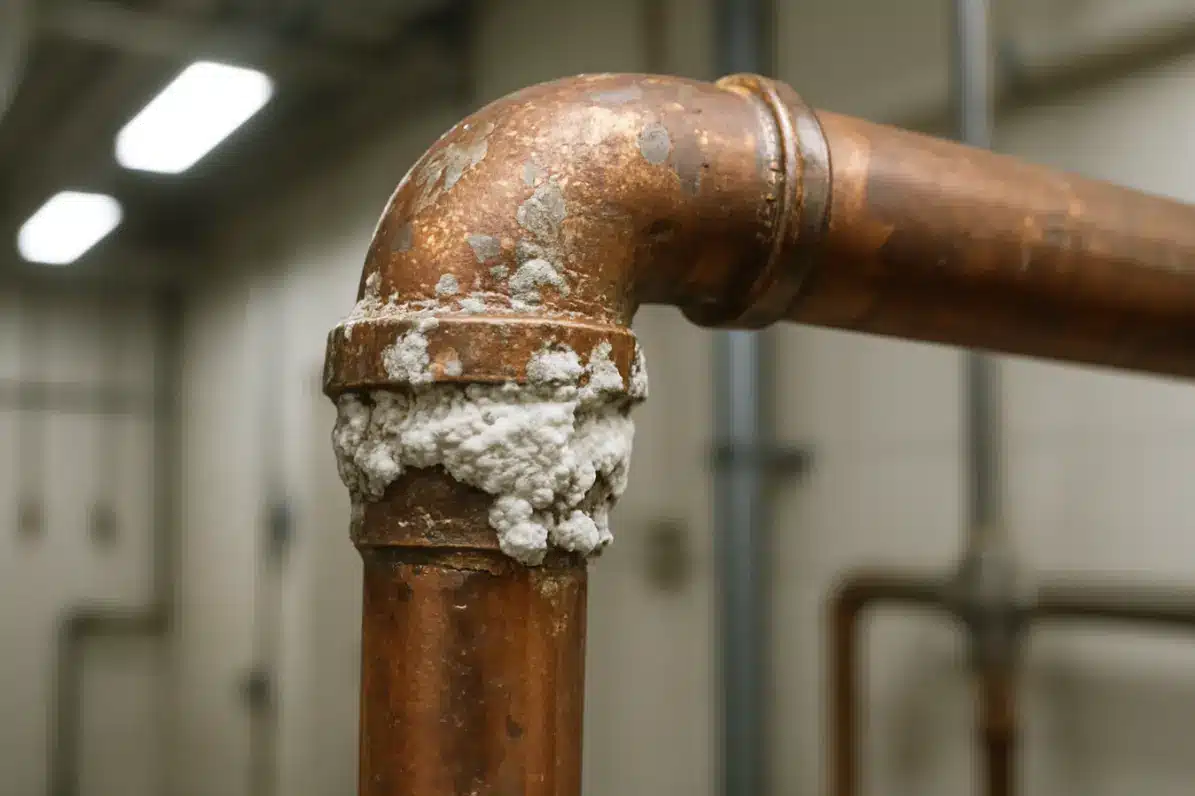
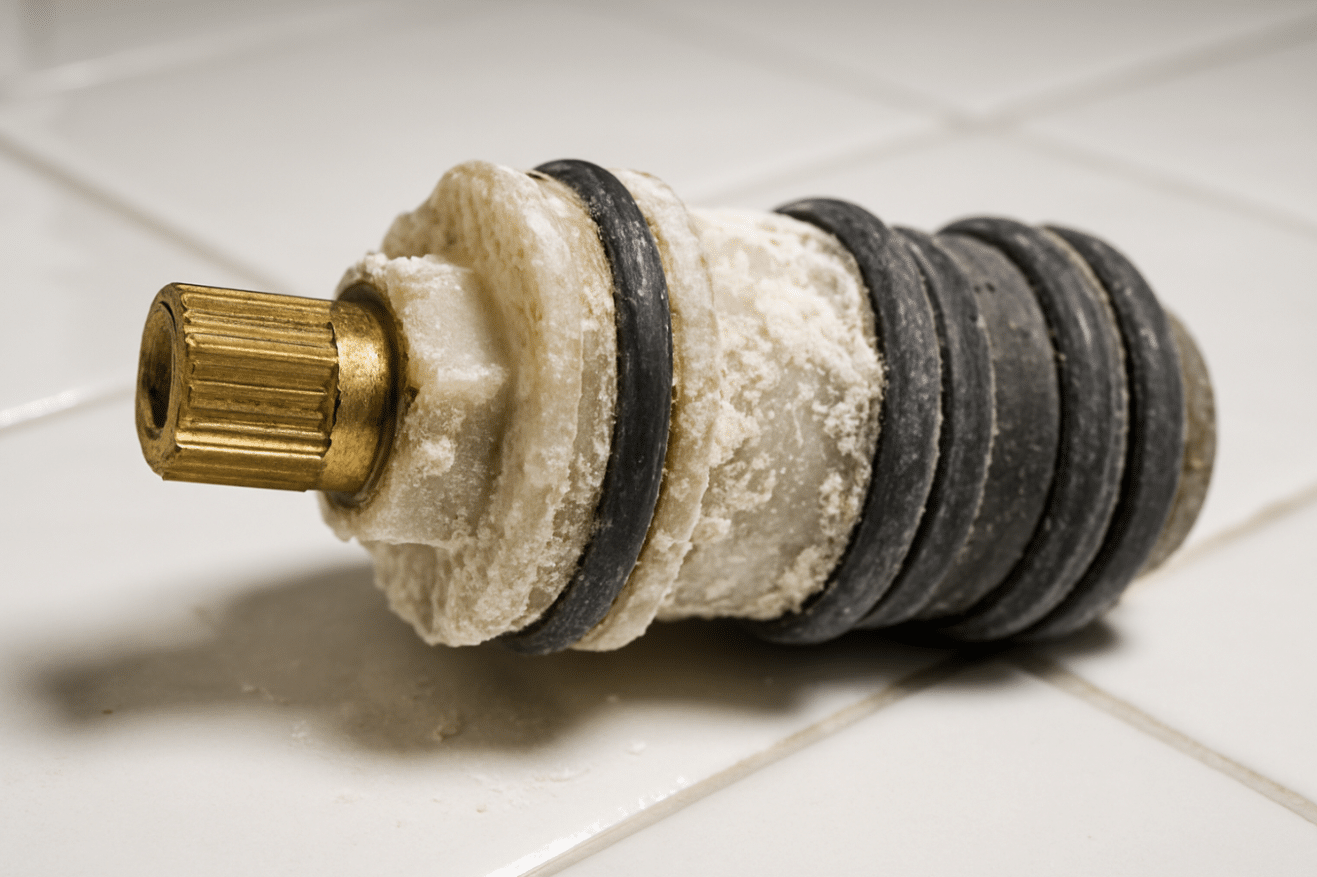
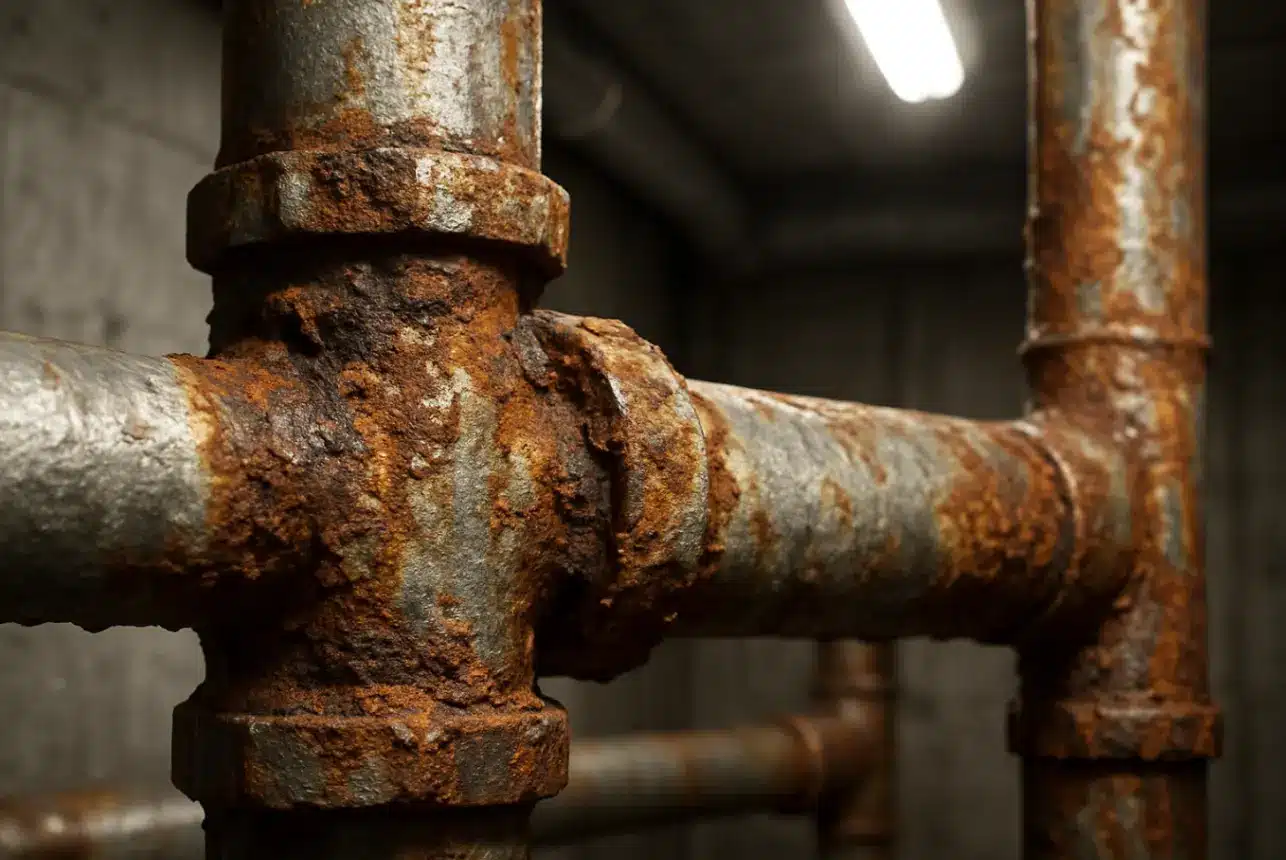
Preventing frozen pipes is not just about one winter season. It should be part of your regular home maintenance routine. Schedule annual plumbing inspections to check for small leaks, corrosion, or weak spots in your pipes. Replacing worn-out insulation and sealing foundation cracks can make your home more energy-efficient and less prone to freezing.
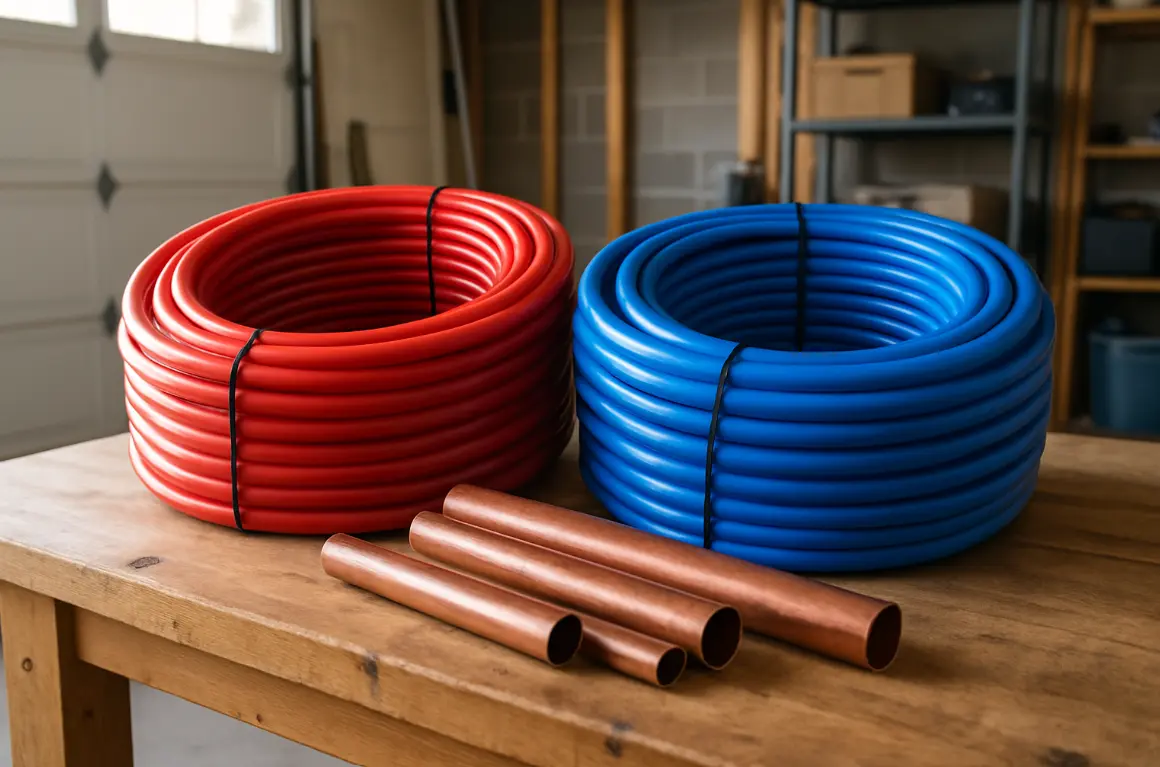
You can also consider upgrading to PEX piping if your home still uses older metal pipes. PEX is flexible and can expand slightly when frozen, making it less likely to burst under pressure. Many homeowners in colder climates choose PEX for exactly this reason. Another useful tip is to seal gaps and holes around plumbing that enters from outside. Use caulk or expanding foam to close off spaces around pipes where cold air might enter.
Why Prevention Is Always Cheaper Than Repairs
Repairing a burst pipe can cost thousands of dollars once you factor in plumbing services, water damage restoration, and replacement of flooring or walls. On the other hand, preventing frozen pipes usually costs very little and only requires basic maintenance. A few rolls of insulation, a steady indoor temperature, and some attention during cold weather can save you from major headaches later on. When it comes to plumbing, prevention truly is the best form of protection.
Final Thoughts
Frozen pipes are a homeowner’s nightmare, but they are entirely preventable with the right precautions. Insulate exposed pipes, maintain a steady temperature, and take extra care with outdoor plumbing. In areas like Florida, where homeowners might not expect freezing temperatures, these steps are even more important because plumbing systems are not built for cold conditions. If you ever suspect a frozen pipe or need help winter-proofing your home, contact a licensed plumber right away. A professional inspection before the cold season begins can save you from the stress, expense, and damage that come with frozen pipes. Staying proactive today will ensure that your home’s plumbing system stays safe, warm, and reliable all winter long. For trusted guidance and services, AM Florida Plumbers can provide the support you need.