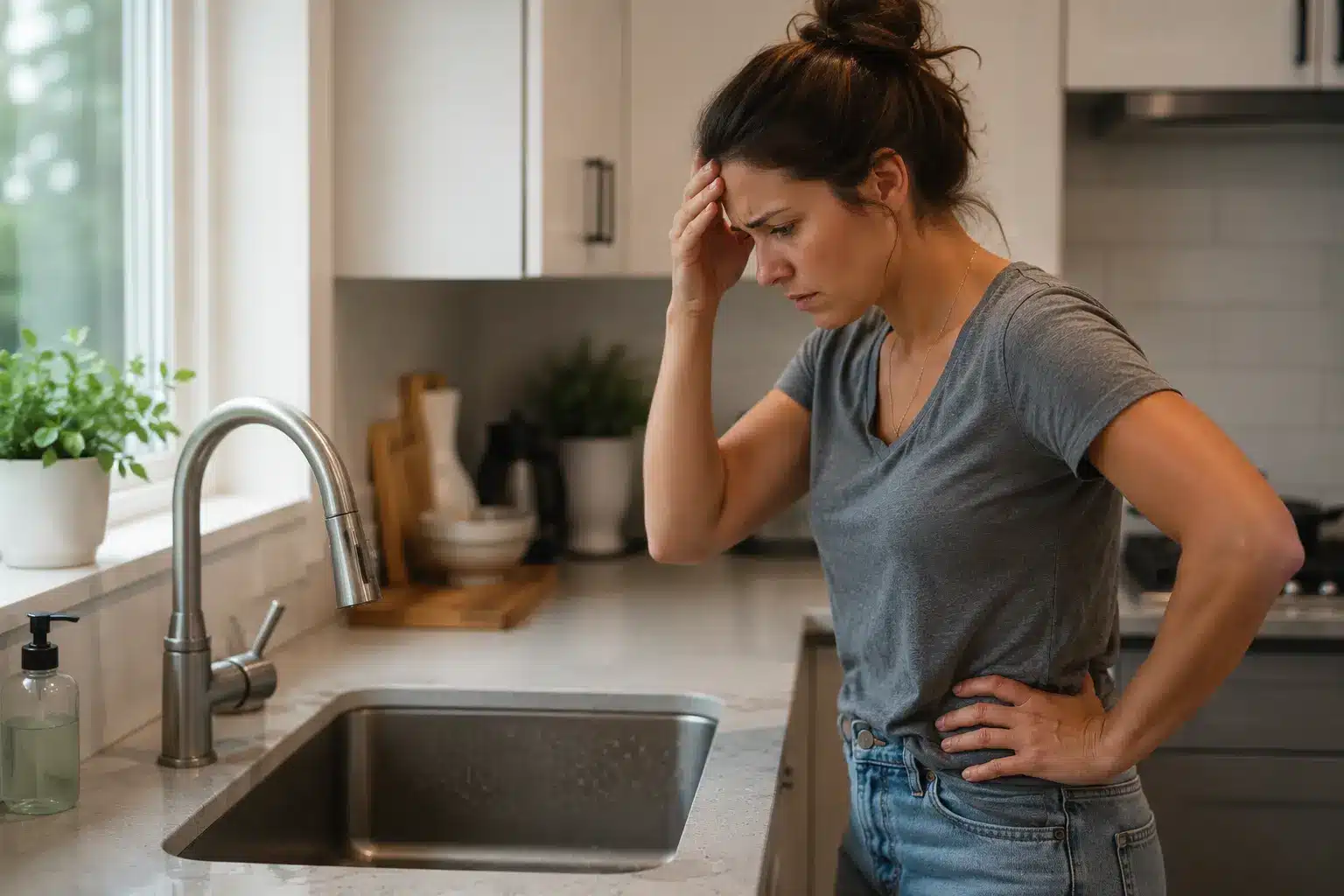
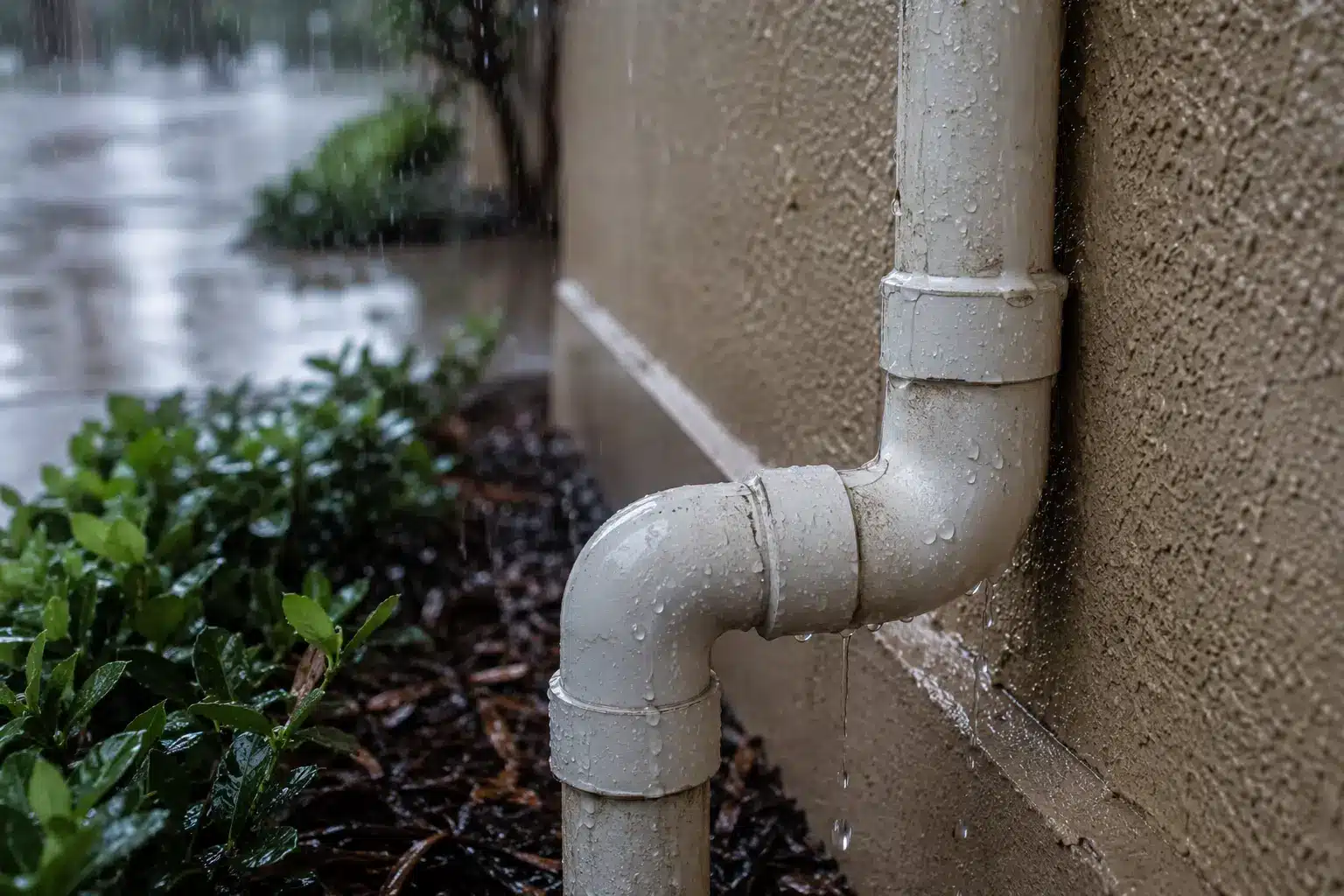
How to Diagnose the Source of Low Pressure
Start by checking if the pressure issue is limited to a specific area. If it’s only affecting one fixture, unscrew the faucet aerator or showerhead and clean out any trapped debris. If water flow doesn’t improve, the issue could lie deeper in the plumbing system.
Next, verify that your home’s main water valve is fully open. Even a slightly closed valve can reduce flow significantly. If your neighbors are also experiencing low pressure, the problem may originate from the municipal supply.
For isolated pressure drops, hidden leaks may be to blame. Look for damp walls, discolored flooring, or a sudden increase in your water bill. These signs can indicate a slab leak beneath your home’s foundation, a common issue in older West Palm Beach properties.
For a deeper look into the issue, check out What Causes Low Water Pressure?
Professional Methods to Restore Strong Water Pressure

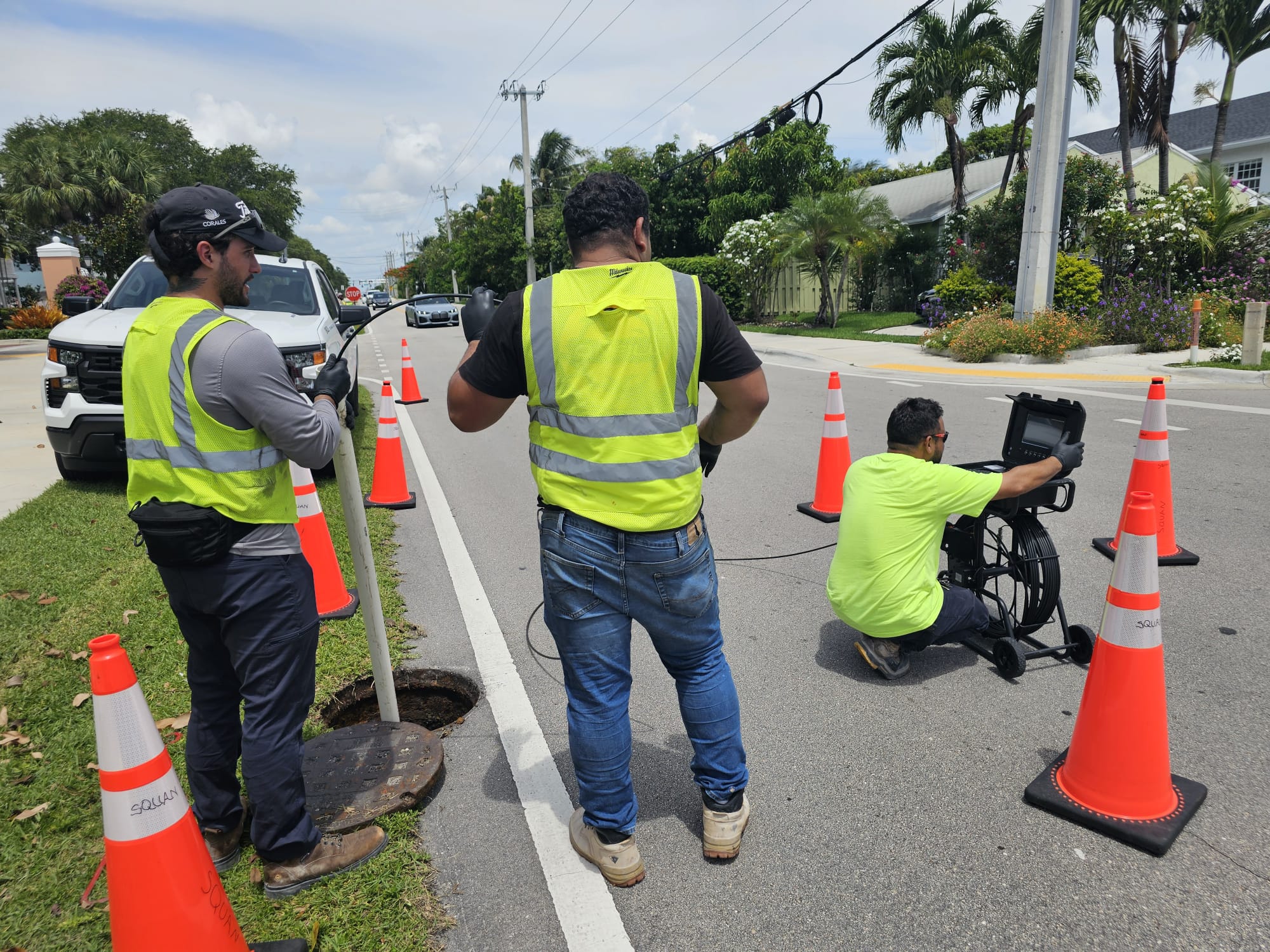
If your DIY checks don’t solve the issue, it’s time to bring in a licensed plumbing professional. They can perform a detailed pressure test to pinpoint the cause and identify whether there’s corrosion, a broken regulator, or a leak inside your walls.
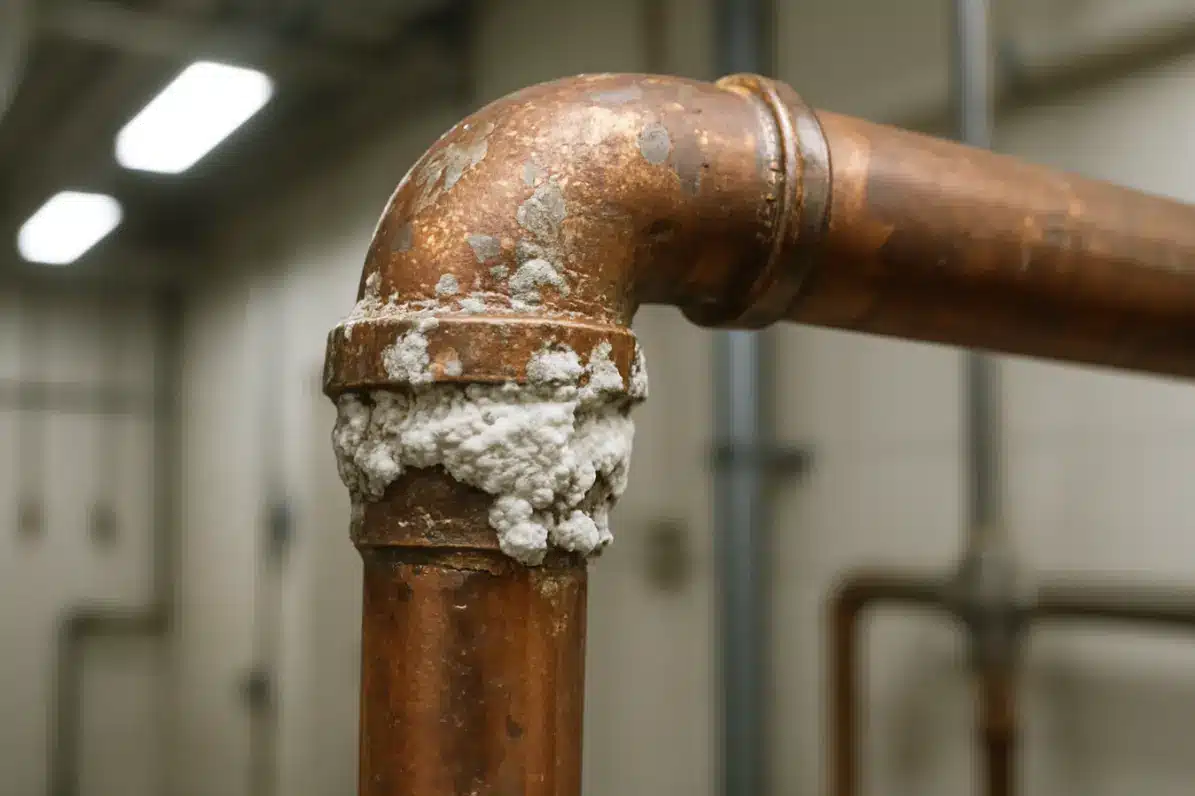
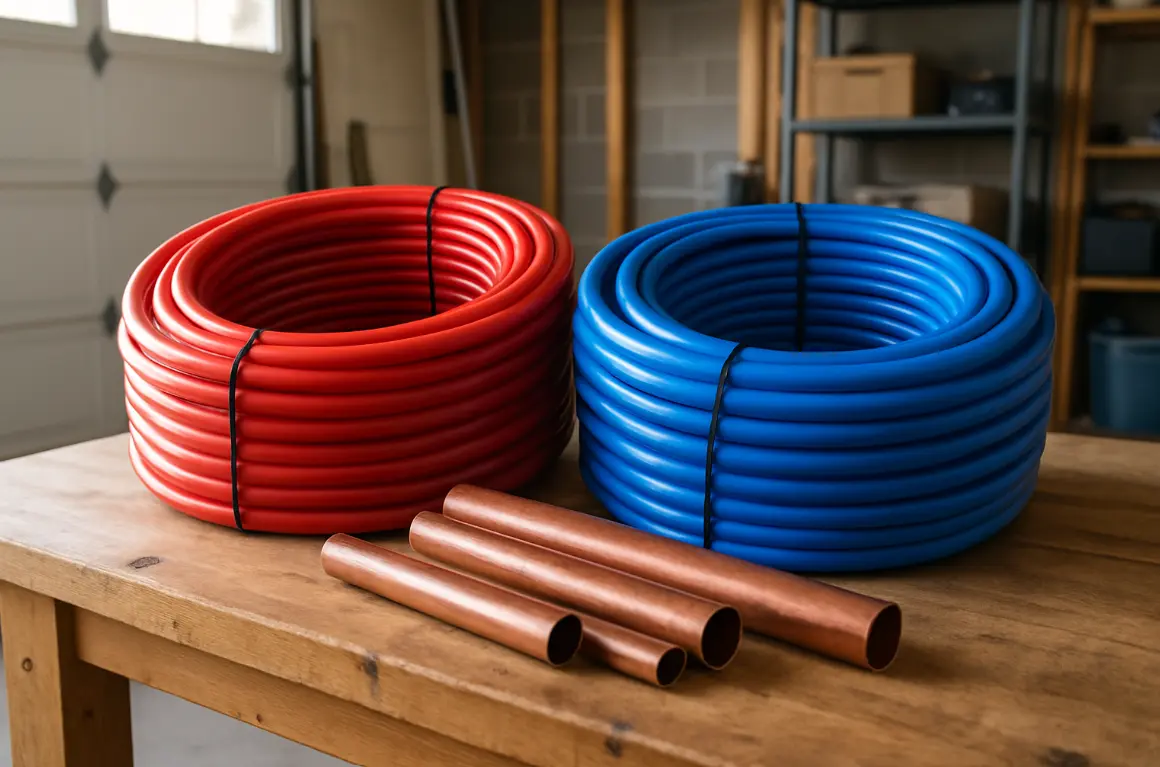
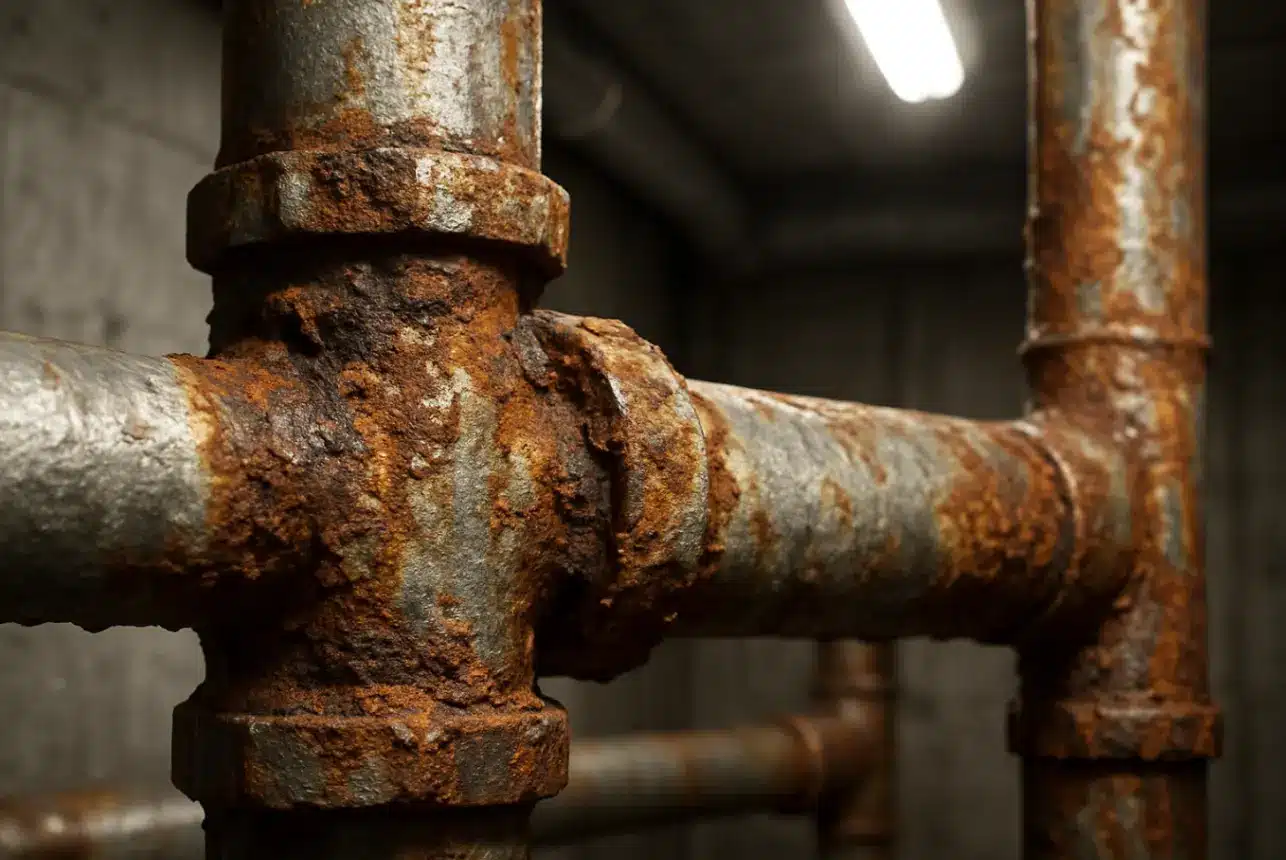
Depending on the diagnosis, your plumber may clean or replace old pipes, install a new pressure regulator, or remove mineral buildup from your system. In some cases, a full repiping may be recommended for older homes with galvanized steel pipes that have started to corrode internally.
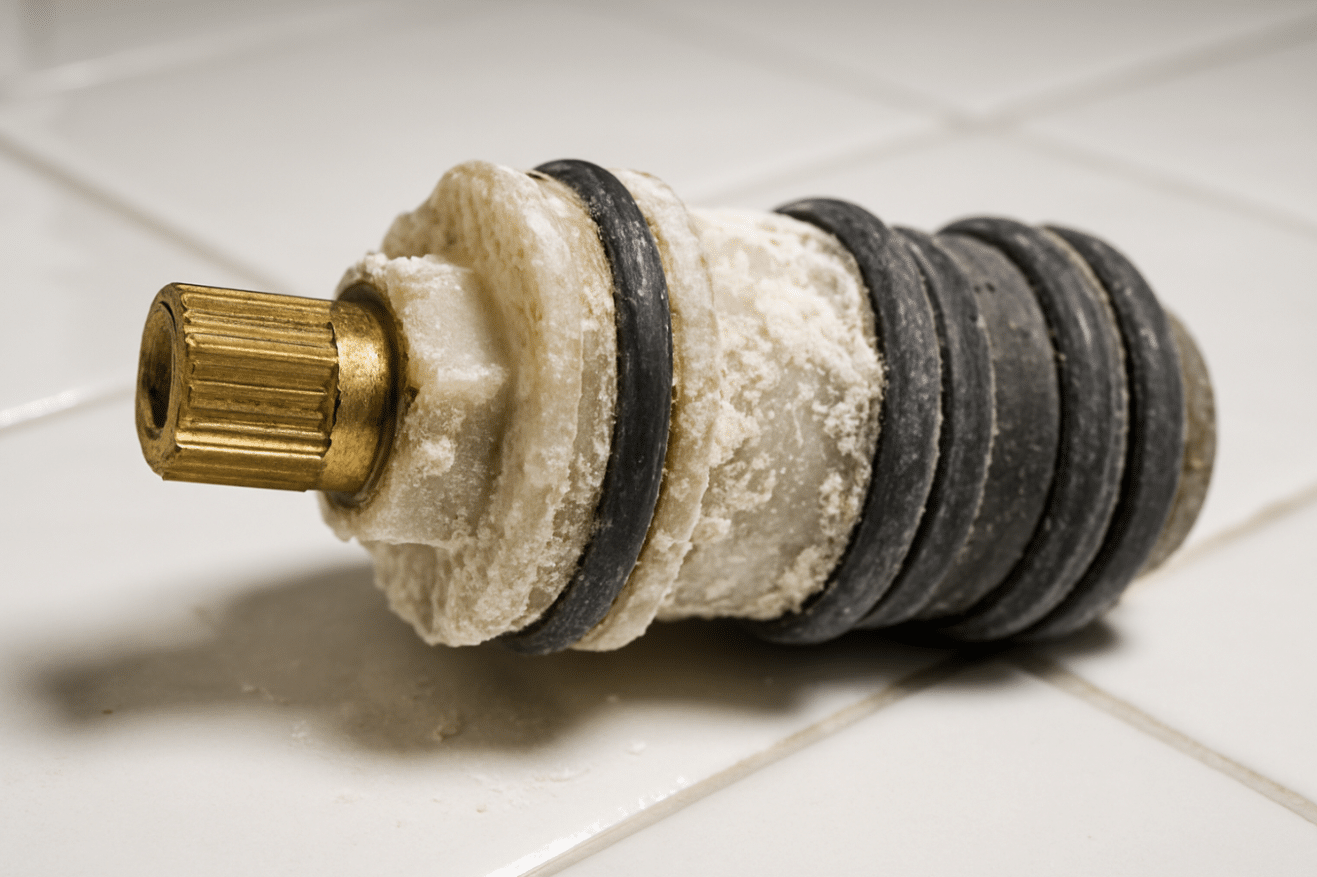
For homes affected by hard water, adding a water softener can help prevent future pressure issues. It reduces mineral buildup and helps extend the lifespan of your plumbing system, faucets, and appliances.
The Impact of Water Pressure on Appliances and Fixtures

Consistently low water pressure doesn’t just make showers unpleasant. It also affects appliances that rely on a steady flow, such as washing machines, dishwashers, and water heaters. These appliances work harder to complete cycles, which can increase energy costs and shorten their lifespans.
Restoring proper pressure ensures these systems run efficiently, saving both water and money. It also helps prevent sediment accumulation inside your water heater tank, which can lead to costly repairs over time.
Why Regular Plumbing Maintenance Prevents Pressure Problems
Preventive maintenance is the easiest way to keep your plumbing system healthy and avoid sudden drops in water pressure. Homeowners should regularly clean faucet aerators, flush water heaters, and inspect exposed pipes for small leaks.
Scheduling professional drain cleaning and water pressure testing at least once a year can also help catch early warning signs before they turn into bigger problems.
Consistent maintenance is especially important in South Florida, where humidity and mineral-rich water accelerate wear on plumbing systems. Keeping your pipes clear and properly maintained ensures that water flows freely through every faucet and fixture.
Quick Tips to Maintain Strong Water Flow
To keep water flowing steadily throughout your home, make sure to clean your showerheads and faucet aerators every few months. Check your water pressure regularly using a simple gauge to ensure it stays within the normal range of 40 to 60 psi. Always verify that your main shut-off valve is fully open, and avoid using chemical drain cleaners since they can damage your pipes over time. Finally, schedule a professional plumbing inspection at least once a year to detect early signs of leaks or buildup before they affect your home’s water pressure.
Get Expert Help Restoring Water Pressure
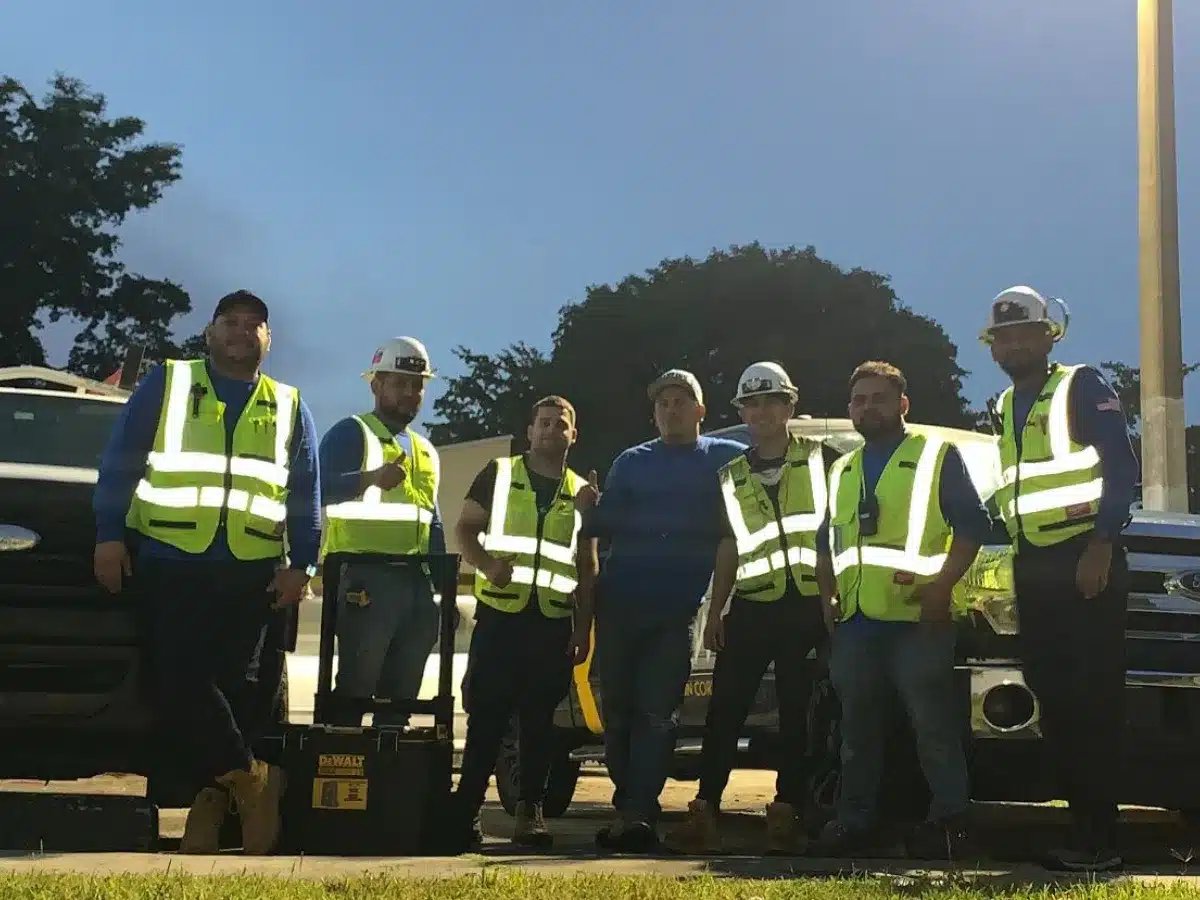
When water pressure problems slow down your home’s plumbing, it’s time to call the professionals at AM Florida Plumbers. Their licensed technicians specialize in diagnosing low-pressure issues, cleaning pipes, and installing long-lasting solutions to keep water flowing strong.
To schedule a service or learn more, visit our Plumbing Services page below.