Your plumbing pipes are one of the most important systems in your property, but they’re also one of the easiest to overlook. Hidden behind walls, under floors, and beneath the ground, pipes can deteriorate gradually over time without obvious warning signs.
While some plumbing issues can be resolved with simple repairs, there comes a point when repeated fixes may no longer be the most effective solution. Knowing the signs of pipe failure can help property owners avoid major water damage, unexpected disruptions, and costly emergency repairs.
If you’re experiencing recurring plumbing problems, it may be time to determine whether your pipes need more than just another repair.
Why Pipes Deteriorate Over Time
No plumbing system lasts forever. Factors such as age, water quality, pipe material, corrosion, and environmental conditions all contribute to wear and tear over time.
In Florida, additional factors like high humidity, shifting soil, and aging infrastructure can accelerate pipe deterioration. As pipes age, they become more susceptible to leaks, corrosion, blockages, and structural failure.
Understanding the warning signs can help you address problems before they become more serious.
1. Frequent Leaks
An occasional leak doesn’t necessarily mean your pipes need replacement. However, if you’re constantly repairing leaks in different areas of the property, it may indicate a larger issue with the overall plumbing system.
As pipes age, weak spots can develop throughout the network, leading to recurring failures. In many cases, replacing aging pipes is more cost-effective than continuing to make repeated repairs.
2. Discolored Water
If your water appears brown, yellow, or rust-colored, corrosion inside your pipes could be the cause.
Corroded pipes can release rust and sediment into your water supply, affecting water quality and potentially signaling that the piping system is nearing the end of its lifespan.
Persistent discoloration should always be investigated by a plumbing professional.
3. Low Water Pressure
A noticeable drop in water pressure throughout the property may indicate pipe deterioration, mineral buildup, hidden leaks, or internal corrosion.
While pressure issues can sometimes be resolved through repairs, widespread pressure problems in an older plumbing system may point to the need for replacement.
4. Unexplained Increase in Water Bills
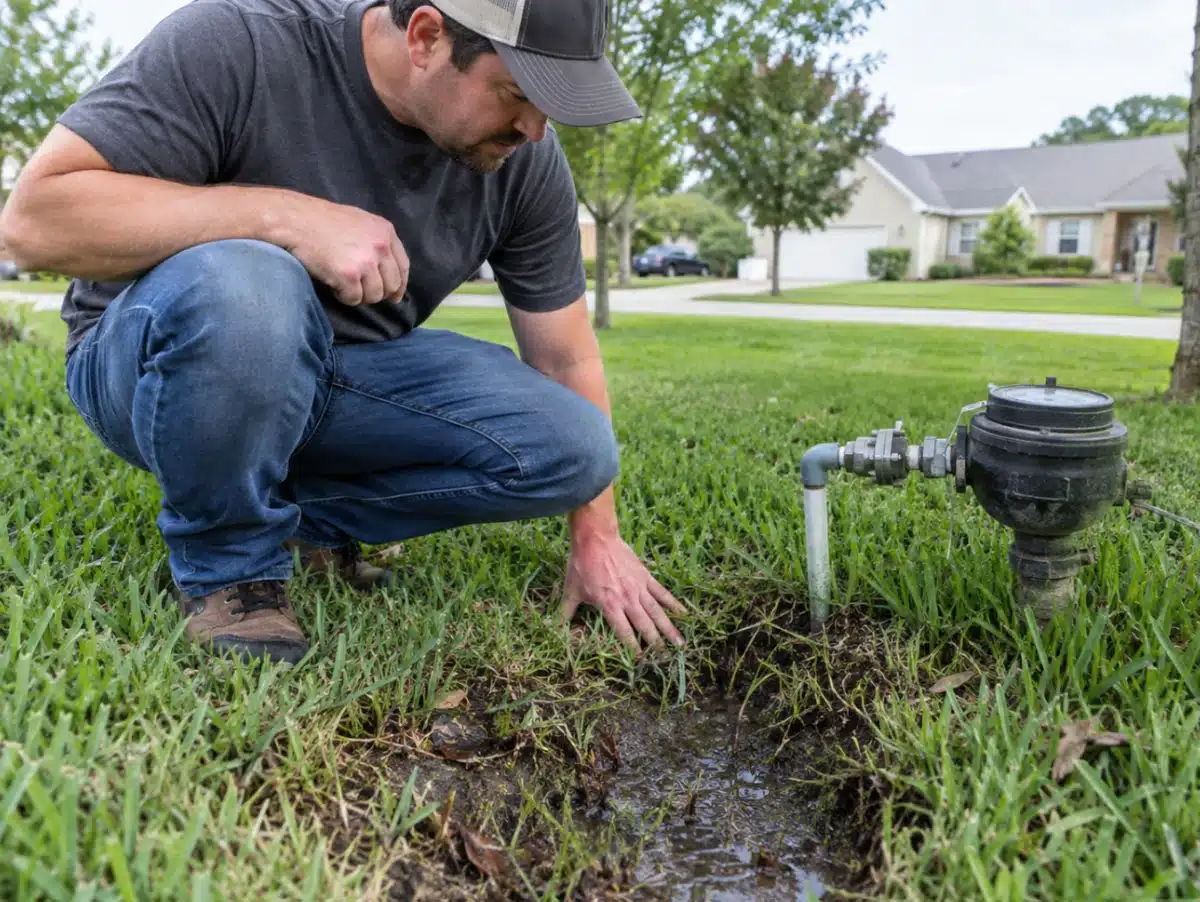
If your water usage habits haven’t changed but your utility bills continue to rise, hidden leaks may be wasting water behind walls, under slabs, or underground.
Over time, multiple leaks can become both expensive and difficult to manage, making pipe replacement a more practical long-term solution.
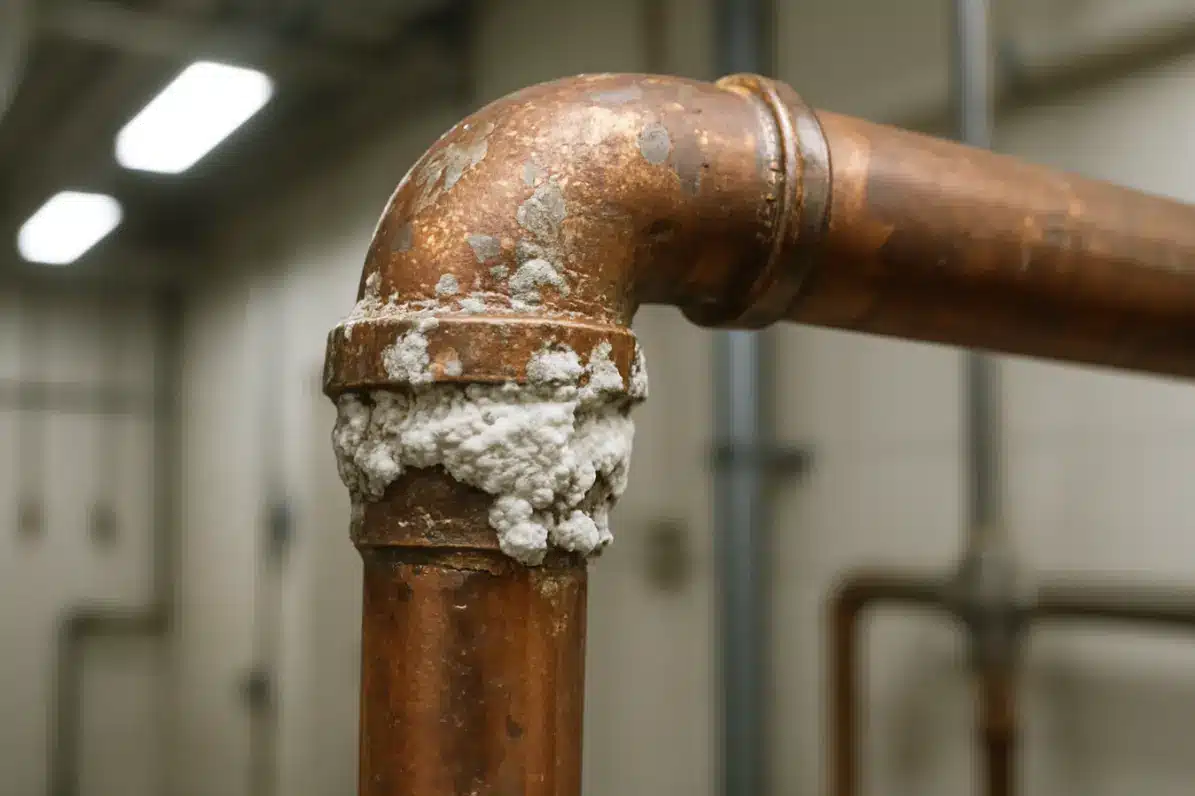
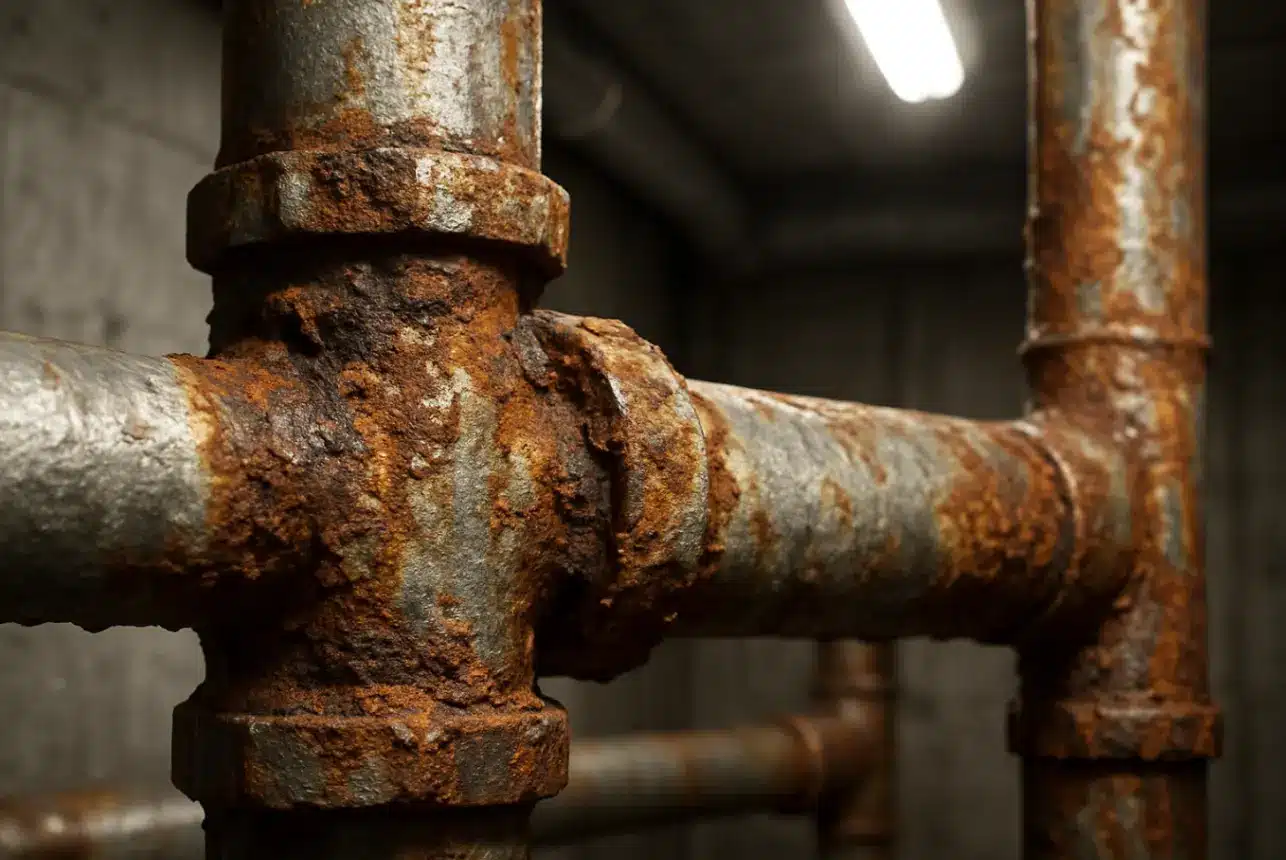
5. Visible Corrosion or Pipe Damage
Exposed pipes can provide valuable clues about the condition of your plumbing system. Watch for signs such as:
- Rust
- Corrosion
- Flaking metal
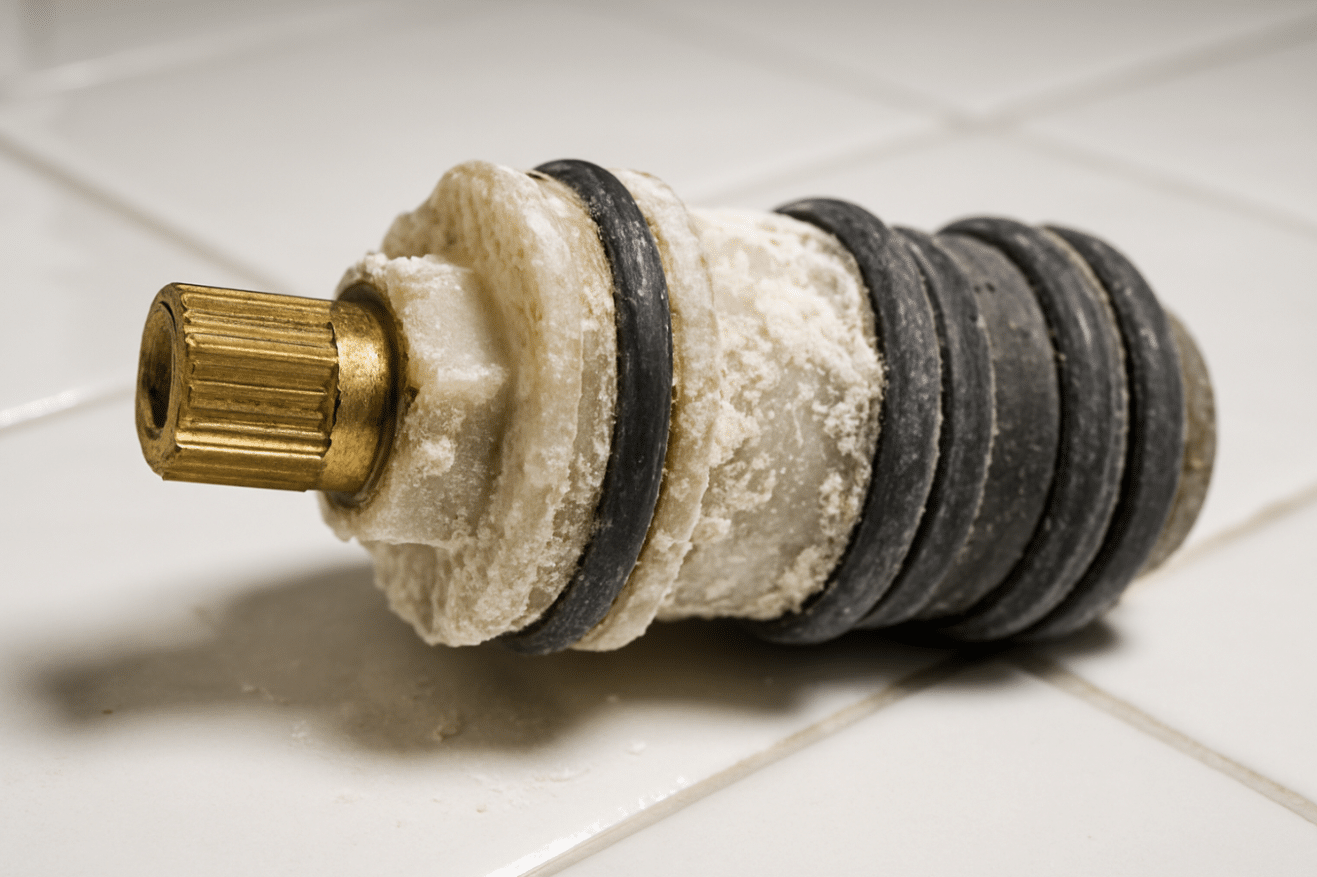
- Green or white mineral deposits
- Visible cracks
These warning signs often indicate that the pipe material is deteriorating and may require replacement.
6. Recurring Drainage Issues
Frequent clogs, slow drains, or recurring sewer backups may point to pipe damage, deterioration, or buildup within the plumbing system.
While drain cleaning can help address temporary blockages, recurring issues may indicate underlying pipe problems that require a more permanent solution.
7. Water Damage or Mold Growth
Unexpected water stains, warped flooring, peeling paint, or mold growth can all be signs of hidden pipe leaks.
Even small leaks can cause significant property damage over time. If leaks continue to appear in different locations, it may be a sign that the plumbing system is aging and needs replacement.
8. Aging Plumbing Materials
The age and type of piping material play a major role in determining when replacement may be necessary.
Older properties may still contain materials such as:
- Galvanized steel
- Cast iron
- Polybutylene piping
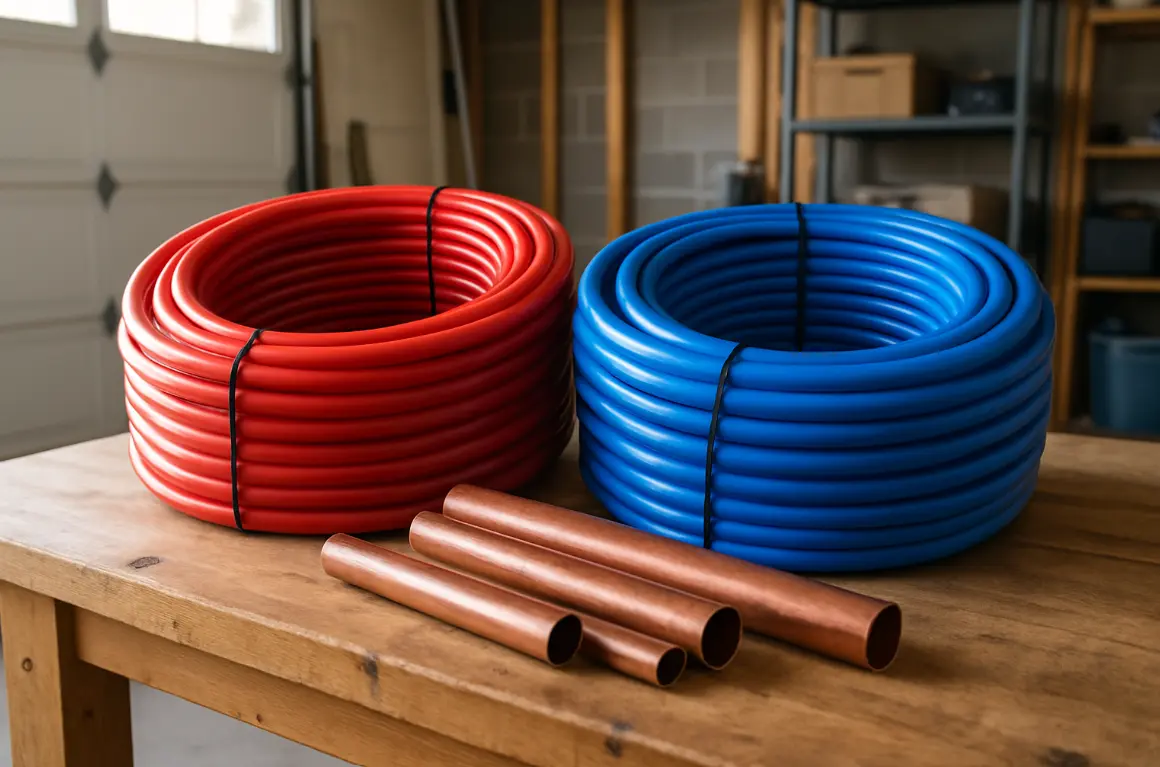
Depending on their age and condition, these materials may be more prone to corrosion, leaks, and failures than modern alternatives.
How AM Florida Builders Can Help
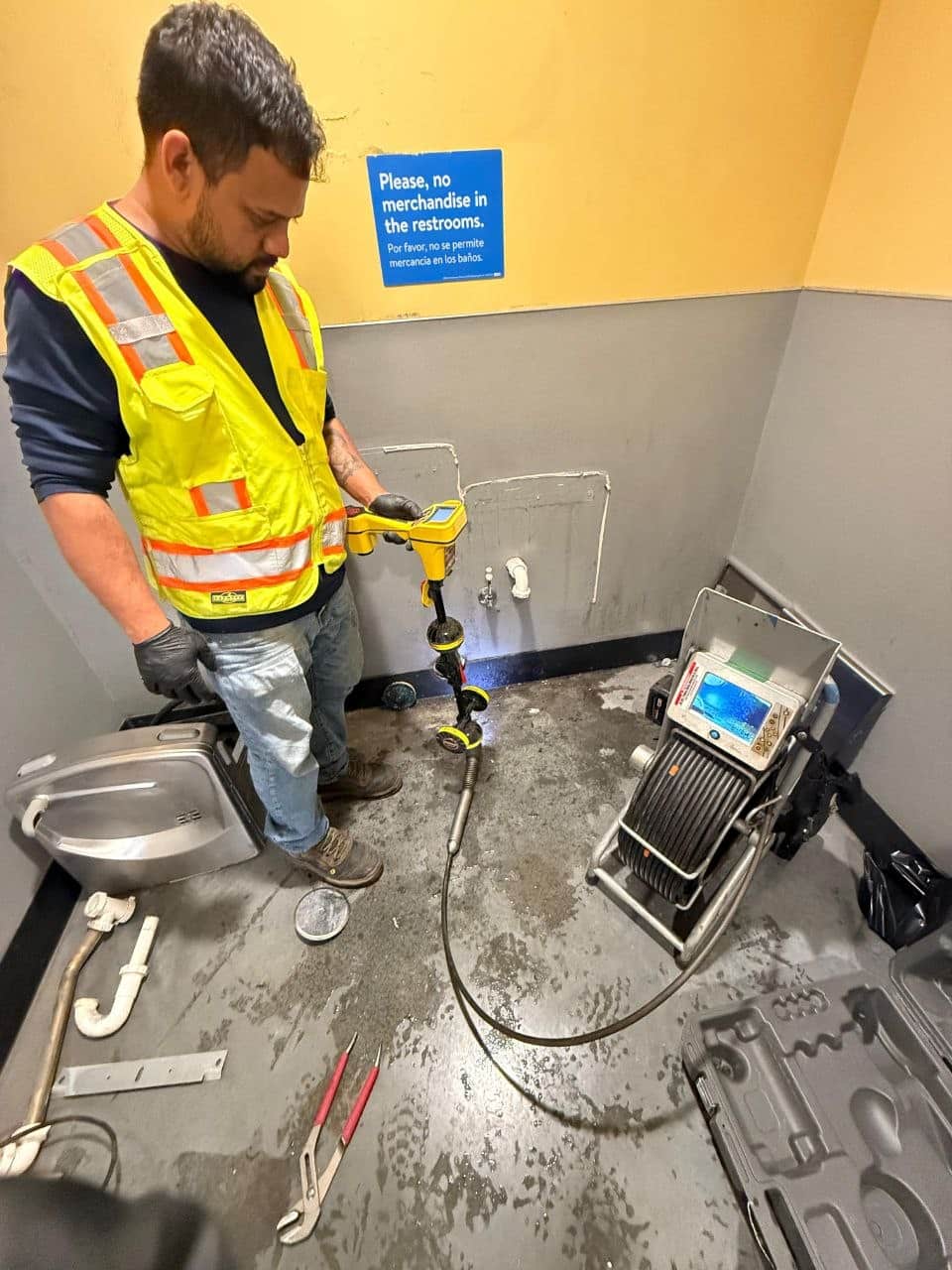
At AM Florida Builders, we help homeowners, property managers, and commercial property owners evaluate the condition of their plumbing systems and determine the most practical long-term solution. Whether you’re dealing with recurring leaks, aging pipes, or water quality concerns, our team can assess your system and recommend the appropriate repair or replacement strategy.
With experience working on a wide range of Florida properties, we understand the challenges local plumbing systems face and the importance of reliable, long-lasting solutions.
Frequently Asked Questions
-
How long do plumbing pipes typically last?
The lifespan of plumbing pipes depends on the material, water quality, and maintenance history. While some modern piping materials can last for decades, older systems may require replacement sooner due to corrosion or wear.
-
Can a single pipe leak mean I need a full pipe replacement?
Not necessarily. A single isolated leak can often be repaired. However, frequent leaks in multiple locations may indicate widespread deterioration that makes replacement a more cost-effective option.
-
What is the most common sign that pipes need replacement?
Recurring leaks are often one of the clearest indicators that a plumbing system is reaching the end of its lifespan. Other warning signs include discolored water, low water pressure, corrosion, and repeated plumbing repairs.