Owning a home in Miami means enjoying sunshine, ocean views, and warm weather year-round, but it also means facing unique plumbing challenges caused by the city’s coastal climate. From hard water and corrosion to leaks and pressure issues, many Miami homeowners deal with recurring plumbing problems that can become costly if ignored. Understanding what causes these issues and how to prevent them is key to keeping your home’s plumbing reliable, efficient, and ready for South Florida’s demanding conditions.
Why do Miami homes experience more plumbing issues than other cities?
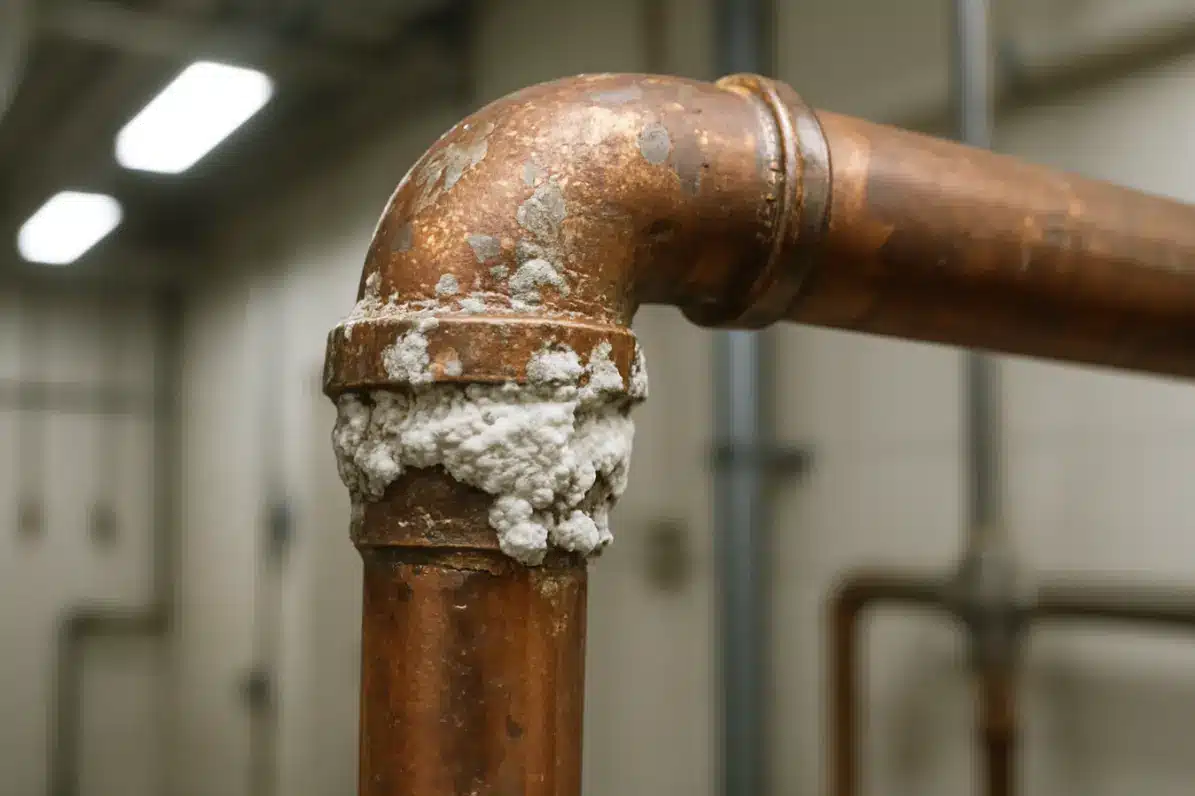
Miami’s coastal environment and tropical humidity make it more vulnerable to plumbing wear and tear than other cities. High salt content in the air, heavy seasonal rain, and constant moisture accelerate corrosion and material decay. Many older Miami homes still use outdated plumbing systems not designed for modern water pressure or usage levels. Combined with hard water, these factors lead to frequent leaks, mineral buildup, and pipe failures that can catch homeowners off guard.
What are the most common plumbing problems Miami homeowners should expect?
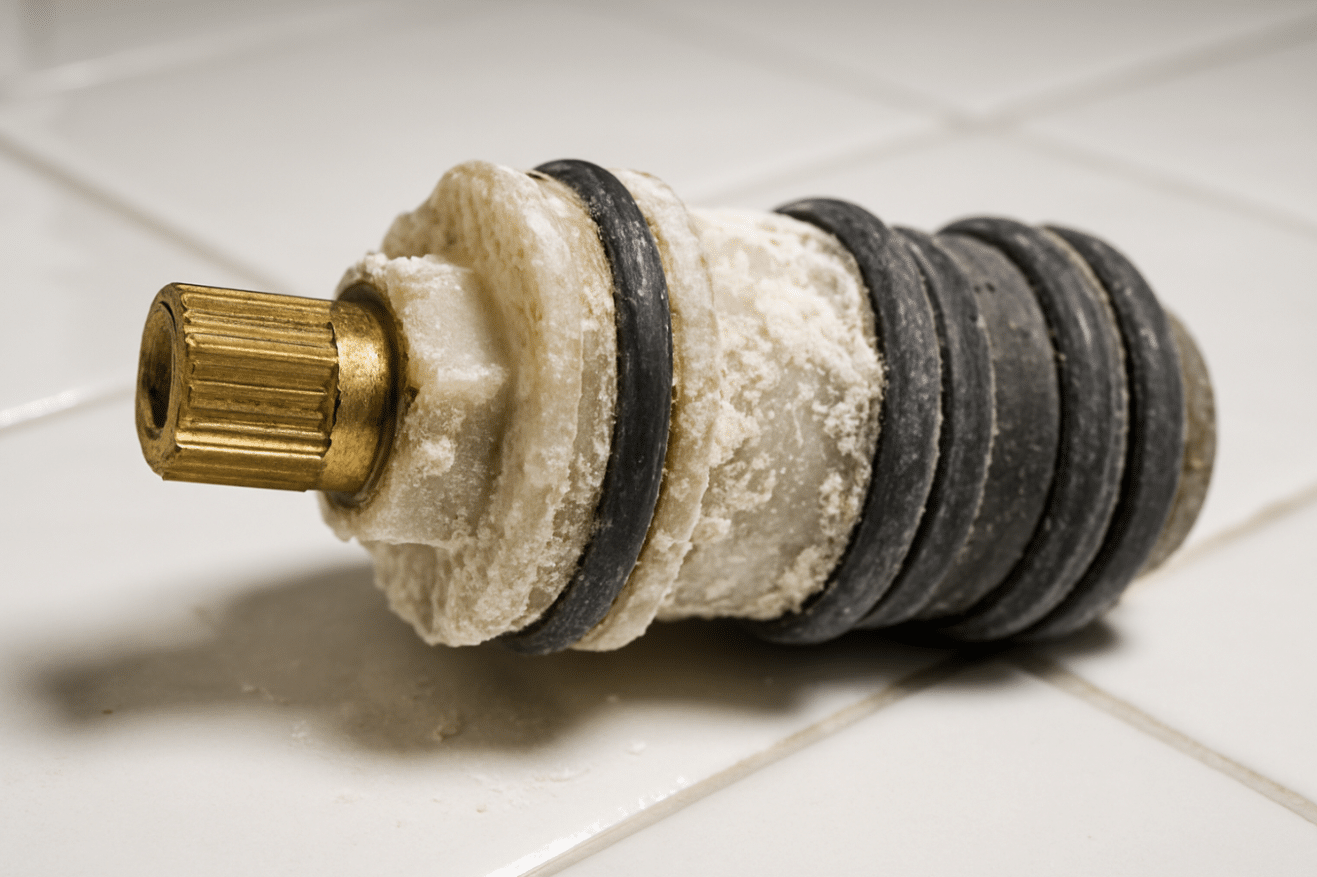
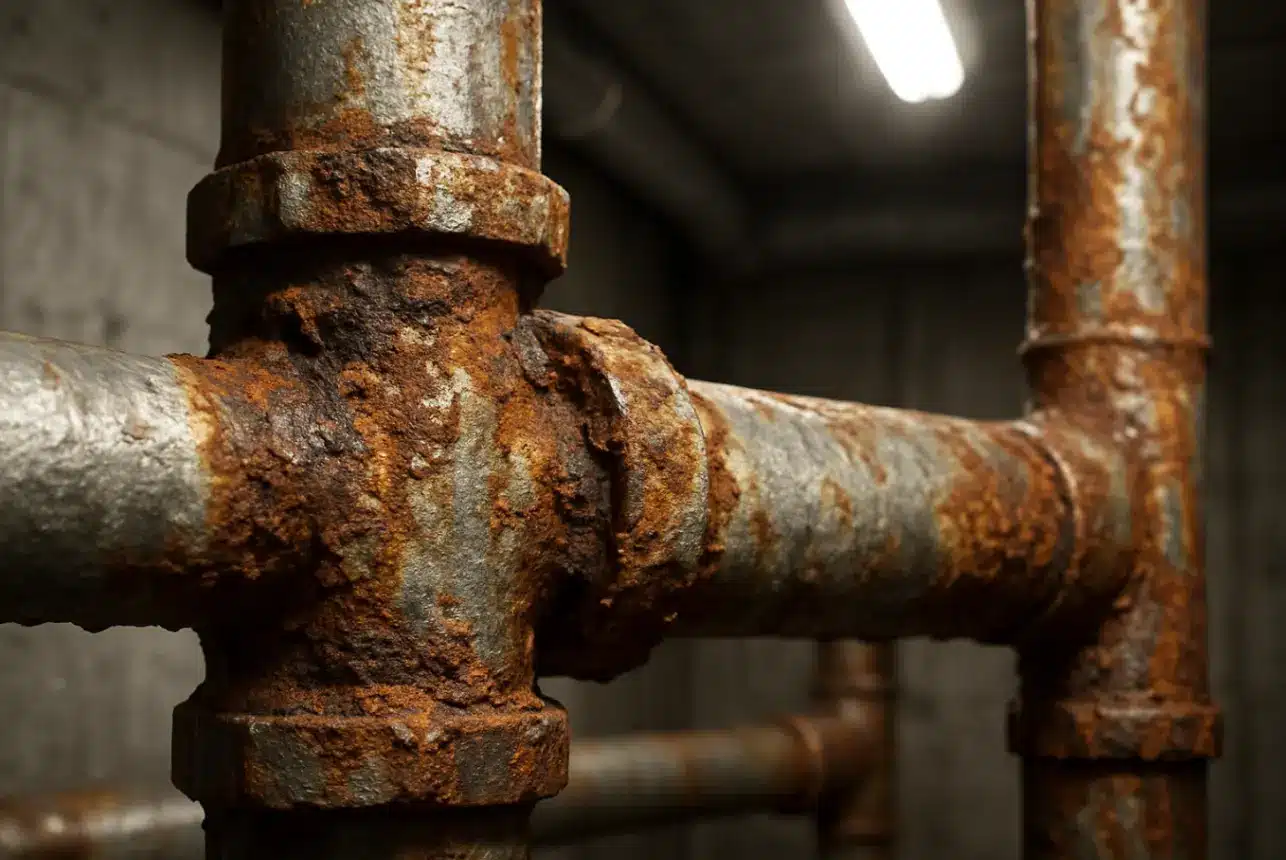
Pipe corrosion is one of the most common issues in coastal homes. Salt exposure causes metal pipes and fittings to deteriorate faster, leading to pinhole leaks that may go unnoticed until damage appears. Low water pressure is another frequent complaint, usually caused by mineral deposits narrowing pipes and restricting flow.
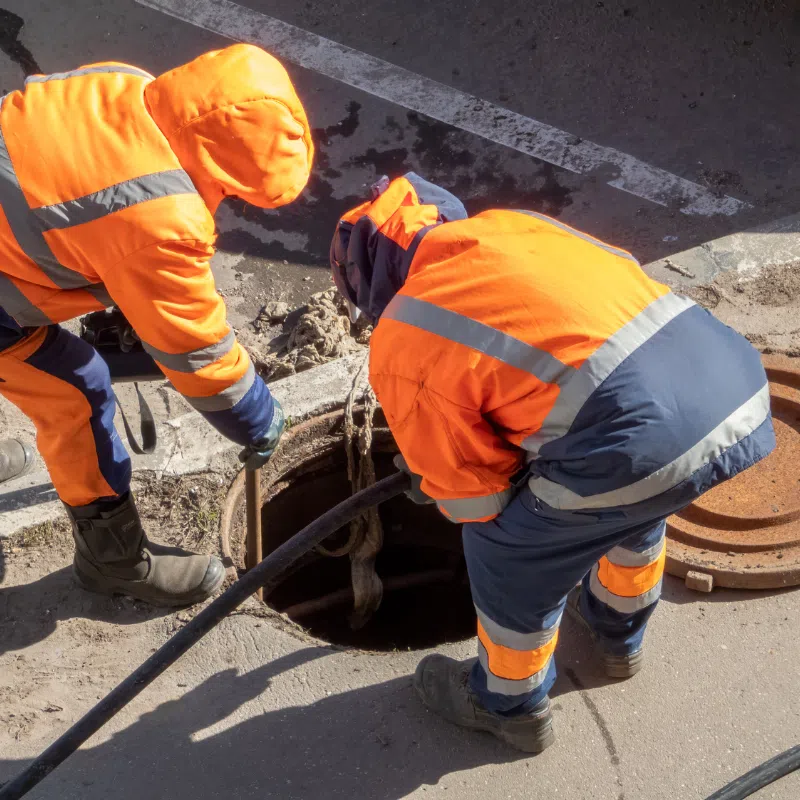
Clogged drains are also common, often from bathroom hair, soap scum, or kitchen grease buildup. Miami’s heavy rains and overworked municipal systems can worsen drainage, increasing the risk of backflow. If you’re unsure when small plumbing issues become serious, check our blog on when to call a plumber for expert guidance.
Water heater problems are frequent as well. Hard water sediment settles in tanks, reducing heating efficiency and shortening the supply of hot water. Even small issues like running toilets and dripping faucets can waste gallons daily and often signal developing system inefficiencies.
How does Miami’s environment affect underground and outdoor plumbing?
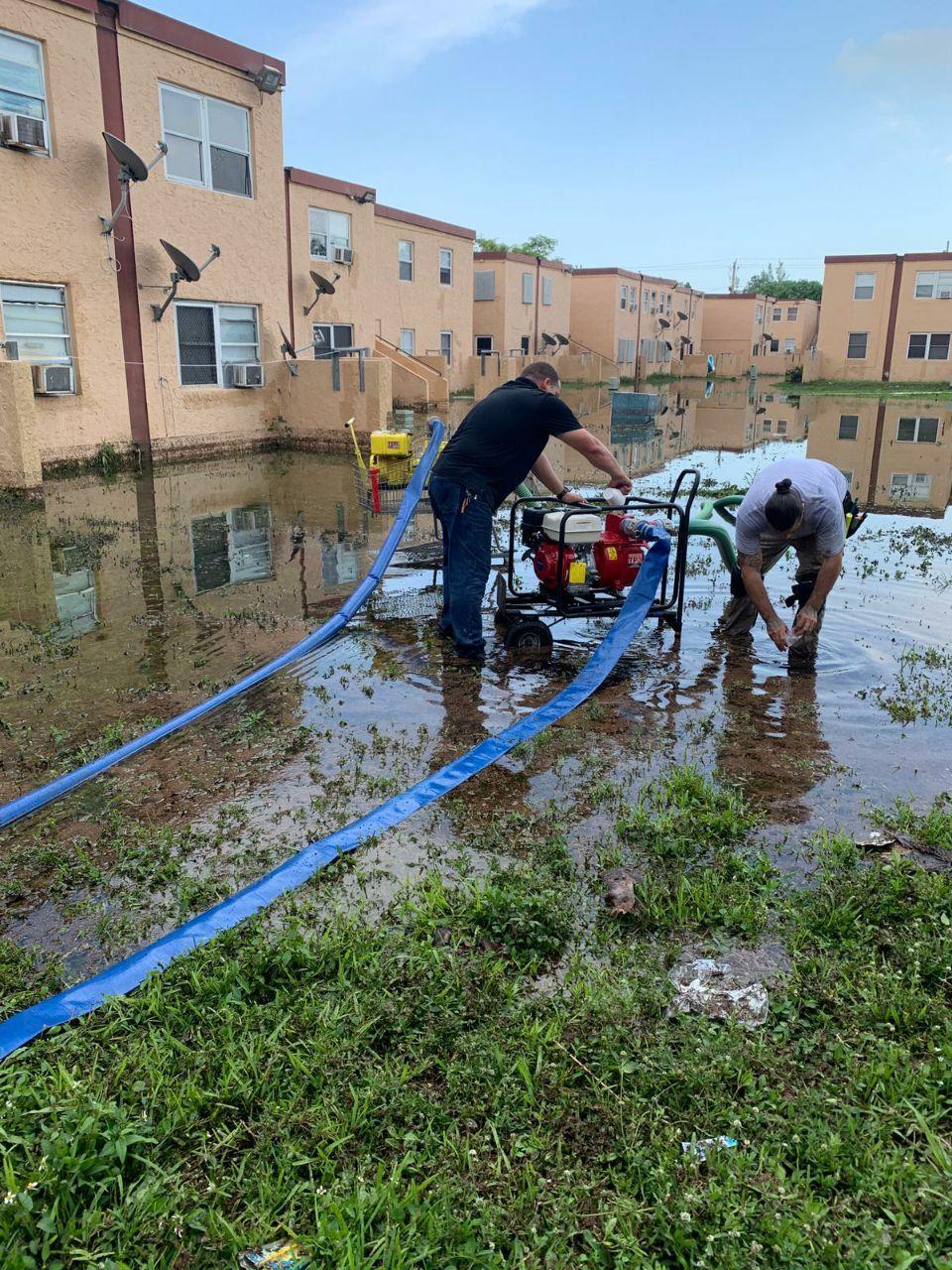
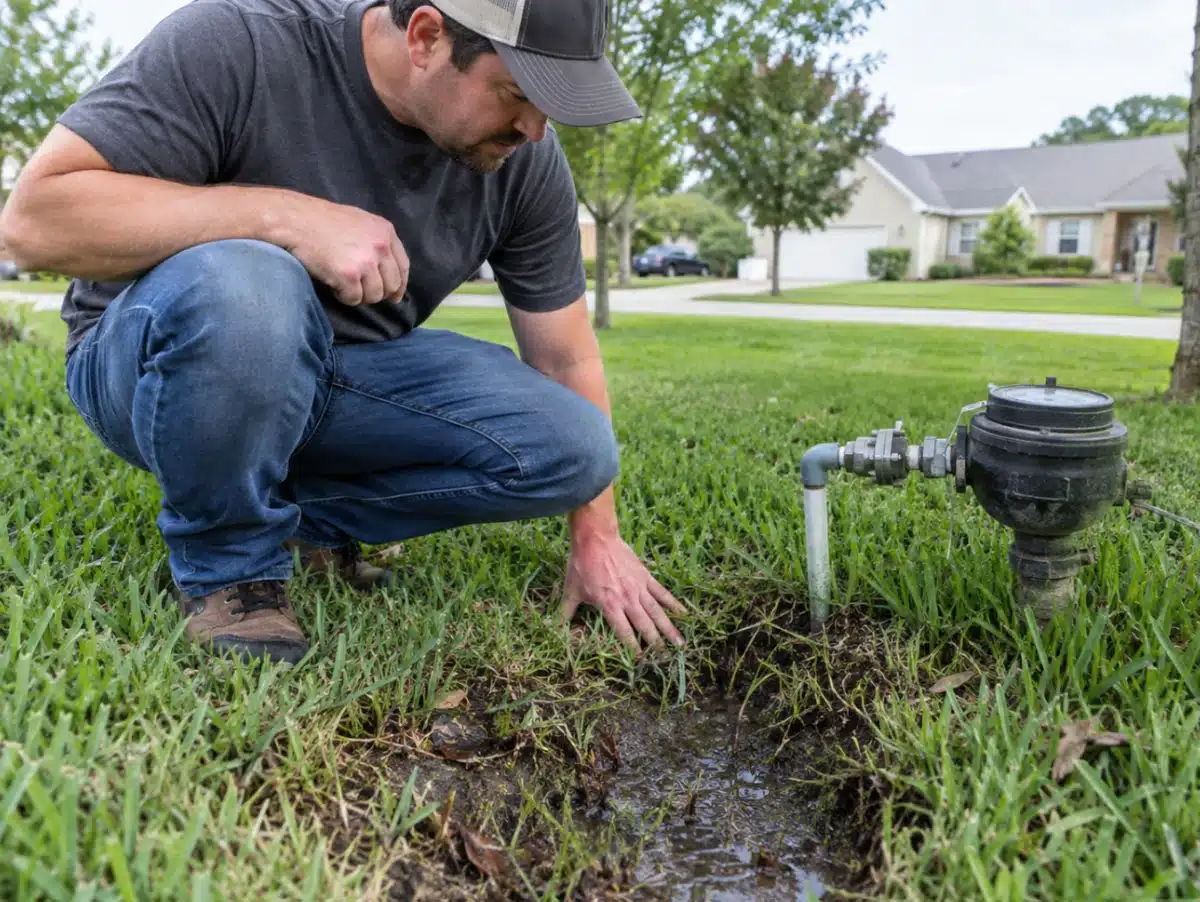
Miami’s high groundwater levels and shifting soil conditions place extra stress on underground plumbing lines. After heavy storms, pooling water softens the ground, causing pipes to shift or separate at joints. In coastal areas, saltwater intrusion accelerates corrosion in outdoor fixtures and irrigation systems. Homeowners should monitor irrigation lines for leaks and reduced pressure since neglected damage can lead to soil erosion and foundation problems.
What signs indicate you should call a plumber right away?
A sudden drop in water pressure, gurgling or banging noises, or damp patches on walls and ceilings are strong indicators that immediate plumbing attention is needed. Discolored or metallic-tasting water points to corrosion inside your pipes. Repeated clogs that temporarily clear and return often signal a deeper obstruction or cracked pipe. Also, keep an eye on your water bill—unexplained spikes in usage usually mean a hidden leak is wasting hundreds of gallons each month.
What preventative steps can Miami homeowners take now?
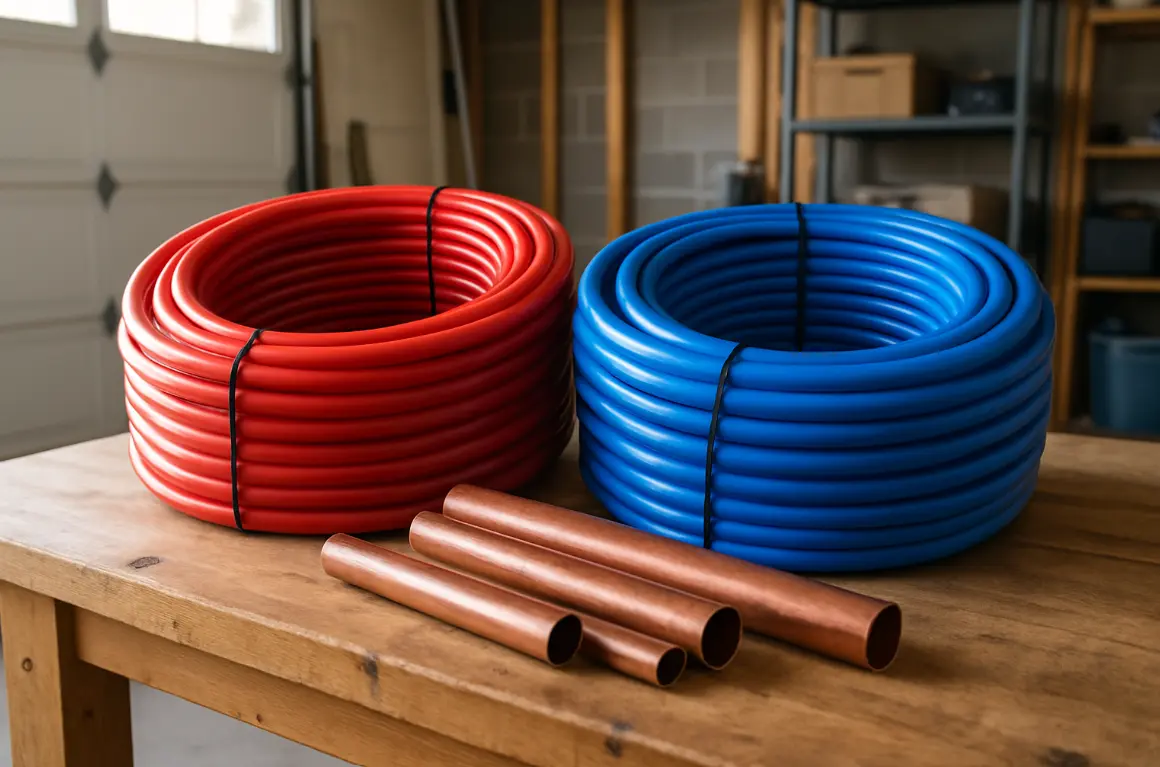
The most effective steps are both routine and targeted. Schedule an annual plumbing inspection to catch early corrosion, pipe movement, and weak joints before they worsen. Consider upgrading from old galvanized or cast iron lines to modern PEX or PVC pipes that resist corrosion and last longer. Installing a water softener helps prevent mineral buildup inside fixtures and appliances, improving both performance and lifespan. Maintain proper soil grading and clean gutters to keep water away from your foundation, and be careful what you flush or pour down drains avoid grease, large food particles, and fibrous materials that can cause clogs.
How should homeowners prepare plumbing for hurricane season?
Before hurricane season begins, secure outdoor hoses and fixtures, and inspect backflow preventers and sump pumps if your home has them. Clean gutters and downspouts so rainwater drains safely away from the foundation. For low-lying properties, ask a licensed plumber about installing backflow prevention systems to help avoid sewer backups during storms. With proactive planning and a professional inspection, you can avoid many post-storm plumbing issues.
Why hire a licensed, local Miami plumber instead of attempting DIY fixes?
Minor issues like a clogged sink trap or a running toilet might seem manageable, but Miami’s aging infrastructure and humid, salty environment can hide larger problems. Licensed local plumbers understand Miami-Dade building codes, the effects of salt air on materials, and common regional plumbing failures. They can detect hidden leaks, determine when pipes need full replacement, and recommend corrosion-resistant materials that suit South Florida’s climate. Hiring a licensed plumber ensures the job is code-compliant and prevents recurring repairs.
How can AM Florida Builders help Miami homeowners protect their plumbing system?
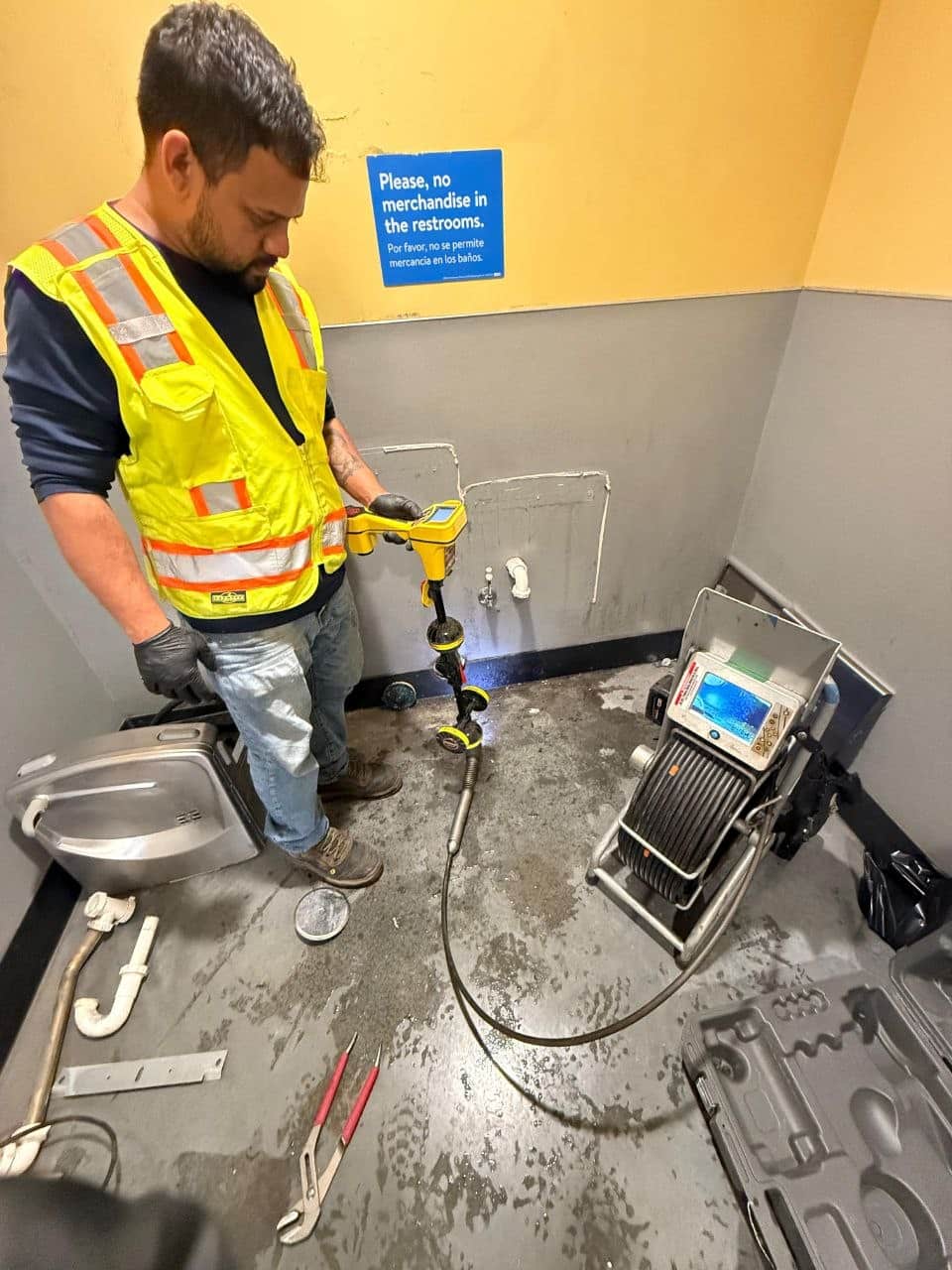
AM Florida Builders specializes in residential plumbing built to last in Florida’s climate. Our team handles detailed inspections, leak detection, pipe replacement, and water heater maintenance using corrosion- and mineral-resistant materials. For homeowners planning renovations or system upgrades, our Plumbing Services page outlines how we design systems for long-term durability and efficiency. We also offer emergency response services to address leaks or pipe failures quickly, minimizing damage.
What should a homeowner do next if they suspect a plumbing issue?
If you notice ongoing clogs, reduced water pressure, discoloration, or unexpected spikes in water bills, don’t wait schedule a professional inspection. Early detection saves both time and repair costs. For targeted repairs or upgrades, contact a licensed local plumber who understands Miami’s specific plumbing challenges.
Plumbing issues are part of every homeowner’s reality, but with regular inspections, smart upgrades, and preventive care, they can be easily managed. If you’d like expert help assessing your home’s plumbing or scheduling an inspection, AM Florida Plumbers is ready to assist. Reach out through our Contact Us page.
Frequently Asked Questions
-
Why do Miami homes seem to have more pipe corrosion than homes in other states?
Miami’s coastal environment is a major factor. The high salt content in the air and the extreme tropical humidity accelerate the oxidation process in metal pipes. This often leads to "pinhole leaks" in older copper or galvanized lines that can go undetected for months. At AM Florida Builders, we specialize in identifying these coastal-specific corrosion patterns and often recommend modern, corrosion-resistant materials like PEX for long-term reliability in South Florida's salty air.
-
Is low water pressure common in older neighborhoods like Coral Gables or Little Havana?
Yes, it is a very frequent complaint. In older Miami neighborhoods, low water pressure is usually caused by a combination of mineral scale buildup from hard water and internal rust inside aging galvanized pipes. These deposits narrow the diameter of the pipe, restricting the flow to your showerheads and faucets. AM Florida Builders can perform a thorough pressure test and inspection to determine if your system needs a professional descaling or a partial repipe to restore full water flow.
-
How does South Florida’s heavy rain affect my home's drainage and sewer lines?
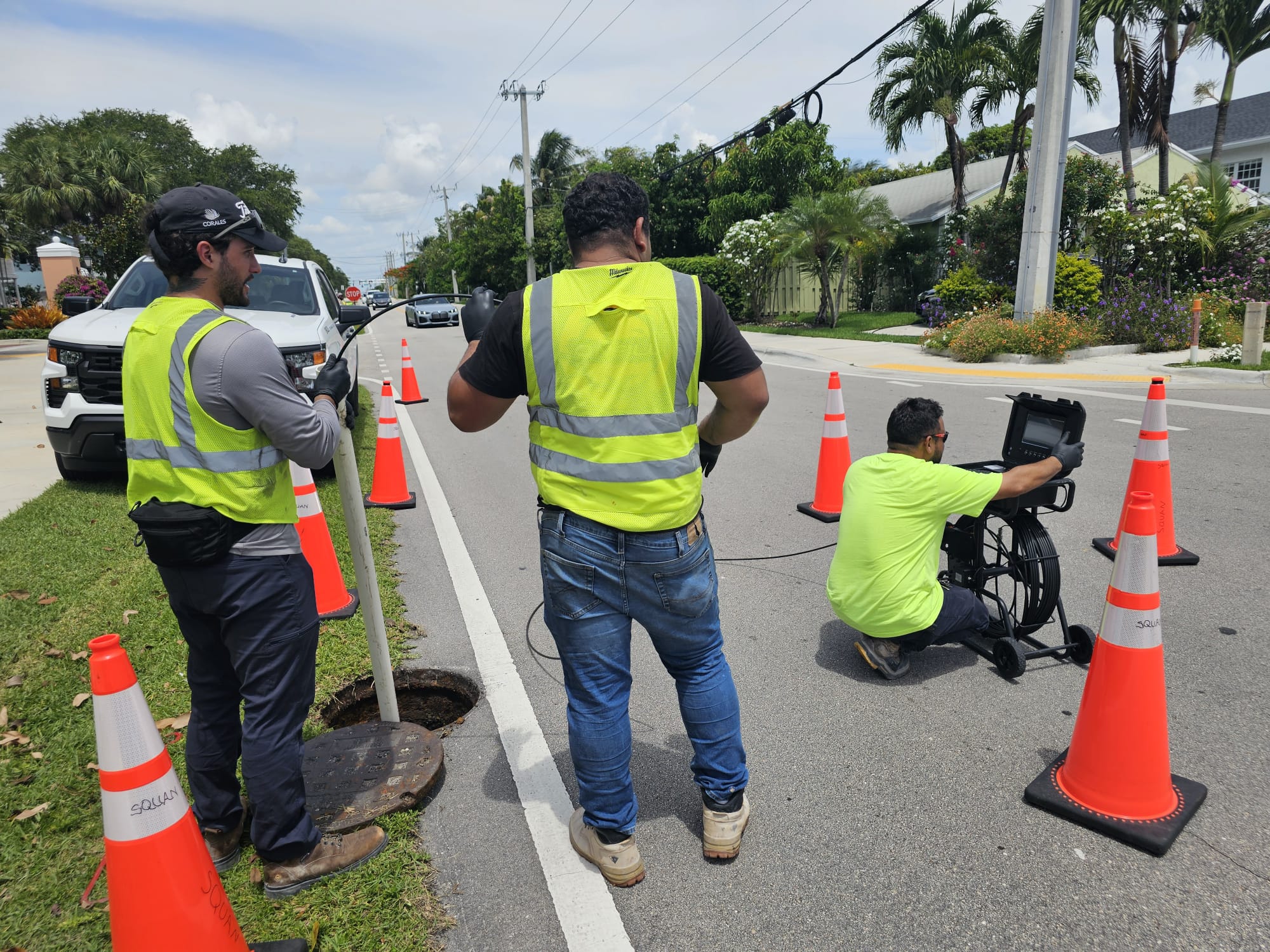
Heavy seasonal storms in Miami-Dade and Broward County can saturate the soil, causing underground pipes to shift or settle. This movement can lead to cracked joints or "bellies" in the line where debris collects and causes clogs. Furthermore, during intense rain, the municipal sewer systems can become overworked, increasing the risk of backflow into your home. AM Florida Builders recommends installing backflow preventers and performing regular sewer camera inspections to ensure your lines are clear and secure before hurricane season begins.
Contents
- 1 Why do Miami homes experience more plumbing issues than other cities?
- 2 What are the most common plumbing problems Miami homeowners should expect?
- 3 How does Miami’s environment affect underground and outdoor plumbing?
- 4 What signs indicate you should call a plumber right away?
- 5 What preventative steps can Miami homeowners take now?
- 6 How should homeowners prepare plumbing for hurricane season?
- 7 Why hire a licensed, local Miami plumber instead of attempting DIY fixes?
- 8 How can AM Florida Builders help Miami homeowners protect their plumbing system?
- 9 What should a homeowner do next if they suspect a plumbing issue?
- 10 Frequently Asked Questions