Most people don’t think about their plumbing system until something goes wrong. A leaking pipe, clogged drain, or water heater failure can quickly disrupt daily activities and lead to unexpected repair costs. The good news is that many plumbing issues can be identified and addressed long before they become major problems.
Routine plumbing inspections are one of the most effective ways to maintain the health of your plumbing system. Whether you own a home, manage a commercial property, or oversee multiple buildings, understanding how often plumbing should be inspected can help you avoid costly repairs, improve efficiency, and extend the lifespan of your plumbing infrastructure.
Why Regular Plumbing Inspections Matter
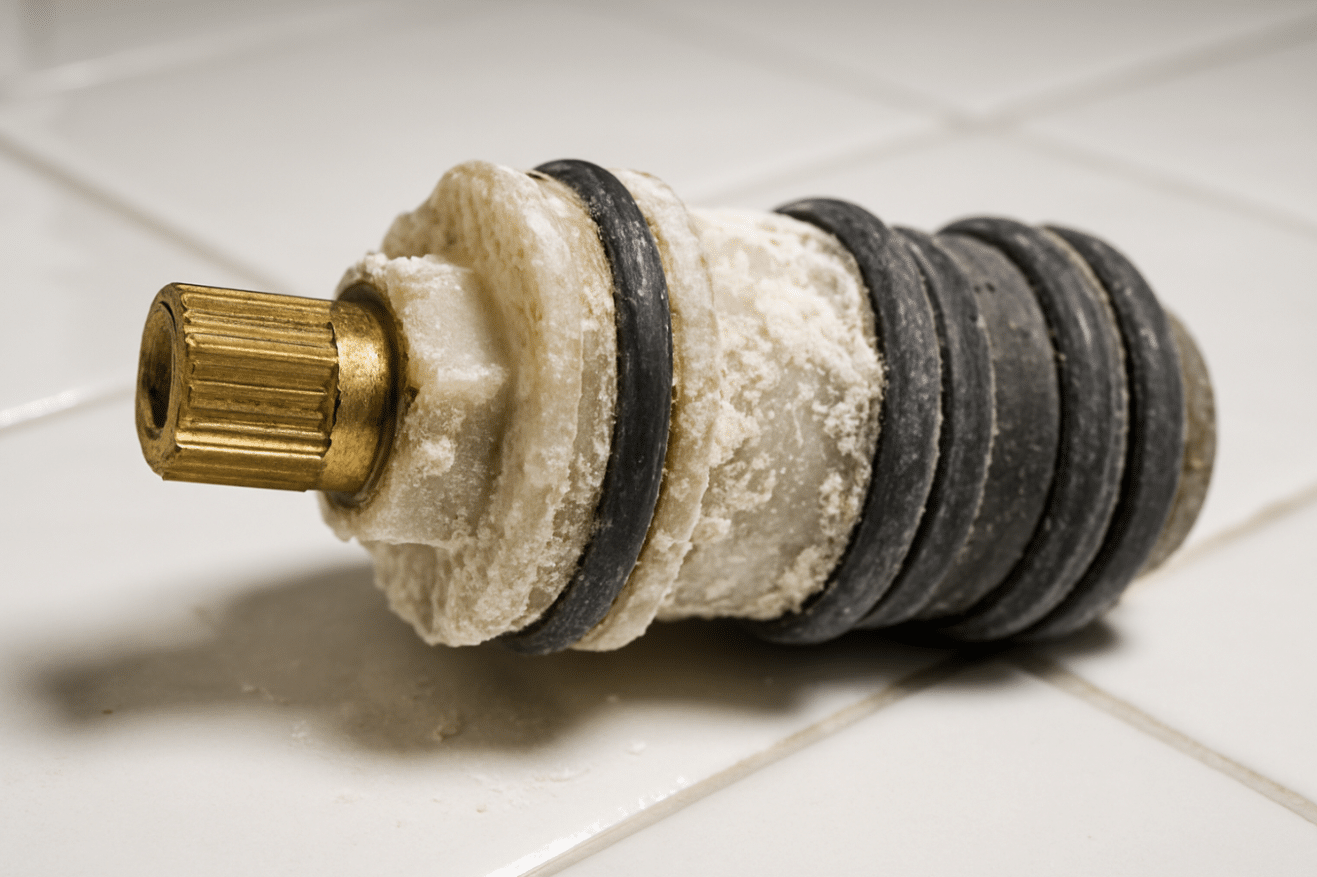
Your plumbing system works behind the scenes every day, making it easy to overlook small problems as they develop. Minor leaks, pipe corrosion, drainage issues, and aging fixtures can often go unnoticed until they begin causing visible damage.
Regular inspections help:
- Identify hidden leaks
- Prevent costly repairs
- Improve water efficiency
- Extend the life of plumbing systems
- Reduce the risk of unexpected breakdowns
- Protect property value
Taking a proactive approach can often save significantly more than waiting for a plumbing emergency to occur.
How Often Should Residential Plumbing Be Inspected?
For most homeowners, a professional plumbing inspection should be performed at least once a year.
Annual inspections allow plumbing professionals to evaluate the condition of pipes, fixtures, water heaters, drains, and other key components. Even if everything appears to be functioning normally, hidden issues may be developing behind walls or underground.
Older homes may benefit from more frequent inspections, particularly if they contain aging pipes or have a history of plumbing problems.
How Often Should Commercial Plumbing Be Inspected?
Commercial properties typically require more frequent inspections due to higher usage levels and greater system demands.
Depending on the property type, inspections may be recommended:
- Annually for smaller office buildings
- Semi-annually for high-traffic facilities
- Quarterly for restaurants, healthcare facilities, schools, and other heavily used properties
Routine inspections can help businesses minimize disruptions, maintain compliance, and reduce unexpected repair costs.
Signs You Should Schedule an Inspection Sooner
Even if your next scheduled inspection isn’t due yet, certain warning signs shouldn’t be ignored.
Consider scheduling an inspection if you notice:
1. Unexplained Increases in Water BillsĀ Ā
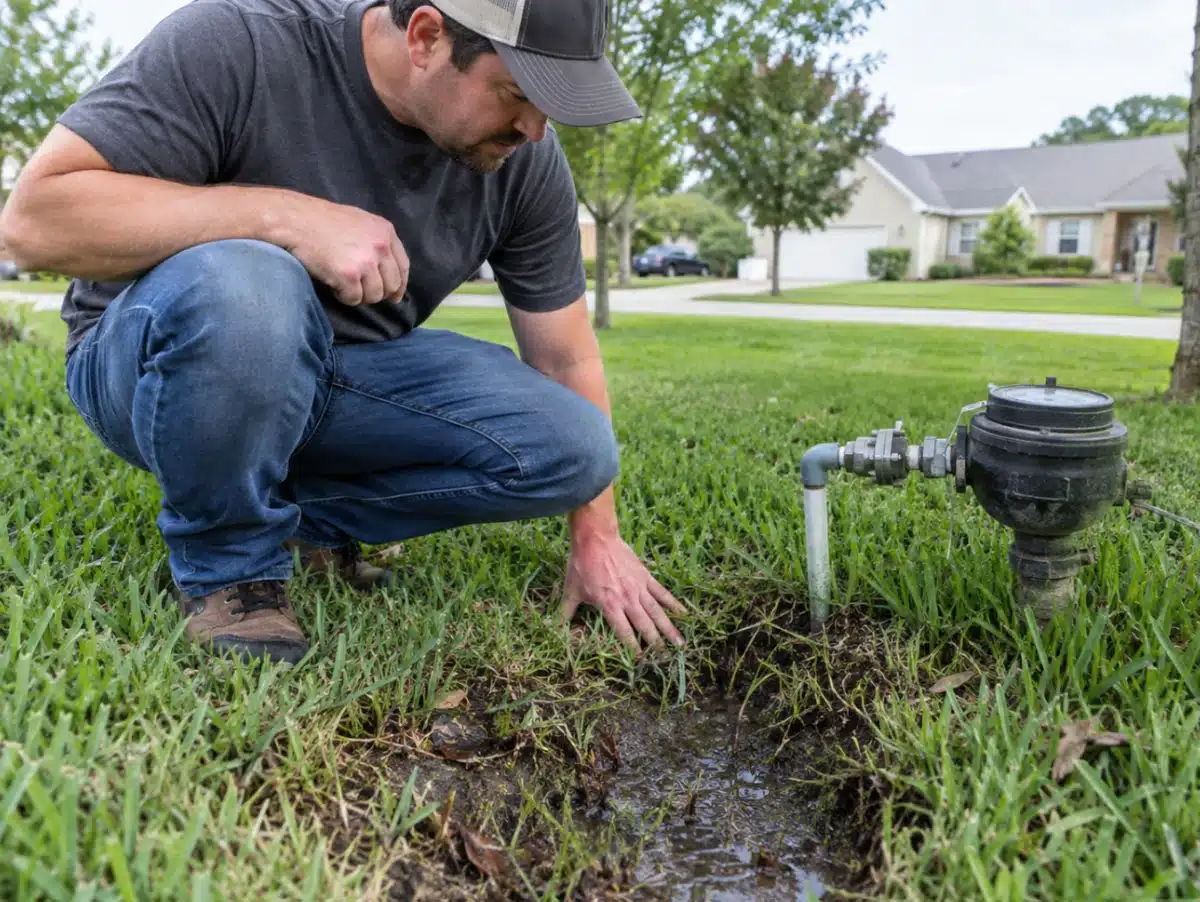
A sudden spike in water usage may indicate a hidden leak or inefficient plumbing fixture.
2. Low Water Pressure
Reduced pressure can be caused by leaks, corrosion, blockages, or water line issues
3. Slow Drains
Recurring drainage problems may signal buildup, pipe damage, or sewer line concerns.
4. Discolored Water
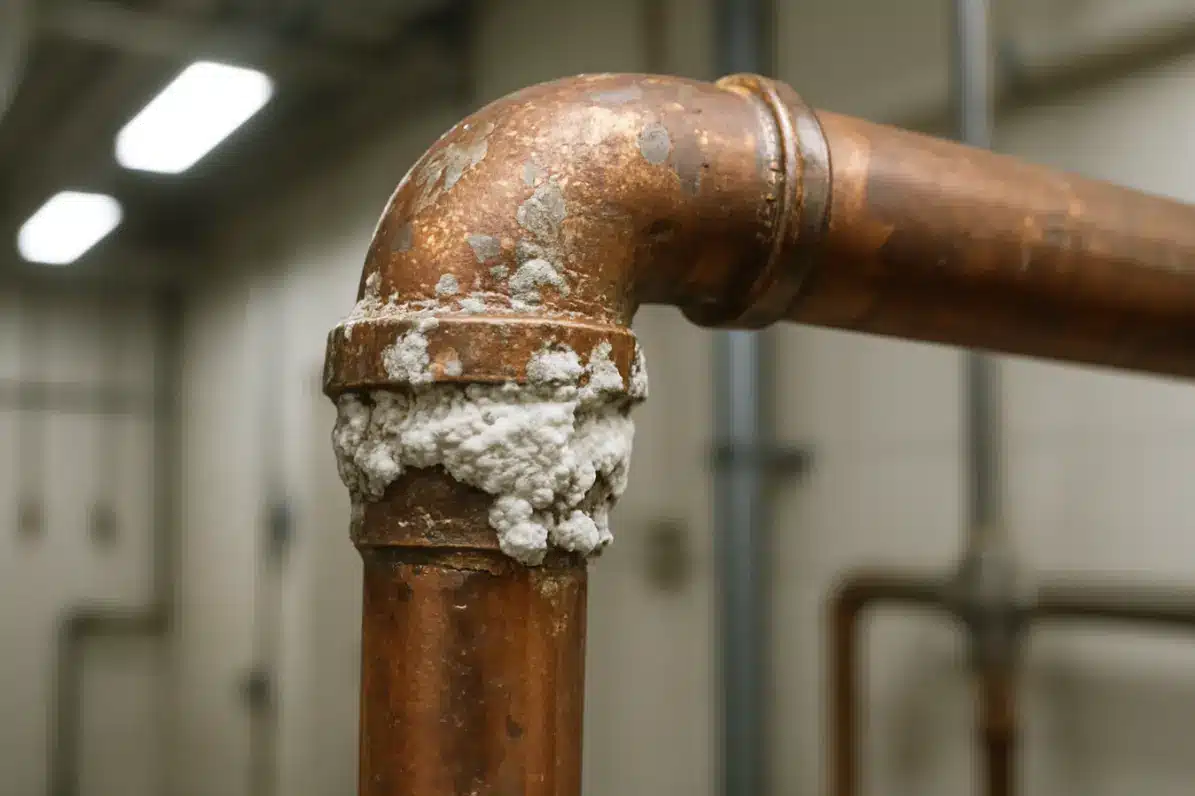
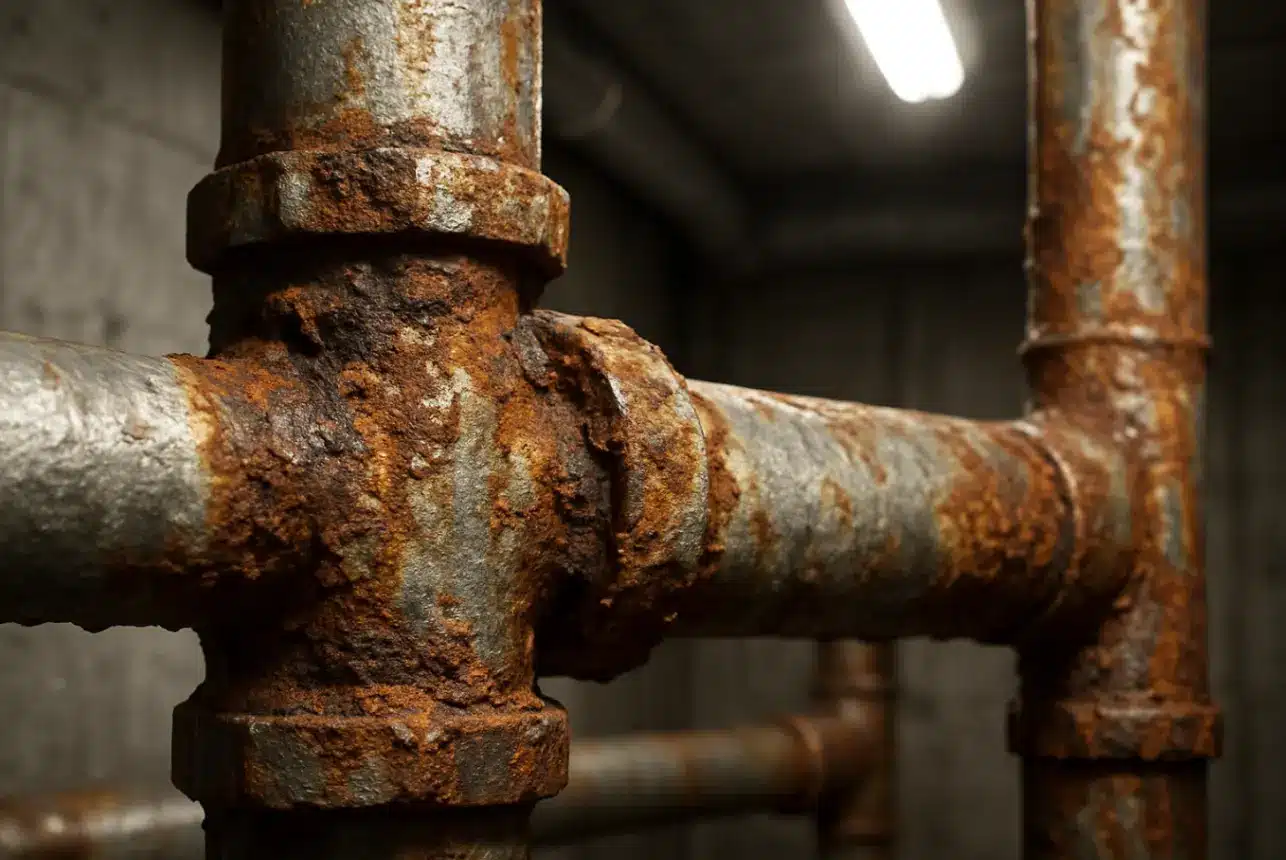
Brown, yellow, or rusty water may indicate corrosion within the plumbing system.
5. Frequent Plumbing Repairs
If you’re repeatedly fixing leaks, clogs, or other plumbing issues, a comprehensive inspection can help identify the underlying cause.
What Happens During a Plumbing Inspection?
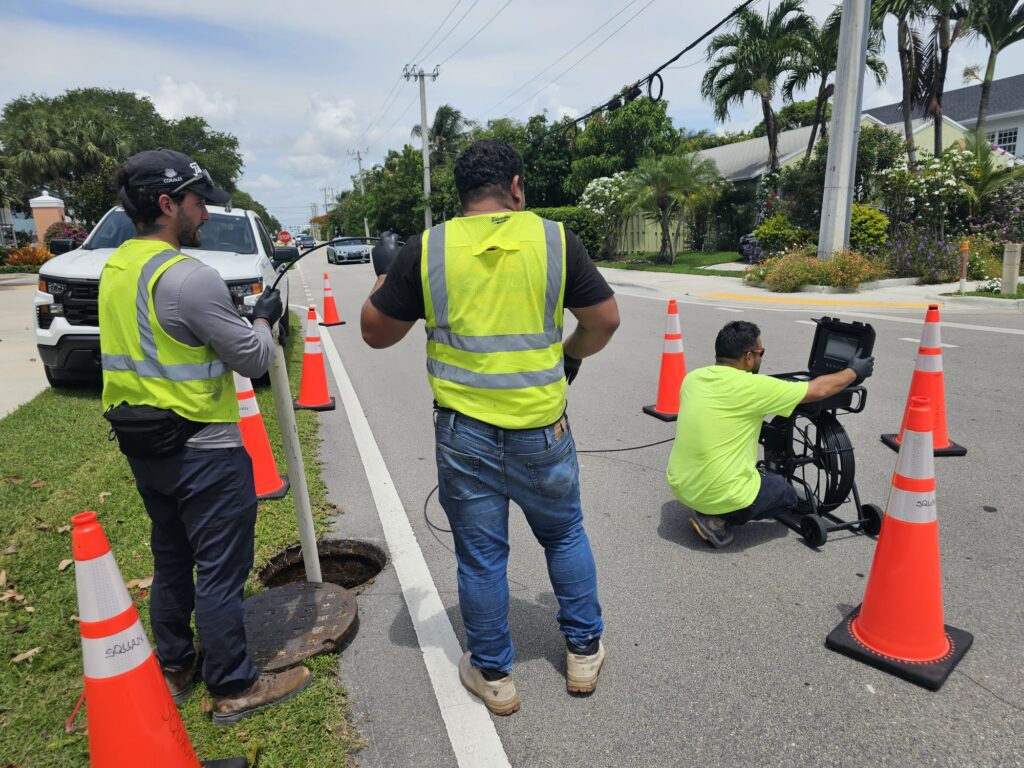
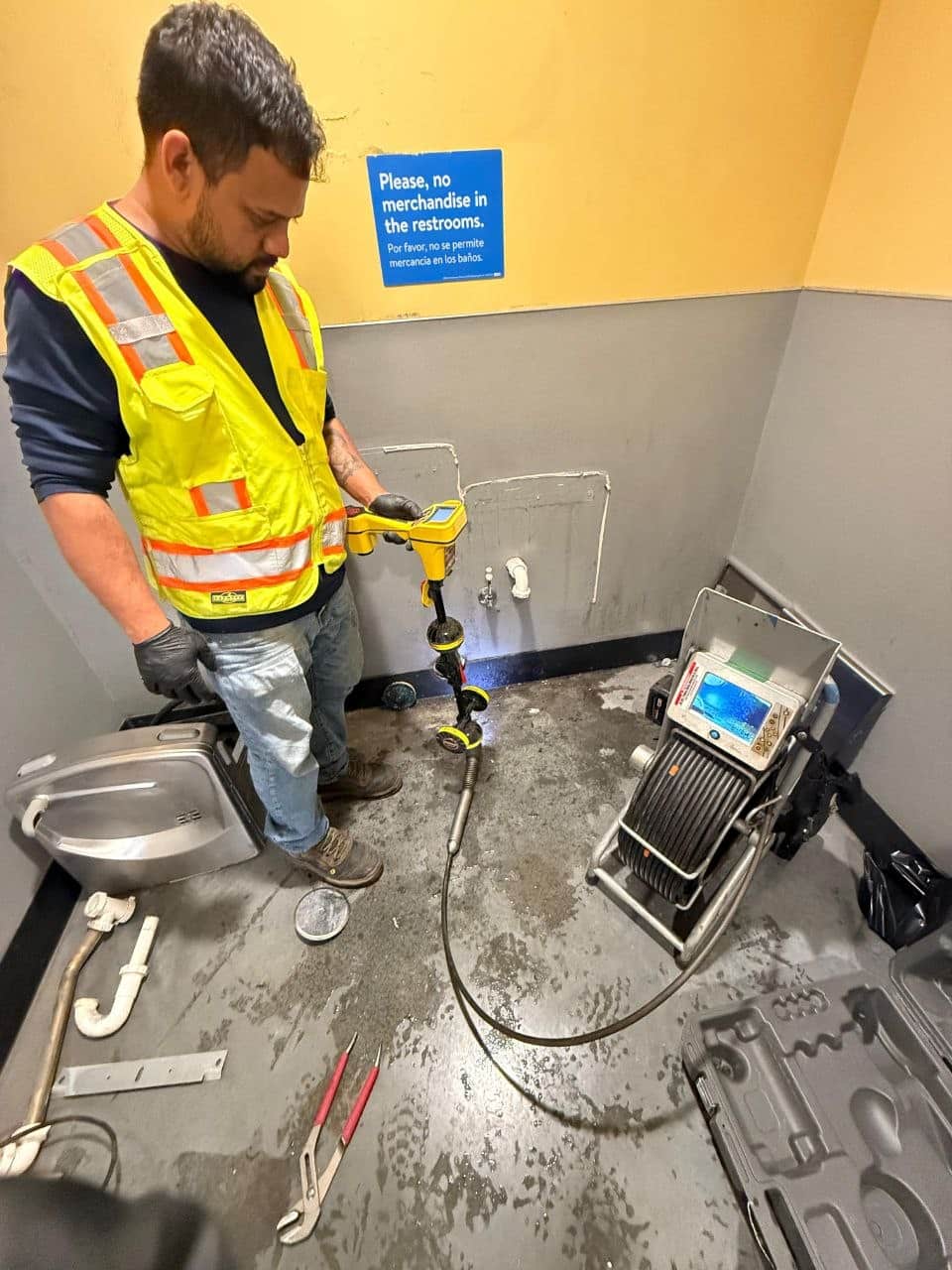
A professional plumbing inspection typically involves a thorough evaluation of the property’s plumbing system.
Areas commonly inspected include:
- Water supply lines
- Drainage systems
- Fixtures and faucets
- Toilets
- Water heaters
- Shut-off valves
- Visible pipes
- Signs of leaks or corrosion
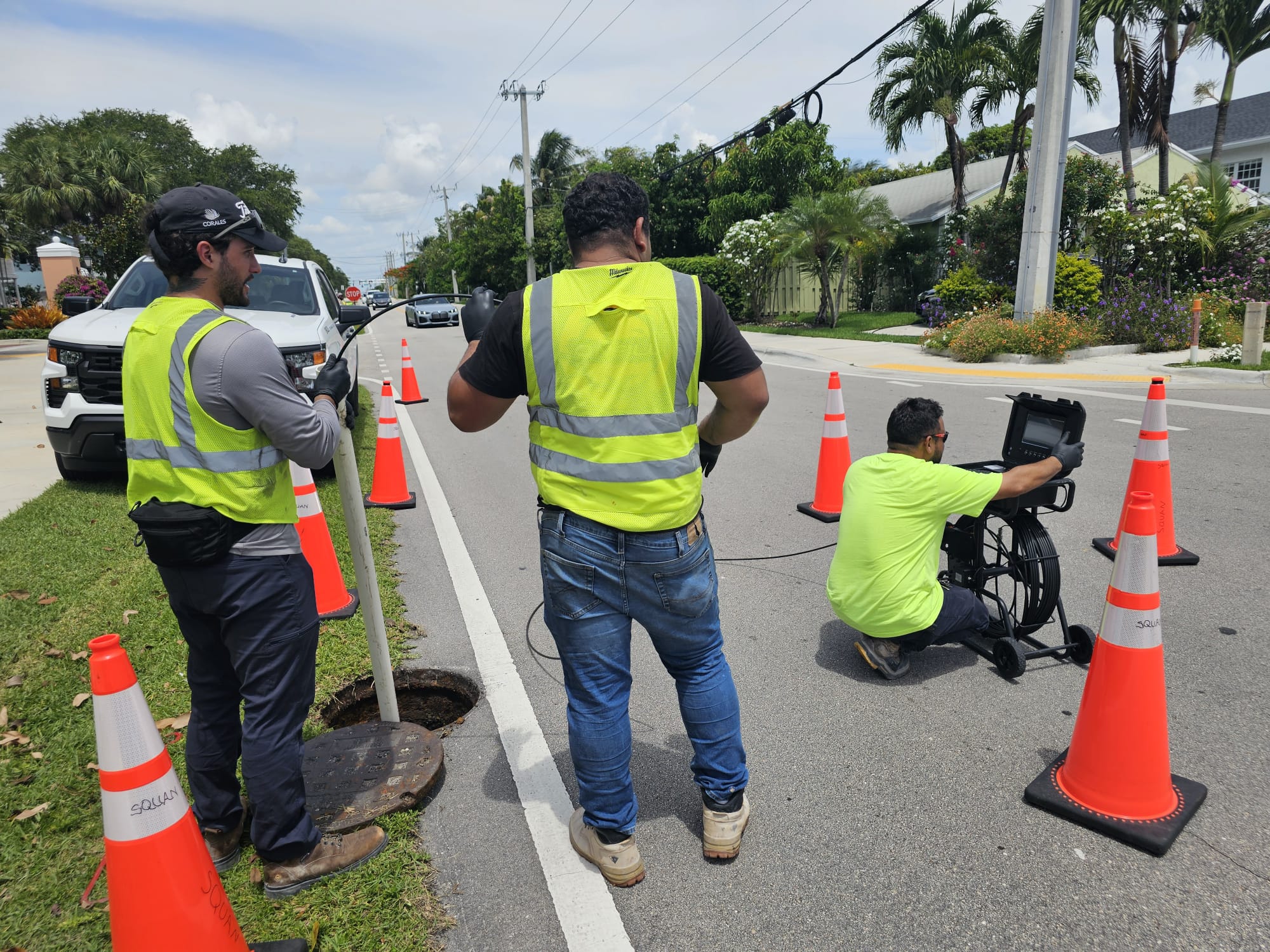
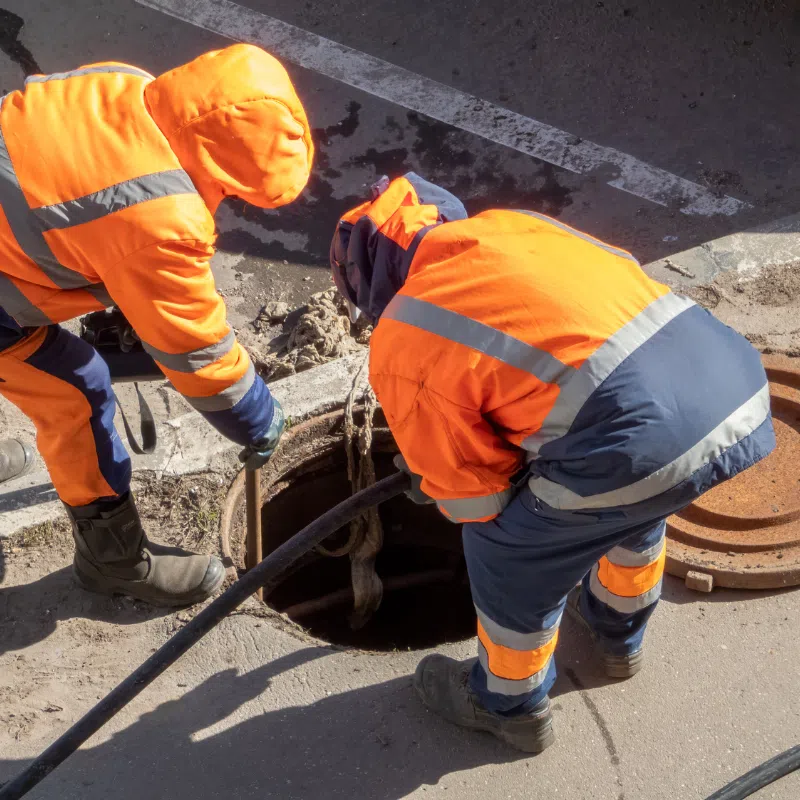
Depending on the property and any existing concerns, additional inspections of sewer lines or underground plumbing components may also be recommended.
Factors That Affect Inspection Frequency
Not all properties have the same plumbing needs. Several factors may influence how often inspections should be scheduled.
Property Age
Older properties often have aging pipes and fixtures that require closer monitoring.
Plumbing Material
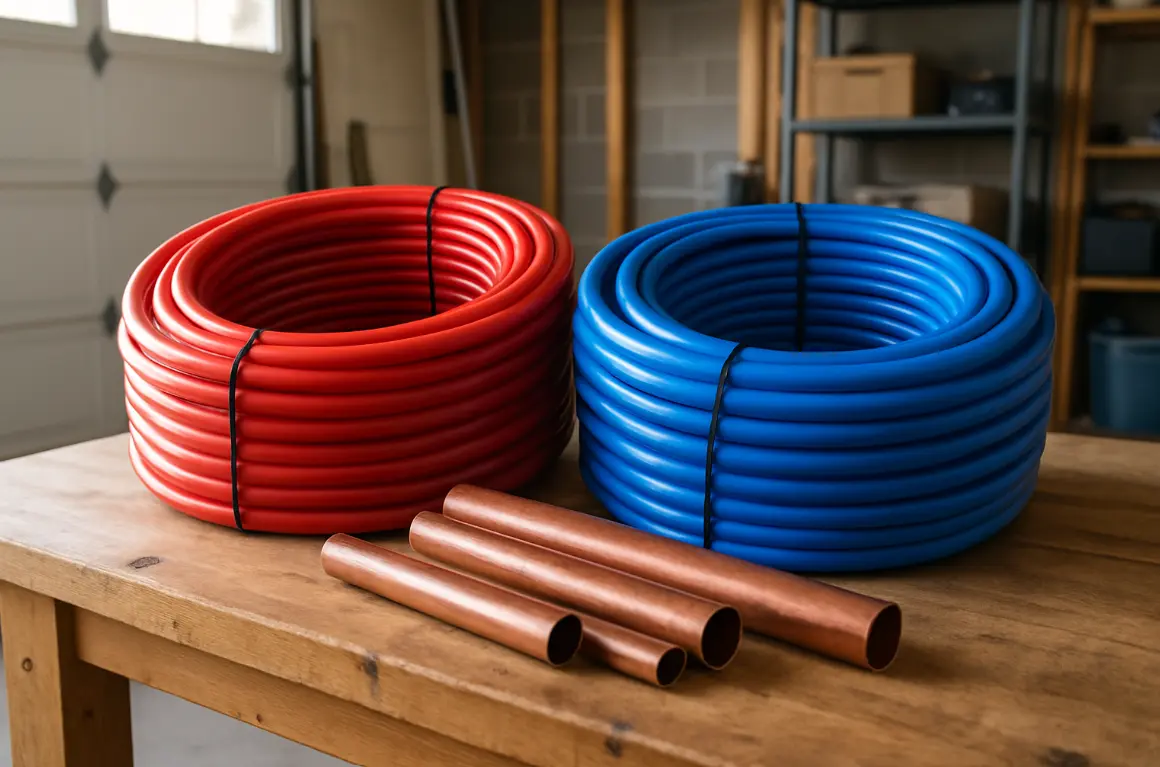
Certain pipe materials may be more susceptible to corrosion, leaks, or deterioration over time.
Usage Levels
Properties with higher occupancy or heavier water usage generally experience more wear on plumbing systems.
Previous Plumbing Issues
A history of leaks, backups, or recurring repairs may warrant more frequent inspections.
Florida-Specific Plumbing Considerations
Florida’s climate and environmental conditions can place additional stress on plumbing systems.
Property owners should be aware of:
- High humidity levels
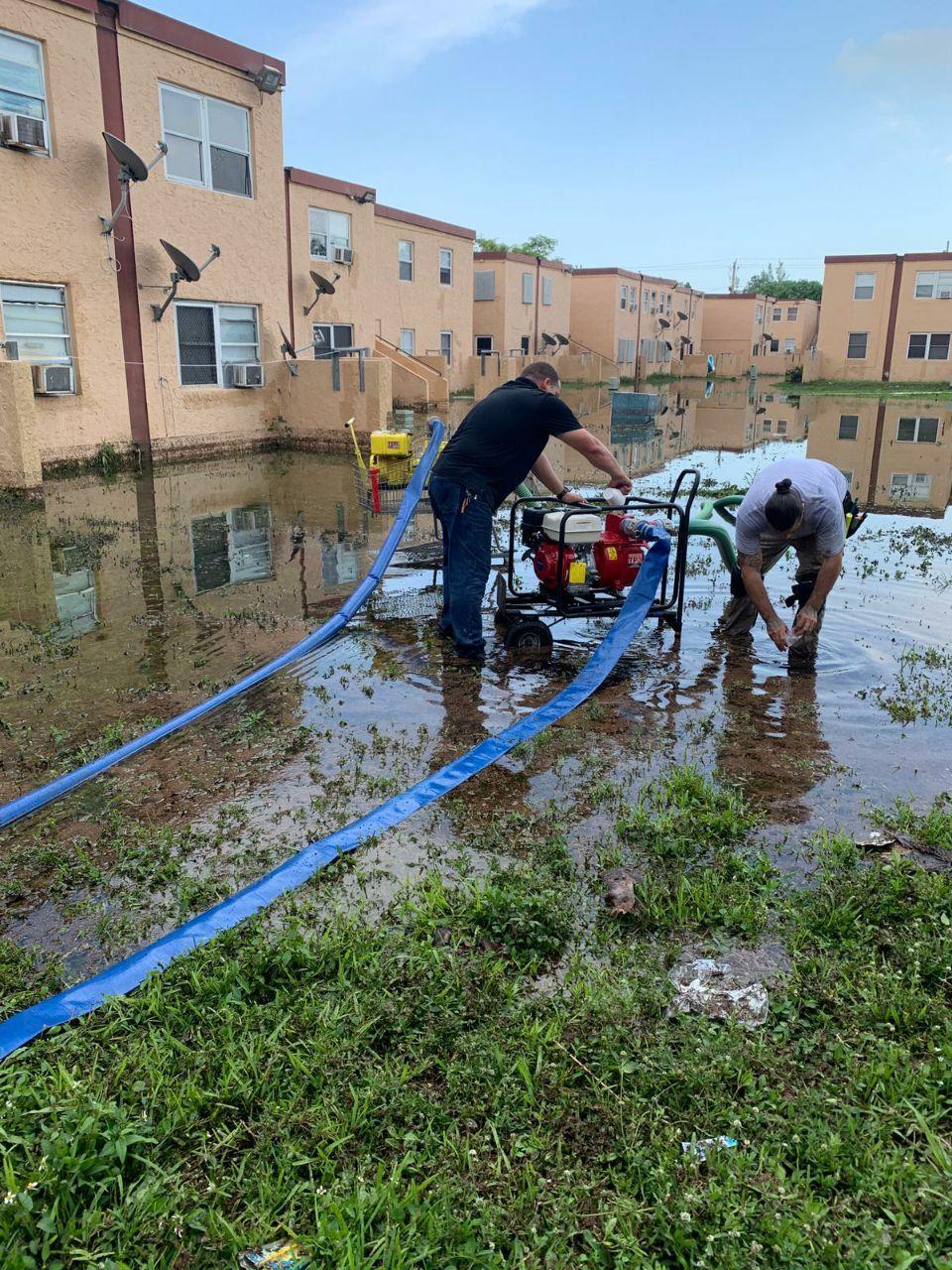
- Heavy rainfall and storms
- Tree root intrusion
- Aging infrastructure in older communities
- Shifting soil conditions
These factors can contribute to leaks, drainage issues, and underground pipe damage, making routine inspections especially valuable.
Benefits of Preventive Plumbing Maintenance
Regular inspections are a key part of a broader preventive maintenance strategy.
Benefits may include:
- Lower repair costs
- Improved plumbing performance
- Reduced water waste
- Greater system reliability
- Fewer emergency service calls
- Longer equipment lifespan
Investing in routine maintenance can often prevent much larger expenses in the future.
When to Schedule Your Next Inspection
If it’s been more than a year since your plumbing system was professionally evaluated, now may be the right time to schedule an inspection. Regular assessments can help uncover hidden issues, improve efficiency, and provide peace of mind knowing your plumbing system is in good condition.
A proactive inspection today can help prevent costly repairs tomorrow. Planning to have your plumbing inspected soon? Get a quote now.
Ā
Frequently Asked Questions
-
Is an annual plumbing inspection really necessary?
Yes. Annual inspections help identify hidden leaks, worn components, and other developing issues before they become expensive repairs or plumbing emergencies.
-
How long does a plumbing inspection take?
The length of an inspection depends on the size and complexity of the property, but most residential inspections can be completed within a few hours.
-
Can a plumbing inspection help lower water bills?
Potentially. Inspections can uncover hidden leaks, inefficient fixtures, and other issues that may be increasing water consumption and utility costs.
Contents
- 1 Why Regular Plumbing Inspections Matter
- 2 How Often Should Residential Plumbing Be Inspected?
- 3 How Often Should Commercial Plumbing Be Inspected?
- 4 Signs You Should Schedule an Inspection Sooner
- 5 What Happens During a Plumbing Inspection?
- 6 Factors That Affect Inspection Frequency
- 7 Florida-Specific Plumbing Considerations
- 8 Benefits of Preventive Plumbing Maintenance
- 9 When to Schedule Your Next Inspection
- 10 Frequently Asked Questions