If you’ve just scheduled your first plumbing inspection, you might be wondering what exactly is going to happen and why it matters so much. Whether you’ve just moved into a new home, are planning a renovation, or simply want peace of mind, a plumbing inspection is one of the smartest investments you can make for your property. Think of it as a full “health check-up” for your pipes, drains, and fixtures—catching small issues before they snowball into expensive disasters.
In Florida, where weather, water quality, and local building codes can put extra pressure on plumbing systems, having a professional look over your setup isn’t just nice—it’s essential. So, let’s break down what you can expect during your first plumbing inspection and why skipping it is never a good idea.
What Happens During a Plumbing Inspection?
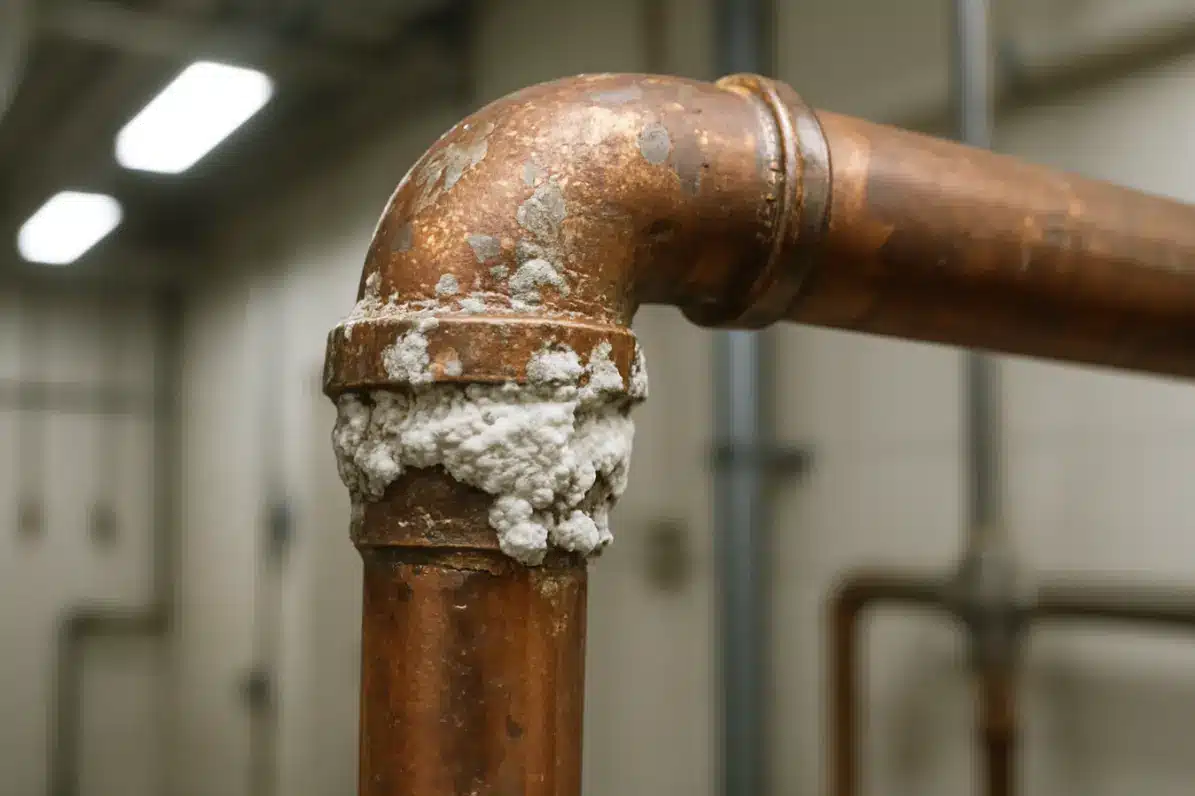
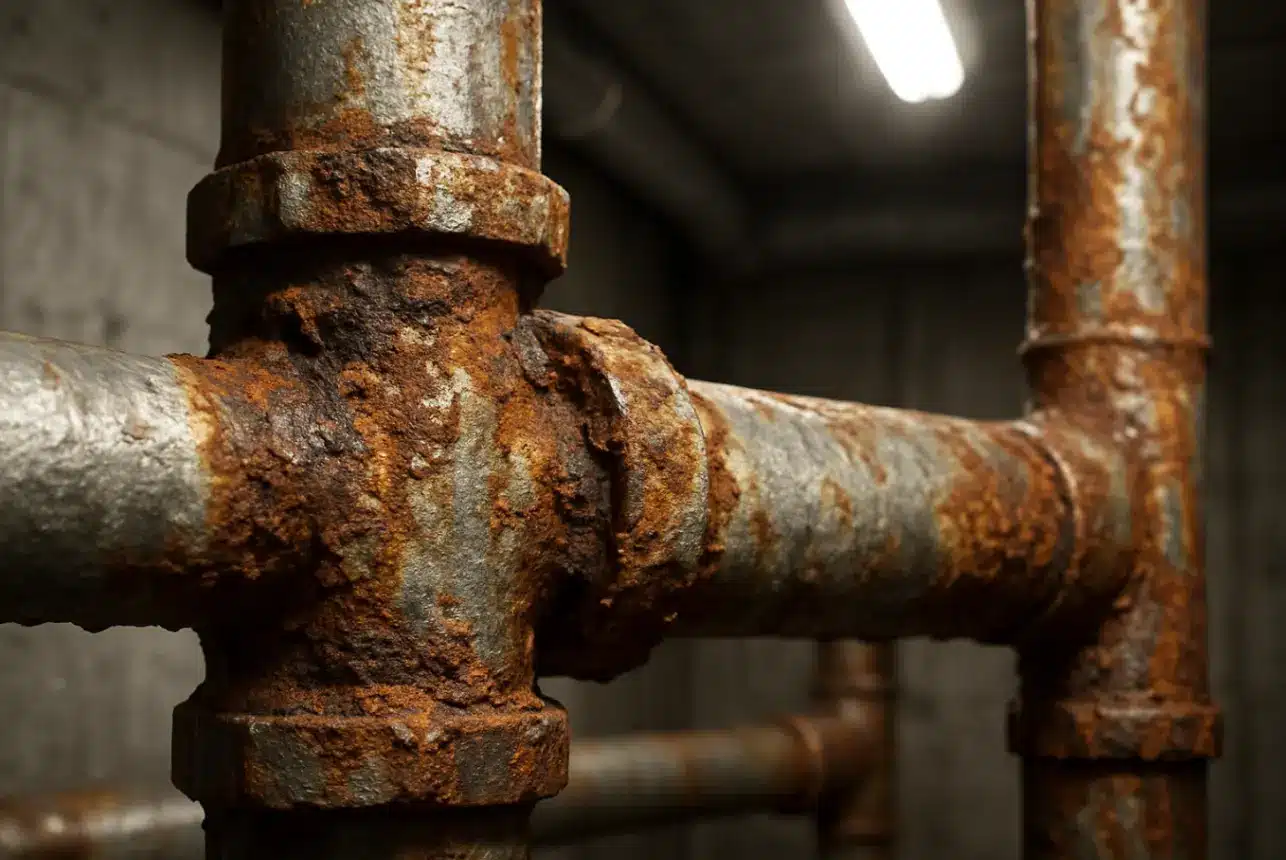
A plumbing inspection typically starts with a walk-through of your home’s entire water system. Your plumber will check both visible and hidden areas—sinks, toilets, tubs, showers, water heaters, supply lines, drains, and even your main water shut-off valve. In Florida homes, this often includes looking for signs of corrosion caused by humidity, mineral buildup from hard water, and any leaks that might not be obvious to the naked eye.
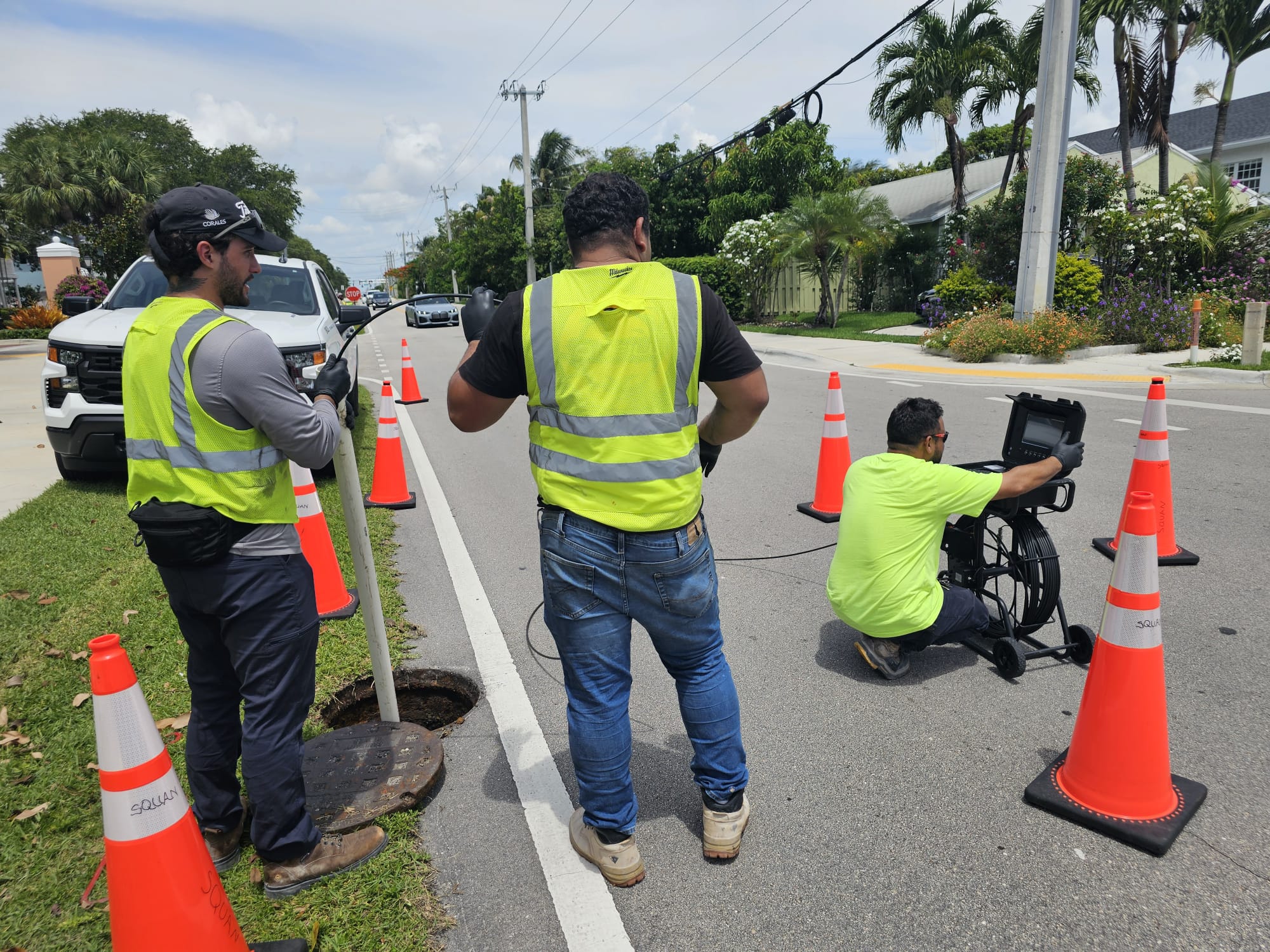
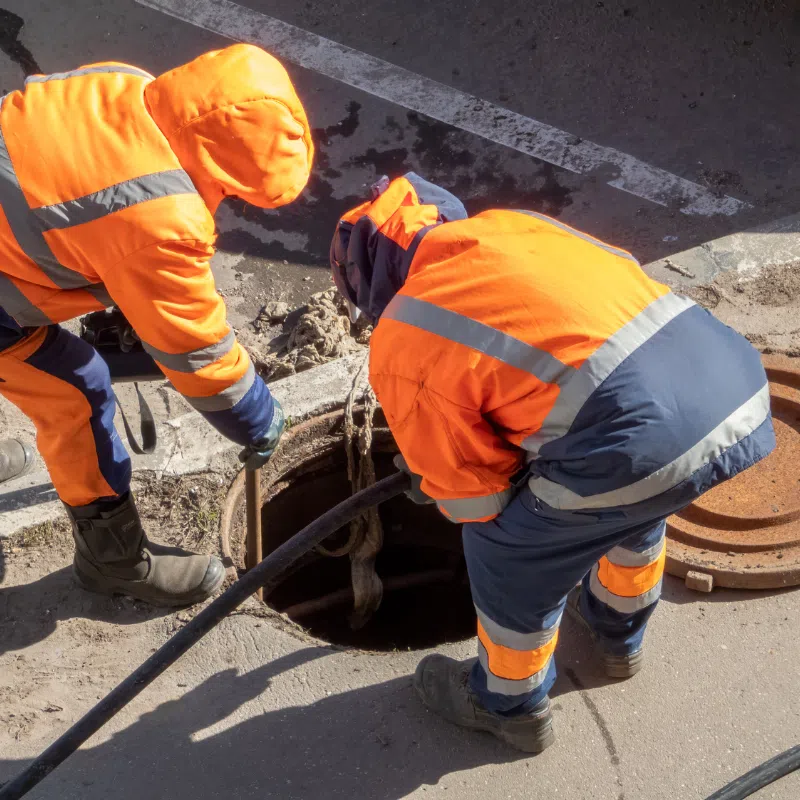
Your plumber might also use specialized tools such as cameras to inspect inside your pipes. This allows them to see blockages, cracks, or tree root intrusions without having to dig anything up. The inspection is thorough because water damage can be sneaky—it doesn’t always show until it’s too late.
By the end of the inspection, you’ll get a detailed report outlining any issues found, along with recommendations for repairs or preventive maintenance.
Why is a Plumbing Inspection Important for Florida Homes?
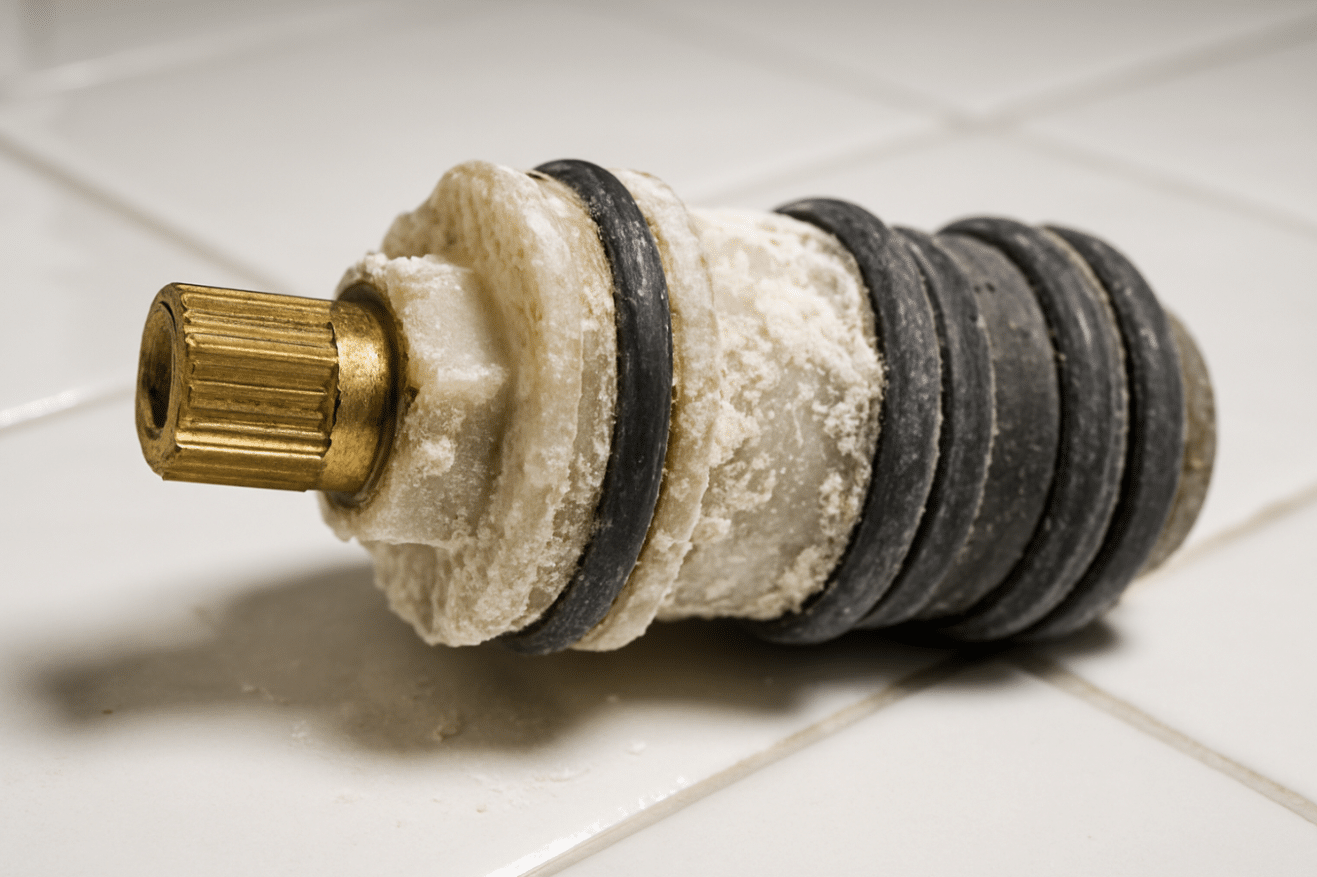
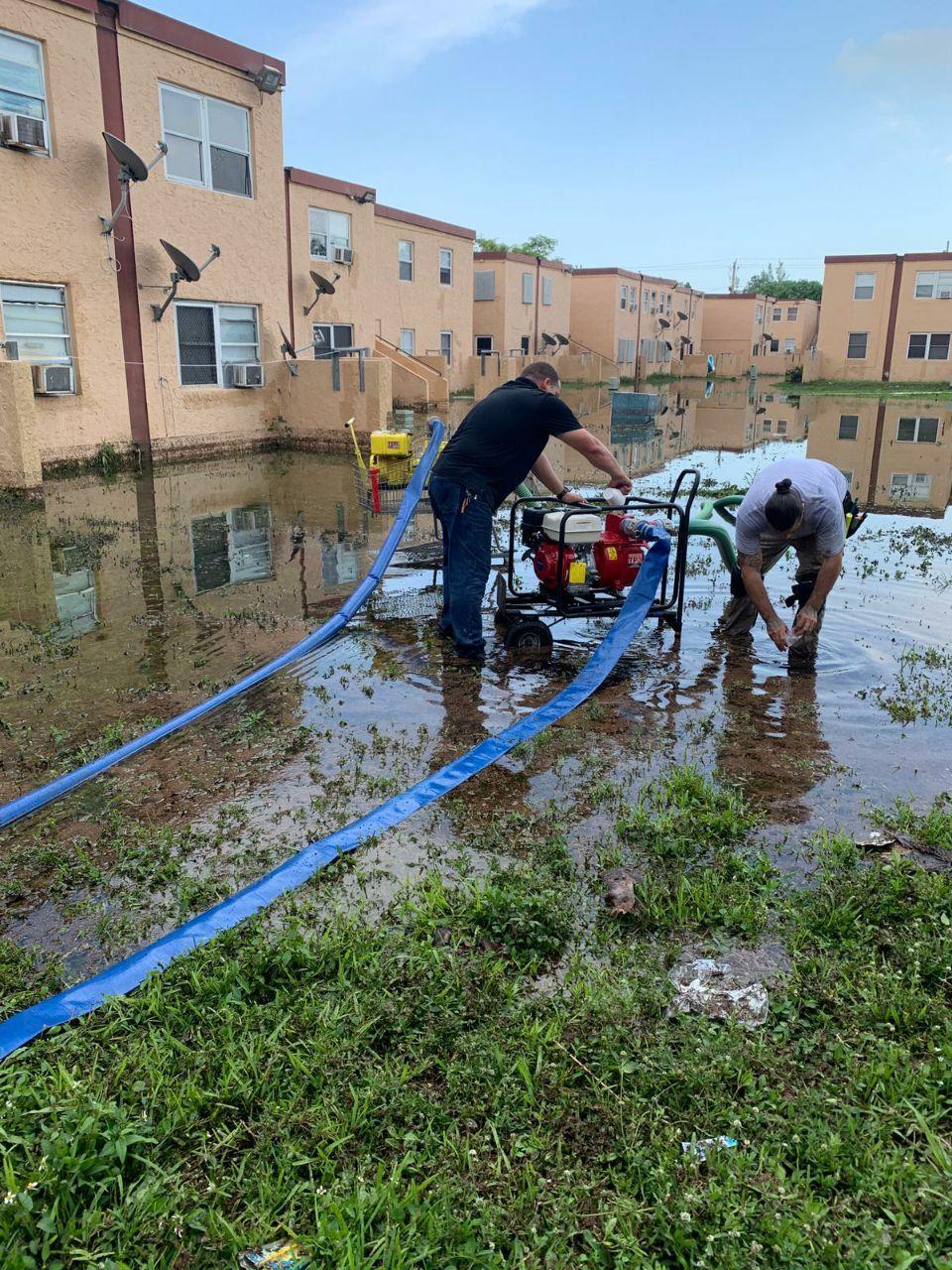
Florida’s plumbing systems face unique challenges. High humidity can speed up rusting in older metal pipes, while our famously hard water leaves mineral deposits that can narrow pipe openings over time. Add in seasonal storms and potential flooding, and you have a recipe for hidden plumbing stress.
A plumbing inspection acts like an early-warning system. It can uncover small leaks before they rot your walls or floors, detect pressure issues before they damage your appliances, and identify outdated fixtures that waste water and spike your utility bills. For new homeowners, an inspection also confirms that everything meets Florida’s plumbing codes—saving you headaches if you decide to sell later.
How Long Does a Plumbing Inspection Take?
The time needed depends on the size of your property and the complexity of your system. For most average-sized homes in Florida, you can expect the process to take one to two hours. Larger homes, or those with more extensive plumbing networks, might take a bit longer.
It’s worth setting aside the time because the inspection isn’t rushed. Your plumber will want to be thorough, checking not just for obvious leaks but for early warning signs like water pressure changes, slow drains, or faint water stains on walls or ceilings.
How Often Should You Get a Plumbing Inspection?
Many Florida homeowners assume that if nothing is leaking, everything is fine—but plumbing issues often develop silently. Industry experts generally recommend a professional inspection once a year. However, if your home is older, has a history of plumbing problems, or has recently been through a storm or flood, you might need more frequent checks.
Think of it like visiting the dentist—you don’t wait until you have tooth pain to go in. Preventive care keeps things in working order and helps you avoid big repair bills later.
What Should You Do Before a Plumbing Inspection?

You don’t need to do much, but making things easier for your plumber ensures they can do a more thorough job. Clear access to sinks, water heaters, and main shut-off valves is helpful. If you’ve noticed anything unusual—like a slow-draining tub, a strange odor near a sink, or a spike in your water bill—make a note to mention it during the inspection.
The more information your plumber has, the better they can diagnose potential problems.
Will the Plumber Need to Turn Off the Water?
In most cases, your plumber won’t need to shut off your water for a basic inspection. However, if they need to test certain fixtures, check your main valve, or investigate a potential leak, they may temporarily turn it off. They’ll always let you know before doing so.
How Much Does a Plumbing Inspection Cost in Florida?
Costs vary depending on the size of your property and the scope of the inspection, but most Florida homeowners find the price surprisingly reasonable—especially compared to the cost of repairing major water damage. Many plumbing companies, including AM Florida Plumbers, offer inspection packages that can be bundled with other services like drain cleaning or water heater maintenance, giving you even more value.
What Are the Most Common Problems Found During an Inspection?
In Florida, plumbers frequently discover hidden leaks, corroded pipes, mineral buildup, faulty water heaters, and poorly installed fixtures. Even small drips can waste gallons of water a day, driving up your bills and causing damage over time.
Another common finding is low water pressure, which can be caused by clogged aerators, sediment buildup, or even a partially closed shut-off valve. Early detection means these issues can be fixed quickly, often without major repairs.
What Happens After the Inspection?
Once your inspection is complete, your plumber will walk you through their findings. They’ll explain any issues in plain language, show you photos or videos from inside your pipes if necessary, and outline your options. You can choose to have repairs done immediately or schedule them for a later date.
If everything looks good, you’ll leave with peace of mind knowing your plumbing system is in great shape—and if something needs attention, you’ll have caught it before it becomes a costly emergency.
Your first plumbing inspection isn’t just a box to check—it’s an investment in your home’s safety, comfort, and value. In Florida, where plumbing systems face extra challenges, regular inspections are the key to avoiding unexpected breakdowns, water damage, and high utility bills.
If you’ve been putting off scheduling one, now’s the perfect time. AM Florida Plumbers has the experience, tools, and local know-how to ensure your system stays in top shape year-round. One visit today could save you thousands tomorrow—and give you the peace of mind every homeowner deserves.