Plumbing is one of the most critical systems in any home, yet it often goes unnoticed until a major problem arises. For homeowners in Fort Lauderdale and Coral Springs, recognizing the signs that your plumbing needs an upgrade can prevent costly repairs, property damage, and unnecessary stress. Knowing when to act ensures your system remains efficient, safe, and reliable for years to come.
Common Signs Your Plumbing System Is Aging
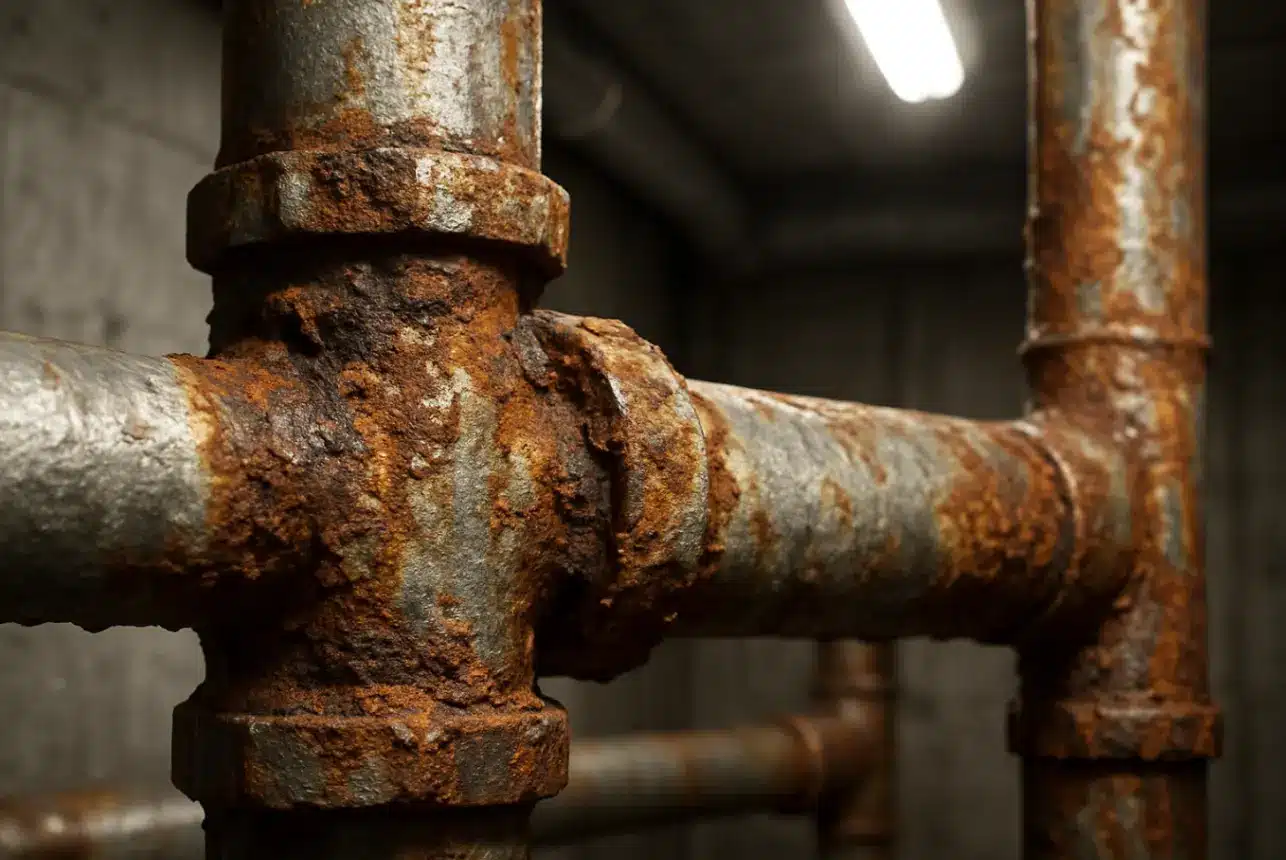
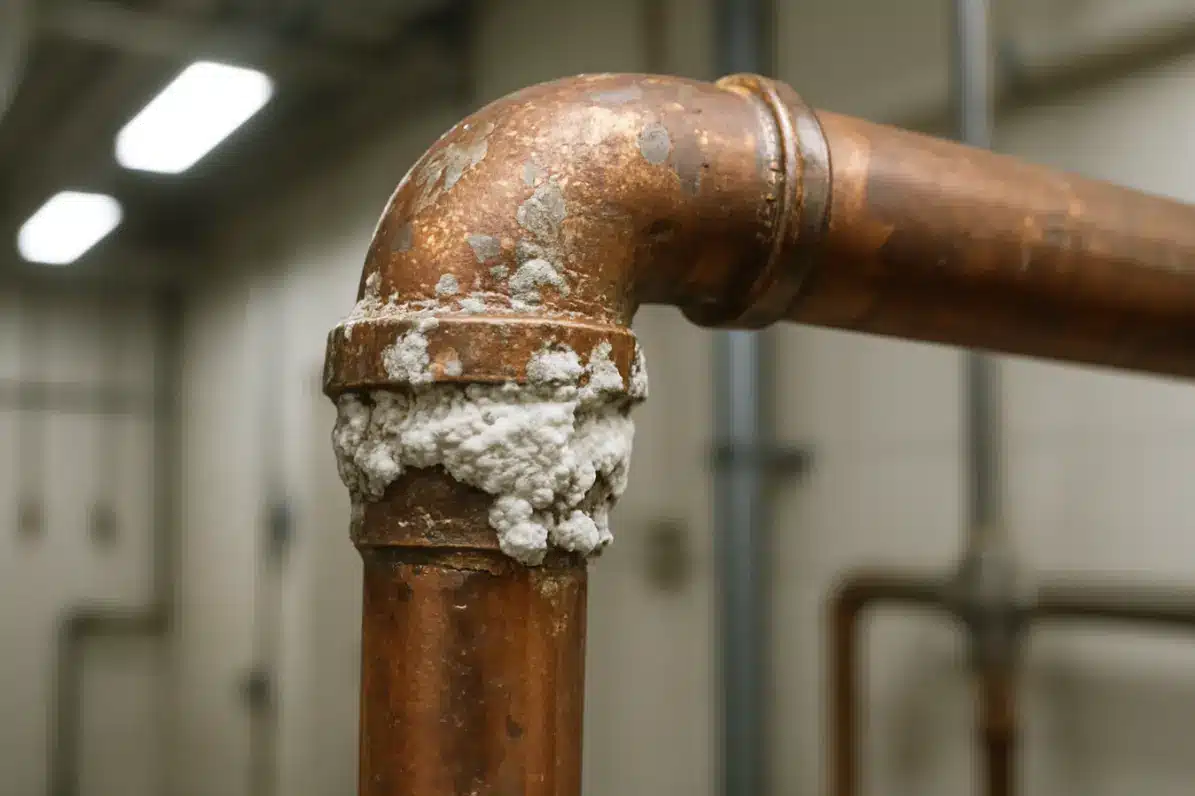
Aging plumbing systems can show subtle signs long before a complete failure occurs. Frequent leaks, rusty or discolored water, slow-draining sinks, or toilets that constantly run are clear indicators that parts of your system may be wearing out. Homes with older galvanized or copper pipes are especially susceptible to corrosion and mineral buildup, which can compromise water flow and quality.
Inconsistent water pressure throughout your home can also signal pipe deterioration or outdated valves. If you notice a drop in pressure when multiple fixtures are in use, it may indicate that your plumbing system can no longer meet modern demands.
Why Ignoring Minor Issues Can Lead to Major Problems
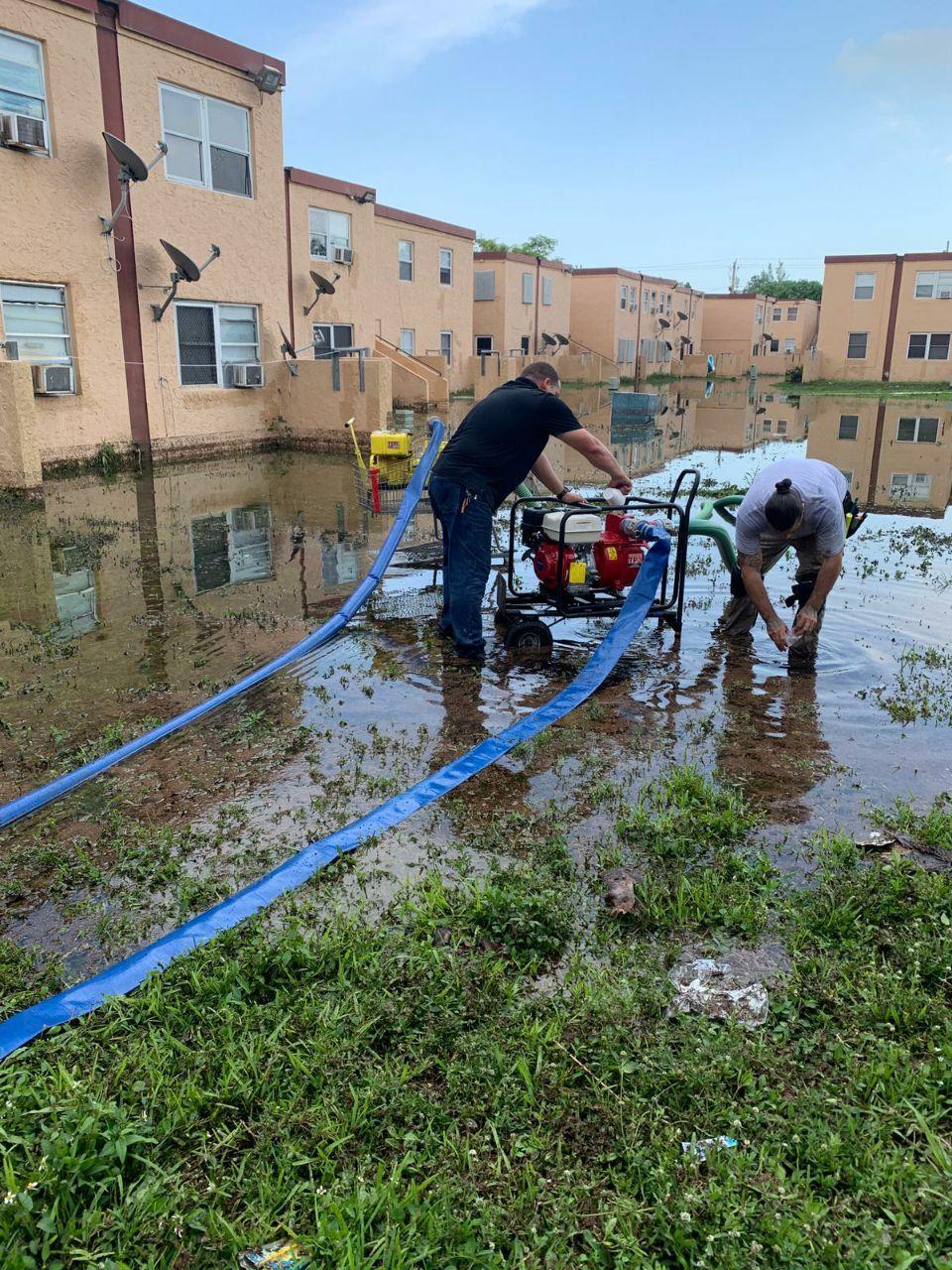
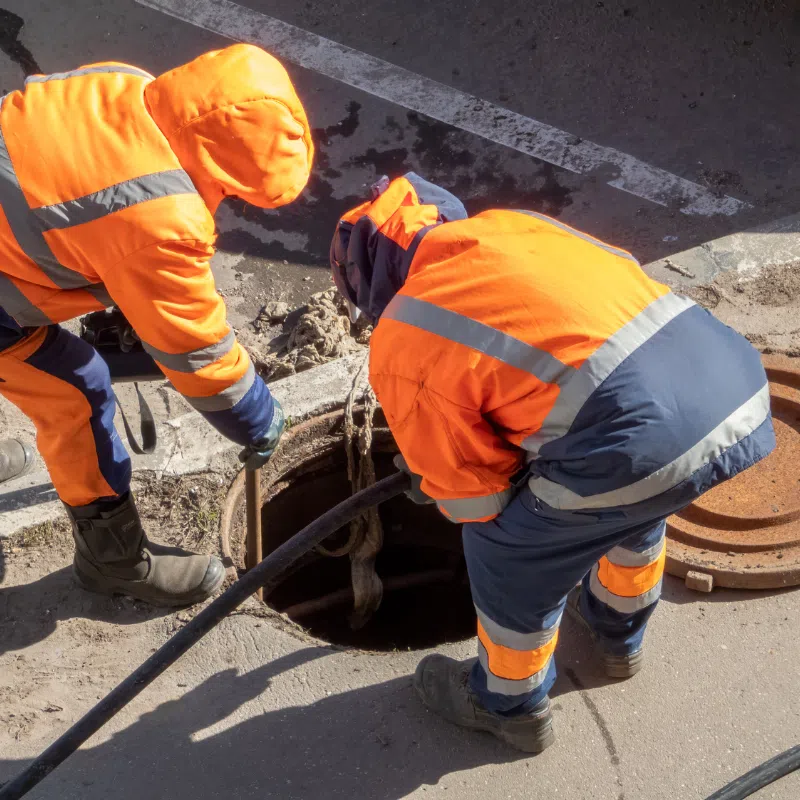
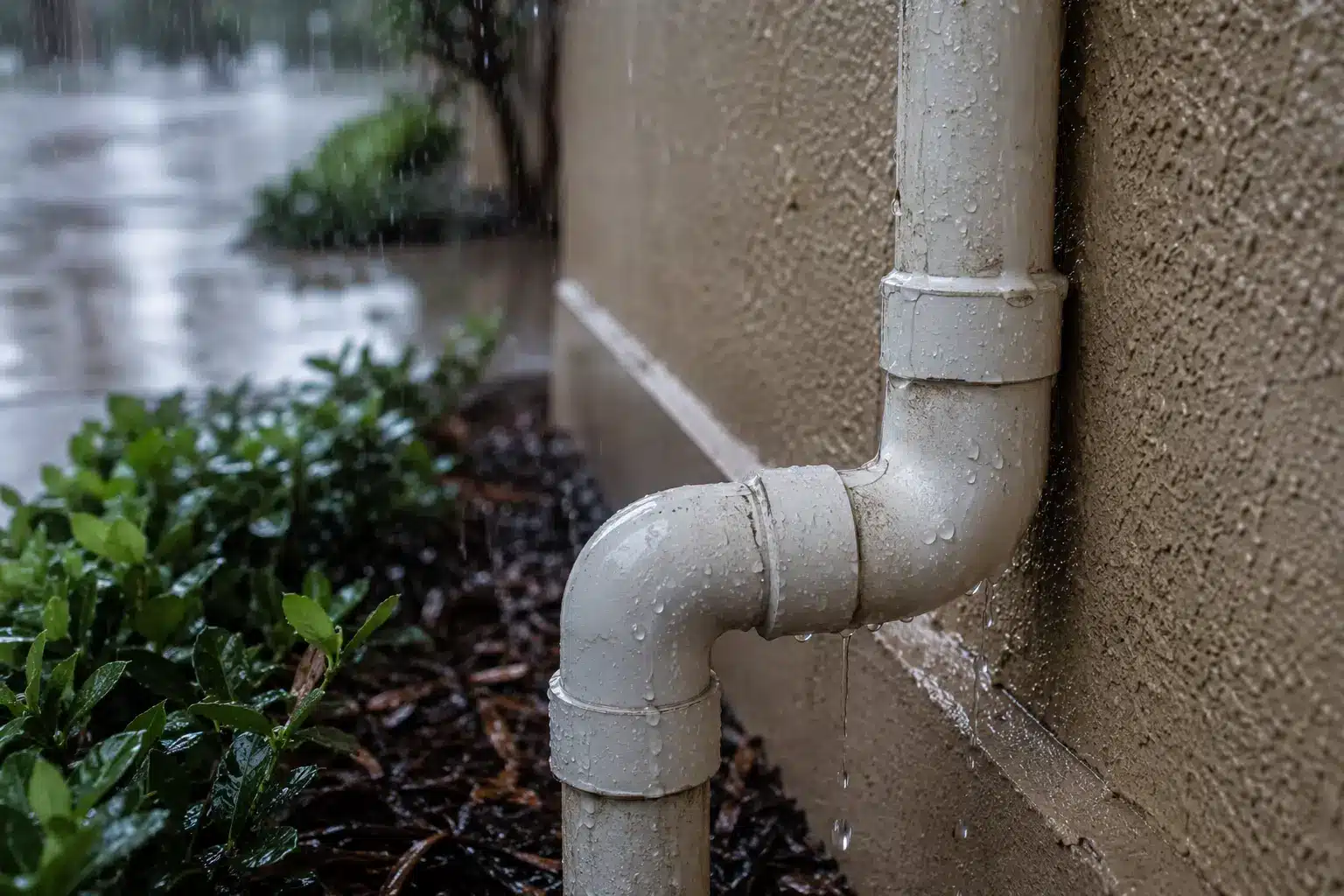
Minor plumbing issues often escalate quickly. A small leak behind a wall can saturate insulation, encourage mold growth, and weaken structural elements. Similarly, clogged drains left untreated can lead to sewer backups, which are expensive and hazardous to clean. By addressing small problems early, homeowners can avoid emergency repairs that disrupt daily life and lead to higher expenses.
For insight into preventative measures, check out our article on Never Ignore a Leaky Faucet, which explains why timely interventions save both water and money.
Understanding Water Quality and Pipe Material
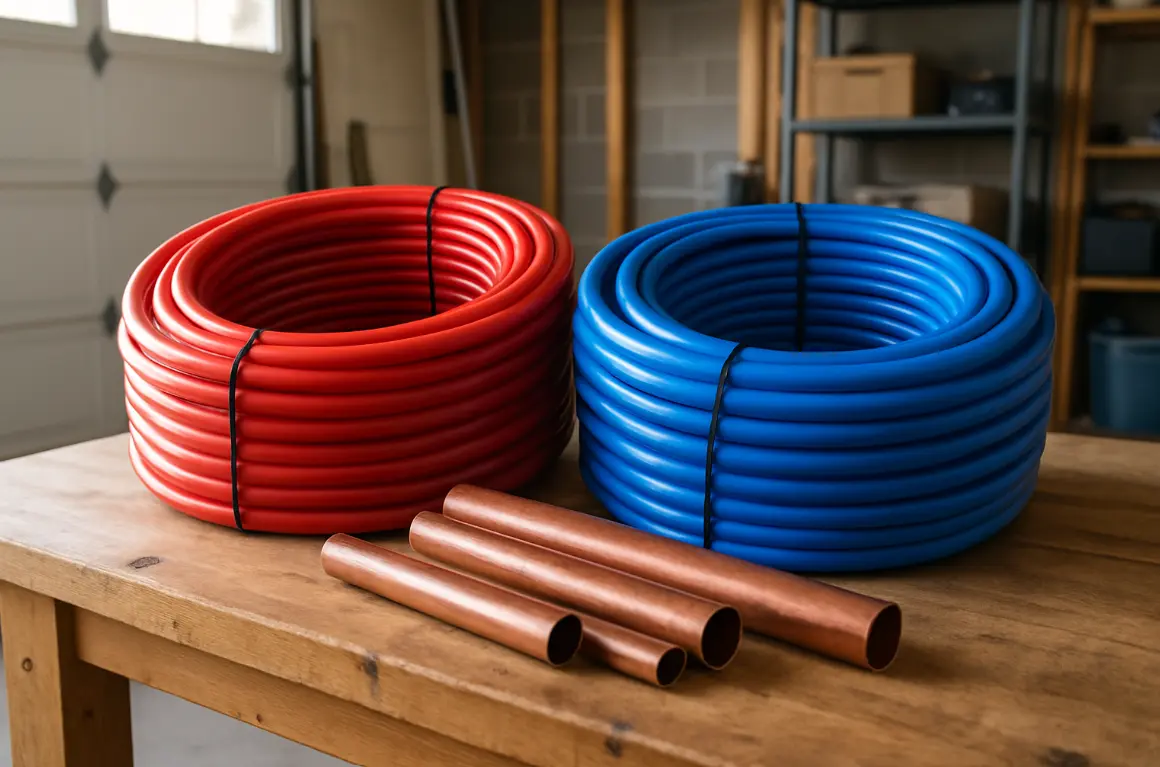
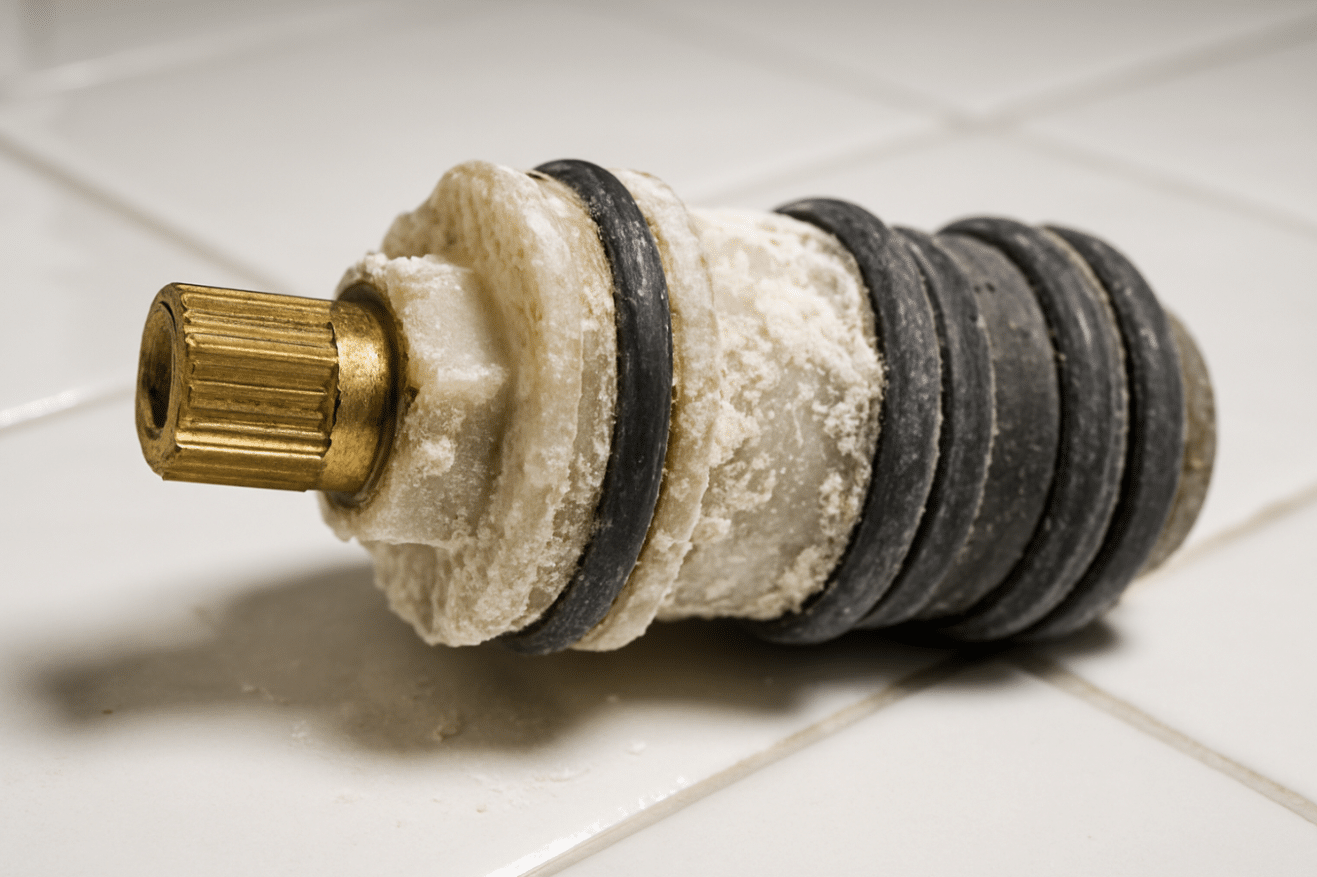
Water quality affects the longevity of your plumbing system. Hard water, high in minerals like calcium and magnesium, can leave deposits inside pipes and reduce the efficiency of fixtures. Over time, these deposits lead to corrosion and blockages. Upgrading to modern piping materials such as PEX or corrosion-resistant copper can prevent these issues and extend the life of your system.
Homes built several decades ago may also feature outdated or undersized pipes that cannot handle contemporary water demands. A plumbing assessment helps determine if an upgrade is necessary to support modern appliances and increased household usage.
The Role of Technology in Modern Plumbing Upgrades

Modern plumbing technologies make it easier for homeowners to maintain efficient systems and prevent emergencies. Tankless water heaters, water-saving fixtures, leak detection sensors, and pressure-regulating valves are all upgrades that improve performance and reduce water waste. Incorporating these technologies during an upgrade can also enhance energy efficiency, lower utility bills, and provide greater control over your home’s plumbing system.
Planning Your Plumbing Upgrade
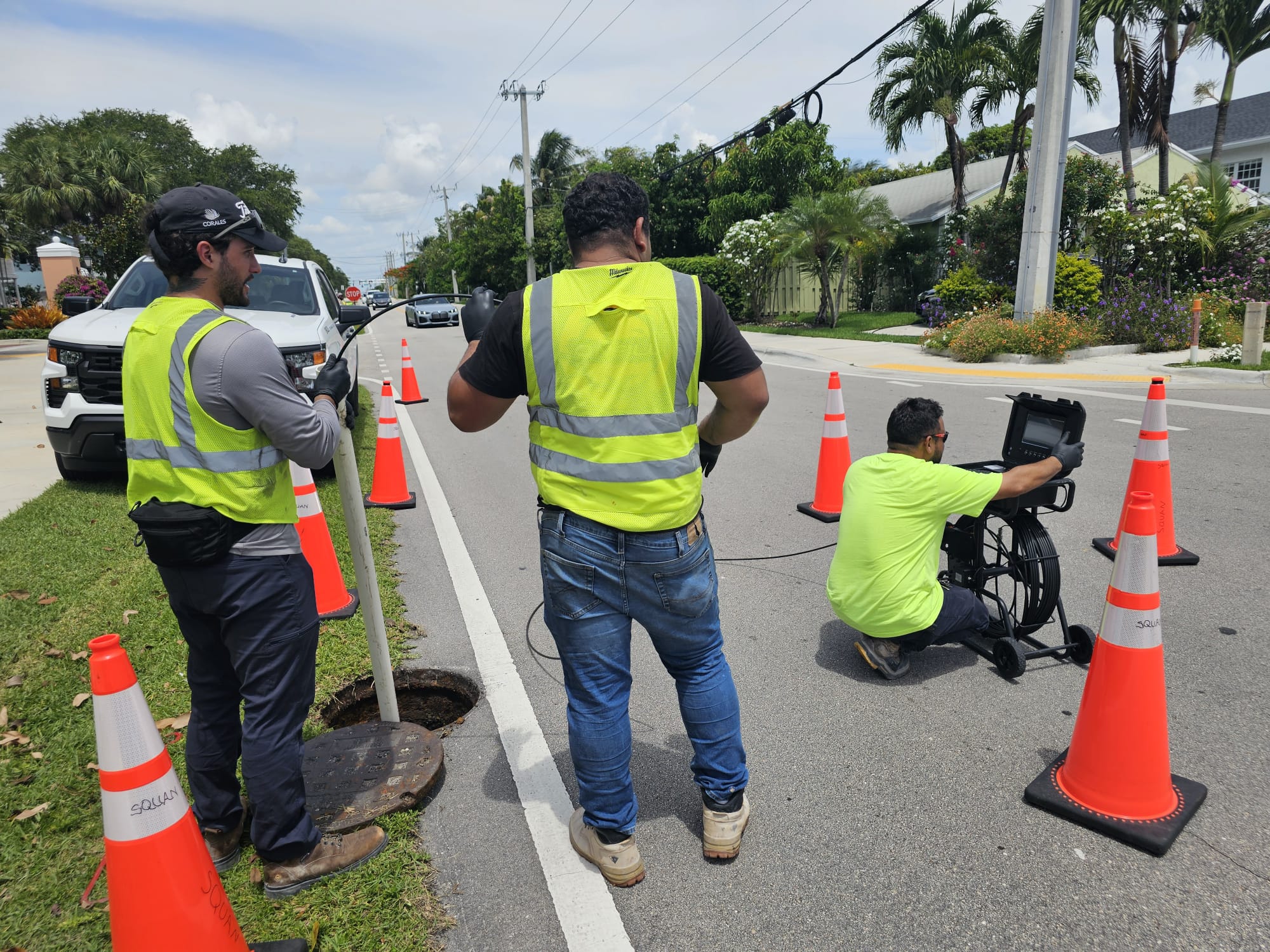
Successful plumbing upgrades start with a comprehensive assessment by a licensed professional. The plumber will evaluate pipe condition, fixture efficiency, and potential problem areas. A detailed plan ensures that high-priority issues are addressed first and that any necessary replacements or enhancements are carried out systematically.
This step also involves checking compliance with local codes and regulations in Fort Lauderdale and Coral Springs, ensuring that your home meets current safety and water quality standards.
Cost Considerations and Long-Term Savings
While a plumbing upgrade may seem expensive initially, it often pays off by reducing repair costs, lowering water bills, and improving property value. Preventative upgrades help avoid emergency service calls, which are typically more costly than planned maintenance or scheduled improvements.
Investing in energy-efficient fixtures and durable piping also reduces the likelihood of future problems and extends the life of your plumbing system. For more tips on long-term savings, visit our Why DIY Plumbing Repairs Often Cost More in the Long Run article.
Maintaining Your Upgraded Plumbing System
Upgrades alone are not enough to ensure long-term reliability. Routine maintenance is essential. Scheduling periodic inspections and professional cleanings keeps the system functioning optimally, detects leaks early, and prevents minor issues from turning into major problems. Homeowners should also monitor water quality and pressure and report irregularities immediately.
For professional support, explore our Plumbing Services to maintain and protect your upgraded system effectively.
At AM Florida Plumbers, we help Fort Lauderdale and Coral Springs homeowners assess, upgrade, and maintain reliable plumbing systems. By recognizing early warning signs, investing in modern technologies, and following preventative maintenance schedules, homeowners can prevent costly failures and enjoy a worry-free water supply. Visit our Contact Us page to schedule a consultation and keep your plumbing in top condition.
Contents
- 1 Common Signs Your Plumbing System Is Aging
- 2 Why Ignoring Minor Issues Can Lead to Major Problems
- 3 Understanding Water Quality and Pipe Material
- 4 The Role of Technology in Modern Plumbing Upgrades
- 5 Planning Your Plumbing Upgrade
- 6 Cost Considerations and Long-Term Savings
- 7 Maintaining Your Upgraded Plumbing System