What exactly does a pressure relief valve do?
The pressure relief valve is a safety feature designed to release excess pressure inside your water heater tank. As water heats up, it expands, creating additional pressure. If this pressure becomes too high, the tank could rupture or explode. The valve automatically opens to release a controlled amount of water, reducing internal pressure and preventing damage or danger.
Most modern water heaters in Miami-Dade County are equipped with Temperature and Pressure Relief (T&P) valves, which respond to both high temperature and high pressure. When the water temperature rises above 210°F or the pressure exceeds 150 psi, the valve activates. Once the system returns to safe levels, the valve closes again, maintaining balance and preventing waste.
Why might a pressure relief valve start leaking?
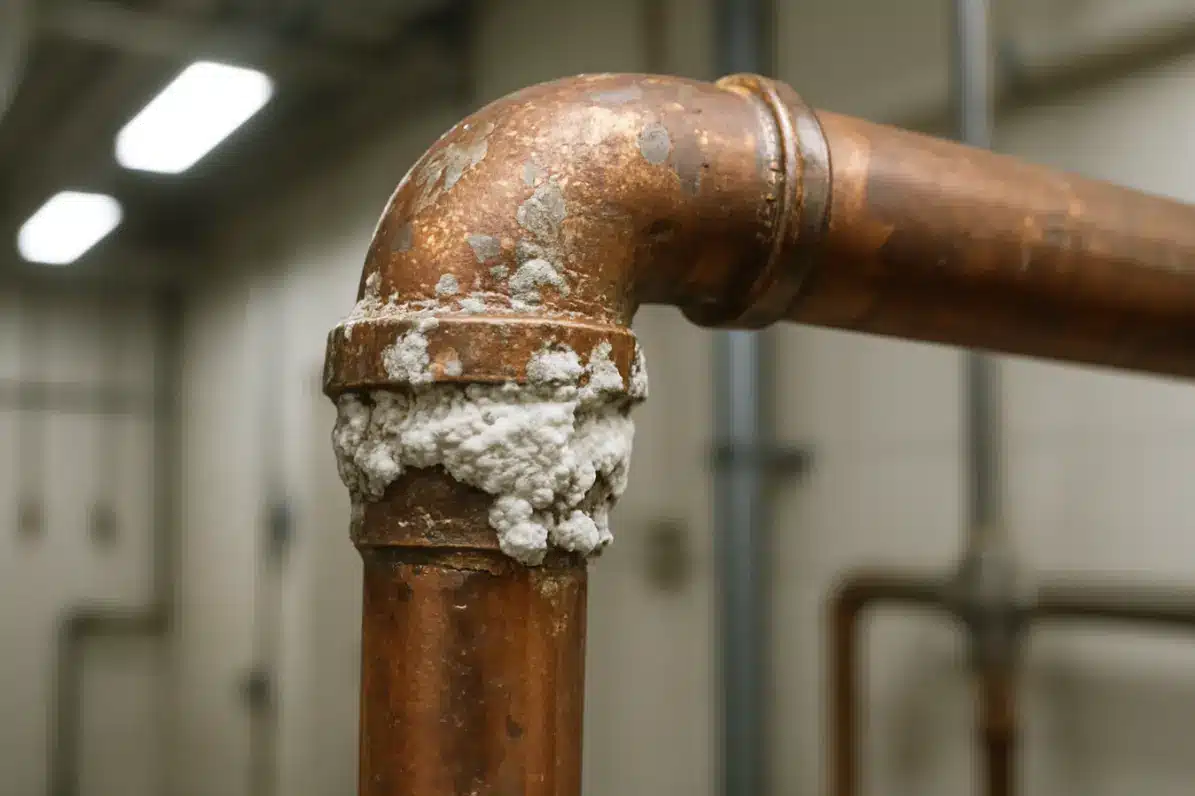
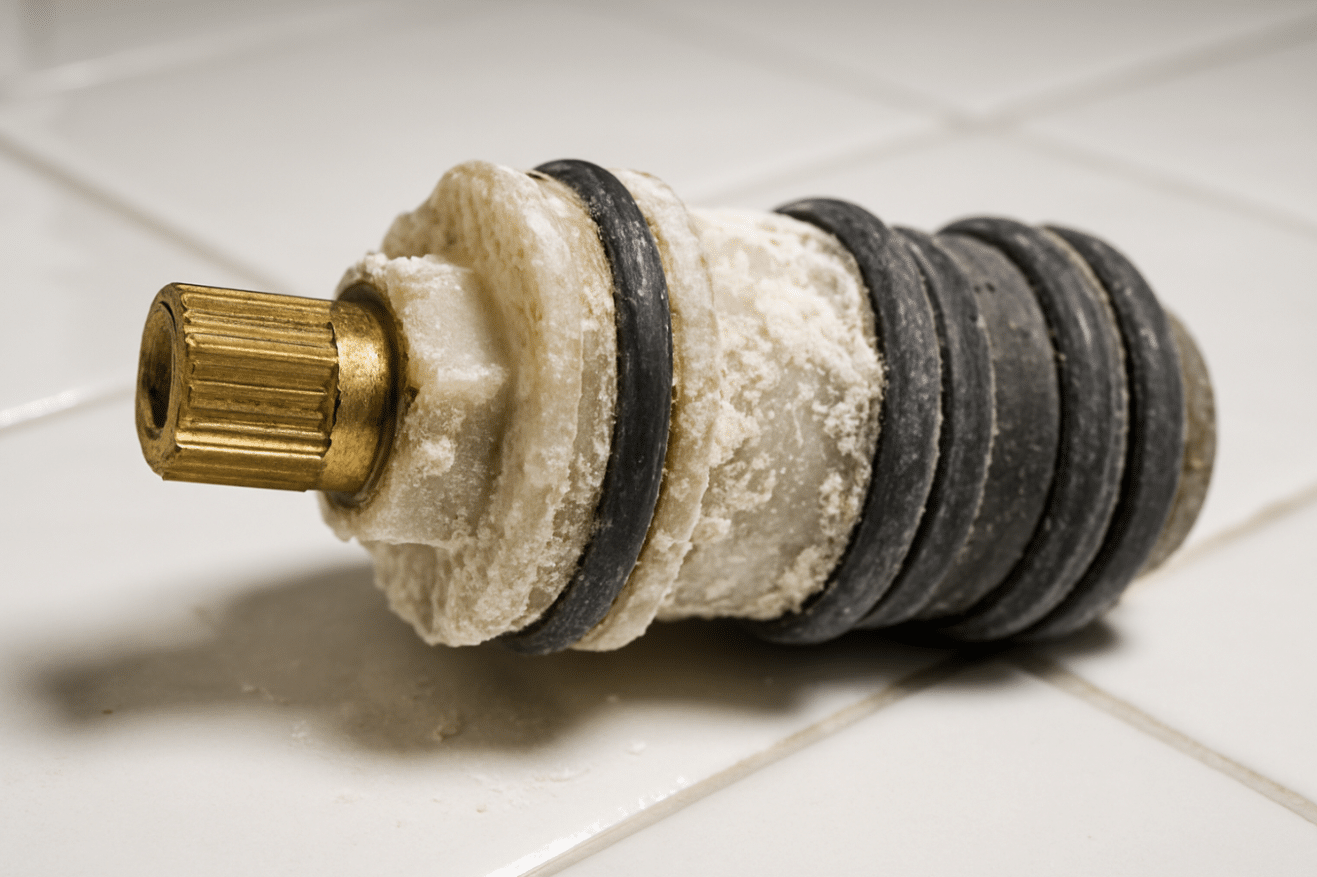
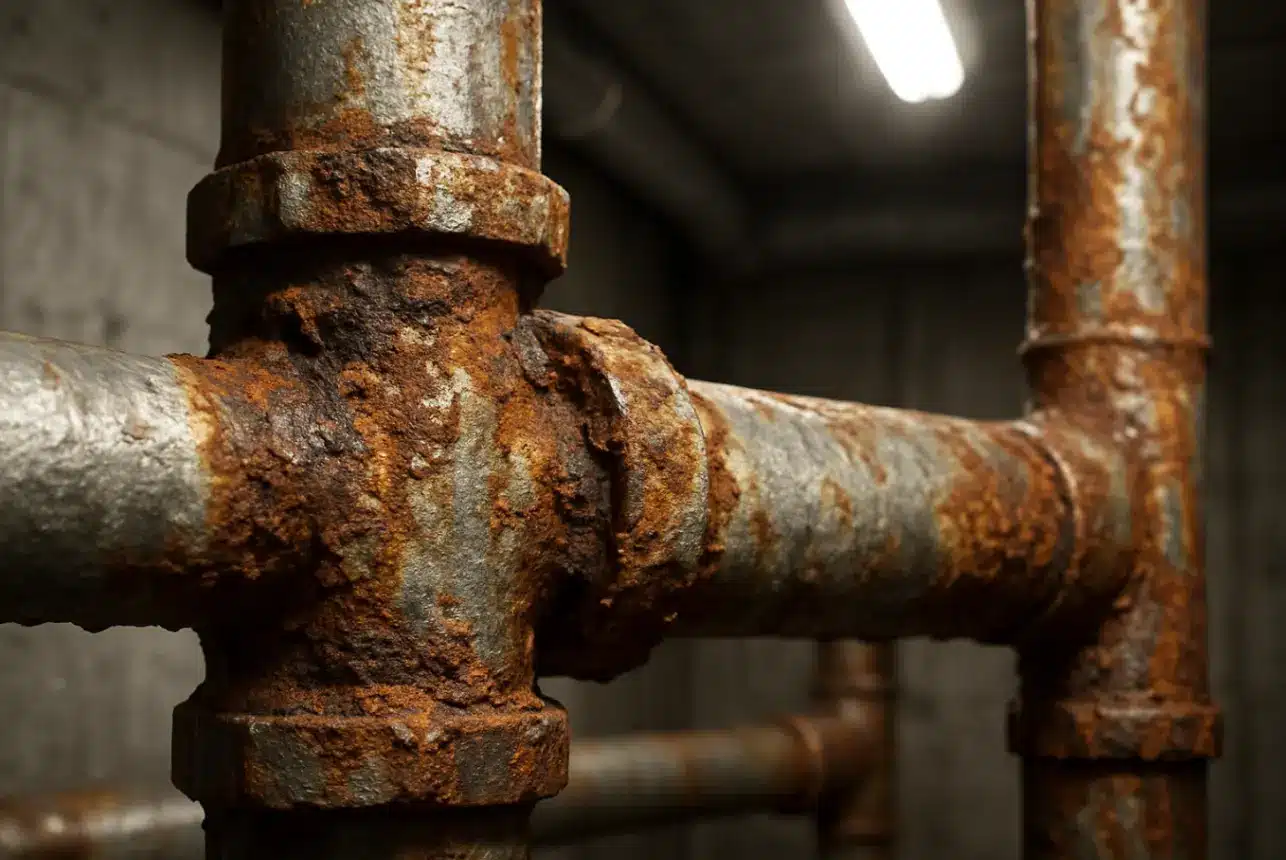
A small, occasional drip from the valve isn’t always a cause for concern—it can mean the valve is doing its job. However, consistent leaking or pooling water under the heater indicates something is wrong. Common causes include mineral buildup from hard water, corrosion around the valve seat, or incorrect water pressure inside the home’s plumbing system.
In many Miami-Dade neighborhoods, water pressure tends to fluctuate due to older municipal systems and high seasonal demand. Over time, this can wear out the valve or cause it to open too frequently. Sediment buildup from the county’s naturally hard water can also clog the valve and prevent it from closing properly, leading to leaks that worsen gradually.
How can a leaking valve affect your water heater’s performance?
A leaking valve isn’t just a nuisance—it can signal deeper problems within your water heater. Continuous dripping can lower the tank’s water level, making the unit work harder to reheat water. This not only wastes energy but also shortens the heater’s lifespan. In severe cases, if the valve fails completely, pressure could build up to dangerous levels, increasing the risk of tank failure.
Even a small leak can raise your water bills, cause rust around the base of the unit, and damage surrounding flooring or walls. That’s why early detection and proper maintenance are essential to protecting your investment.
When should you replace a pressure relief valve?
A pressure relief valve should be inspected annually and typically replaced every three to five years, depending on usage and water quality. If you notice constant leaking, rust on the valve, or water accumulating near the base of your heater, it’s time for replacement. A plumber can test the valve by lifting its lever slightly to see if water flows freely from the discharge pipe. If it doesn’t, or if the valve doesn’t reseat correctly, it’s likely worn out.
In Miami-Dade County, where humidity and hard water are common, replacing valves on schedule can prevent unexpected breakdowns. Regular maintenance checks also ensure that the valve remains responsive, protecting both your system and your safety.
Can maintenance help prevent future leaks?

Yes, routine maintenance plays a major role in preventing valve leaks and other water heater issues. Flushing your tank once or twice a year removes sediment that contributes to overheating and pressure buildup. Monitoring your home’s water pressure is equally important — ideally, it should stay between 40 and 60 psi. Installing a pressure regulator can help maintain this balance.
Scheduling regular plumbing inspections ensures that the entire system remains in good condition. During these visits, technicians can test the valve, clean components, and verify that your water heater operates safely and efficiently. You can also learn more about preventive steps in one of our previous articles on Why You Should Never Ignore a Leaky Faucet, which explains how small plumbing issues can quickly lead to larger and more expensive problems..
When is it time to call a professional plumber?
If your water heater’s pressure relief valve continues to leak despite maintenance, or if you suspect pressure irregularities, professional help is necessary. Persistent leaking could indicate high system pressure, a faulty thermostat, or even an aging tank. A licensed plumber can accurately diagnose the issue, replace damaged parts, and ensure compliance with local building codes and safety standards.
For residents of Miami-Dade County, accessing expert plumbing services means restoring peace of mind quickly and preventing costly water damage.