In commercial construction and renovation projects, plumbing code compliance is more than just a regulatory requirement—it directly affects timelines, inspections, budgets, and occupancy approvals.
Even minor plumbing violations can lead to failed inspections, rework, permit delays, and costly interruptions that impact the entire project schedule. For property owners, contractors, and project managers, understanding the most common plumbing code violations can help prevent avoidable setbacks and keep projects moving efficiently.
Why Plumbing Code Compliance Matters
Commercial plumbing systems are designed to support larger water demands, higher occupancy levels, and stricter health and safety standards than residential systems.
Code requirements help ensure:
- Proper sanitation and drainage
- Safe potable water supply
- Adequate ventilation and pressure
- Long-term system reliability
- Compliance with local building regulations
Failing to meet these standards can delay approvals and create significant project complications.
Common Commercial Plumbing Code Violations
Here are some of the most common issues that can delay commercial construction or renovation projects:
Improper Pipe Sizing
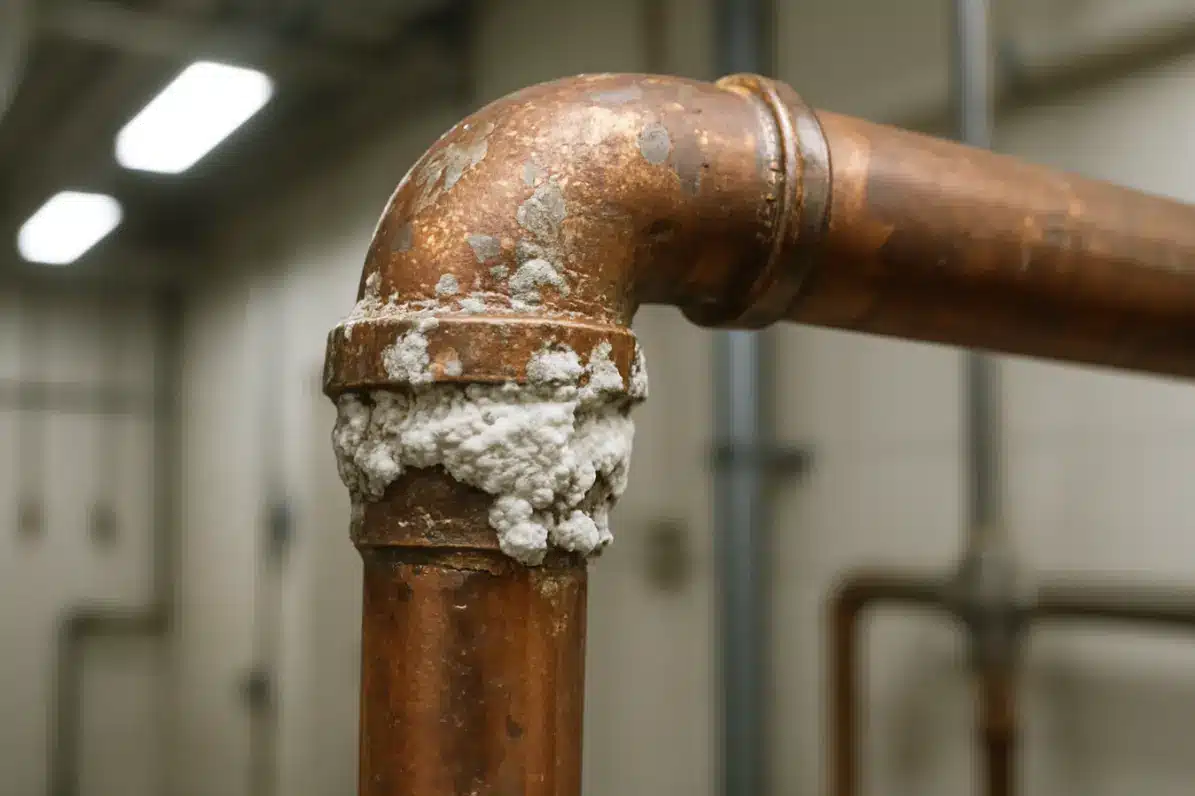
Incorrect pipe sizing can affect water pressure, drainage efficiency, and overall system performance. Undersized or oversized piping may fail inspection if it doesn’t meet code requirements for the building’s usage demand.
Unexplained Increase in Water Bills
Drain lines must maintain proper slope to ensure wastewater flows correctly. If the slope is too steep or too shallow, it can lead to drainage problems and inspection failures.
Missing or Improper Venting
Plumbing vents regulate air pressure within the drainage system. Improper venting can result in slow drainage, sewer odors, and code violations that require corrective work before approval.
Backflow Prevention Issues
Commercial properties often require backflow prevention devices to protect the potable water supply from contamination. Missing, improperly installed, or non-compliant devices are common inspection concerns.
Unauthorized Materials or Fixtures
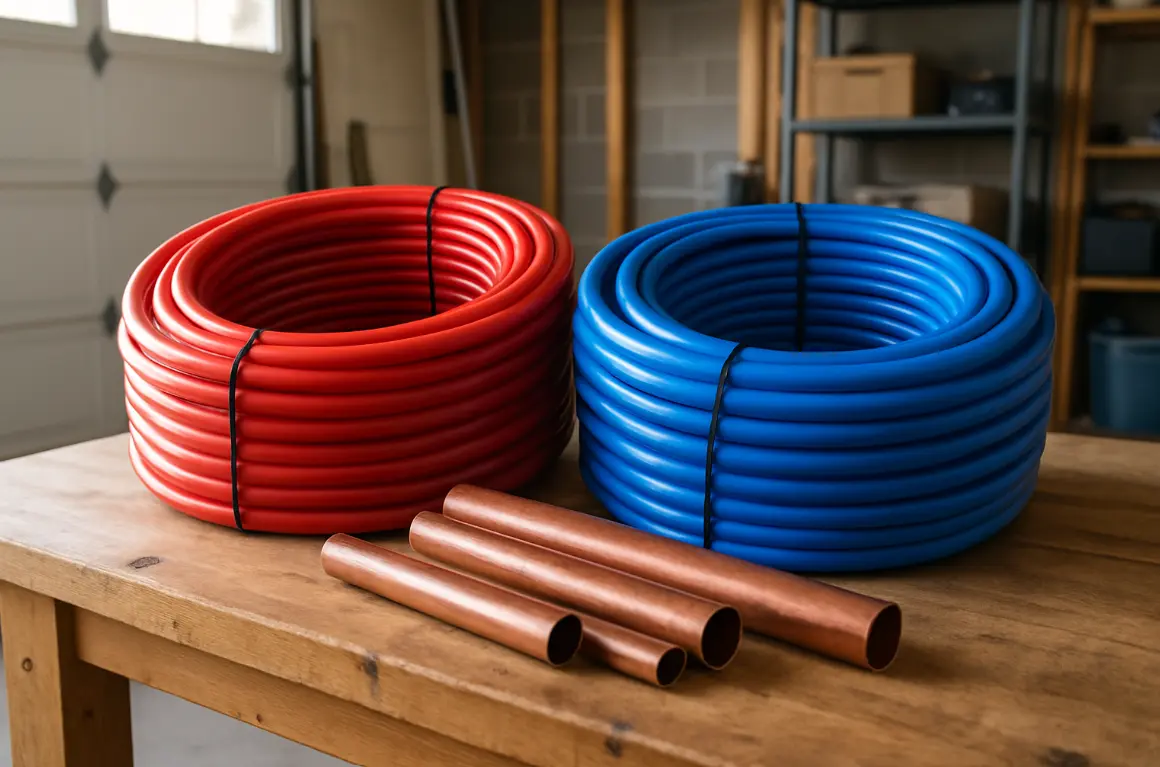
Using plumbing materials or fixtures that don’t meet local code standards can create compliance issues. This may include unapproved piping materials, incorrect fittings, or non-compliant commercial fixtures.
Inadequate Cleanout Access
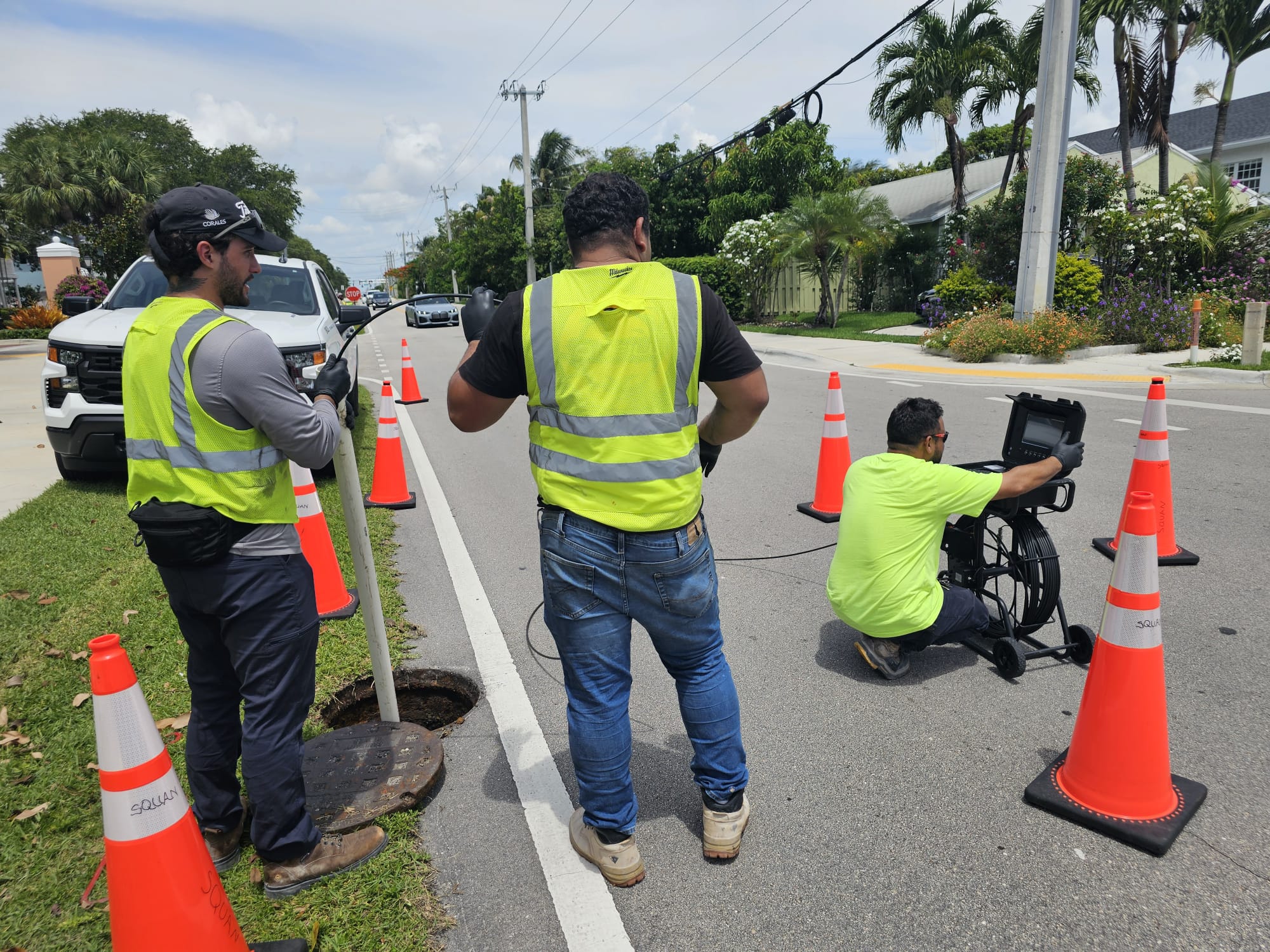
Cleanouts provide access for maintenance and future drain cleaning. If cleanouts are missing, inaccessible, or improperly located, the system may not pass inspection.
Water Heater and Pressure Issues
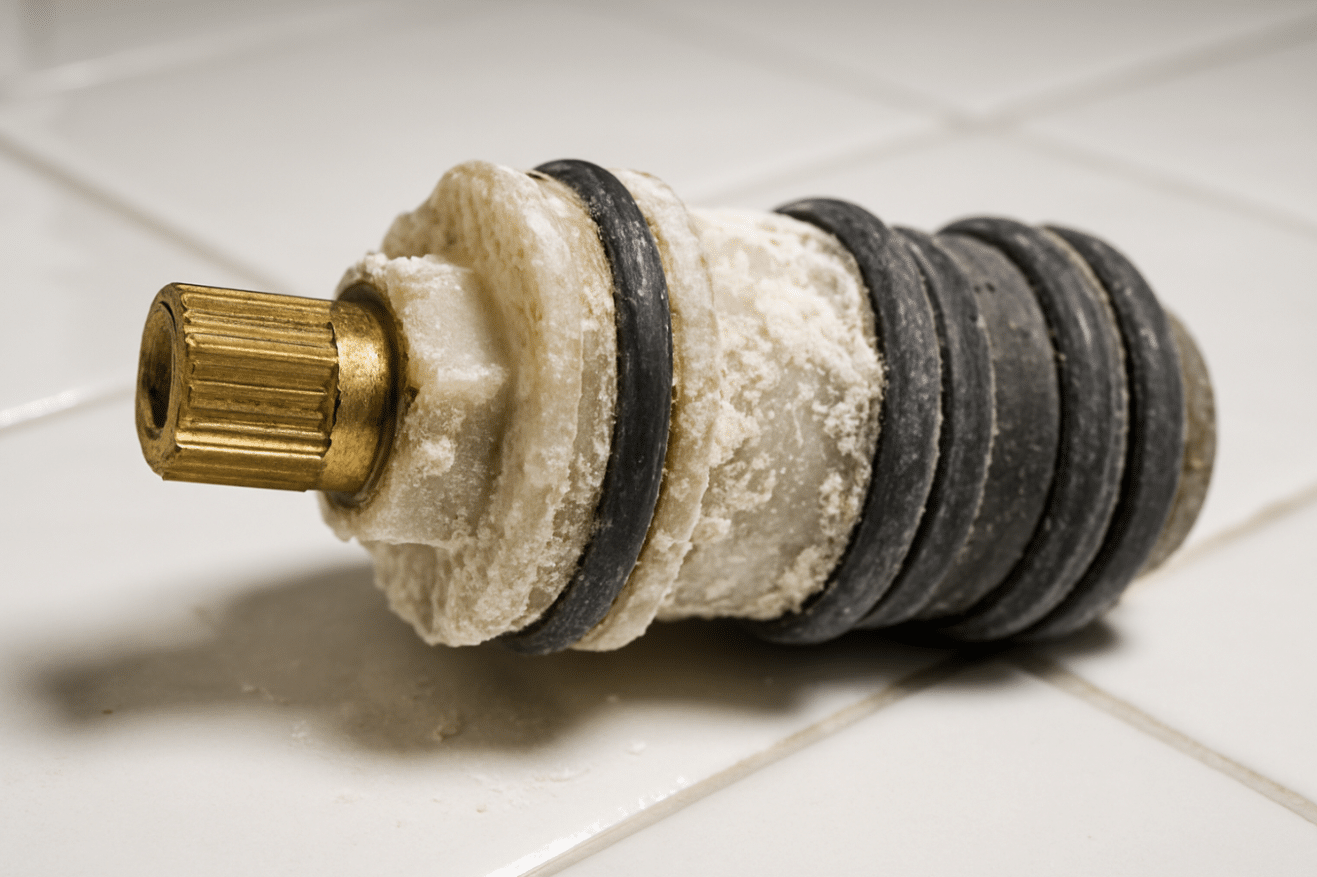
Commercial water heating systems must meet specific safety and capacity requirements. Improper pressure relief valves, inadequate sizing, or installation issues can delay final approval.
How Code Violations Impact Project Timelines
Even small plumbing violations can create a chain reaction across the project.
Common consequences include:
- Failed inspections
- Permit delays
- Additional labor and material costs
- Scheduling disruptions for other trades
- Delayed occupancy or opening dates
In fast-paced commercial projects, these setbacks can quickly become expensive.
Why Commercial Projects Face Higher Risk
Commercial plumbing systems are more complex than residential systems and often involve:
- Multiple restrooms and fixtures
- Larger drainage systems
- Specialized equipment connections
- ADA compliance requirements
- Higher water demand and usage loads
Because of this complexity, even minor installation errors can become significant compliance issues.
The Importance of Working With Experienced Professionals
Preventing plumbing code violations starts with proper planning, installation, and inspections throughout the project.
Experienced commercial plumbing professionals understand:
- Local Florida plumbing codes
- Permit and inspection requirements
- Commercial system design standards
- Coordination with other trades and contractors
Early attention to compliance can help avoid costly corrections later in the project.
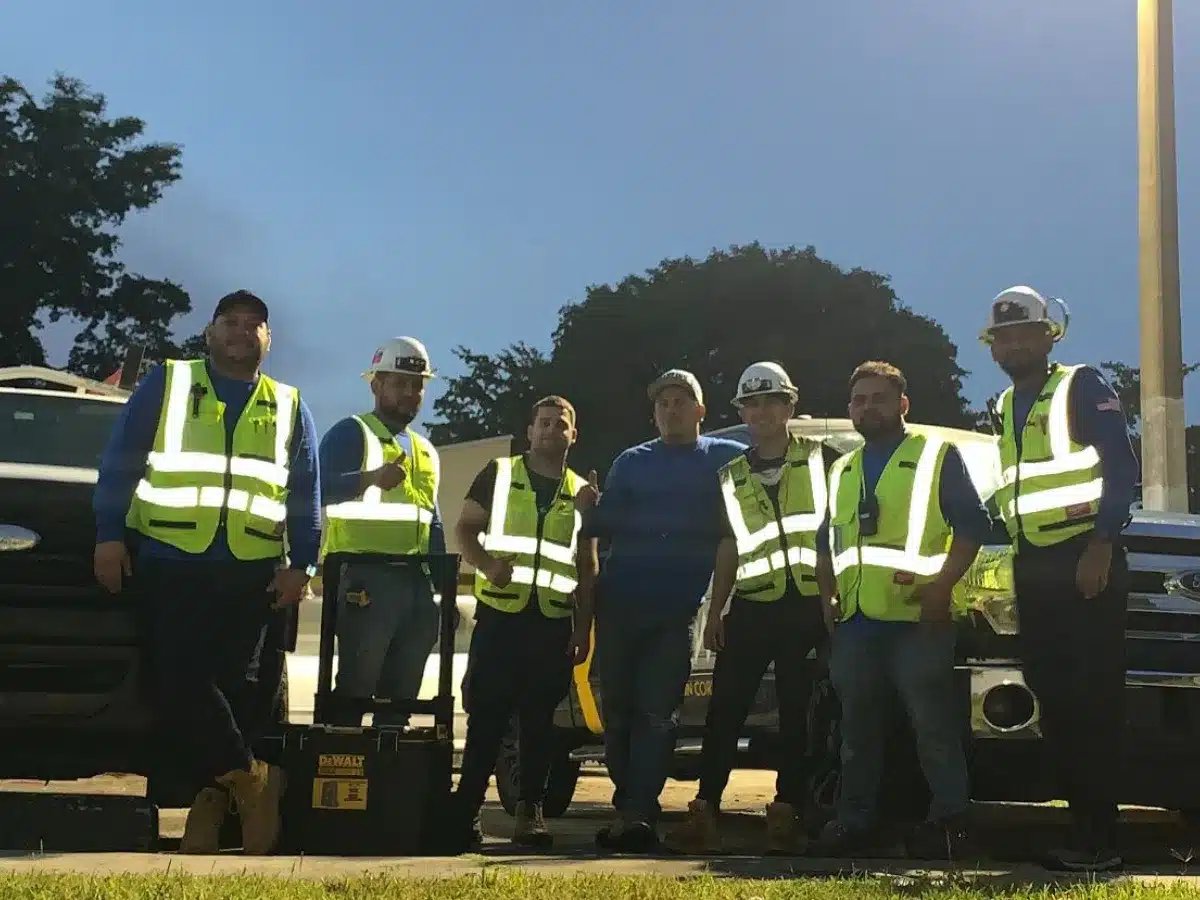
At AM Florida Builders, we understand how critical plumbing compliance is to keeping commercial projects on schedule. Our team works closely with contractors, property owners, and project managers to help ensure systems are installed correctly, inspected properly, and aligned with Florida code requirements.
By identifying potential issues early, we help reduce delays, minimize rework, and support smoother project completion.
Frequently Asked Questions
-
What happens if a commercial plumbing inspection fails?
A failed plumbing inspection can delay permits, construction progress, and occupancy approvals. In many cases, corrections and re-inspections are required before the project can move forward.
-
Are plumbing code requirements different for commercial properties?
Yes. Commercial plumbing systems must meet stricter code requirements due to higher water demand, larger occupancy loads, and additional health and safety regulations.
-
How can plumbing code violations be prevented during a project?
Working with experienced commercial plumbing professionals, following approved plans, and addressing compliance issues early can help reduce the risk of violations and project delays.