Many Florida homeowners enjoy a powerful shower and fast-flowing faucets, but few realize that extremely high water pressure can quietly damage plumbing systems over time. While strong water pressure may feel convenient, it sometimes signals a deeper problem developing in your pipes, water fixtures, or municipal supply line. If left unchecked, high pressure can lead to pipe leaks, appliance breakdowns, and costly repairs. Understanding why water pressure matters — and how to keep it in a safe range — helps protect your home from avoidable plumbing disasters.
What causes high water pressure in homes?
Municipal water suppliers often cause high water pressure. To begin, they pump water at high levels to reach tall buildings and distant areas. This pressure might leave the plant at safe levels. Next, boosters along the route can increase the force before it reaches your home. Some Florida neighborhoods experience pressure spikes after heavy rains or infrastructure upgrades. Furthermore, homes located downslope often receive a stronger water flow than intended. Ultimately, this excessive force stresses your plumbing system without warning.
How can you tell if your water pressure is too high?

There are signs homeowners can watch for. Harsh, forceful bursts from showerheads, banging or thudding noises in pipes, and spraying faucets are early clues. Fixtures designed for regulated flow rates may splash or mist rather than run smoothly. When toilets fill surprisingly fast or washing machine hoses jump when cycles begin, your pressure may be above normal. The most accurate way to check is by attaching a pressure gauge to an outdoor spigot. In Florida homes, safe residential water pressure usually stays between 40 and 60 psi. Anything above 80 psi should be addressed quickly before it stresses your plumbing lines.
Why is high pressure harmful to pipes and fixtures?
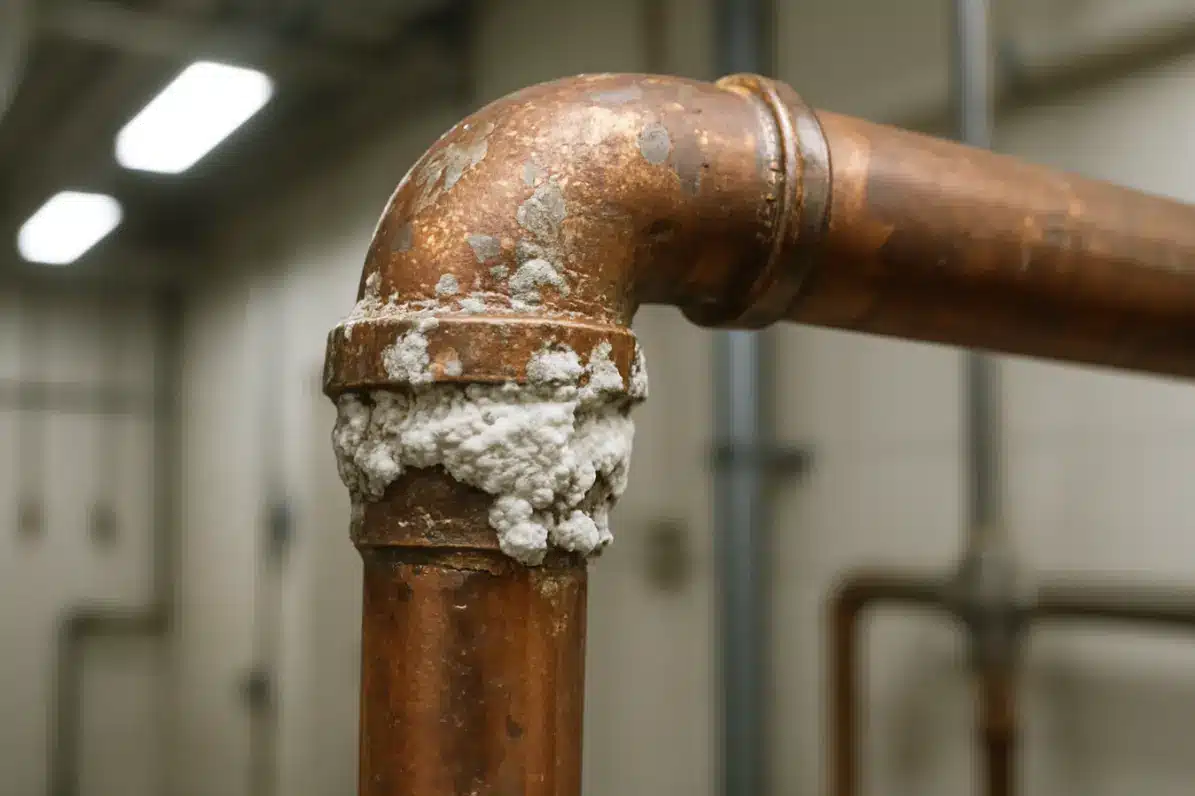
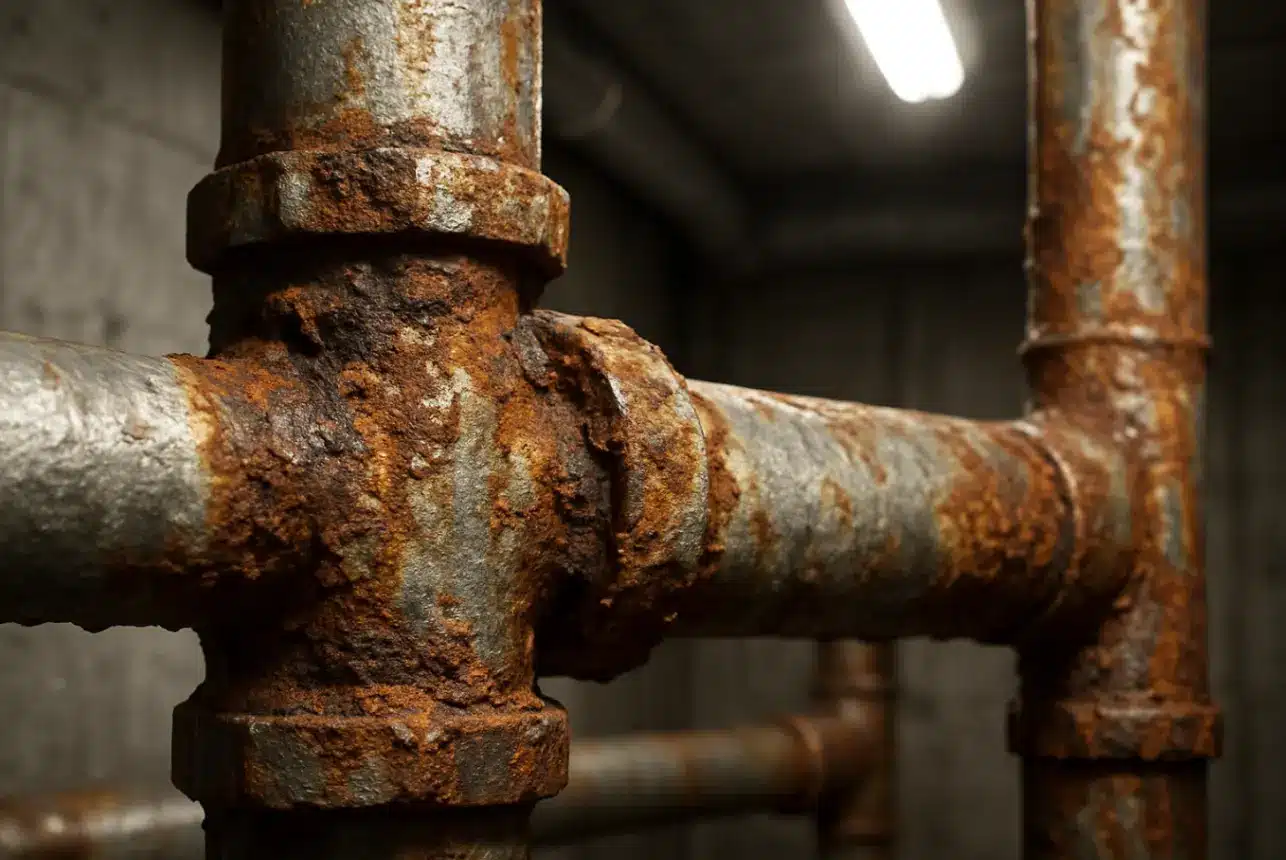
Extremely high water pressure creates constant force against your pipe walls. To begin, this wear and tear weakens copper and PVC pipes over time. Next, the pressure loosens joints and eventually causes pinhole leaks. Flexible hose connections for washing machines are especially vulnerable. Furthermore, sudden surges through valves create a “water hammer” effect. These jolting vibrations shake fittings loose and crack threaded connections. As a result, you may face serious water damage inside your walls.
Can high pressure increase your monthly water bill?

Yes. When water flows into your fixtures at faster rates than necessary, you use more water with every shower, flush, or rinse. A faucet running at 80 psi instead of 50 psi can pour out hundreds of extra gallons a month if used regularly. Over time, that increase can raise your utility costs substantially. Additionally, hidden pipe leaks caused by pressure can cause spikes in water usage before homeowners even know anything is wrong. Being proactive about pressure reduction protects both your plumbing system and your budget.
How does pressure affect everyday appliances in your home?
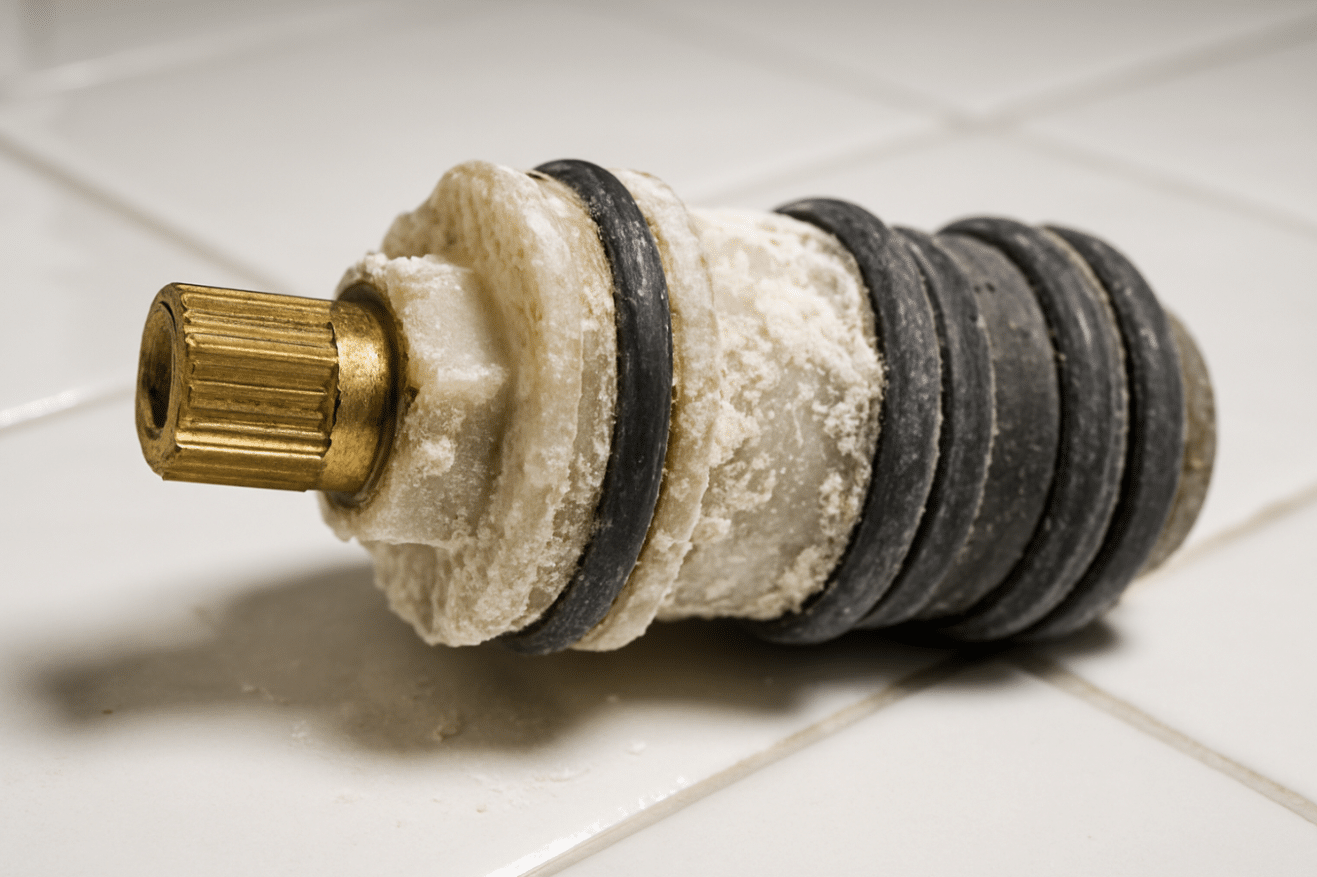
Dishwashers and water heaters handle a specific pressure range. To begin, forceful water pushes through valves too fast for the gaskets to manage. Next, this causes the internal fittings to deteriorate quickly. Control valves may fail or get stuck open. Furthermore, high pressure shortens the overall lifespan of your units. Water heaters may cycle more frequently, which raises your energy bills. Ultimately, manufacturers may even void your warranty due to pressure damage. As a result, maintaining stable pressure protects your expensive appliances.
What steps can Florida homeowners take to control high water pressure?
If you suspect your water pressure is running too high, the first step is to measure it with a pressure gauge. If the reading consistently stays above 60–70 psi, consider having a licensed plumber install or inspect a pressure-reducing valve (PRV). These valves are often located near where the municipal line connects to your home and are designed to keep incoming water at a safe level. Over time, these valves may wear out or need adjustment. Regular plumbing inspections in Florida can catch failing PRVs early, prevent pressure spikes, and help avoid system-wide damage.
Why do Florida homes need extra pressure awareness?
Florida homes face unique challenges because of long water distribution systems, flat terrains, and changing infrastructure from older developments connecting with newer subdivisions. Workers may adjust pressure in a supply zone without warning, causing sudden spikes to your home’s plumbing that stress older pipes without notice. Warm weather also contributes to pipe expansion and contraction, which amplifies the effects of internal pressure changes. Being aware of these factors and checking pressure several times per year can prevent expensive and disruptive plumbing emergencies in Florida homes.
How serious can the damage become if high pressure is ignored?
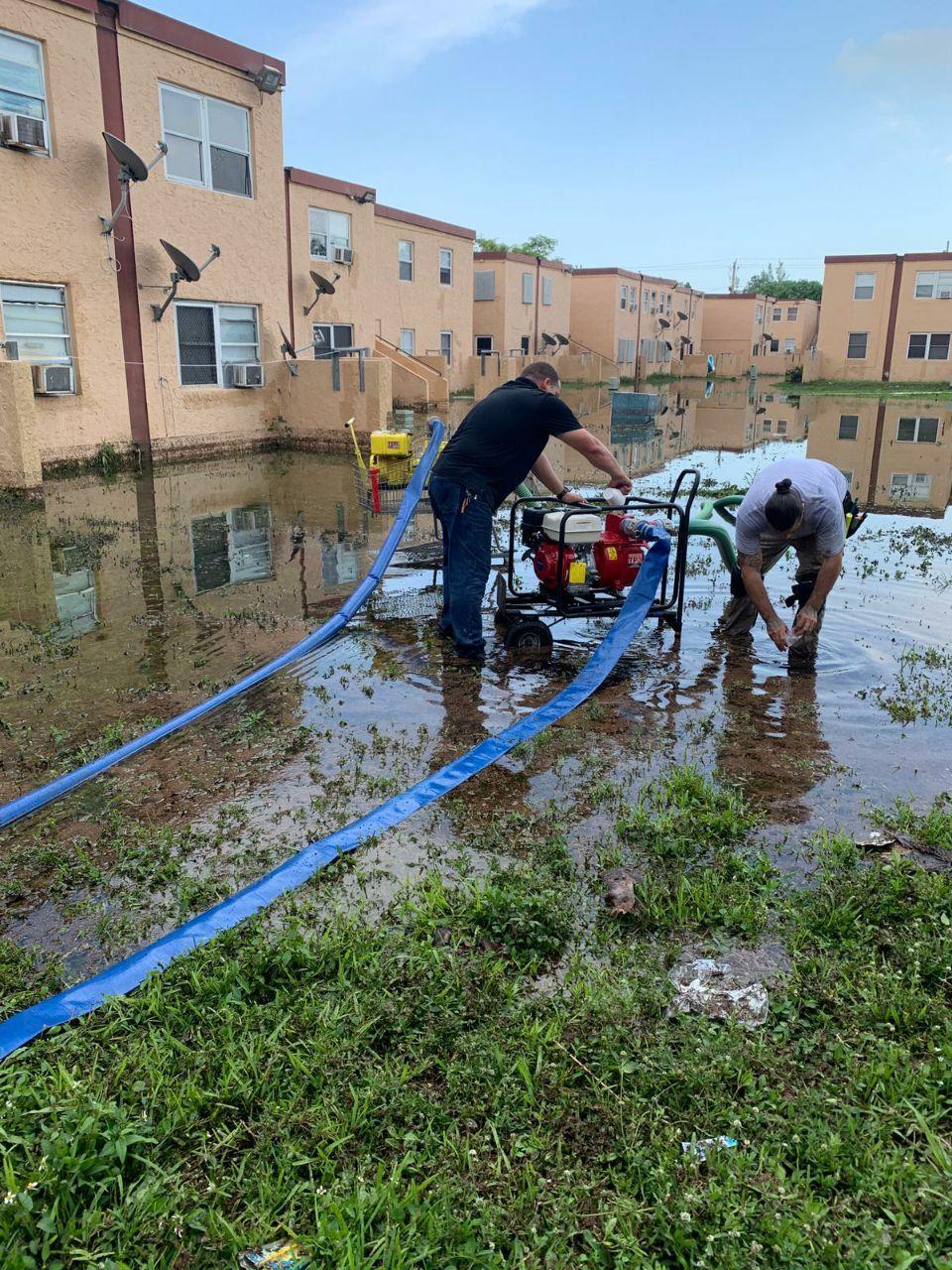
Water pressure that remains too high over long periods can lead to bursting hoses, ruptured pipes, water heater leaks, and massive interior flooding. Homes have suffered thousands of dollars in damage due to a small washer line bursting behind a wall late at night when water pressure spiked unexpectedly. What could be solved with a quick pressure valve adjustment ends up turning into a full-scale remediation project with new flooring, drywall replacement, and mold mitigation. Catching pressure problems early keeps your home safe from these risks.