What to Do If a Pipe Bursts: 5 Emergency Steps

Metal plumbing pipe with a burst joint spraying water against a wall, showing severe leak damage requiring immediate repair.

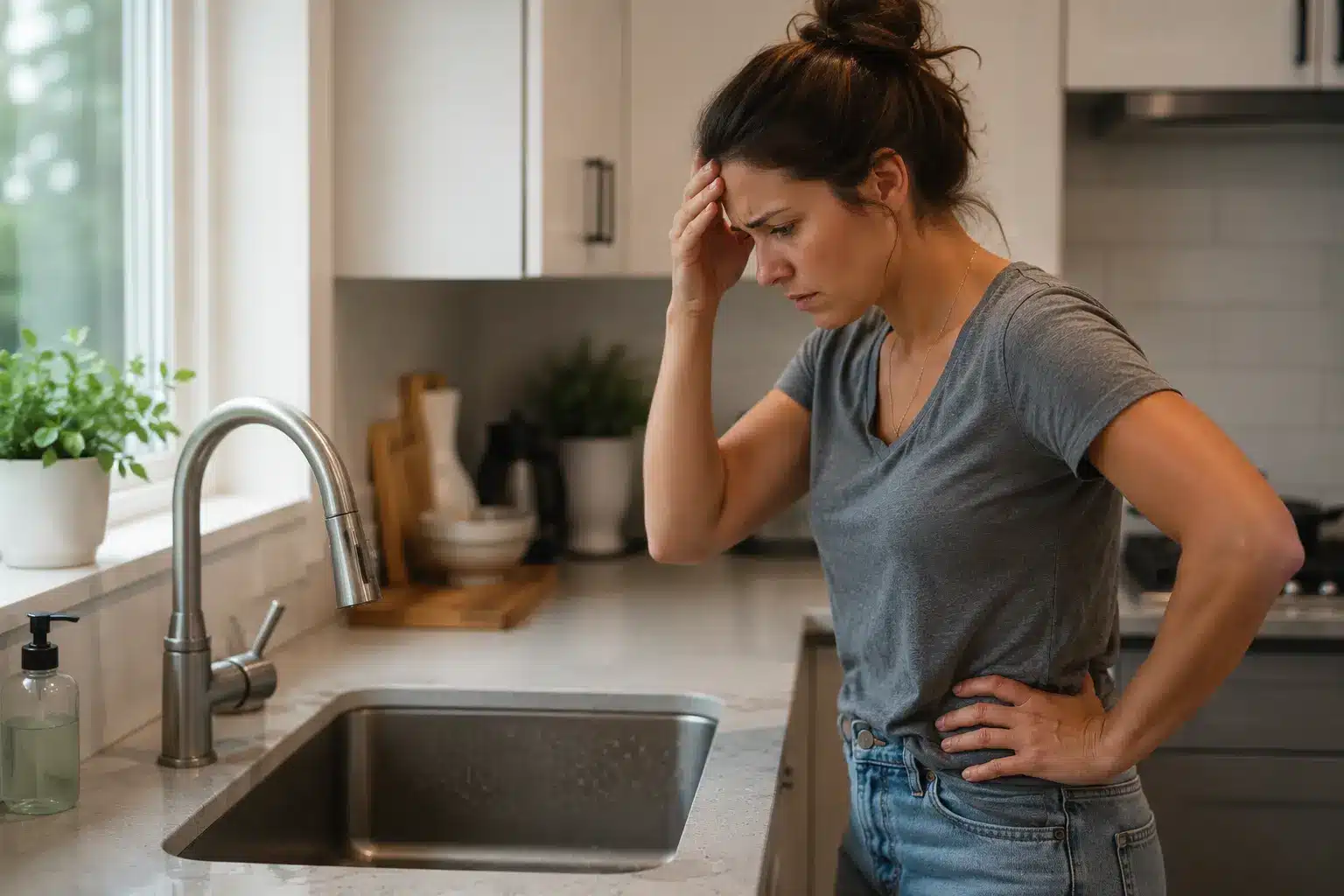
I just noticed water pooling in my home—could it be a burst pipe? What should I do first?

A broken water pipe can happen without warning, especially in Broward County homes with aging plumbing systems or sudden pressure changes. Whether you’re dealing with a water pipe burst inside your house or a damaged line outdoors, acting quickly can minimize burst pipe water damage, reduce repair costs, and help prevent mold growth.

How Can I Tell If a Pipe Has Burst in My Home?

s it always obvious when a pipe breaks? Not always. Some plumbing failures are dramatic, with water spraying from a damaged line, while others begin as slow leaks hidden behind walls, ceilings, or under flooring.

Look for wet spots on walls, ceilings, or floors, unusual hissing sounds, musty odors, or a sudden drop in water pressure. These signs may indicate a busted water pipe or another hidden plumbing leak that should be inspected immediately.

For more guidance on spotting hidden leaks before they escalate, see our guide on How to Detect Hidden Water Leaks Behind Walls or Under Slabs.

Why Do Pipes Burst in Broward County Homes?

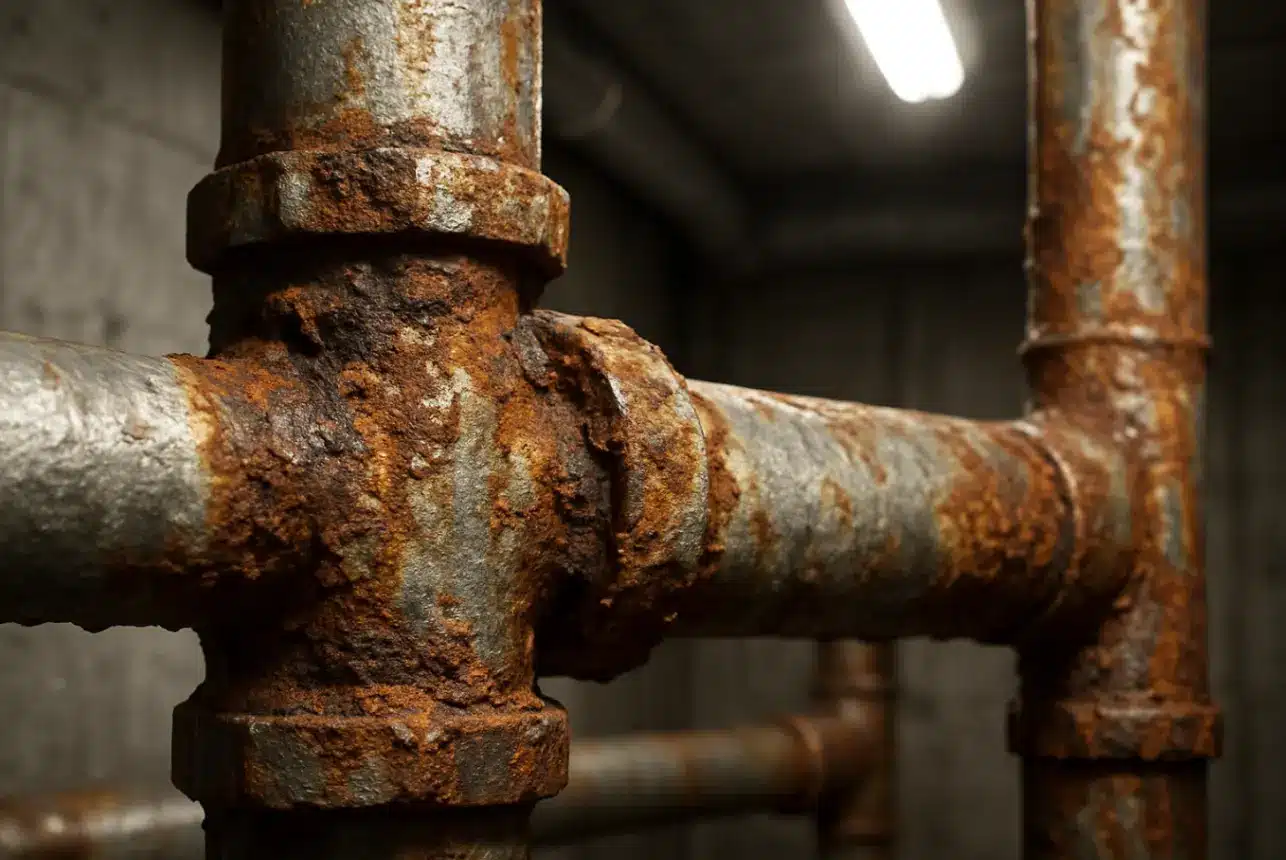
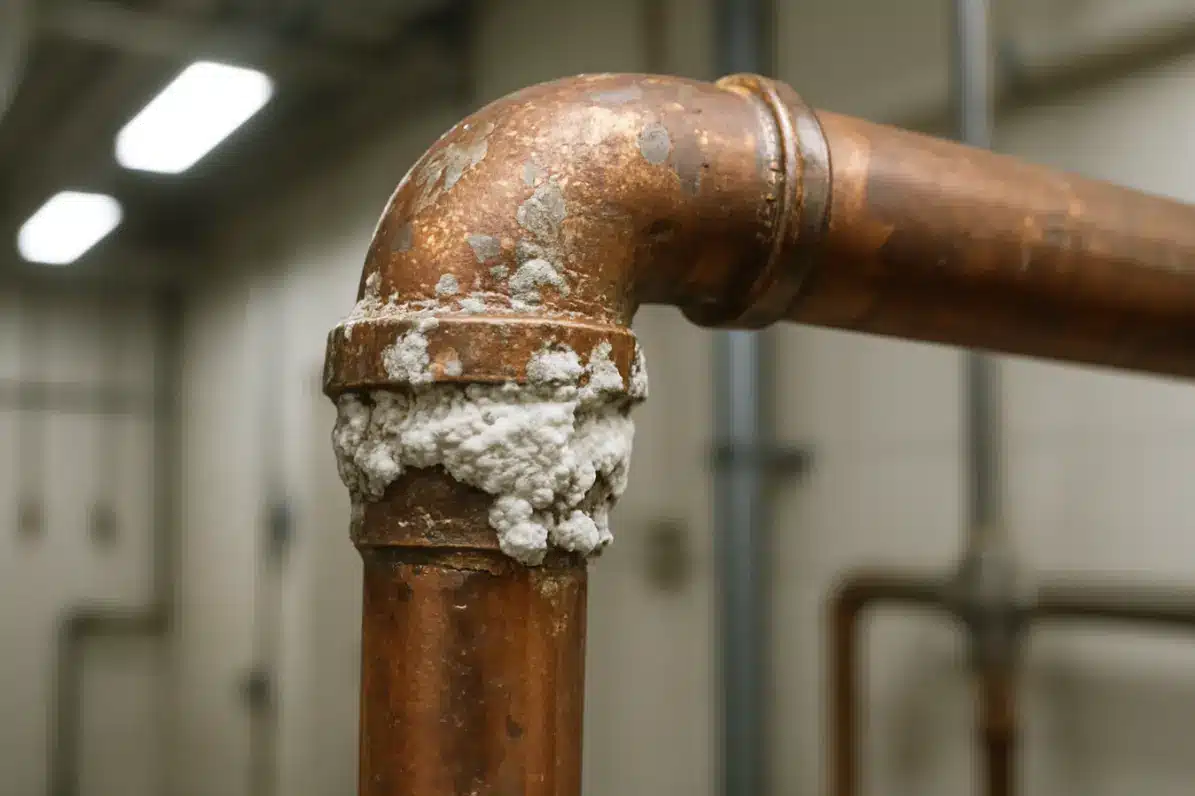
Are certain plumbing systems more likely to fail? Absolutely. Older copper or galvanized pipes can corrode over time, making them more susceptible when water pipes burst inside a house due to pressure fluctuations, corrosion, or age

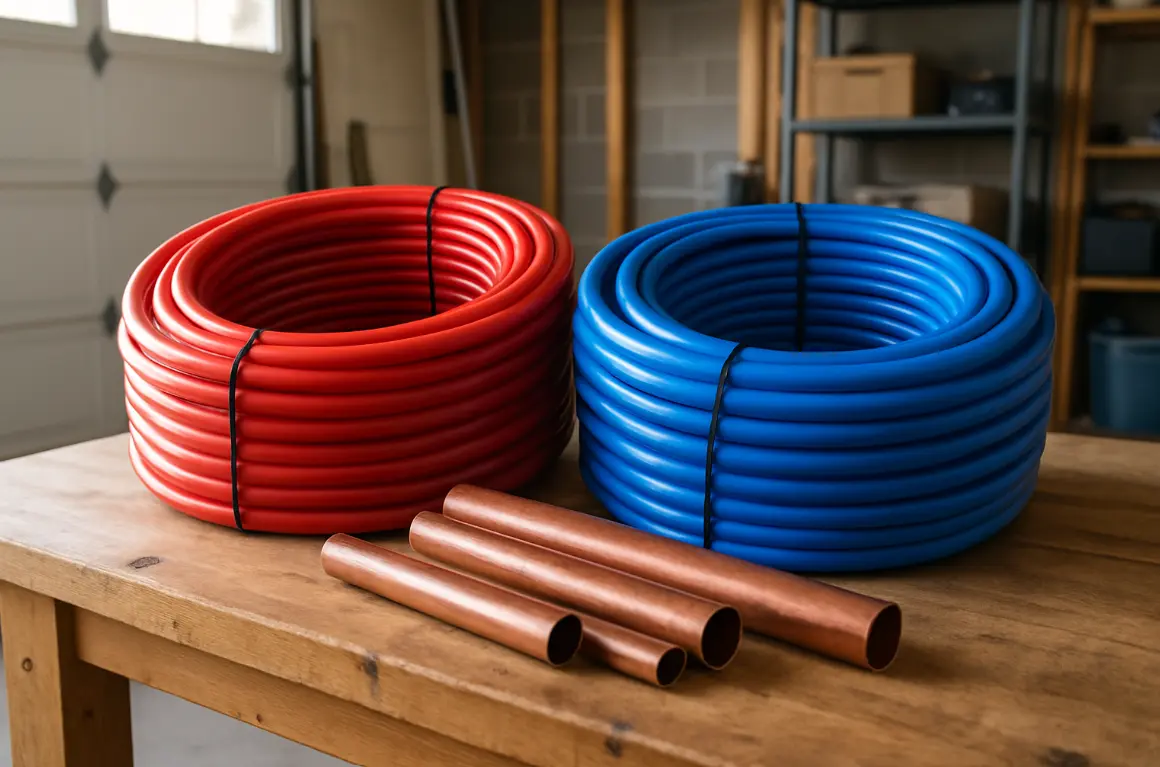
Are some pipes more vulnerable than others? Pipes exposed in garages, attics, or near AC units may face temperature swings that make them more likely to burst. Understanding these risks helps homeowners prevent future emergencies.

Should I Shut Off the Main Water Supply Immediately?

Close-up of a red main water shut-off valve on a metal pipe, used to stop water flow during a plumbing emergency or major leak.

Yes! Where is the main shutoff in Broward County homes? Most are located near the water meter, either outside in a small box or inside near the main plumbing entry.

Turning off the main valve stops the flow of water, limiting flooding and property damage. Don’t know where yours is? Now is the time to locate it before an emergency hits.

Do I Need to Turn Off Electricity Near a Broken Water Pipe?

Absolutely. Should I turn off electricity if water is near outlets or appliances? Yes. Water and electricity are a dangerous combination.

What if it’s unsafe to reach the breaker? Stay out of the area and wait for a professional plumber to arrive. This step protects you from serious injury or worse.

How Can I Contain the Water Until Help Arrives?

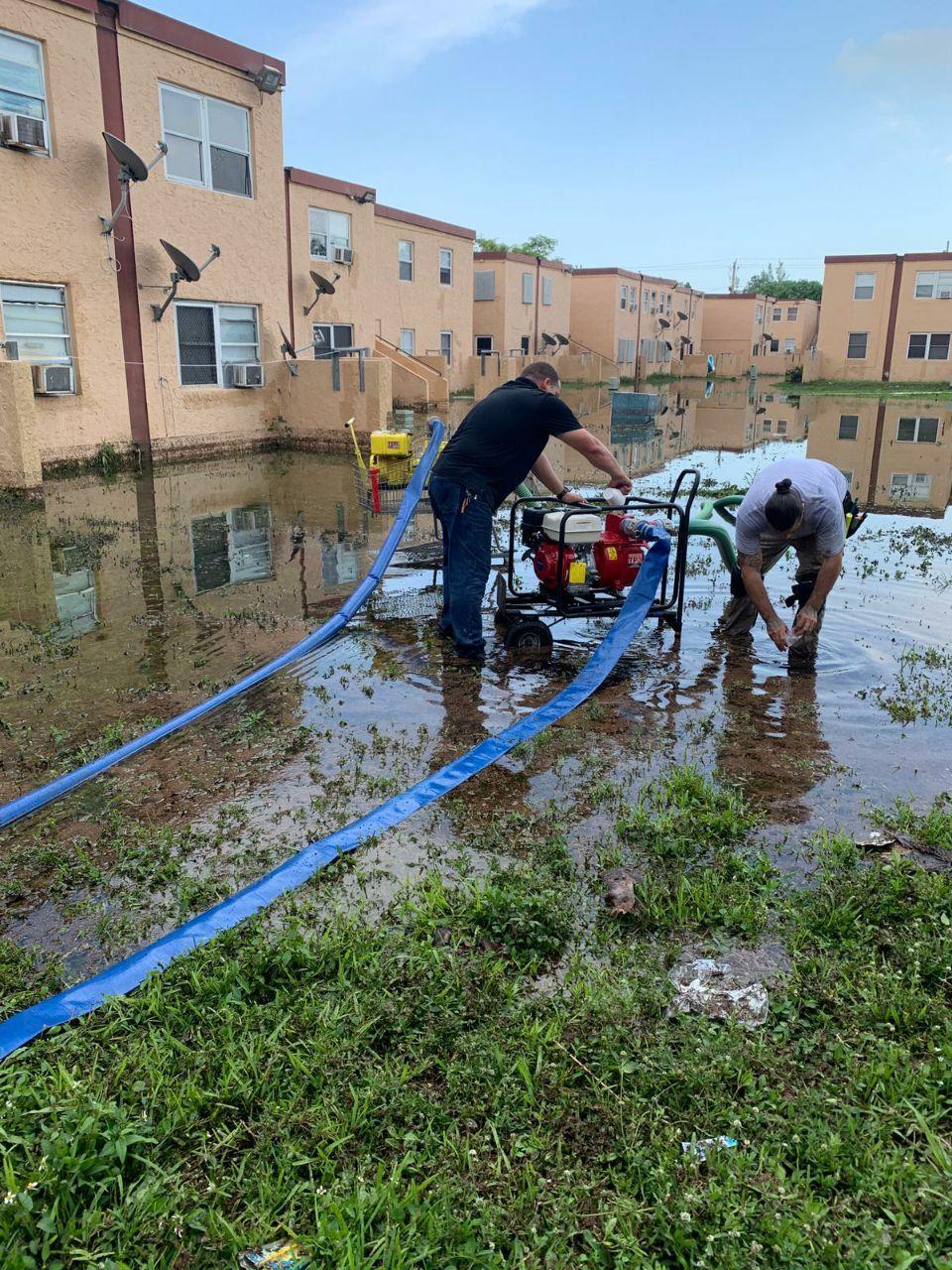
Can I just mop it up? Towels, buckets, and wet/dry vacuums can help temporarily manage water.

Are there temporary fixes I can do safely? Moving furniture and electronics away from the leak, lifting rugs, and placing plastic sheets on floors can reduce damage. Small leaks can sometimes be slowed temporarily using plumbing tape or a repair clamp, but these are only short-term measures. A busted pipe still requires professional repair to prevent further water damage. 

Can I Fix a Burst Pipe Myself?

I’ve seen DIY videos—is it really that simple? In most cases, no. Attempting a DIY repair can make the problem worse or even be dangerous.

A licensed plumber has the equipment to locate the damaged section, repair or replace the line safely, and confirm the entire plumbing system is functioning properly. Attempting to repair a broken water pipe yourself often leads to additional damage and higher repair costs.

How Do I Check for Hidden Water Damage?

Circular water stain on a ceiling near a window frame, indicating possible hidden water damage from a plumbing or roof leak.

Should I worry about burst pipe water damage behind walls or under floors? Absolutely. Water can soak into drywall, insulation, cabinetry, and flooring long before visible damage appears, increasing the risk of mold growth and structural deterioration.

What areas should I inspect first to prevent mold? Check floors, walls, ceilings, and any cabinetry near the leak. A licensed plumber can also perform a thorough inspection to catch hidden damage.

How Can I Prevent Future Pipe Bursts in Broward County Homes?

Once your plumbing has been repaired, regular inspections, pressure testing, and replacing aging pipes can significantly reduce the chance of another pipe break or unexpected plumbing emergency.  

Would preventative maintenance help? Absolutely. Our Preventative Maintenance Plumbing Contract helps Broward County homeowners reduce the risk of unexpected plumbing issues before they happen.

Does homeowners insurance cover damage from a burst pipe?

Coverage depends on your specific policy and the circumstances surrounding the plumbing failure. In some situations, homeowners insurance may cover sudden and accidental water damage caused by a burst pipe, while damage resulting from long-term neglect or lack of maintenance may be excluded.

If your home has suffered significant water damage, document the affected areas with photos and videos before cleanup whenever it is safe to do so. Contact your insurance company to determine whether you should file an insurance claim, and keep records of plumbing repairs, water extraction, and related services.

A licensed plumber can inspect the plumbing system, identify the source of the failure, and provide documentation that may be useful when discussing the damage with your insurance provider.

Who Should I Call for Professional Assistance?

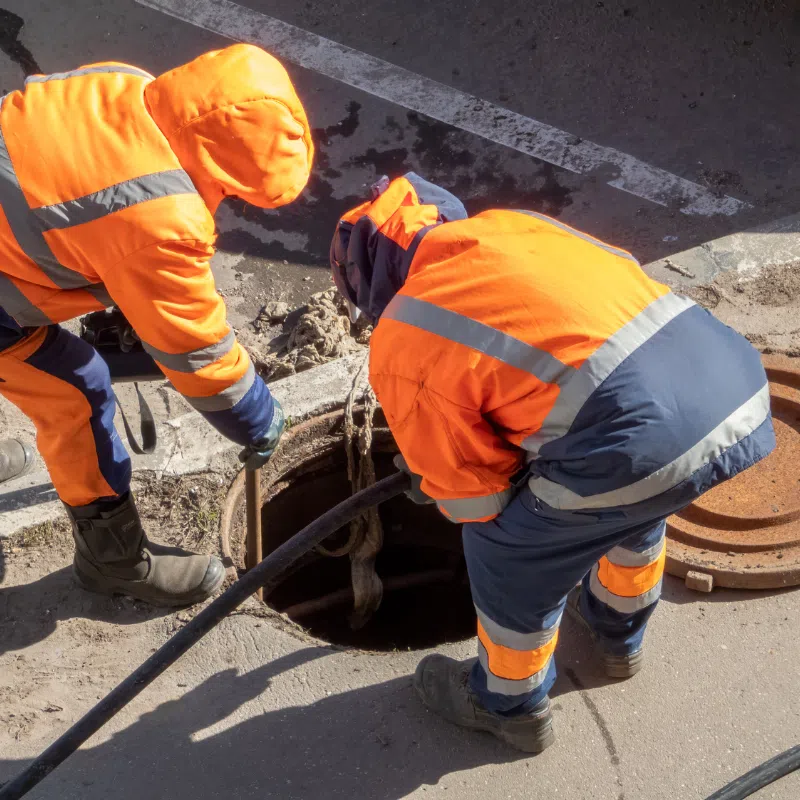
I need help now—who can I trust? Licensed plumbers in Broward County can quickly locate the damaged section, repair your broken water pipe, and minimize additional property damage. Whether you’re dealing with a burst water pipe outside your house or a leak inside your home, prompt professional service can save you thousands in repairs.
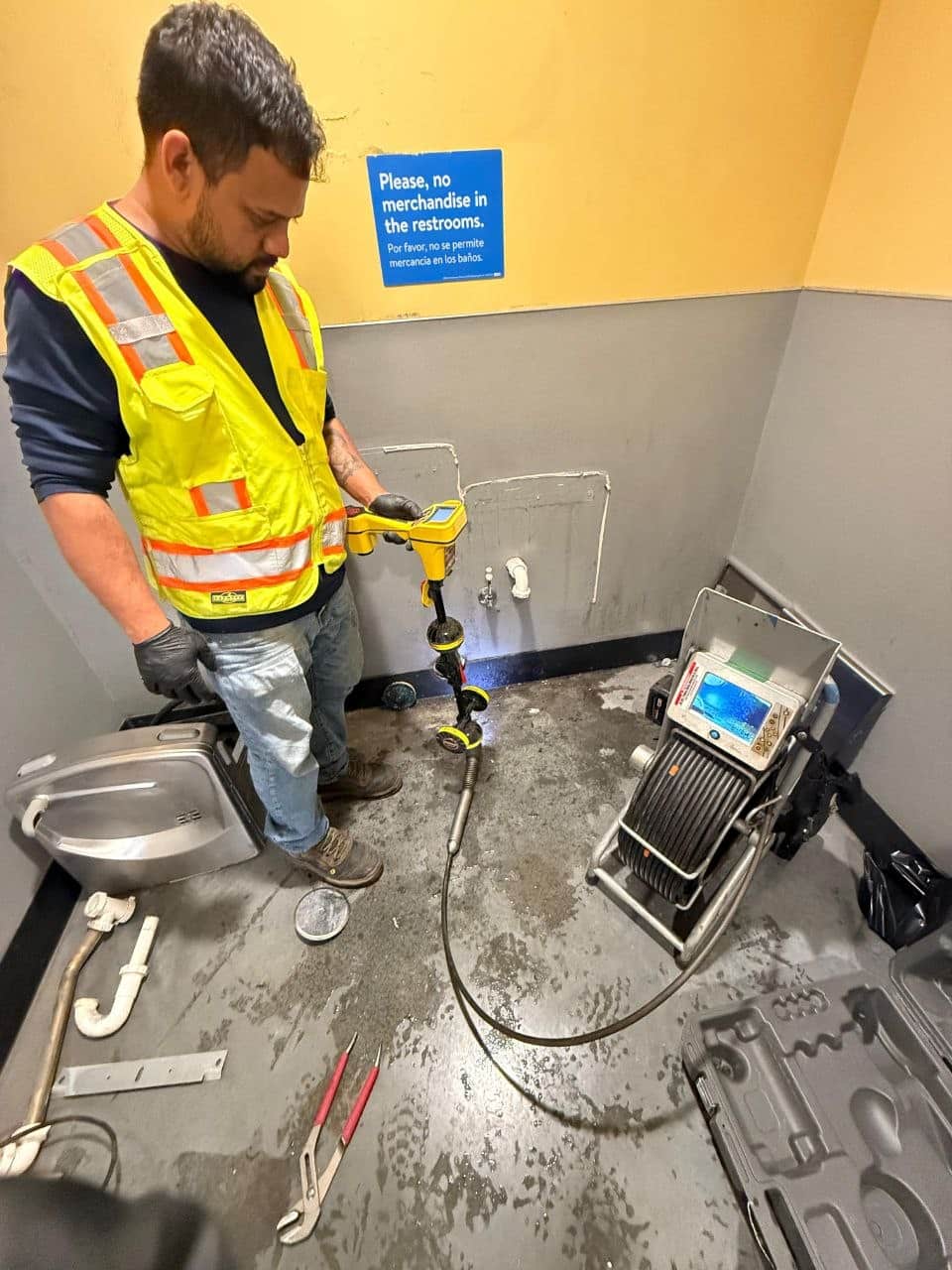
Can they handle both emergency repairs and ongoing maintenance? Yes, their team provides 24/7 emergency plumbing services and long-term maintenance plans to keep your home safe.

A burst pipe can be stressful, but asking the right questions and acting fast can save your home. Do you know where your main water shutoff is? Have you moved valuables out of harm’s way? Contacting a licensed professional immediately ensures your home stays safe and repairs are done correctly.


Frequently Asked Questions

  • Why Do Pipes Burst in Broward County Homes?

    While freezing temperatures are less common in Broward County than in colder parts of the country, sudden temperature changes can still put stress on vulnerable plumbing. Older pipes, corrosion, excessive water pressure, and poorly insulated plumbing in attics, garages, and crawl spaces can all increase the risk of a pipe failure.

  • Should I Shut Off the Main Water Supply Immediately?

    Yes! If you discover a burst pipe, locate your main water shut-off valve and turn it off immediately. In many South Florida homes, the valve is located near the water meter or where the main water line enters the property. If you cannot safely reach the valve, contact a professional plumber immediately.

    Shutting off the water quickly can help prevent additional flooding, standing water, and costly damage to flooring, drywall, cabinets, and personal belongings.

  • How Can I Contain the Water Until Help Arrives?

    After shutting off the water, remove furniture, rugs, electronics, and other valuables from the affected area if it is safe to do so. Use towels, buckets, or a wet/dry vacuum to manage standing water while waiting for professional assistance.

    Be especially careful when water has entered walls, ceilings, crawl spaces, or other areas that are difficult to access. Moisture trapped in these areas can continue causing damage even after the visible water has been removed.

  • How Do I Check for Hidden Water Damage?

    A burst pipe can cause significant damage behind walls, underneath floors, inside cabinets, and in crawl spaces before the problem becomes visible. Check for damp drywall, warped flooring, musty odors, discoloration, or areas that remain unusually wet.

    If water has remained inside your home, professional mold remediation may be necessary. In humid South Florida conditions, moisture can create an environment where mold develops quickly, particularly when water becomes trapped behind walls or under flooring.

Recent Posts

Latest Articles