PEX vs. Copper: Choosing the Right Pipe Material for Florida Homes
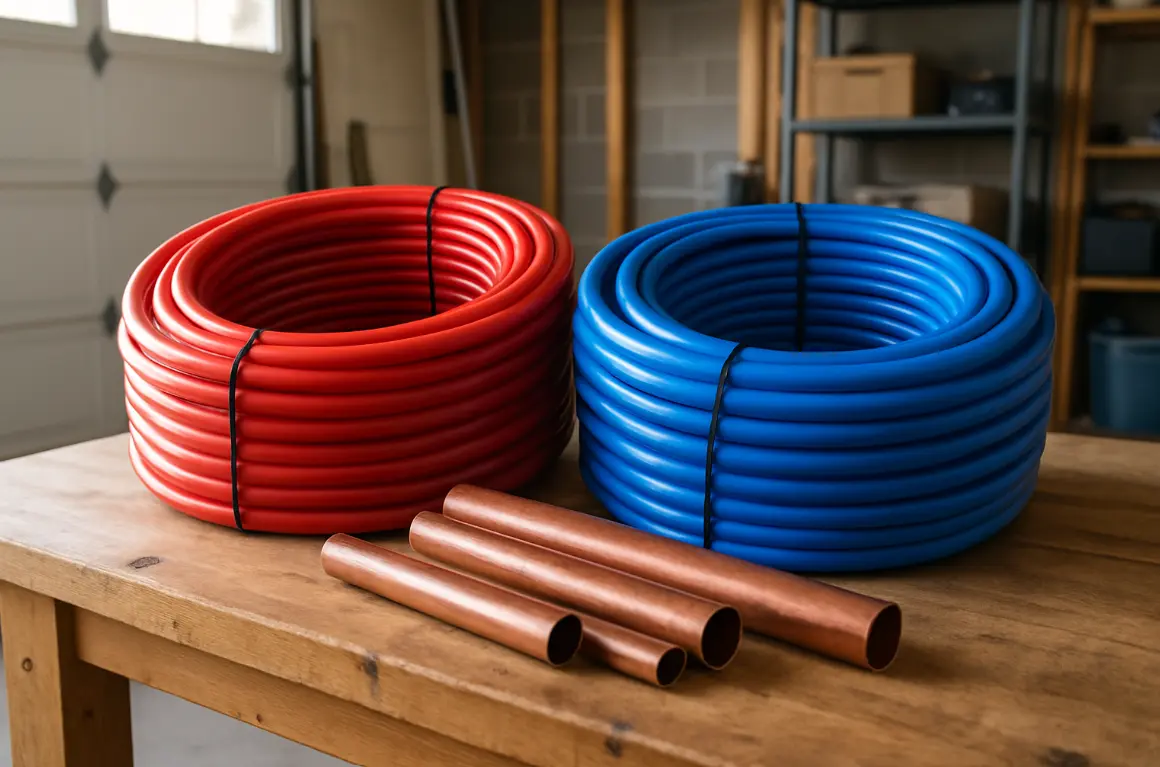
Material selection matters more in Florida than in most states because of the combination of hard water, high ambient temperatures, and slab foundations. Here is a side-by-side comparison:
Factor | PEX | Copper |
Cost per linear foot | $0.40 to $4.00 | $3.00 to $10.00+ |
Expected lifespan | 80 to 100 years | 50 to 70 years (less in hard water areas) |
Flexibility for slab homes | High (snakes through walls easily) | Low (requires more drywall cuts) |
Hard water resistance | Excellent | Moderate (prone to pinhole leaks) |
Heat tolerance | Good with proper insulation | Excellent |
Real estate appeal | Strong (certified PEX repipe is a selling point) | Strong (recognizable material) |
Permit requirement in Florida | Yes | Yes |
PEX has become the dominant material for Florida repipes largely because its flexibility means fewer cuts to walls and ceilings, which directly reduces labor costs and restoration time. According to the Mayo Clinic’s overview of drinking water safety, material quality in plumbing directly affects water safety, which is an added reason to choose a certified, high-grade pipe product.
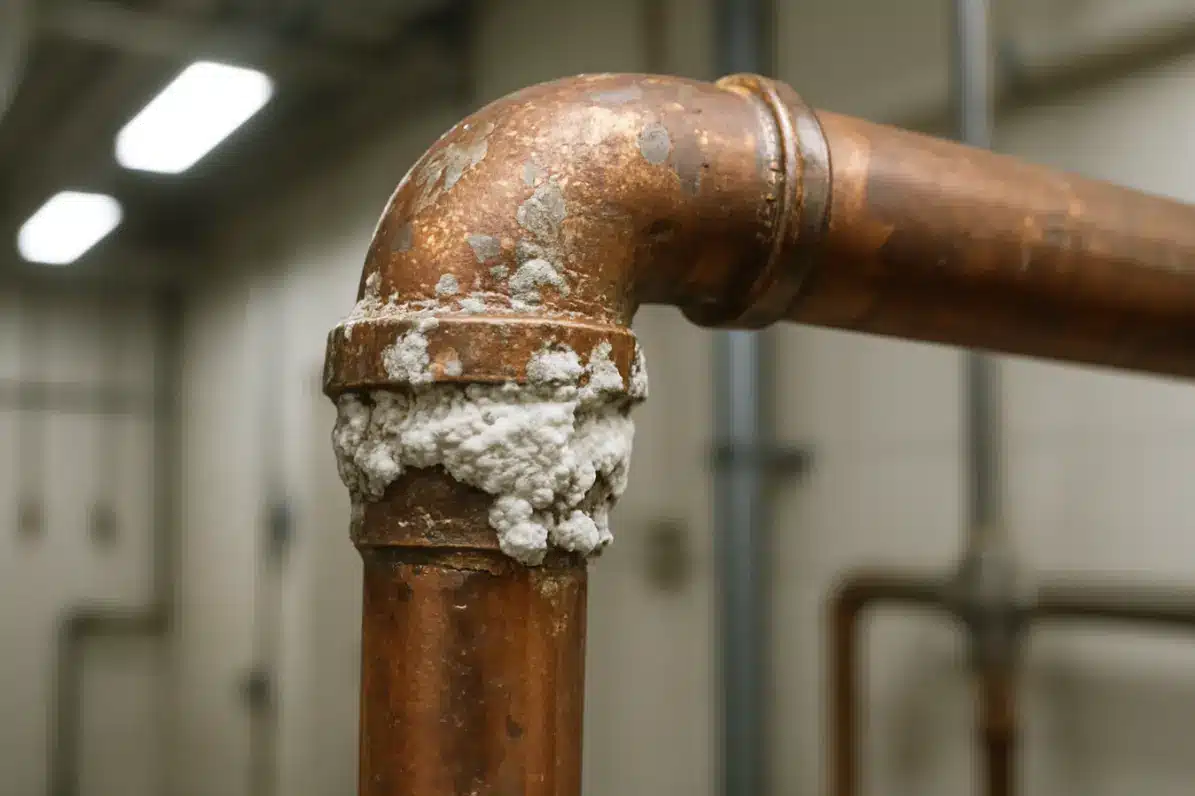
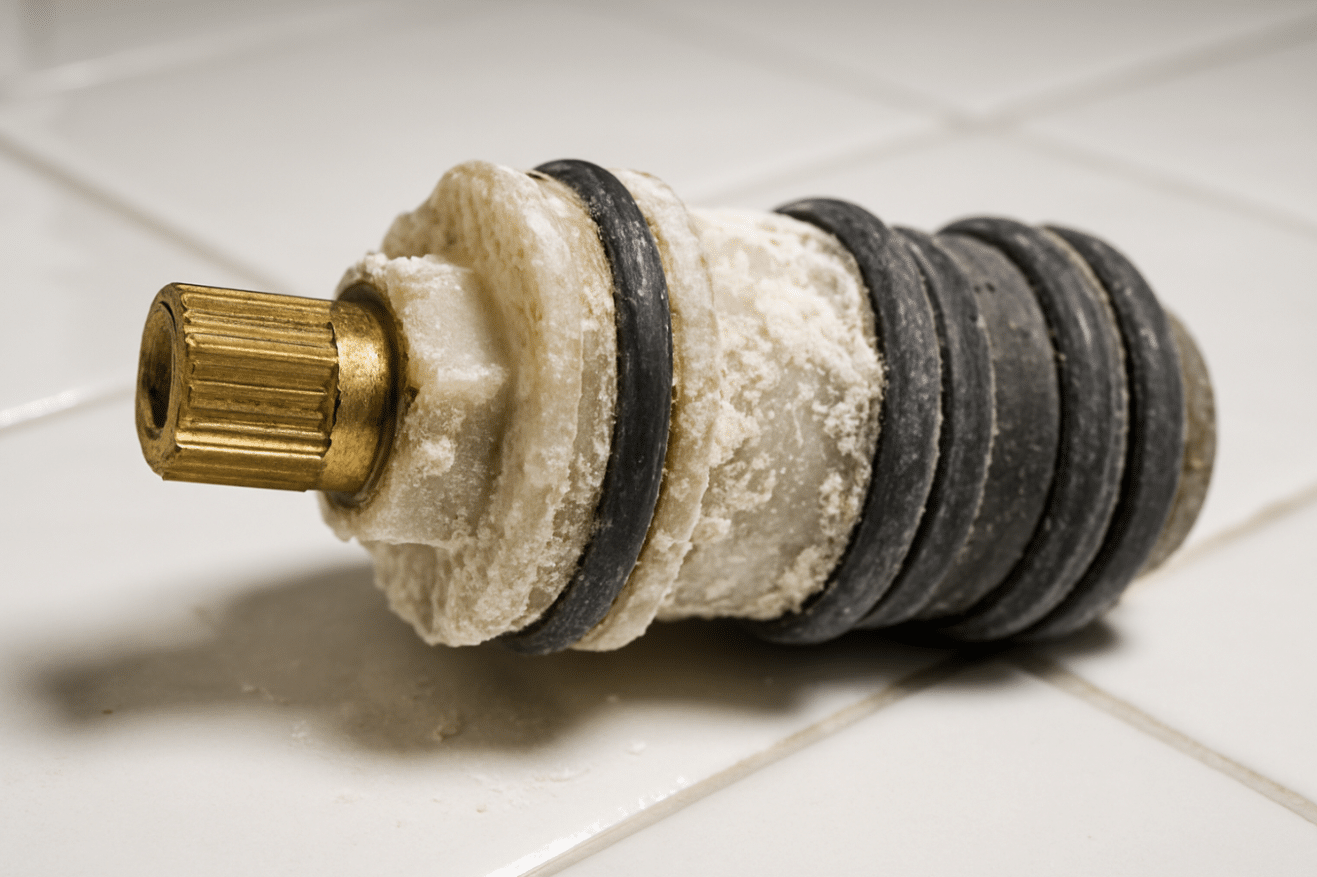
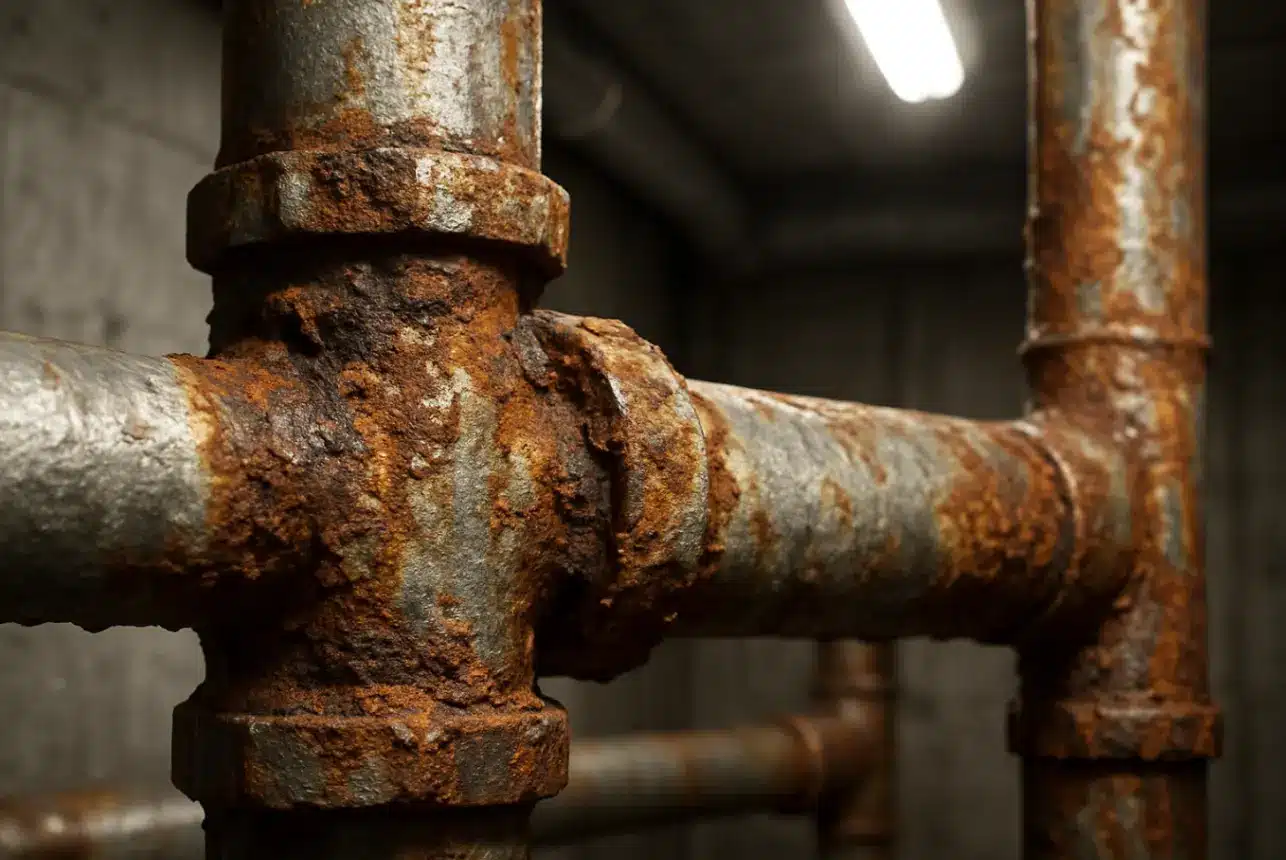
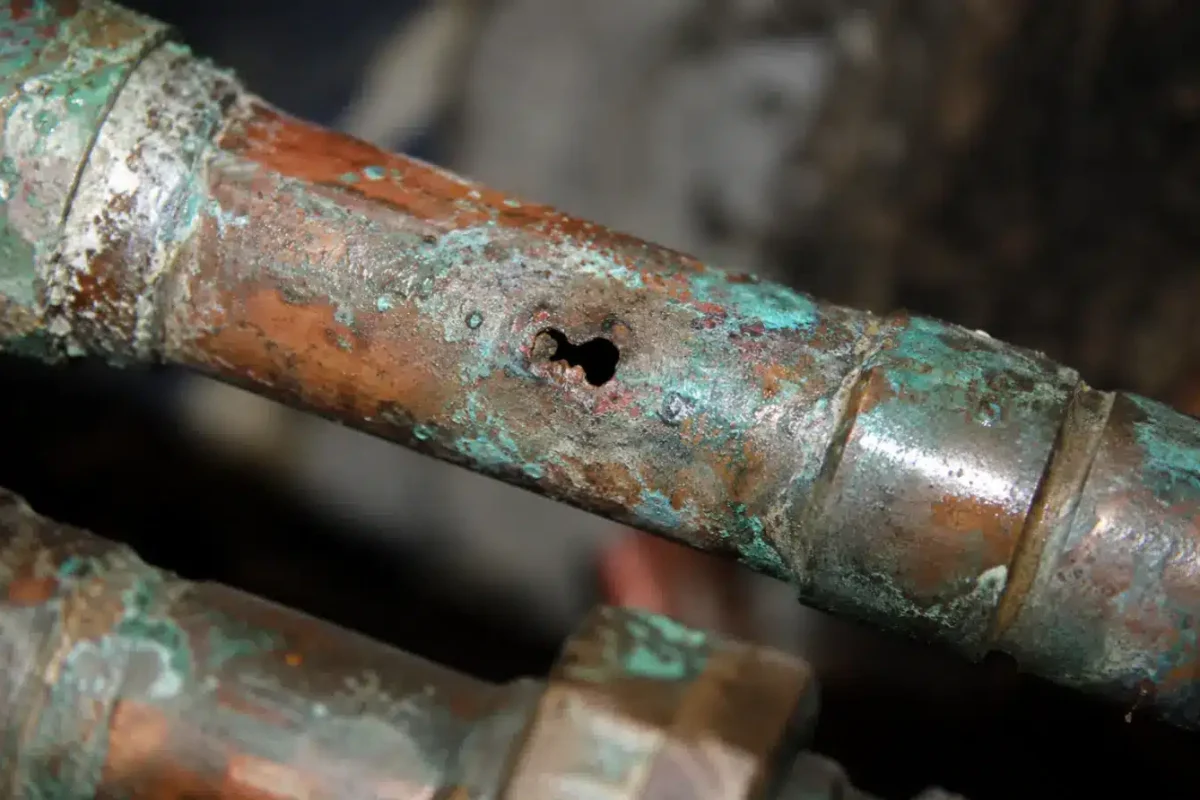
Copper remains a viable option for homeowners who want a traditional material, but its performance in Florida’s hard water environment is a real concern. Mineral deposits from hard water accelerate interior corrosion and are a leading cause of pinhole leaks in copper systems installed in the 1980s and 1990s.
What Repiping Services Florida Projects Actually Cost in 2026
Pricing varies by home size, pipe material, foundation type, and regional labor rates. Here is a practical breakdown based on current market data:
- 800 to 1,200 sq ft home: $3,200 to $9,600 (PEX); $7,000 to $15,000 (copper)
- 1,500 to 2,000 sq ft home: $4,800 to $12,000 (PEX); $12,000 to $19,200 (copper)
- 2,500 to 3,500 sq ft home: $10,000 to $20,000 (PEX); $18,000 to $28,800 (copper)
Slab foundations add cost because accessing supply lines often requires saw-cutting or tunneling under the slab, or rerouting pipes through attic and wall spaces instead. Attic rerouting is common in Florida and keeps costs more predictable than slab tunneling.
Some Florida insurance companies now require proof of updated plumbing before renewing homeowners coverage on older homes. If your insurer has flagged your plumbing, get at least three written quotes before proceeding, and confirm that each contractor’s scope of work includes permit fees and drywall patching.
How a Whole-House Repipe Works: Timeline and Process
Most residential repiping projects in Florida take between two and five days, depending on the home’s square footage and the accessibility of existing plumbing. Here is what a typical project looks like from start to finish:
- Assessment and estimate: A licensed plumber inspects your current system, identifies the pipe material, and maps supply line routes.
- Permit application: The contractor applies for the required municipal permit. This step takes one to five business days depending on the jurisdiction.
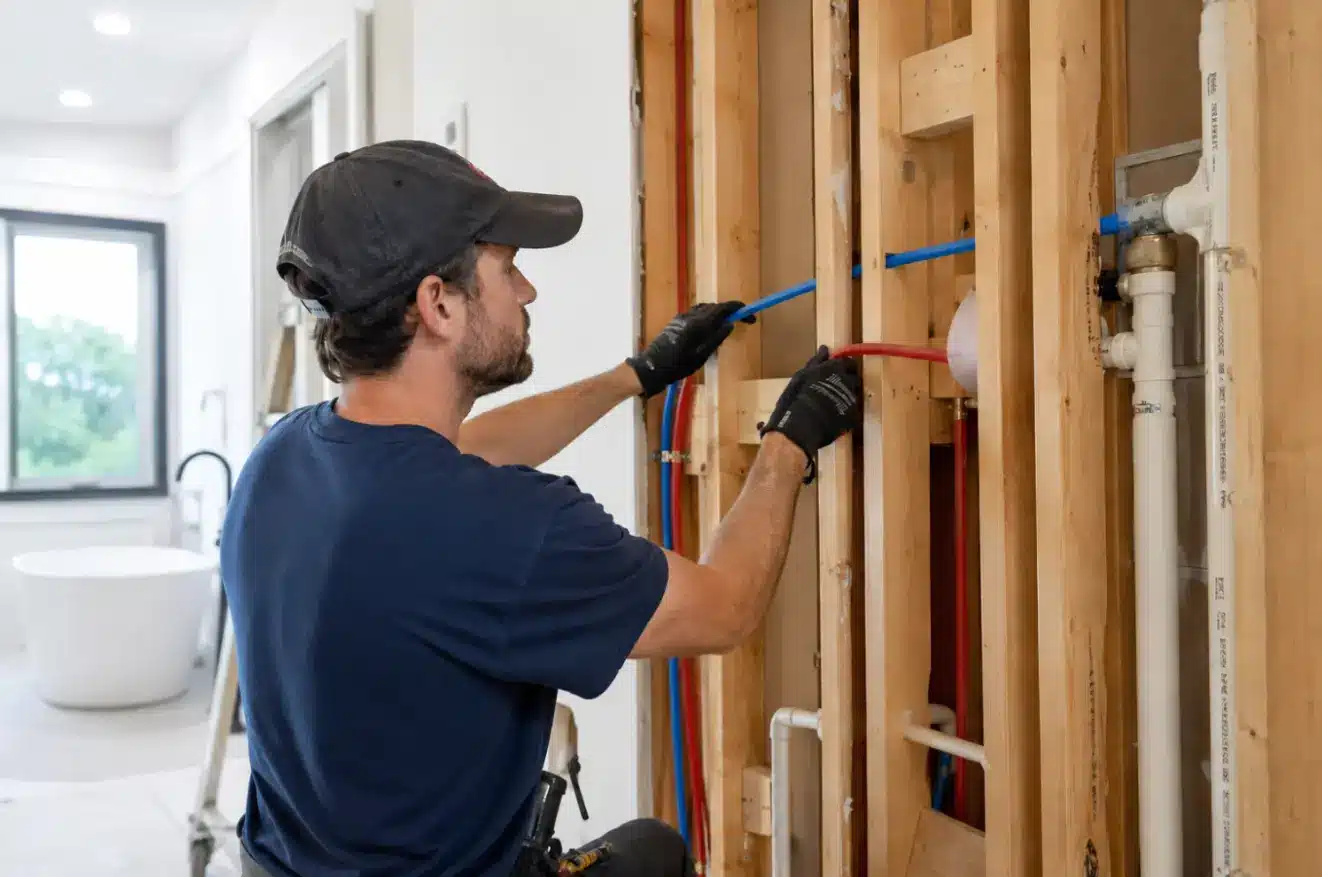
- Water shutoff and installation: Workers shut off water to the home and begin installing new pipe. PEX can often be routed through existing wall cavities with minimal drywall removal.
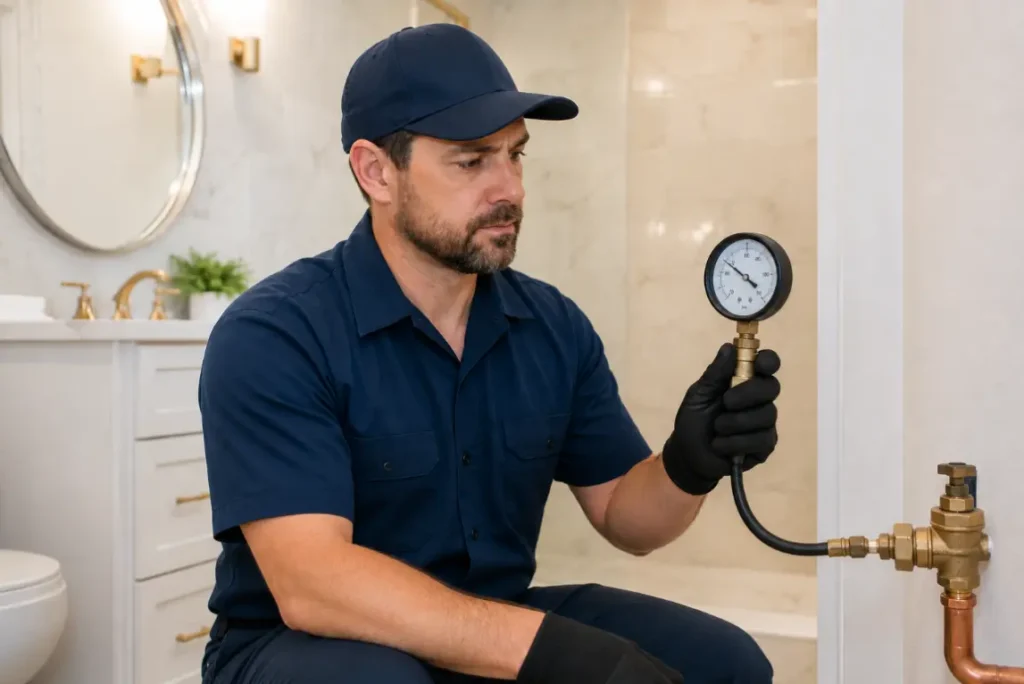
- Pressure testing: Before walls are closed, the system is pressure-tested to confirm no leaks exist.
- Inspection: A city or county inspector verifies the work meets local code.
- Wall repair and restoration: Drywall is patched and finished. Some contractors include this in their scope; others subcontract it separately.
- Final walkthrough: Water is restored and each fixture is tested for pressure and flow.
You should plan for at least two days without running water in the home. Many families stay elsewhere during the installation phase.
Services Covered: Residential, Commercial, and Emergency Repiping
Repipe contractors in Florida typically handle several service categories:
Residential: Single-family homes, condos, and townhomes. This is the most common scope and includes whole-house repipes and partial repipes targeting a specific material (for example, replacing galvanized steel only).
Commercial: Office buildings, retail spaces, restaurants, and multi-family properties. Commercial projects require additional coordination around business hours and may involve more complex permitting.
Emergency response: Active slab leaks, burst pipes, or sudden pressure failures may require immediate assessment and can accelerate the timeline for a full repipe decision. The Federal Emergency Management Agency also notes that Florida’s elevated water table increases the frequency and severity of slab leak events.
Things to Know
- Florida homeowners insurance may be denied or non-renewed if your home still has galvanized steel or polybutylene pipes.
- A certified PEX repipe is a documented selling point in Florida real estate transactions and can help buyers qualify for lower insurance premiums.
- Hard water from Florida’s aquifer system shortens copper pipe lifespan faster than the national average, according to USGS water hardness data for Florida.
- Slab rerouting through the attic is often faster and less disruptive than tunneling under the foundation, and most Florida contractors prefer this method.
- Always verify that the permit and final inspection are completed and documented. Without this, you may face issues during a home sale or refinancing appraisal.