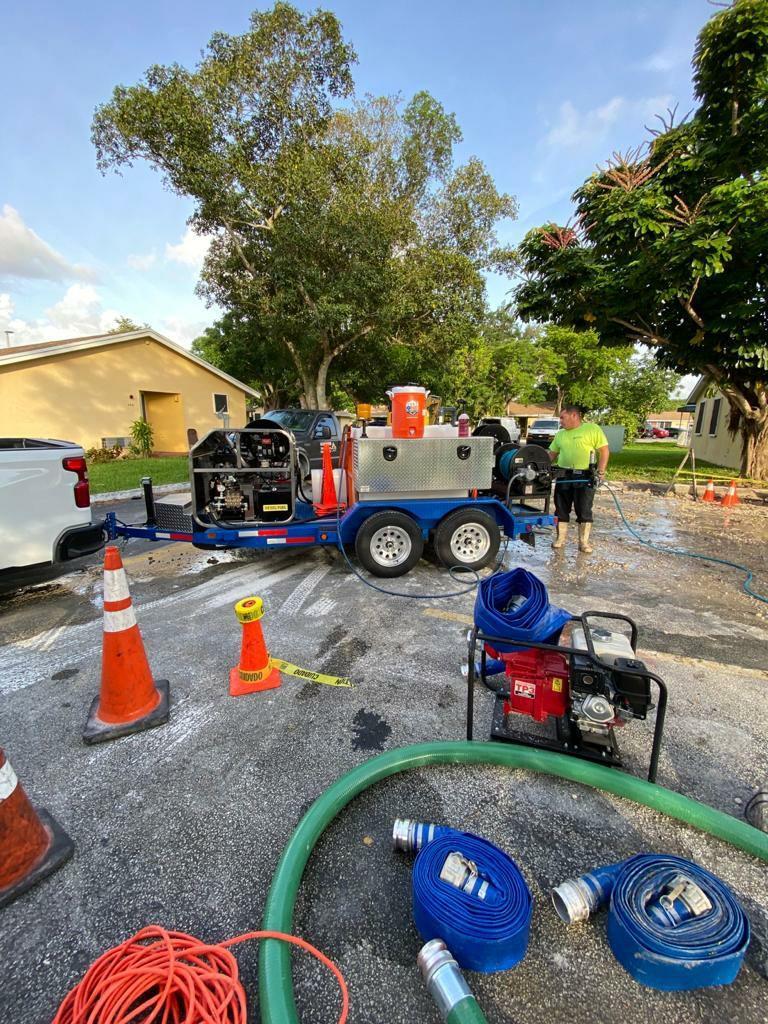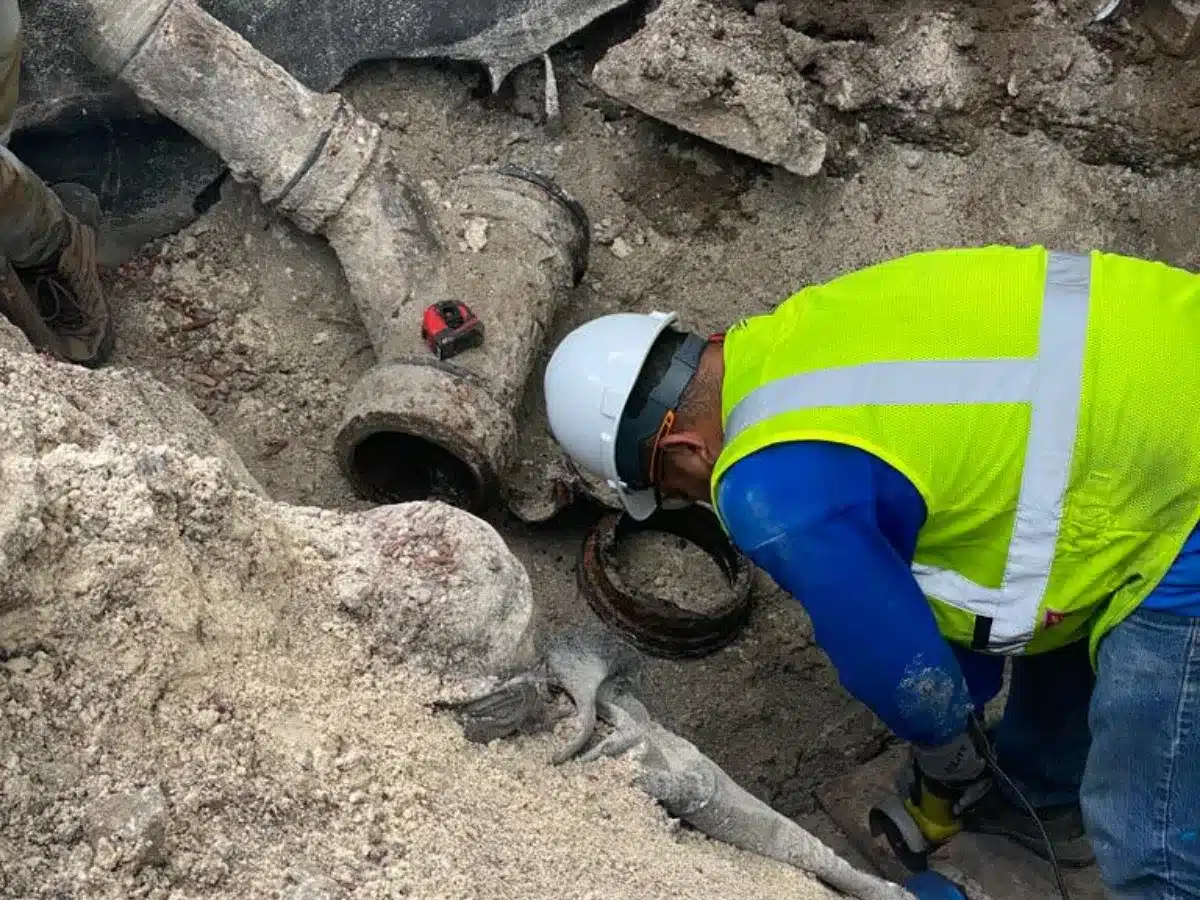
Commercial plumbing is about more than fixing a leaking faucet or unclogging a drain. In a commercial property, the plumbing system supports employees, customers, tenants, equipment, sanitation, and day-to-day operations. When something goes wrong, even a relatively small plumbing problem can quickly become a disruption to the business.
That’s why choosing the right licensed commercial plumbing contractor in Florida matters.
A qualified commercial plumbing contractor can do more than respond when something breaks. They can help property owners, facility managers, contractors, and business owners understand the condition of their plumbing systems, plan repairs and upgrades, and address potential problems before they become expensive emergencies.
For businesses considering plumbing repairs, renovations, new construction, or ongoing maintenance, here’s what you should know about working with a professional commercial plumbing contractor.
Why Florida Septic Systems Need Attention More Often
Florida is one of the few states where the water table can sit just a few feet below your yard. That matters because a saturated drain field cannot absorb effluent the way it should. When your tank goes too long between pumpings, solids overflow into the drain field and clog the soil. In Florida’s conditions, recovering a failed drain field is expensive and sometimes impossible without full replacement.
The Florida Department of Health, which oversees onsite sewage treatment and disposal systems through its county health departments, sets rules about system design and maintenance. While the state does not currently mandate a specific pumping schedule for all homeowners, some counties have adopted inspection requirements. Regardless of local rules, routine pumping is the most cost-effective way to protect your investment.
Household size plays a significant role too. A family of four generates far more wastewater than a retired couple, meaning the tank fills with solids faster. Similarly, habits like using a garbage disposal heavily, doing multiple loads of laundry daily, or hosting frequent guests all accelerate sludge buildup.
What Septic Tank Pumping Actually Involves
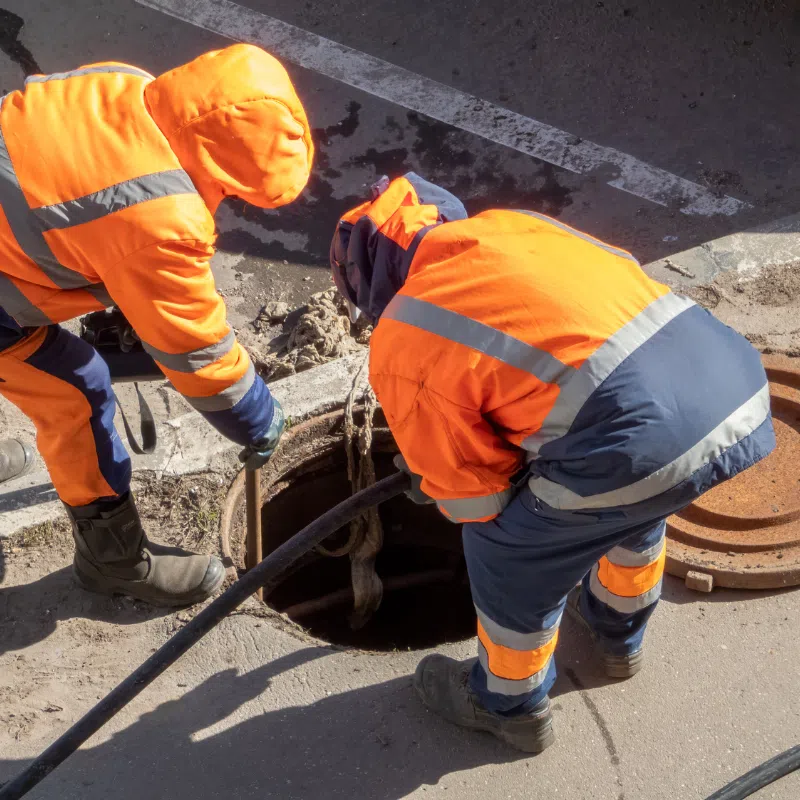
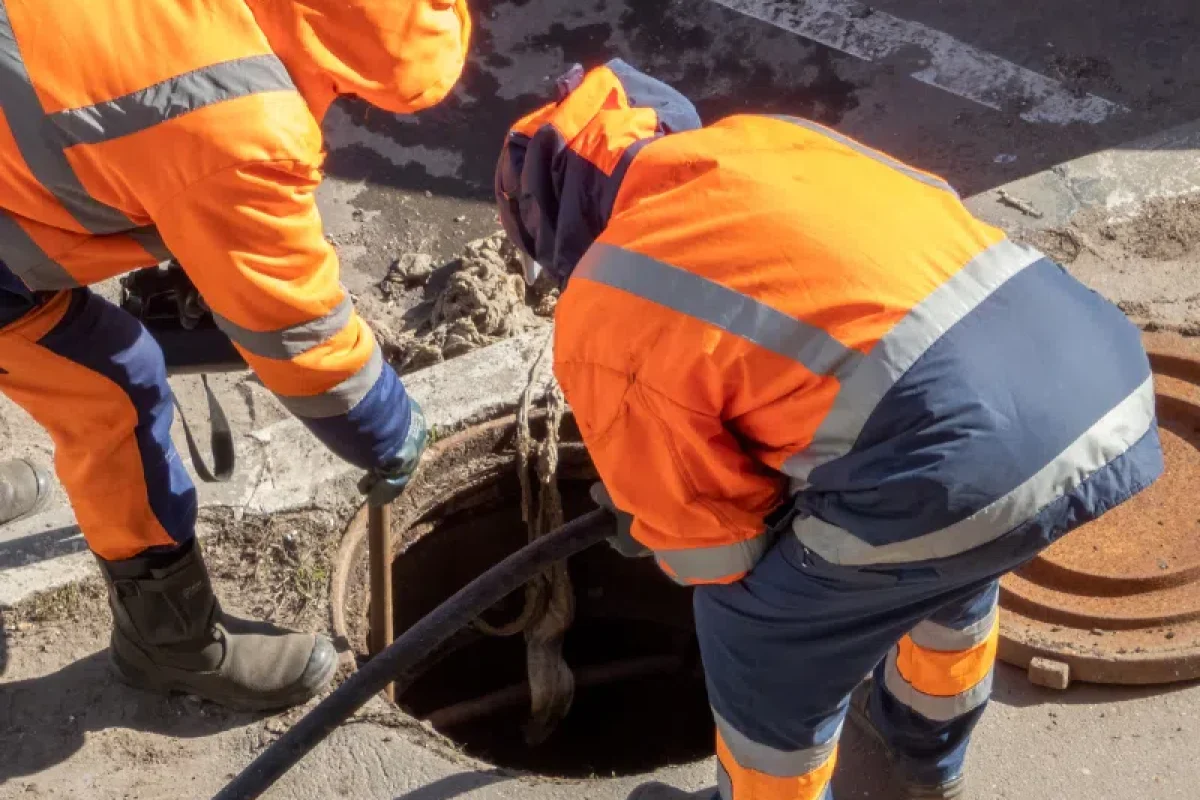
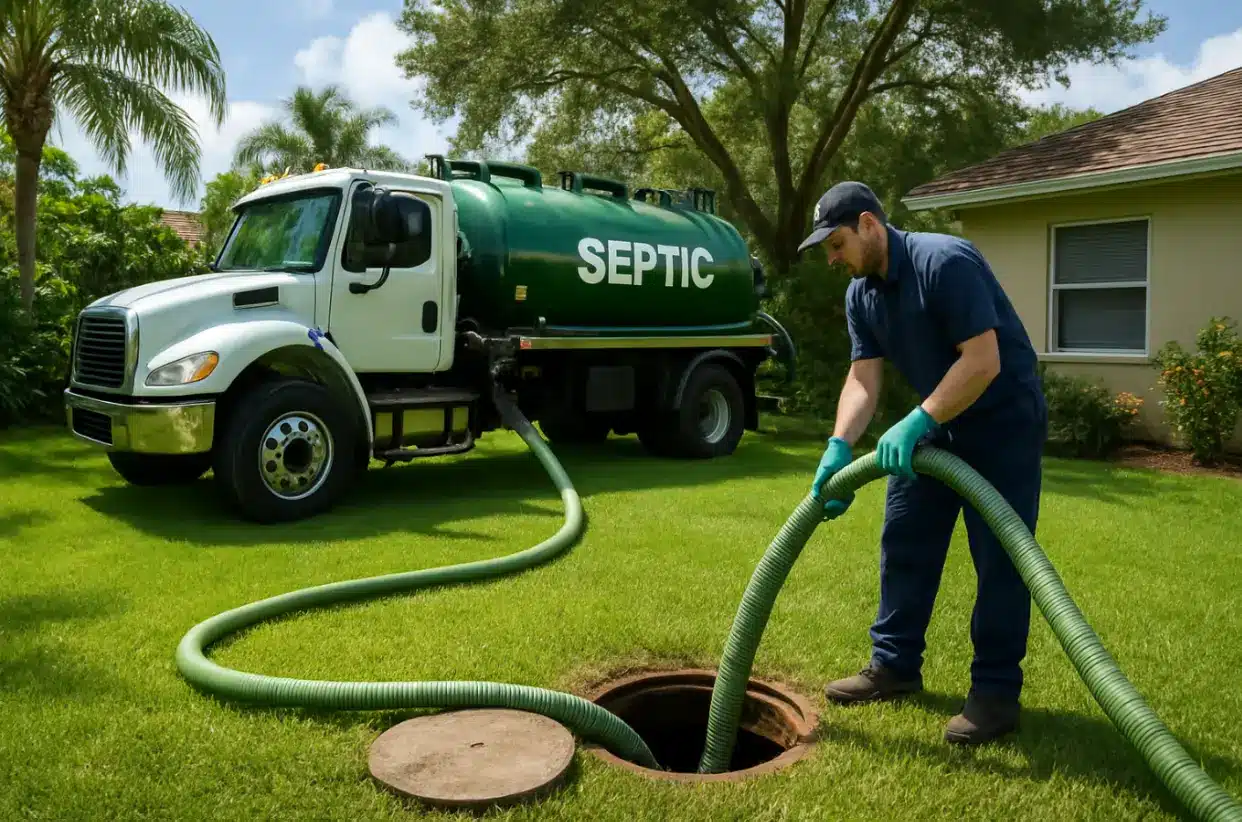
When a licensed pumping company arrives at your property, the technician will locate and uncover the tank access lids, insert a vacuum hose, and remove the liquid, sludge, and floating scum layer. This typically takes between 30 and 60 minutes for a standard 1,000-gallon tank.
A thorough pumping visit also includes a visual inspection of the tank’s condition. The technician checks the inlet and outlet baffles, looks for cracks in the tank walls, and notes any signs that solids may have already migrated toward the drain field. This inspection step is worth asking about specifically when you book service, because some lower-cost providers skip it.
After pumping, the technician will typically let you know the estimated fill rate based on what they found, give you a recommended service interval, and flag any repair needs. Getting a written record of each pumping is good practice, both for your own planning and because it can be required documentation if you sell your home.
Cost Ranges in Florida
Pumping costs in Florida vary by county, tank size, and how accessible your tank is. For a standard residential tank in most parts of the state, you can generally expect to pay somewhere in the range of $250 to $500 for a routine pumping. Larger tanks, tanks with difficult access, or tanks that are severely overdue can push costs higher. Emergency service calls, particularly on weekends or holidays, will carry an additional premium.
Some companies bundle pumping with an inspection or camera assessment for a higher flat rate. That added cost often makes sense if the system is older or if you are buying a home and need a clear picture of the system’s condition before closing.
Signs Your Tank Needs Pumping Now
Do not wait for a scheduled service interval if you notice any of these warning signals:
- Slow drains throughout the house, not just in one fixture
- Gurgling sounds coming from toilets or sink drains
- Sewage odors inside the home or in the yard above the tank or drain field
- Unusually lush or green grass directly over the drain field area
- Sewage backing up into the lowest fixtures in the house
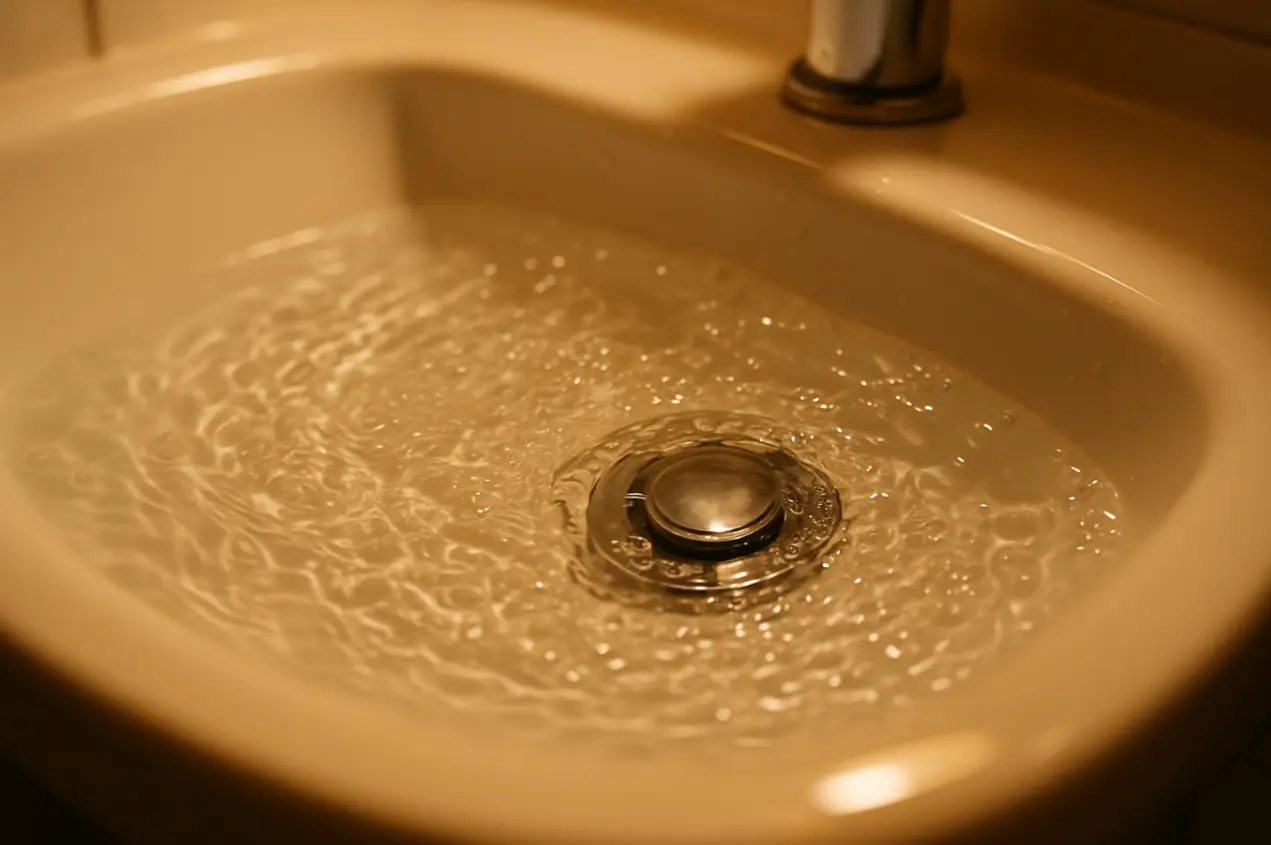
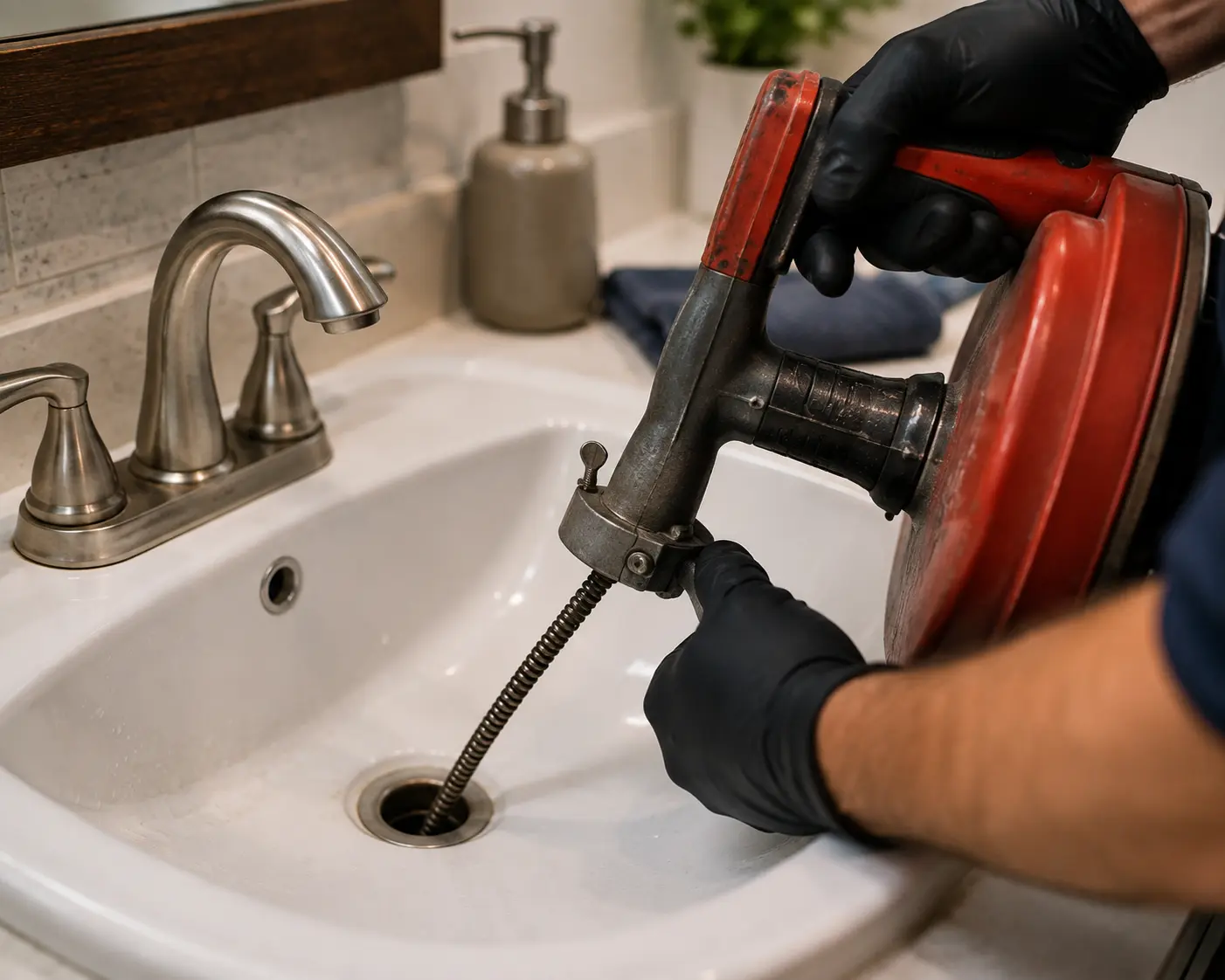
If you are experiencing slow drains and are unsure whether the issue is a septic problem or a clogged line, it helps to start by reviewing your drain cleaning unclogging services options before assuming the tank is the culprit. A blocked pipe can mimic early septic failure, and ruling that out first can save you an unnecessary pumping call.