Signs It’s Time to Replace Your Kitchen Sink Faucet

Modern black kitchen faucet with low water pressure flowing into sink in a West Palm Beach home.

Your kitchen sink faucet is one of the most frequently used fixtures in your home. From washing dishes and preparing meals to filling pots and cleaning up throughout the day, it plays an essential role in your daily routine. Like any plumbing fixture, however, it won’t last forever.

While some faucet problems can be repaired, there comes a point when replacing the faucet is the smarter and more cost-effective solution. Knowing the warning signs can help you avoid recurring leaks, water waste, and unexpected plumbing issues.

If your kitchen faucet has been giving you trouble, here are the signs that it may be time for a replacement.

Why Replacing an Aging Faucet Matters

An outdated or damaged faucet does more than affect convenience. It can waste water, increase utility bills, reduce water pressure, and even cause water damage beneath your sink if leaks go unnoticed.

Replacing a worn faucet can improve your kitchen’s functionality while helping you avoid more expensive plumbing repairs in the future.

1. Your Faucet Keeps Dripping

A dripping faucet is one of the most common plumbing problems homeowners experience. While replacing a washer or cartridge may solve the issue initially, recurring leaks often indicate that the faucet itself is wearing out.

Instead of repeatedly repairing the same fixture, replacing it may provide a more reliable long-term solution.

2. Low Water Pressure

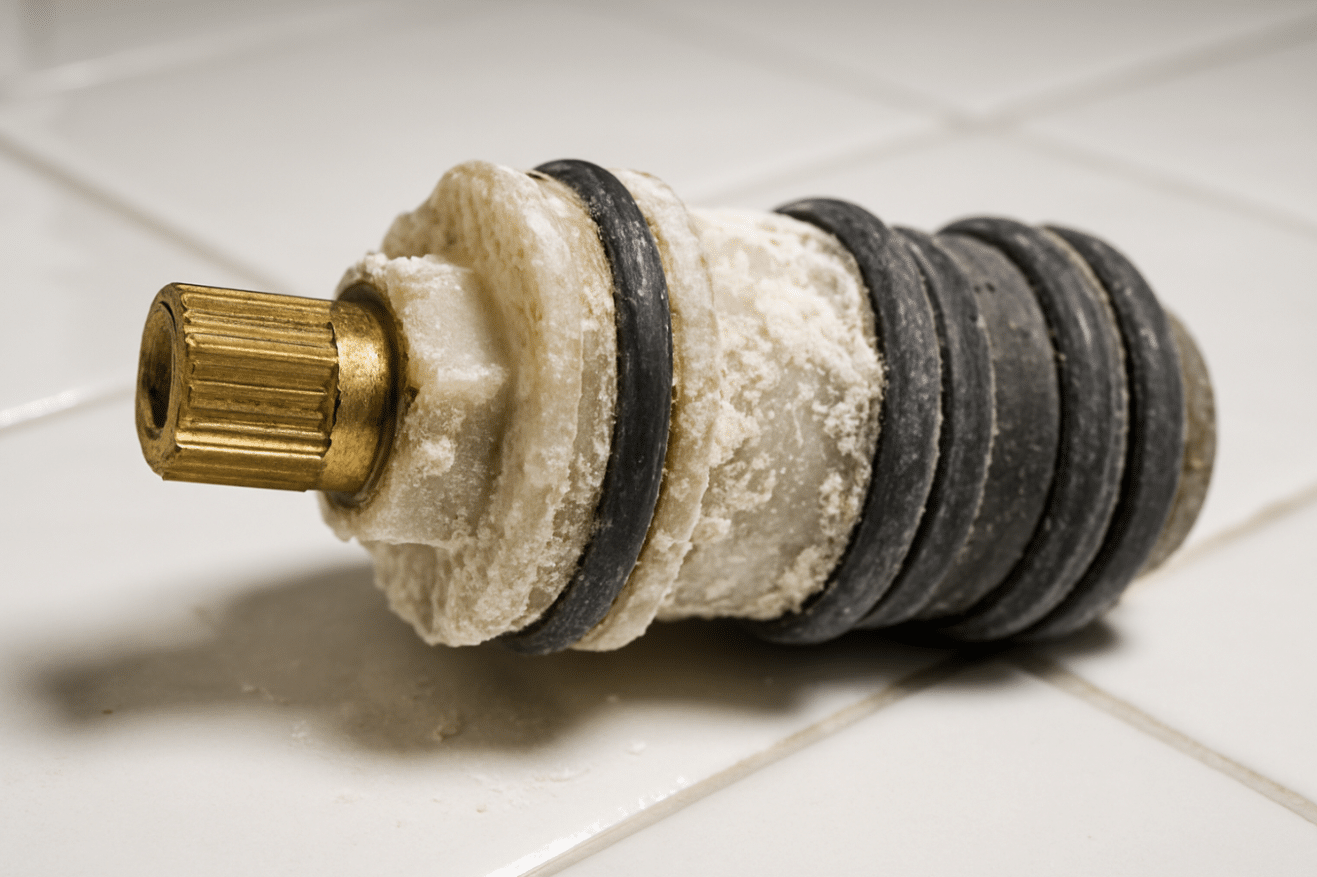
If water pressure has gradually decreased at your kitchen sink while other fixtures in the home are working normally, mineral buildup or internal faucet corrosion may be restricting water flow.

Although cleaning the aerator can sometimes restore pressure, persistent low water pressure may signal that it’s time for a new faucet.

3. Visible Rust or Corrosion

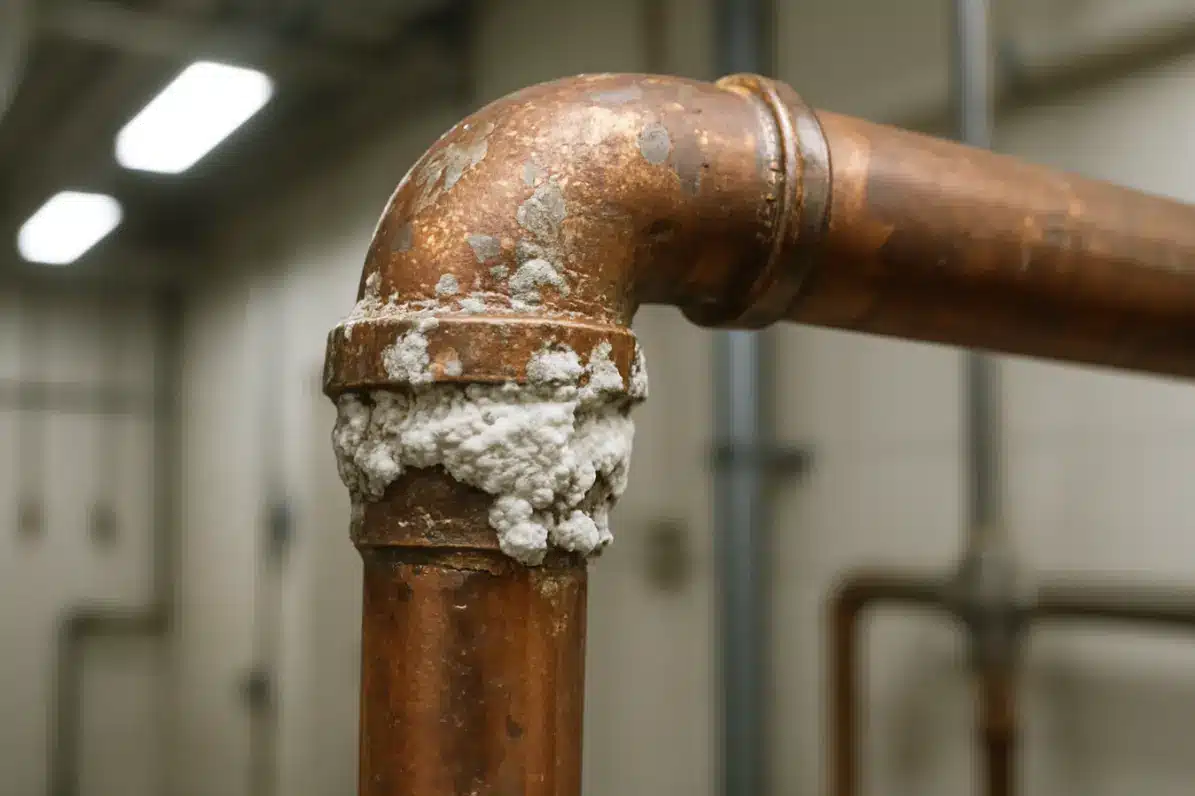
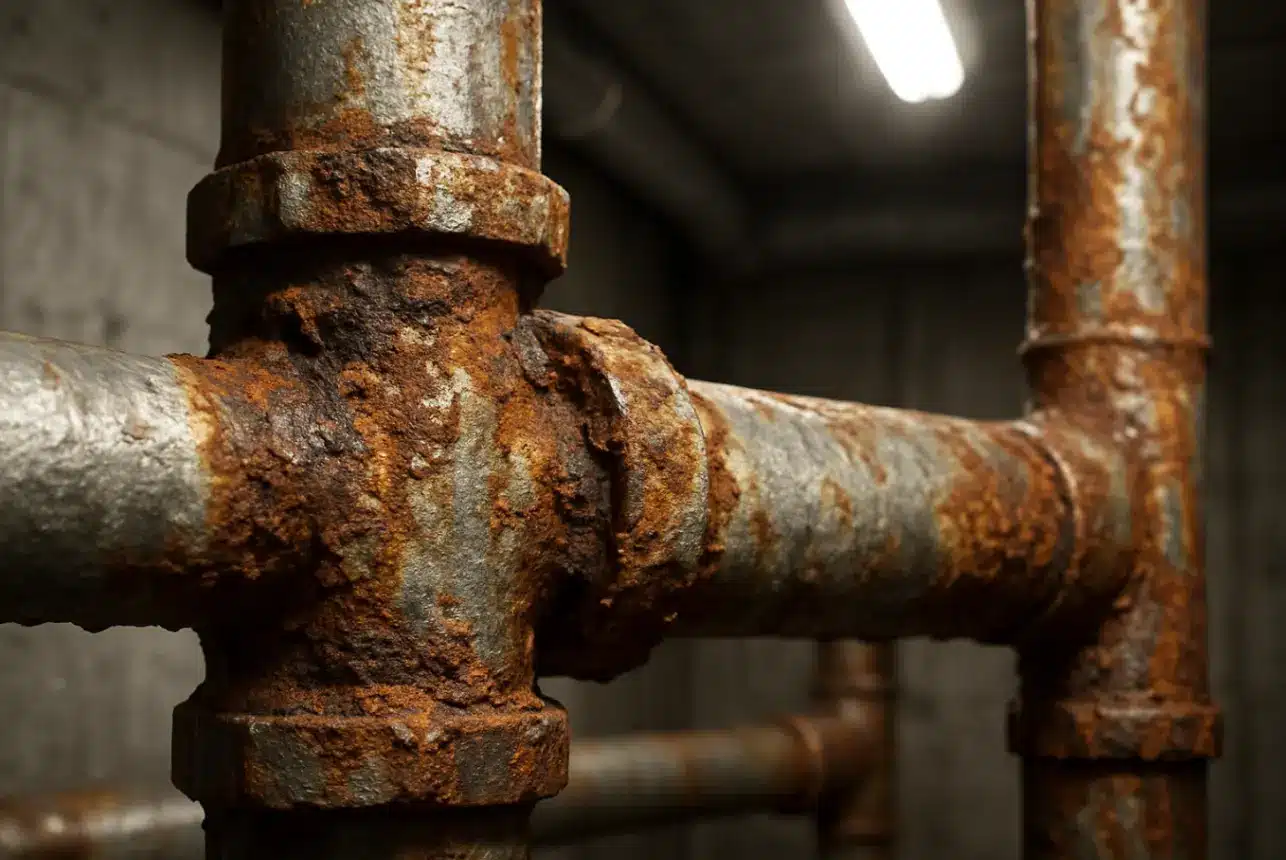
Over time, moisture exposure can cause faucets to develop rust, corrosion, or mineral deposits. Besides affecting appearance, corrosion can weaken internal components and lead to leaks or reduced performance.

If corrosion is widespread or continues returning after cleaning, replacement is often the best option.
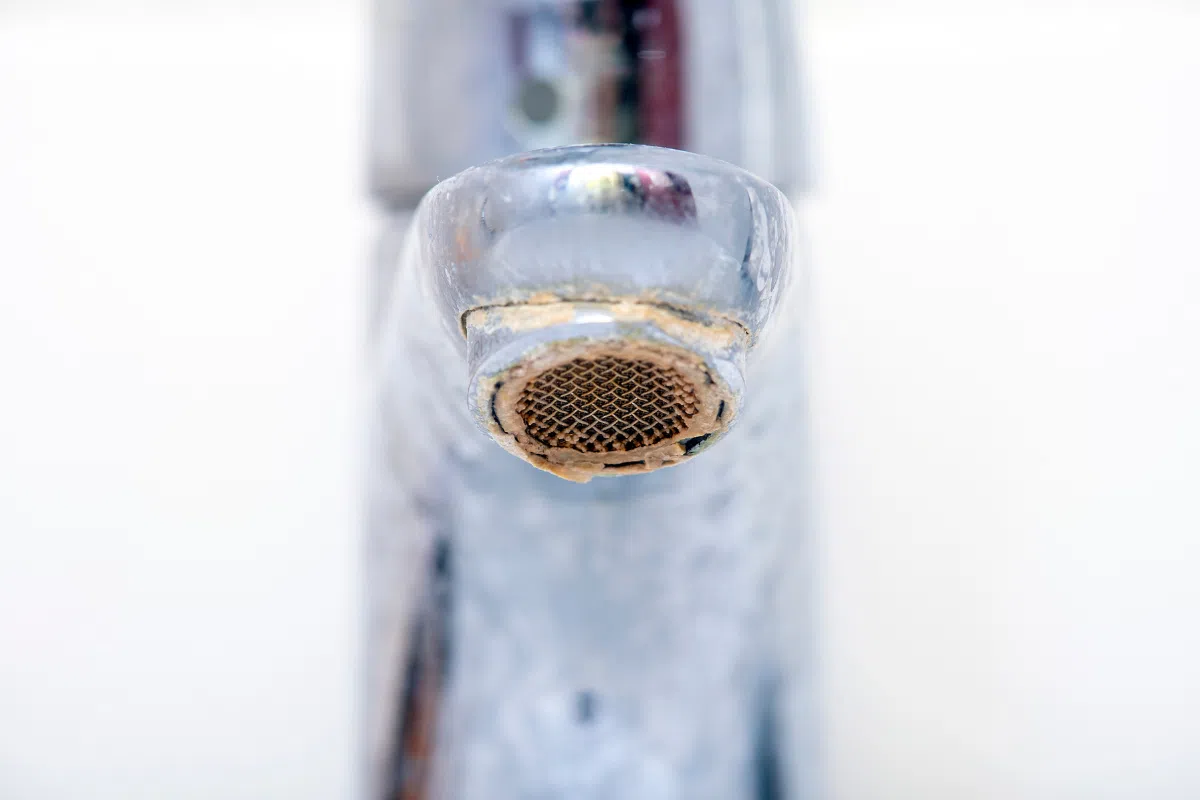
A close up of a rust kitchen faucet showing signs of corrosion

4. Leaks Around the Base of the Faucet

Water pooling around the base of your faucet is a sign that seals or internal components may have deteriorated. Left untreated, these leaks can damage countertops, cabinets, and the area beneath the sink.

If repairs no longer stop the leak, installing a new faucet can help prevent further water damage.
5. The Faucet Is More Than 10–15 Years Old

Even if your faucet still functions, older fixtures may become less reliable over time. Wear and tear on internal components can lead to frequent repairs, inconsistent performance, and reduced efficiency.

Replacing an aging faucet before it fails completely can help you avoid unexpected plumbing problems.

6. Outdated Design or Limited Functionality

Sometimes the reason for replacing a faucet isn’t a plumbing problem—it’s functionality.

Modern kitchen faucets often include features such as:

  • Pull-down or pull-out sprayers
  • Touchless operation
  • Improved water efficiency
  • Better spray control
  • Sleeker, more durable finishes

Upgrading your faucet can improve both the appearance and functionality of your kitchen.

7. Frequent Repairs Are Adding Up

If you’ve replaced cartridges, seals, handles, or other faucet components multiple times, the cost of continued repairs can eventually exceed the cost of installing a new fixture.

In many cases, replacing the faucet provides greater reliability and reduces the likelihood of future plumbing issues.

Can Your Faucet Be Repaired Instead?

Not every faucet needs to be replaced. Minor issues such as a loose handle, clogged aerator, or worn washer can often be repaired quickly and affordably.

However, replacement is usually the better option when:

  • Leaks keep returning
  • The faucet is heavily corroded
  • Internal components are failing
  • Repairs are becoming frequent
  • The fixture is outdated or inefficient

A professional plumber can inspect the faucet and recommend the most practical solution based on its condition.

Benefits of Installing a New Kitchen Faucet

Replacing your kitchen faucet offers more than just a fresh appearance.

A new faucet can provide:

  • Improved water efficiency
  • Better water pressure
  • Reduced risk of leaks
  • Modern features and functionality
  • Enhanced kitchen appearance
  • Greater long-term reliability

For many homeowners, a new faucet is a simple upgrade that improves everyday convenience.

Why Professional Faucet Installation Matters

While replacing a faucet may seem straightforward, improper installation can lead to leaks, loose connections, or damage to surrounding plumbing components.

Professional installation helps ensure your new faucet is securely connected, functions properly, and complies with plumbing best practices. It also allows any underlying plumbing issues beneath the sink to be identified before they become larger problems.

How AM Florida Builders Can Help

At AM Florida Builders, we provide professional kitchen faucet replacement and plumbing services for homeowners throughout Florida. Whether your faucet is leaking, corroded, outdated, or no longer performing as it should, our experienced team can assess the issue and recommend the best solution.

From replacing worn fixtures to addressing underlying plumbing concerns, we ensure your kitchen plumbing operates efficiently and reliably for years to come.

Upgrade Your Kitchen with Confidence

If your kitchen faucet is leaking, losing pressure, or requiring constant repairs, replacing it may be the most practical long-term solution. A new faucet can improve performance, conserve water, and enhance both the appearance and functionality of your kitchen.

Scheduling a professional inspection can help you determine whether a repair is sufficient or if it’s time to invest in a replacement that will provide years of dependable service.


Frequently Asked Questions

  • How long does a kitchen sink faucet typically last?

    Most quality kitchen faucets last between 10 and 15 years, depending on usage, water quality, and maintenance. If your faucet is older and experiencing recurring issues, replacement may be the better option.

  • Can a leaking kitchen faucet always be repaired?

    Not always. Minor leaks can often be repaired by replacing worn components, but if the faucet is heavily corroded or continues leaking after multiple repairs, replacement is usually more cost-effective.

  • Should I hire a plumber to replace my kitchen faucet?

    Yes. Professional installation helps ensure the faucet is installed correctly, prevents leaks, and allows any hidden plumbing issues beneath the sink to be identified and addressed.

Recent Posts

Latest Articles