Plumbing Maintenance Checklist for Palm Beach County Homeowners

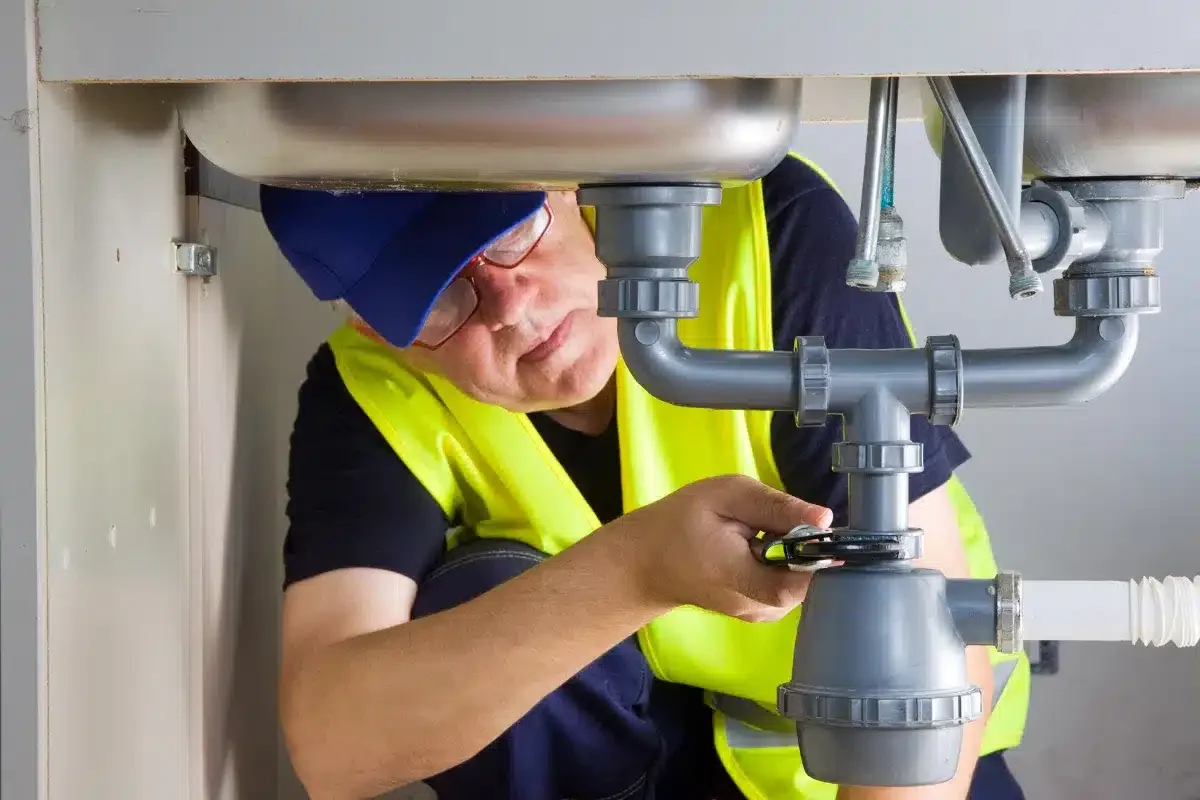
A plumber wearing glasses, a blue cap, and a high-visibility yellow vest uses a wrench to inspect grey plastic P-trap drainage pipes under a stainless steel kitchen sink in West Palm Beach, FL.

Your plumbing system plays an important role in keeping your home comfortable, clean, and functional. From supplying water to your faucets and showers to carrying wastewater away from your property, your plumbing works every day—often without much attention.

Regular plumbing maintenance can help homeowners catch small problems before they turn into expensive repairs. This is especially important in Palm Beach County, where Florida’s heat, humidity, heavy rainfall, and mature landscaping can put additional stress on plumbing systems.

Whether you live in an older home or a newer property, this plumbing maintenance checklist can help you identify potential problems and know when it’s time to call a professional.

Why Regular Plumbing Maintenance Matters

Plumbing problems don’t always start with a major leak or sewage backup. Small issues such as a dripping faucet, slow drain, or minor water pressure change can be early signs of a larger problem.

Routine maintenance can help:

  • Prevent unexpected plumbing emergencies
  • Reduce water waste
  • Protect your home from water damage
  • Extend the lifespan of plumbing components
  • Identify repairs before they become more expensive

A proactive approach to plumbing maintenance can save both time and money in the long run.

1. Check for Leaks

Regularly inspect visible pipes, faucets, toilets, and connections throughout your home. Look underneath sinks, around your water heater, and near appliances that use water.

Pay attention to damp cabinets, water stains, corrosion, dripping faucets, or unexplained moisture. Even a small leak can waste water and eventually cause damage to surrounding materials.

If a leak keeps returning after a basic repair, a professional plumbing inspection can help determine whether there is a larger issue.

2. Monitor Your Water Bill

An unexpected increase in your water bill can be an important warning sign. If your household’s water usage hasn’t changed but your bill suddenly increases, you could have a hidden leak somewhere in your plumbing system.

Underground water line leaks can be particularly difficult to identify because there may be no visible water inside your home. Professional leak detection can help locate hidden leaks before they cause extensive damage.

3. Keep Drains Clear

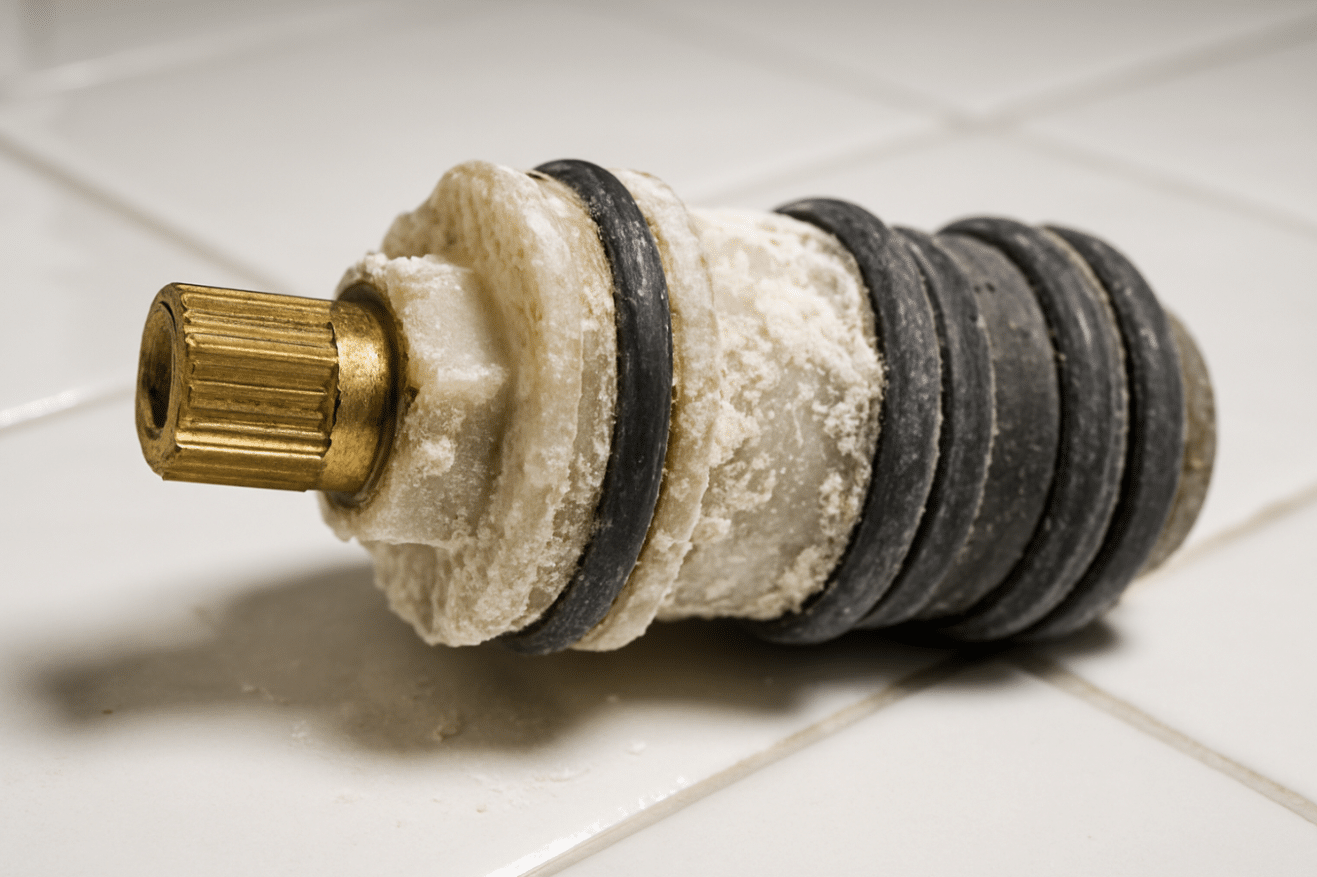
Slow drains should not be considered normal. Hair, grease, food debris, soap residue, and other materials can gradually build up inside your pipes and restrict water flow.

Use sink strainers to prevent debris from entering your drains, and avoid pouring cooking grease or oil down the kitchen sink.

If the same drain keeps clogging even after being cleared, professional drain cleaning may be necessary to remove the underlying buildup.

4. Check Your Toilets

Toilets can waste a surprising amount of water when they aren’t working properly. A constantly running toilet, weak flush, or recurring clog may indicate a problem with the tank components, fixture, or drain line.

You should also check around the base of the toilet for moisture or signs of a leak. A toilet that rocks or moves when used may also need professional attention.

Addressing these issues early can help prevent water damage and unnecessary water waste.

5. Inspect Your Water Heater

Your water heater should be checked regularly for signs of leaks, corrosion, unusual noises, or inconsistent water temperature.

If your water heater is older or frequently requires repairs, it may be approaching the end of its useful life. A professional can determine whether repairing the existing unit or replacing it with a new system is the better option.

Homeowners considering an upgrade may also benefit from exploring tankless water heater options, which can provide hot water on demand while taking up less space.

6. Watch for Changes in Water Pressure

Changes in water pressure can be an early indication of a plumbing problem. If your water pressure suddenly becomes unusually high or low, there may be an issue with your water lines, fixtures, or plumbing infrastructure.

A professional inspection can help determine the cause, particularly when pressure problems affect multiple fixtures throughout the home.

7. Inspect Outdoor Plumbing

Florida homeowners shouldn’t overlook outdoor plumbing. Check hose bibs, irrigation connections, outdoor faucets, and exposed pipes for leaks or damage.

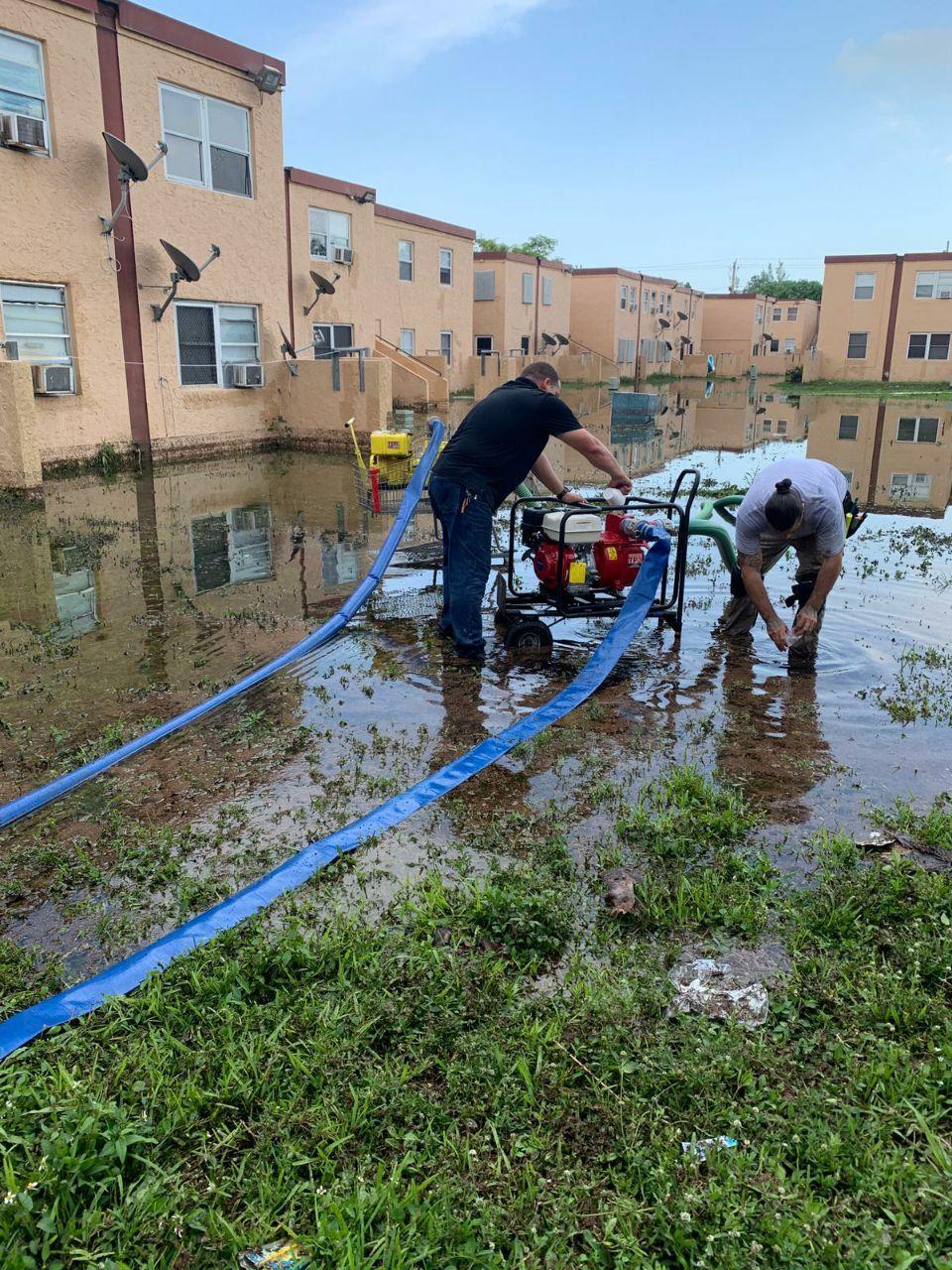
Palm Beach County’s heavy rainfall and warm climate can also affect underground plumbing and drainage. If you notice unusually wet areas in your yard, standing water, or unexplained patches of unusually green grass, there may be an underground plumbing issue.

8. Pay Attention to Sewer Line Warning Signs

Your sewer line carries wastewater away from your home, so problems with this system can quickly become serious.

Watch for recurring clogs, multiple slow drains, foul sewer odors, sewage backups, or unusually wet areas around your property. These symptoms may indicate a blockage, root intrusion, damaged pipe, or other sewer line problem.

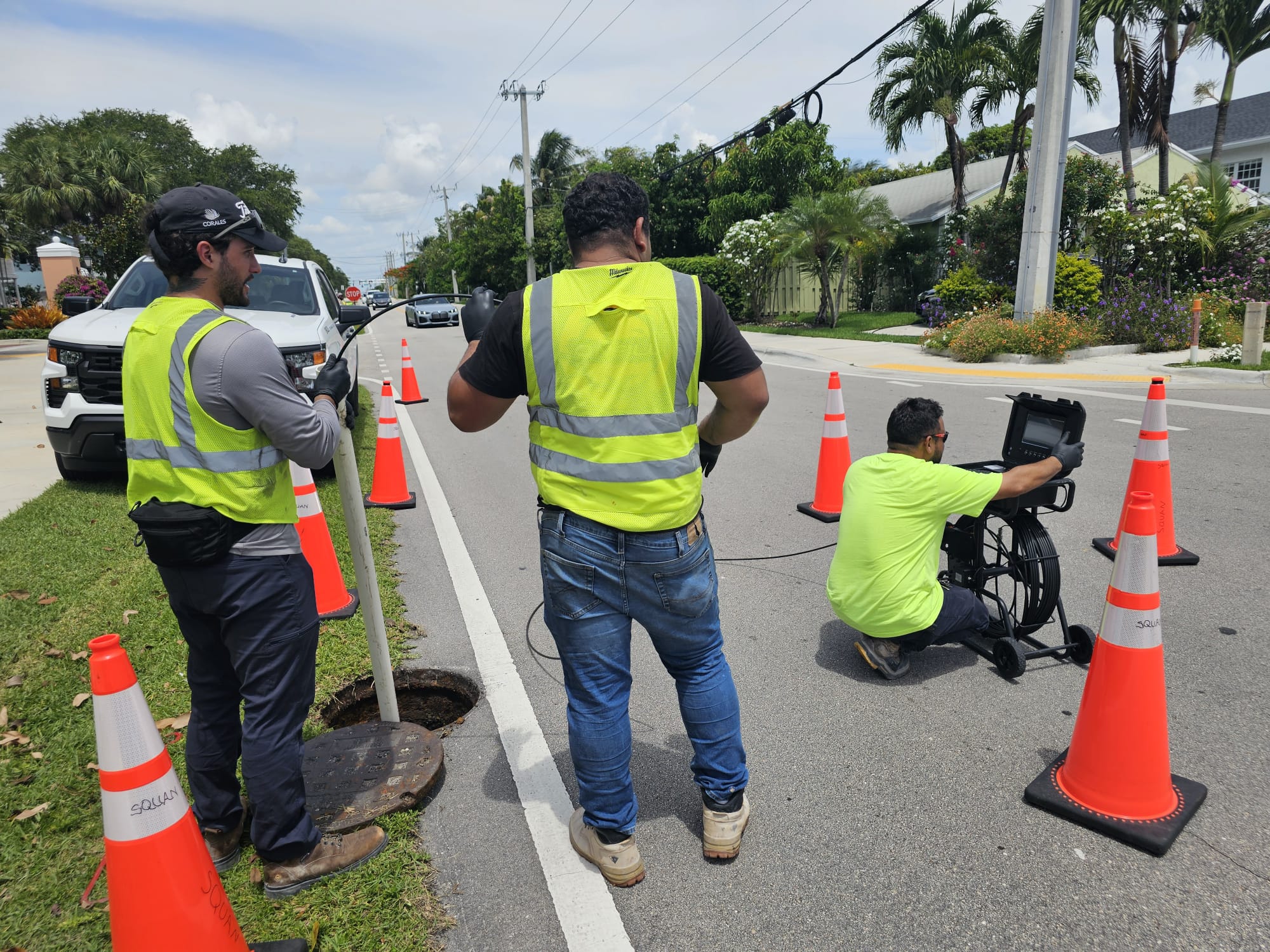
A professional drain camera inspection can provide a clear view inside underground pipes and help identify the cause without unnecessary excavation.

9. Check for Signs of Aging Pipes

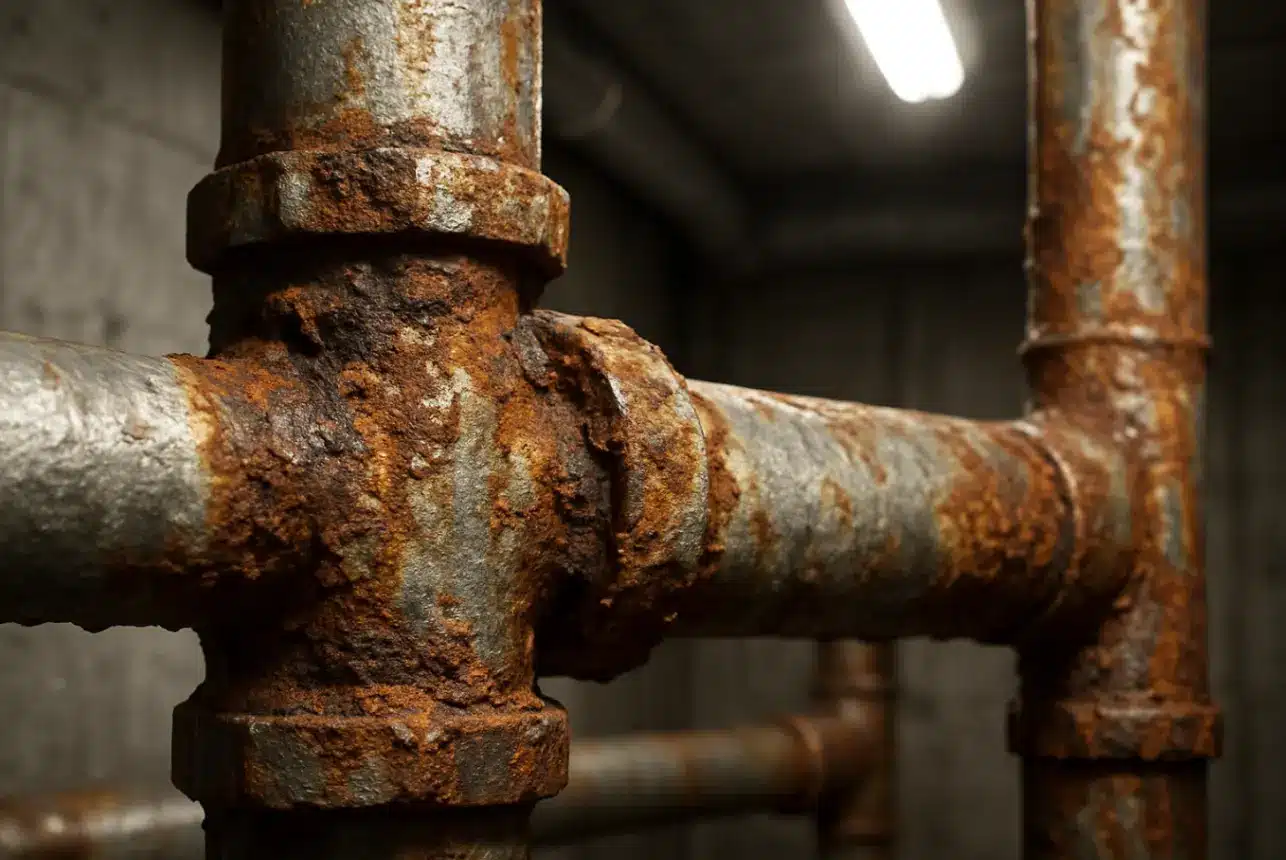
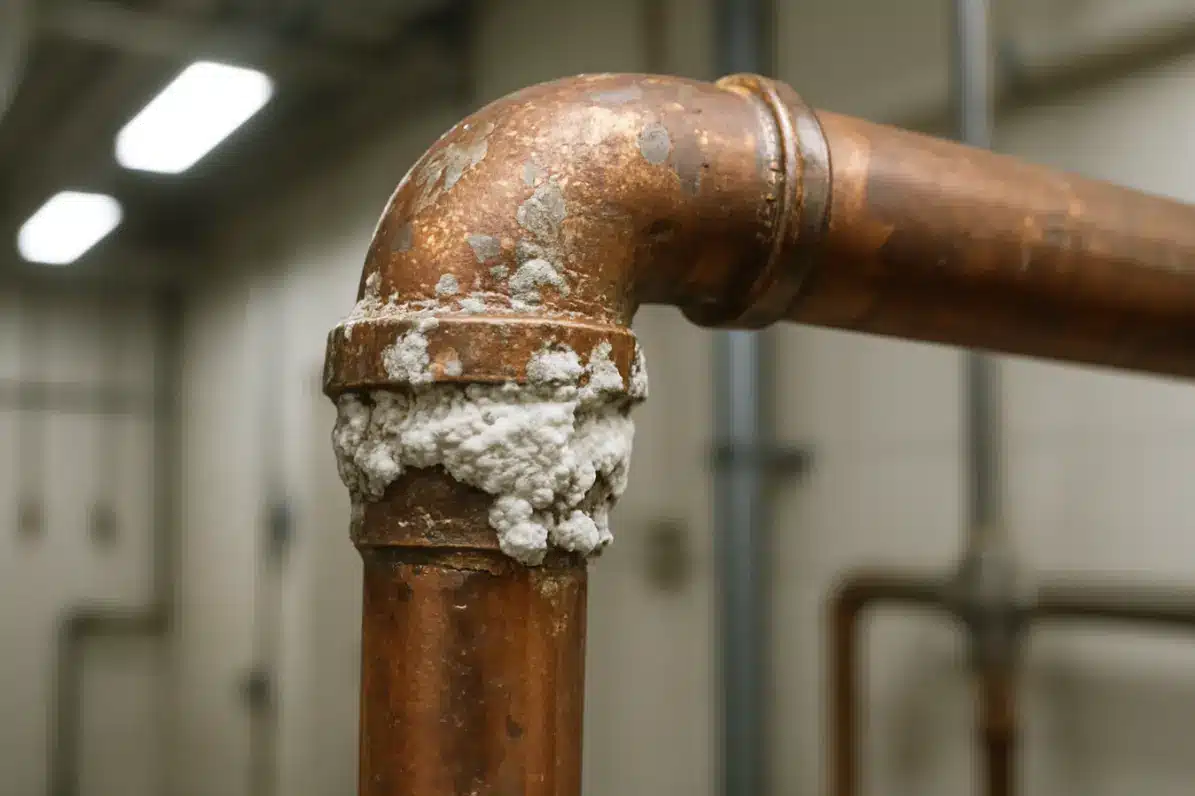
Older homes may have plumbing systems that are beginning to deteriorate. Corrosion, recurring leaks, discolored water, and declining water pressure can all indicate aging pipes.

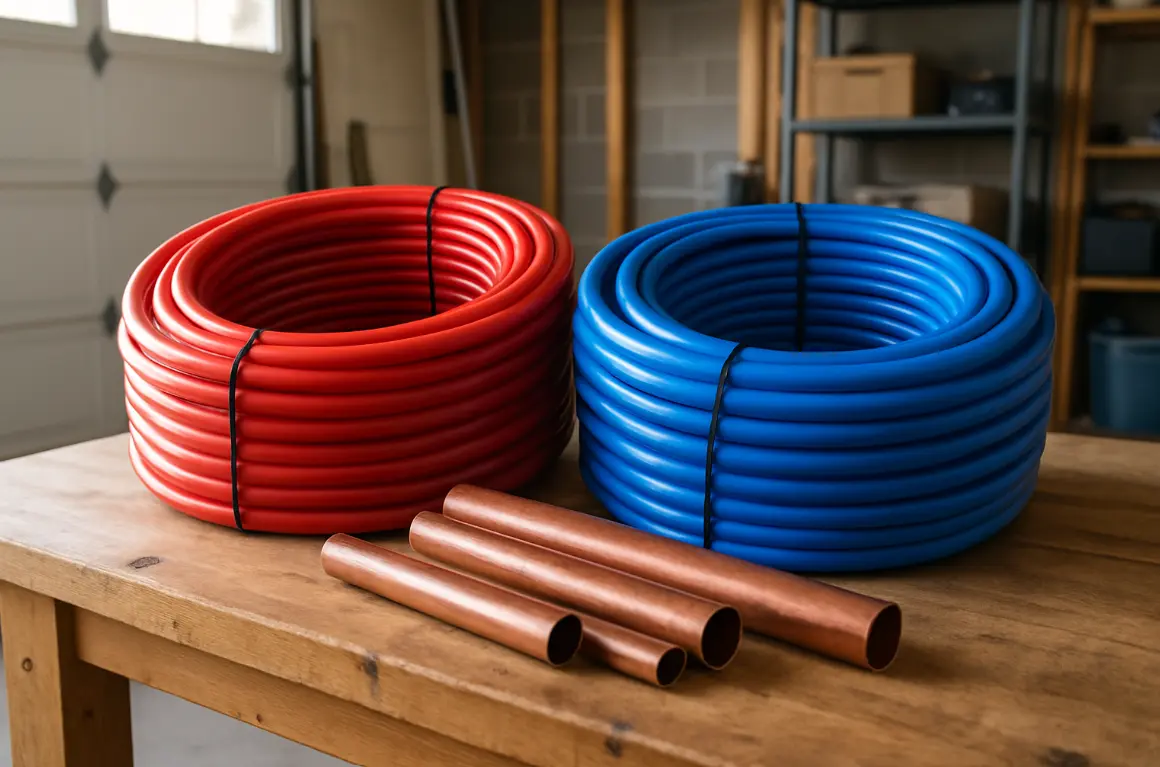
If you’re repeatedly repairing the same plumbing problems, it may be more practical to evaluate the condition of the entire system. In some cases, whole-house repiping can provide a more reliable long-term solution than continuing to repair individual sections.

10. Schedule a Professional Plumbing Inspection

DIY maintenance can help you catch obvious problems, but many plumbing issues develop where you can’t see them.

A professional plumbing inspection can evaluate accessible pipes, fixtures, water lines, drains, water heaters, and other components for signs of leaks, corrosion, deterioration, or potential failure.

For homes with recurring drain or sewer problems, additional services such as drain camera inspections may be recommended to identify hidden issues underground.

Palm Beach County Plumbing Considerations

AC maintenance near me A view down Everglade Avenue in Palm Beach, Florida.

Florida’s environment creates several conditions that homeowners should consider when maintaining their plumbing systems. High humidity can contribute to moisture-related problems, while heavy rainfall can affect drainage and underground plumbing.

Mature trees and extensive root systems can also cause problems for sewer and drain lines when roots enter small cracks or joints in underground pipes. Older properties may face additional concerns related to aging plumbing materials and infrastructure.

Regular maintenance and professional inspections can help identify these issues before they develop into major plumbing emergencies.
When to Call a Professional Plumber

Some maintenance tasks can be handled by homeowners, but certain warning signs should be evaluated by a professional.

Contact a plumber if you notice:

  • Recurring drain clogs
  • Persistent leaks
  • Sudden changes in water pressure
  • Unexplained increases in your water bill
  • Sewage odors or backups
  • Water pooling in your yard
  • Discolored water
  • Frequent plumbing repairs

These problems may indicate an underlying issue that cannot be resolved with basic maintenance alone.

How AM Florida Builders Can Help

At AM Florida Builders, we help homeowners throughout Palm Beach County keep their plumbing systems operating reliably through professional inspections, repairs, and maintenance services.

Whether you’re dealing with a leaking pipe, recurring drain clog, water line problem, sewer issue, or aging plumbing system, our experienced team can identify the cause and recommend the right solution. Taking care of plumbing problems early can help prevent more extensive damage and unexpected repair costs.

Keep Your Plumbing in Good Condition Year-Round

Plumbing maintenance doesn’t have to be complicated. Regularly checking for leaks, monitoring your water usage, maintaining drains, and paying attention to changes in your plumbing system can help you catch problems early.

However, routine homeowner maintenance shouldn’t replace professional inspections. If your property is experiencing recurring issues or you haven’t had your plumbing system evaluated recently, a professional inspection can provide a clearer picture of its condition.

By staying proactive, Palm Beach County homeowners can protect their property, reduce water waste, and keep their plumbing system working efficiently for years to come.


Frequently Asked Questions

  • How often should homeowners have their plumbing professionally inspected?

    Most homeowners should consider a professional plumbing inspection at least once a year. Older homes or properties with recurring plumbing problems may benefit from more frequent inspections.

  • What are the most common signs of a plumbing problem?

    Common warning signs include recurring clogs, leaking faucets or pipes, low water pressure, unexplained increases in water bills, discolored water, sewer odors, and water pooling around the property.

  • Can regular plumbing maintenance prevent major repairs?

    Regular maintenance cannot prevent every plumbing problem, but it can help identify leaks, corrosion, blockages, and aging components before they cause more extensive damage. Professional inspections are particularly useful for detecting problems that aren't visible to homeowners.

Recent Posts

Latest Articles