What Causes Drains to Clog?
Most drain blockages develop gradually as grease, soap residue, food scraps, hair, and other debris accumulate inside your pipes. Instead of flowing freely, wastewater begins moving more slowly until the blockage restricts the line completely.

Kitchen sink drains are especially vulnerable because they handle grease, cooking oils, coffee grounds, and food waste every day. Many homeowners also overload the garbage disposal with fibrous foods, eggshells, or grease that shouldn’t be washed into the plumbing system.
Over time, these materials stick to the inside of the pipes, restricting water flow and creating stubborn drain blockages.
Tree roots are another common issue in Florida. Roots can penetrate sewer lines through small cracks or joints, growing inside pipes and gradually obstructing flow. Homes with older clay or cast-iron pipes are particularly susceptible to root intrusion.
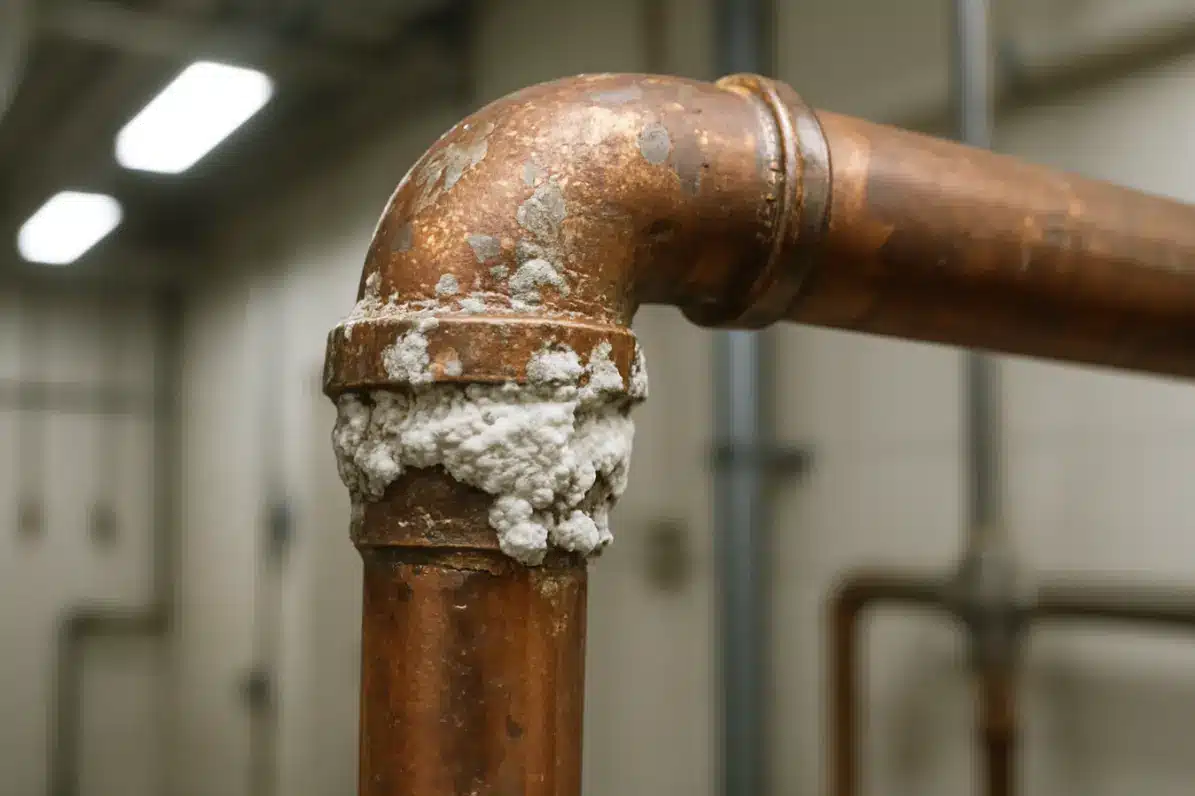
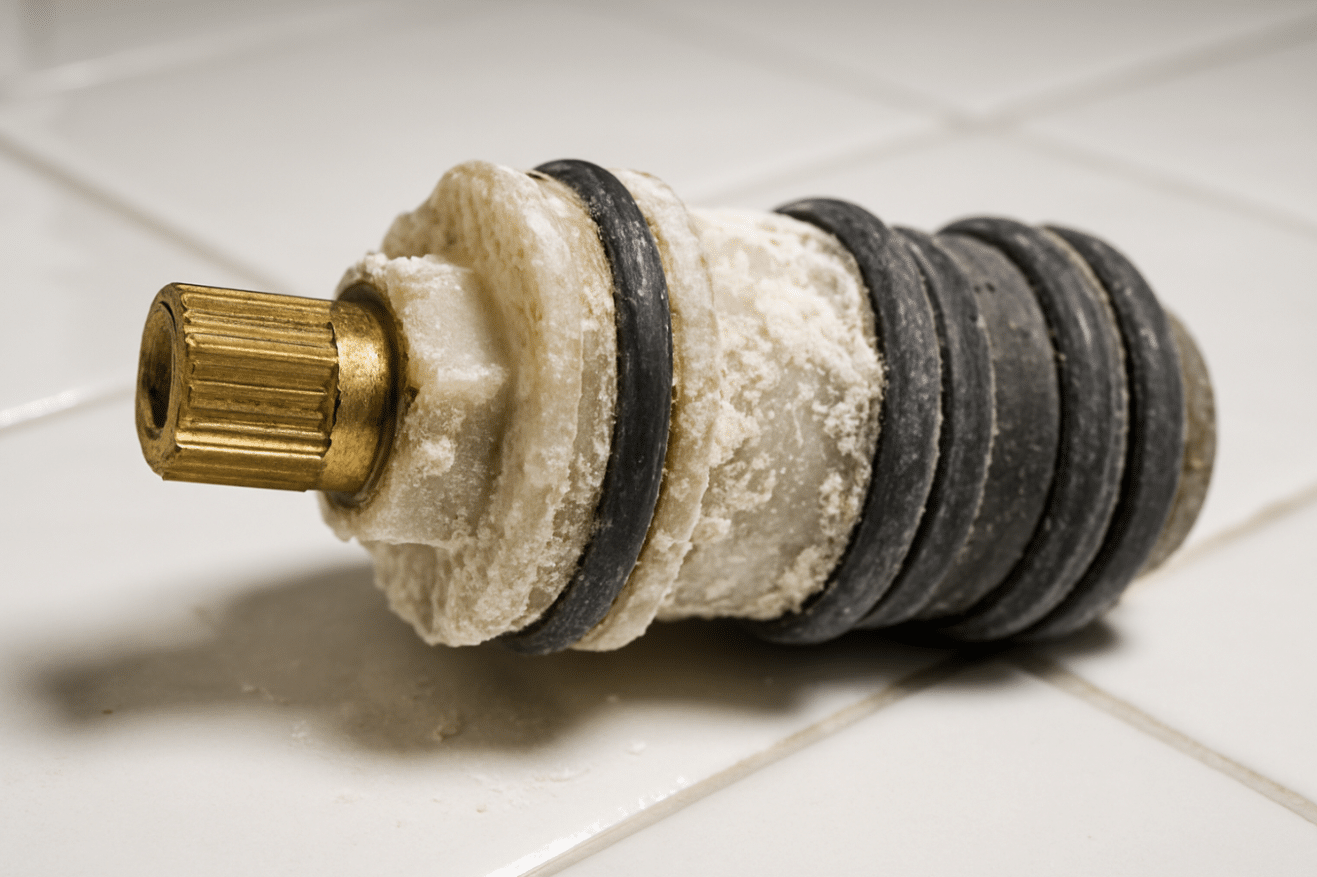
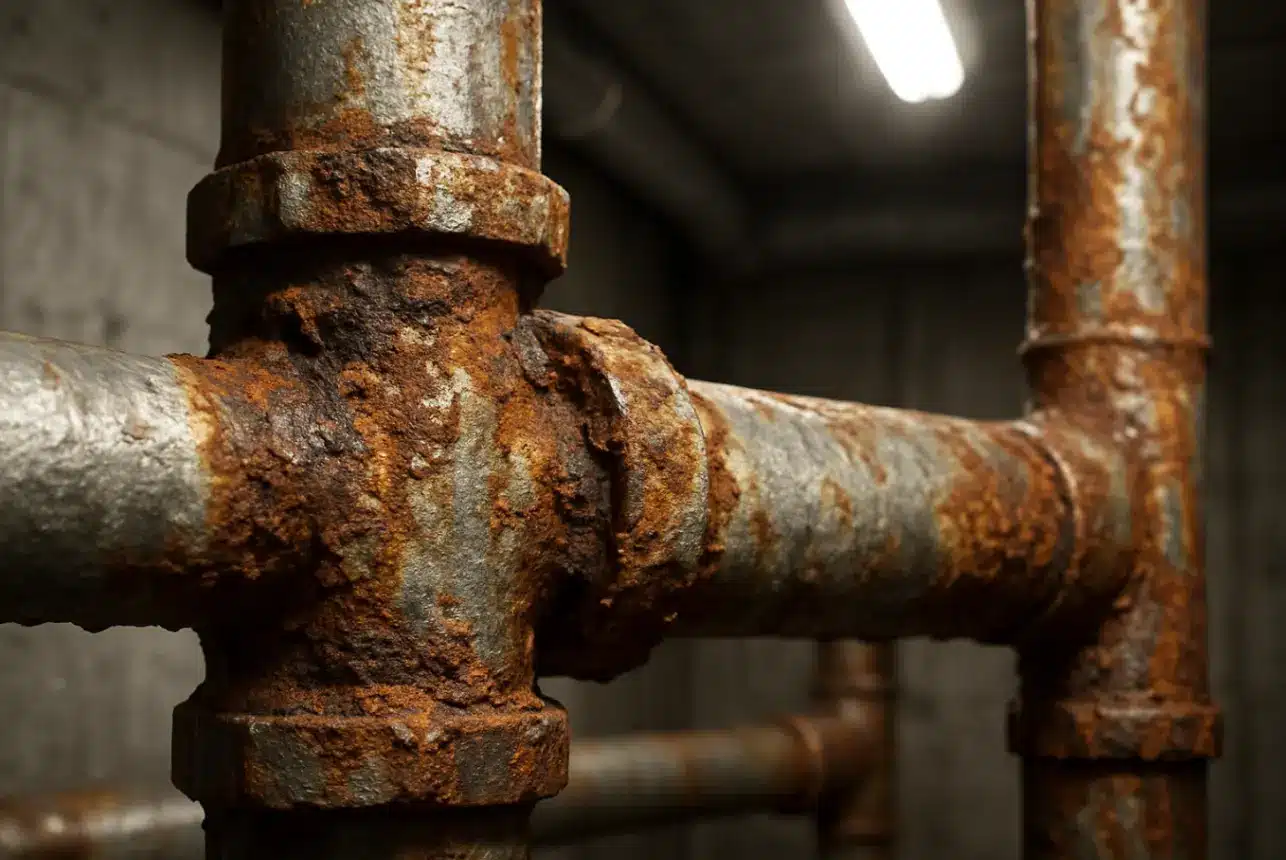
Mineral deposits are also a hidden problem. Florida’s water has a high mineral content, which can lead to scale buildup inside pipes. Over time, this narrows the pipe diameter, reducing water flow and making drains more prone to clogs.
Bathroom sinks, showers, and tubs commonly experience slow drainage because hair combines with soap residue, toothpaste, and personal care products. As these materials build up, they form a thick obstruction that restricts water flow and may eventually require professional drain cleaning.
How Do You Know if a Drain Is Clogged?
Signs of a clogged drain include slow drainage, gurgling sounds, water backing up into fixtures, or unpleasant odors. Ignoring these warnings can lead to water damage, mold growth, and more serious plumbing problems. Early detection is key to preventing expensive repairs.
Are Chemical Drain Cleaners Safe?
Some minor drain blockages can be improved using safe home remedies. For example, you can pour a cup of baking soda down the drain followed by vinegar, allow the mixture to sit for several minutes, then flush the line with boiling water or run hot water afterward. While this method may help dissolve light buildup, it usually won’t remove larger obstructions or tree root intrusions.
If the blockage remains, some homeowners attempt to insert the snake into the drain to break apart the obstruction. While a drain snake can help with simple clogs near the drain opening, improper use may damage older pipes or push the blockage deeper into the plumbing system.
Harsh chemicals can corrode pipes over time, especially older plumbing. They may temporarily clear a blockage but rarely solve the underlying problem. Additionally, chemical cleaners can be hazardous to your health and the environment. Professional plumbing solutions like drain snakes, hydro-jetting, or camera inspections are safer and more effective for persistent clogs. For more about safe alternatives, see Why You Should Avoid Chemical Drain Cleaners—What to Use Instead.
Can Preventive Measures Reduce Clogs?
Yes. Avoid pouring grease down kitchen drains and use strainers in sinks and tubs to catch hair and debris. Regularly flushing drains with hot water can help prevent buildup. Enzyme-based cleaners are another safe option for maintaining clear pipes without harsh chemicals.
For homeowners who want a more thorough preventive approach, professional plumbing services can perform routine drain cleanings and inspections, reducing the likelihood of serious blockages and costly repairs.
How Do Plumbers Fix Clogged Drains?

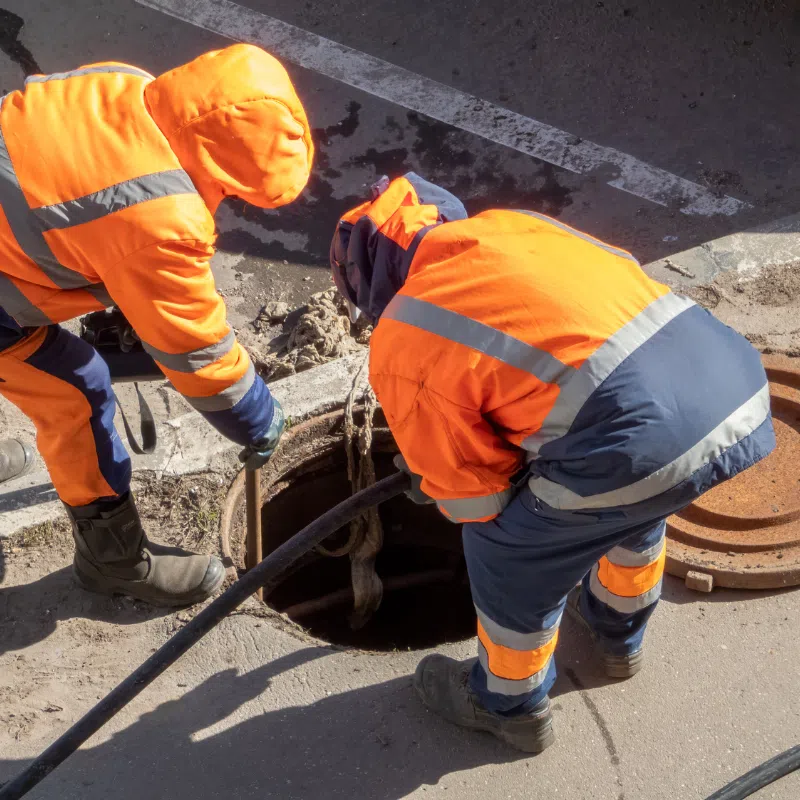
When home remedies don’t solve the problem, professional plumbers use specialized equipment to identify and remove the blockage safely. Depending on the cause, they may use drain snakes, video camera inspections, hydro jetting, or mechanical augers to fully restore proper drainage.
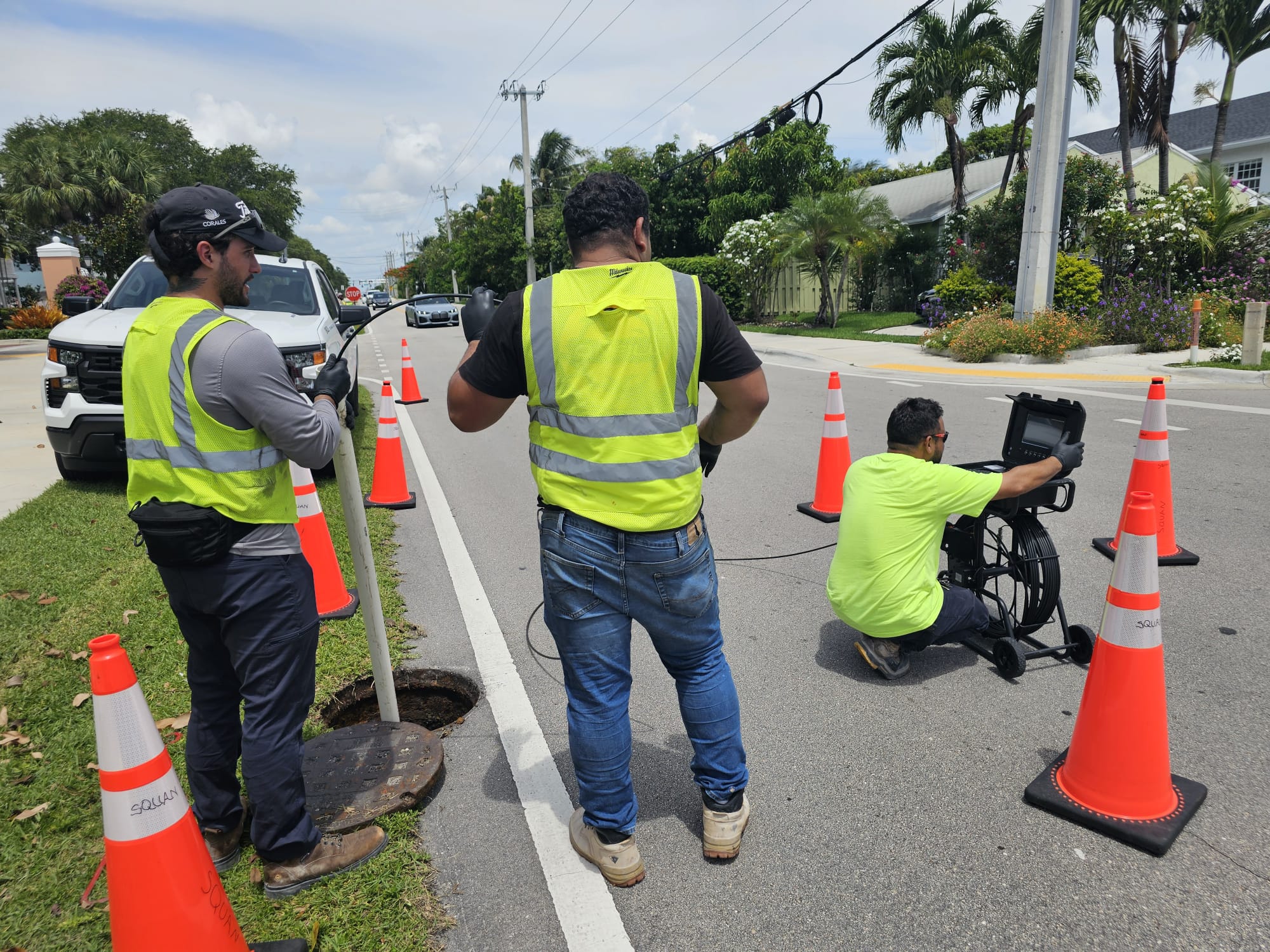
Drain and pipe camera inspections allow plumbers to see inside pipes and identify root intrusion, broken pipes, or other structural issues. This targeted approach ensures precise repairs without unnecessary digging. For more details, see Sewer Camera Inspections: What They Are and When You Need One.
When Should You Call a Professional?
The best way to prevent clogged drains is through regular maintenance and good plumbing habits. Avoid pouring grease into your kitchen sink, scrape food scraps into the trash instead of the garbage disposal, and use drain strainers to catch hair before it enters bathroom drains.
Flushing drains occasionally with hot water can help reduce minor grease buildup, while periodic professional inspections can identify developing plumbing issues before they become major repairs. Consistent maintenance helps prevent clogged drains and extends the life of your plumbing system.
While minor clogs can be addressed with a plunger or home remedies, persistent or recurring blockages require professional attention. Experienced plumbers diagnose the root cause, prevent further damage, and provide long-lasting solutions. Florida homeowners often benefit from local plumbing expertise to handle older homes, shifting soils, and high-mineral water conditions.