Every homeowner dreads the moment when water stops draining properly. Whether it’s a slow sink or a stubborn main line clog, you want the problem fixed fast and for good. While many people know about snaking a drain, fewer realize there’s another powerful method available: hydro jetting.
Hydro jetting can clear out years of buildup in a single service and restore your plumbing system to near-new condition. But when is it the right choice over snaking? Let’s break down what hydro jetting really is, how it works, and when it’s worth choosing for your home.
What exactly is hydro jetting?
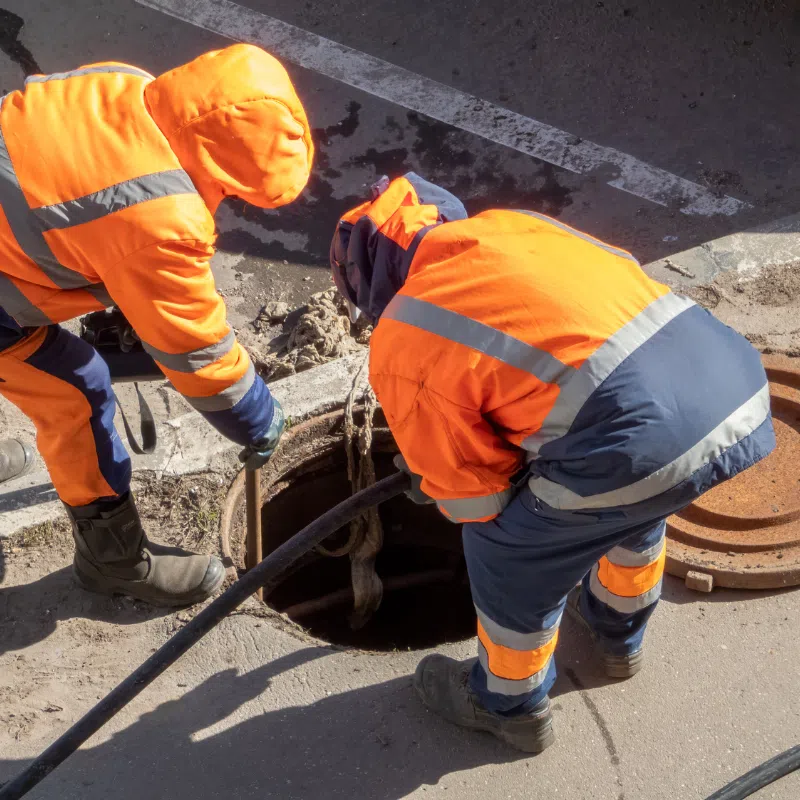
Hydro jetting is a professional plumbing technique that uses highly pressurized water to clean the inside of your pipes. A specialized hose is inserted into the plumbing system, and water often at pressures between 3,000 and 8,000 PSI is blasted through to remove grease, sediment, tree roots, and other debris. Unlike snaking, which simply punches a hole through the clog, hydro jetting completely flushes the line clean. It not only clears the blockage but also scrubs away buildup along the pipe walls. The result is a system that flows better and is less likely to clog again anytime soon.
How is hydro jetting different from snaking?

Snaking has been the traditional go-to for clearing blockages. It involves using a flexible steel cable with a corkscrew-like end to break up or grab debris. It’s effective for simple clogs, like hair or small obstructions near the drain opening. Hydro jetting, on the other hand, is a more advanced cleaning method. Instead of just pushing through the clog, it washes away everything inside the pipe. Think of it like the difference between poking a straw to clear it versus rinsing it completely clean with running water. For older pipes or recurring issues, hydro jetting often provides a more lasting solution.
When should you consider hydro jetting instead of snaking?
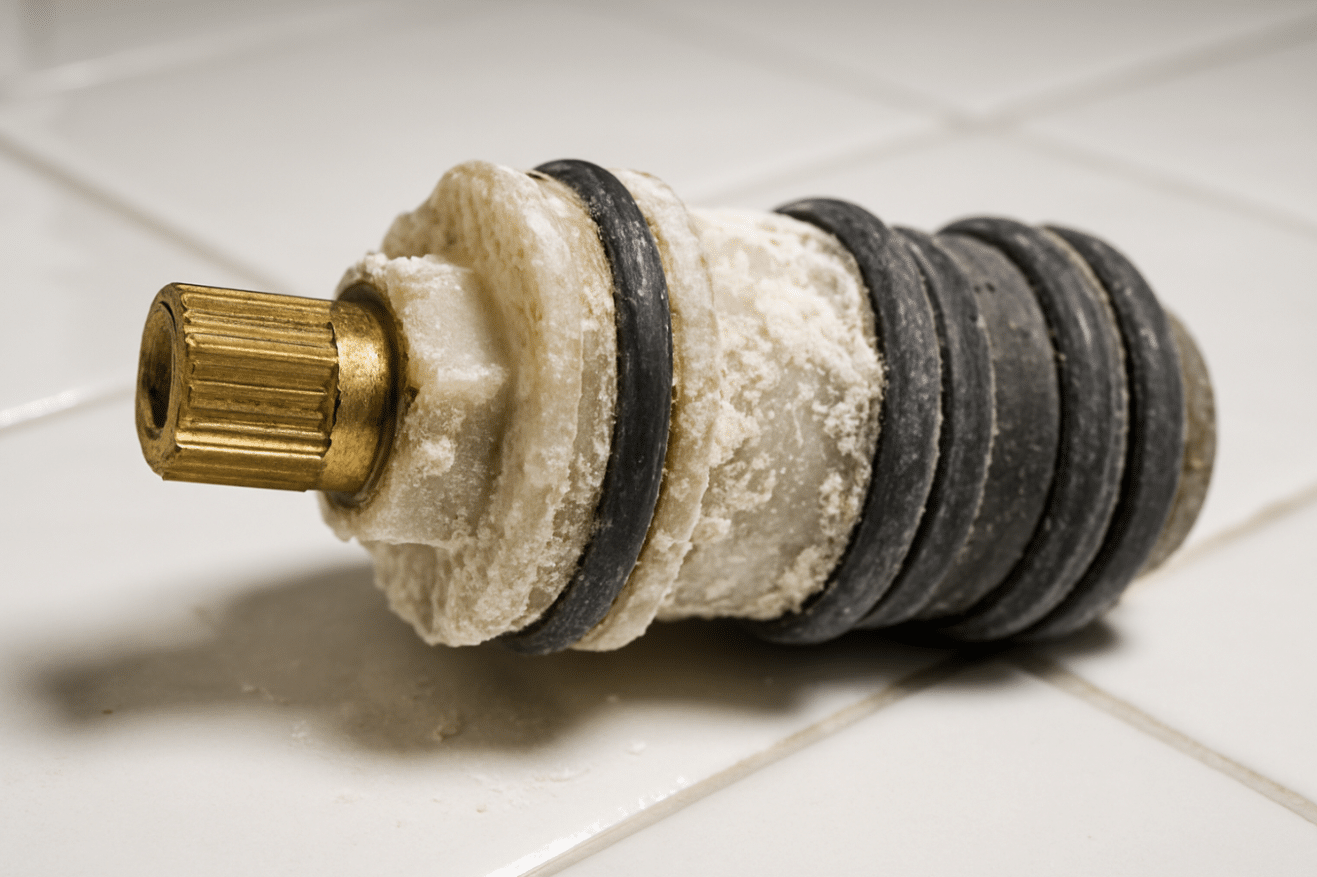
If your drains keep clogging even after you’ve had them snaked, hydro jetting may be the better option because it tackles the root cause rather than just the symptom. It is particularly effective when recurring or deep clogs are present in kitchen or main sewer lines where grease and food waste have built up over time. Hydro jetting also handles heavy grease buildup that commonly affects older homes or commercial kitchens, and it is capable of removing tree root intrusions that partially block outdoor lines. When slow drains, foul odors, or backups return quickly after cleaning, hydro jetting often provides the thorough cleaning necessary to stop problems from coming back.
You can also check out our previous post on Clogged Drains: Common Causes and How We Fix Them to better understand what might be happening inside your pipes before deciding on a cleaning method.
Is hydro jetting safe for all types of plumbing?
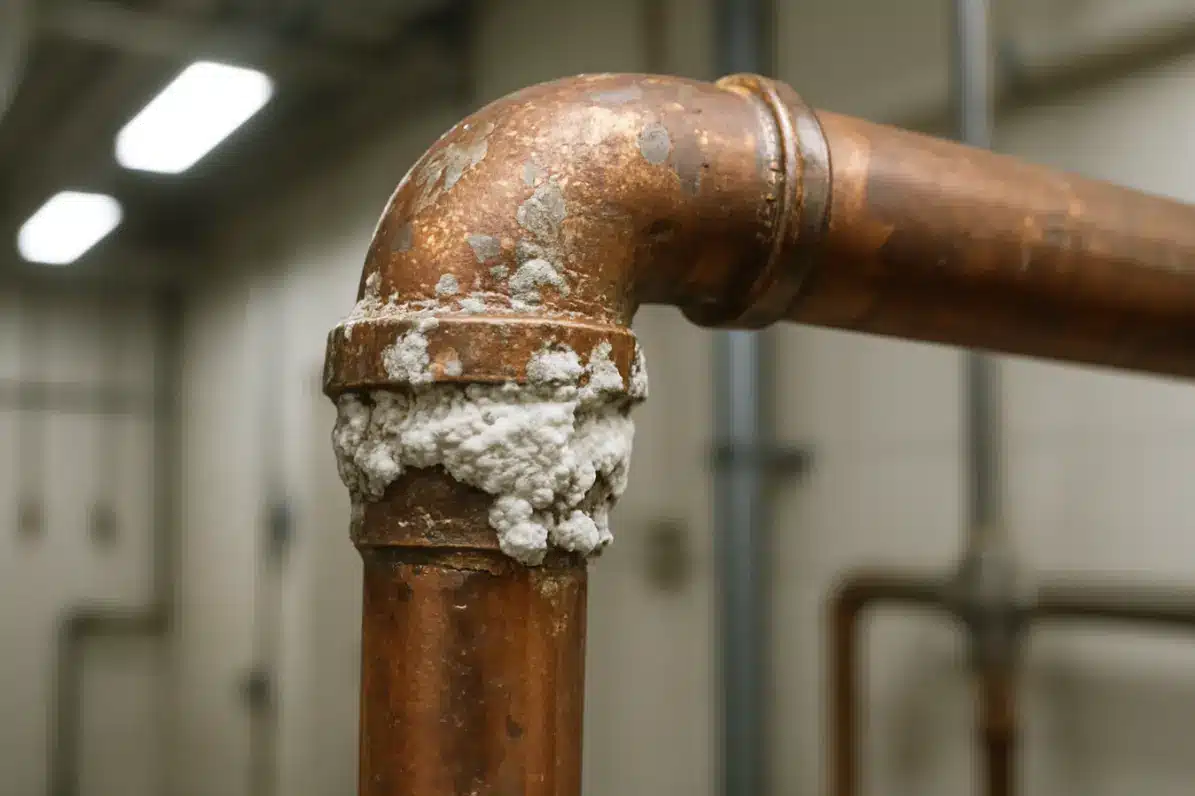
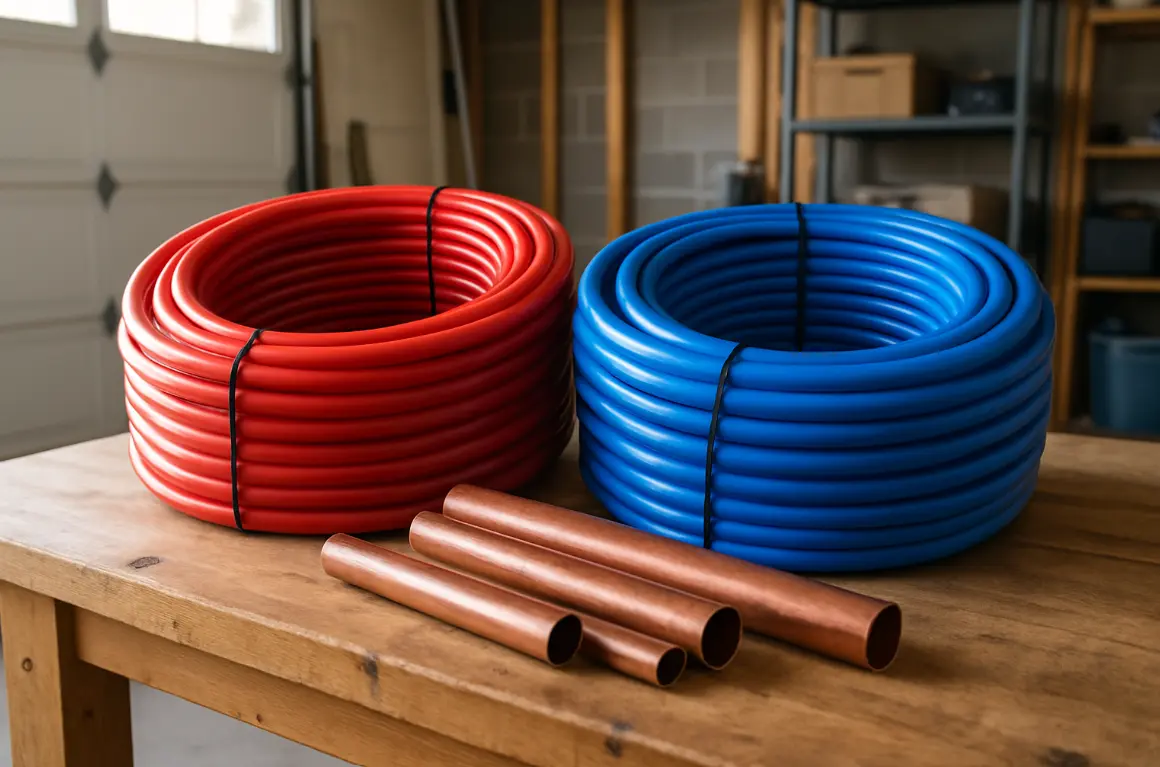
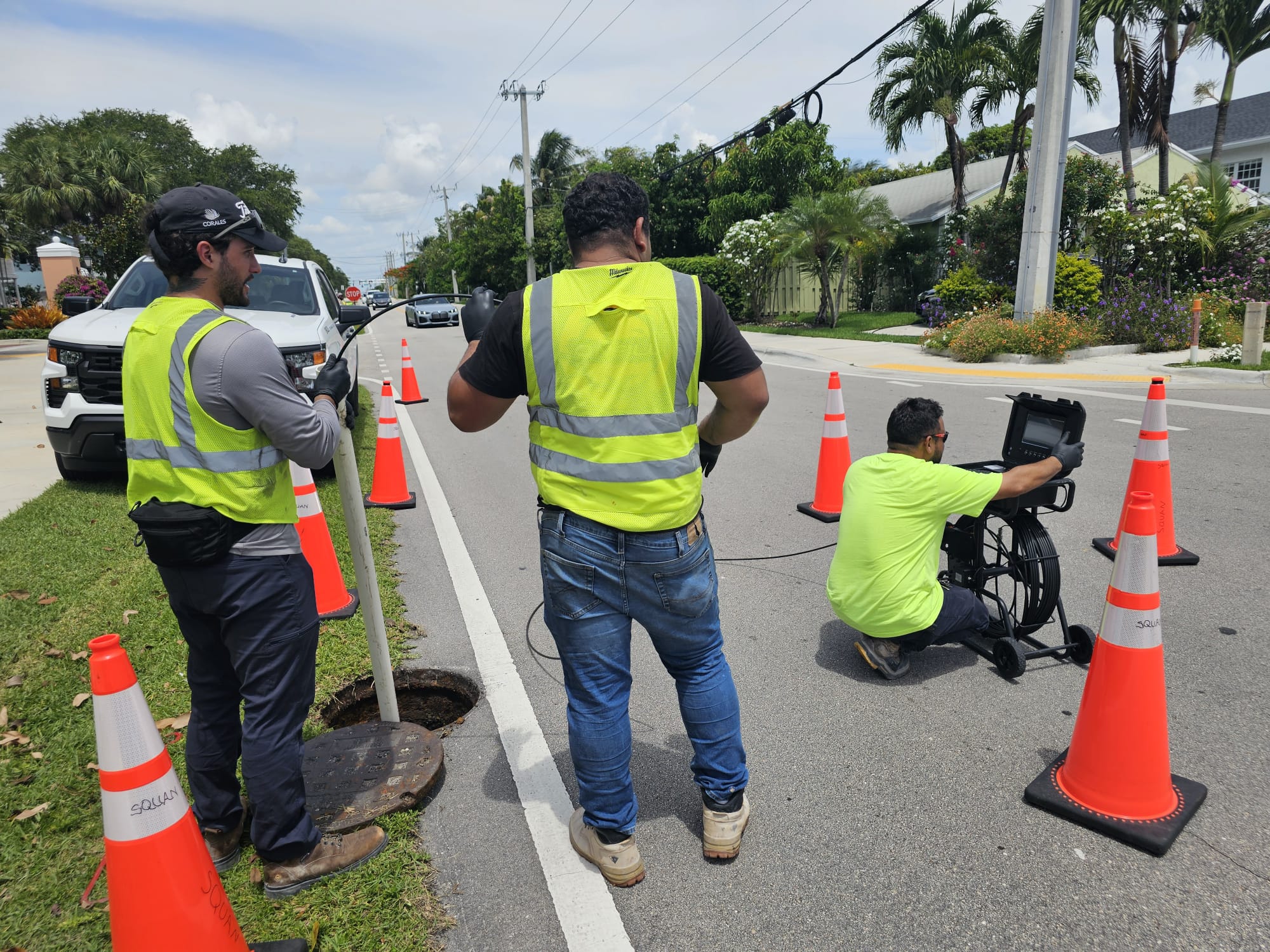
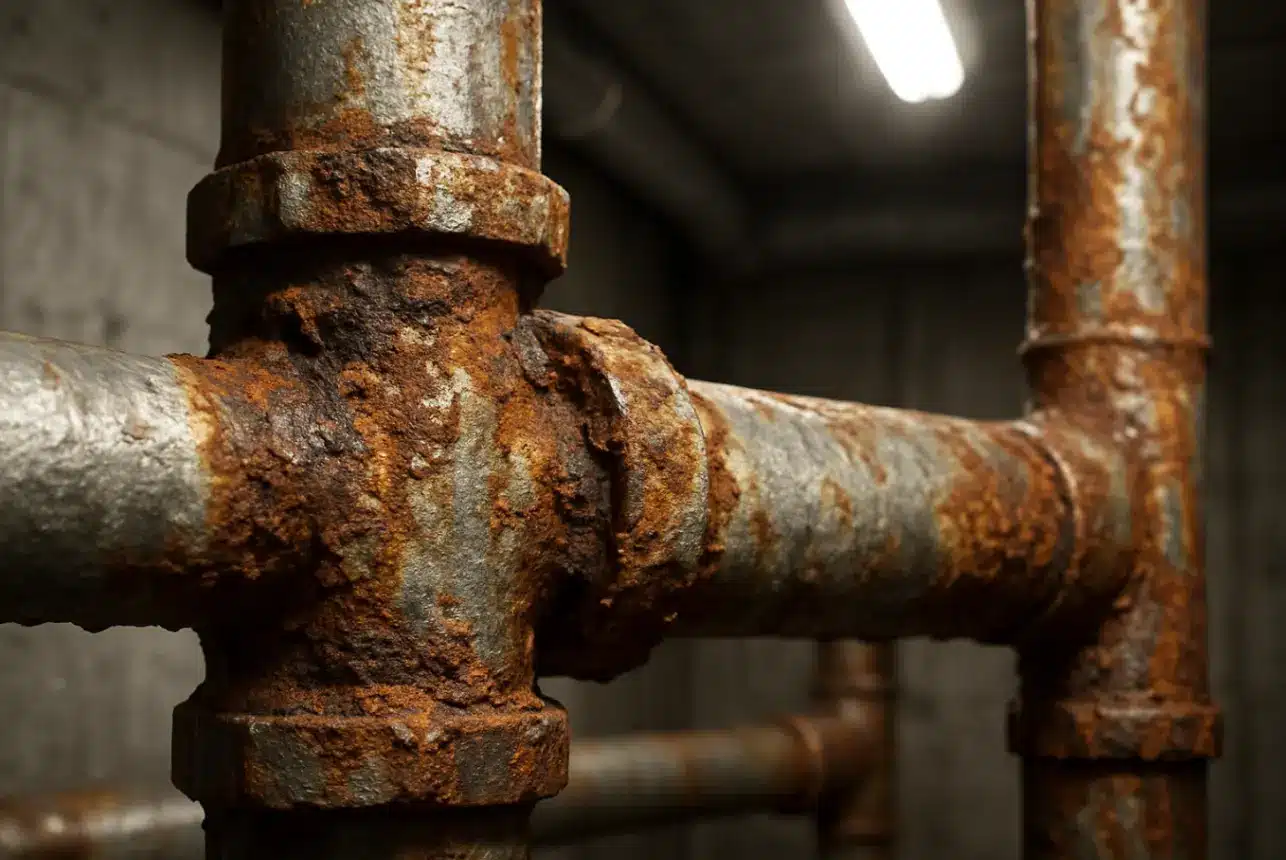
For most modern plumbing systems, hydro jetting is completely safe when performed by a licensed professional. The key is adjusting the pressure to match the material and condition of your pipes. PVC and copper lines can handle strong water pressure, while older or fragile pipes may need a lower PSI setting to prevent damage. That’s why it’s always best to have a trained plumber assess your system first. They can inspect the line using a small drain camera to check for cracks, corrosion, or weak spots before starting the process. This ensures you get the cleaning power of hydro jetting without any unnecessary risk.
How long does hydro jetting keep your pipes clean?
One of the biggest benefits of hydro jetting is its long-lasting effect. Because the process removes residue and buildup along the pipe walls, it helps prevent new clogs from forming. Many homeowners go years without another blockage after just one thorough hydro jetting service. It’s also eco-friendly since it relies solely on water no harsh chemicals or cleaners needed. That means it’s safer for both your plumbing and the environment. Keeping your system clear through routine maintenance can also protect it from the kind of buildup that leads to costly repairs.