When a real estate transaction is nearing the finish line, most attention is placed on visible systems—roofing, electrical, HVAC, and overall structure. But one of the most critical components of any property remains out of sight: the sewer line.
For realtors in Florida’s fast-moving market, recommending a sewer inspection before closing is more than just an extra step—it’s a smart, proactive measure that protects your clients, reduces risk, and reinforces your role as a trusted advisor.
What Is a Sewer Inspection?
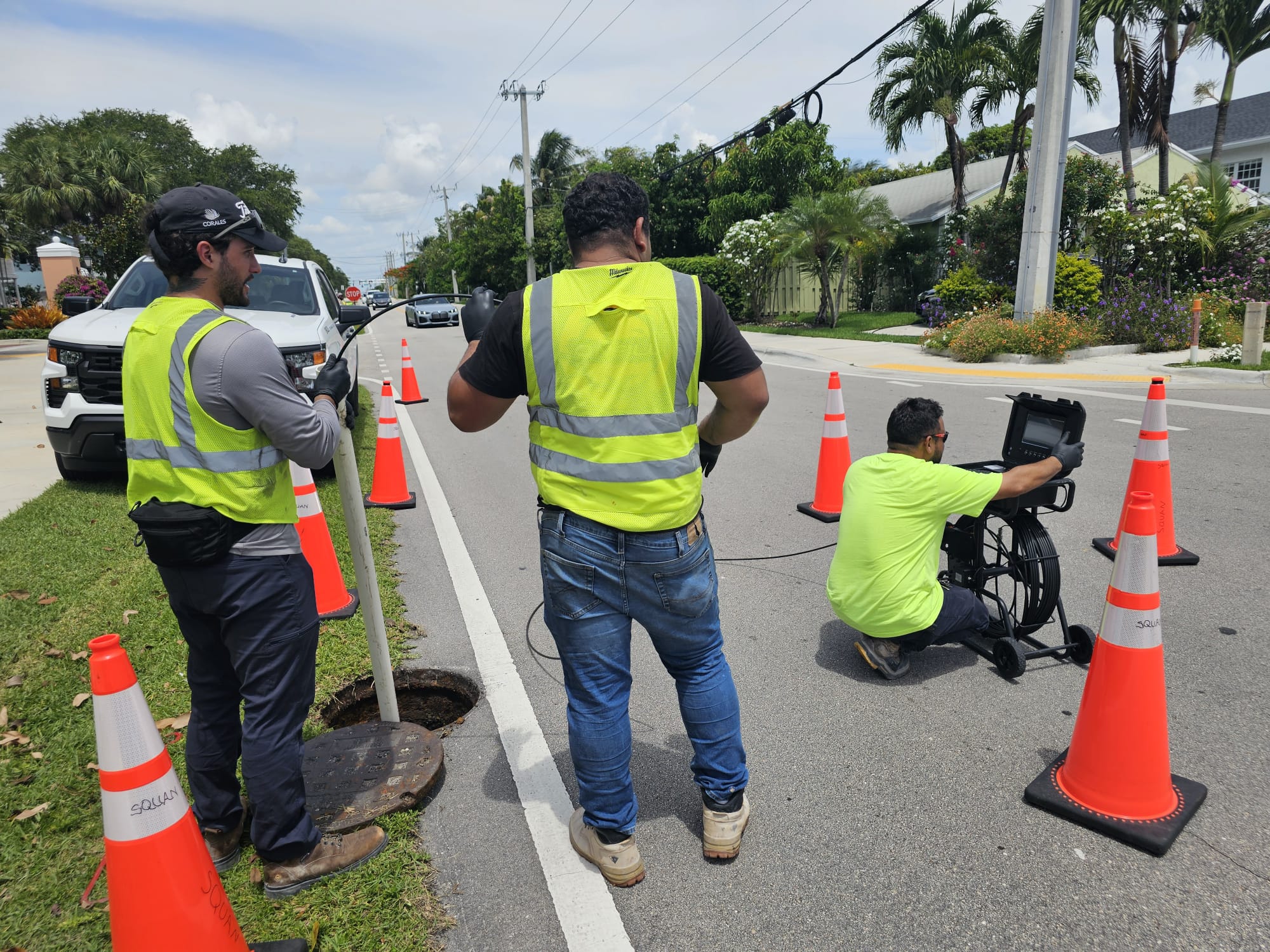
A sewer inspection—often referred to as a sewer scope inspection—involves inserting a specialized waterproof camera into a property’s sewer line. This allows professionals to assess the condition of underground piping in real time, identifying issues that cannot be detected through standard home inspections.
Unlike general inspections, which focus on accessible systems, sewer inspections provide a detailed look at the condition, alignment, and functionality of the property’s waste removal system.
Why Standard Home Inspections Aren’t Enough
While home inspections are essential, they generally focus on accessible and visible systems. Underground sewer lines are not typically included.
This means buyers could move forward with a purchase without knowing about:
- Hidden pipe damage
- Root intrusion
- Developing blockages
- Aging or failing sewer systems
Common Sewer Line Issues Found Before Closing
Tree Root Intrusion – In Florida, mature landscaping is common—and so is root intrusion. Tree roots can enter small cracks in sewer pipes, eventually causing blockages or pipe failure.
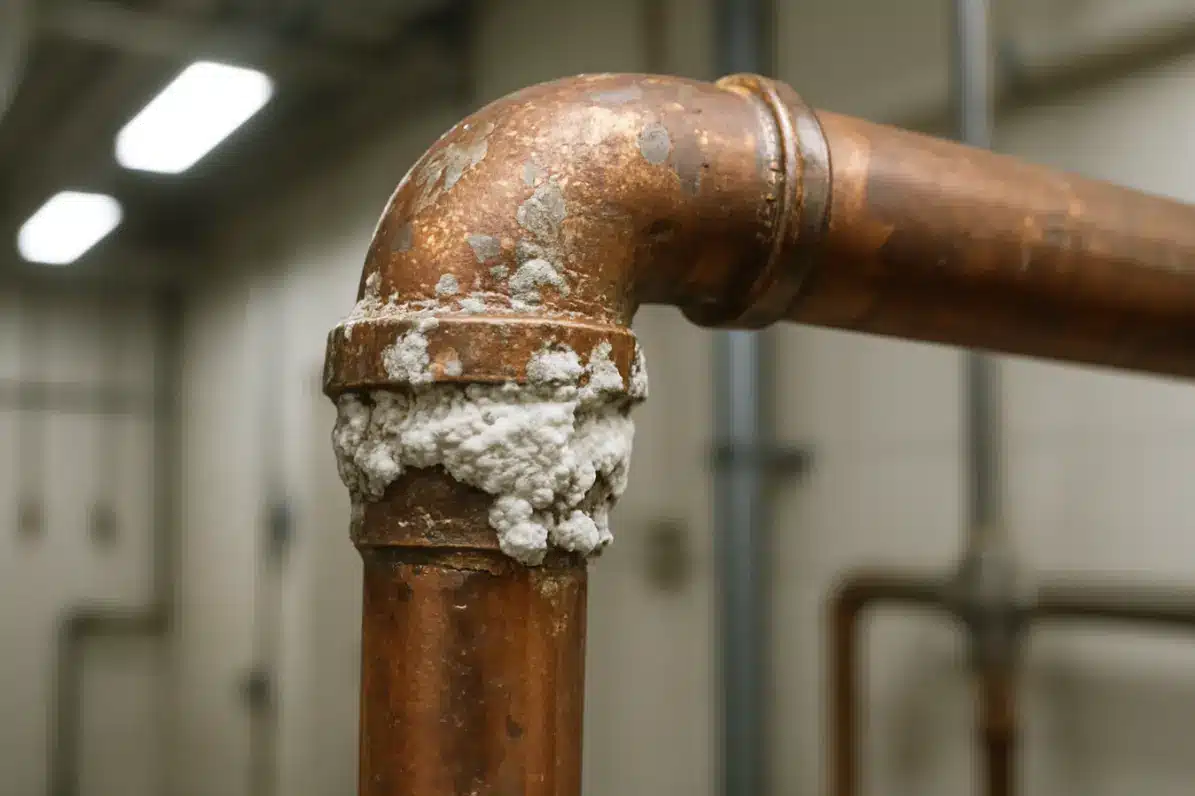
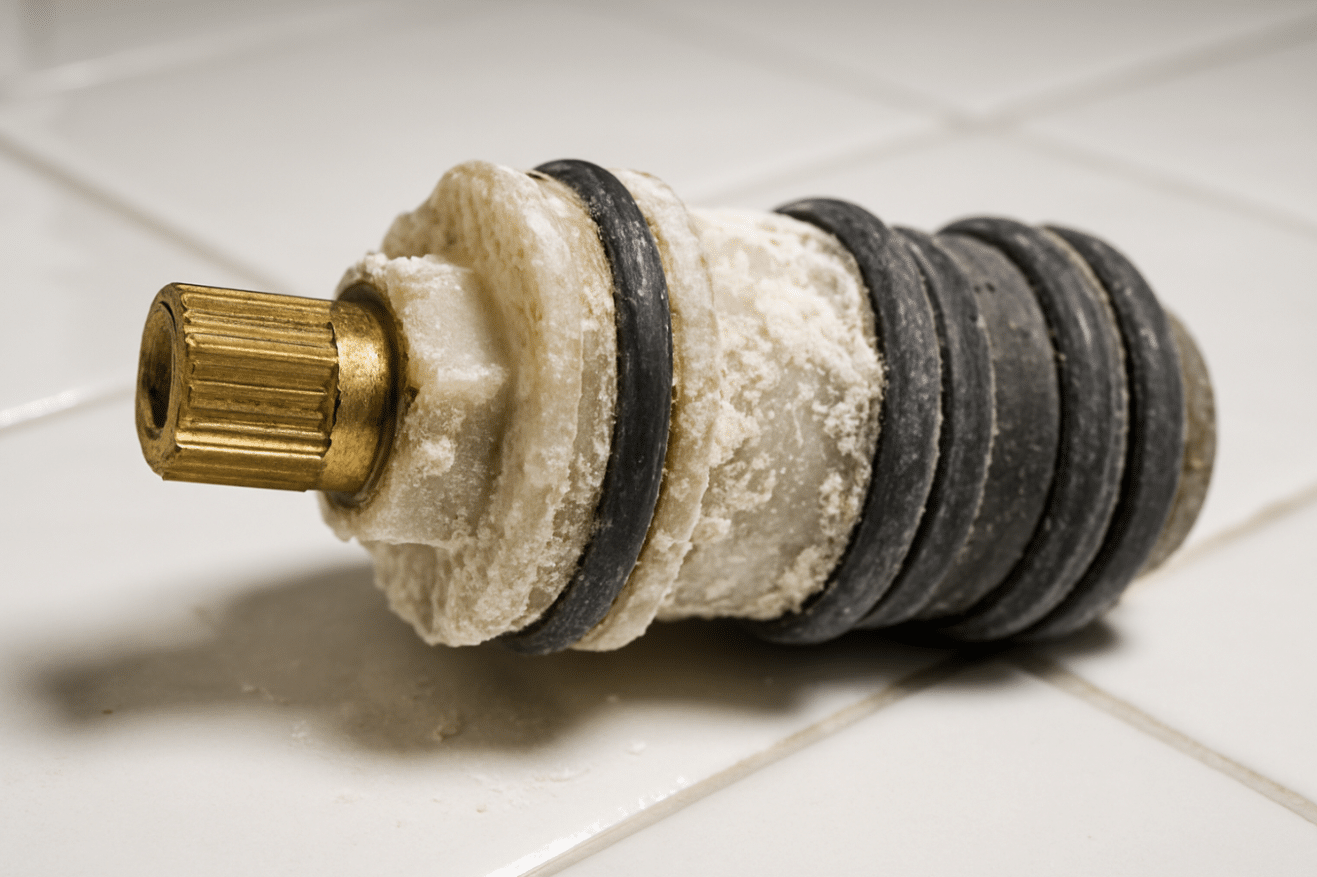
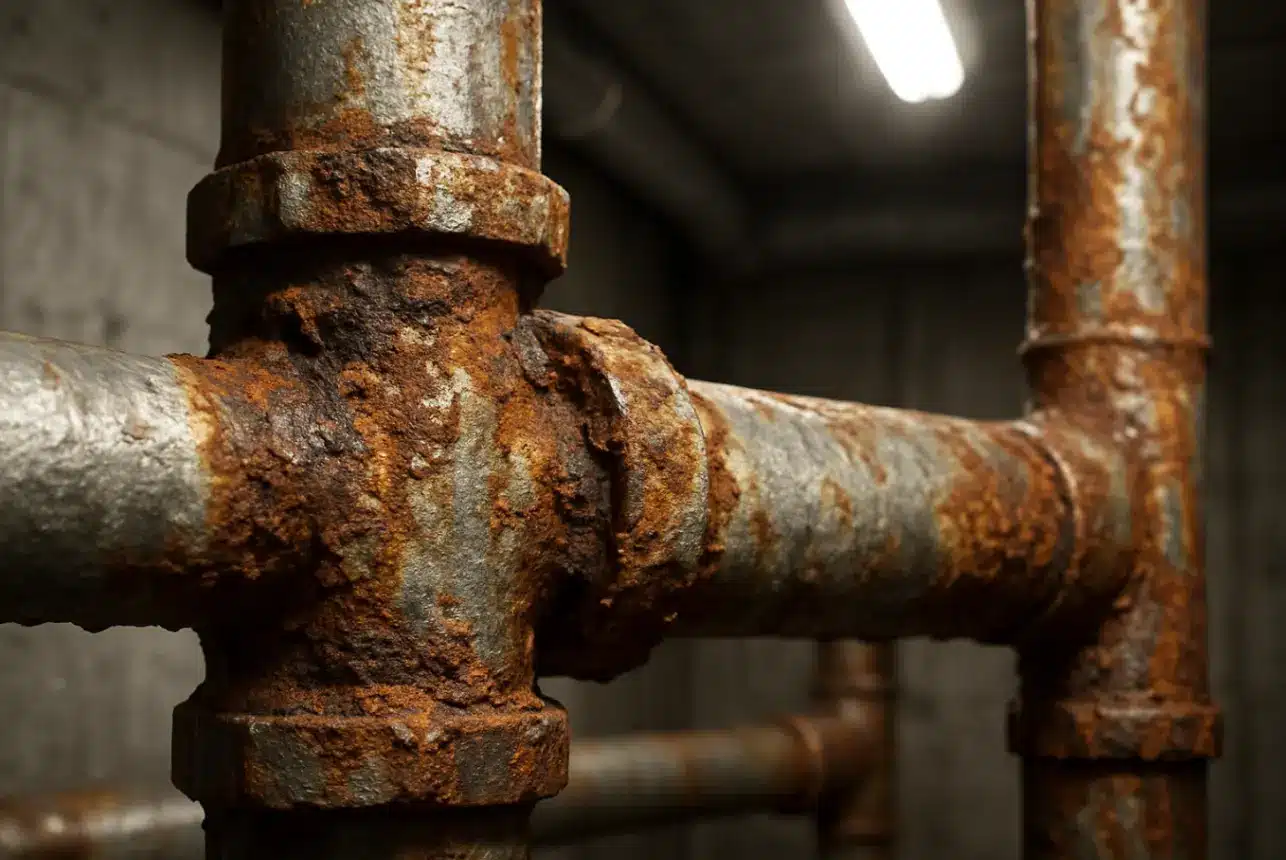
Aging or Corroded Pipes – Older homes often have cast iron or clay pipes that deteriorate over time. Corrosion, cracking, and buildup can restrict flow and lead to leaks.
Sewer Line Bellies – A sagging section of pipe (known as a belly) can cause water and waste to collect instead of flowing properly, leading to recurring drainage issues.
Blockages and Debris – Grease buildup, construction debris, or foreign objects can partially or fully obstruct sewer lines—even if drains appear to be working normally.
Collapsed Lines – In more severe cases, sections of pipe may collapse due to age, soil movement, or external pressure—resulting in costly repairs that often require excavation.
Why This Matters for Realtors
These hidden issues can have a direct impact on your clients—and your role in the transaction.
Recommending a sewer inspection helps protect buyers from unexpected costs and gives them clarity before closing. It also creates stronger negotiation opportunities, allowing buyers to request repairs or credits if problems are found.
Just as importantly, it helps reduce post-sale issues and positions you as a realtor who looks beyond the surface.
When Should You Recommend One?
Sewer inspections are particularly important for:
- Homes over 20–30 years old
- Properties with large trees
- Homes with past plumbing issues
- Investment properties or long-term ownership plans
That said, even newer homes can have installation issues or hidden defects, making sewer inspections a worthwhile consideration in many transactions.
What You Should Do Next
Sewer lines may be out of sight, but they should never be overlooked—especially as you guide clients toward one of the most important financial decisions they’ll make.
As a realtor, incorporating pipe camera inspections into your standard pre-closing recommendations is a simple but impactful step. It helps protect your clients from unexpected costs, strengthens your credibility, and ensures a more complete evaluation of the property.
Because in real estate, what’s underground can carry just as much weight as what’s visible—and your clients will appreciate the foresight.
At AM Florida Builders, we work closely with realtors, homeowners, and property investors to ensure that critical plumbing systems are properly evaluated. Our experience with Florida construction and infrastructure allows us to identify potential issues early—helping clients move forward with clarity and confidence.
Frequently Asked Questions
-
Do sewer inspections delay the closing process?
In most cases, no. Sewer inspections are quick and non-invasive, often completed within a few hours. Scheduling can typically be coordinated alongside other inspections, so they rarely impact the overall transaction timeline. For more details, drop us a line here and we are happy to help you out!
-
Who typically pays for a sewer inspection—the buyer or the seller?
Sewer inspections are usually paid for by the buyer as part of their due diligence. However, if issues are discovered, the findings can be used to negotiate repairs, credits, or price adjustments with the seller.
-
Is a sewer inspection necessary for newer homes?
Yes, it can still be beneficial. Even newer homes may have construction debris in the lines, improper installation, or early-stage issues that aren’t visible during a standard inspection. A sewer inspection provides added peace of mind regardless of the property’s age.