Water line damage is one of the most disruptive plumbing problems a homeowner can face, and catching it early can save you thousands of dollars in repairs. The signs of water line damage range from obvious wet spots in your yard to subtle shifts in water pressure that are easy to dismiss until the situation becomes severe.
Why Water Line Problems Are So Easy to Miss
Most of your home’s water supply lines run underground or inside walls, which means damage develops out of sight. A small crack or joint failure can leak water for weeks before it surfaces in any visible way. By that point, the surrounding soil may be saturated, your foundation could be compromised, and mold may already be growing inside wall cavities.
Understanding what to watch for puts you in a position to act before a manageable repair becomes a major renovation. The warning signs are consistent enough that homeowners who know what to look for can spot trouble early, even without any plumbing background.
The Most Common Signs of Water Line Damage
Unexplained Drops in Water Pressure
A sudden or gradual drop in water pressure throughout your entire home, not just one fixture, is one of the clearest indicators that something is wrong with your main water line. When pressure drops across multiple faucets and showers simultaneously, the problem is unlikely to be a clogged aerator or showerhead. Instead, it suggests that water is escaping the line before it ever reaches your fixtures.
If you notice that filling a pot or running the shower takes noticeably longer than it used to, pay attention. This is especially significant if the drop in pressure happened without any recent changes to your plumbing services system or neighborhood water supply.
Unexpectedly High Water Bills
One of the earliest financial signals of a damaged water line is a spike in your monthly water bill that you cannot explain. Water lost to an underground leak never reaches a fixture in your home, but your utility provider still meters it. Even a slow, steady leak of a few gallons per hour adds up significantly over a billing cycle.
If your usage habits have not changed but your bill has climbed noticeably compared to the same month in a prior year, that discrepancy warrants investigation. Cross-reference your bill with the season since irrigation use in Florida summers can skew numbers, but if you are not running sprinklers any more than usual, a higher bill is a red flag.
Wet or Soggy Patches in Your Yard
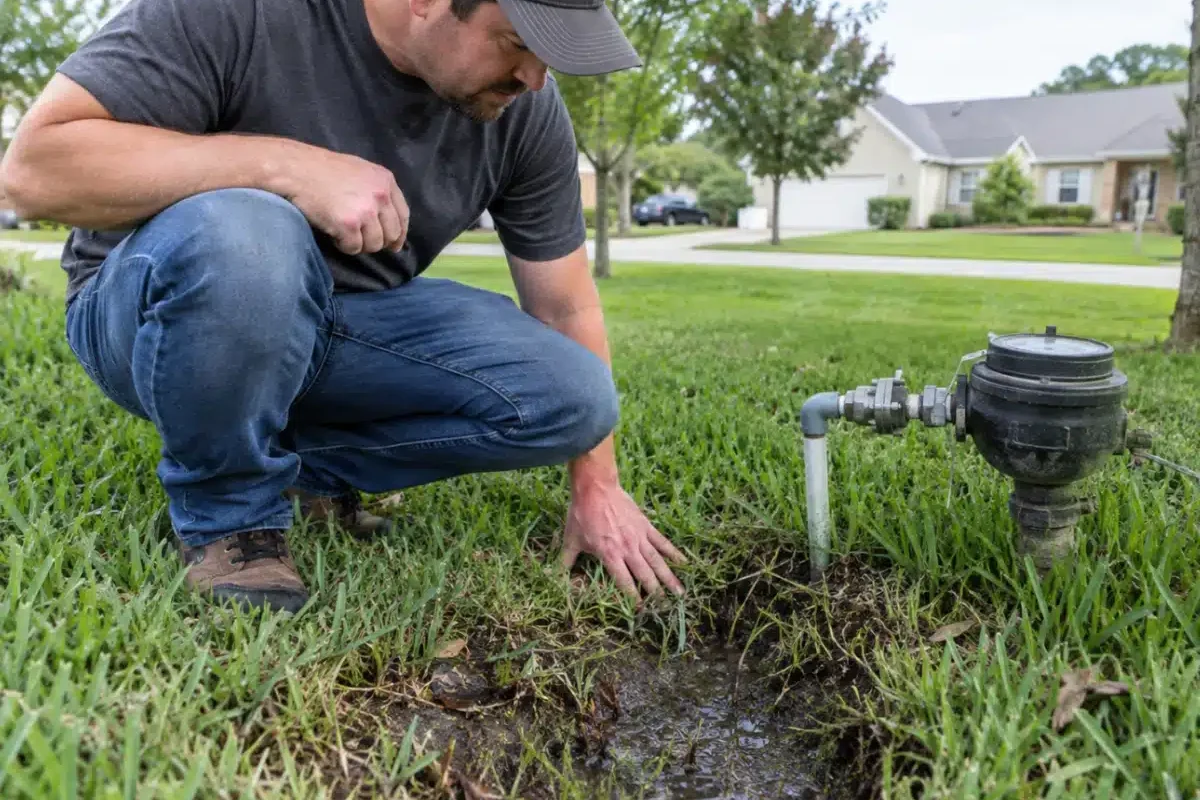
The soil above a leaking underground water line will absorb water over time and eventually become visibly saturated. If part of your lawn is consistently soggy, muddy, or soft underfoot when the rest of the yard is dry, there is a strong chance that groundwater is migrating upward from a leak below the surface.
In some cases, you may notice that a particular strip of grass is growing faster or appears greener than the surrounding lawn. This happens because the constant moisture creates ideal growing conditions directly above the leak. While it might look healthy, that lush stripe is a warning sign worth taking seriously.
Discolored or Rusty Water
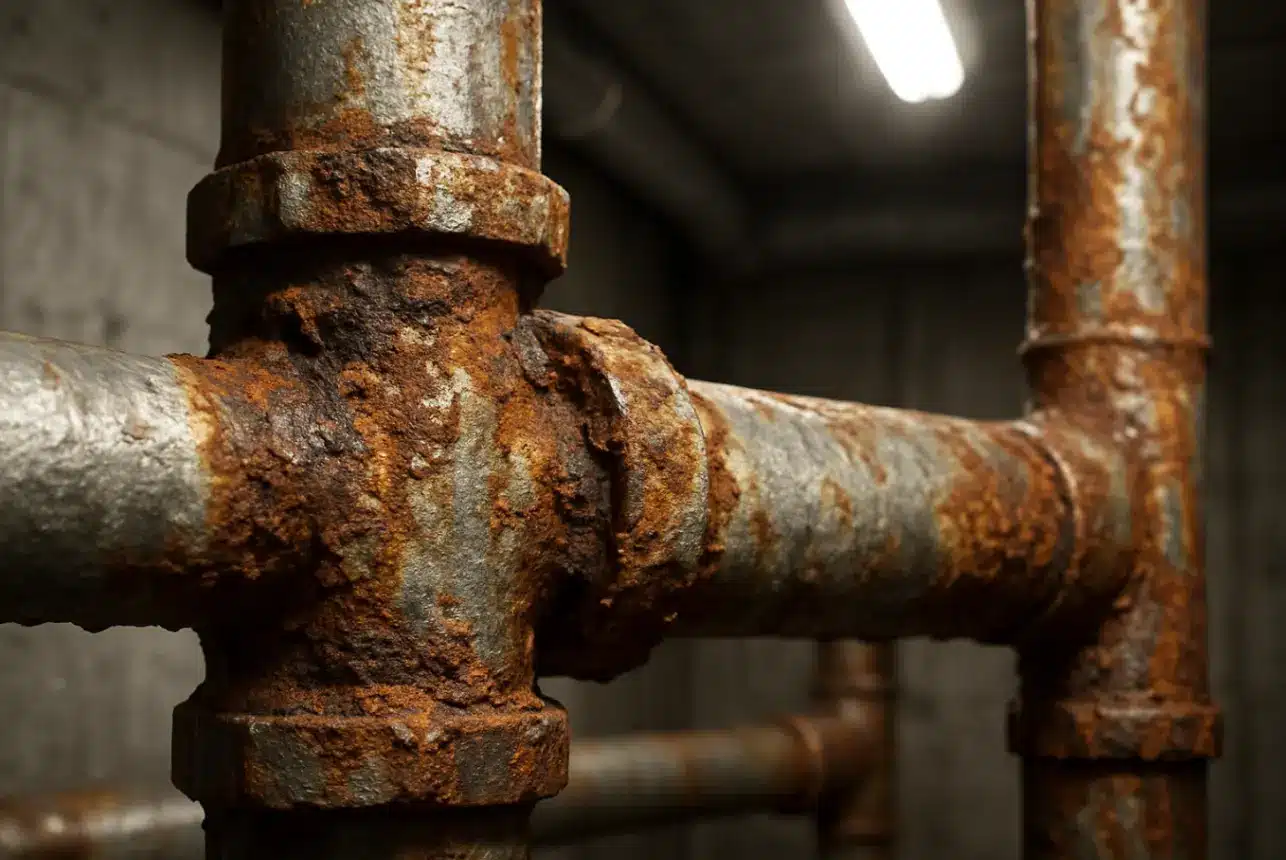
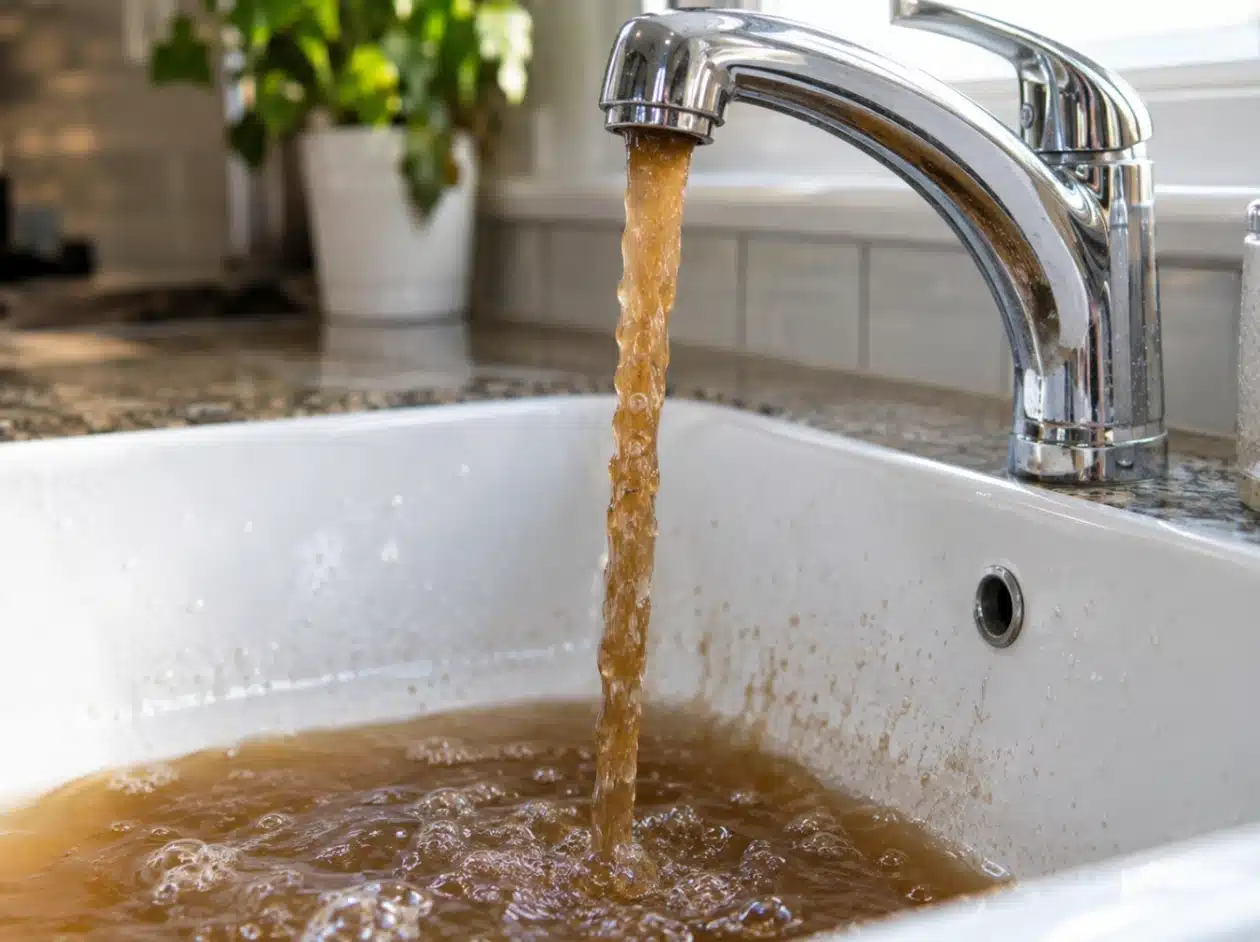
If the water coming from your faucets is brown, yellow, or has a rusty tint, that discoloration can indicate corrosion or a breach in your water supply line. When the pipe wall degrades or a joint fails, sediment, rust particles, and in some cases contaminants from surrounding soil can enter the water supply.
Discolored water should never be ignored, especially if it appears consistently rather than just after a period of non-use. You should run the tap for a couple of minutes after a vacation to flush the line, but if the color does not clear up, the issue is likely structural rather than surface-level sediment.
Visible Cracks in Your Foundation or Driveway
Water escaping a supply line under your home or beneath a concrete surface exerts pressure as it expands through the soil. Over time, that hydraulic pressure can shift the ground enough to crack concrete slabs, driveways, or your home’s foundation. These cracks may appear far from the actual leak location because water travels along the path of least resistance underground.
Sinkholes or depressions in your driveway or walkways are similarly concerning. If you notice a section of pavement that has sunk, buckled, or developed a visible cavity, underground water erosion is a likely cause and water line installation repairs should be evaluated immediately.
Low Hot Water Volume or Temperature Fluctuations
If you are experiencing inconsistent hot water or your water heater seems to run out faster than it used to, a damaged supply line may be partially to blame. A leak in the line feeding cold water into your water heater disrupts the balance of pressure and flow, which affects how efficiently the unit operates. This symptom is less obvious than a soggy yard, but paired with other signs, it strengthens the case for a professional inspection.
What Causes Water Line Damage in the First Place
Understanding the causes helps homeowners in Florida recognize why their properties may be at elevated risk.
Corrosion and Pipe Age
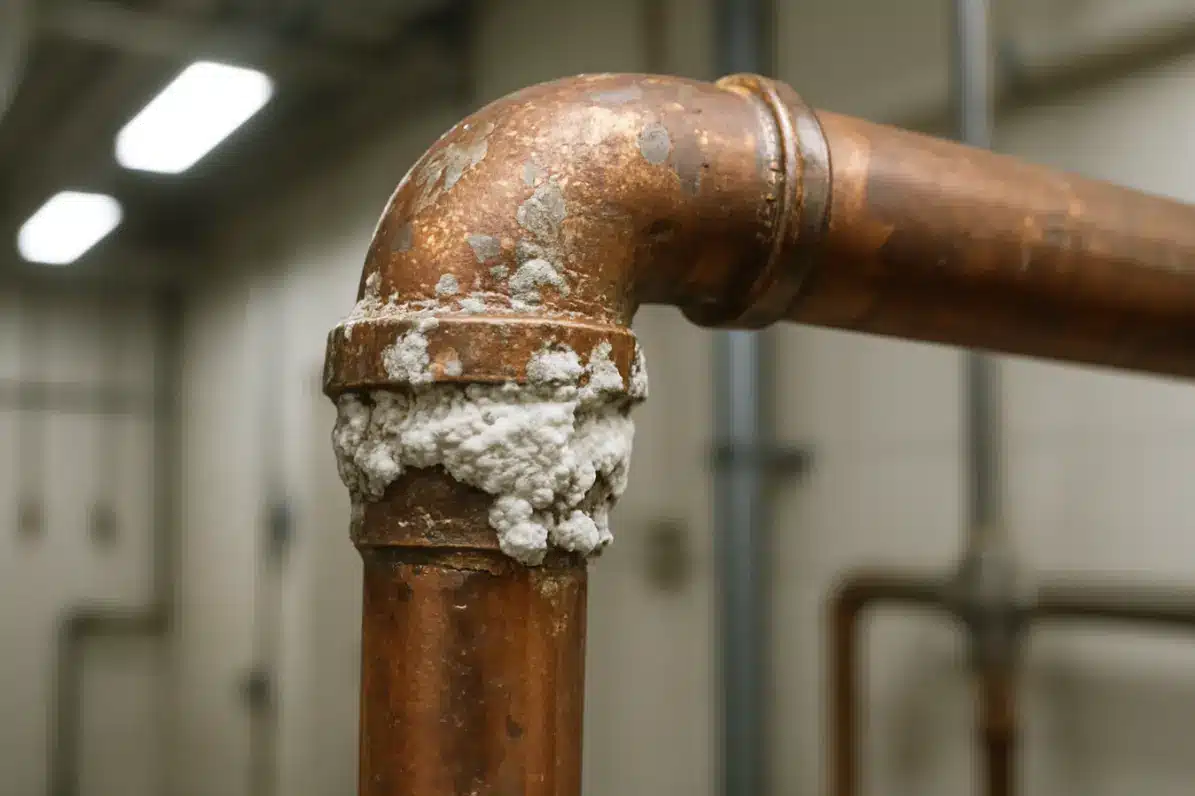
Older homes built before the 1980s often have galvanized steel or iron supply lines. These materials corrode from the inside out over decades, gradually narrowing the interior of the pipe and eventually causing leaks or failures. Copper lines, while more durable, can also develop pinhole leaks over time, particularly in areas with acidic soil or water chemistry.
Shifting Soil and Root Intrusion
Florida’s sandy soil conditions and seasonal rainfall create an environment where the ground shifts more than homeowners often realize. Tree roots are also notorious for wrapping around and eventually crushing supply lines, especially older clay or cast iron pipe. Even modest root pressure sustained over several years can fracture a line entirely.
High Water Pressure
Water pressure that exceeds 80 PSI puts consistent mechanical stress on pipe joints, fittings, and the pipe walls themselves. Many Florida municipalities deliver water at pressures on the higher end of the acceptable range, and without a properly calibrated pressure-reducing valve, that stress accumulates over time.
Construction or Excavation Nearby
If you have had landscaping work, fence installation, or any kind of excavation near your home recently, physical damage to the line is a real possibility. Even a relatively shallow dig can nick or crush a supply line if the contractor is not working from accurate utility maps.
How Professional Diagnosis Works
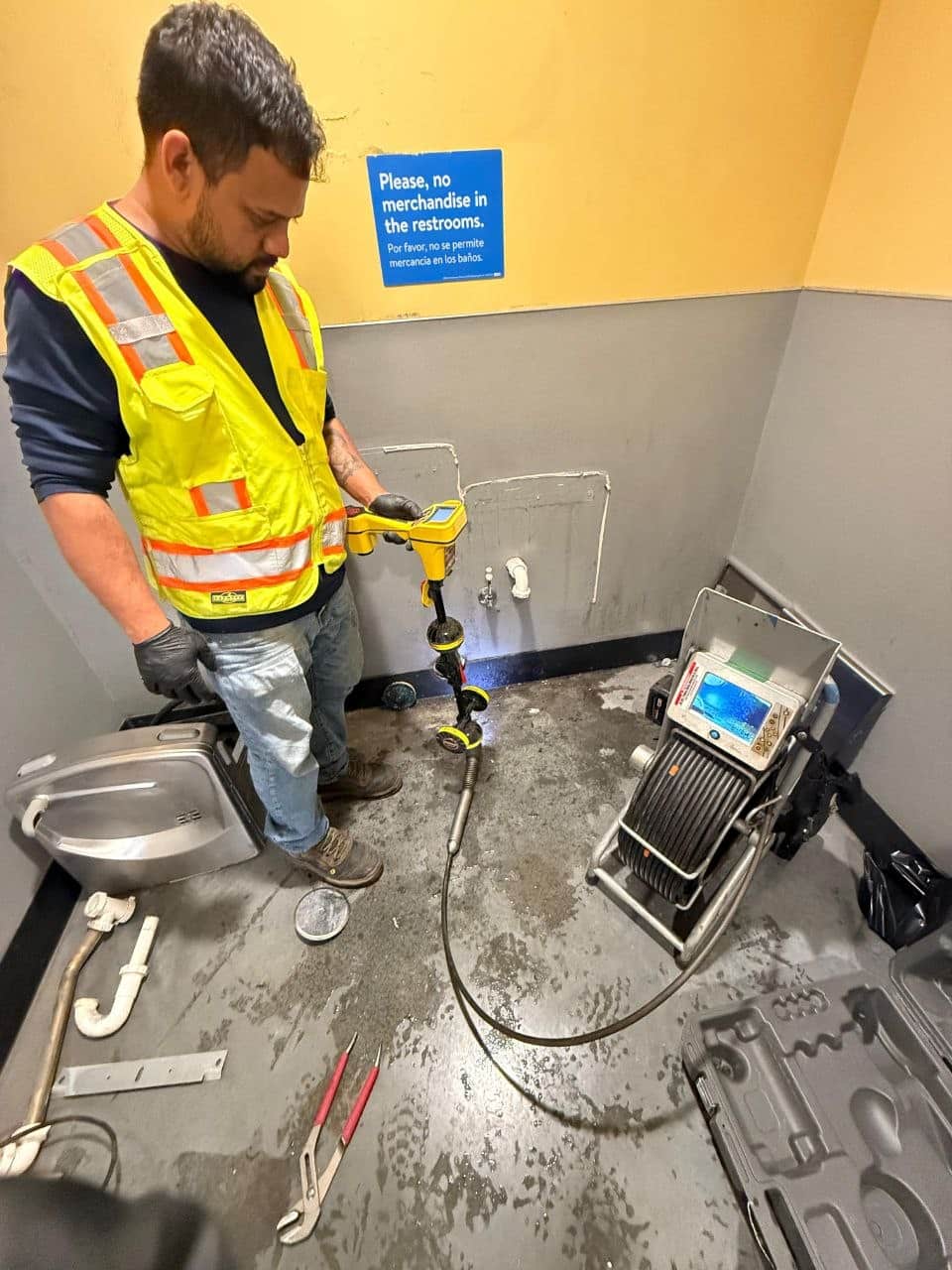
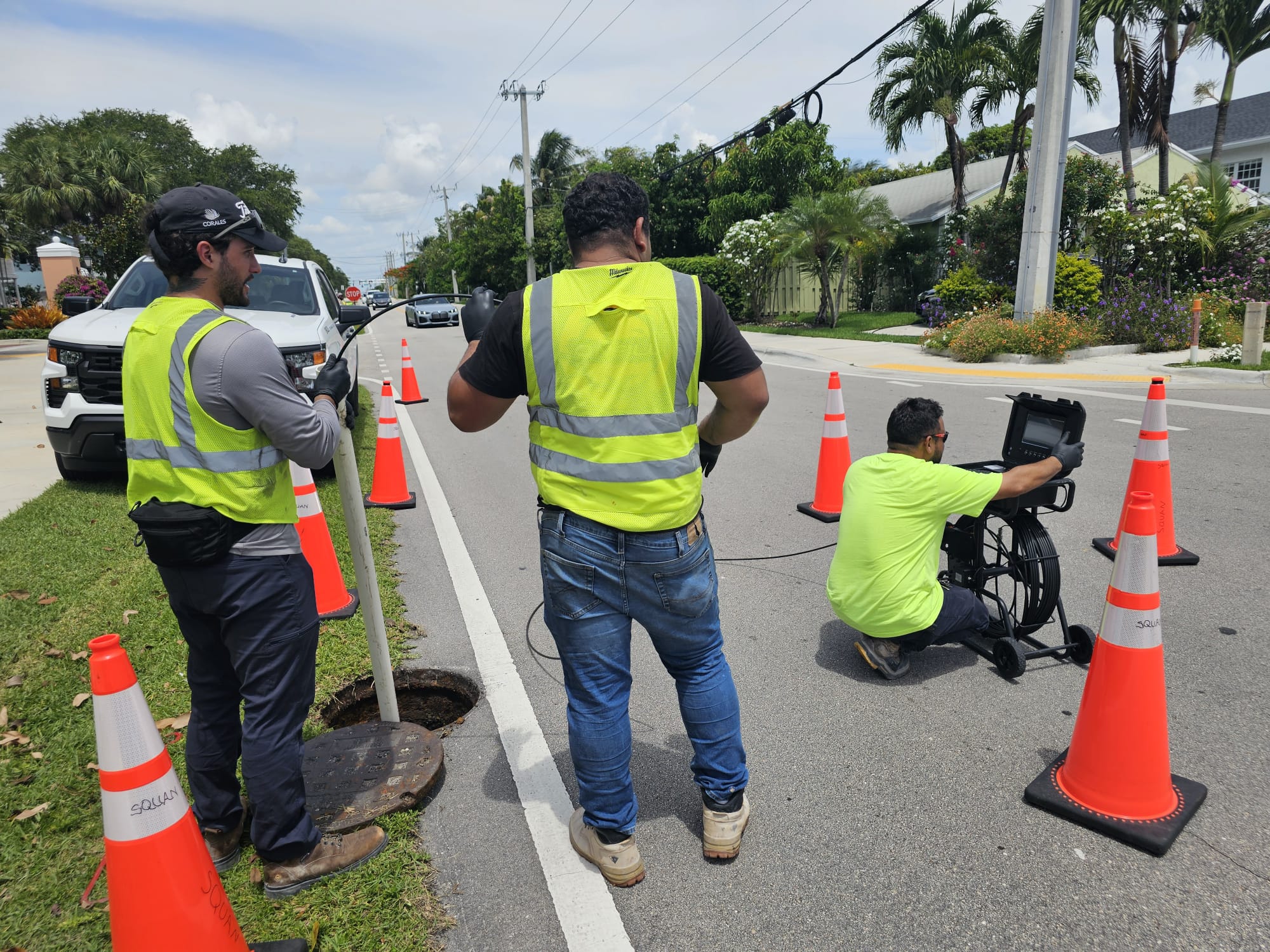
When a plumber investigates a suspected water line problem, they use several diagnostic methods that do not require tearing up your yard or opening your walls unnecessarily. Pressure testing, acoustic leak detection equipment, and in some cases video camera inspection allow professionals to pinpoint the location and extent of damage before deciding on a repair strategy.
For homeowners in Florida, working with a licensed plumber who understands local soil conditions, pipe materials common in regional construction, and Florida building code requirements is important. AM Florida Plumber provides plumbing services throughout Florida, including full diagnostic evaluations for suspected water line issues.
Once the location and scope of damage are confirmed, repair options range from targeted pipe patching to full line replacement, depending on the pipe material, age, and extent of the damage. Professional water line installation repairs address not just the immediate failure point but also evaluate the condition of the surrounding pipe to prevent repeat problems.
What to Do When You Spot the Warning Signs
If you recognize several of these indicators at once, the appropriate first step is to shut off your main water supply valve and contact a licensed plumber. Do not wait to see if the situation resolves on its own. Water line issues do not self-correct, and delay only extends the duration of the damage and the cost of the eventual repair.
Document what you are observing before the plumber arrives. Take photos of wet patches in the yard, note when the high water bill began, and record how long the water pressure drop has been present. This information helps the plumber narrow down the timeline and likely cause of the problem faster.
You can reach the professionals for trusted service across Florida. Having a licensed plumber on call before an emergency develops is one of the most practical steps a Florida homeowner can take given the state’s climate and aging housing stock.
When Replacement Makes More Sense Than Repair
Repeated repairs to the same section of pipe, or a pipe that has failed in multiple locations, typically signal that a full replacement is the more cost-effective long-term solution. Patching individual failures on a corroded or root-compromised line is like plugging one hole in a colander. The underlying structural weakness remains, and additional failures are likely.
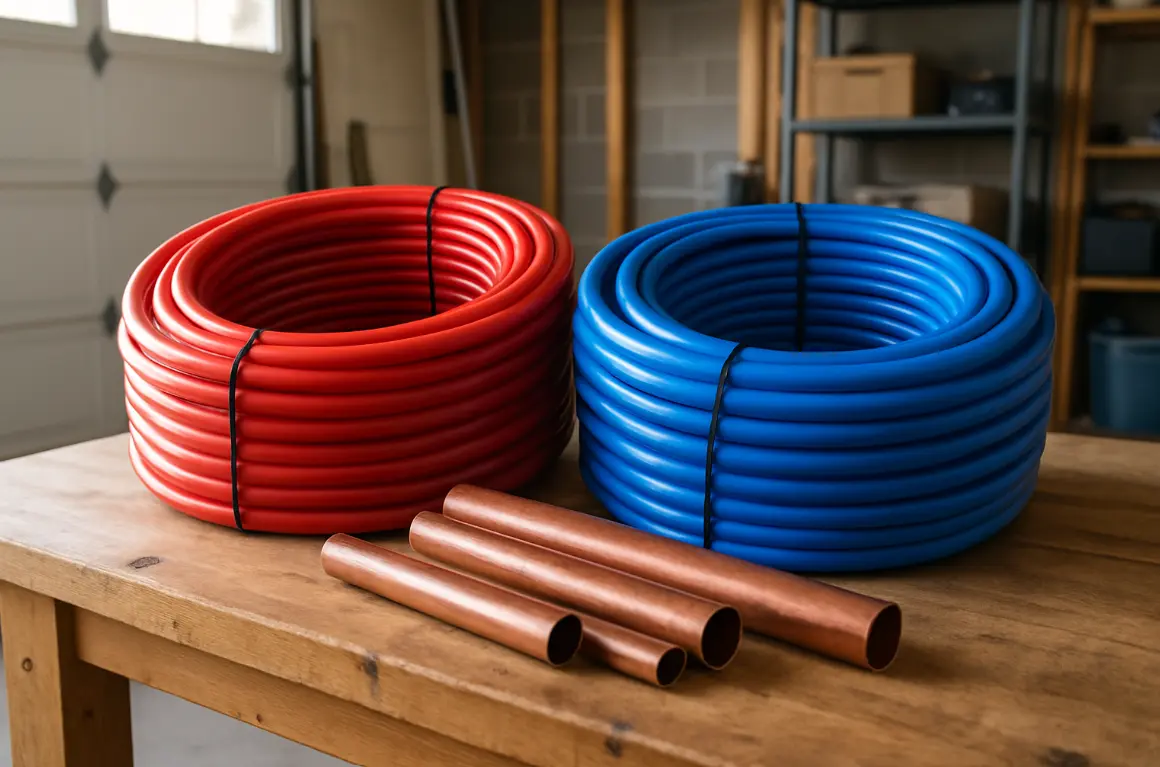
Modern replacement materials like cross-linked polyethylene (PEX) tubing and high-density polyethylene (HDPE) pipe offer significantly longer service life than older galvanized or iron lines. They are also more flexible, which makes them less vulnerable to the soil movement and root pressure that Florida properties commonly experience.
A licensed plumber can walk you through the cost difference between repair and replacement and help you make a decision based on your pipe’s age, material, and overall condition rather than guesswork. Knowing the signs of water line damage early gives you the most options and the most control over that decision.
Schedule Your Water Line Inspection With AM Florida Plumber Today
If you have noticed any of the warning signs covered in this article, waiting is not a strategy that works in your favor. Water line problems worsen with every passing day, and what starts as a minor leak can escalate into foundation damage, mold growth, and a water bill that climbs well beyond what any repair would have cost. Call AM Florida Plumber now to schedule a professional diagnostic inspection and get a clear picture of what is happening with your water line before the damage deepens.
Frequently Asked Questions
-
How do I know if my water line is leaking underground?
The most reliable indicator is a water meter test combined with visible signs like soggy yard patches, a spike in your bill, or reduced pressure throughout your home.
Turn off every fixture and water-using appliance in your home, then check whether your water meter's flow indicator is still moving. If it is, water is escaping the system somewhere. Pairing that meter test with observations like unusually green strips of grass, soft ground near your foundation, or unexplained pressure drops gives a strong indication that an underground leak is present. A licensed plumber can confirm the location using acoustic detection equipment without digging up your yard.
-
Can a damaged water line affect my home's foundation?
Yes, a leaking underground water line can absolutely compromise your foundation over time.
Water escaping below or near your foundation saturates the surrounding soil, which causes it to shift, expand, or erode depending on composition. In Florida, where sandy soil is common, this process can happen faster than in regions with denser clay-based ground. The resulting soil movement creates uneven support beneath your slab, which leads to cracking, settling, and in serious cases, structural instability. Addressing a water line leak promptly is one of the most effective ways to protect your foundation.
-
How much does it typically cost to repair a damaged water line?
Repair costs vary significantly based on pipe material, depth, location, and whether a patch or full replacement is needed.
Minor repairs on accessible sections of pipe can be relatively affordable, while full water line replacements that require excavation or trenchless technology involve higher labor and material costs. In Florida, the condition of your soil, the age of your plumbing system, and local permit requirements all factor into the final price. Getting a professional assessment before committing to any approach is the best way to understand your specific cost range and avoid paying for a partial fix on a line that needs full replacement.
-
What is the difference between a water line repair and a full replacement?
A repair addresses a specific failure point, while a replacement removes and replaces the entire line or a major section of it.
Repairs are appropriate when the pipe is otherwise in good condition and the damage is isolated to one area. Replacement becomes the smarter investment when the line is old, corroded along multiple sections, has experienced repeated failures, or is made from a material like galvanized steel that has exceeded its practical lifespan. A licensed plumber will evaluate the age and material of your pipe, the scope of the damage, and your long-term cost exposure to help you decide which option makes the most sense for your home.
-
How long does a water line repair or replacement take?
Most water line repairs are completed within a single day, while full replacements may take one to three days depending on method and complexity.
Trenchless replacement methods, which are commonly used in Florida to minimize disruption to landscaping and driveways, can often be completed faster than traditional open-trench excavation. The timeline also depends on permit processing requirements in your municipality, the depth of the line, and whether any unexpected complications arise once the work begins. Your plumber should give you a realistic timeline during the initial assessment so you can plan accordingly for any temporary water shut-off.
The Bottom Line on Signs of Water Line Damage
Recognizing the signs of water line damage early gives you the power to act before a small problem becomes a costly emergency. Soggy yard patches, unexplained bill spikes, low water pressure, discolored water, and the sound of running water when everything is shut off are all signals that deserve prompt attention rather than a wait-and-see approach.
AM Florida Plumber serves homeowners across Florida with professional diagnostics, repairs, and full line replacements. If any of the warning signs in this article sound familiar, contact AM Florida Plumber today and let a licensed professional evaluate your system before the damage goes any further.
Contents
- 1. Why Water Line Problems Are So Easy to Miss
- 2. The Most Common Signs of Water Line Damage
- 3. What Causes Water Line Damage in the First Place
- 4. How Professional Diagnosis Works
- 5. What to Do When You Spot the Warning Signs
- 6. When Replacement Makes More Sense Than Repair
- 7. Schedule Your Water Line Inspection With AM Florida Plumber Today
- 8. Frequently Asked Questions
- 8.1. How do I know if my water line is leaking underground?
- 8.2. Can a damaged water line affect my home's foundation?
- 8.3. How much does it typically cost to repair a damaged water line?
- 8.4. What is the difference between a water line repair and a full replacement?
- 8.5. How long does a water line repair or replacement take?
- 9. The Bottom Line on Signs of Water Line Damage