Why the Plumbing Phase Can Make or Break a New Build
When contractors and homeowners think about new construction timelines, framing and roofing tend to get the most attention. But the plumbing phase is where hidden decisions get locked in permanently. Once your slab is poured or your walls are drywalled, accessing buried or enclosed pipes becomes expensive and disruptive.
The plumbing process in a new build typically unfolds in three stages:
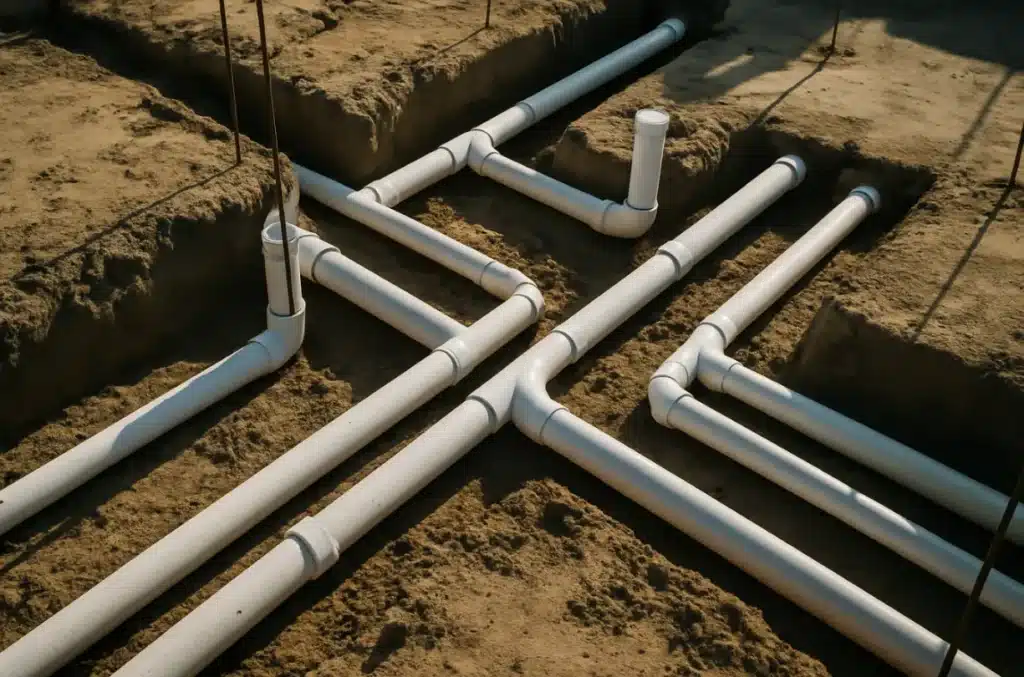
- Underground rough-in: Drain lines, sewer connections, and any below-slab supply lines are installed before the foundation is poured.
- Above-ground rough-in: Supply lines, drain-waste-vent (DWV) pipes, and stub-outs are run through framing before walls close.
- Trim-out (finish phase): Fixtures like faucets, toilets, water heaters, and dishwashers are connected once interior finishing is complete.
Each phase requires a municipal inspection before work can move forward. Failing even one inspection can delay your entire project by days or weeks, which translates directly into added labor costs and contractor scheduling conflicts.
Pipe Materials: Choosing What Goes Inside Your Walls
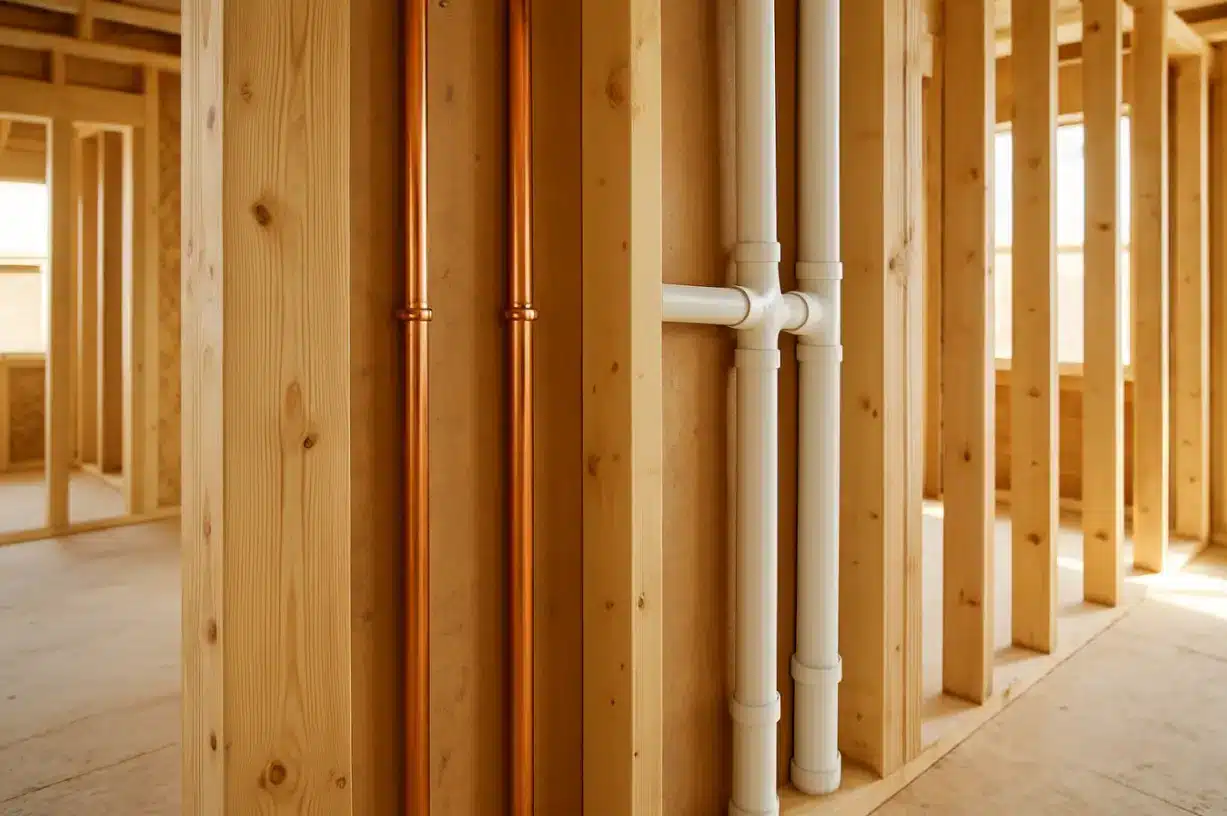
One of the most consequential decisions in plumbing in new construction is selecting the right pipe material. Each option carries different trade-offs in terms of cost, durability, water quality, and ease of installation.
Pipe Material | Best Use | Average Lifespan | Relative Cost |
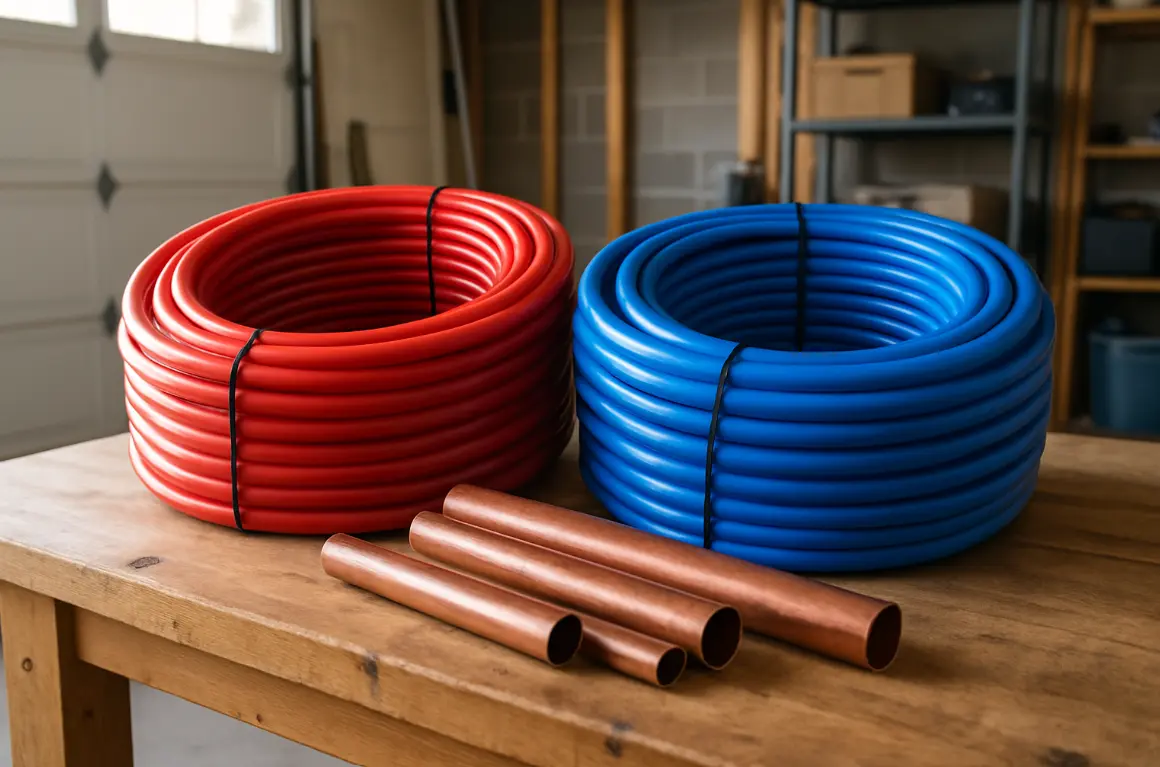
PEX (Cross-linked polyethylene) | Supply lines | 50+ years | Low-Medium |
Copper | Supply lines, hot water | 50-70 years | High |
PVC | Drain and vent lines | 25-40 years | Low |
CPVC | Hot water supply | 50+ years | Medium |
Cast Iron | Drain lines (sound dampening) | 50-100 years | High |
PEX has become the go-to option for supply lines in most new residential builds across the U.S. It is flexible, freeze-resistant compared to copper, easy to snake through framing, and significantly cheaper to install. However, it is not approved for outdoor use where UV exposure is a concern.
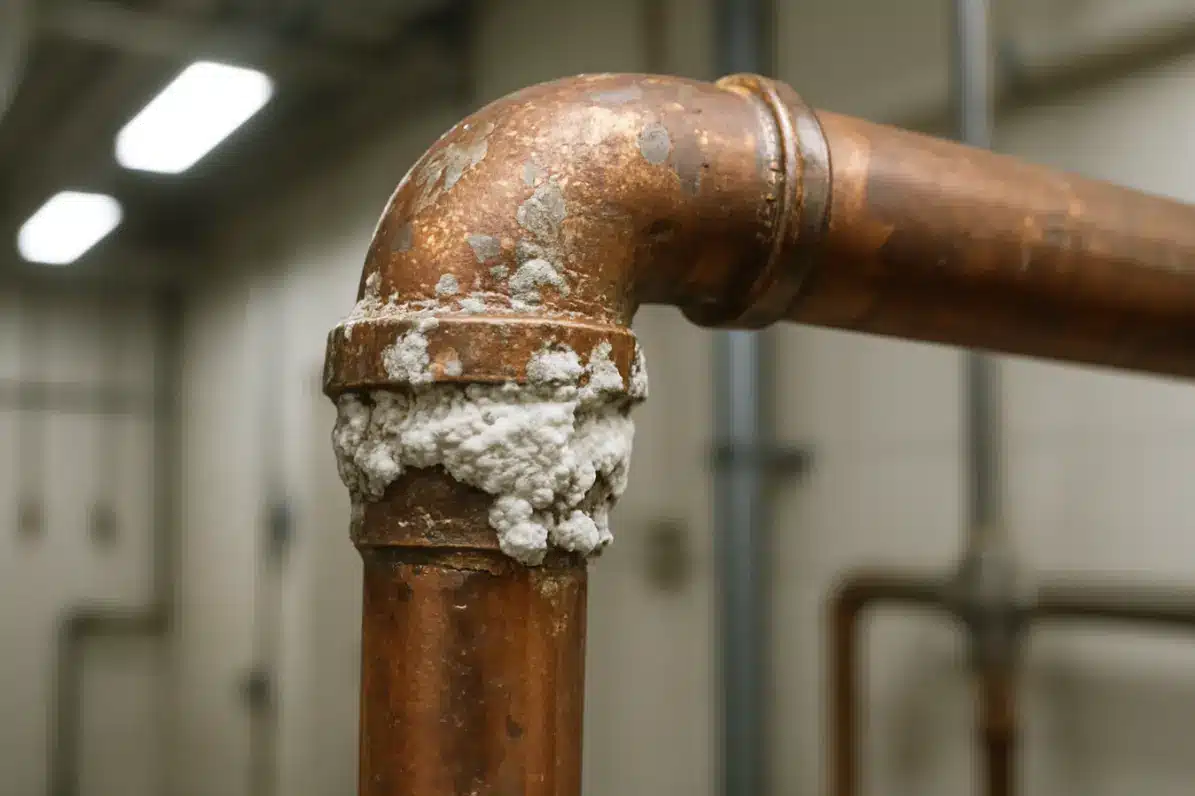
Copper remains the gold standard for water quality and longevity. It is naturally antimicrobial and holds up exceptionally well in Florida’s hard water conditions. The trade-off is a higher upfront material cost and skilled labor requirements for soldering joints.
PVC and ABS dominate drain, waste, and vent lines because they are lightweight, inexpensive, and easy to cut and glue. In multi-story builds, some contractors upgrade drain lines to cast iron to reduce the sound of water traveling through pipes, which is a noticeable quality-of-life upgrade in bedrooms and offices.
Water Drainage Systems: The Component Most Builders Underplan
Supply lines get a lot of attention, but the drainage side of plumbing in new construction is equally important and arguably more complex to design correctly. A poorly sloped drain line, an undersized vent stack, or a missing clean-out access point creates problems that only reveal themselves after the home is occupied.
Key drainage system elements to plan carefully:
- Slope: Horizontal drain pipes must maintain a consistent slope (typically 1/4 inch per foot) to allow waste to flow without pooling or backup.
- Venting: Every drain needs proper venting to prevent siphoning of trap seals, which keeps sewer gases out of the home. Inadequate venting causes gurgling drains and slow flow.
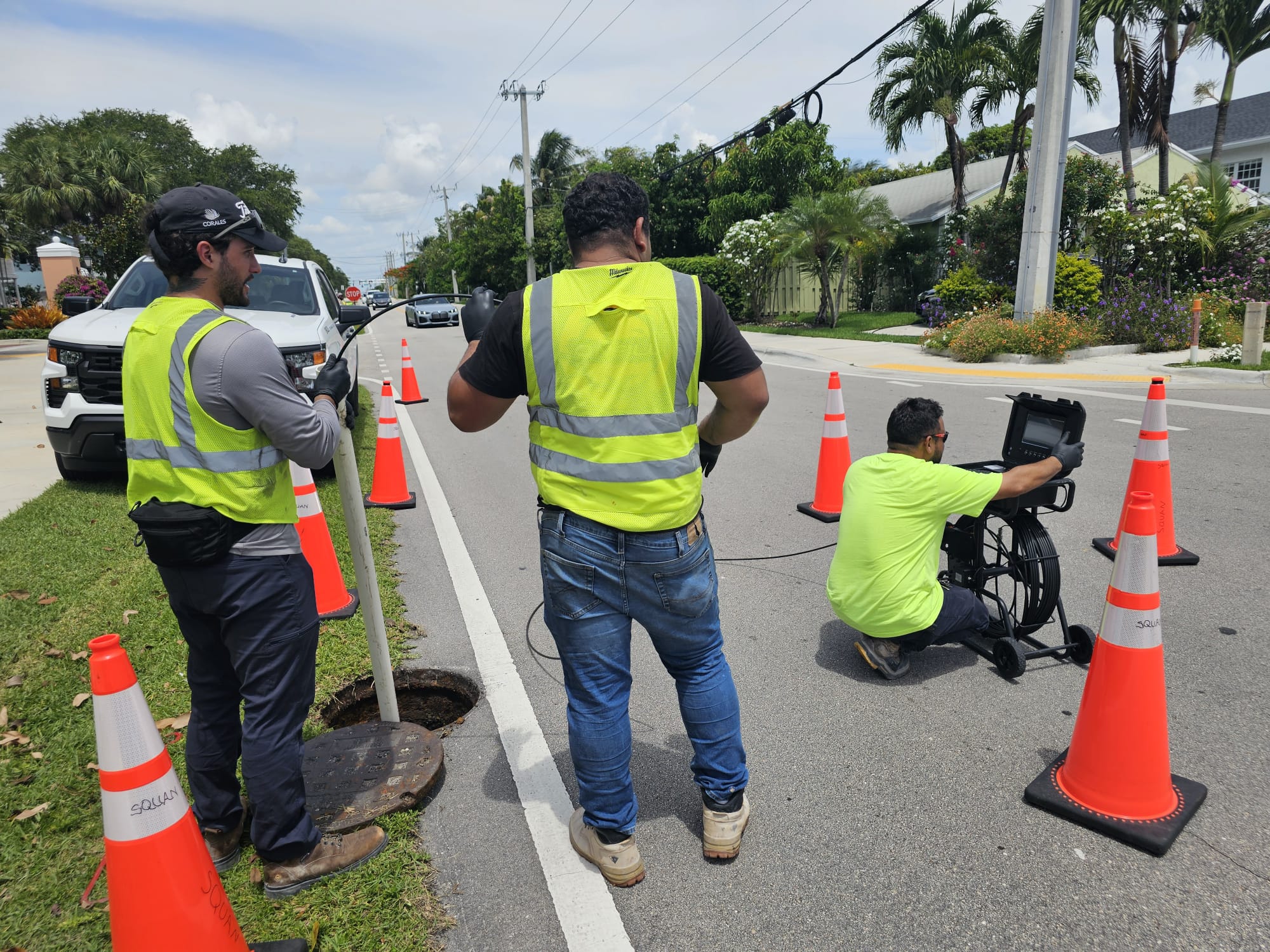
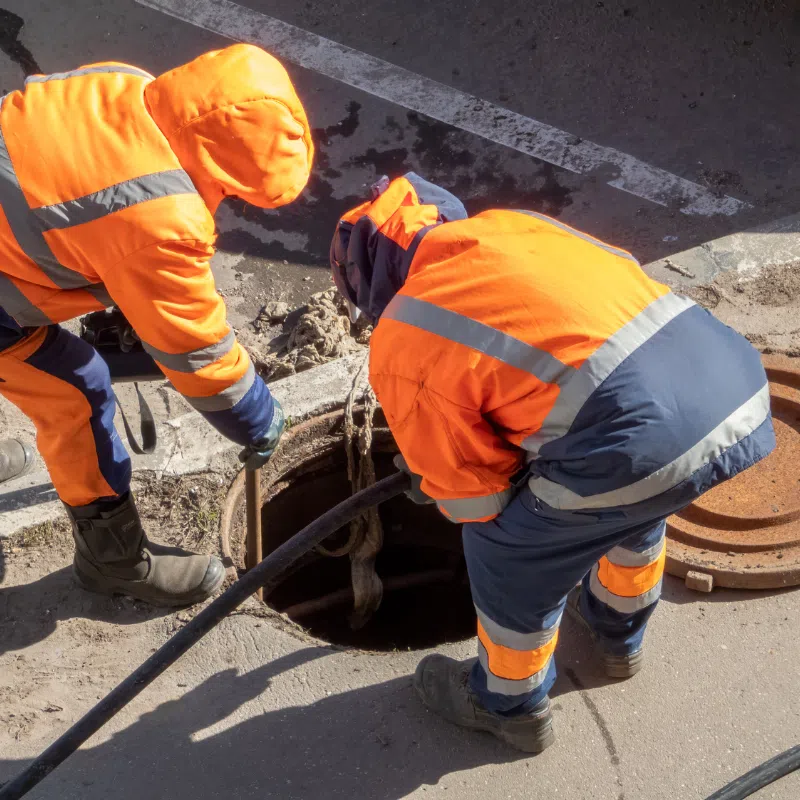
- Clean-outs: These access points allow plumbers to snake blockages without tearing into walls. Code requires them at specific intervals and locations, including at the base of vertical stacks.
- Sewer connection: The point where your building’s drain system connects to the municipal sewer or septic system must meet local regulations for pipe size, depth, and backflow prevention.
AM Florida Plumbers specializes in new construction water drainage systems throughout Florida, and their team handles the full scope from underground rough-in through final inspection sign-off.
Florida-Specific Considerations That Change the Game
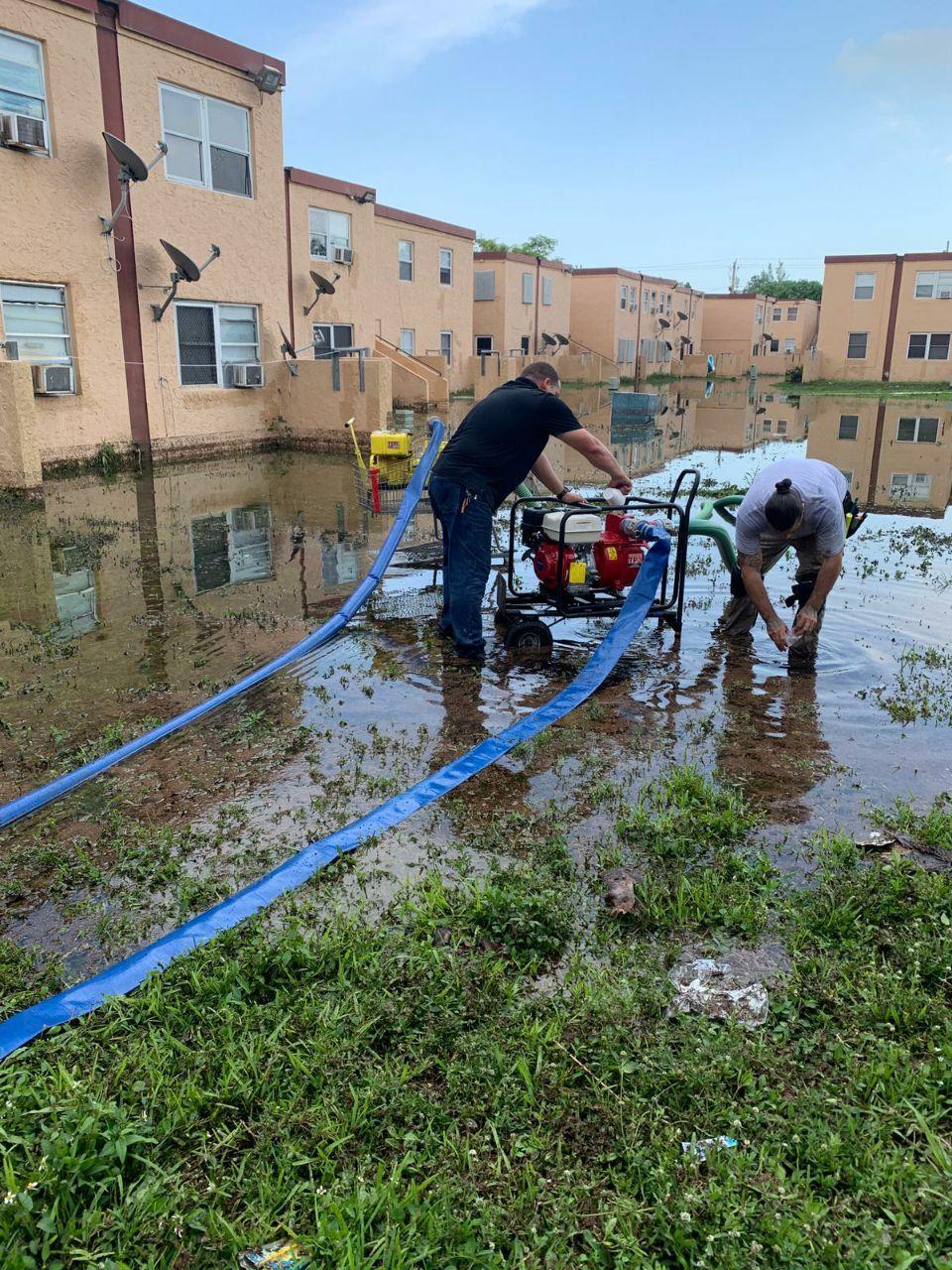
Building in Florida introduces a set of plumbing challenges that builders in other states may not face. High water tables in many parts of the state affect how underground drain lines are designed and installed. If the soil is saturated or the water table is close to grade, below-slab drainage requires special consideration to prevent backflow or hydrostatic pressure issues.
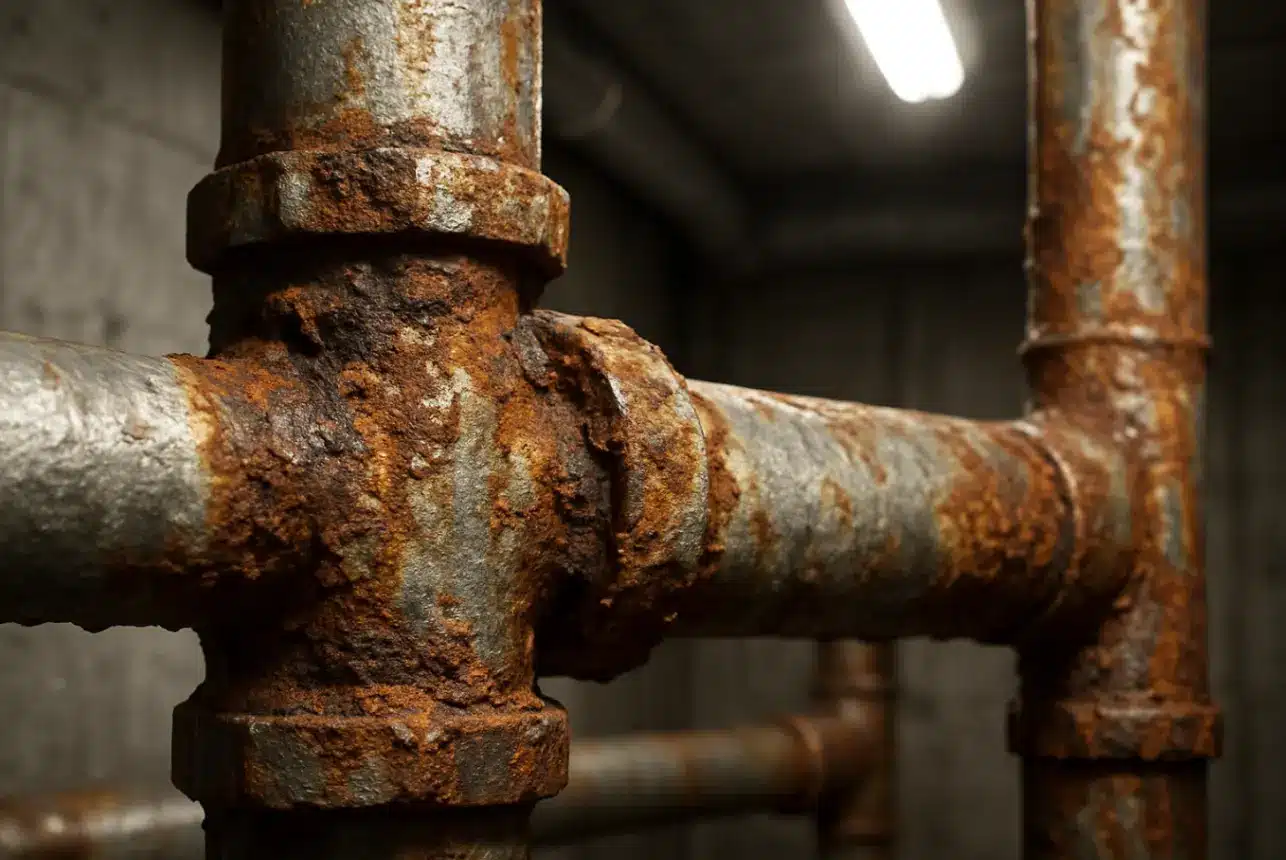
Florida’s climate also accelerates corrosion on certain materials and creates conditions where mold and mildew can develop behind walls if pipe condensation is not properly managed. Insulating cold water supply lines in humid climates is not optional; it is a practical necessity.
Additionally, Florida building codes are enforced at the county level with significant local variation. Inspectors in Miami-Dade County, for example, apply one of the strictest building code regimes in the country. Working with plumbing services providers who know local inspection requirements saves builders from failed inspections and re-inspection fees.
For anyone planning a new build in Florida, partnering early with a contractor who understands both the technical requirements and the local code landscape is essential. AM Florida Builders, brings that combined expertise to residential and commercial projects across the state.