Choosing the right piping material is one of the most important decisions when building, remodeling, or repairing a plumbing system. Two of the most commonly used materials today are PEX (cross-linked polyethylene) and PVC (polyvinyl chloride). While both are durable and widely used, they serve different purposes and perform best in different applications.
Whether you’re replacing old pipes, installing new plumbing, or planning a renovation, understanding the differences between PEX and PVC can help you make a more informed decision. Working with a professional plumber ensures the right material is selected based on your property’s plumbing needs and local building codes.
What Is PEX Pipe?
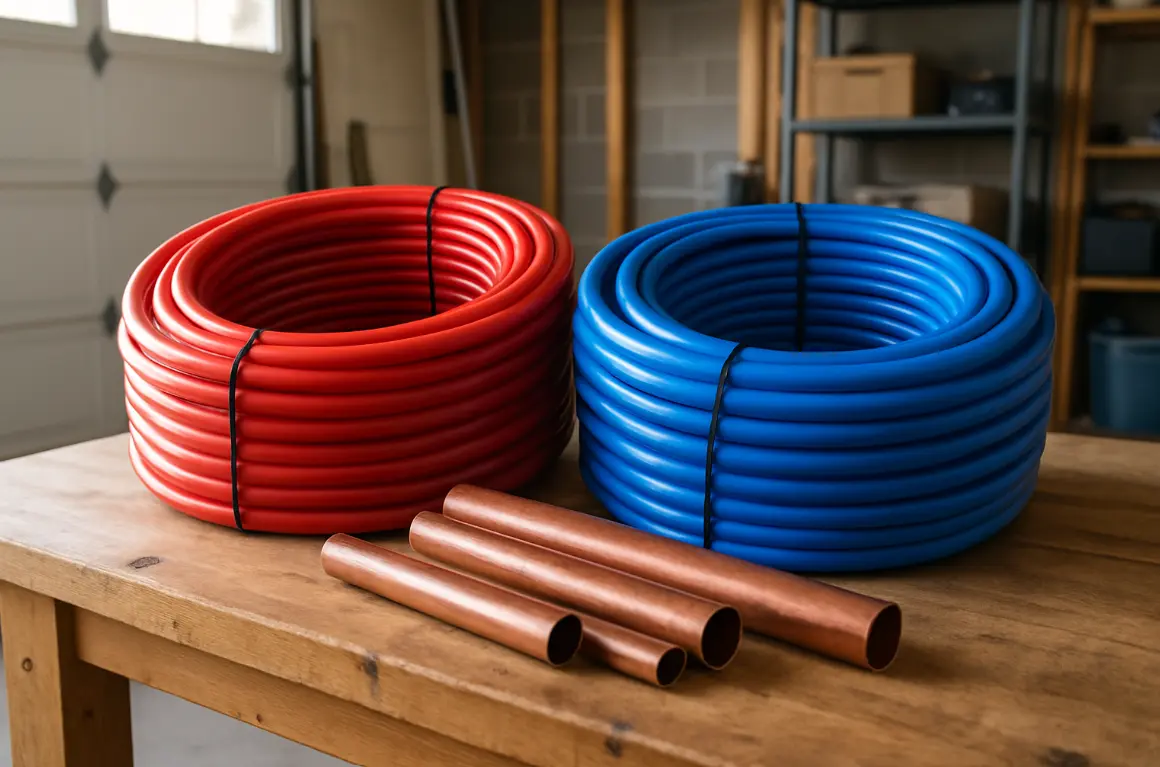
PEX (cross-linked polyethylene) is a flexible plastic piping commonly used for residential and commercial water supply lines. Its flexibility allows it to bend around corners, reducing the number of fittings needed during installation.
Because it resists corrosion and scale buildup, PEX has become a popular choice for whole-house repiping projects and new plumbing installations.
What Is PVC Pipe?
PVC (polyvinyl chloride) is a rigid plastic pipe most commonly used for drain, waste, vent (DWV), irrigation, and underground water applications. It is lightweight, durable, and resistant to corrosion, making it a reliable option for many non-pressurized plumbing systems.
Although PVC performs well for drainage applications, it is generally not used for indoor hot water supply lines.
PEX vs. PVC: What’s the Difference?
Although both materials are made from plastic, they are designed for different purposes.
Flexibility
PEX is highly flexible, allowing it to be routed through walls and around obstacles with fewer fittings. PVC is rigid and requires elbows and additional fittings to change direction.
Water Supply Applications
PEX is specifically designed for hot and cold potable water distribution inside homes and commercial buildings. PVC is generally used for cold water applications and drainage systems rather than interior hot water supply.
Installation
Because PEX bends easily, installation is often faster and requires fewer connections. PVC installation involves cutting, measuring, and solvent-welding each fitting, making the process more labour-intensive.
Durability
Both materials resist corrosion better than older metal piping. However, PEX is less likely to crack under minor expansion or movement because of its flexibility, while PVC performs well in underground drainage applications where rigid pipe is preferred.
When Is PEX the Better Choice?
PEX is often the preferred option when:
- Repiping a home
- Installing new water supply lines
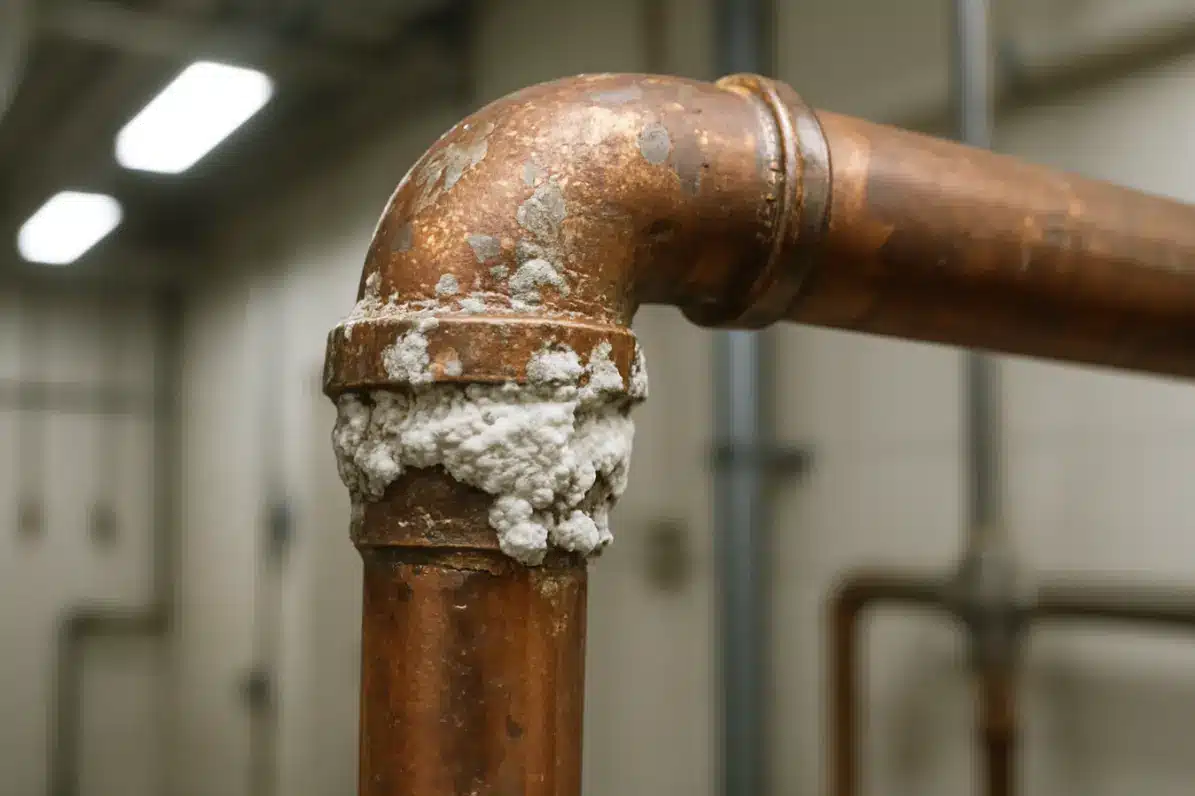
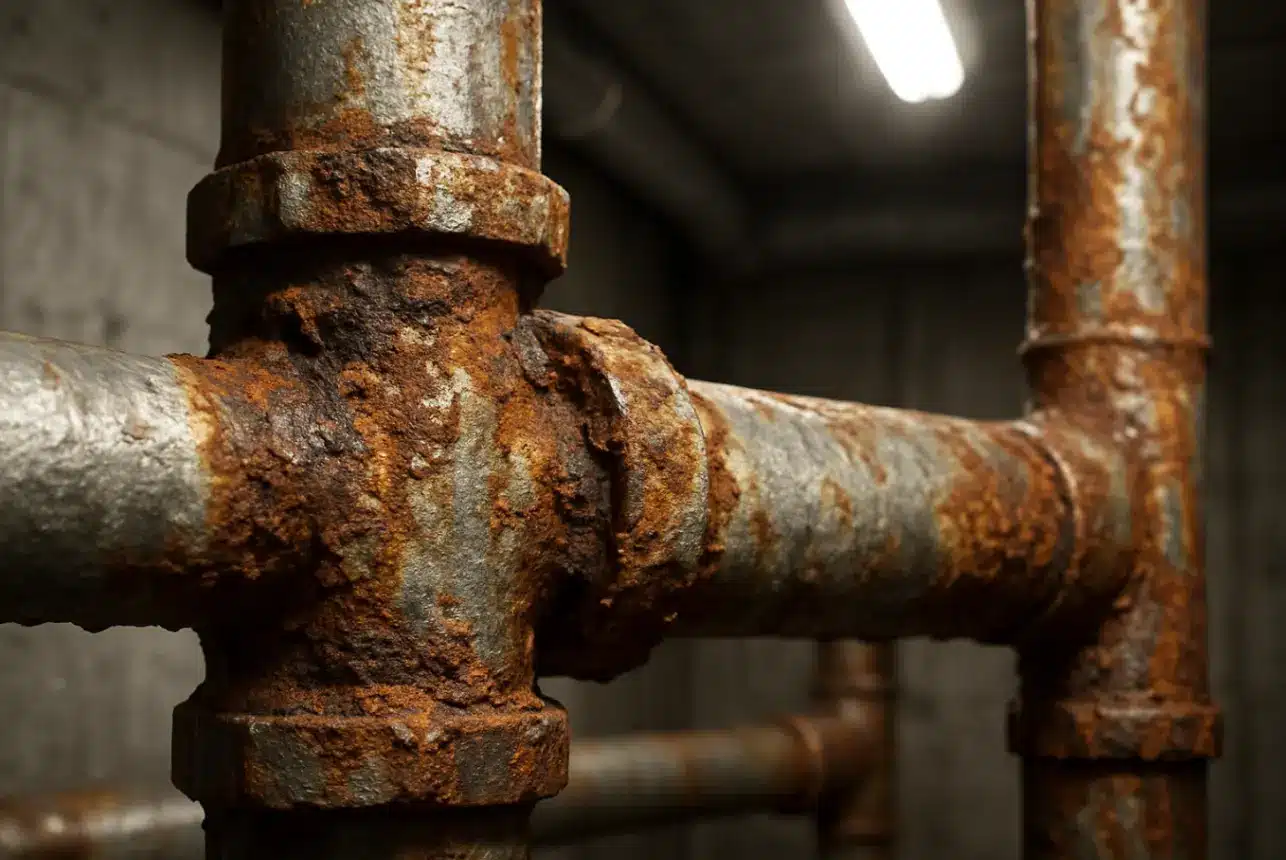
- Replacing aging copper or galvanized pipes
- Improving water pressure
- Renovating kitchens or bathrooms
Its flexibility and reliability make it an excellent solution for modern plumbing systems.
When Is PVC the Better Choice?
PVC continues to be widely used for:
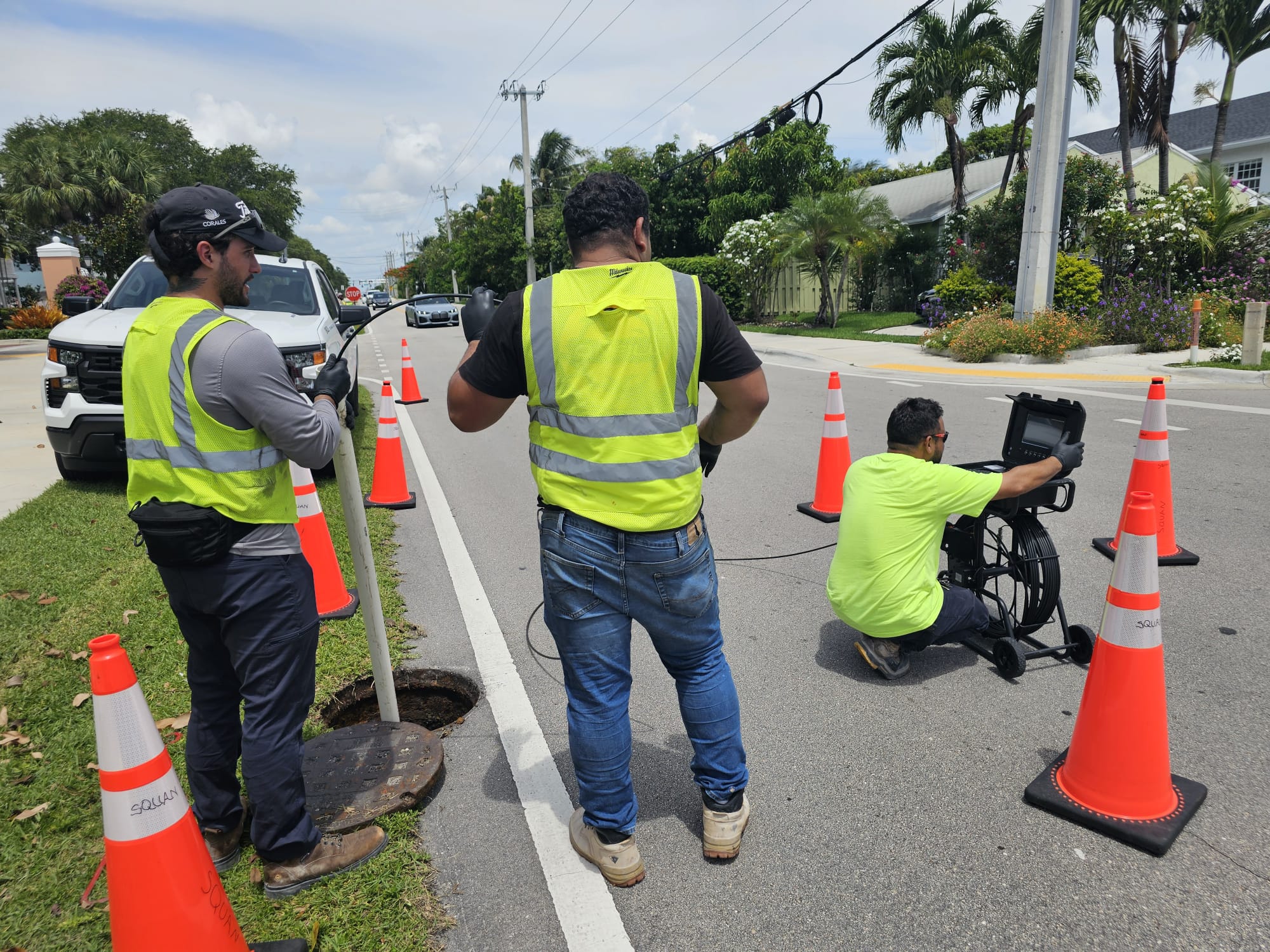
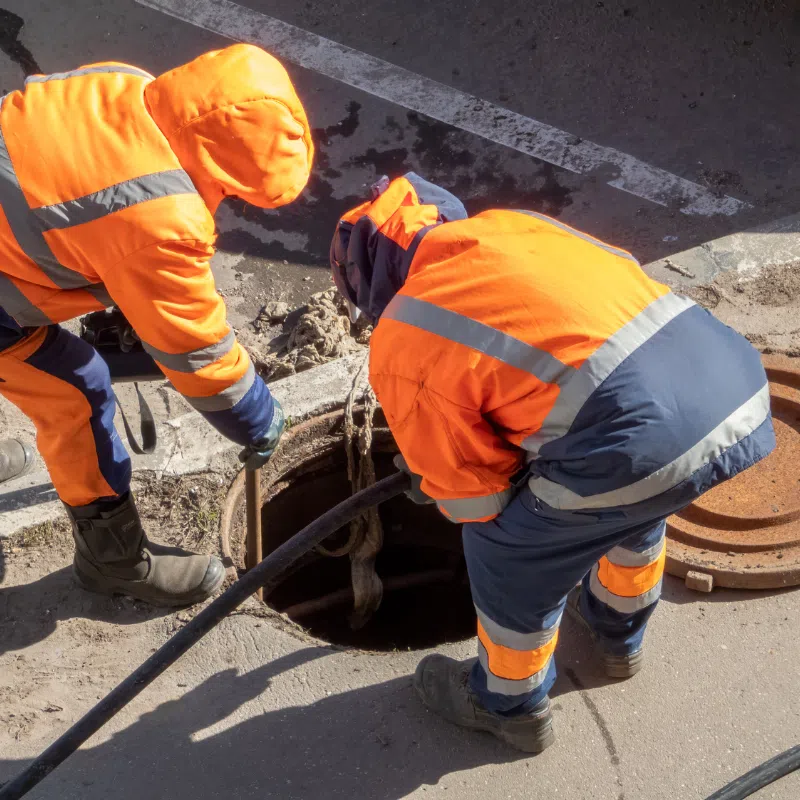
- Drain and sewer lines
- Vent pipes
- Irrigation systems
- Underground drainage
- Wastewater piping
For these applications, PVC provides a durable and cost-effective solution.
Which Material Lasts Longer?
Both PEX and PVC can provide decades of reliable service when properly installed and maintained.
The lifespan of either material depends on several factors, including installation quality, water conditions, environmental exposure, and how the plumbing system is used. Choosing the correct material for the intended application is just as important as the material itself.
Can PEX and PVC Be Used Together?
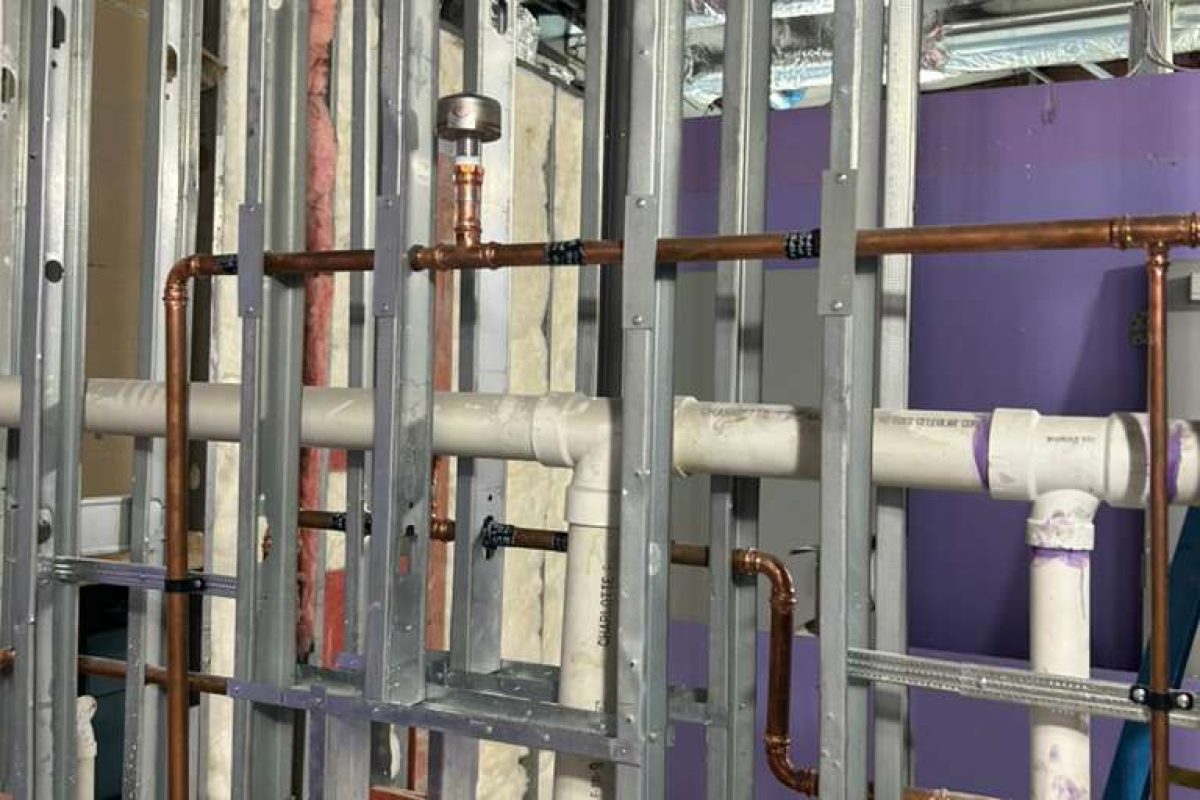
Yes. Many plumbing systems use both materials because they serve different functions.
For example, a property may use:
- PEX for hot and cold water supply lines
- PVC for drain, waste, and vent piping
Using each material where it performs best creates an efficient, durable, and code-compliant plumbing system.
Factors to Consider Before Choosing
Before deciding between PEX and PVC, consider:
- The type of plumbing project
- Whether the pipe will carry hot or cold water
- Indoor or outdoor installation
- Existing plumbing infrastructure
- Local plumbing code requirements
- Long-term maintenance goals
A professional plumbing assessment can help determine which material is best suited for your property.
Why Professional Installation Matters
Even the best piping material can experience problems if it’s installed incorrectly.
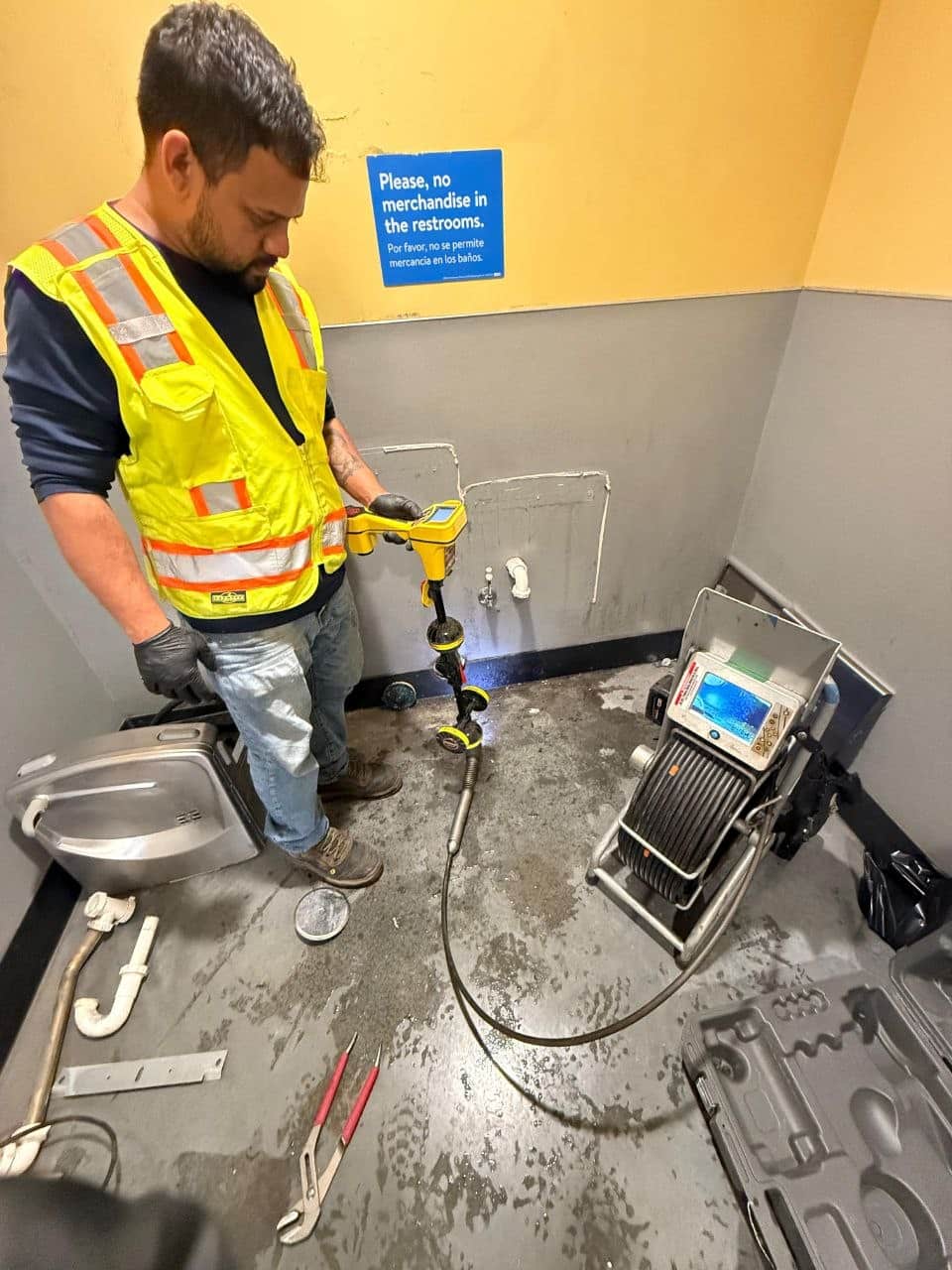
Professional plumbers understand proper pipe sizing, installation techniques, and local building codes. They can recommend the right material for your project while ensuring the plumbing system is installed safely and designed for long-term performance.
Whether you’re repiping an entire home or replacing a section of plumbing, expert installation helps reduce the risk of leaks, premature failures, and costly future repairs.
How AM Florida Builders Can Help
At AM Florida Builders, we help homeowners, property managers, and business owners choose the right plumbing materials for their projects. Whether you’re planning a whole-house repipe, replacing aging water lines, or installing new plumbing as part of a renovation, our experienced team can recommend the most appropriate solution based on your property’s needs.
We provide professional plumbing installation and repiping services designed to improve reliability, water efficiency, and long-term performance.
Choosing the Right Pipe for Your Property
There isn’t a one-size-fits-all answer when comparing PEX and PVC. Each material offers unique advantages depending on the application. PEX is typically the preferred choice for water supply lines, while PVC remains the standard for drainage and sewer systems.
If you’re planning a plumbing upgrade or renovation, consulting a professional plumber can help ensure you choose the right material for your project and avoid costly mistakes down the road.
Frequently Asked Questions
-
Is PEX better than PVC for water supply lines?
In most residential and commercial applications, yes. PEX is designed for hot and cold water supply lines and offers greater flexibility, fewer fittings, and excellent resistance to corrosion.
-
Can PVC be used for hot water pipes?
No. Standard PVC is generally not recommended for hot water supply lines because it is not designed to withstand high temperatures. PEX is a better choice for hot water distribution.
-
Which is more durable, PEX or PVC?
Both materials are durable when used for their intended purpose. PEX is ideal for water supply systems, while PVC performs exceptionally well for drain, waste, vent, and sewer applications.
Contents
- 1. What Is PEX Pipe?
- 2. What Is PVC Pipe?
- 3. PEX vs. PVC: What’s the Difference?
- 4. When Is PEX the Better Choice?
- 5. When Is PVC the Better Choice?
- 6. Which Material Lasts Longer?
- 7. Can PEX and PVC Be Used Together?
- 8. Factors to Consider Before Choosing
- 9. Why Professional Installation Matters
- 10. How AM Florida Builders Can Help
- 11. Choosing the Right Pipe for Your Property
- 12. Frequently Asked Questions