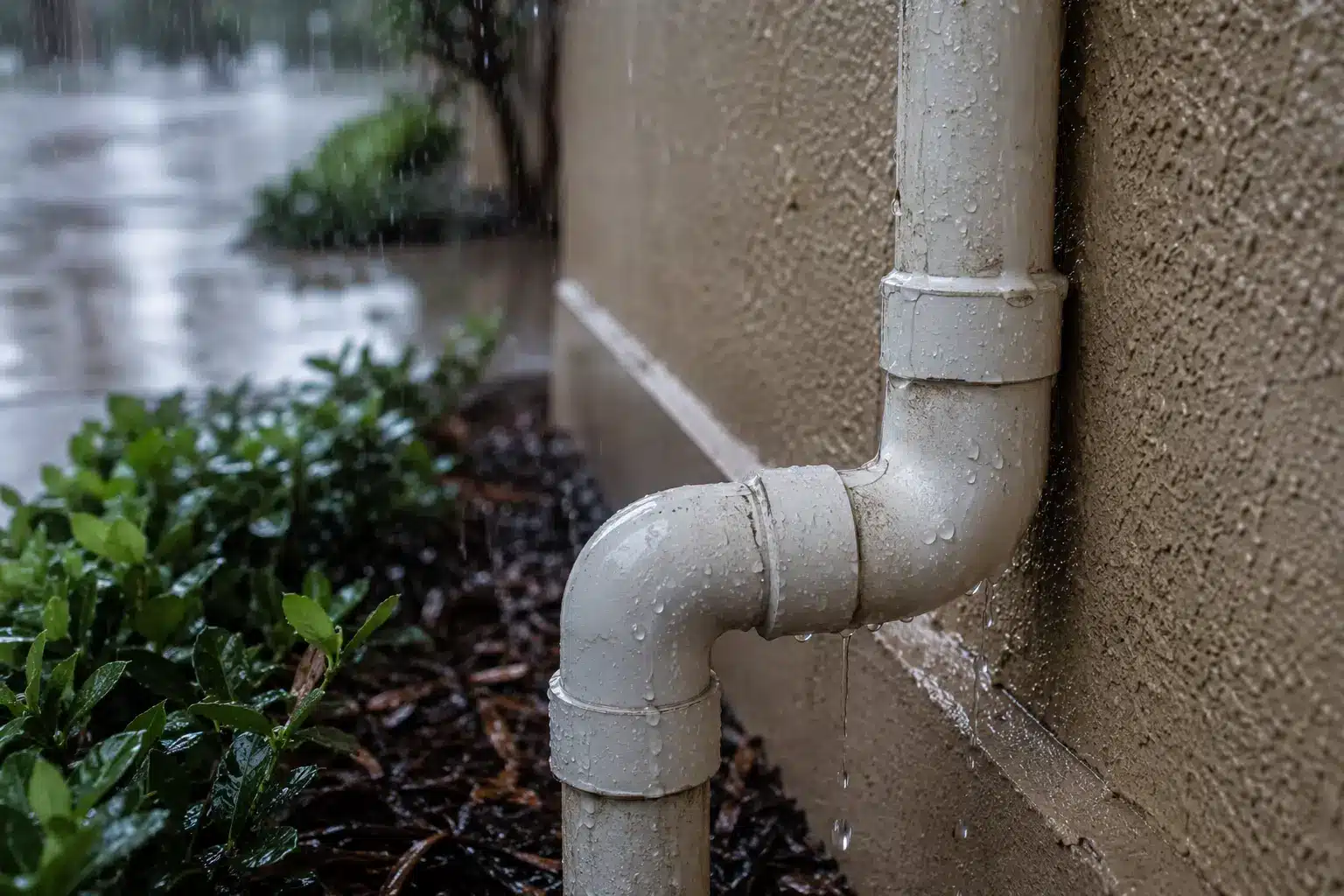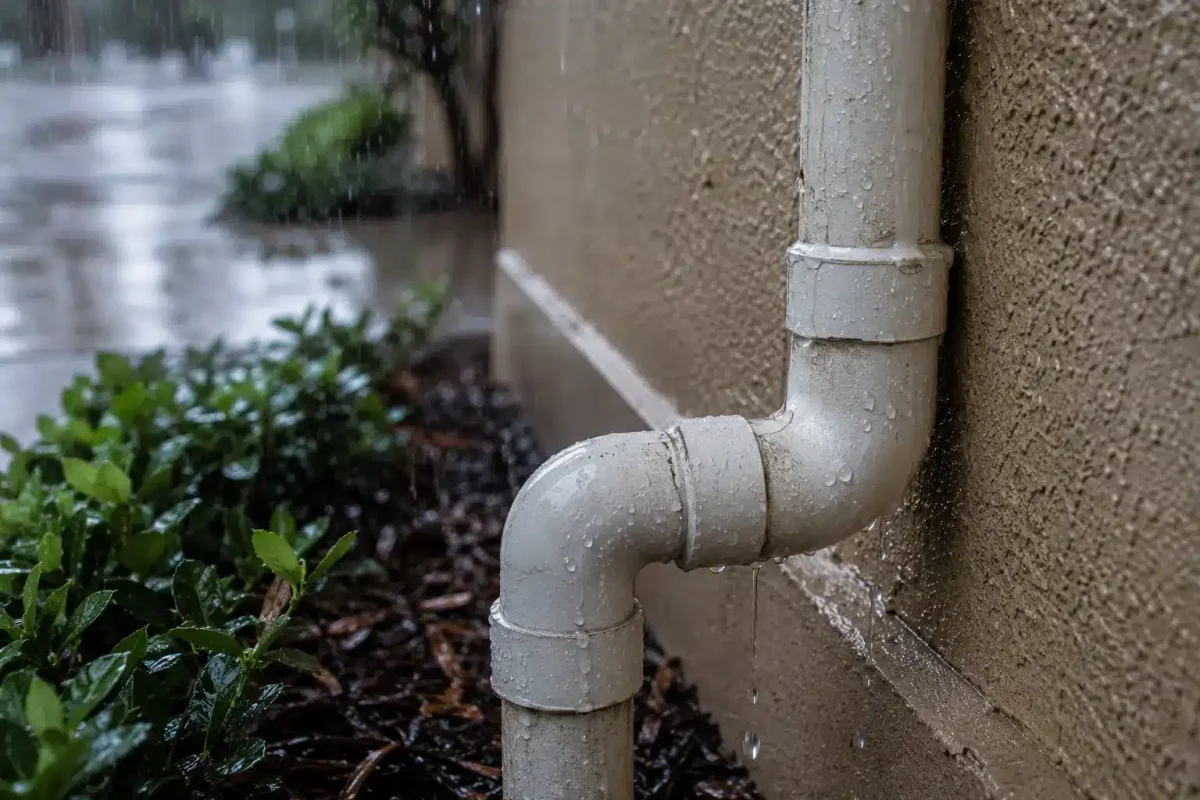
Have you ever noticed a strange smell coming from your drains or pipes after a heavy Florida rainstorm? You’re not imagining it. Heavy rainfall can sometimes bring out unpleasant plumbing odors, especially if your home already has an underlying drainage or sewer issue.
Florida’s frequent storms and heavy rainfall can put extra pressure on plumbing and sewer systems. When rainwater enters the ground and drainage systems, it can affect sewer lines, plumbing vents, and drains in ways you may not notice until an odor starts coming into your home.
The good news is that a bad smell doesn’t always mean you have a major plumbing emergency. But if the odor keeps coming back or is accompanied by slow drains, backups, or other warning signs, it’s worth having a professional take a closer look.
Why Do My Pipes Smell Worse After Heavy Rain?
Heavy rain can change the pressure and water levels throughout underground drainage and sewer systems. If your plumbing system has a blockage, damaged pipe, dry trap, or venting issue, those changes can make sewer gases more noticeable inside your home.
Think of it as a problem that may have already been there but becomes much easier to notice after a storm.
Rain itself usually isn’t creating the odor. Instead, the storm may be exposing an existing plumbing issue.
Could a Dry P-Trap Be Causing the Smell?
Yes. A dry P-trap is one of the simpler reasons you may notice an unpleasant smell coming from a drain.
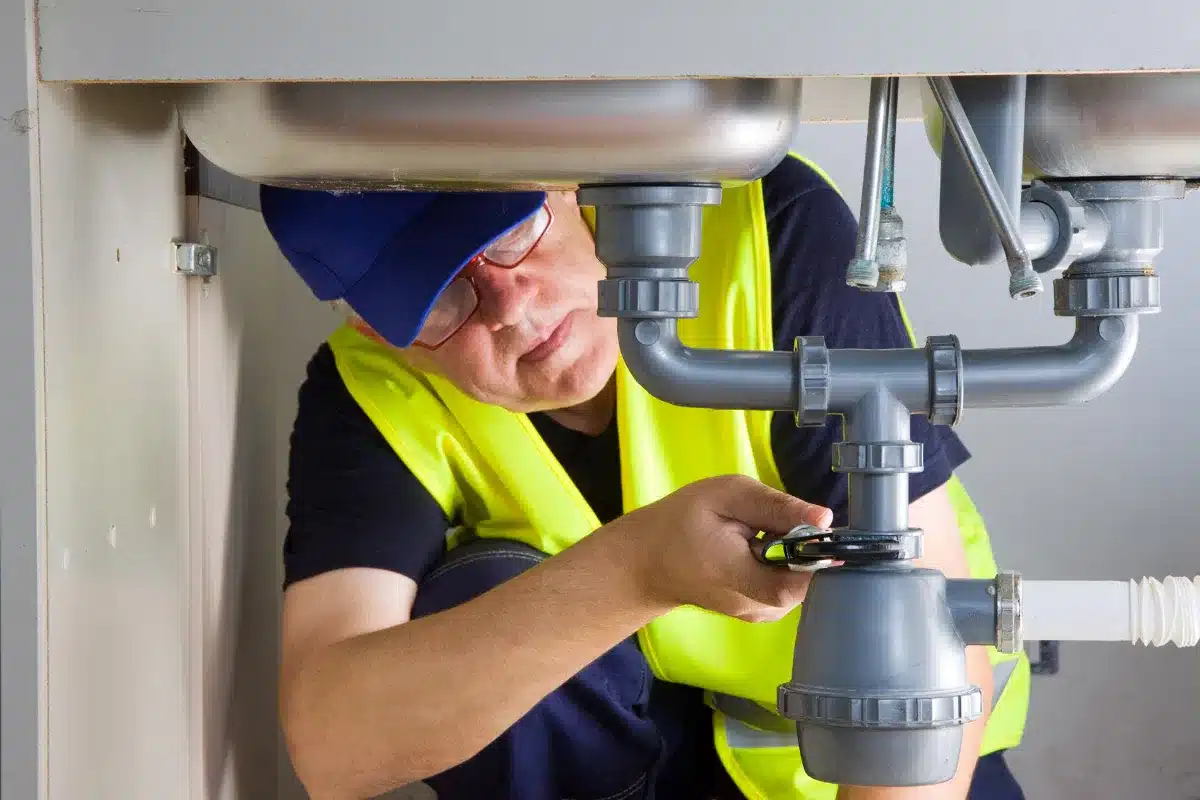
The P-trap is the curved section of pipe underneath your sink or other plumbing fixture. It holds a small amount of water that creates a barrier between your home and sewer gases.
If the trap dries out—especially in a drain that isn’t used regularly—those gases can enter the room.
This can happen in:
- Guest bathrooms
- Floor drains
- Utility rooms
- Unused sinks
- Outdoor drains
If the smell disappears after running water through the drain, a dry P-trap may have been the problem. If the odor continues, however, there may be something else going on.
Can Heavy Rain Cause Sewer Gas to Come Into My Home?
It can make an existing sewer gas problem more noticeable.
During heavy rainfall, sewer and drainage systems can experience increased flow and pressure. If your plumbing system isn’t properly vented or there is a damaged connection somewhere in the system, sewer gases may find their way into your home through drains or other openings.
A strong sewage-like odor that continues after the rain has stopped shouldn’t be ignored.
Could a Clogged Drain Be Causing the Smell?
Absolutely. Drain clogs aren’t just about slow water.
When food scraps, grease, hair, soap residue, and other debris collect inside a pipe, bacteria can grow and produce unpleasant odors. Heavy rain may not directly cause the clog, but it can make an existing drainage problem more noticeable.
If your drain smells and is also draining slowly, there’s a good chance buildup or a blockage is contributing to the problem.
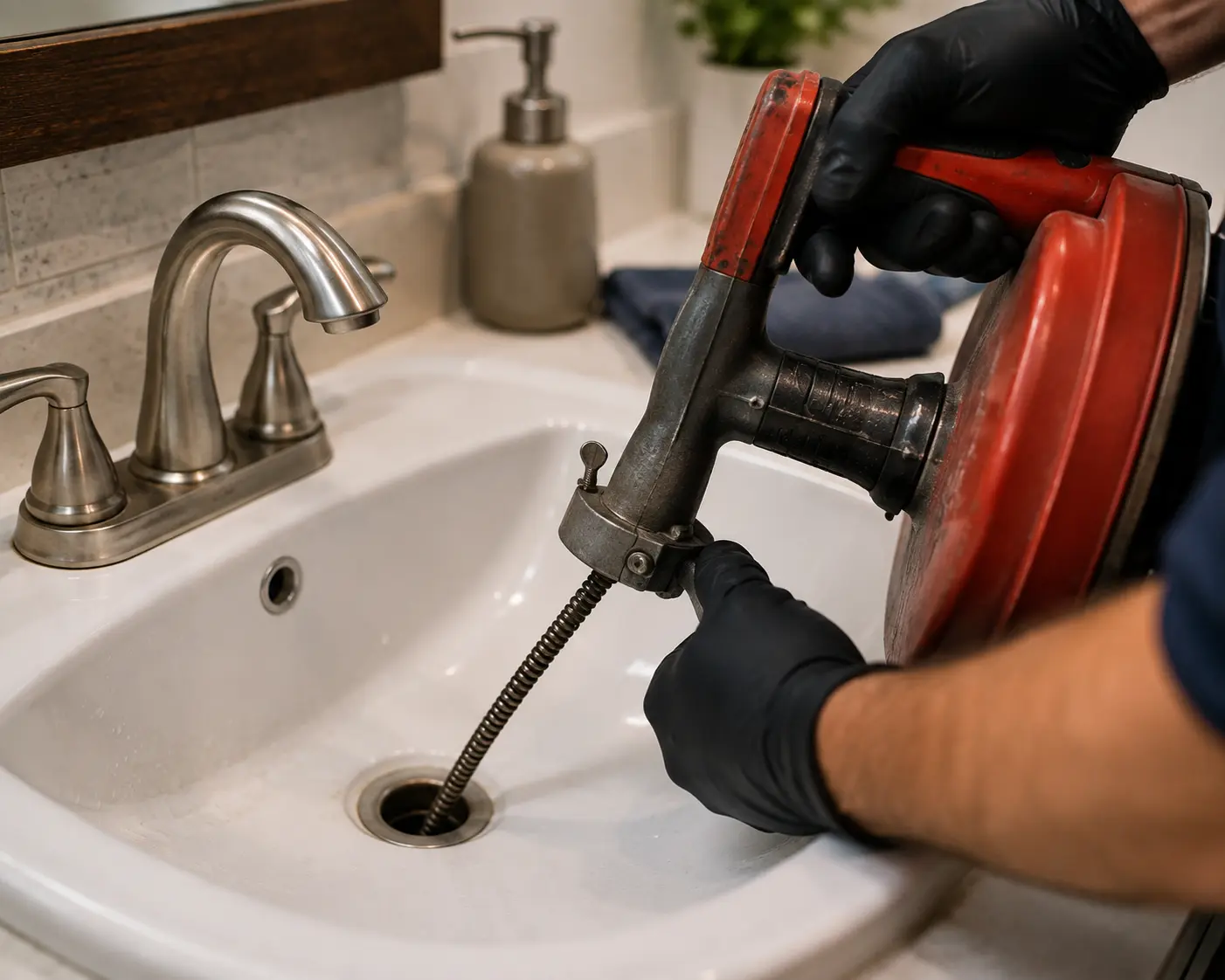
A professional drain cleaning can remove the buildup and restore proper flow.
What If Multiple Drains Smell at the Same Time?
This is when you should pay closer attention.
If the smell is coming from several drains throughout your home, the problem may be deeper than a single clogged sink or shower. Multiple affected fixtures can point to an issue with your main drain or sewer line.
You may also notice:
- Several slow drains
- Gurgling toilets
- Water backing up into a tub or shower
- Sewage odors outside
- Recurring drain clogs
When several symptoms appear together, it’s a good idea to have your plumbing system professionally inspected.
Could My Sewer Line Be Damaged?
Yes, especially if the odor keeps returning.
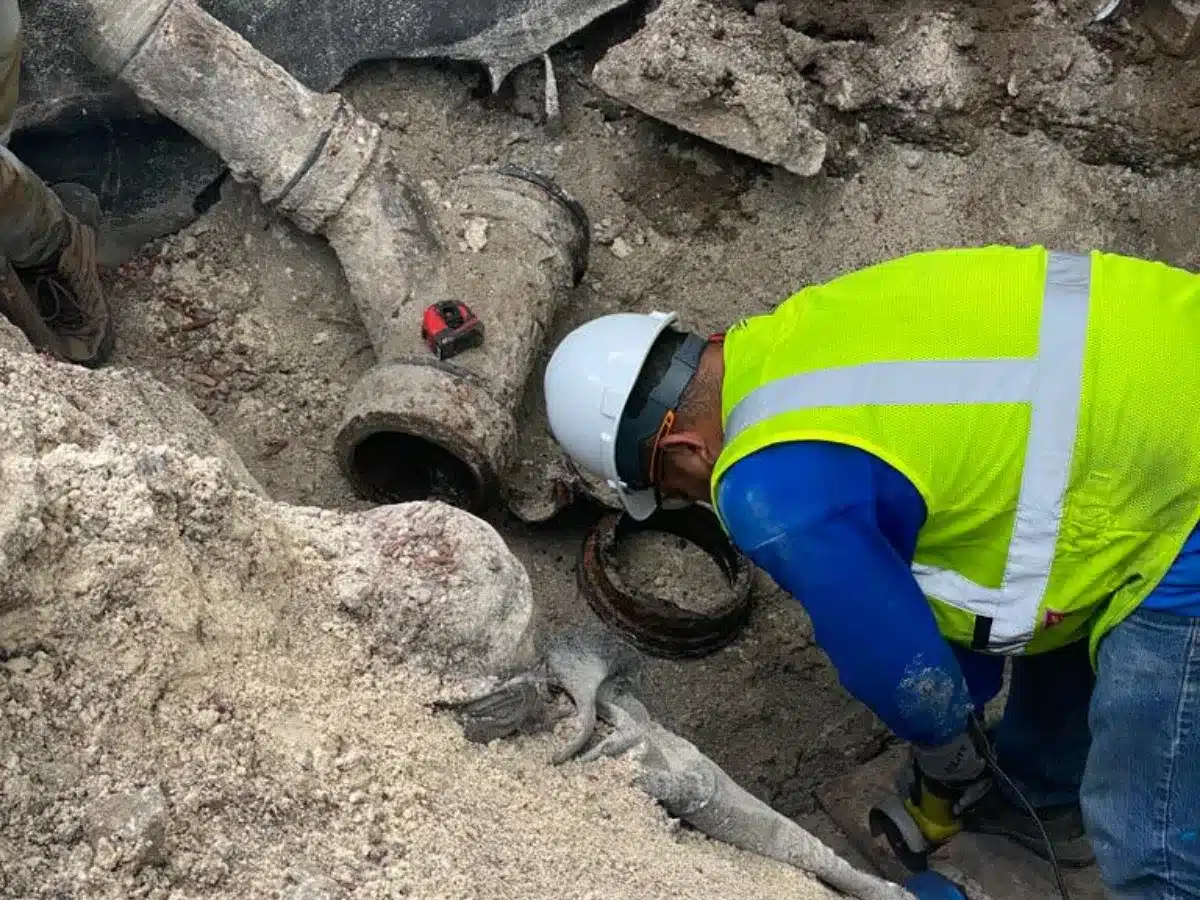
Underground sewer lines can develop cracks, breaks, blockages, or root intrusion over time. Florida properties can also be affected by mature tree roots and changes in soil conditions.
A damaged sewer line may allow wastewater or sewer gases to escape into the surrounding soil or enter your plumbing system.
You may notice other warning signs, such as unusually green areas of grass, wet spots in the yard, sewage odors outside, or frequent backups.
Can Tree Roots Cause Sewer Odors After Rain?
They can contribute to the problem.
Tree roots naturally seek out moisture, and even a small crack or weak joint in an underground sewer pipe can give roots an opportunity to enter. As the roots grow, they can restrict wastewater flow and create recurring blockages.
After heavy rain, increased water flow through the system can make these problems more noticeable.
If you have large trees near your sewer line and you’re experiencing recurring clogs or odors, a drain camera inspection can help determine what’s happening inside the pipe.
Could a Plumbing Vent Be the Problem?
Your plumbing system needs properly functioning vent pipes to regulate air pressure and allow sewer gases to escape safely outside the property.
If a vent becomes blocked by leaves, debris, or other obstructions, gases may not be able to exit the way they’re supposed to. Instead, you may start noticing unpleasant odors inside your home.
Because plumbing vents are typically located on the roof, inspecting them can be difficult and potentially unsafe for homeowners. A professional plumber can determine whether a venting problem is contributing to the odor.
When Should I Be Concerned About the Smell?
A brief odor after an especially heavy storm isn’t necessarily a reason to panic. But if the smell keeps returning, becomes stronger, or comes with other plumbing problems, it’s time to investigate.
You should consider calling a professional if you notice:
- Persistent sewage odors
- Multiple smelly drains
- Recurring clogs
- Slow drainage throughout the home
- Gurgling toilets or drains
- Sewage backups
- Wet or unusually green areas in your yard
- Unexplained plumbing problems after every major storm
These symptoms can indicate an issue that needs more than a quick drain cleaning.
What Can You Do to Prevent Smelly Drains?
A few simple habits can help keep your drains and plumbing system in better condition.
Avoid putting grease, cooking oil, coffee grounds, and large amounts of food debris down kitchen drains. Use drain strainers in showers and sinks to catch hair and other materials before they enter the pipes.
It’s also a good idea to run water through drains that aren’t used regularly. This helps keep P-traps filled and prevents sewer gases from entering the home.
Most importantly, don’t ignore recurring plumbing problems. A drain that keeps clogging or smelling is usually giving you a reason to look deeper.
Should You Get Your Plumbing Inspected After Major Storms?
If your property has experienced repeated plumbing problems after heavy rain, a professional inspection can be worthwhile.
An inspection can help identify leaks, drainage problems, damaged pipes, sewer line issues, and other conditions that may be contributing to recurring odors.
For suspected underground sewer or drain problems, a drain camera inspection can provide a closer look inside the pipes. Instead of guessing where the problem is, a plumber can identify blockages, root intrusion, cracks, or other damage and recommend the appropriate repair.
How Can AM Florida Builders Help?
At AM Florida Builders, we help Florida homeowners get to the bottom of persistent plumbing and drainage problems. If your pipes or drains smell after heavy rain, our team can evaluate the issue and determine whether you’re dealing with a simple drain problem or something deeper within your plumbing system.
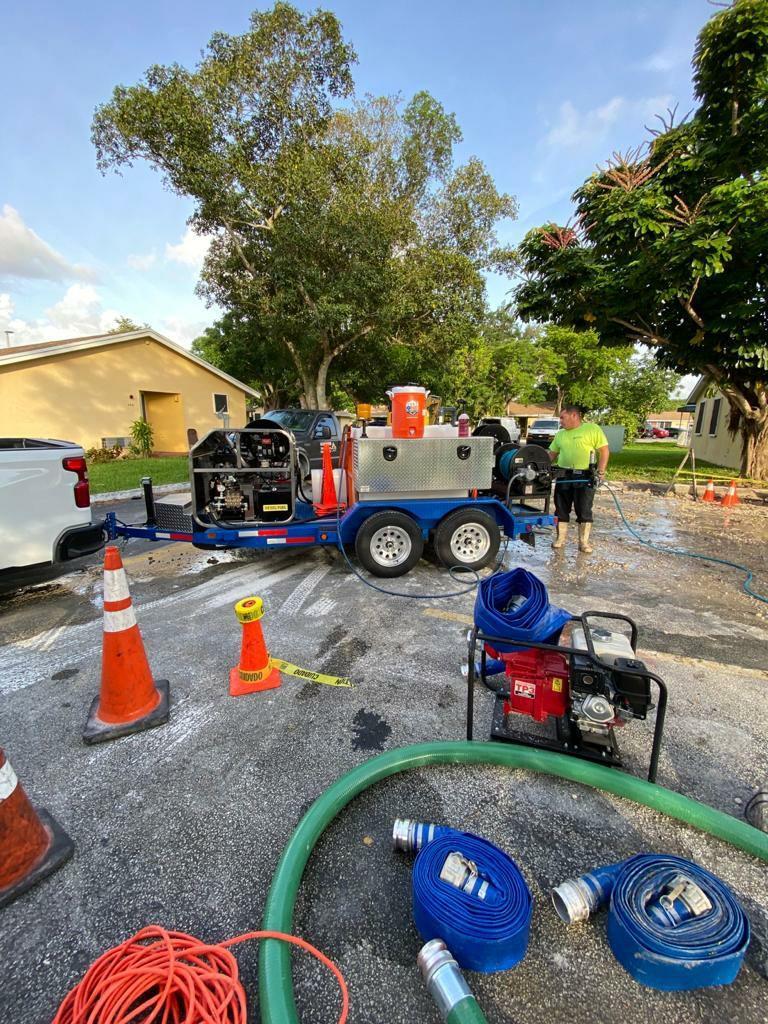
From professional drain cleaning and plumbing inspections to drain camera inspections and sewer line services, we can help identify the cause and recommend a practical solution. You can view the full list of plumbing services we offer here.
The goal isn’t just to cover up the smell. It’s to find out why it’s happening in the first place.
Don’t Let the Smell Come Back Every Time It Rains
If your pipes smell after heavy rain once, you may be dealing with something relatively simple, such as a dry P-trap or buildup inside a drain. But if the same odor keeps returning after every major storm, that’s a sign that something else may be going on.
Recurring odors, slow drains, backups, and sewer problems are easier to address when they’re caught early. Instead of masking the smell and hoping it goes away, have the plumbing system evaluated to find the source.
A professional inspection can give you a clearer answer and help prevent a recurring plumbing problem from becoming a much more expensive repair.
Frequently Asked Questions
-
Why do my drains smell like sewage after it rains?
Heavy rain can affect water flow and pressure in drainage and sewer systems, making existing plumbing problems more noticeable. A dry P-trap, clogged drain, blocked vent, or sewer line issue could be responsible.
-
Is it normal for pipes to smell after heavy rain?
A temporary odor can happen, but persistent or strong sewer smells aren't something you should consider normal. If the odor keeps returning or is accompanied by slow drains or backups, a professional plumbing inspection is recommended.
-
How can I get rid of sewer smells coming from my drains?
Start by running water through rarely used drains and checking for obvious buildup. If the odor continues, professional drain cleaning or a plumbing inspection may be needed to identify and address the underlying cause.
Contents
- 1. Why Do My Pipes Smell Worse After Heavy Rain?
- 2. Could a Dry P-Trap Be Causing the Smell?
- 3. Can Heavy Rain Cause Sewer Gas to Come Into My Home?
- 4. Could a Clogged Drain Be Causing the Smell?
- 5. What If Multiple Drains Smell at the Same Time?
- 6. Could My Sewer Line Be Damaged?
- 7. Can Tree Roots Cause Sewer Odors After Rain?
- 8. Could a Plumbing Vent Be the Problem?
- 9. When Should I Be Concerned About the Smell?
- 10. What Can You Do to Prevent Smelly Drains?
- 11. Should You Get Your Plumbing Inspected After Major Storms?
- 12. How Can AM Florida Builders Help?
- 13. Don’t Let the Smell Come Back Every Time It Rains
- 14. Frequently Asked Questions