Your plumbing system probably isn’t something you think about every day. As long as the water is running, the drains are working, and the toilet flushes, it’s easy to assume everything is fine.
But Florida homes deal with some unique plumbing challenges. Hot temperatures, humidity, heavy rainfall, hard water, mature trees, and aging plumbing systems can all contribute to leaks, clogs, water damage, and sewer problems.
The good news is that a little preventative maintenance can go a long way. Knowing what to watch for—and when to call a professional—can help you avoid bigger plumbing problems and unexpected repair bills.
Here are some practical plumbing tips every Florida homeowner should know.
What Can Florida’s Climate Do to My Plumbing?
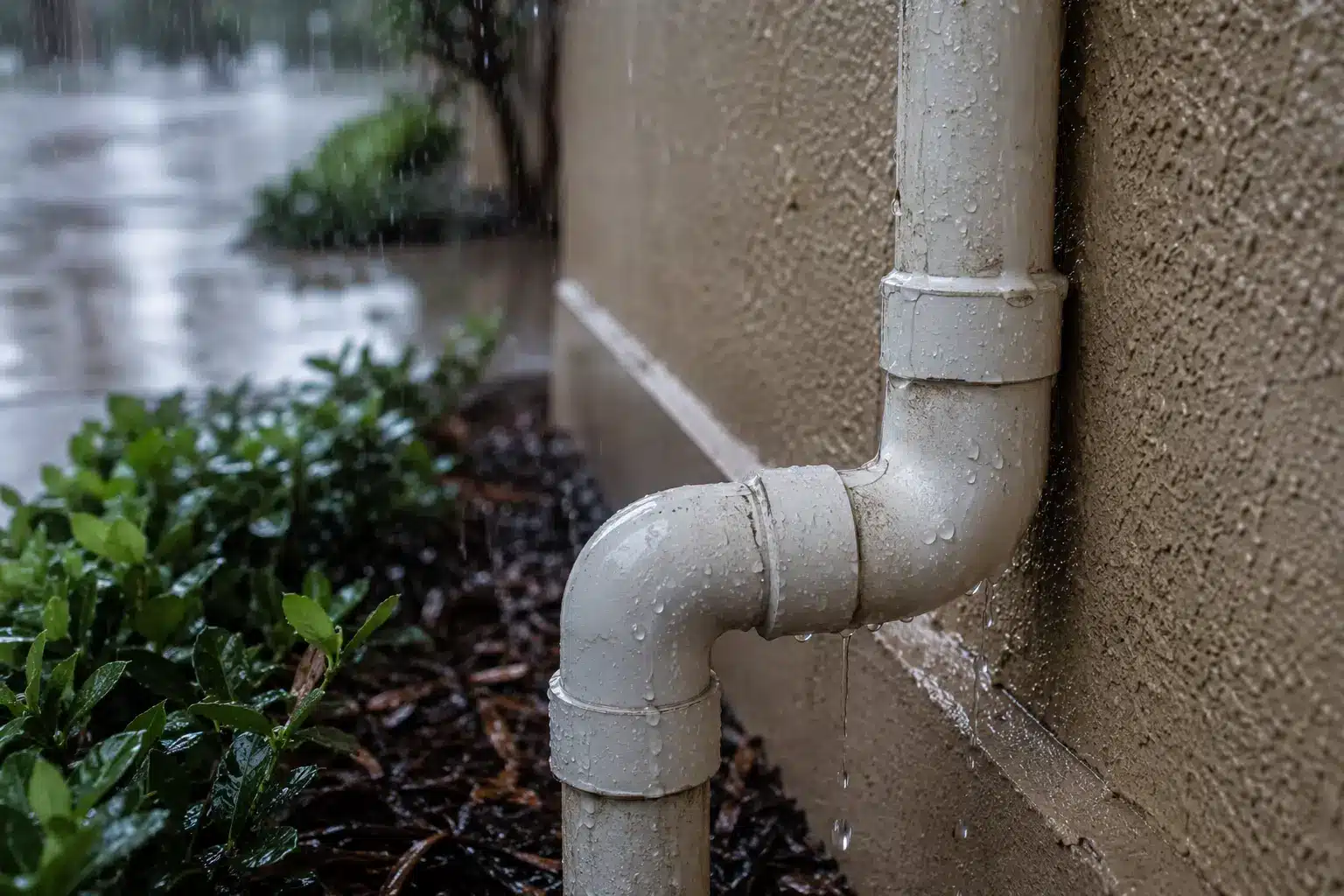
Florida’s warm, humid climate can be tough on plumbing systems. Heavy rain can put additional pressure on drainage and sewer systems, while heat and moisture can contribute to deterioration around exposed plumbing components.
Older homes may also have aging pipes that are more susceptible to corrosion, leaks, and reduced water pressure.
That doesn’t mean every Florida home will experience these problems. It simply means that regular maintenance is especially important.
1. Should I Check My Home for Leaks Regularly?
Absolutely. Small leaks are easy to overlook, especially when they’re underneath sinks, behind appliances, or inside walls.
Every so often, check around faucets, toilets, water heaters, exposed pipes, and appliance connections. Look for damp spots, water stains, corrosion, or unexplained moisture.
If your water bill suddenly increases without a change in your household’s usage, that’s another reason to investigate. A hidden leak could be wasting water without making itself obvious.
2. How Can I Prevent Clogged Drains?
The easiest way to deal with a clogged drain is to prevent the buildup in the first place.
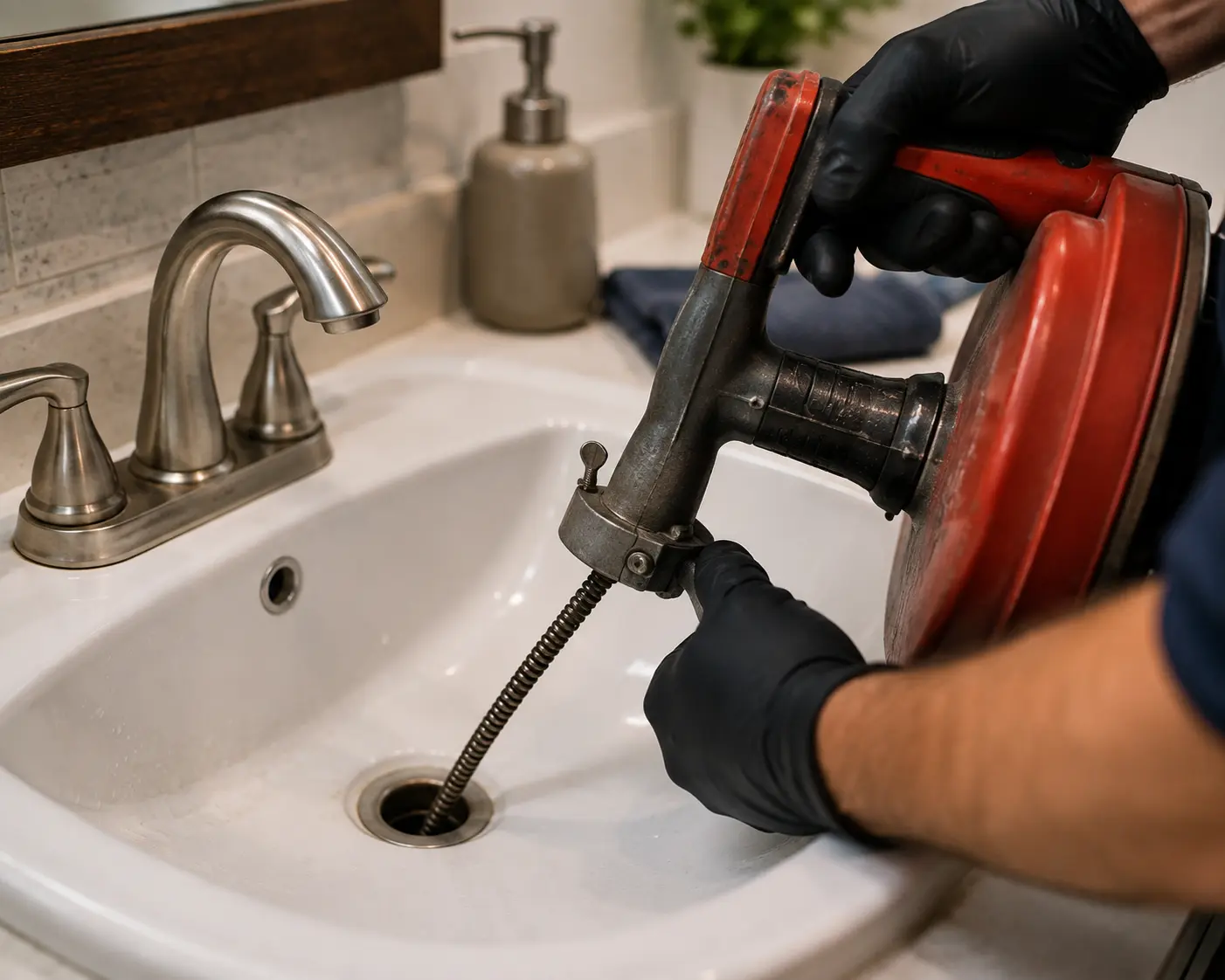
Try using strainers in your kitchen and bathroom sinks to catch food particles, hair, and other debris before they enter the pipes. In the kitchen, avoid pouring grease and cooking oil down the drain. Even if they go down easily when they’re hot, they can cool inside the pipes and create buildup.
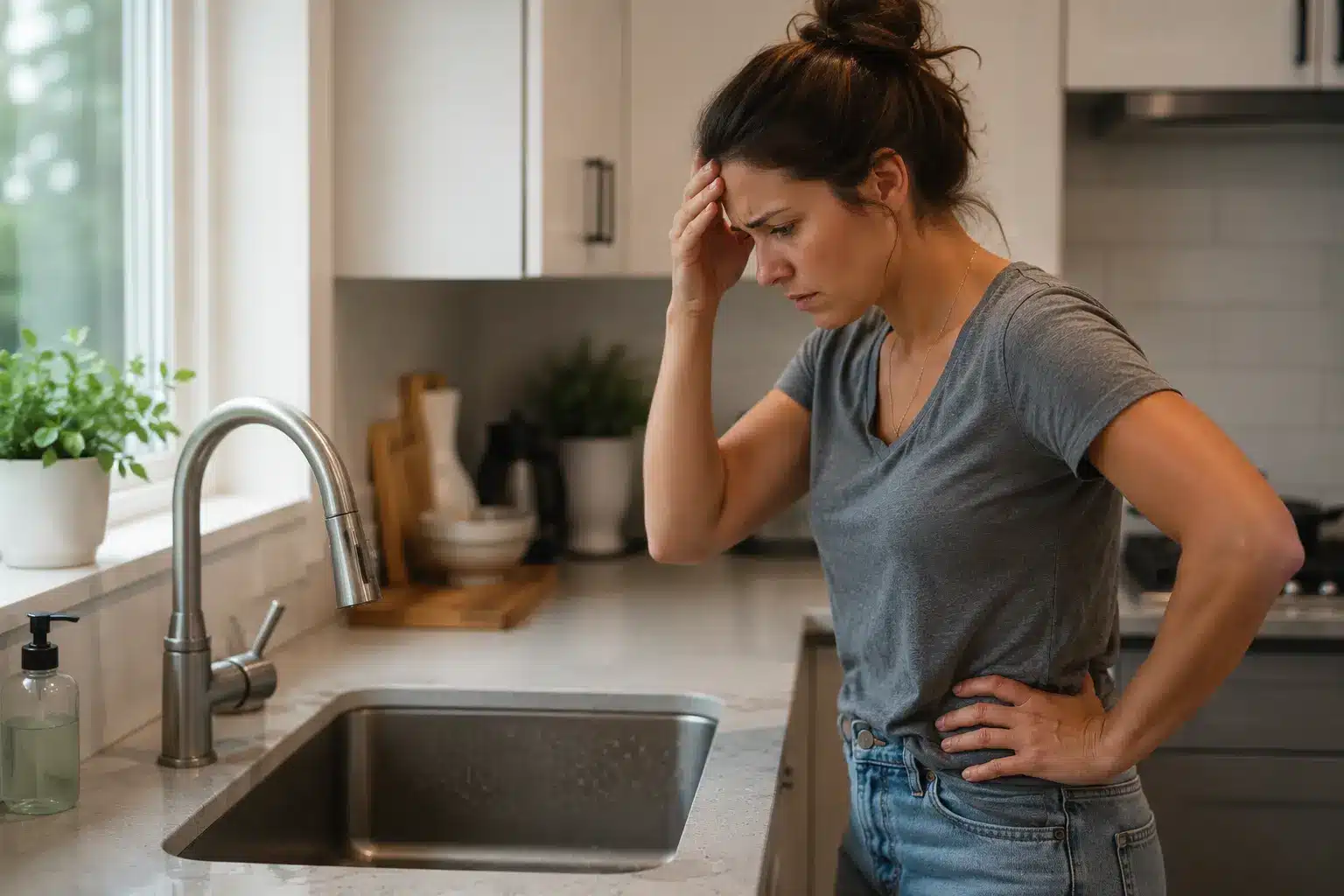
If a drain is constantly clogging despite your best efforts, don’t keep treating the symptom. Recurring clogs can point to a deeper plumbing problem.
3. What Should I Do About Hard Water?
Hard water is common in many parts of Florida and can leave behind mineral deposits inside faucets, showerheads, and plumbing fixtures.
Over time, mineral buildup can restrict water flow and affect the performance of fixtures and appliances.
If you’re noticing white or chalky deposits, reduced water pressure, or frequent problems with fixtures, a professional can evaluate your plumbing and recommend appropriate solutions.
4. How Often Should I Check My Water Heater?
Your water heater deserves some attention too. Check periodically for signs of corrosion, leaking, unusual noises, or inconsistent water temperature.
If your water heater is getting older or needs frequent repairs, it may be time to consider replacement rather than continuing to put money into an aging system.
For homeowners looking for greater efficiency or a space-saving option, a tankless water heater may also be worth considering.
5. Why Should I Pay Attention to Water Pressure?
Your home’s water pressure shouldn’t suddenly change without a reason.
If you notice that your water pressure is significantly lower than usual, the problem could be something as simple as mineral buildup in a fixture—or something more serious involving your water lines.
If multiple fixtures are experiencing low pressure at the same time, it’s worth having a professional take a closer look.
6. What Should I Know About My Sewer Line?
Your sewer line is easy to forget because most of it is underground. That doesn’t mean you should ignore it.
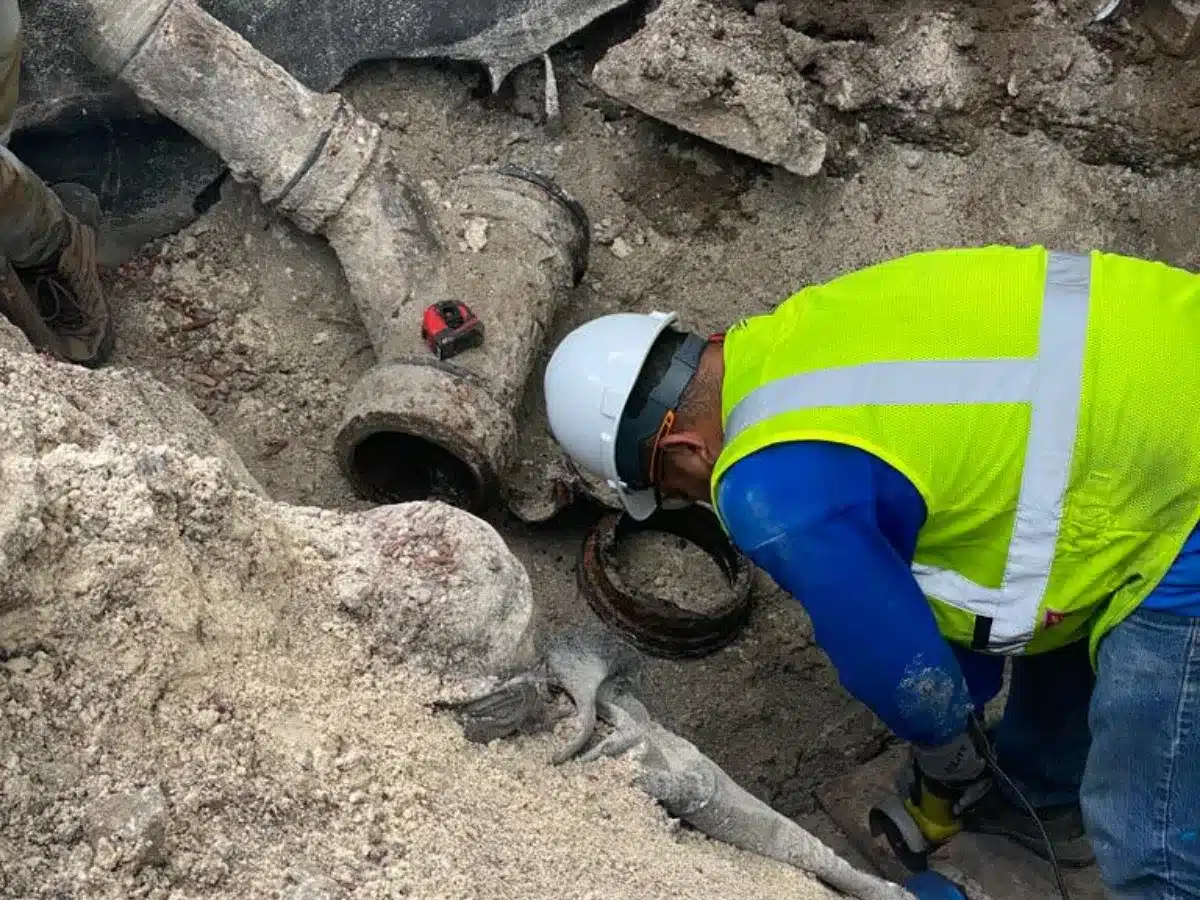
Pay attention to recurring clogs, slow drains, foul odors, sewage backups, or unusually wet areas in your yard. These can be signs of sewer line damage, root intrusion, or a blockage.
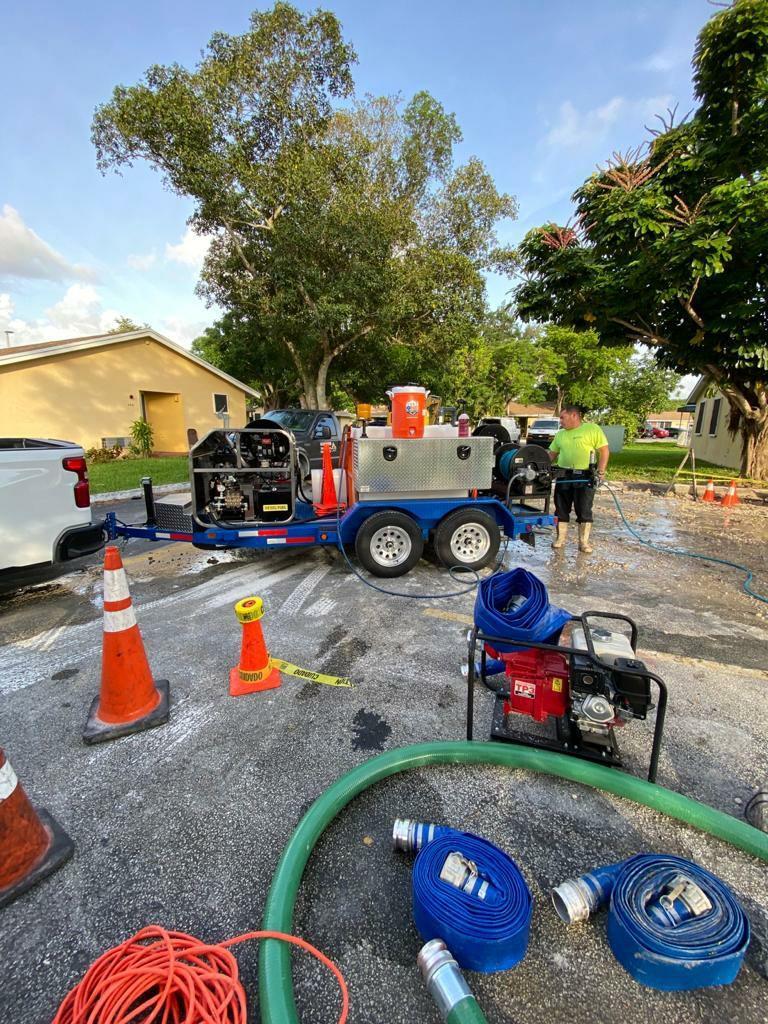
If you’re dealing with recurring sewer problems, a drain camera inspection can help identify what’s happening inside the pipe without unnecessary digging.
7. Should I Be Concerned About Trees Near My Plumbing?
Florida homes often have mature landscaping, and while trees can make a property beautiful, their roots can create problems for underground sewer and drain lines.
Tree roots can enter small cracks or joints in pipes as they search for moisture. Once inside, they can grow and restrict wastewater flow.
If you have large trees near your sewer line and you’re experiencing recurring clogs or backups, it’s worth having the line inspected.
8. What Should I Do Before Hurricane Season?
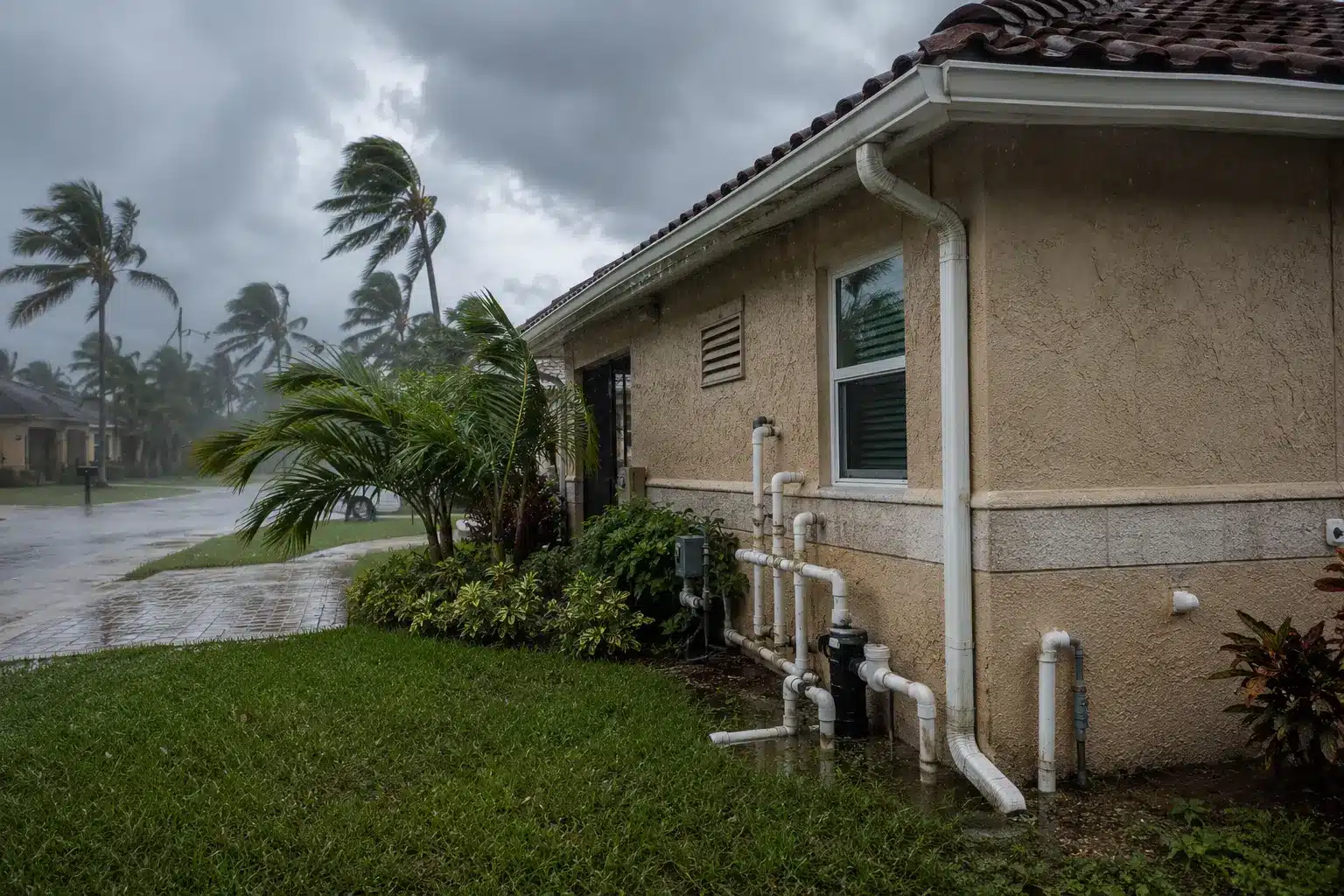
Florida homeowners know that heavy rain and hurricanes can put significant stress on plumbing and drainage systems.
Before a major storm, check for existing leaks, make sure drains are flowing properly, and know where your main water shut-off valve is located.
If you’ve already been dealing with a slow drain, sewer backup, or leaking pipe, don’t wait until a storm is approaching to deal with it. Taking care of existing problems ahead of time can help reduce the risk of a plumbing emergency.
9. When Should I Have My Plumbing Professionally Inspected?
You don’t have to wait for a major leak or backup before calling a plumber.
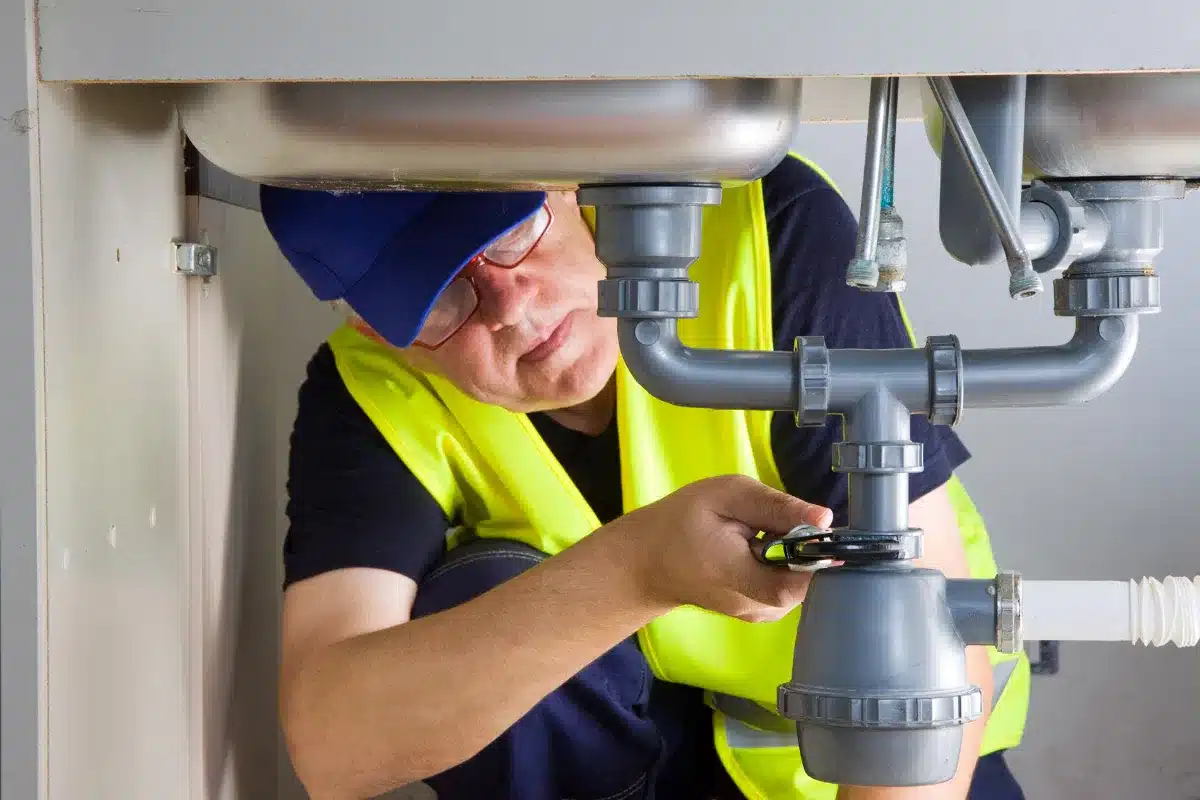
An annual plumbing inspection can help identify problems that aren’t immediately visible, particularly in older homes. A professional can evaluate your pipes, fixtures, water heater, drains, and other components for signs of wear or potential problems.
It’s especially worth scheduling an inspection if you’ve noticed recurring plumbing issues or if you recently purchased an older Florida home.
10. When Should I Stop Trying DIY Plumbing Repairs?
There’s nothing wrong with handling a simple maintenance task yourself. Replacing a faucet aerator or clearing a minor surface-level blockage may be straightforward.
But if you’re dealing with recurring clogs, hidden leaks, sewer odors, low water pressure throughout the home, or suspected pipe damage, it’s better to bring in a professional.
Trying to fix a problem without addressing its actual cause can sometimes make the situation worse—and turn a relatively small repair into a much larger one.
How Can AM Florida Builders Help With Your Plumbing?
At AM Florida Builders, we help Florida homeowners identify plumbing problems before they become major repairs. From drain cleaning and pipe repairs to water line services, sewer inspections, repiping, and fixture replacement, our team can help keep your home’s plumbing working properly.
If something doesn’t seem right with your plumbing, you don’t have to figure it out on your own. A professional evaluation can help determine what’s happening and what needs to be done.
How Can You Keep Your Plumbing in Good Shape?
The best plumbing maintenance strategy is pretty simple: pay attention to the small things.
A dripping faucet, slow drain, unexplained water bill increase, or change in water pressure may not seem like a big deal today. But these small warning signs can sometimes point to problems that become much more expensive when ignored.
By checking your plumbing regularly, addressing problems early, and scheduling professional inspections when needed, you can protect your home and avoid many of the plumbing headaches Florida homeowners experience.
Frequently Asked Questions
-
How often should Florida homeowners have their plumbing inspected?
An annual plumbing inspection is a good general guideline, especially for older homes. Homes with recurring leaks, drain problems, or aging plumbing may benefit from more frequent inspections.
-
What are the most common plumbing problems in Florida homes?
Common issues include clogged drains, leaks, hard water buildup, low water pressure, aging pipes, sewer line problems, and water heater issues. Florida's climate and mature landscaping can also contribute to certain plumbing problems.
-
How can I prevent expensive plumbing repairs?
Regularly check for leaks, avoid putting grease and debris down drains, monitor your water bill, maintain your water heater, and address recurring plumbing problems early. Professional inspections can also help identify hidden issues before they become major repairs.