Bathroom remodeling in Florida is one of the highest-return home improvement projects you can make, with mid-range renovations recouping an average of 60-70% of costs at resale. Whether you’re updating a dated master bath in a Tampa craftsman bungalow or adding a full spa-style suite to a Miami Beach condo, knowing what to expect before you break a single tile saves you time, money, and serious stress.
Key Takeaways
- Florida’s climate creates unique moisture and humidity challenges that affect material choices in ways that differ from most other states.
- A mid-range bathroom remodel in Florida typically costs between $8,000 and $25,000, while high-end renovations can exceed $50,000.
- Permits are required for most structural, plumbing, and electrical work, and skipping them can create major legal problems when selling your home.
- Choosing moisture-resistant materials like porcelain tile and PVC trim is not optional in Florida, it’s a necessity.
- Local contractor availability, supply chain timelines, and seasonal demand all affect your project’s start date and overall cost.
- Planning your renovation alongside broader home updates can save significantly on labor and project management costs.
Why Florida Bathrooms Are a Different Challenge Than Most States
Florida is not a typical renovation environment. The state’s combination of year-round humidity, salt air in coastal areas, hard water from limestone aquifers, and intense UV exposure creates conditions that will expose every shortcut a contractor tries to take. A bathroom that works perfectly in Denver or Chicago can develop mold, warped cabinetry, and grout deterioration within two to three years if it’s not built with Florida’s climate in mind.
The average indoor humidity in Florida hovers between 70% and 90% during summer months. That level of moisture infiltration means ventilation is not just a comfort feature, it is a structural requirement. Exhaust fans must be properly sized for the square footage of the room and vented entirely outside the home, not into the attic. Many older Florida homes, especially those built before the 1990s, have fans that exhaust into attic spaces, which leads to mold accumulation over time.
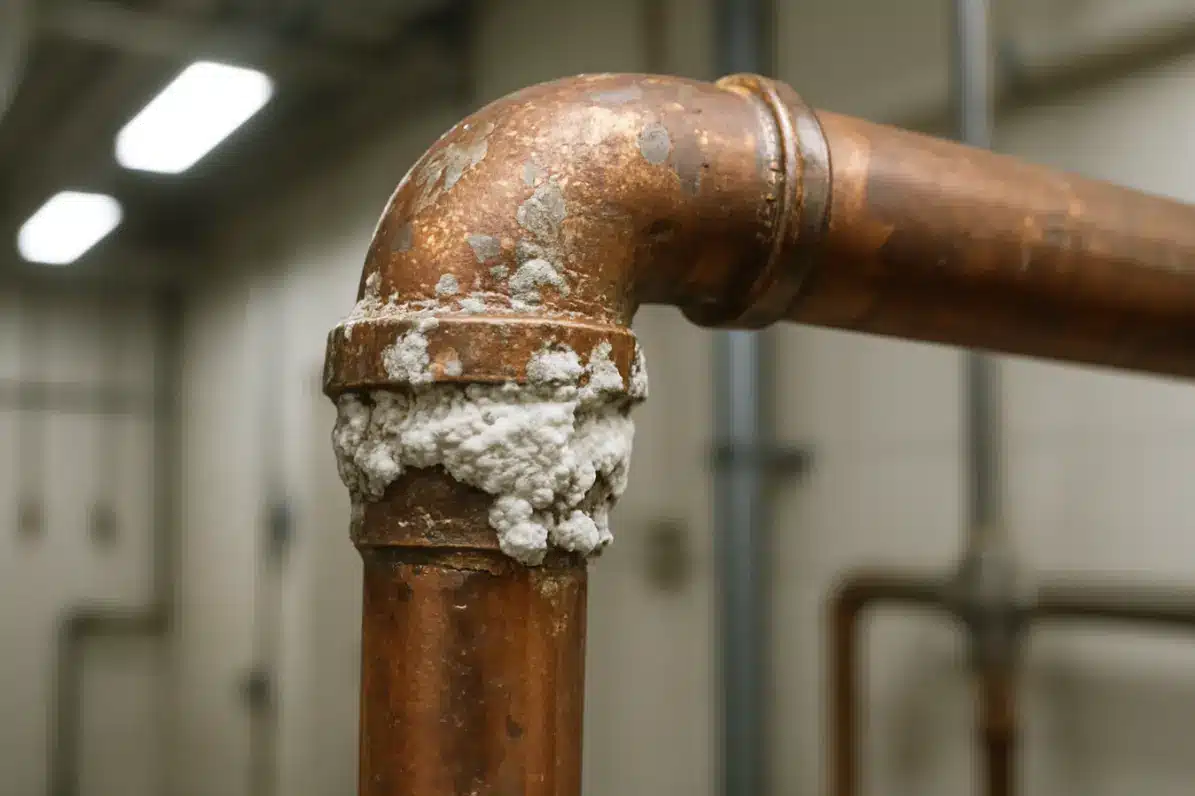
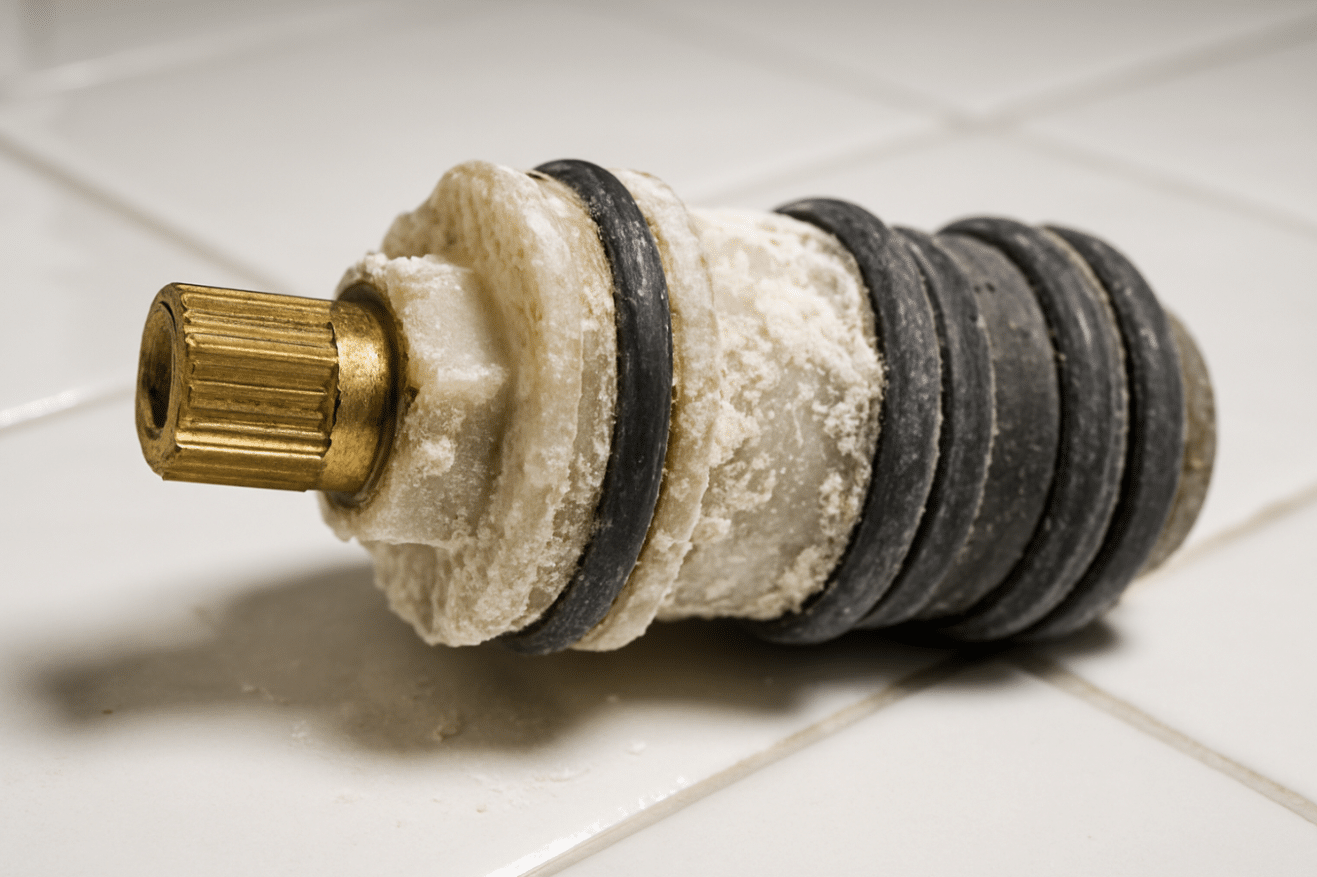
Hard water is another factor that catches homeowners off guard. Florida’s groundwater has some of the highest calcium and magnesium concentrations in the country. Over time, this deposits scale on fixtures, glass shower doors, and tile grout, accelerating wear on plumbing components and making finishes look dingy far earlier than expected. If you’re investing in a new shower system or freestanding tub, pairing it with a water softener or at minimum a dedicated shower filter extends the life of those fixtures considerably.
Salt air corrosion in coastal counties like Broward, Palm Beach, Sarasota, and Pinellas adds another layer of complexity. Exposed metal fixtures, towel bars, and hardware made from standard steel or even lower-grade stainless corrode noticeably faster within a mile of the coast. Marine-grade stainless steel or brass with a protective finish is the appropriate choice for any bathroom within five miles of the shoreline.
What Bathroom Remodeling in Florida Actually Costs
Cost is almost always the first question homeowners ask, and it deserves a direct, honest answer. Florida labor costs sit slightly above the national average, especially in metro areas like Orlando, Miami, Fort Lauderdale, and Jacksonville. Material costs have stabilized somewhat since the supply chain spikes of 2021 and 2022, but they remain elevated compared to pre-pandemic levels.
Here is a realistic cost breakdown based on project scope:
Project Scope | Typical Cost Range | What’s Included |
Basic Refresh | $2,500 – $7,000 | New fixtures, paint, vanity swap, flooring |
Mid-Range Remodel | $8,000 – $25,000 | New tile, shower, vanity, lighting, ventilation |
High-End Renovation | $25,000 – $55,000+ | Custom tile, steam shower, soaking tub, smart features |
Full Addition/New Build | $40,000 – $100,000+ | Adding square footage, full plumbing rough-in |
Labor typically accounts for 40-50% of total project costs in Florida. A licensed plumber charges between $85 and $150 per hour, while tile setters in competitive markets like Miami often charge a premium due to high demand. When you explore comprehensive bathroom remodeling upgrades, getting a fully itemized estimate from at least three licensed contractors helps you understand where costs are concentrated and where there might be room to negotiate.
One cost that surprises many Florida homeowners is permit fees. Depending on the county and scope of work, permits for a full bathroom remodel can run between $150 and $600 or more. Some municipalities charge based on the declared value of the project, which means a $30,000 renovation in Miami-Dade may trigger a higher permit fee than the same job in a smaller county.
Permits, Codes, and Contractor Licensing in Florida
Florida has some of the most detailed building code requirements in the country, largely because of lessons learned from hurricanes and the state’s challenging environment. The Florida Building Code governs all residential construction and renovation, and it is updated every three years. For bathroom remodels, the relevant sections cover plumbing systems, electrical systems including GFCI protection within six feet of any water source, ventilation standards, and waterproofing membranes behind tile in wet areas.
GFCI outlets are required on all circuits within six feet of sinks, tubs, and showers. Many older Florida homes were wired before these requirements were standard, so a bathroom remodel often triggers an electrical upgrade that wasn’t in the original budget. This is not a flaw in the process; it is the code doing exactly what it is designed to do by protecting your family.
Waterproofing standards have also tightened significantly. The Florida Building Code requires a continuous waterproof membrane behind tile in all shower and tub surrounds. This membrane must extend a minimum of six inches above the flood line and be tested before tile installation begins. A contractor who skips this step is cutting a corner that can result in water infiltrating wall cavities and causing structural wood rot within two to three years.
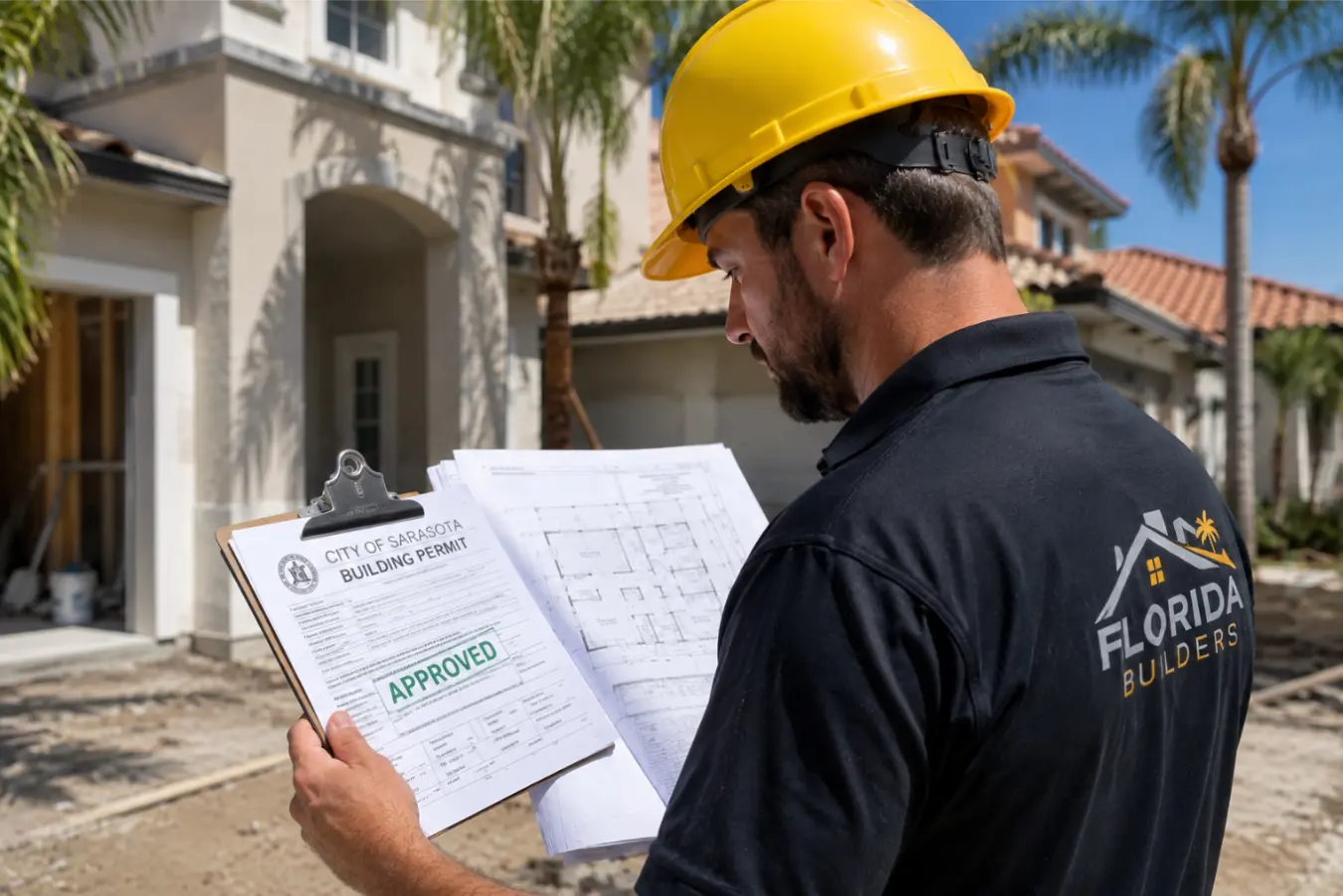
Contractor licensing is another area where Florida is strict. Any contractor performing work valued above $500 must hold a valid state license issued by the Florida Department of Business and Professional Regulation (DBPR). You can verify a contractor’s license on the DBPR website before signing any contract. Always ask for proof of both general liability insurance and workers’ compensation coverage. If a subcontractor is injured on your property and the general contractor doesn’t carry workers’ comp, you may be held liable.
When a project involves a combination of renovation and structural changes, it often intersects with broader construction planning. Homeowners who also want to consider additions or entirely new construction alongside their bathroom project should understand what goes into renovation new construction so they can plan their budget and timeline more effectively from the start.
Florida Bathroom Design Trends That Hold Up Long-Term
Florida bathroom design has shifted meaningfully over the past several years. Homeowners are moving away from the beige-and-brass aesthetic of the 1990s and early 2000s toward cleaner, more spa-influenced spaces that also function well in the heat and humidity.
Large-format porcelain tile is now the dominant choice for both floors and shower walls across the state. Tiles in the 24×24 or 24×48 inch range create fewer grout lines, which means less maintenance and a visually cleaner look. Rectified tiles, which are cut to precise dimensions, allow for tighter grout joints that are harder for mold and mildew to colonize.
Popular design features in Florida bathroom remodels right now:
- Curbless or zero-threshold showers, which eliminate a common tripping hazard and are also ADA-accessible
- Frameless glass shower enclosures that open up smaller spaces visually
- Floating vanities that allow easier floor cleaning and give bathrooms a more modern look
- Wall-mounted faucets and fixtures that reduce hard water deposits around the base of faucets
- Built-in niches in shower walls for product storage, replacing plastic caddies
- Heated flooring systems, which are particularly useful in Central and North Florida during winter months
- Smart mirrors with built-in lighting, defogging, and Bluetooth speakers
Natural materials are popular but require careful selection. Marble looks stunning in Florida bathrooms but demands regular sealing and careful cleaning to prevent etching from hard water and acid-based cleaning products. Porcelain tiles that mimic marble’s appearance provide the aesthetic without the maintenance burden, making them a practical and attractive choice.
Things to Know
- Florida’s rainy season runs from June through September, which can affect exterior demo, deliveries, and project timelines if your contractor needs to open walls with any outdoor exposure.
- HOA approval is required in many Florida communities before any significant bathroom remodel begins. Some associations require you to submit material samples, contractor credentials, and a project timeline.
- Asbestos is a real concern in homes built before 1980. Floor tiles, drywall joint compound, and pipe insulation may contain asbestos. A licensed inspector should test suspect materials before any demolition begins.
- Lead paint may be present in homes built before 1978. Federal law requires contractors to follow EPA-certified lead-safe work practices during renovation in these homes, which adds cost and time.
- Water pressure in Florida condos can be inconsistent, particularly in high-rise buildings. A new shower system should be specified and tested for the actual water pressure in your unit, not just what the manufacturer rates as standard.
- Seasonal demand affects contractor availability. Spring and early summer are peak renovation seasons in Florida, and booking a quality contractor during these months can require three to six months of lead time.
How to Choose the Right Contractor for Bathroom Remodeling Florida Projects
The contractor you hire makes or breaks your bathroom project. Florida has no shortage of licensed contractors, but quality varies widely. Here is a practical checklist for evaluating candidates:
- Verify the license on the Florida DBPR website before any conversation goes further.
- Request a portfolio of completed Florida bathroom projects specifically. A contractor who mostly does kitchen work or exterior projects may not have deep tile and waterproofing expertise.
- Ask for references from the last three projects and actually call them. Ask about timeline adherence, how changes were handled, and whether they would hire the contractor again.
- Get a line-item written estimate, not a lump sum. You should be able to see labor, materials, permits, and contingency as separate line items.
- Confirm who does the tile work. Many general contractors subcontract tile to a separate crew. Meet the tile setter and verify their experience with large-format tile if that’s what you’ve selected.
- Discuss the waterproofing system the contractor uses. A confident, experienced contractor will be happy to explain the specific membrane product and testing process they use.