How can I save water—and money—with low-flow fixtures?

low flow fixtures

Homeowners in Palm Beach County often face the challenge of balancing comfort, cost, and sustainability. Water bills can rise quickly in a warm, humid climate, and conservation regulations continue to tighten across South Florida. One of the most effective ways to reduce both water waste and expenses is by upgrading to low-flow fixtures. These plumbing innovations are designed to maintain the same level of performance and comfort while significantly reducing the amount of water you use every day.

Low-flow fixtures are not just for environmentally conscious homeowners. They make practical sense for anyone who wants to cut monthly utility costs without compromising on quality or water pressure. In Palm Beach County, where every drop counts, they are quickly becoming a standard feature in modern, efficient homes.

What Are Low-Flow Fixtures and How Do They Work

Low-flow fixtures are plumbing devices engineered to use less water than conventional ones while still providing the same performance. They include faucets, toilets, and showerheads designed with advanced flow regulators or aerators that reduce the volume of water released without affecting water pressure.

A traditional showerhead can use up to two and a half gallons of water per minute, while a WaterSense-certified low-flow model typically uses around one and a half gallons. The result is less water wasted with every shower, translating into real savings on your water bill. Faucets and toilets work in a similar way, allowing you to conserve water automatically without changing your daily habits.

If you are interested in more efficient plumbing habits, you might also like to read the related post, Why You Should Avoid Chemical Drain Cleaners—What to Use Instead. It offers helpful insight into protecting your pipes naturally and maintaining a sustainable plumbing system.

How Much Water and Money Can You Save

The savings from installing low-flow fixtures add up faster than most homeowners expect. The Environmental Protection Agency estimates that switching to low-flow fixtures can save up to 20,000 gallons of water per household each year. In practical terms, that means noticeably lower water bills and reduced strain on your plumbing system.

A standard faucet uses about 2.2 gallons of water per minute, while a low-flow version can use as little as one gallon. Dual-flush toilets use less than half the water of older models, and showerheads equipped with pressure regulators save thousands of gallons annually. These small changes can make a substantial difference to your budget and your home’s environmental footprint. Over time, these upgrades often pay for themselves through lower water and energy bills.

Why Palm Beach County Homes Benefit from Low-Flow Fixtures

Palm Beach County homeowners face specific environmental conditions that make water conservation a priority. The region’s warm temperatures and frequent water restrictions mean that reducing water usage is not just a recommendation but a necessity. Installing low-flow fixtures is a simple and effective way to comply with local water regulations while protecting one of Florida’s most valuable resources.

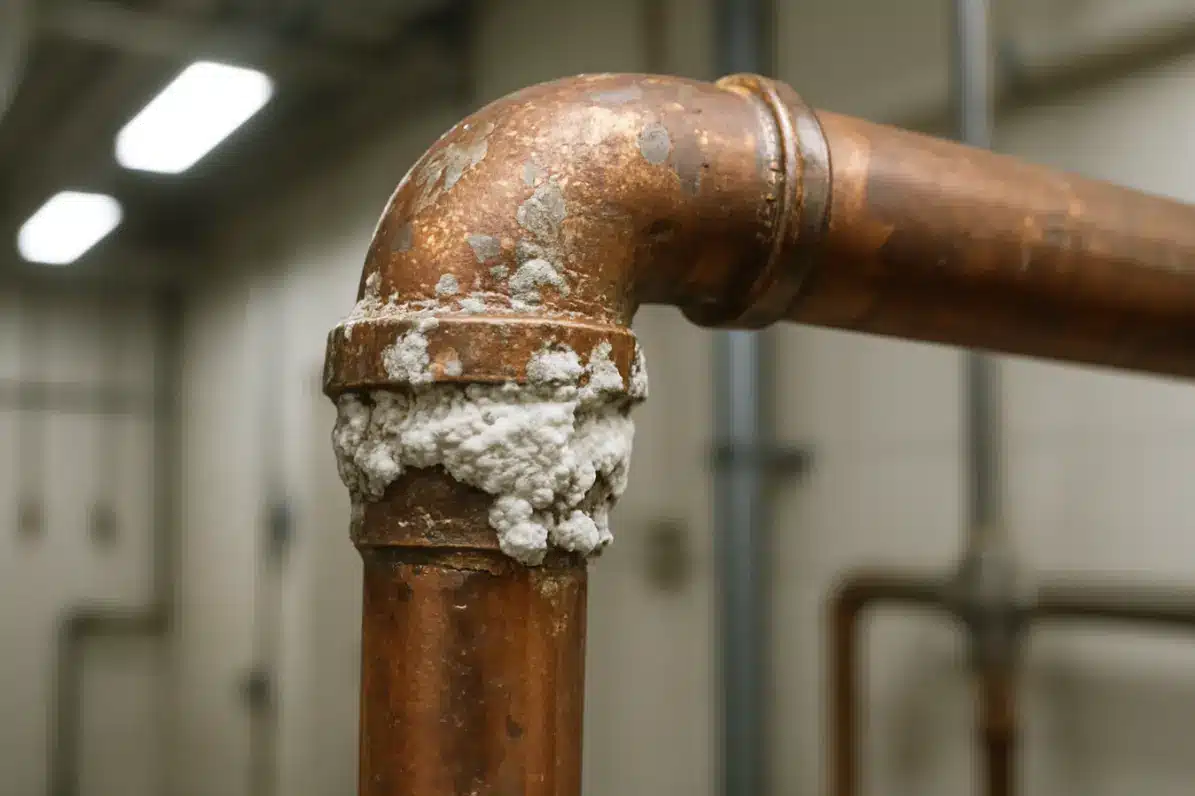
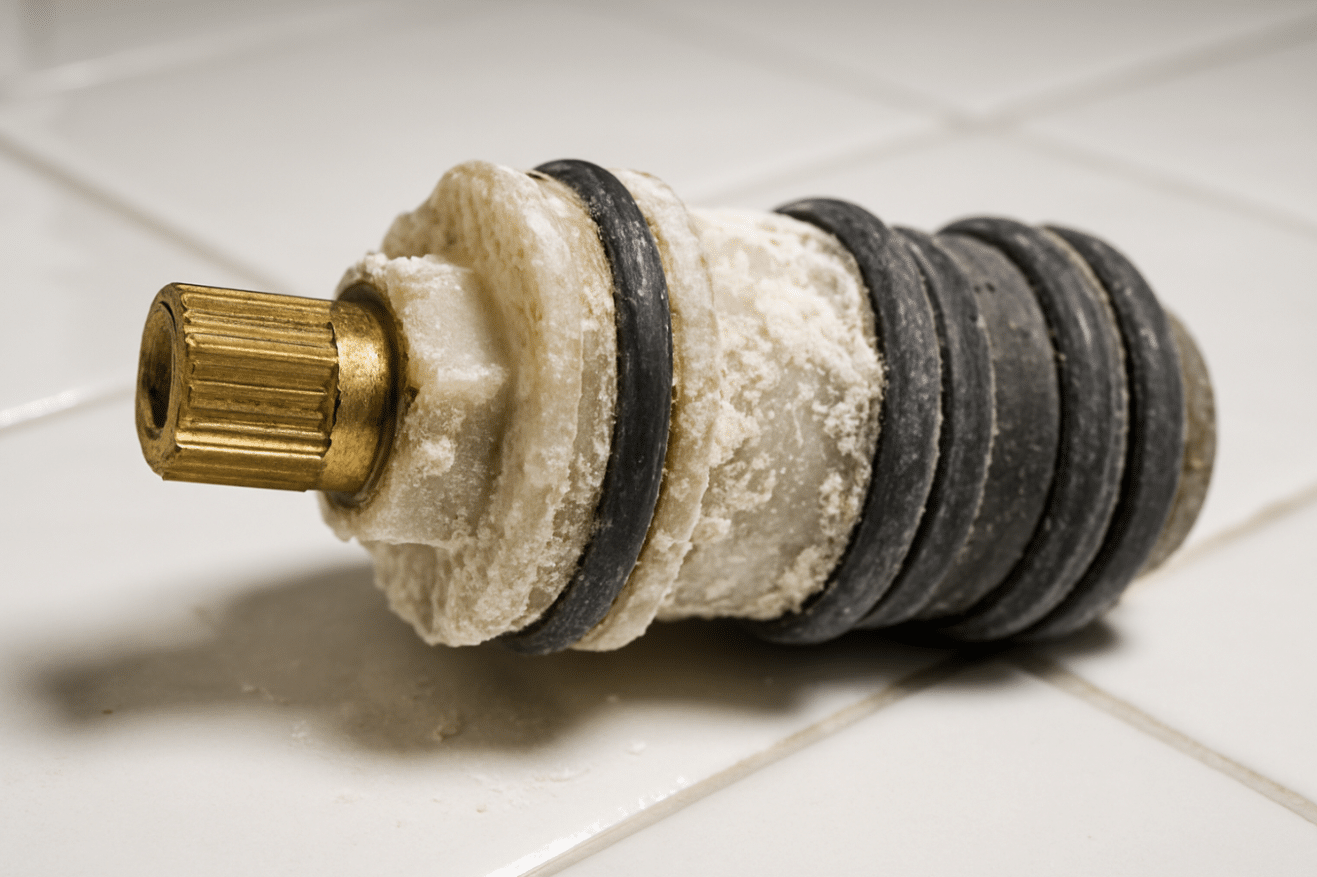
Additionally, the reduced strain on your plumbing system can extend its lifespan and minimize maintenance costs. By using less water, fixtures and pipes are exposed to less mineral buildup and corrosion, which often leads to fewer repairs over time. To learn more about installation and upgrade options, visit our Plumbing Services page for expert assistance tailored to Palm Beach County homes.

Do Low-Flow Fixtures Affect Water Pressure

low flow shower

A common misconception about low-flow fixtures is that they reduce water pressure or lead to a less enjoyable shower or faucet experience. However, modern designs are built with aeration and pressure-compensating technology that maintains a strong, steady stream. These systems mix air with water to create the sensation of higher pressure while actually using less water.

Most homeowners find that after switching to low-flow fixtures, they notice little or no difference in water flow, but they do see a positive change in their monthly utility statements. The comfort and efficiency balance is one of the main reasons low-flow technology has become a standard in new home construction and professional remodels across Palm Beach County.

How to Get Started with Water-Saving Upgrades

The process of switching to low-flow fixtures can be as simple as replacing one showerhead or as comprehensive as upgrading all plumbing fixtures in your home. Consulting a licensed plumber familiar with Palm Beach County building codes ensures the work is done correctly and meets both efficiency and safety standards. A professional can also check for existing leaks, outdated hardware, or hidden inefficiencies that might be contributing to higher water bills.

Professional plumbers can help homeowners identify the best low-flow options for their property. From installation to testing, each step is handled with care to ensure consistent performance and compliance with Florida’s water efficiency standards. The result is a home that runs more efficiently and sustainably, offering long-term savings that extend well beyond monthly utility costs

Saving More with Expert Plumbing Solutions in Palm Beach County

Saving water and money is easier than most homeowners think. By upgrading to low-flow fixtures, you are investing in long-term value for your home, protecting local water resources, and taking an important step toward sustainable living. These fixtures provide an immediate return through lower bills and a measurable environmental benefit that lasts for years to come.

At AM Florida Plumbers our team specializes in eco-friendly plumbing solutions, fixture upgrades, and reliable installations for Palm Beach County homes. Whether you are remodeling, repairing, or planning to make your property more efficient, we are here to help you choose the best water-saving options for your needs. Contact us today to schedule a consultation and discover how easy it can be to make your home more sustainable while reducing costs.

Recent Posts

Latest Articles