What should be included in a fair commercial plumbing contract?
A well-structured plumbing contract should include the project’s full scope of work, estimated start and completion dates, total cost and payment schedule, warranties, and terms for any unexpected changes. It’s also essential to outline responsibilities who provides the permits, who manages inspections, and how unforeseen issues (like hidden pipe damage) will be handled. Both sides should review these terms carefully to ensure mutual understanding before signing.
Many business owners skip this level of detail because they trust the contractor, but transparency benefits everyone. It keeps the project organized and ensures that both sides are working toward the same goal: completing the job efficiently and within budget.
How can both parties approach pricing and payments?
Negotiating pricing doesn’t have to be confrontational. A good contractor understands that businesses must manage budgets just as they must manage timelines. Open discussion about material costs, labor rates, and potential adjustments for unforeseen work creates a fair foundation for both parties. It’s helpful to agree on a payment structure that reflects progress such as deposits, milestone payments, and a final balance after completion.
When both sides are upfront about financial expectations, it helps avoid delays or disputes later. A transparent process builds trust and sets the tone for a positive, long-term working relationship.
How do communication and expectations affect the outcome?
Even the best contract can fail if communication breaks down. During negotiations, discuss how updates will be shared, how often progress meetings will occur, and who the main point of contact will be. Clear communication keeps projects moving and helps resolve small issues before they grow into major ones.
If you’re managing multiple facilities or tenants, make sure your contractor understands the need to minimize downtime and coordinate around business hours. Local expertise also helps especially when navigating municipal codes or scheduling inspections.
For more insight into how professional contractors plan, coordinate, and deliver successful projects, check out our previous post, What to Expect During Your First Plumbing Inspection. It gives a good sense of how experienced teams communicate and maintain efficiency throughout the process.
How do you handle warranties and ongoing maintenance?
One of the most overlooked parts of a commercial plumbing contract is the warranty clause. Make sure the agreement specifies which parts and labor are covered, how long the warranty lasts, and what conditions might void it. It’s also wise to include maintenance options for long-term service. Many businesses choose to establish ongoing plumbing maintenance contracts to keep systems in top condition and avoid costly downtime.
Discussing maintenance early before the job even starts can save both sides time and money later. It turns a one-time project into an ongoing partnership, which benefits everyone involved.
What role does flexibility play in negotiation?

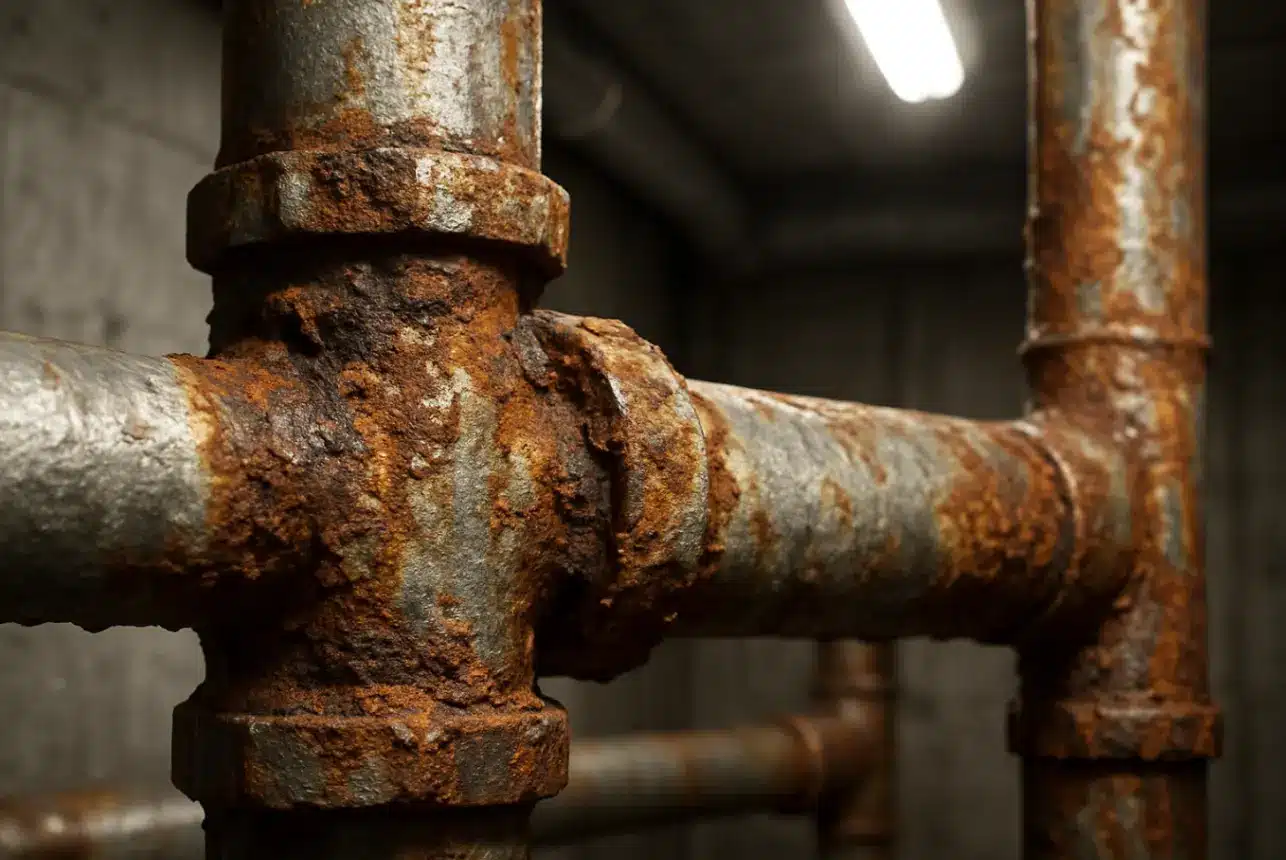
No commercial project goes exactly as planned. That’s why both sides should agree on how to handle unexpected challenges before they happen. This could include discovering outdated plumbing lines behind walls, adjusting designs to meet new code requirements, or dealing with supply chain delays. A flexible approach supported by clear terms ensures both parties can adapt without conflict.
Professional contractors appreciate when clients understand that flexibility doesn’t mean instability; it means readiness to adjust while keeping the bigger picture in focus. Mutual respect and patience during these discussions often lead to smoother projects and better results.
Why is partnering with a trusted contractor essential?
Negotiation becomes much easier when both parties share the same goal building a reliable system that serves the property for years. Choosing an experienced, licensed contractor who values communication, transparency, and quality work is the first step toward that partnership. A professional who understands both the business side and the technical demands of plumbing can create a contract that protects your interests without unnecessary complexity.
To see how an experienced team can help plan, manage, and deliver your next project, visit our Plumbing Services page and explore the wide range of commercial and residential solutions we offer.