Immediate Pipe Burst Response: What to Do in the First 60 Minutes

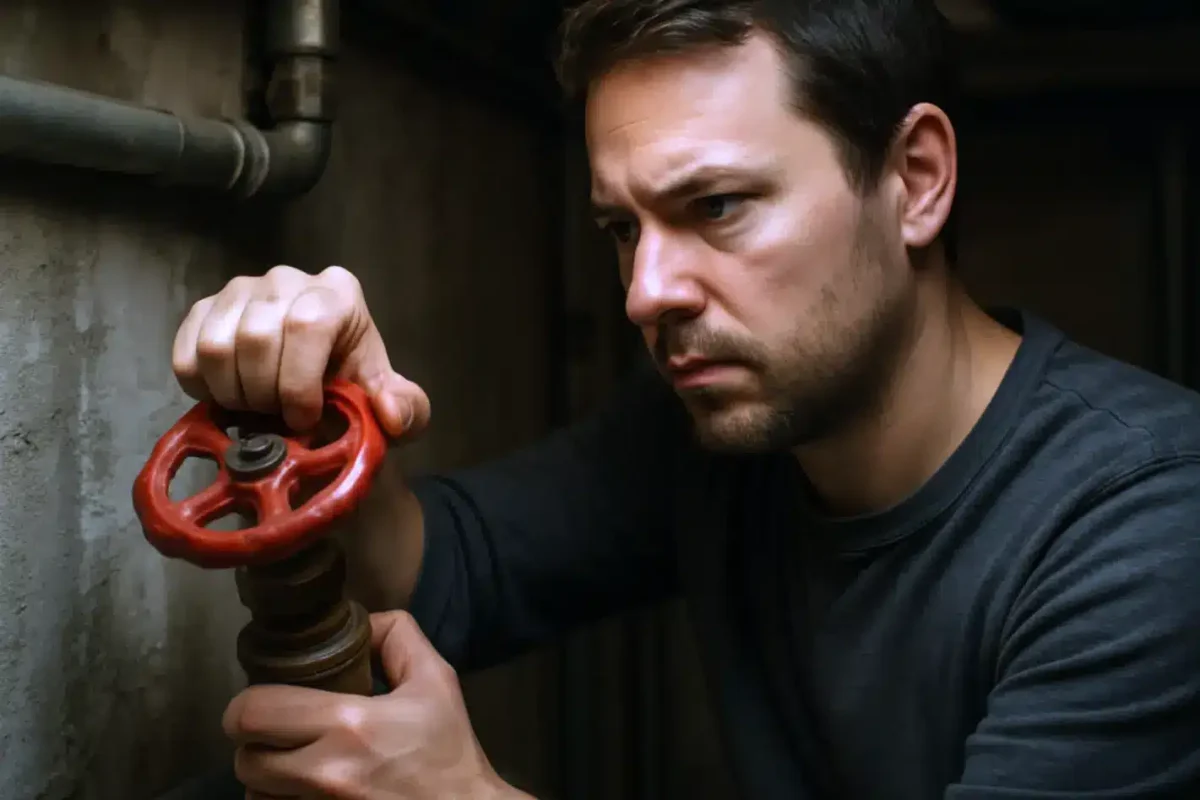
Homeowner turning off the main water shut-off valve after a burst pipe to minimize water damage before emergency plumbing repairs.

 A burst pipe can release hundreds of gallons of water into your home within minutes, causing structural damage, mold growth, and costly repairs. Immediate pipe burst response is not just about stopping the water — it is about taking the right steps in the right order to protect your property and your family.

Key Takeaways
  • Shut off your main water supply the moment you notice a burst pipe — every second of delay increases water damage.
  • Document all visible damage with photos before cleanup begins, since your insurance company will need this evidence.
  • Standing water that sits for more than 24 to 48 hours dramatically increases the risk of mold growth.
  • Burst pipes often result from frozen water lines, corrosion, high pressure, or physical impact.
  • A licensed plumber should inspect your entire system after a burst, not just the visible break.
  • AM Florida Builders provides professional plumbing repair services to help homeowners recover quickly and safely.

Why Pipe Bursts Happen and Why Speed Matters

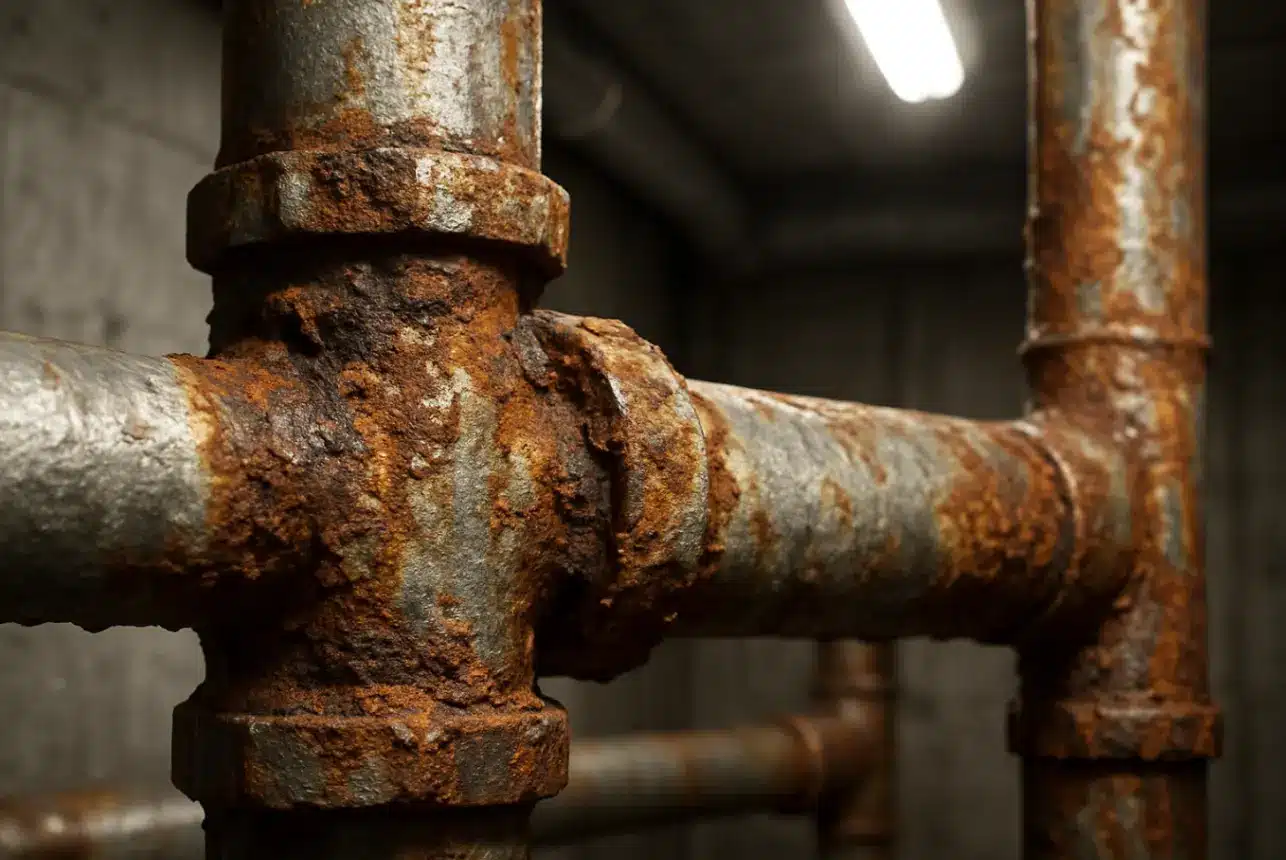
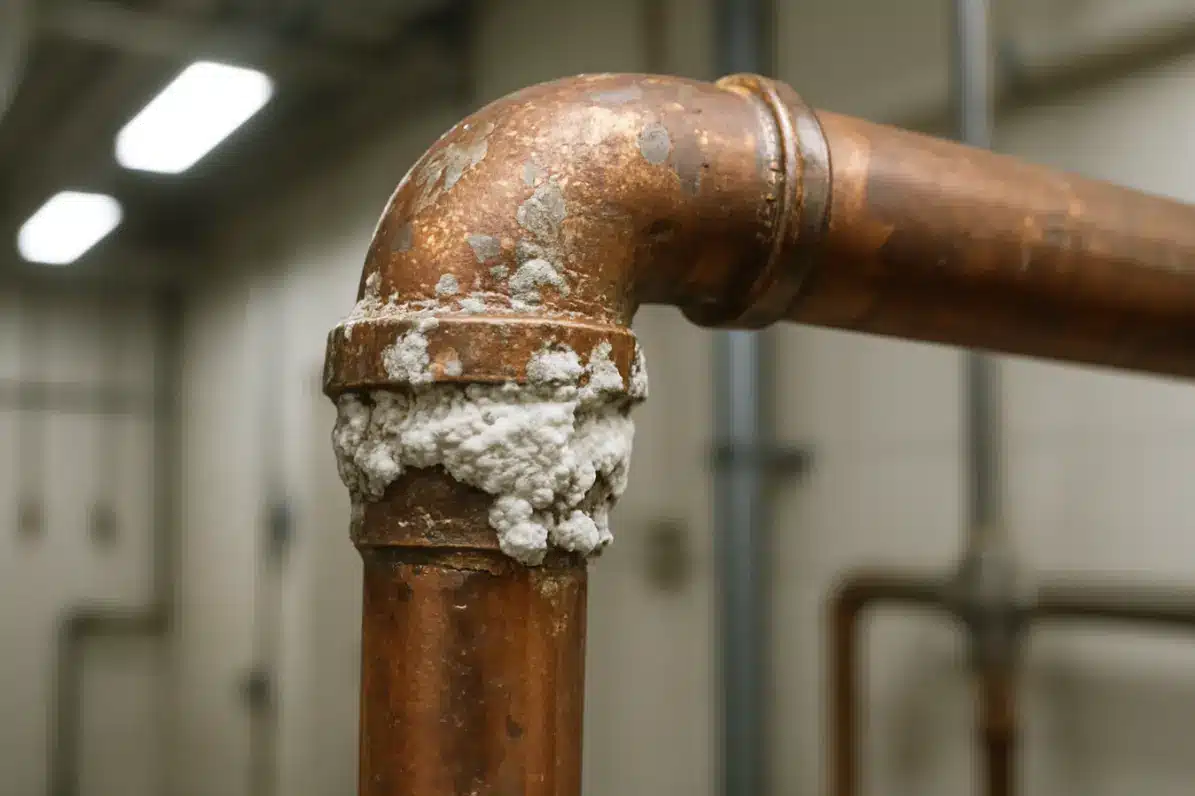
Pipes burst for several reasons: freezing temperatures, aging materials, excessive water pressure, and physical damage from construction or shifting foundations. In Florida, pipe bursts are frequently tied to corroded galvanized steel lines or sudden pressure spikes rather than freezing, which makes them harder to predict.

The reason speed matters so much is water volume. A standard half-inch pipe under typical household pressure of 60 PSI can release roughly 2 gallons per minute when fully breached. Over an hour, that is 120 gallons soaking into your drywall, flooring, and insulation. The longer you wait, the higher the remediation costs, which according to HomeAdvisor average between $1,000 and $4,000 for water damage repair, not counting structural work.

Immediate pipe burst response is not a phrase that should send you into a panic — it should trigger a calm, structured set of actions you have already planned for.

The First 10 Minutes: Stop the Water

Your first priority is to stop water from flowing. Here is the sequence you need to follow:

  • Locate and shut off the main water supply valve. In most U.S. homes, this is near the water meter, typically in the garage, basement, or a utility closet. Turning it clockwise will stop all water flow to the house.
  • Turn off your water heater. If the water supply is cut, the heater can overheat and fail. This step protects a unit that often costs $800 to $1,500 to replace.
  • Cut power to affected rooms. Water and electricity are a dangerous combination. Flip the circuit breaker for any room where water is present before you enter.
  • Open faucets to drain remaining pressure. After shutting off the main valve, open several faucets around the house to release residual pressure and drain any water still in the lines.
  • Take photos and video of everything. Document the burst pipe, the source of the leak, and all areas of visible water damage before you touch anything else.

Once the water is stopped and the scene is documented, you can begin controlled cleanup.

Containing the Damage Before Help Arrives

After stopping the water, your next task is limiting how far moisture spreads. Use towels, mops, and wet vacuums to remove standing water from floors as quickly as possible. If water has reached carpeting, pull it back from the edges and expose the subfloor — trapped moisture underneath is a primary driver of mold.

Open windows and run fans to encourage airflow. If you have a dehumidifier, run it in the affected room. Move furniture, electronics, and valuables out of the wet area immediately.

Check adjacent rooms, too. Water travels along floor joists, inside walls, and underneath flooring in ways that are not always visible. Press your hand against drywall in nearby rooms to feel for soft spots or bubbling paint, which indicate moisture migration.

For temporary pipe repair, plumber’s tape or a pipe clamp from a hardware store can slow a small leak while you wait for a professional. These are not permanent fixes, but they buy time.
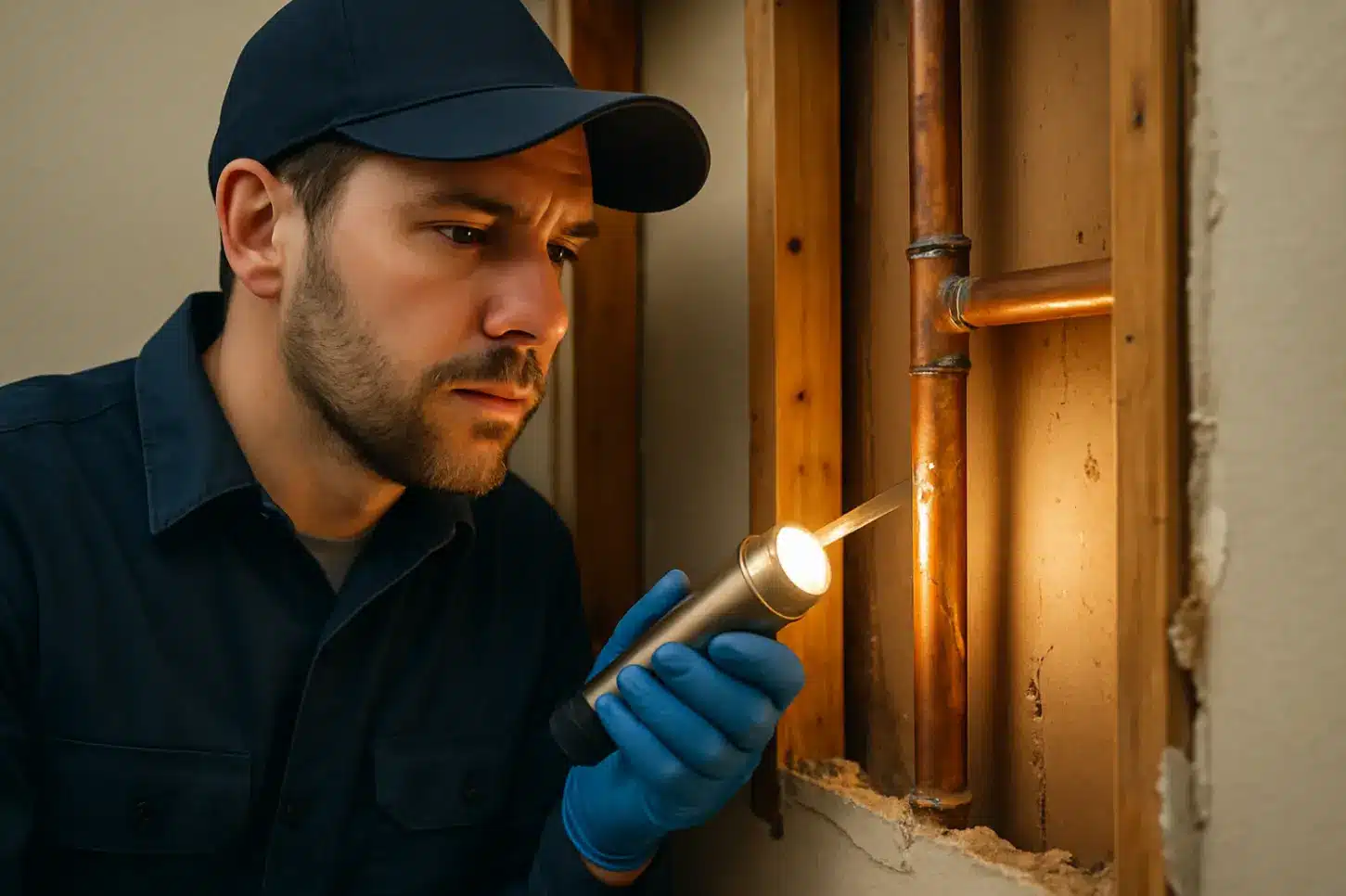
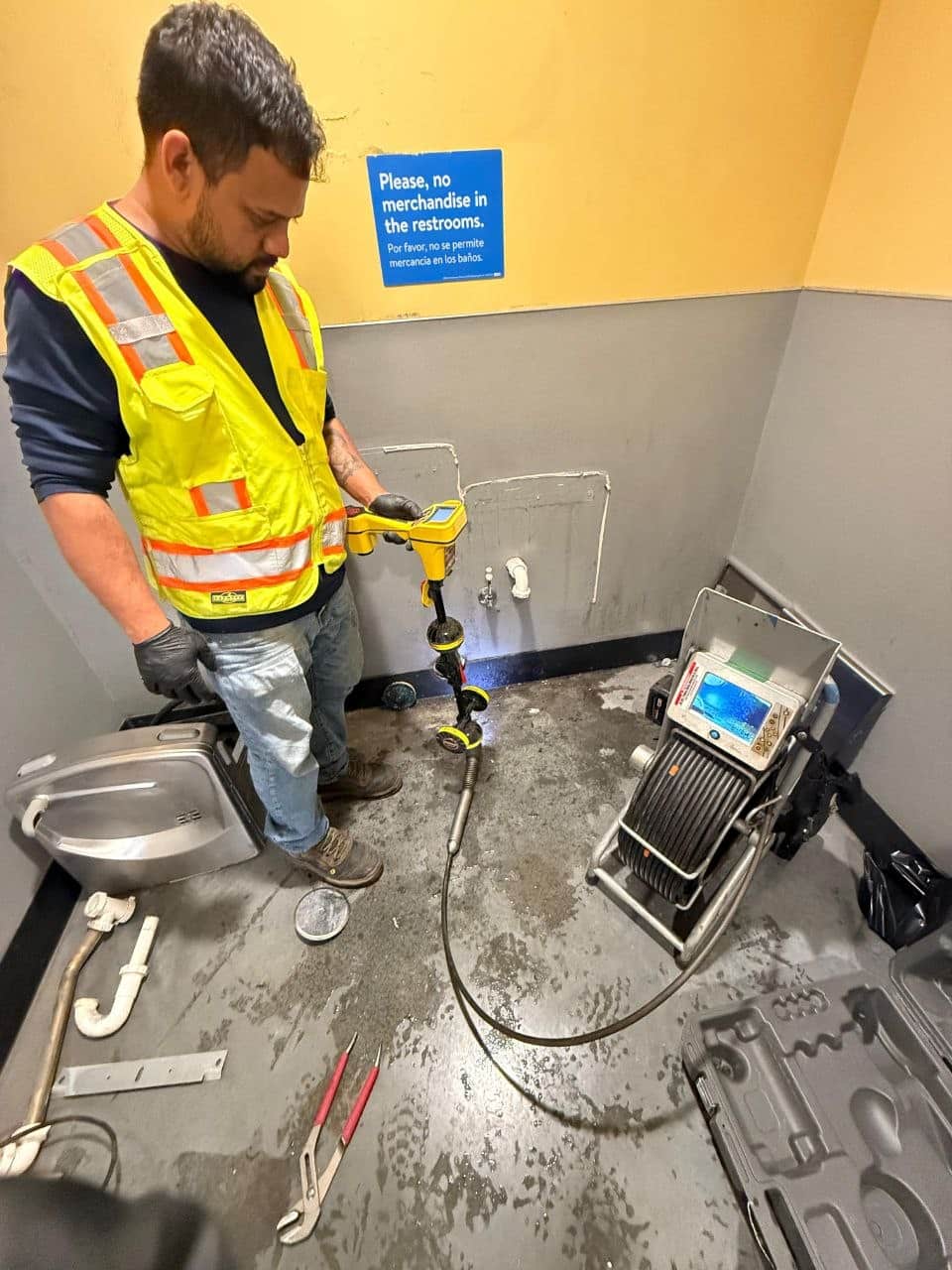
Professional plumber inspecting a burst copper water pipe inside a wall to locate the source of a leak before performing emergency pipe repairs.

When to Call a Licensed Plumber

A burst pipe is never a DIY repair situation beyond the temporary measures described above. Once immediate pipe burst response steps are complete, you need a licensed plumber on-site to:

  • Identify the full extent of the damage, including sections of pipe that may have weakened but not yet burst
  • Replace the damaged pipe segment with materials suited to your home’s existing system
  • Test water pressure throughout the system to rule out additional vulnerabilities
  • Check for code compliance, particularly in older Florida homes built before 1990 where polybutylene or galvanized pipes were common

If your home’s water line running from the street to the house is affected, you will need a specialist in water line installation repairs to assess whether a full replacement or a targeted repair is the right approach.
Things to Know
  • Homeowner’s insurance typically covers sudden and accidental pipe bursts, but not gradual leaks — document everything and call your insurer within 24 hours.
  • Florida’s warm climate does not eliminate the risk of pipe bursts; pressure fluctuations and pipe age are the most common causes in the state.
  • The average cost to repair a burst pipe ranges from $150 to $2,000 depending on location, pipe type, and accessibility, according to Angi.
  • Mold can begin growing in as little as 24 to 48 hours after water exposure, making same-day professional assessment critical.
  • If your home is on well water rather than municipal supply, locate the pressure tank shutoff in addition to the main valve.

Comparing Your Repair Options

Repair Option

Best For

Estimated Cost

Turnaround Time

Pipe clamp (temporary)

Buying time before pro arrives

$10 to $30

Immediate

Spot repair by plumber

Single pipe break, accessible location

$150 to $600

Same day

Section replacement

Multiple damaged sections or older pipes

$500 to $2,000

1 to 3 days

Full water line replacement

Widespread corrosion, repeated failures

$1,500 to $5,000

2 to 5 days

Take Control of Your Pipe Burst Recovery Today

A pipe burst does not have to turn into a months-long nightmare if you act quickly and work with the right team. AM Florida Builders brings experienced licensed plumbers and restoration professionals to your property with the speed and precision that water emergencies demand. Whether the damage is isolated or widespread, the team will assess, repair, and restore your plumbing system to code. Call today to schedule an emergency inspection and stop the damage before it compounds further.

The Bottom Line on Immediate Pipe Burst Response

The window between a burst pipe and serious structural damage is measured in minutes, not hours. Executing a solid immediate pipe burst response, shutting off water, cutting power, documenting damage, and calling a licensed professional, is the difference between a manageable repair and a months-long restoration project.

Review your home’s water shutoff valve location today and save a licensed plumber‘s number in your phone before you need it. Preparation turns a crisis into a recoverable situation.


Frequently Asked Questions

  • How do I know if a pipe is leaking inside my wall?

    Look for water stains, bulging paint, or a musty smell near interior walls.

    A sudden spike in your water bill with no change in usage is another strong indicator. A moisture meter pressed against the drywall can confirm elevated moisture levels without opening the wall.

  • Can I stop water pipe leaks permanently with tape or epoxy?

    No, tape and epoxy are temporary fixes designed to slow or stop a leak until a proper repair is made.


    These materials degrade under heat, pressure cycles, and chemical exposure over time. A licensed plumber should address the underlying cause for a long-lasting solution.

  • How much does it cost to stop a pipe leak professionally?

    Most minor pipe repairs run between $200 and $800 depending on location, pipe material, and access.

    Hidden leaks requiring wall or floor removal can cost significantly more. Getting a written estimate before work begins protects you from unexpected charges.

  • What causes pipes to leak suddenly?

    Sudden leaks are most often caused by high water pressure, corrosion, temperature changes, or physical stress on the pipe.

    In older homes, degraded pipe materials like galvanized steel or polybutylene are common culprits. Having your plumbing inspected every few years catches vulnerabilities before they become emergencies.

  • Is a small water leak an emergency?

    Any active leak should be treated urgently, even if it appears minor, because water damage escalates quickly.

    Turn off the water supply to the affected area using the shutoff valve nearest to the leak. Then document the damage with photos for insurance purposes before beginning any repairs.

Recent Posts

Latest Articles