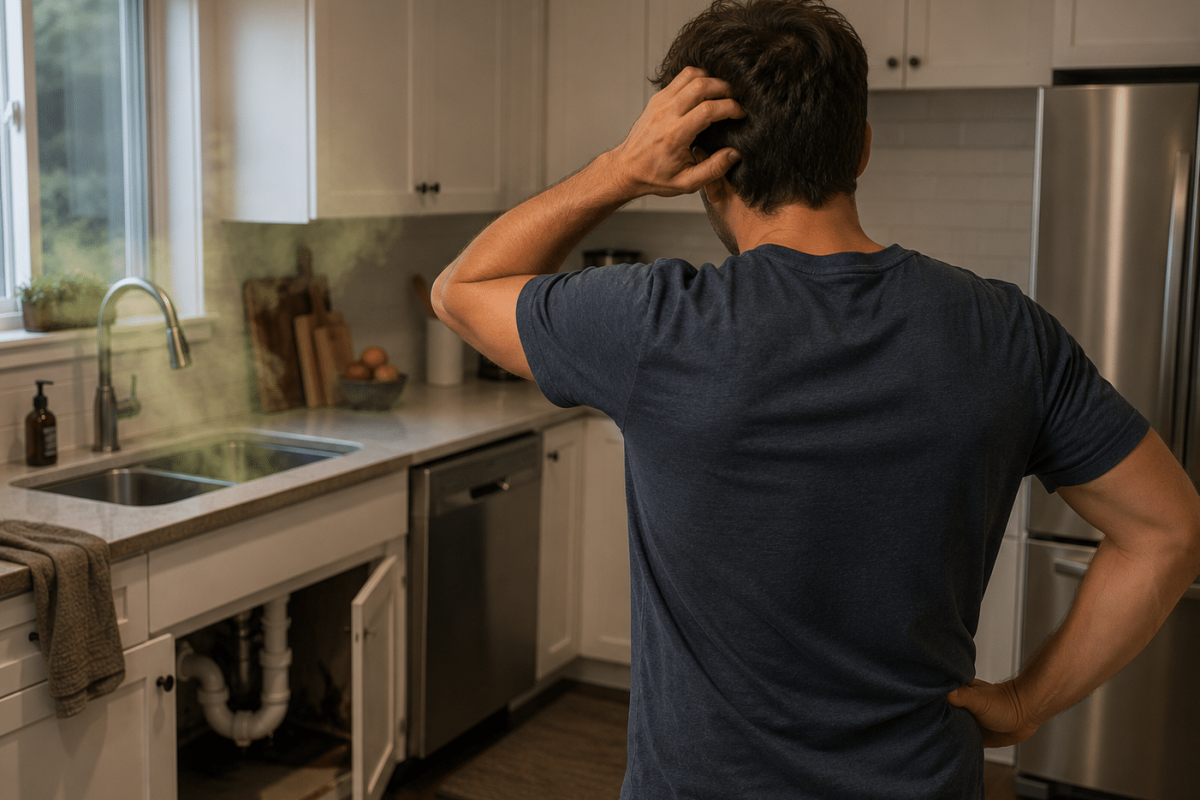
Unpleasant odors coming from your drains are more than just an inconvenience—they can be a sign that something isn’t right with your plumbing system. Whether the smell is coming from your kitchen sink, bathroom drain, shower, or floor drain, persistent odors often indicate buildup, blockages, or other plumbing issues that shouldn’t be ignored.
While some drain odors can be resolved with routine cleaning, others may point to more serious problems that require professional attention. Understanding the most common causes of smelly drains can help you address the issue before it leads to costly plumbing repairs.
Why Drain Odors Shouldn’t Be Ignored
Drain odors often develop gradually, making them easy to dismiss at first. However, what starts as a minor smell can eventually indicate clogged drains, sewer line problems, or damaged plumbing components.
Addressing the source of the odor early can help:
- Improve indoor air quality
- Prevent recurring drain problems
- Reduce the risk of plumbing damage
- Eliminate unpleasant odors for good
1. Food and Grease Buildup
Kitchen drains frequently develop odors because food particles, grease, and cooking oils collect inside the pipes. Over time, this buildup begins to decompose, producing unpleasant smells that can linger even after the sink is cleaned.
Regular drain cleaning and avoiding pouring grease down the sink can help reduce buildup and keep kitchen drains smelling fresh.
2. Soap Scum and Hair Accumulation
Bathroom drains often trap hair, soap residue, toothpaste, and other debris. As this material accumulates, bacteria can begin to grow inside the drain, creating unpleasant odors.
If slow drainage accompanies the smell, the drain may require professional cleaning to remove the blockage completely.
3. A Dry P-Trap
Every sink, shower, and floor drain contains a curved section of pipe called a P-trap, which holds water to block sewer gases from entering your home.
If a drain isn’t used regularly, the water inside the P-trap can evaporate, allowing unpleasant sewer odors to escape into the room. Running water down the drain for a few seconds is often enough to refill the trap and restore the seal.
4. Clogged or Blocked Vent Pipes
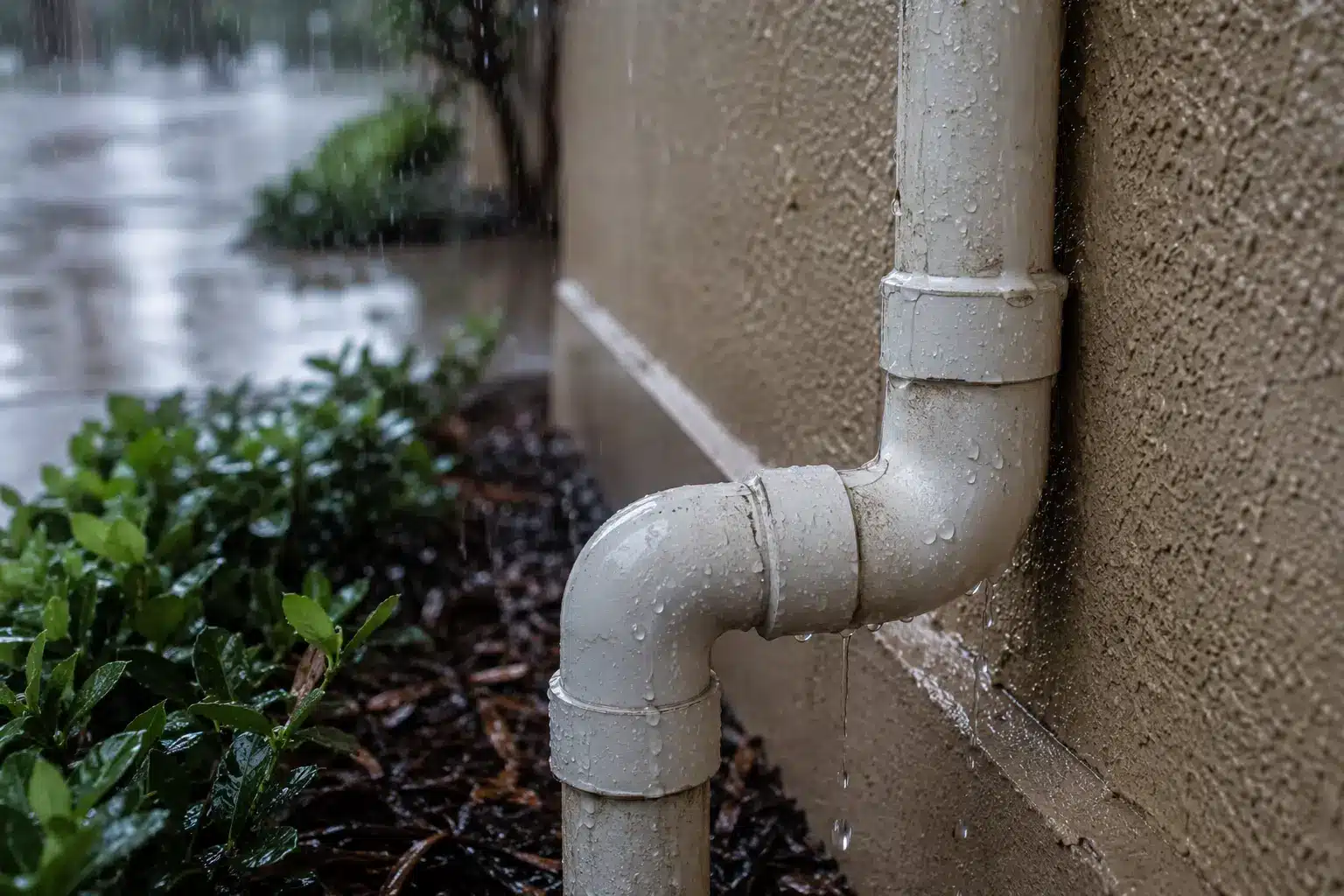
Your plumbing system relies on vent pipes to regulate air pressure and safely direct sewer gases outside your home.
If a vent pipe becomes blocked by leaves, debris, or even animal nests, sewer gases may be forced back through your drains, resulting in unpleasant odors throughout the property.
Because vent pipes are typically located on the roof, professional inspection is often the safest way to identify and resolve the problem.
5. Sewer Line Problems
Persistent drain odors throughout the home may indicate a more serious issue with your sewer line.
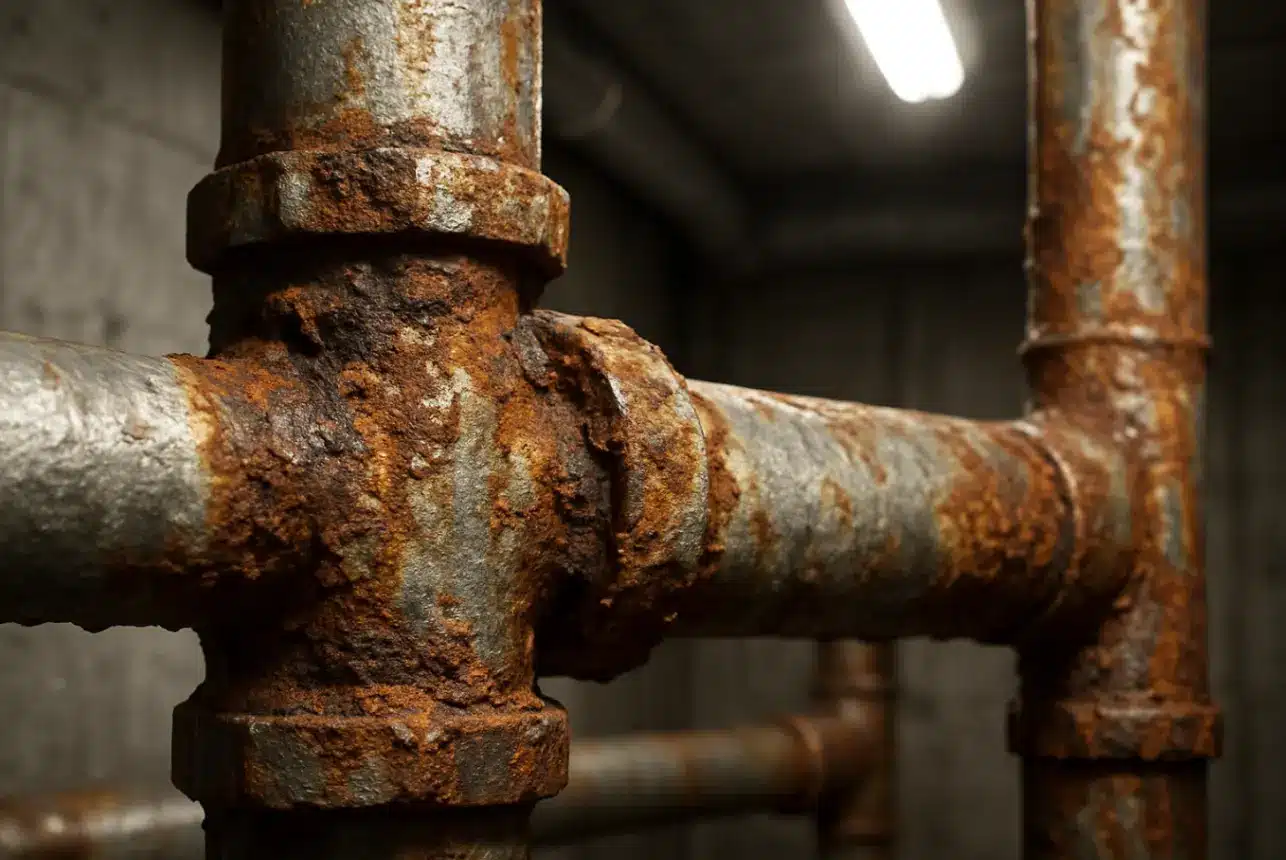
Cracked pipes, root intrusion, blockages, or damaged sewer lines can allow sewer gases to escape into your plumbing system. If multiple drains smell at the same time or you’re also experiencing slow drains or backups, it’s important to schedule a professional plumbing inspection.
6. Mold or Bacteria Growth
Moist environments create ideal conditions for mold and bacteria to grow inside drains and surrounding plumbing components.
If the odor has a musty smell rather than a sewer smell, microbial growth may be the culprit. Cleaning visible surfaces may help temporarily, but professional cleaning may be needed if the growth extends deeper into the plumbing system.
7. Damaged or Loose Drain Pipes
Cracked, loose, or improperly sealed drain pipes can allow sewer gases to escape before wastewater reaches the sewer system.
Because these leaks often occur behind walls, beneath cabinets, or under floors, they can be difficult to identify without a professional inspection.
When Should You Call a Professional?
While occasional drain odors can often be resolved with basic cleaning, persistent or recurring smells usually indicate a larger plumbing issue.
It’s time to contact a professional plumber if you notice:
- Odors returning after cleaning
- Multiple drains producing foul smells
- Slow-draining sinks or showers
- Frequent drain clogs
- Gurgling noises from drains
- Sewer odors inside or outside your property
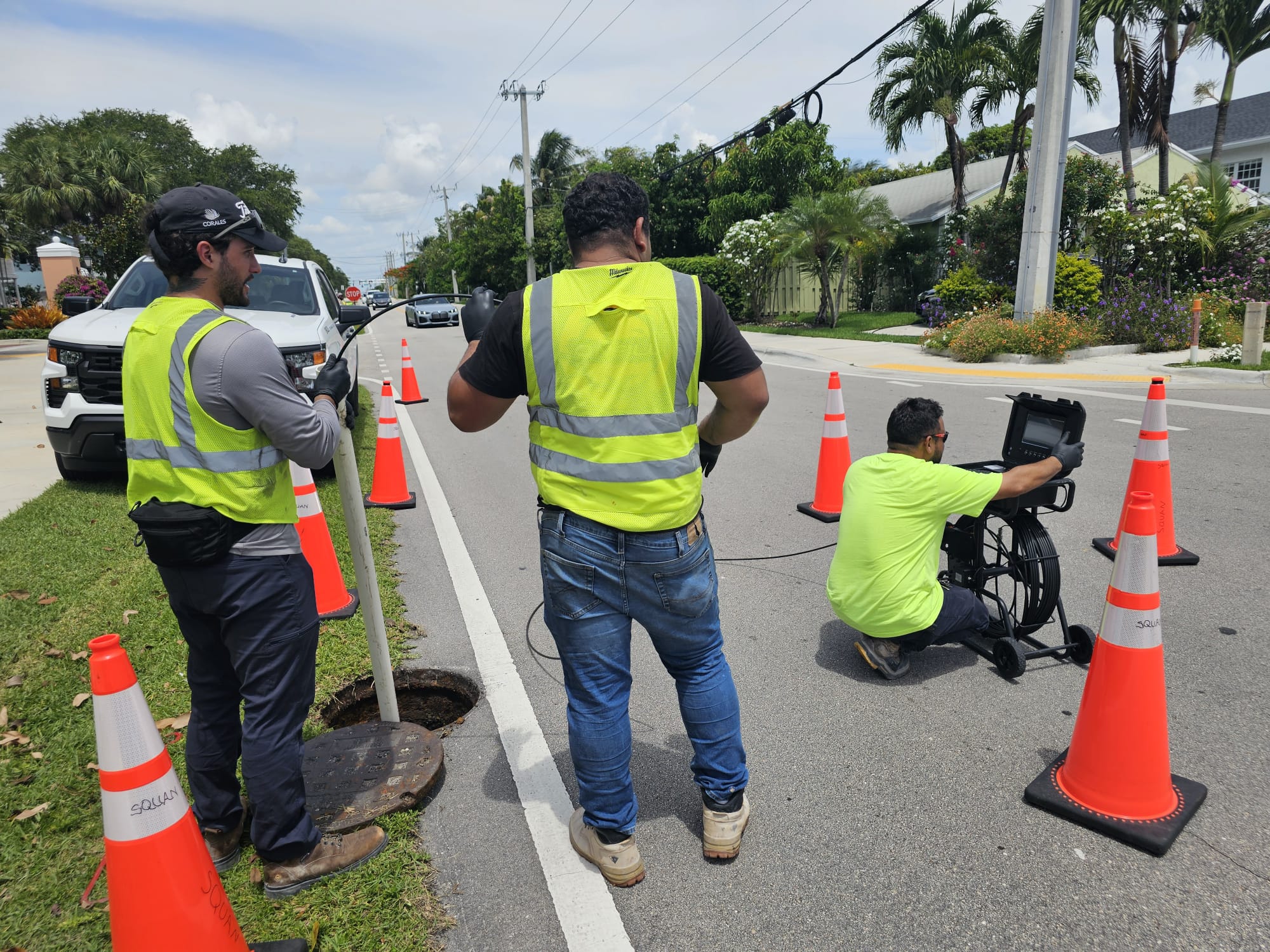
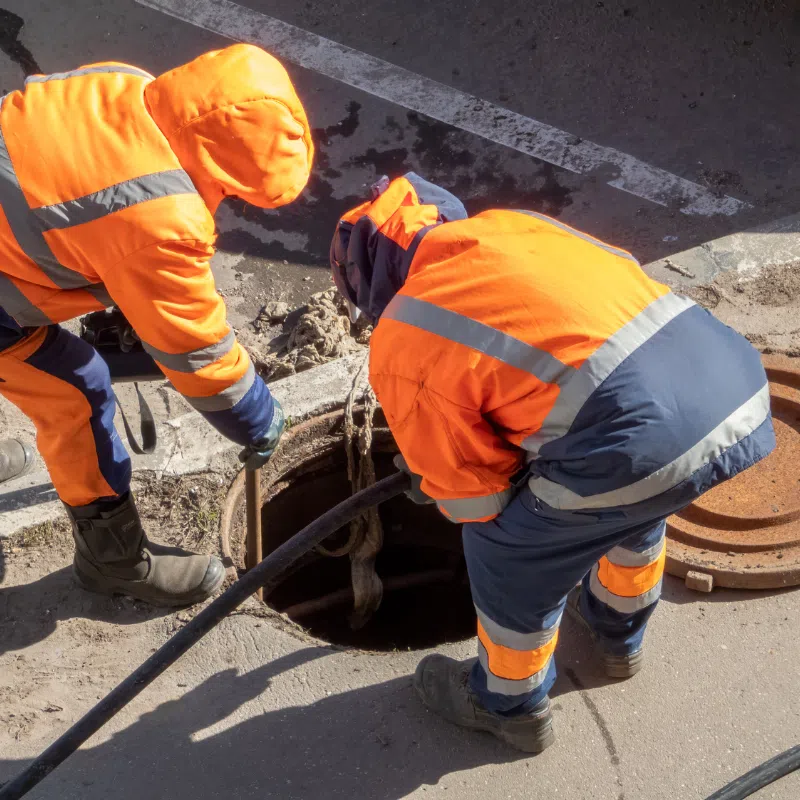
Professional diagnostic equipment, including drain camera inspections, can help locate hidden problems and identify the most effective solution.
How to Help Prevent Smelly Drains
Simple maintenance can reduce the likelihood of unpleasant drain odors.
Some good habits include:
- Avoid pouring grease or cooking oil down drains.
- Use drain strainers to catch food scraps and hair.
- Flush infrequently used drains with water regularly.
- Schedule routine drain cleaning if you experience recurring buildup.
- Have your plumbing system inspected if odors continue.
Preventive maintenance is often the easiest way to keep drains flowing properly and smelling clean.
Florida-Specific Plumbing Considerations
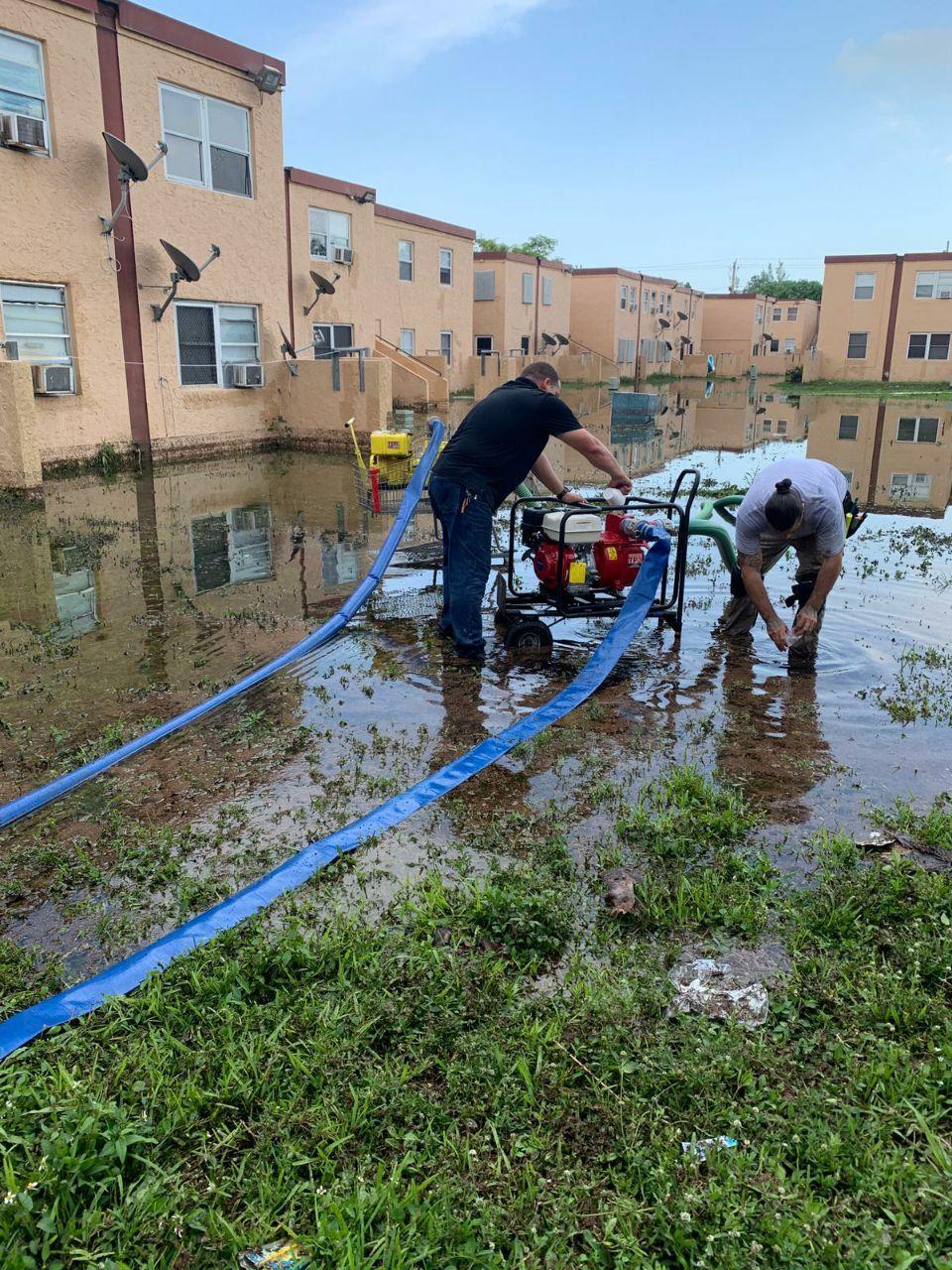
Florida’s warm, humid climate can contribute to faster bacterial growth inside drains, especially in kitchens and bathrooms. Additionally, heavy rainfall, mature tree roots, and aging underground plumbing systems can increase the likelihood of sewer line issues that produce unpleasant odors.
Routine plumbing maintenance and timely inspections are particularly important for Florida homeowners looking to prevent recurring drain problems.
Professional Drain Inspection and Cleaning Services
At AM Florida Builders, we help homeowners identify the source of persistent drain odors and provide professional plumbing solutions that go beyond temporary fixes. Whether the issue is caused by grease buildup, clogged drains, sewer line problems, or hidden pipe damage, our experienced team can diagnose the problem and recommend the most effective repair.
Using advanced diagnostic tools, including drain camera inspections when needed, we help restore proper drainage and eliminate unpleasant odors at the source.
Don’t Let Drain Odors Get Worse
Persistent drain odors are often your plumbing system’s way of signaling that something needs attention. Ignoring the smell can allow minor issues to develop into more expensive plumbing repairs over time.
If your drains continue to smell despite regular cleaning, scheduling a professional plumbing inspection can help identify the cause and restore your plumbing system to proper working condition.
Frequently Asked Questions
-
Why do my drains smell even after I clean them?
If drain odors return shortly after cleaning, the problem may be deeper within the plumbing system. Grease buildup, sewer line issues, clogged vent pipes, or hidden pipe damage often require professional inspection and repair.
-
Can a smelly drain indicate a sewer line problem?
Yes. Persistent sewer odors, especially from multiple drains, may indicate a blockage, damaged sewer pipe, or another issue within your sewer line that should be inspected by a professional plumber.
-
Should I use chemical drain cleaners to remove drain odors?
Chemical drain cleaners may temporarily reduce odors, but they often don't address the underlying cause and can damage pipes over time. Professional drain cleaning is typically a safer and more effective long-term solution.