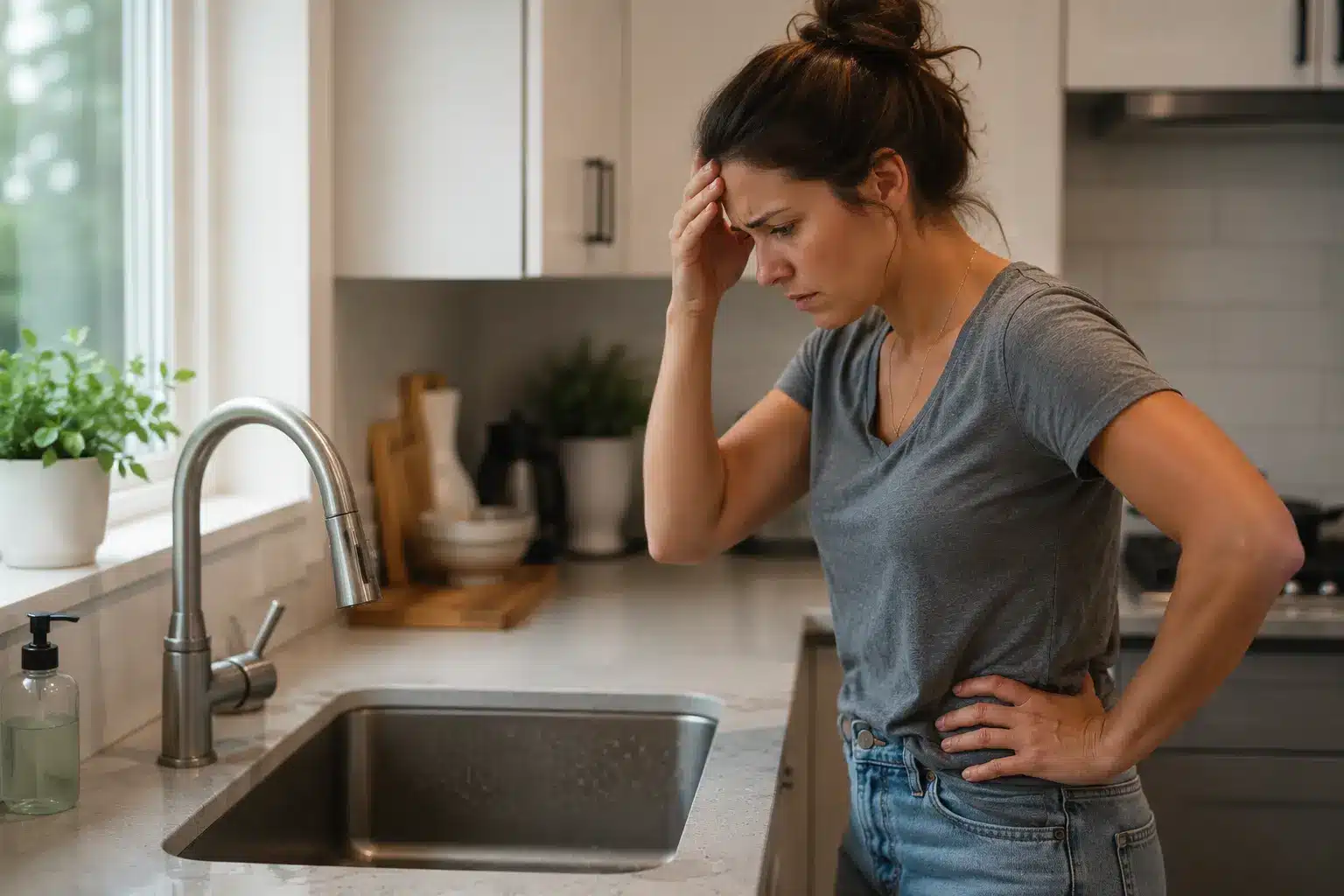
Plumbing emergencies have a way of happening at the worst possible time. A burst pipe, overflowing toilet, or sewage backup can quickly turn into water damage, property disruption, and an expensive repair if you don’t know what to do next.
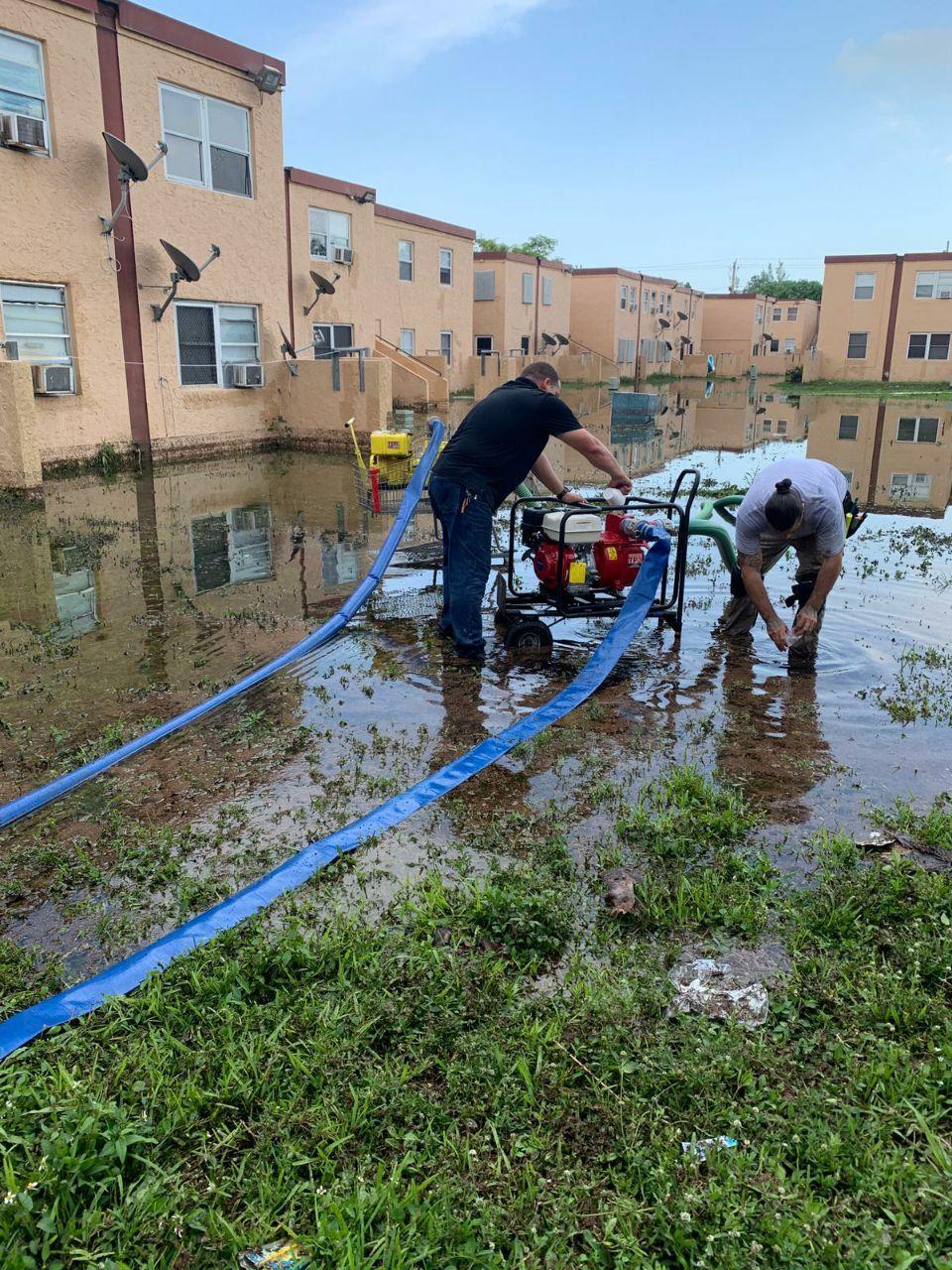
For homeowners, landlords, property managers, and businesses in Miami-Dade County, knowing how to respond to a plumbing emergency can make a big difference. Florida’s heat, heavy rainfall, aging properties, and mature landscaping can all contribute to plumbing problems that require immediate attention.
The good news is that you don’t always need to know exactly what’s wrong before calling a professional. What matters most is recognizing the warning signs, taking a few immediate steps to limit the damage, and getting the right help.
What Counts as a Plumbing Emergency?
Not every plumbing problem requires an emergency response. A faucet that drips occasionally or a slow drain can usually wait for a scheduled service appointment.
A plumbing emergency is different. It’s generally a problem that can cause significant water damage, create a health or safety concern, or leave your property without essential plumbing.
Some common examples include:
- Burst or severely leaking pipes
- Major water leaks
- Sewer backups
- Overflowing toilets
- No water throughout the property
- Severe drain blockages
- Water heater leaks
- Major loss of water pressure
When water is actively damaging your property or wastewater is backing up into your home or business, it’s time to act quickly.
What Should I Do If a Pipe Bursts?
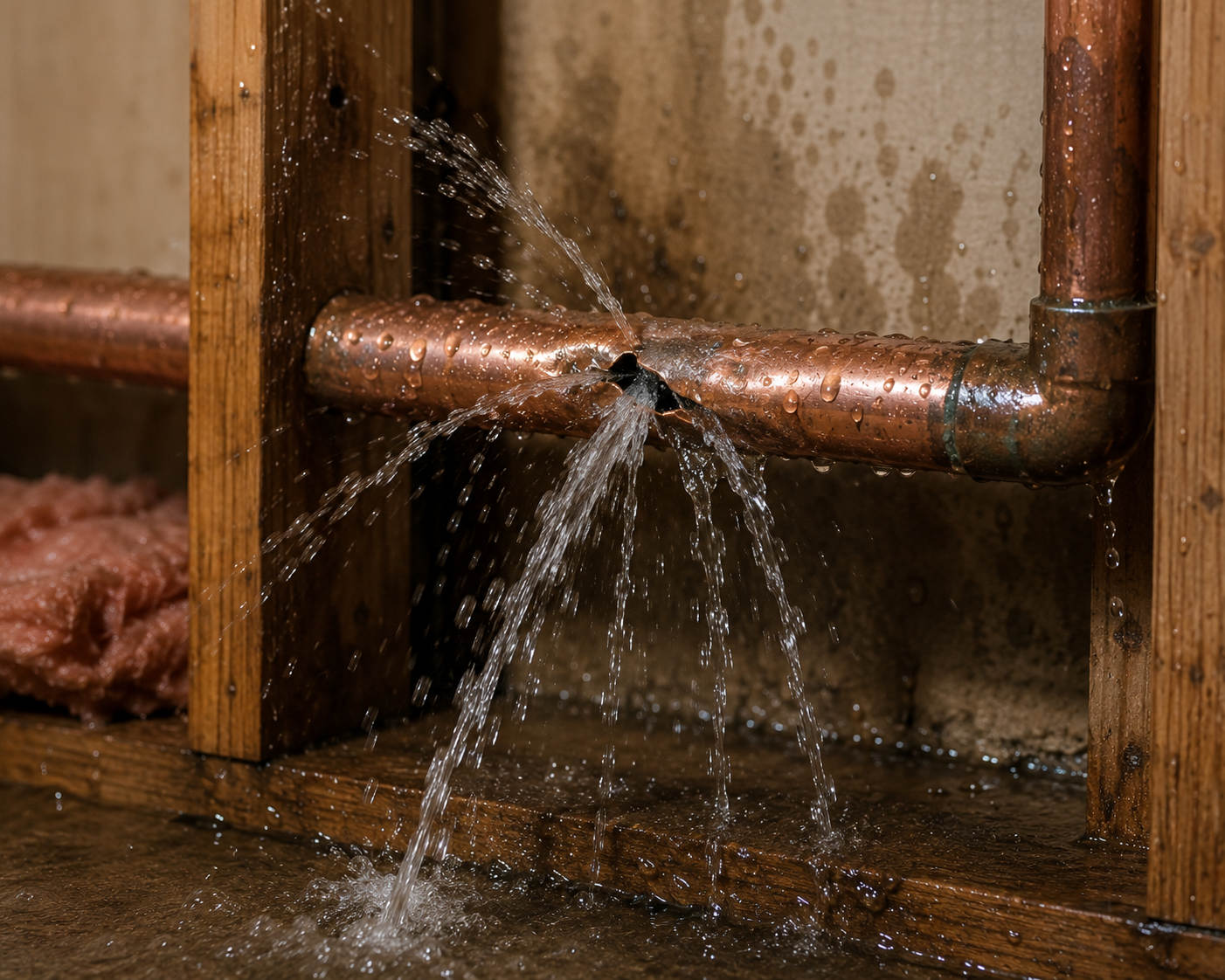
A burst pipe can release a significant amount of water in a short period of time. Your first priority should be stopping the water flow if you can do so safely.
If you know where your main water shut-off valve is, turn it off. Then move furniture, electronics, and other belongings away from the affected area if possible.
Don’t spend too much time trying to identify exactly where the pipe failed. Once the water is shut off, contact a professional plumber to locate the damaged section and determine whether the pipe can be repaired or needs to be replaced.
The faster the leak is contained, the less opportunity there is for water to damage walls, flooring, cabinets, or other parts of the property.
What If My Toilet Won’t Stop Overflowing?
An overflowing toilet can quickly become a messy and potentially unsanitary situation.
If the toilet is still filling, shut off the water supply using the valve located near the base of the toilet. Avoid flushing it again until the problem has been evaluated.
A simple clog may be the cause, but an overflowing toilet can also indicate a larger blockage in the drain or sewer line. If other drains or toilets are backing up at the same time, don’t assume it’s just a problem with one fixture.
A professional plumber can determine whether the issue is isolated to the toilet or connected to the property’s larger drainage system. If you need professional help with your toilet problem, let us help you out!
What Should I Do About a Sewer Backup?
A sewer backup is one of the plumbing emergencies you should take seriously.
If wastewater is coming back through a toilet, shower, bathtub, floor drain, or sink, avoid contact with it whenever possible. Sewage can contain harmful contaminants and should be handled carefully.
Stop using plumbing fixtures if doing so could make the backup worse, and contact a professional plumber.
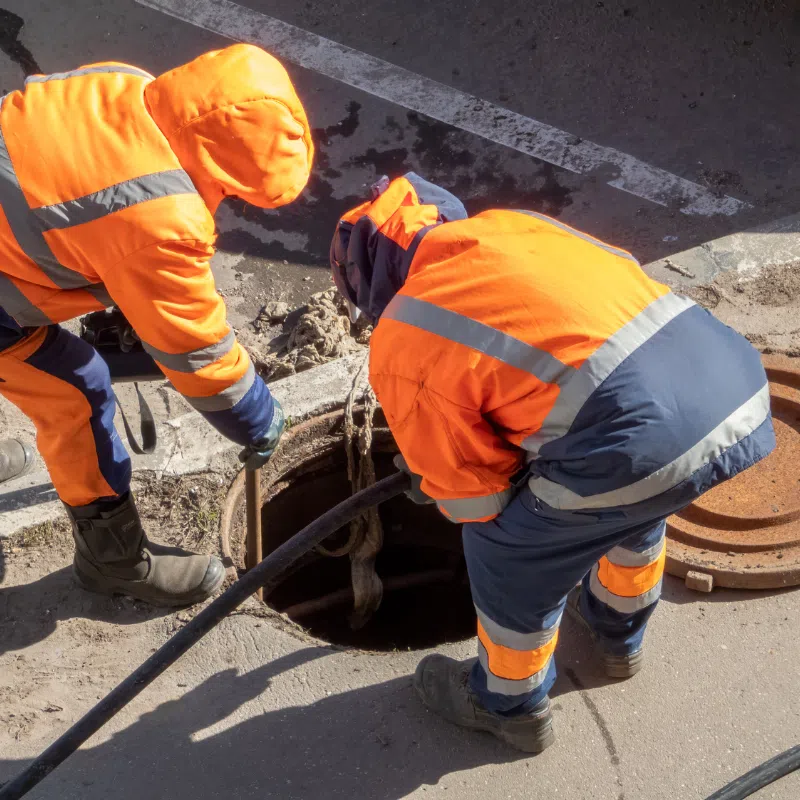
A sewer backup may be caused by a blockage, tree root intrusion, damaged piping, or a problem with the main sewer line. Simply clearing the visible water won’t address the underlying issue.
Why Is Water Suddenly Coming Up From My Drains?
If water is coming up through a drain instead of going down it, something is preventing wastewater from flowing properly.
This can happen when a drain is severely clogged, but if multiple fixtures are affected, the problem may be farther down the system.
For example, you might notice water backing up into a bathtub when a toilet is flushed. That can be a sign that the blockage is located in a shared drain or sewer line rather than in the bathtub itself.
Recurring backups are a good reason to have the system professionally inspected rather than repeatedly treating individual drains.
What If I Suddenly Lose Water Pressure?
A sudden change in water pressure can be frustrating, but it isn’t always an emergency.
If the pressure is low at just one faucet, the issue may be a clogged aerator or fixture. But if water pressure drops throughout the property, there could be a problem with the main water line, a leak, or another part of the plumbing system.
A sudden and significant pressure drop combined with wet spots, unusual sounds, or an unexplained increase in water usage should be investigated promptly.
Can a Water Heater Leak Become an Emergency?
Yes. Water heaters contain a significant amount of water, so a leaking or failing unit can cause considerable damage if the problem isn’t addressed.
Look for water pooling around the base of the unit, corrosion, leaking connections, or unusual changes in water temperature.
If you discover a major water heater leak, shut off the water supply to the unit if you can do so safely and contact a professional. Depending on the type of water heater and the nature of the problem, the solution may involve a repair or complete replacement.
Why Do Miami-Dade Properties Have Unique Plumbing Concerns?
Miami-Dade properties deal with environmental conditions that can put additional stress on plumbing systems.
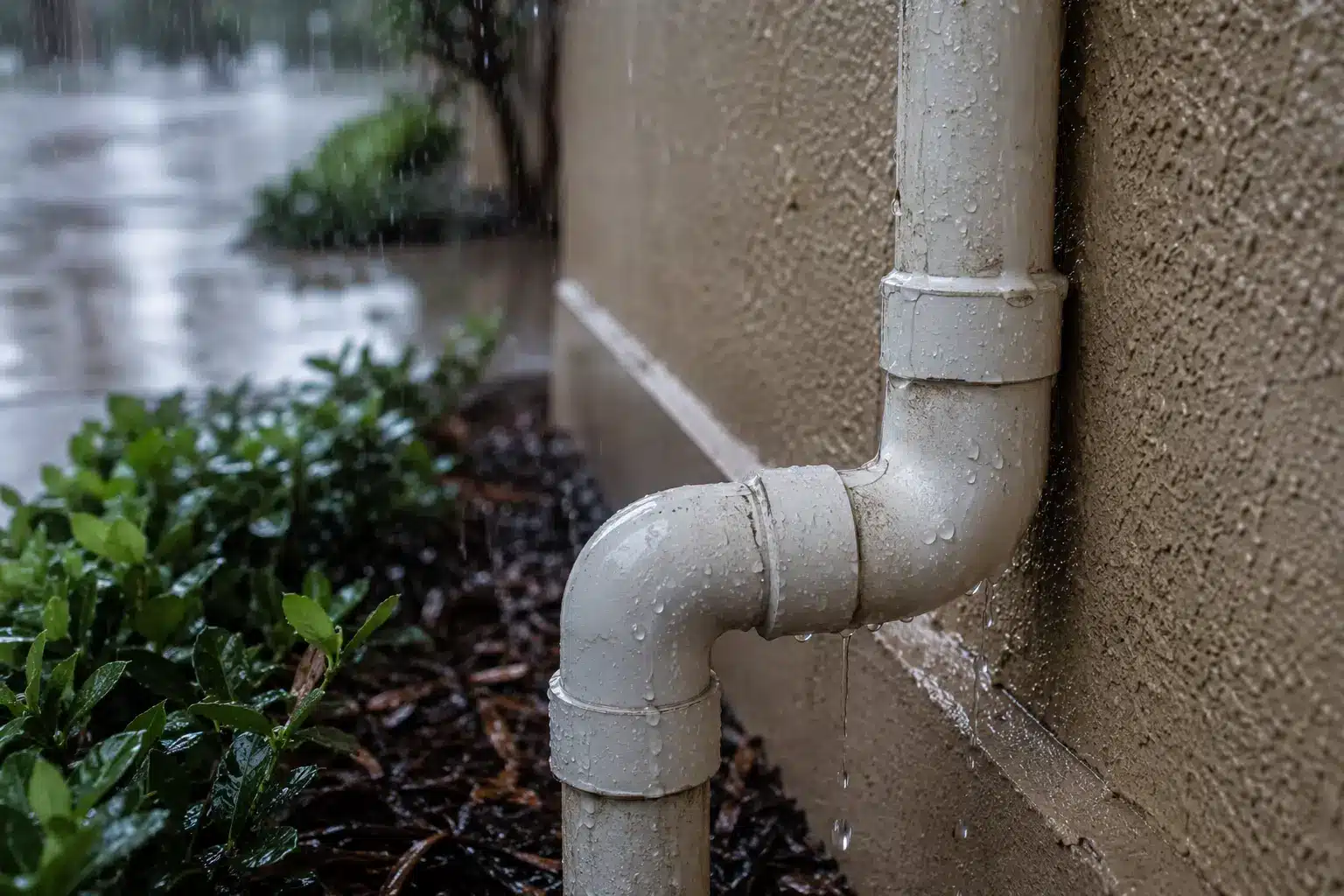
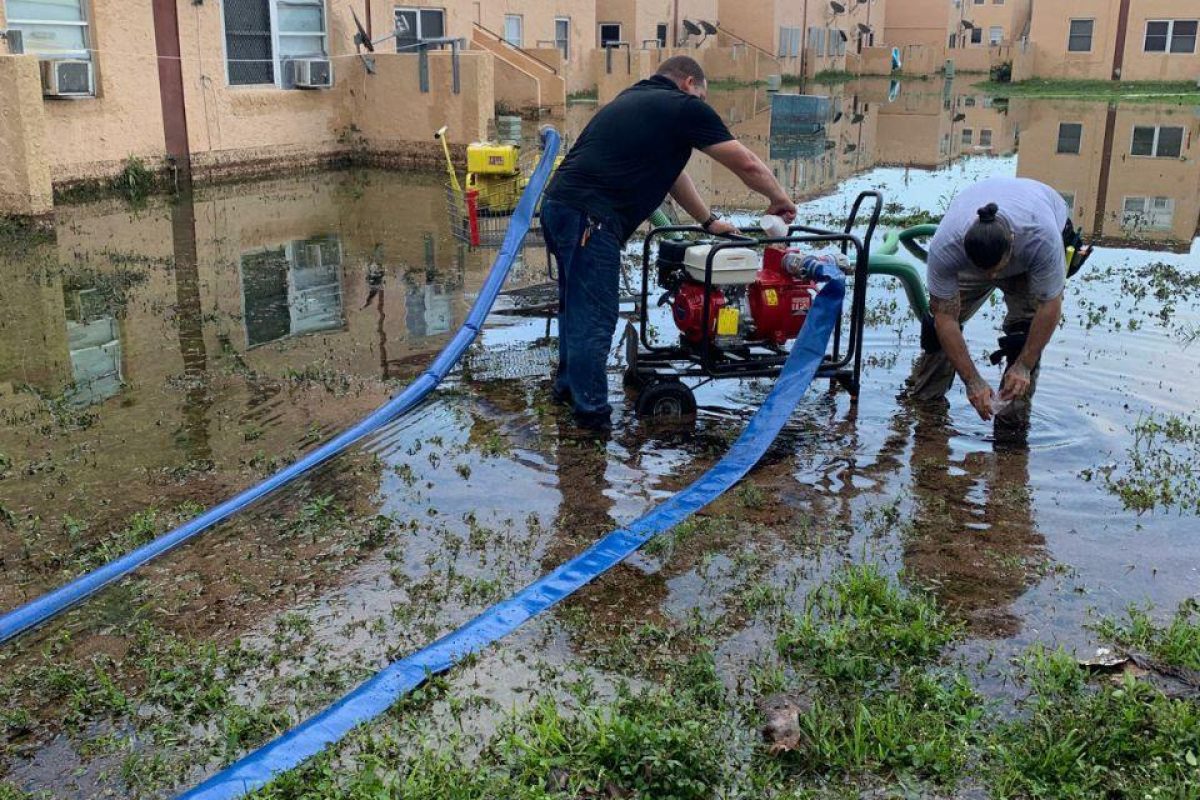
Heavy rainfall can affect drainage and underground plumbing, while Florida’s warm climate supports extensive tree and root growth. Those roots can eventually enter damaged sewer pipes and create blockages.
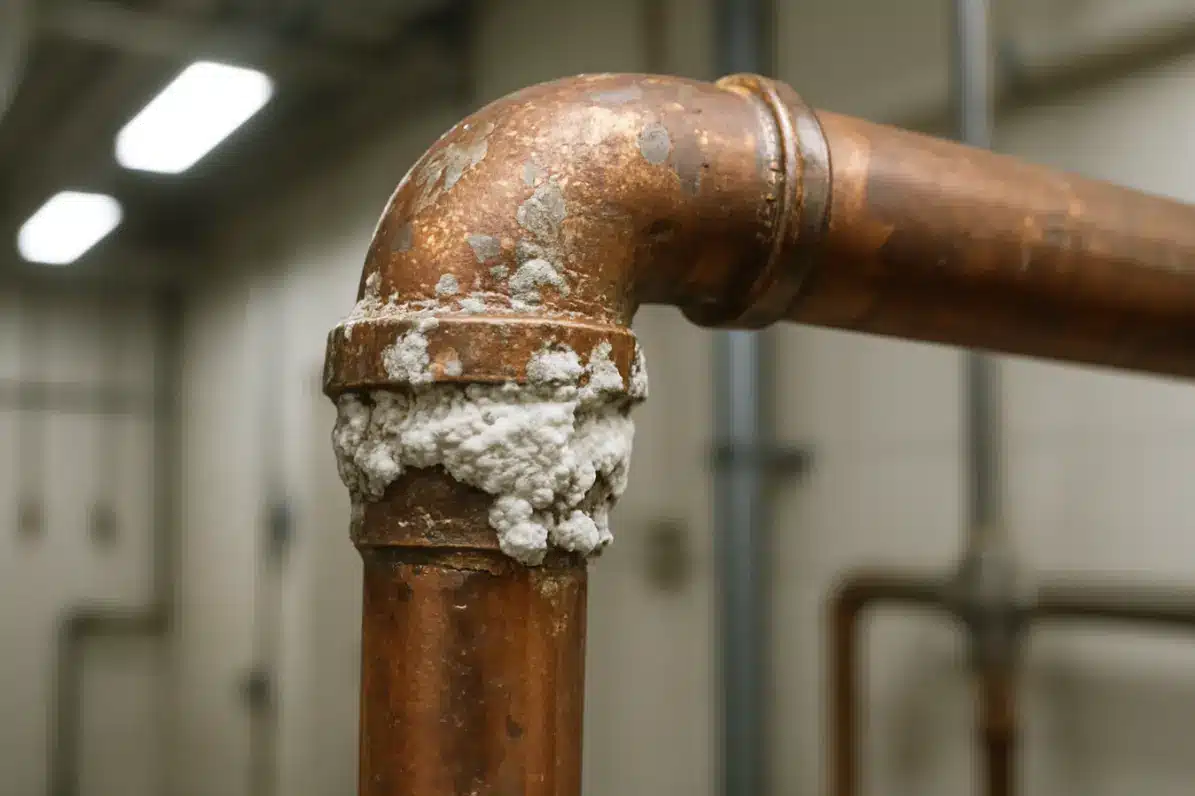
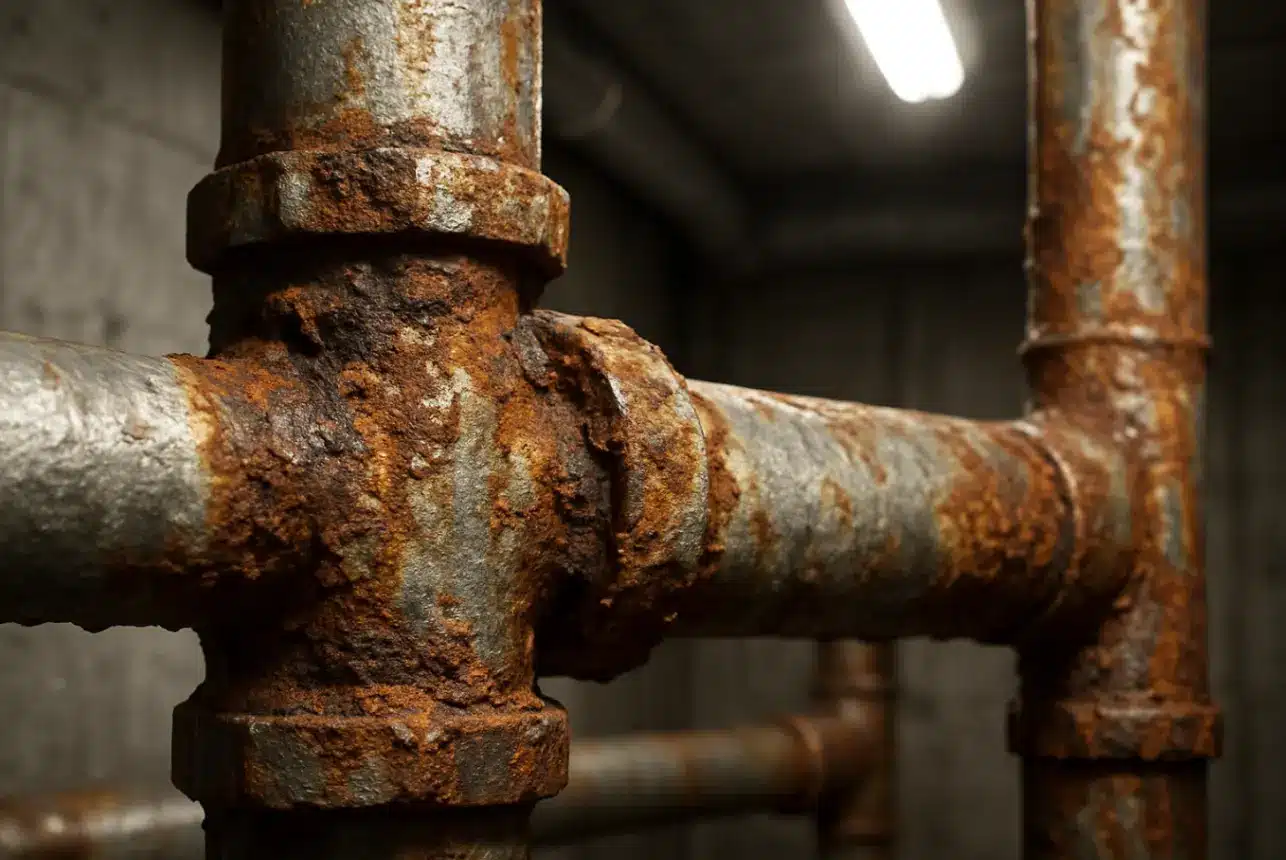
Older homes and commercial buildings can also have aging plumbing materials that are more susceptible to corrosion, leaks, and deterioration.
These factors don’t mean every property will experience a plumbing emergency. They do make regular maintenance and early repairs particularly valuable.
How Can I Prevent a Plumbing Emergency?
You can’t prevent every plumbing failure, but you can reduce the likelihood of major problems by paying attention to smaller warning signs.
Don’t ignore a drain that keeps clogging, a toilet that frequently backs up, or a water bill that suddenly increases. Those issues may seem minor today but could be early signs of a larger plumbing problem.
It’s also worth knowing where your main water shut-off valve is before an emergency happens. In a major leak, being able to stop the water quickly can help minimize damage while you’re waiting for professional assistance.
Regular plumbing inspections can also identify aging pipes, leaks, water pressure concerns, and other issues before they become emergencies.
When Should I Call a Professional Plumber?
If you’re unsure whether a plumbing problem is an emergency, it’s generally better to have it evaluated when there’s a risk of significant damage.
Call a professional if you’re dealing with:
- A burst or majorly leaking pipe
- A sewer backup
- Multiple blocked drains
- Persistent sewage odors
- Water pooling inside your property
- A significant water pressure change
- A leaking water heater
- Recurring plumbing failures
Trying to repeatedly clear a serious blockage or repair a damaged pipe yourself can sometimes make the problem worse. A professional can identify the cause and recommend a solution instead of simply treating the symptom.
Can a Drain Camera Inspection Help Find the Problem?
When the problem involves an underground drain or sewer line, it can be difficult to know what’s happening without looking inside the pipe.
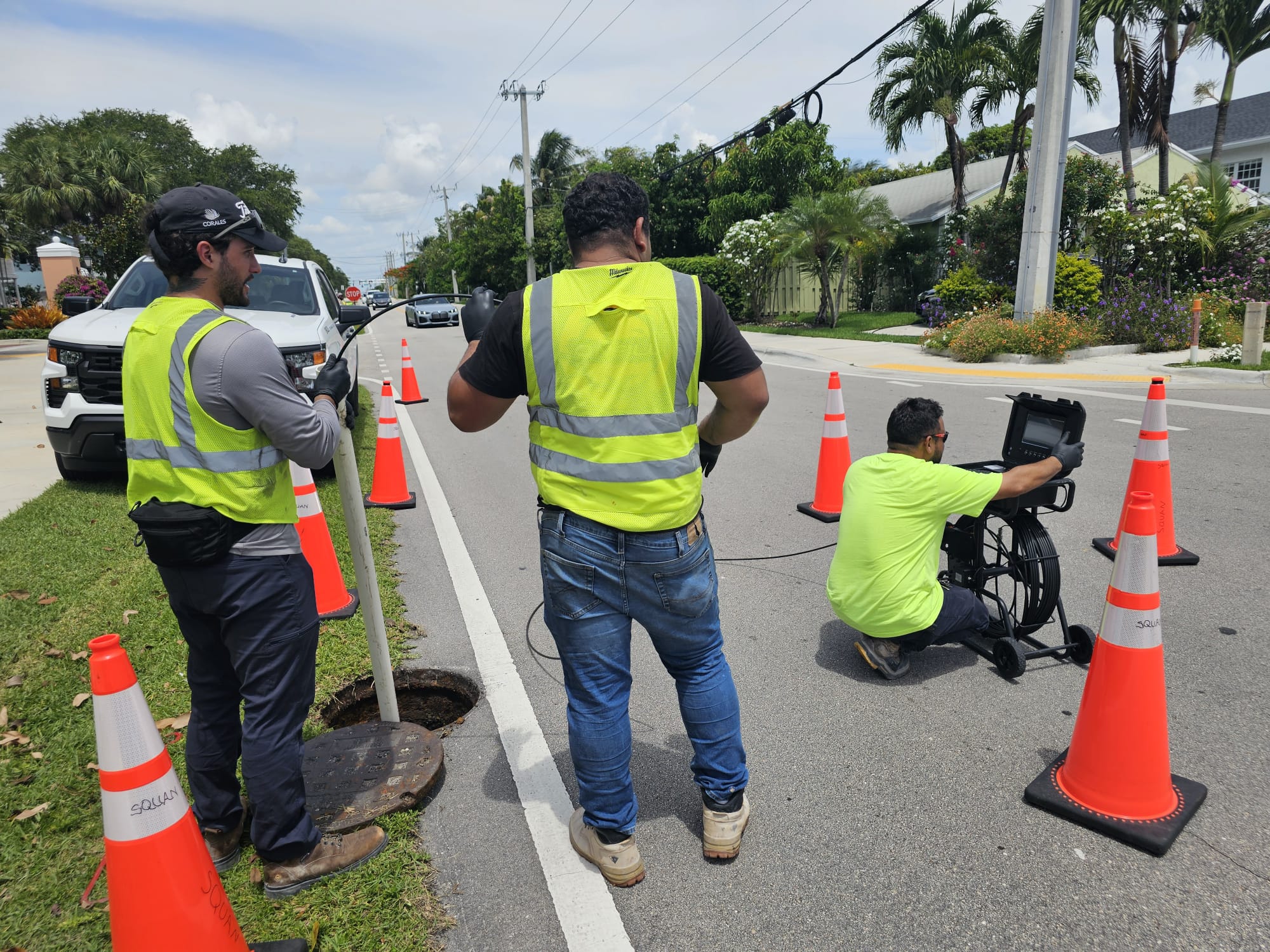
A drain camera inspection allows a plumber to examine the interior of the line and identify issues such as blockages, root intrusion, cracks, corrosion, or collapsed sections.
This can be particularly useful when a property has recurring clogs or backups. Instead of repeatedly clearing the same blockage, a camera inspection can help determine why it keeps happening.
How Can AM Florida Builders Help With Plumbing Emergencies?
At AM Florida Builders, we help homeowners, property managers, and businesses throughout Florida address plumbing problems before they become bigger disruptions.
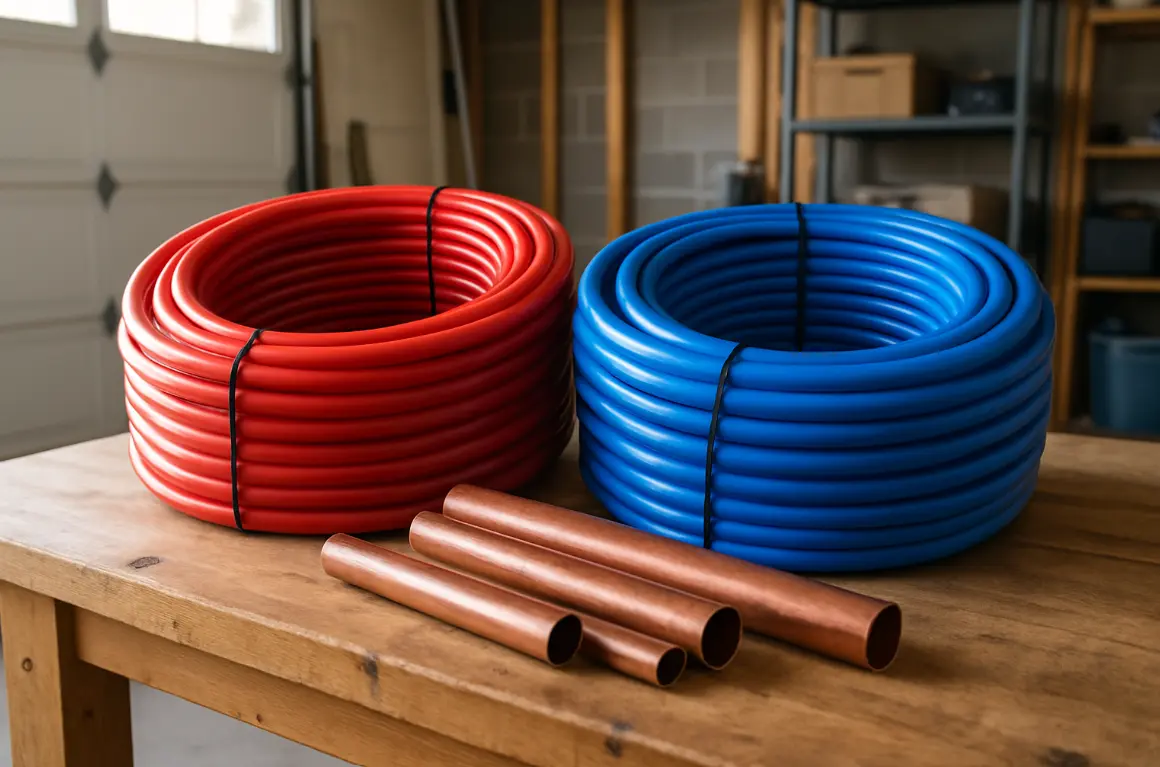
Our plumbing services cover a range of needs, including leak repairs, drain and sewer services, water line repairs, plumbing inspections, repiping, water heater services, and other plumbing repairs.
When an emergency happens, our goal is to identify the source of the problem and provide a practical repair—not simply offer a temporary fix that leaves the underlying issue unresolved.
If you’re dealing with a plumbing emergency in Miami-Dade County, getting professional help quickly can help limit damage and get your property back to normal.
What Should You Do Next?
When a plumbing emergency happens, don’t panic. Start by shutting off the water if it’s safe to do so, keep people away from contaminated water, and avoid using affected plumbing fixtures.
Then, contact a professional plumber who can assess the situation and determine the appropriate repair.
And if you’ve already noticed recurring clogs, leaks, sewer odors, or other warning signs, don’t wait for a full emergency to happen. Taking care of those problems now can be much easier—and less expensive—than dealing with the consequences later.
Frequently Asked Questions
-
What is the most common plumbing emergency in Miami-Dade County?
Burst pipes, major leaks, sewer backups, overflowing toilets, and severe drain blockages are among the plumbing emergencies that can require immediate professional attention. The specific cause can vary depending on the property's age, plumbing system, and condition.
-
Should I shut off my water during a plumbing emergency?
If there is a major leak or burst pipe, shutting off the property's main water supply can help limit water damage. Make sure you know where the shut-off valve is located before an emergency occurs, and contact a professional plumber for assistance.
-
Can recurring clogs be a sign of a bigger plumbing problem?
Yes. A drain that repeatedly clogs may have a deeper blockage, damaged pipe, root intrusion, or sewer line problem. If the same issue keeps returning, a professional inspection or drain camera inspection can help identify the underlying cause.
Contents
- 1. What Counts as a Plumbing Emergency?
- 2. What Should I Do If a Pipe Bursts?
- 3. What If My Toilet Won’t Stop Overflowing?
- 4. What Should I Do About a Sewer Backup?
- 5. Why Is Water Suddenly Coming Up From My Drains?
- 6. What If I Suddenly Lose Water Pressure?
- 7. Can a Water Heater Leak Become an Emergency?
- 8. Why Do Miami-Dade Properties Have Unique Plumbing Concerns?
- 9. How Can I Prevent a Plumbing Emergency?
- 10. When Should I Call a Professional Plumber?
- 11. Can a Drain Camera Inspection Help Find the Problem?
- 12. How Can AM Florida Builders Help With Plumbing Emergencies?
- 13. What Should You Do Next?
- 14. Frequently Asked Questions