Water pipe leaks waste thousands of gallons annually and can cause serious structural damage if left untreated. Catching and addressing a leak early is the most effective way to protect your home and keep repair costs manageable.
Key Takeaways
- Even a small drip can waste over 3,000 gallons of water per year, according to the EPA.
- The most common leak sources are pipe joints, corroded sections, and connections near fixtures.
- DIY fixes like pipe tape and epoxy putty work for minor leaks, but they are temporary solutions.
- Persistent or hidden leaks almost always require a licensed plumber to prevent long-term damage.
- Water pressure above 80 psi is a leading cause of pipe stress and premature leaks.
- Acting within the first 24 to 48 hours of spotting a leak dramatically reduces repair costs.
Why Pipe Leaks Are More Serious Than They Look
A small wet spot on the wall or a slightly damp cabinet under the sink might not seem urgent. But water damage in the United States costs homeowners an average of $11,000 per incident when it involves interior leaks, according to the Insurance Information Institute. That number climbs fast when structural materials like drywall, subflooring, or insulation absorb moisture over time.
Beyond the cost, hidden leaks fuel mold growth. The CDC recognizes mold as a significant indoor air quality concern, particularly for people with respiratory conditions. In humid states like Florida, mold can develop within 24 to 48 hours of water exposure. Treating a mold remediation job adds thousands of dollars on top of plumbing repairs.
Another issue many homeowners overlook is water pressure. If your home’s water pressure consistently runs above 80 psi, pipes are under chronic stress. Installing a pressure-reducing valve (PRV) near your main shutoff costs roughly $200 to $400 installed and protects every pipe in your home from premature wear.
How to Detect a Pipe Leak in Your Home
Before you can stop water pipe leaks, you have to find them. Some are obvious, dripping from an exposed pipe or leaving a stain on the ceiling. Others hide inside walls, under slabs, or beneath the yard.
Here are the most reliable detection methods:
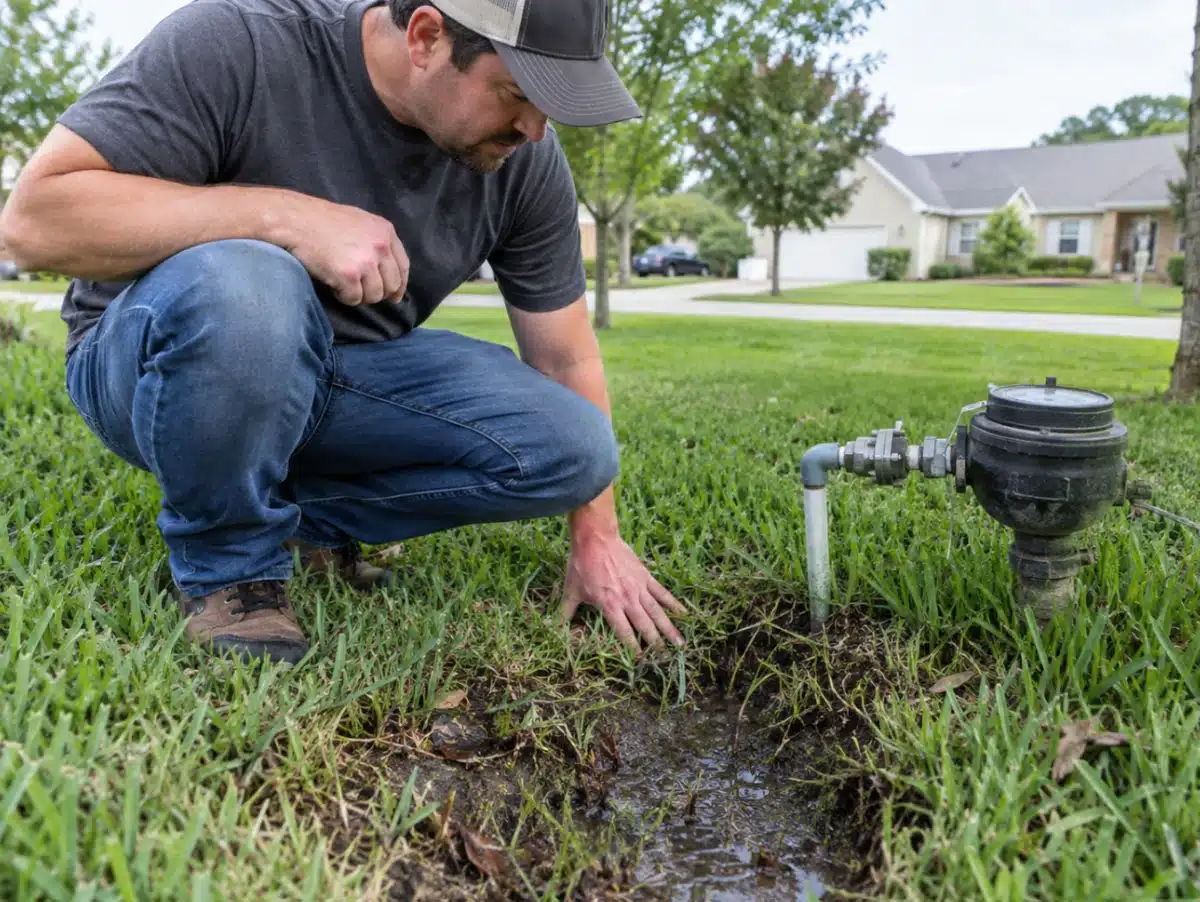
- Check your water meter. Turn off all water in the house, then watch your meter for 15 minutes. If the dial moves, water is flowing somewhere it should not be.
- Look for discoloration. Yellow or brown stains on ceilings and walls are classic signs of a slow leak above that surface.
- Feel for soft spots. Press gently on drywall or flooring near plumbing routes. Soft or spongy material indicates moisture accumulation.
- Listen at night. When the house is quiet, a hissing or dripping sound near walls often points to a pressurized leak inside.
- Use a moisture meter. Available at hardware stores for around $20 to $50, these tools detect elevated moisture inside walls without cutting into drywall.
If your water bill spikes suddenly without an obvious explanation, that is a strong indicator of a hidden leak worth investigating.
DIY Fixes That Work (and Their Limits)
For minor, accessible leaks, a few temporary fixes can stop the damage while you arrange for a permanent repair.
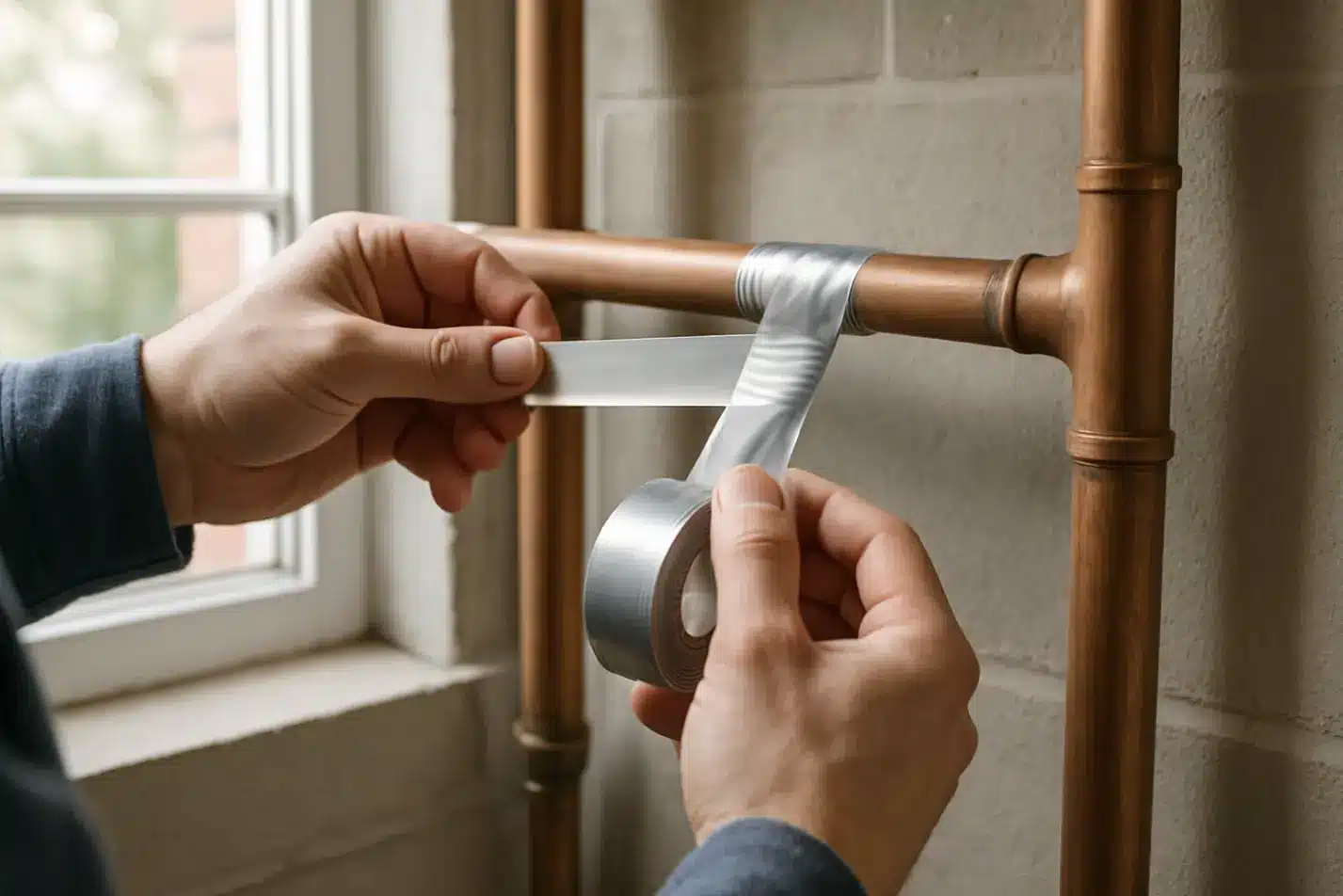
Pipe repair tape (silicone self-fusing tape) works on small pinhole leaks in straight sections of pipe. Wrap it tightly in overlapping layers while the pipe is dry. This is rated to handle standard residential water pressure but is not a permanent solution.
Epoxy putty can patch cracked or corroded spots. You mix two components together and press the compound around the damaged area. It hardens within 30 minutes and can handle temperatures up to 300°F. It works on copper, PVC, and steel pipe.
Pipe clamps with a rubber gasket are sold at most hardware stores for under $15 and provide a stronger temporary hold on a split or cracked pipe. They are particularly useful on straight sections of galvanized or copper pipe.
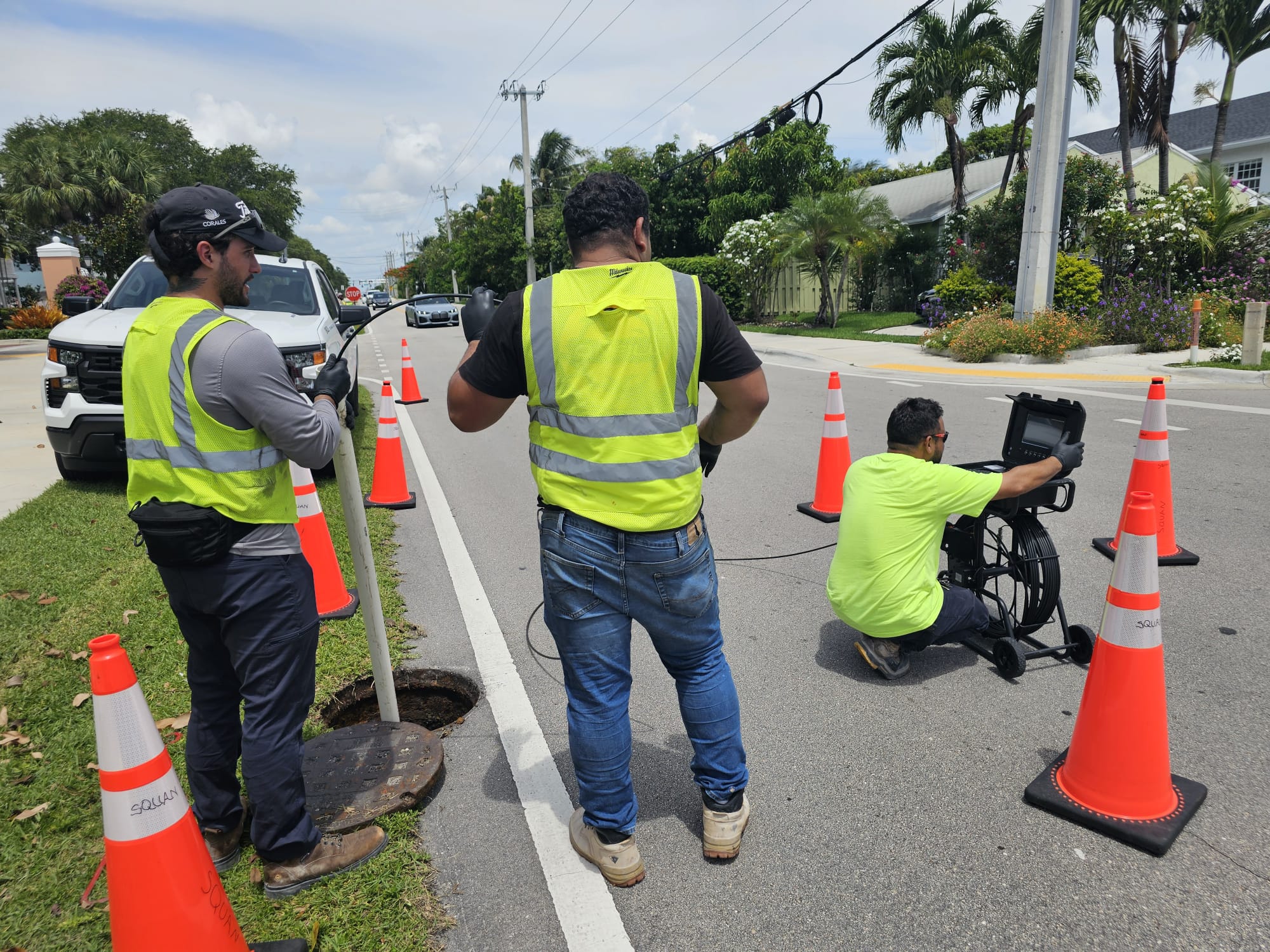
The key word across all these fixes is temporary. Epoxy fails under repeated pressure cycles. Tape degrades with heat and moisture. These methods buy you time, not a permanent repair. If the leak is at a joint, behind a wall, or involves a corroded section longer than a few inches, contact a licensed plumber.
For homeowners dealing with damaged or aging supply lines, professional water line installation repairs are a much safer long-term investment than patching and hoping.
When to Call a Professional (and What to Expect)
Certain situations make DIY repairs impractical or outright dangerous. You should call a licensed plumber when:
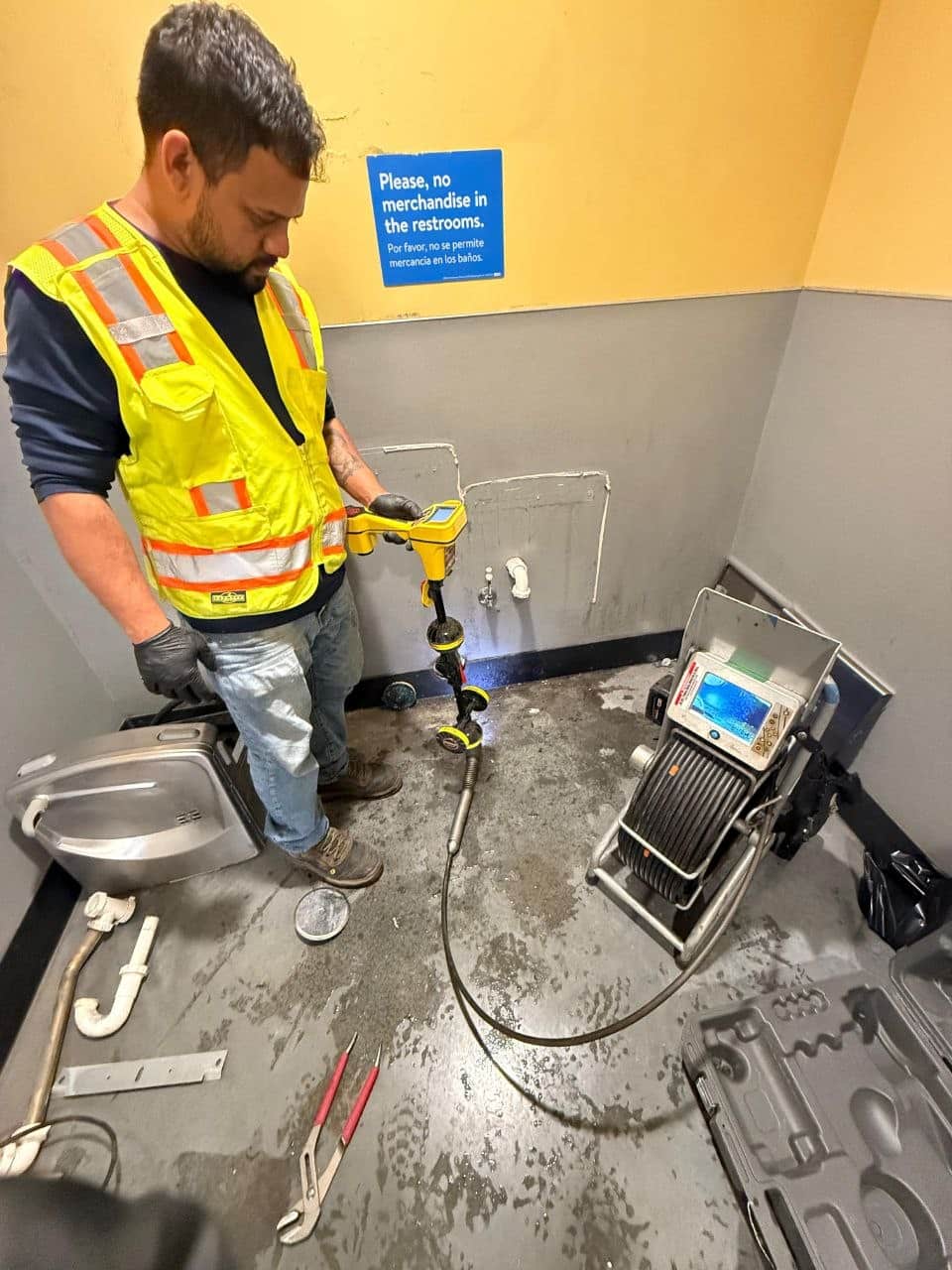
- The leak is inside a wall, ceiling, or under a concrete slab.
- Multiple fixtures are losing pressure simultaneously.
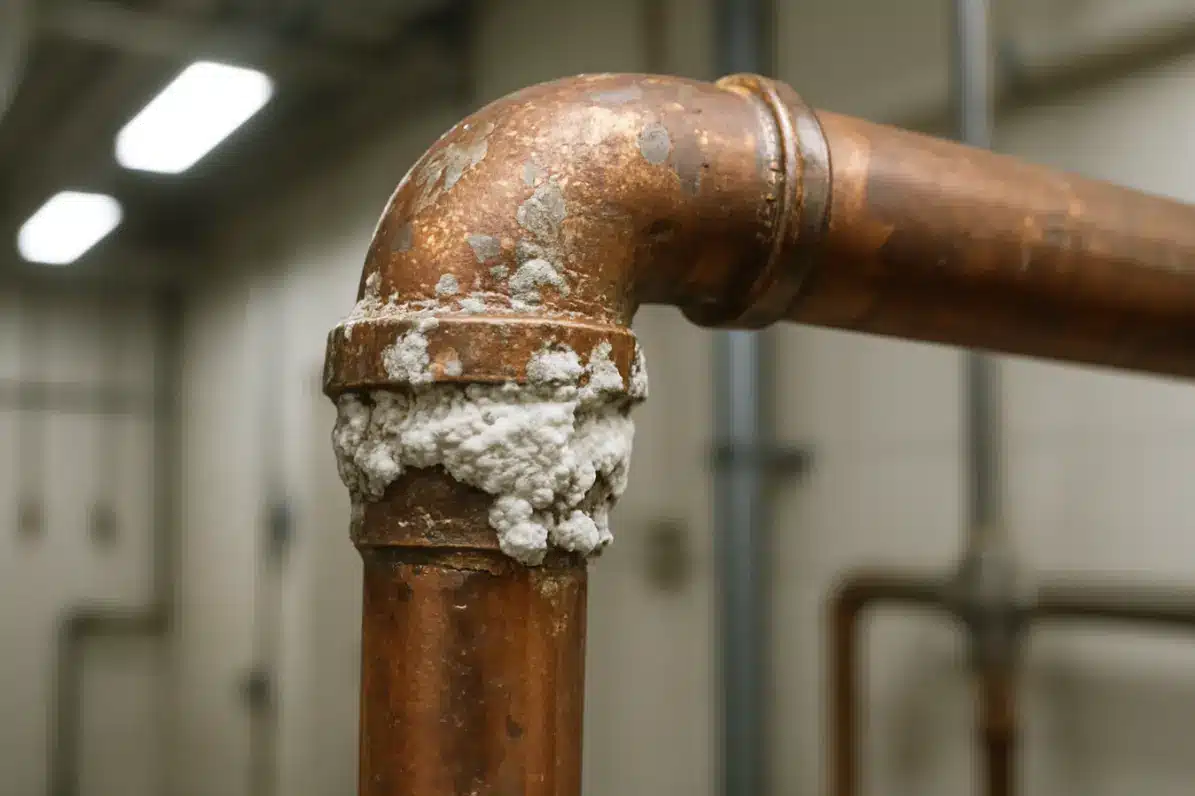
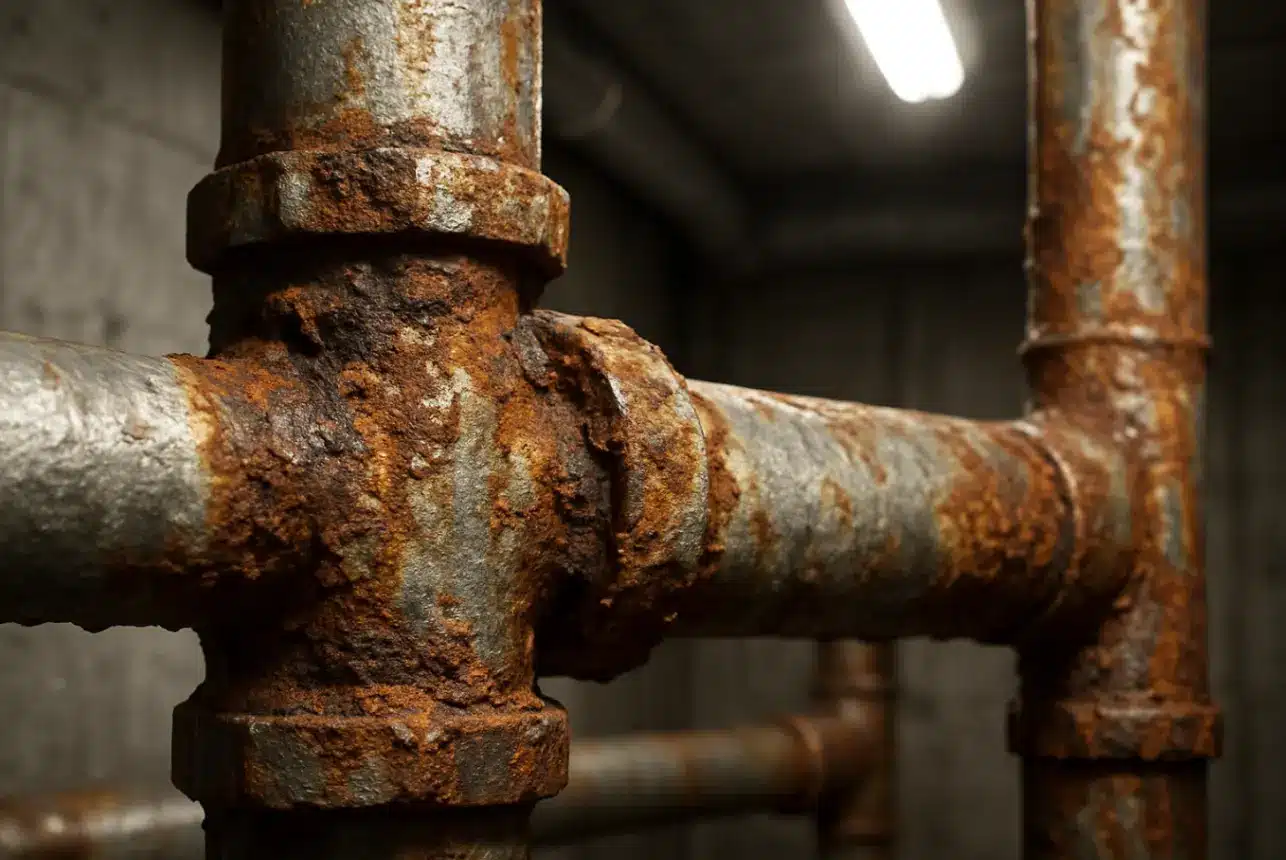
- The pipe material is galvanized steel, which corrodes from the inside out.
- You see signs of water damage that have been present for more than a few days.
- A previous repair has already failed once.