- A commercial plumbing inspection helps identify hidden problems before they turn into costly emergencies.
- Recurring issues like drain backups, low water pressure, and sewer odors often indicate larger plumbing system concerns.
- Professional inspections can uncover aging pipes, hidden leaks, fixture failures, and code compliance issues.
- Regular inspections help property owners plan maintenance, reduce unexpected downtime, and protect their investment.
- Addressing plumbing issues early is often far less disruptive than responding to an emergency repair.
Common Plumbing Issues Found During a Commercial Plumbing InspectionĀ
Most people see a plumbing issue.
Experienced property managers, facility managers, and commercial property owners often see something else: a pattern.
A drain backs up. A tenant reports low water pressure. A restroom fixture keeps leaking. An unpleasant sewer odor comes and goes.
Individually, these may not seem like major concerns. They’re often treated as isolated maintenance requests and quickly repaired. But when the same types of problems continue to appear, they usually reveal more about the plumbing system than the service call itself.
One thing we’ve noticed throughout our commercial plumbing projects is that plumbing emergencies rarely happen without warning. In many commercial buildings, there are signs long before a pipe fails or a sewer line backs up. The challenge is recognizing those warning signs early enough to investigate the root cause instead of continuously reacting to symptoms.
That’s exactly what a commercial plumbing inspection is designed to do.
Rather than waiting for a major failure that disrupts business operations, a professional inspection provides a clearer picture of your plumbing system’s overall condition. It helps identify existing issues, detect hidden problems, and prioritize repairs before they become expensive emergencies.
Whether you’re purchasing a commercial property, managing multiple buildings, preparing for renovations, or simply planning preventative maintenance, understanding what inspectors commonly find can help you make informed decisions about your property.
What Does a Commercial Plumbing Inspection Include?
A commercial plumbing inspection evaluates the condition, safety, and performance of a building’s plumbing system to identify current problems and potential future failures before they disrupt operations.
Unlike a basic service call that focuses on a single plumbing issue, an inspection looks at how the plumbing system functions as a whole. The goal is to identify deficiencies, signs of deterioration, and maintenance concerns that may not yet be causing obvious symptoms.
Depending on the property’s size, age, and plumbing configuration, a commercial plumbing inspection may include:
- Water supply lines
- Drain and sewer piping
- Plumbing fixtures and valves
- Water heaters and associated equipment
- Visible leaks and signs of water damage
- Water pressure concerns
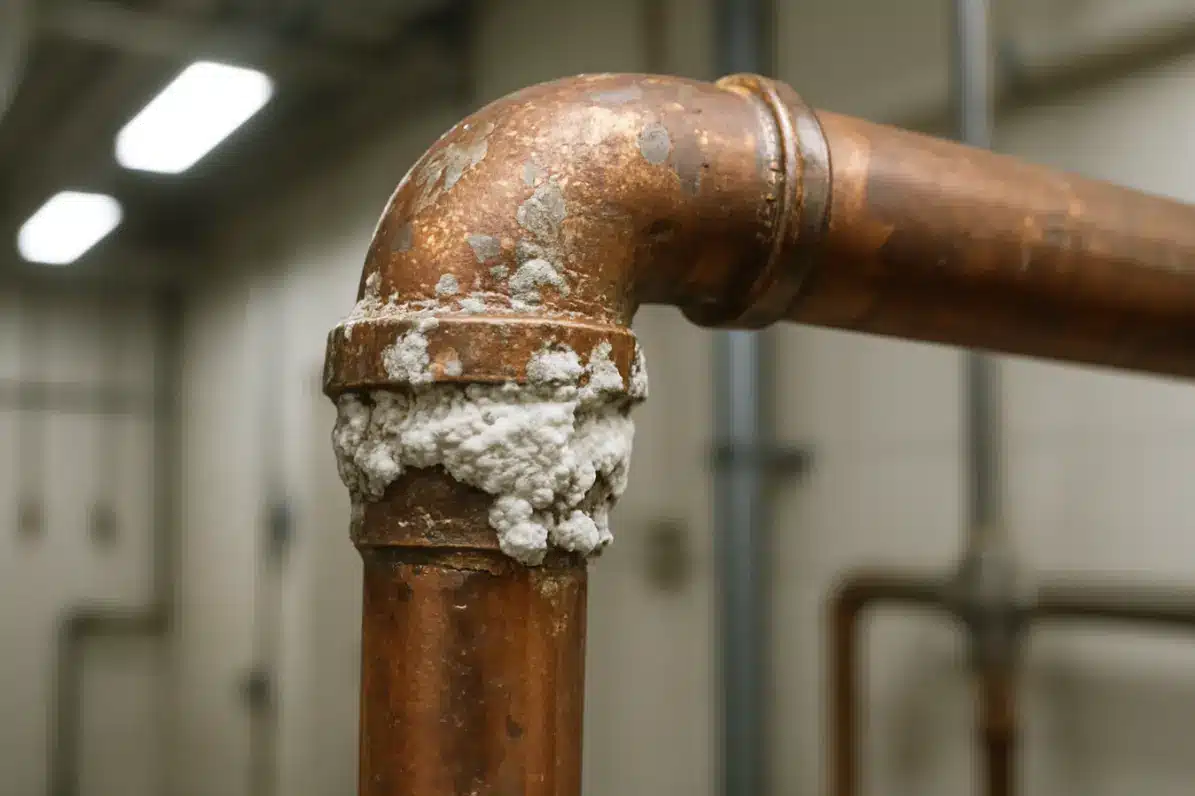
- Pipe corrosion or deterioration
- Drainage performance
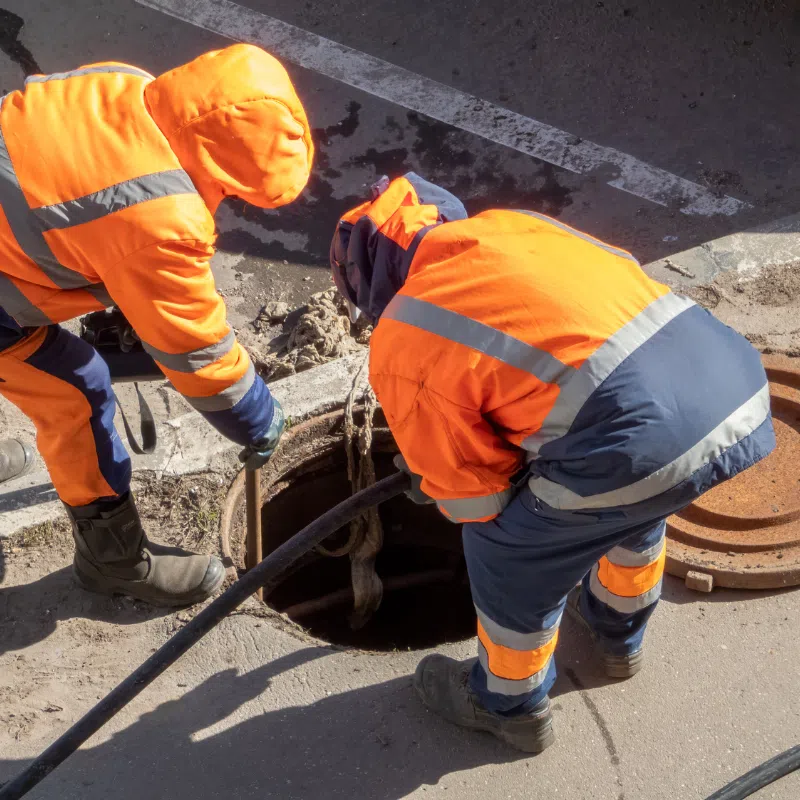
- Accessible cleanouts
- General plumbing code and safety observations
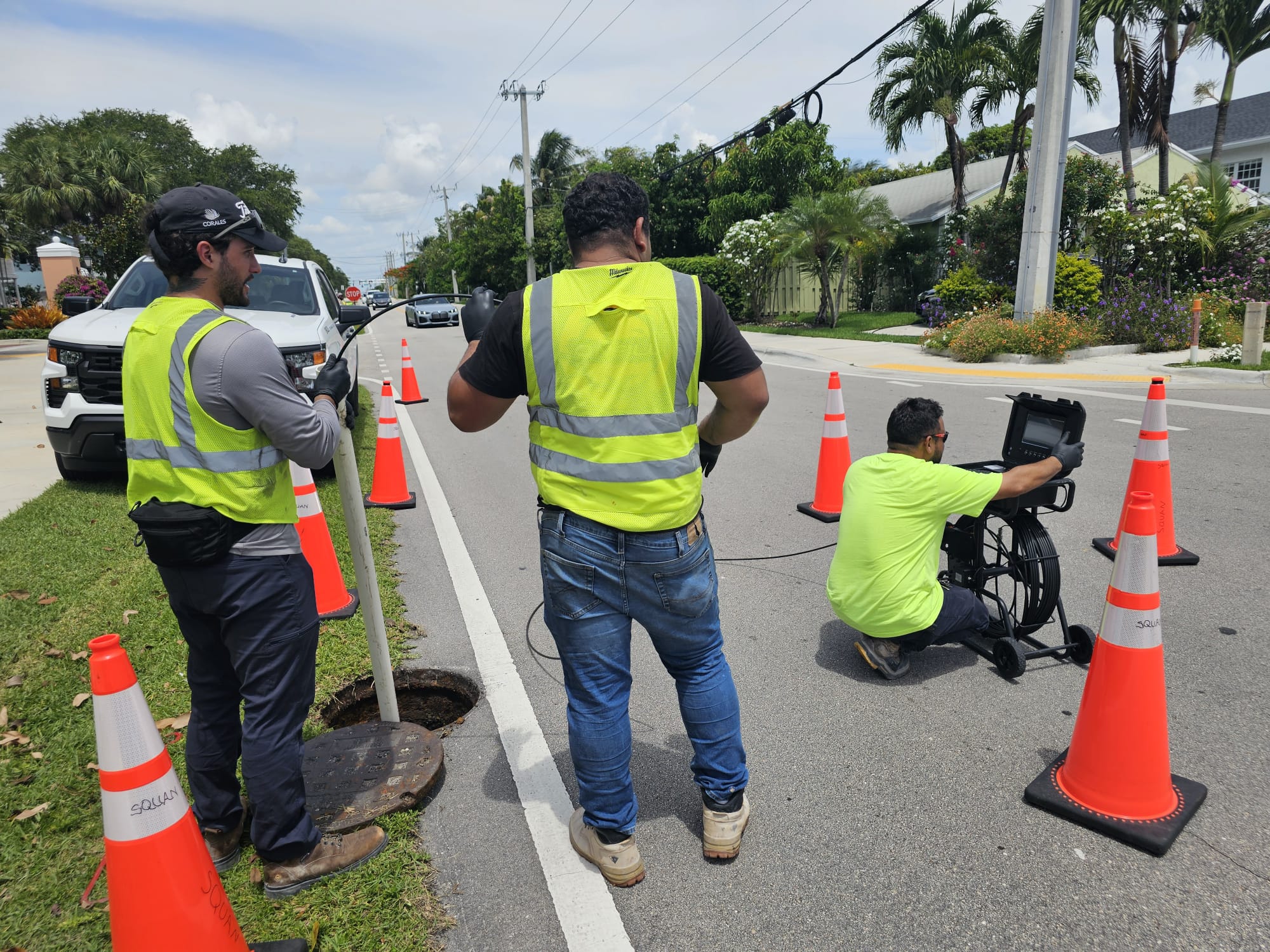
If recurring drainage problems are reported, inspectors may also recommend a drain and pipe camera inspection. This allows plumbers to examine the inside of drain lines without excavation, helping identify cracks, corrosion, root intrusion, blockages, or collapsed pipe sections that cannot be seen from the surface.
Commercial inspections become even more valuable in older Florida buildings, where decades of use, renovations, humidity, and aging infrastructure can gradually affect plumbing performance.
Rather than guessing what’s happening underground or inside walls, inspections provide evidence that supports informed maintenance decisions. Industry guidance also emphasizes that regular inspections and preventative maintenance help reduce moisture-related building problems and identify deficiencies before they lead to more significant damage. (Moisture Control Guidance)
If recurring drainage issues are already affecting your property, a professional drain camera inspection can often determine whether the problem is caused by buildup, pipe damage, or another hidden defect before repairs begin.
Why Small Plumbing Problems Often Point to Bigger Issues
Small plumbing problems shouldn’t always be viewed as isolated incidents.
Quite often, they’re early warning signs of a plumbing system that’s beginning to deteriorate.
For example, a recurring drain clog may initially seem like a maintenance issue. But if the same drain continues to clog despite repeated cleaning, the real cause could be corrosion inside aging pipes, a damaged sewer line, root intrusion, or sections of pipe beginning to collapse. The same applies to low water pressure.
Replacing a faucet or valve may temporarily improve performance, but if multiple areas of a building begin experiencing pressure issues, inspectors may investigate for hidden leaks, deteriorating supply piping, partially obstructed lines, or other system-wide concerns.
One of the perspectives we’ve developed over years of commercial plumbing work is that recurring complaints deserve investigation, not just another repair. Success isn’t measured by how many service calls are completed. It’s measured by how many problems stay solved.
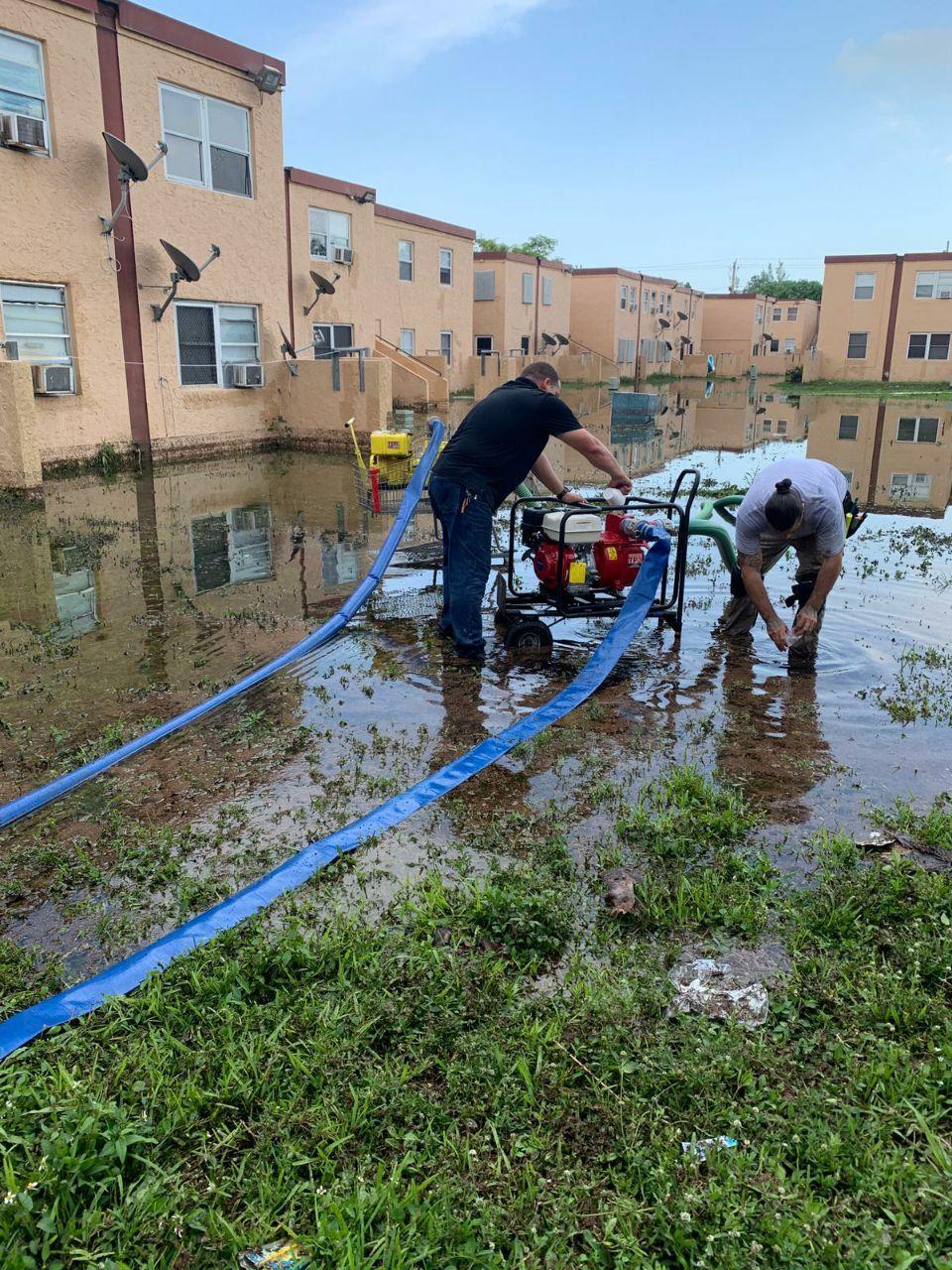
This is especially true for commercial properties where plumbing failures affect more than one person. A hidden leak may lead to tenant complaints, property damage, increased water bills, mold growth, interrupted business operations, or insurance claims if left unresolved.
Professional inspections focus on identifying patterns rather than treating individual symptoms. Instead of asking, “How do we fix today’s leak?” inspectors also ask, “Why does this keep happening?”
That shift in thinking often makes the difference between ongoing reactive repairs and a long-term maintenance strategy.
Organizations that train commercial property inspectors similarly emphasize evaluating the overall condition of plumbing systems rather than focusing solely on individual fixtures or isolated defects, helping owners better understand existing conditions and future maintenance needs – CCPIA (Commercial Plumbing Inspection Resource).
What Are the Most Common Plumbing Issues Found During Commercial Inspections?
A professional commercial plumbing inspection commonly identifies recurring drain clogs, hidden leaks, aging pipes, water pressure problems, sewer line concerns, fixture failures, and plumbing code issues that could affect the safety and reliability of a commercial property.
Some of these problems are obvious. Others remain hidden until they begin disrupting daily operations. The purpose of an inspection isn’t simply to find defects. It’s to identify conditions that could become larger, more expensive problems if left unaddressed.
Below are some of the issues plumbers most frequently uncover during commercial inspections.
Recurring Drain Clogs
An occasional clogged drain isn’t unusual in a commercial property. However, repeated blockages in the same area often indicate that something more significant is happening within the drainage system.
Common causes include:
- Grease buildup in restaurant kitchens
- Soap and debris accumulation in commercial restrooms
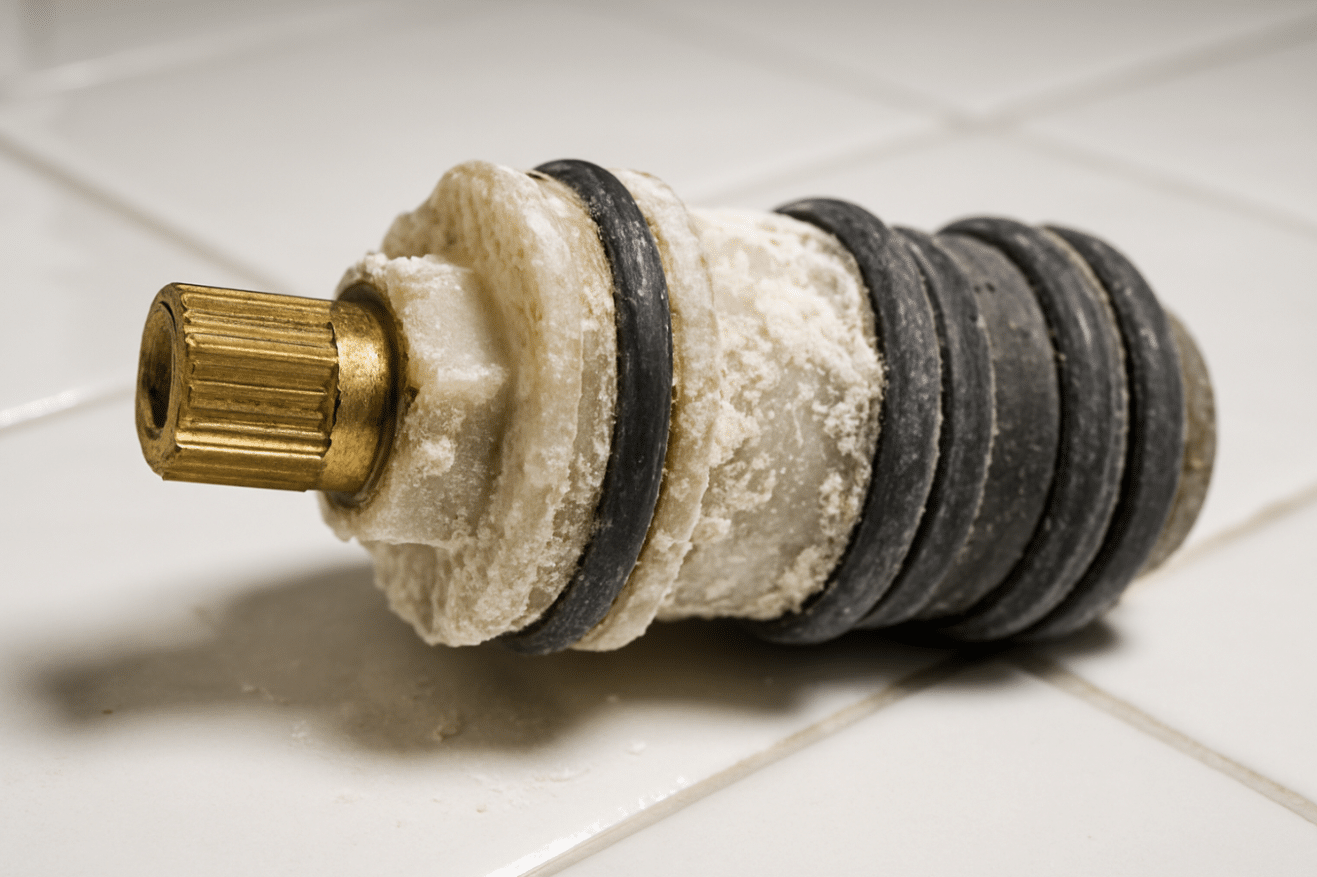
- Mineral scale inside older piping
- Tree root intrusion
- Damaged or partially collapsed drain lines
- Incorrect pipe slope causing poor drainage
Simply clearing a clog may restore flow temporarily, but it doesn’t always solve the underlying problem.
We’ve found that if the same drain requires attention multiple times, it’s worth investigating why. In many cases, recurring drainage issues are early indicators of pipe deterioration or underground damage rather than isolated maintenance concerns.
This is where a drain and pipe camera inspection becomes particularly valuable. Instead of relying on guesswork, a camera inspection allows plumbers to view the inside of the piping and identify blockages, corrosion, cracks, root intrusion, or structural failures before recommending repairs. This service includes a video assessment and identification of blockages, corrosion, cracks, and pipe failures, followed by recommendations for repair or replacement.
If recurring drain issues are affecting your property, our drain cleaning services and drain camera inspection services can help identify the root cause rather than repeatedly treating the symptoms.
Hidden Water Leaks
Not every plumbing leak is visible.
In commercial buildings, leaks often develop behind walls, above ceilings, beneath concrete slabs, or inside mechanical rooms where they can go unnoticed for long periods.
During a commercial plumbing inspection, plumbers look for subtle warning signs such as:
- Water stains
- Damp drywall
- Soft flooring
- Peeling paint
- Mold or mildew growth
- Unexplained increases in water consumption
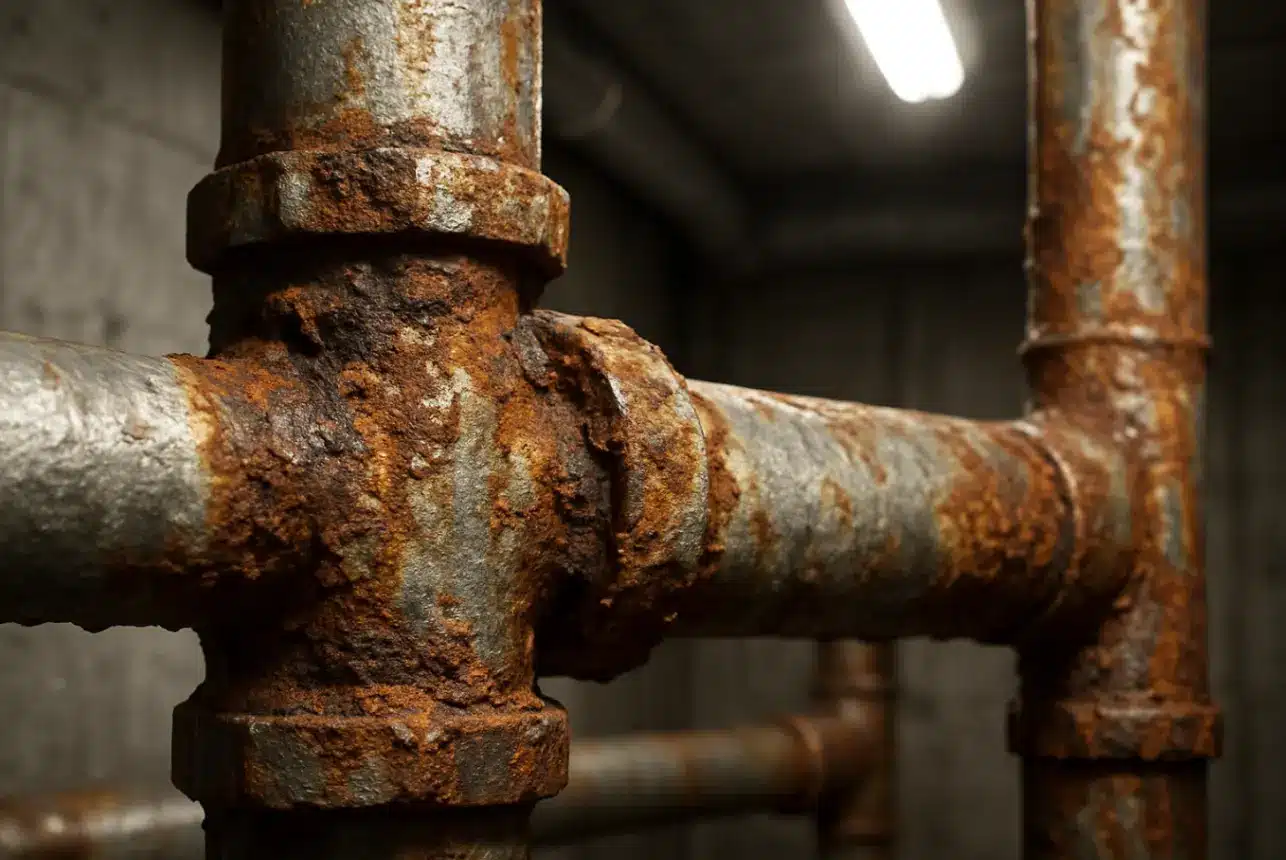
- Rust around piping connections
Even a small leak can waste a significant amount of water over time while gradually damaging building materials and creating conditions for mold growth.
The U.S. Environmental Protection Agency notes that controlling moisture early is one of the most effective ways to prevent more extensive building damage and indoor environmental issues, making routine inspections an important part of facility maintenance. (EPA Moisture Control Guidance)
If you’ve noticed an unexpected increase in water usage, you may also find our guide on why your water bill is suddenly high helpful.
Corroded or Aging Pipes
Many commercial buildings throughout Florida still rely on plumbing systems that have been in service for decades.
As pipes age, they naturally experience wear that can affect both water quality and system performance.
Inspectors commonly look for:
- Internal corrosion
- Pipe scaling
- Rust
- Pinhole leaks
- Previous repair patches
- Signs of deteriorating joints
- Reduced pipe wall thickness
Older cast iron drain systems deserve particular attention because corrosion often develops gradually from the inside out. A pipe may continue functioning for years while slowly becoming more vulnerable to leaks, blockages, or structural failure.
This is another reason recurring plumbing complaints should never be ignored. By the time visible damage appears, deterioration may have been occurring for a long time.
Rather than replacing plumbing systems unnecessarily, inspections help property owners understand their current condition and prioritize repairs based on actual findings.
Low Water Pressure Throughout the Building
Low water pressure isn’t always caused by a faulty faucet or fixture.
When pressure problems occur in multiple areas of a commercial property, inspectors often investigate broader plumbing system issues.
Potential causes include:
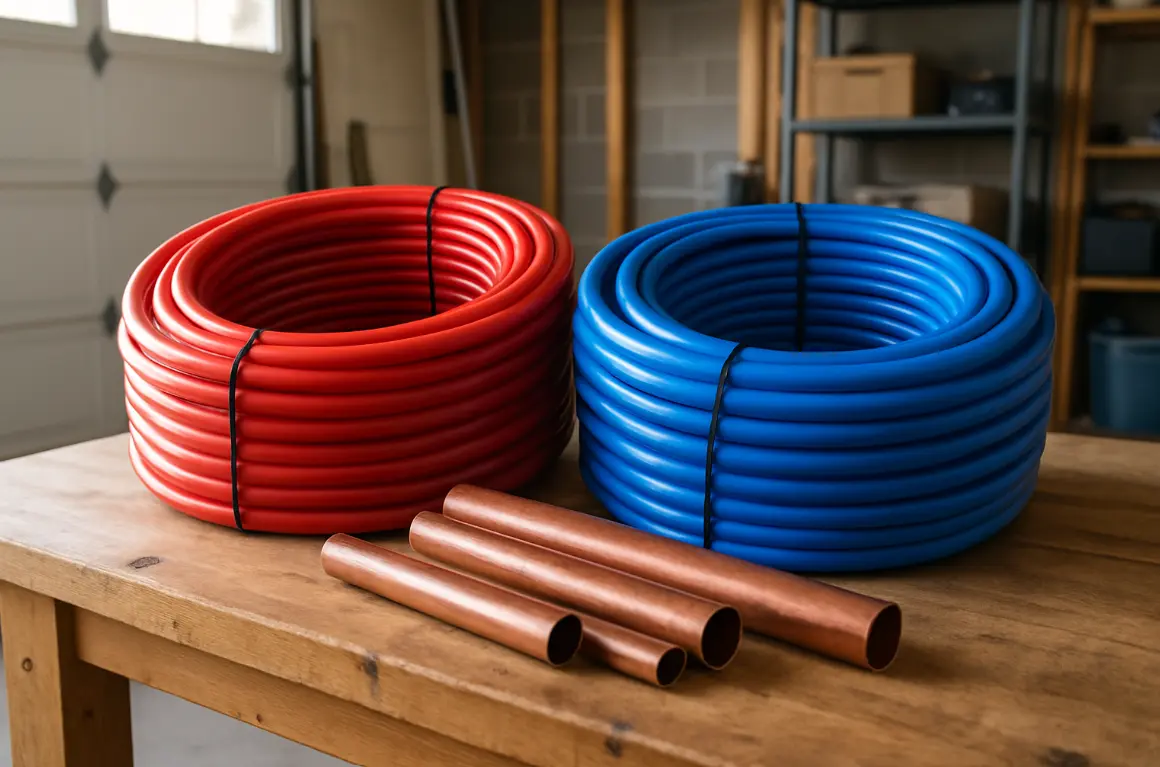
- Aging supply piping
- Hidden water leaks
- Mineral buildup
- Partially closed isolation valves
- Faulty pressure-regulating valves
- Water supply restrictions
Consistently low pressure can affect employee restrooms, commercial kitchens, healthcare facilities, schools, hotels, and any business that relies on dependable plumbing every day.
A professional plumbing inspection evaluates the system as a whole to determine whether the problem is isolated or part of a larger infrastructure concern.
Sewer Odors Inside the Building
Persistent sewer odors are more than an inconvenience.
They often indicate that wastewater gases are escaping somewhere within the plumbing system.
Possible causes include:
- Damaged sewer piping
- Failed plumbing vents
- Dry floor drains
- Broken cleanout caps
- Cracked drain lines
- Defective drain traps
Because these issues aren’t always visible, they can be difficult to diagnose without a systematic inspection.
Rather than masking odors with temporary solutions, inspectors work to identify the source of the problem so appropriate repairs can be planned.
In our experience, recurring sewer odors frequently appear alongside other warning signs such as slow drains or repeated backups. Looking at the entire plumbing system often provides a much clearer understanding of what’s happening than addressing each symptom individually.
Failing Plumbing Fixtures
Commercial plumbing fixtures experience significantly more daily use than those in most residential properties.
Over time, normal wear can lead to:
- Toilets that continuously run
- Leaking faucets
- Faulty flush valves
- Loose fixtures
- Damaged sink drains
- Worn seals and supply connections
While replacing an individual fixture may be straightforward, widespread fixture failures throughout a building can also indicate inconsistent maintenance or aging plumbing infrastructure.
During inspections, plumbers evaluate not only whether fixtures function correctly but also whether repeated failures point toward larger maintenance needs.
Plumbing Code Compliance Concerns
A commercial plumbing inspection doesn’t only focus on visible plumbing defects. It may also identify installations that no longer meet current plumbing standards or present maintenance concerns.
Examples may include:
- Inaccessible shutoff valves
- Damaged or missing cleanouts
- Improper pipe supports
- Cross-connection concerns
- Deteriorated plumbing components
- Modifications from previous renovations that require further evaluation
Commercial properties often undergo multiple renovations over their lifetime. As spaces are remodeled for new tenants or changing business needs, plumbing systems may also be altered. A professional inspection helps identify areas that deserve closer attention before future renovations or major repairs begin.
Industry guidance for commercial property inspections recommends evaluating the overall condition, accessibility, and functionality of plumbing systems so property owners can better understand maintenance priorities rather than simply documenting isolated defects (Certified Commercial Property Inspectors Association).
Why Older Commercial Buildings Require More Frequent Plumbing Inspections
Older commercial buildings should generally undergo regular plumbing inspections because aging infrastructure is more likely to develop hidden defects that aren’t immediately visible during day-to-day operations.
Age alone doesn’t mean a plumbing system is failing. However, decades of use, previous renovations, changing building codes, and normal wear all increase the likelihood of underlying issues.
Common concerns in older commercial properties include:
- Corroded water supply pipes
- Aging cast iron drain lines
- Previous repairs that are beginning to fail
- Outdated plumbing fixtures
- Underground piping affected by shifting soil or tree roots
- Reduced water flow caused by mineral buildup
- Hidden leaks behind walls or beneath concrete slabs
This is especially relevant in Florida, where many commercial buildings have been renovated several times over their lifespan. While cosmetic improvements may modernize a property, the plumbing infrastructure behind the walls may still be original.
Rather than waiting until a major repair becomes unavoidable, routine commercial plumbing inspections provide valuable insight into the condition of the system. They allow property owners and managers to budget for maintenance, prioritize repairs, and reduce the likelihood of unexpected plumbing failures.
One observation we’ve seen repeatedly is that plumbing systems usually fail gradually, not suddenly. Slow drains, recurring leaks, low water pressure, and sewer odors are often early indicators that deserve investigation before they become emergencies.
When Should You Schedule a Commercial Plumbing Inspection?
A commercial plumbing inspection is recommended whenever you need a clear understanding of your property’s plumbing condition, especially before significant business decisions or when recurring plumbing issues begin appearing.
Many property owners wait until something breaks before calling a plumber. While emergency repairs are sometimes unavoidable, inspections are most valuable when they’re used proactively.
Consider scheduling a plumbing inspection if you are:
Purchasing a Commercial Property
A plumbing inspection helps identify hidden defects that may not be visible during a general property inspection. Understanding the condition of the plumbing system before purchasing allows buyers to make more informed decisions and anticipate future maintenance needs.
Managing an Older Building
As plumbing systems age, routine inspections become increasingly important. Annual or scheduled inspections can help detect gradual deterioration before it affects tenants or business operations
Planning a Renovation or Tenant Improvement
Renovations often require modifications to existing plumbing systems. Identifying aging or damaged piping beforehand can help avoid costly surprises once construction begins.
If you’re planning upgrades, our commercial plumbing projects team can assist with plumbing system inspections, renovations, and tenant improvements for commercial properties. You can check out our recent plumbing projects here.
Experiencing Recurring Plumbing Problems
Repeated drain clogs, leaks, sewer odors, or pressure issues are often symptoms of larger infrastructure concerns. An inspection helps determine whether these problems are connected rather than treating each one individually.
Preparing Preventative Maintenance Plans
For property managers overseeing multiple buildings, scheduled inspections make it easier to plan maintenance budgets instead of reacting to unexpected plumbing failures.
Preventative maintenance is widely recognized as a more effective long-term strategy for commercial facilities because it reduces the likelihood of moisture damage, service interruptions, and emergency repairs when deficiencies are identified early (U.S. Environmental Protection Agency).
Why Professional Commercial Plumbing Inspections Save Money Over Time
A professional plumbing inspection isn’t simply about finding problems. It’s about helping property owners make informed decisions before those problems become expensive emergencies.
Commercial plumbing failures can affect far more than the plumbing itself. A single leak or sewer backup may result in:
- Business interruptions
- Tenant complaints
- Water damage
- Mold remediation
- Insurance claims
- Emergency repair costs
- Lost productivity
Regular inspections provide an opportunity to address issues while repairs are typically less disruptive and easier to schedule.
Rather than reacting to emergencies, property owners can prioritize maintenance based on the actual condition of their plumbing system.
This approach aligns with how we approach commercial plumbing projects. Instead of repeatedly responding to the same symptoms, we focus on identifying the root cause so property owners have the information needed to make long-term maintenance decisions.
Whether that involves repairing damaged piping, replacing aging fixtures, or recommending additional diagnostic services, inspections provide the information needed to plan ahead with confidence.
If your property has experienced recurring plumbing issues or you’re preparing for a purchase, renovation, or preventative maintenance program, our commercial plumbing services team can help assess your plumbing system and recommend the most appropriate next steps.
Quick Summary
Commercial plumbing systems rarely fail without warning. Recurring drain clogs, hidden leaks, low water pressure, sewer odors, and aging pipes often develop gradually over time. While these issues may seem unrelated, they can all point to larger problems within the plumbing system.
A professional commercial plumbing inspection helps uncover those issues before they lead to costly repairs, business interruptions, or unexpected emergencies. It provides a clearer understanding of your property’s plumbing condition, allowing you to plan maintenance, prioritize repairs, and make informed decisions about your investment.
Whether you’re purchasing a commercial property, managing multiple facilities, preparing for renovations, or simply want greater confidence in your plumbing system, regular inspections are one of the most effective ways to protect your building and keep operations running smoothly.
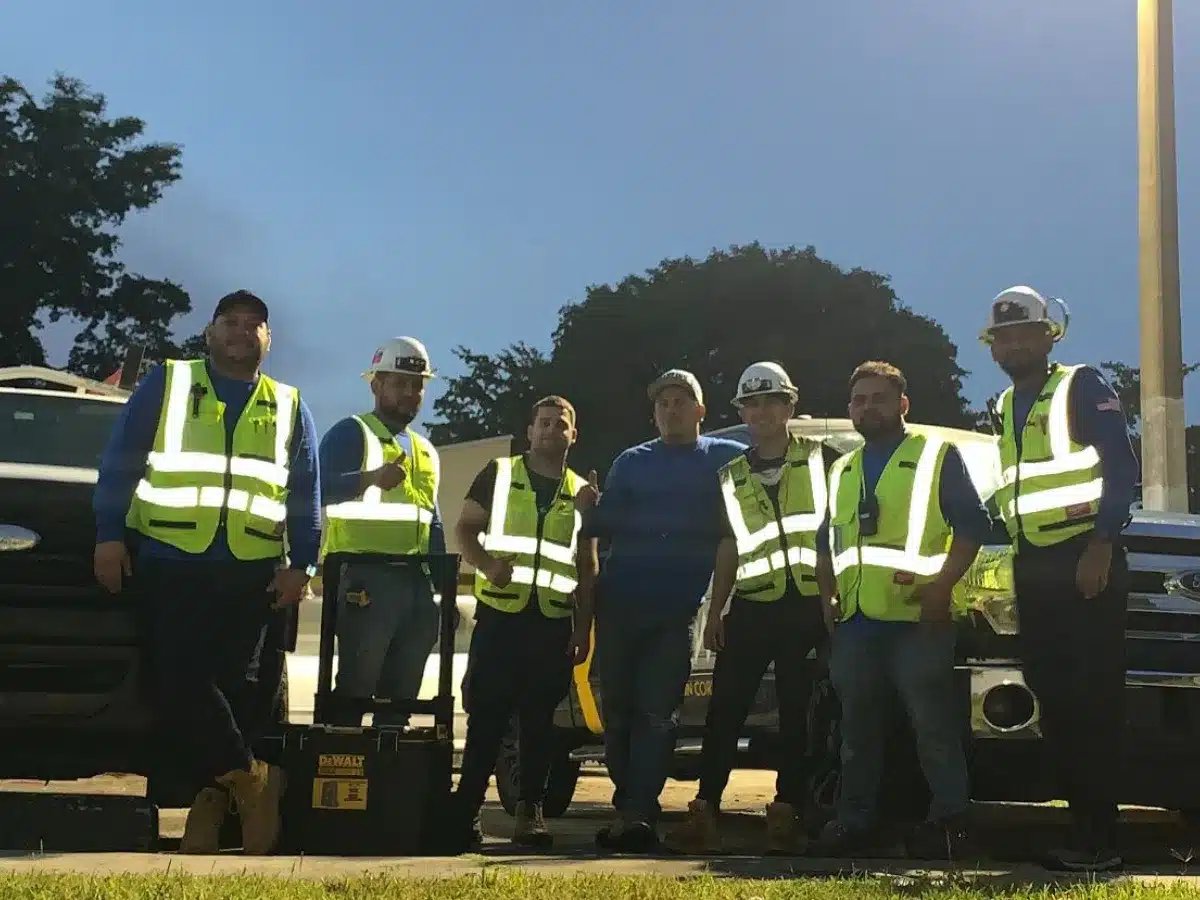
If you’re ready to schedule a professional inspection, AM Florida Builders provides commercial plumbing inspections, drain and pipe camera inspections, and commercial plumbing projects throughout South Florida, helping property owners identify problems early and develop practical long-term solutions.